50 Munich Travel Tips
50 essential Munich travel tips for 2026 — money, language, transit, food, etiquette, safety, museums, sightseeing & more. The complete pre-trip preparation guide for first-time and returning visitors.
Whether it’s your first trip to Munich or a repeat visit, knowing the right Munich travel tips can transform your experience — saving money, avoiding tourist traps, navigating customs, and unlocking experiences other visitors miss. The tips below run from money and language to etiquette, transit, eating, drinking, sightseeing, photography and safety. Bookmark this page before your trip — it’s the foundation guide for confident Munich travel.
Before Your Trip
1. Book Hotels 6+ Weeks Ahead
Munich’s hotel market is competitive year-round and intense during Oktoberfest (mid-September to early October) and Christmas markets (late November to December). Book several weeks ahead for normal periods and as early as you can for Oktoberfest. The earliest bookings get the best rates. Cancellation flexibility varies — opt for refundable rates if your trip plans might shift. See our where to stay guide.
2. Choose Your Neighborhood Strategically
Where you stay matters as much as which hotel. Altstadt for first-time, sightseeing-heavy trips. Schwabing for café culture and the English Garden. Glockenbachviertel for nightlife and dining. Maxvorstadt for museums. Hauptbahnhof for budget travelers and Oktoberfest. See our neighborhoods guide.
3. Get an EU Power Adapter
Germany uses Type F plugs (two round pins). US travelers need adapters; UK travelers need adapters; most of Europe is the same. Pack more than one adapter if you’ll be charging several things at once — phones, cameras, laptops, hair dryers (though hotels usually provide hair dryers). USB-A and USB-C wall adapters work well; multi-port adapters save space.
4. Notify Your Bank of Travel
Some US banks will block foreign-card transactions without travel notification. Email or call your bank before departure. Bring at least two different cards (Visa, Mastercard, AmEx) for redundancy. Most German vendors accept all major cards, but some smaller cafés and Imbiss stands prefer cash.
5. Buy a Travel SIM or Verify Roaming
If your home plan includes free EU roaming (most US plans do via T-Mobile or AT&T; UK plans via O2 and EE), you’re fine without a local SIM. Otherwise, buy a German prepaid SIM at the airport or any Hauptbahnhof shop — Aldi Talk, congstar, and O2 prepaid all sell data packs, so compare their current allowances and prices before you buy. Set up before exploring Munich; data is essential for navigation, transit apps, and translation.
6. Download Essential Apps
Munich’s transit and tourism become much easier with the right apps: MVV (transit), DB Navigator (regional trains and Bayern-Ticket), Google Maps (offline maps for Munich), Google Translate (camera translation for menus and signs), TripAdvisor or Google Maps for restaurant reviews. Download offline maps of Munich before arriving.
7. Learn Basic German Phrases
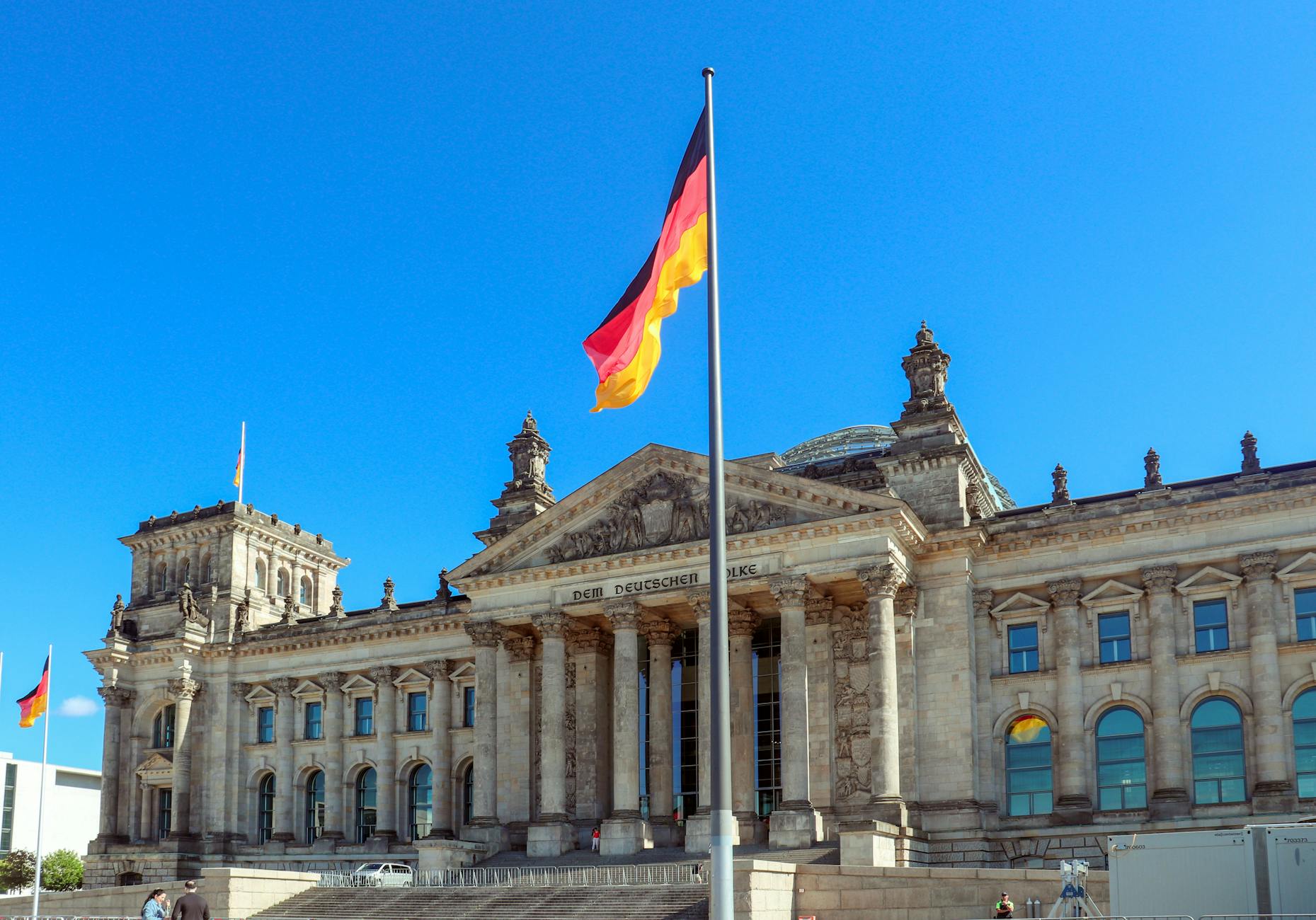
English is widely spoken in Munich, especially among younger people; older Münchners may speak less. Knowing a few German phrases is appreciated and goes far: “Guten Tag” (hello), “Danke” (thanks), “Bitte” (please), “Entschuldigung” (excuse me), “Sprechen Sie Englisch?” (do you speak English?), “Die Rechnung, bitte” (the bill, please). Bavarian dialect adds: “Servus” (informal hello/goodbye), “Pfiat di” (informal goodbye), “Grüß Gott” (formal greeting).
Sort connectivity before you land — the Munich SIM card and WiFi guide compares eSIMs, prepaid providers and where the free hotspots actually work.
Money and Payment
8. Bring €100-€200 Cash
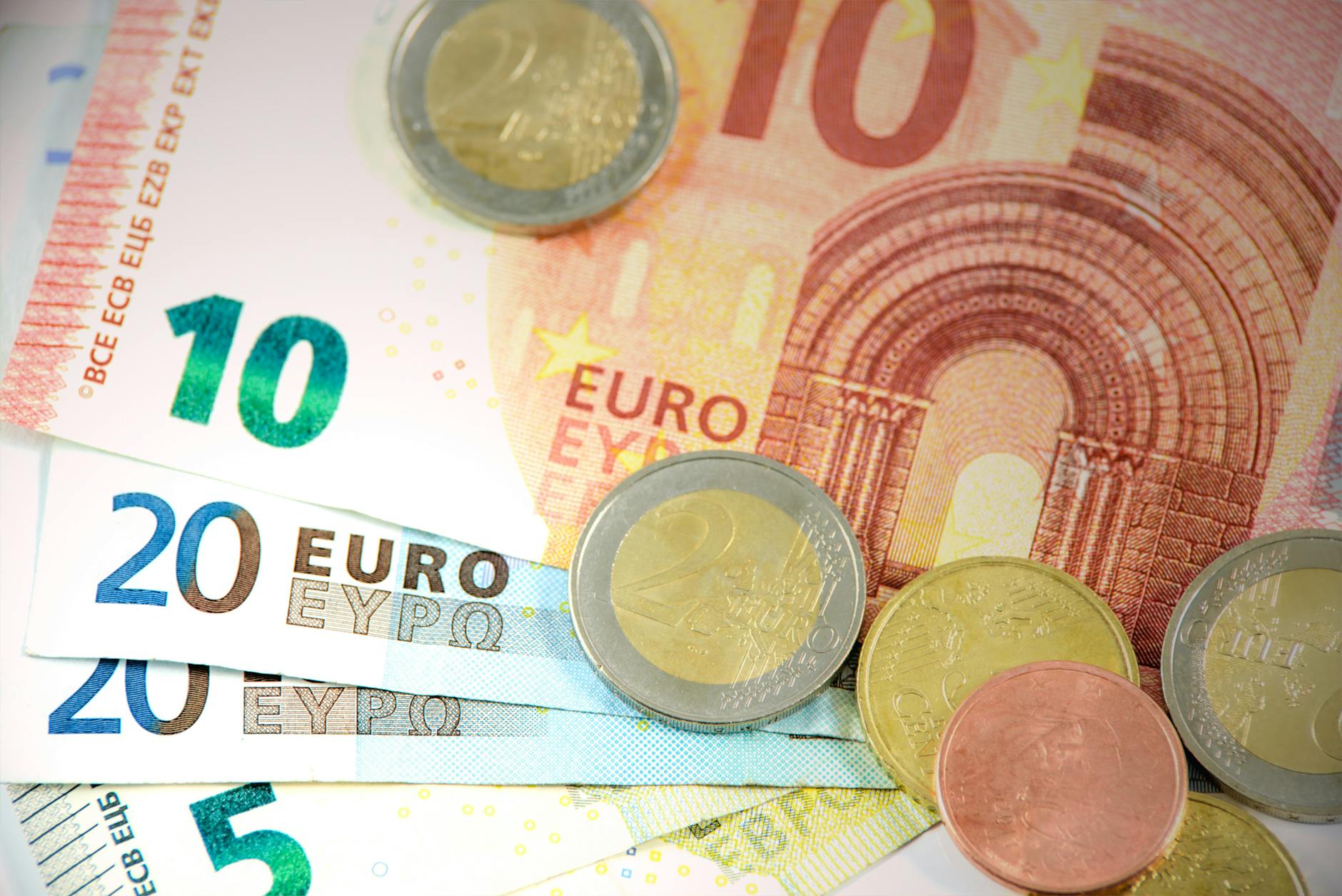
Germany loves cash. While most restaurants and hotels accept cards, smaller cafés, Imbiss stands, Christmas market stalls, and tip transactions strongly prefer cash. Arrive with some cash in small notes (€5, €10, €20). Withdraw more from ATMs as needed — Sparkasse and Commerzbank ATMs have low fees; bank-branch ATMs are safest.
9. Use ATM Withdrawals over Currency Exchange
ATM withdrawals in Munich typically offer better rates than currency exchange. €200 at a Sparkasse ATM costs around €2-€3 in fees plus your home bank’s foreign-transaction fee — often less than the exchange rates at exchange offices. Avoid airport currency exchange counters; they have the worst rates.
10. Tipping Norms
Tipping in Munich is custom, not a rule: round up restaurant bills for good service. Tell the server the total when paying (on a €20 bill, say “€22, bitte”) rather than leaving cash on the table — they’ll provide the correct change directly. Coffee shops: round up the bill. Beer gardens: round up, roughly €1 per Maß. Hotel housekeepers: a few euros left in the room is appreciated. Taxi: rounding up is customary. Tour guides: tip-based walking tours depend on what you hand over at the end.
11. VAT Refund for Non-EU Visitors
Non-EU visitors can reclaim 19% German VAT on purchases over €50.01. Ask for a tax-free shopping form at participating stores; get customs stamp at the airport before flying out; submit form to a Global Blue or Planet refund desk for cash or card refund (roughly 11-14% net after the operator’s fee, varying by retailer and amount). Worth it for significant shopping. See our souvenirs guide.
12. Understand Munich’s Pricing
Munich is one of Germany’s more expensive cities, and hotels and restaurants generally cost more here than in Berlin. Your daily budget depends mostly on where you sleep — our trip cost guide breaks it down by travel style.
Transit and Getting Around
13. Get the Right Transit Pass
For most visitors: Single-Tageskarte (€10.10/day in Zone M) for solo travel or Gruppen-Tageskarte (€19.70/day for 2-5 people) for groups. For 5+ day stays, the Zone M Wochenkarte (€23.80, €25.80 from January 2027) is best. See our travel passes guide.
14. Validate Paper Tickets
Paper tickets MUST be stamped at the blue pillars on platforms before boarding. Digital tickets in the MVV app are pre-validated. Forgetting to validate triggers a €60 fine if checked, with no warnings. Validate immediately upon platform arrival.
15. Use the MVV App
The MVV app handles route planning, real-time departures, and digital ticket purchase — eliminating the need for paper tickets. Available iOS/Android, free. Works in English. Buying digital tickets through the app is faster than vending machines.
16. Last U-Bahn is ~01:00
From Sunday to Thursday night, Munich’s U-Bahn stops around 01:00 and night trams (N17, N19, N20, N27) and night buses cover the gap until roughly 04:00. Friday and Saturday nights are different: the U-Bahn runs all night, as it does before public holidays, every 30 minutes (every 15 in the centre). Plan late returns; taxis are metered by distance and time, from a €5.90 minimum at €2.70 per km.
17. Walk Whenever Possible
Central Munich is compact — you can walk the whole Old Town from Karlsplatz to the Isartor. Most sightseeing is more efficient on foot than on transit. Comfortable walking shoes are essential.
18. Bike Sharing is Excellent
Munich’s bike-sharing systems (Voi, Tier, and MyRadl, which replaced MVG Rad) are dense and well-integrated with the MVV app. A classic MyRadl bike costs €1 per 30 minutes or €9 for the day; an e-bike is €3 per 30 minutes or €18 for the day. Munich is bike-friendly with dedicated bike paths throughout central districts. Excellent for the English Garden and Isar river paths.
Planning to rent a car? Driving in Munich covers the Umweltzone, parking and whether it is worth it at all.
Eating and Drinking
19. Reservations Required at Top Restaurants
Michelin-starred restaurants: book weeks ahead. Popular mid-range restaurants: reserve in advance for weekend dinners. Beer halls and casual restaurants: usually walk-in. See our best restaurants guide.
20. Lunch Mittagsmenü is the Bargain
Many Bavarian restaurants offer Mittagsmenü lunch specials around midday — a full hot main course with one side. They usually cost noticeably less than the same dish at dinner. Look for chalkboard menus at restaurant entrances.
21. Tap Water Isn’t Routinely Served
Restaurants don’t automatically serve tap water, and bottled water adds a few euros to the bill. To get free tap water, ask explicitly: “Leitungswasser, bitte”. Most servers accommodate the request without issue, though some upscale restaurants may pressure you toward bottled water.
22. Beer Garden Bring-Your-Own-Food
Many traditional beer gardens let you bring outside food to their self-service section — a custom that grew out of Bavaria’s 1812 decree letting brewers sell beer from their cellars. The only requirement: order beer (or another drink) from the venue. This is Munich’s single biggest food-budget hack.
23. Weißwurst Before Noon
Traditionally, Weißwurst (white sausage) is eaten only before midday — the saying is they should “not hear the church bells of noon.” Modern restaurants serve them all day, but for the authentic experience, order before 12:00. Pair with Brez’n, sweet mustard, and Weißbier.
24. Try the Bavarian Specialties
Don’t leave Munich without trying: Weißwurst, Schweinshaxe (pork knuckle), Schweinsbraten (roast pork), Käsespätzle (cheese egg-noodles), Obatzda (camembert spread), Leberkäs Semmel (Bavarian meatloaf in a roll), Brez’n (pretzel), and Augustiner Helles beer. See our Bavarian food guide.
25. Cheap Eats are Excellent
Munich has great budget food: Currywurst, Döner kebab, a Bratwurst Semmel, a Mensa university canteen lunch or an Imbiss Leberkäs Semmel all cost a fraction of a sit-down meal. Many budget options match the quality of more expensive central restaurants. See our cheap eats guide.
Sightseeing and Attractions
26. €1 Sundays at State Museums
Bavarian state museums (Alte Pinakothek, Pinakothek der Moderne, Glyptothek, State Antiquities, others) charge just €1 admission on Sundays. A €5 Sunday covers five world-class museums. See our free museums guide.
27. Most Museums Closed Mondays
Major Munich museums (Alte Pinakothek, Pinakothek der Moderne, Lenbachhaus, BMW Museum, others) close on Mondays. Plan Monday for churches (always open), parks, beer halls, or Hellabrunn Zoo (open daily).
28. Free Walking Tours from Marienplatz
Several free walking tour companies start from Marienplatz (SANDEMANs, Original Munich Walking Tour, others); check each company’s site for the day’s departure times. Tours are in English and tip-based, so you pay at the end according to how good it was. Excellent first-day introduction.
29. Climb a Tower for Free Views
St. Peter’s Church (Alter Peter) tower next to Marienplatz: €5 for the 360° Old Town view (best in central Munich). The Olympic Tower in Olympiapark, the classic Alps panorama, has been closed since 1 June 2024 and is expected to reopen during 2027. Frauenkirche south tower (reopened 2022): €7.50 for close-range Old Town view.
30. Skip Marienplatz Souvenir Shops
Souvenirs in the shops directly on Marienplatz tend to cost more than the same things elsewhere in Munich. For quality beer steins, head to Sebastian Wesely on Rindermarkt. For Bavarian clothing, Loden-Frey or Trachten Angermaier. For affordable souvenirs, Galeria Kaufhof department store. See our souvenirs guide.
31. Glockenspiel Show Times
Marienplatz Glockenspiel performs daily at 11:00 and 12:00 (and 17:00 March-October). The show lasts about 15 minutes, slow but charming. Watch from the elevated Café Glockenspiel terrace or the top of St. Peter’s tower for less crowded viewing than the square below.
Cultural Etiquette and Customs
32. Be Punctual
Germans value punctuality. Arrive on time for restaurant reservations, and call ahead if you’re running late. Train and transit schedules are taken seriously. Show up on time.
33. Eye Contact in Toasts
When toasting (“Prost!”), maintain eye contact with each person you clink glasses with. Looking away during the toast is considered impolite — some Bavarians joke that breaking eye contact brings 7 years of bad luck.
34. Quiet on Sundays
Bavaria observes “Sonntagsruhe” (Sunday quiet) — most shops are closed, restaurants are quieter, and loud activities (mowing lawns, drilling, loud music) are technically prohibited. Plan grocery shopping for Saturday. Restaurants, cafés, museums, and transit operate normally.
35. Dress Code Awareness
Smart-casual is the Munich default for restaurants and bars. Sneakers fine for casual venues; avoid them at upscale restaurants. Most nightclubs and luxury hotel restaurants enforce smart-casual: no athletic wear, shorts, or flip-flops. Beer gardens accept anything. See our packing guide.
36. Don’t Sit at the Stammtisch
Bavarian beer halls have designated “Stammtisch” (regulars’ table) marked with a small metal sign. These are reserved for daily-regular customers. Don’t sit there unless you’re invited (you usually won’t be).
A few words of German go a long way here, and a Bavarian “Servus” further still — our German phrases for Munich guide has the ones you will actually use.
Safety and Health
37. Munich is Very Safe
Munich is generally regarded as safe, with low crime for a big city. Violent crime is rare. Pickpocketing is the main concern, especially at Marienplatz, the Hauptbahnhof area, and crowded festivals. Keep wallets in front pockets and bags zipped. The streets immediately around the Hauptbahnhof can feel gritty after midnight.
38. Emergency Numbers
Emergency: 112. Police: 110. Pharmacies marked with green crosses; one in each district is on overnight emergency duty (“Notdienst”).
39. Travel Insurance
Munich has world-class healthcare but it’s not free for non-EU visitors. Travel insurance covering medical, trip cancellation, and lost baggage is recommended. EU citizens use the European Health Insurance Card (EHIC).
Weather and Packing
40. Layer Your Clothing
Munich temperatures can swing noticeably between morning and afternoon. Layered packing (base + middle + outer) handles cool mornings, warm afternoons, and chilly evenings. Bring a light rain jacket year-round.
41. Pack Comfortable Shoes
Cobblestones everywhere. Comfortable walking shoes are essential — sneakers, walking shoes, or comfortable flats. Heels above 5cm are impractical.
42. Bring a Foldable Umbrella
Munich gets 1 mm or more of rain on about 14-17 days a month, year-round. A small foldable umbrella (under 30cm) fits in any bag. Bringing one saves you buying one on a wet day.
Day Trips and Beyond Munich
43. Bayern-Ticket for Day Trips
The Bayern-Ticket (€34 first + €10 each additional, max 5) covers Munich-area day trips including Neuschwanstein, Salzburg (Austria bilateral), Garmisch-Partenkirchen, Tegernsee, and more. Valid weekdays from 09:00; weekends from 00:00. Cheapest day-trip option.
44. Book Neuschwanstein Castle Tickets Ahead
Neuschwanstein castle entry requires timed tickets that sell out in summer. Buy online in good time at shop.ticket-center-hohenschwangau.de; tickets sold on site can be gone by late morning. See our Neuschwanstein day trip guide.
45. Salzburg is a Great Day Trip
Mozart’s birthplace, Hohensalzburg Fortress, Sound of Music locations — Salzburg is 90 minutes by train. The Bayern-Ticket explicitly covers Munich-Salzburg as a bilateral exception. See our Salzburg day trip guide.
Final Practical Tips
46. Public WCs Often Cost €0.50
Many public toilets at U-Bahn stations and train stations charge a small fee. Restaurant WCs are free for patrons. Major museums have free toilets. Keep a few coins handy for emergencies.
47. WiFi Coverage is Excellent
Most cafés, restaurants, and shopping centers offer free WiFi. Hotels universally provide free WiFi. The MVV transit network has free WiFi at major stations. Many U-Bahn stations have it on platforms.
48. Tax-Free at the Airport Departure
Munich Airport Terminal 2 has a customs desk for VAT-refund stamp processing before security. Allow extra time at departure for the VAT refund, since queues at customs vary. Mornings and evenings are the busiest times for departures — arrive at the airport earlier.
49. Stay Hydrated
Munich’s water is excellent. Drink it from any fountain or tap. Free water fountains in parks (April-October). Refillable bottle saves money on bottled water. Bavarian beer is also mostly water — a Maß provides hydration plus calories.
50. Stay Longer Than You Planned
Two or three days covers the headline sights, but in our view it short-changes the city. The city rewards longer stays — beer gardens, neighborhood exploration, day trips, museums, parks. Plan return visits — Munich’s restaurant scene, beer halls, and festivals reward repeat visitors.
Travelling with limited mobility, a wheelchair or at an easier pace? Our Munich accessibility and senior travel guide covers step-free stations, accessible sights and hotels.
Munich Customs and Cultural Norms Visitors Often Miss
Several Munich cultural norms catch first-time visitors off guard. The German concept of Ordnung (order) extends to everything from queueing politely to following pedestrian crossing signals even when no cars are present (jaywalking against a red light is technically a fineable offense and earns disapproving looks). Sonntagsruhe (Sunday rest) prohibits loud activities — mowing lawns, drilling, loud music — and is genuinely enforced through neighbor complaints and police visits. Bavarian regional pride runs deep: Münchners identify as Bavarians before Germans, and references to “German” beer halls or food may earn polite correction. The Bavarian dialect (“Boarisch”) is distinct from High German; older Münchners may speak it at home. Religious culture remains visible — Bavarian Catholic Easter and Christmas celebrations are still observed by many families; crucifixes are still found in classrooms and government buildings. Greeting customs differ slightly from northern Germany: “Servus” is the informal hello-and-goodbye; “Grüß Gott” (“God greet you”) is the traditional formal greeting; “Hallo” works but feels northern. Eye contact during toasts is essential.
Beyond linguistic and behavioral norms, several cultural specifics about Munich’s relationship to its own image catch visitors off guard. Münchners are reserved with strangers — small talk with shop staff, taxi drivers, or random passersby is less common than in southern European or American cultures. Direct eye contact is appropriate; smiling at strangers without reason is sometimes interpreted as odd. Punctuality is more rigid than in many other cultures — keep your restaurant reservations, and call ahead if you’re running late. The Bavarian relationship to bureaucracy is famously thorough — buying a transit ticket, opening a bank account, or arranging anything official requires more paperwork than in less rule-bound cultures. Münchners pride themselves on being more refined than northern Germans (especially Berliners) but also more friendly than Switzerland; the city’s self-image sits in a particular cultural niche.
Money Saving Strategies First-Time Visitors Don’t Know
Beyond the obvious budget tactics, several lesser-known Munich savings tricks are worth knowing. The Bayerische Schlösserverwaltung 14-Day-Combiticket covers the Residenz, Nymphenburg, Schleißheim, the Cuvilliés-Theater, and 10+ other state castles and palaces — usable across consecutive days; check the current price on schloesser.bayern.de. The Münchner Stadtmuseum is closed for renovation, but its interim exhibition “What the City” in the Zeughaus on St.-Jakobs-Platz is free to visit. The Münchner Volkstheater lists its current concessions on its own ticket page — worth a look before you pay full price for Bavarian-language theatre. The Bayerische Staatsoper standing-room tickets cost a fraction of a seat — check the current price and sale times on the opera house’s own site — extraordinary value for world-class opera. Munich Card discounts cover over 100 offers; whether the card pays for itself depends on how many paid attractions you fit in. Beer garden bring-your-own-food saves the cost of a meal — see our beer gardens guide. Tap water at restaurants requires explicit request (“Leitungswasser, bitte”) — bottled water is the default and is charged. Mensa university canteens take guests as well as students; the Mensa Leopoldstraße prices by weight (€0.33 or €0.75 per 100 g), and guests pay with a Legic Card. The Riemer See in Riemer Park is a bathing lake for summer swims.
Pre-Arrival Munich Setup Checklist
A complete Munich pre-arrival checklist: 1 month before: Hotel booked (far earlier for Oktoberfest). Restaurant reservations for any Michelin-starred dinners. Major attraction tickets pre-booked (BMW Museum, Hellabrunn Zoo, Neuschwanstein). Travel insurance verified. Bank notified of foreign travel. Power adapters purchased. 2 weeks before: Download MVV app, DB Navigator app, Google Maps offline for Munich, Google Translate offline German. Check passport validity against the current entry rules from the Auswärtiges Amt (auswaertiges-amt.de) or your own embassy. Check vaccination requirements (currently none specific to Bavaria). 3 days before: Confirm hotel reservations directly with the property. Check museum opening hours for your travel dates (Monday closures common). Plan day-by-day itinerary in writing. Pack layers, comfortable walking shoes, umbrella. 1 day before departure: Pack essentials in carry-on (Tracht if applicable, valuables, medications). Print/save important confirmations. Confirm SIM card situation (EU SIM, roaming, or buy on arrival). On arrival: Buy MVV transit pass at the airport vending machine; activate EU SIM card; check into hotel; eat first meal (recommend the airport’s central Bratwursthäusl if you arrive at lunch time, or your hotel’s restaurant otherwise).
Paying for things in Germany follows its own conventions. Our guide to money, cards and tipping in Munich covers where cash is still king and how much to leave.
Plan Your Munich Trip
This travel tips guide is part of our deeper Munich trip planner. For specific topics see our things to do guide, transport guide, where to stay guide, food and beer guide, and cost guide.