The Ultimate Guide to Things to Do in Munich
Discover the best things to do in Munich with our complete 2026 guide — landmarks, hidden gems, beer gardens, parks, day trips, and insider tips from top attractions to free experiences.
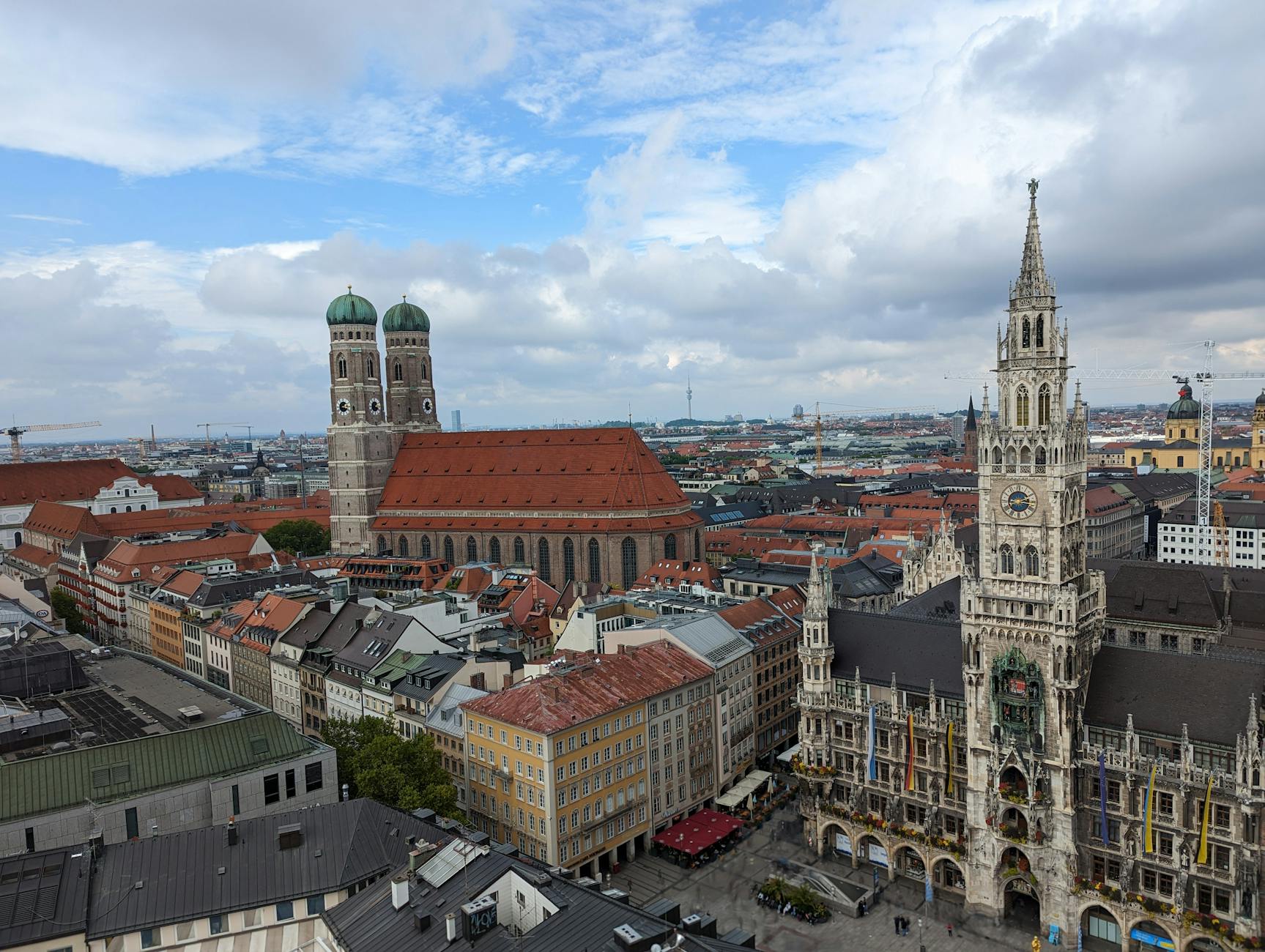
Munich, the sparkling capital of Bavaria, sits at the crossroads of Old World charm and modern European sophistication. With its fairy-tale palaces, world-famous beer gardens, alpine-adjacent landscapes, and some of Germany’s most important museums, the city offers an almost impossible abundance of things to do. Whether you’re planning a 48-hour layover, a week-long vacation, or a longer cultural deep dive, this complete guide to things to do in Munich will help you turn an overwhelming list of options into the perfect itinerary for your travel style, budget, and interests.
We’ve organized this guide the way locals actually experience the city: by neighborhoods, seasons, and themes rather than a rigid top-ten list. You’ll find the unmissable landmarks tourists come for alongside the quiet courtyards, riverside picnic spots, and neighborhood taverns that locals love. Every recommendation has been chosen for a specific reason, and wherever relevant we’ve linked to our in-depth guides so you can drill down into any topic that interests you.
Why Munich Belongs at the Top of Your Travel List
Munich is often described as Germany’s most livable city, and that livability is exactly why it makes such a wonderful travel destination. It’s compact enough to explore on foot, clean and safe, superbly connected by public transit, and blessed with green space in every direction. The Alps loom just south of the city, a string of crystalline lakes sits within an hour’s drive, and historic towns like Salzburg, Regensburg, and Nuremberg are all reachable by direct train.
Then there’s the Bavarian character. Munich takes its traditions seriously: the lederhosen, the dirndls, the copper-kettle breweries, the oompah brass bands, and the steaming plates of Schweinsbraten aren’t costumes or performances. They’re everyday life. Yet the same city also houses Siemens and BMW headquarters, a thriving start-up scene, progressive art galleries, and a cosmopolitan food culture that stretches from Ottoman-inspired cafés in Glockenbachviertel to Michelin-starred temples of Bavarian nouveau cuisine.
The city is also remarkably well-preserved. After significant damage in World War II, Munich rebuilt its historic core faithfully, so the Altstadt you walk through today looks much as it did when Mozart performed here. The combination of living tradition, genuine warmth, and exceptional infrastructure makes Munich feel both deeply authentic and refreshingly easy. For a helpful primer on when to plan your visit, see our seasonal events and festivals guide.
Before you book, our Munich accommodation guide explains which neighbourhood suits which kind of trip — the single decision that shapes everything else.
Iconic Landmarks: Munich’s Must-See Sights
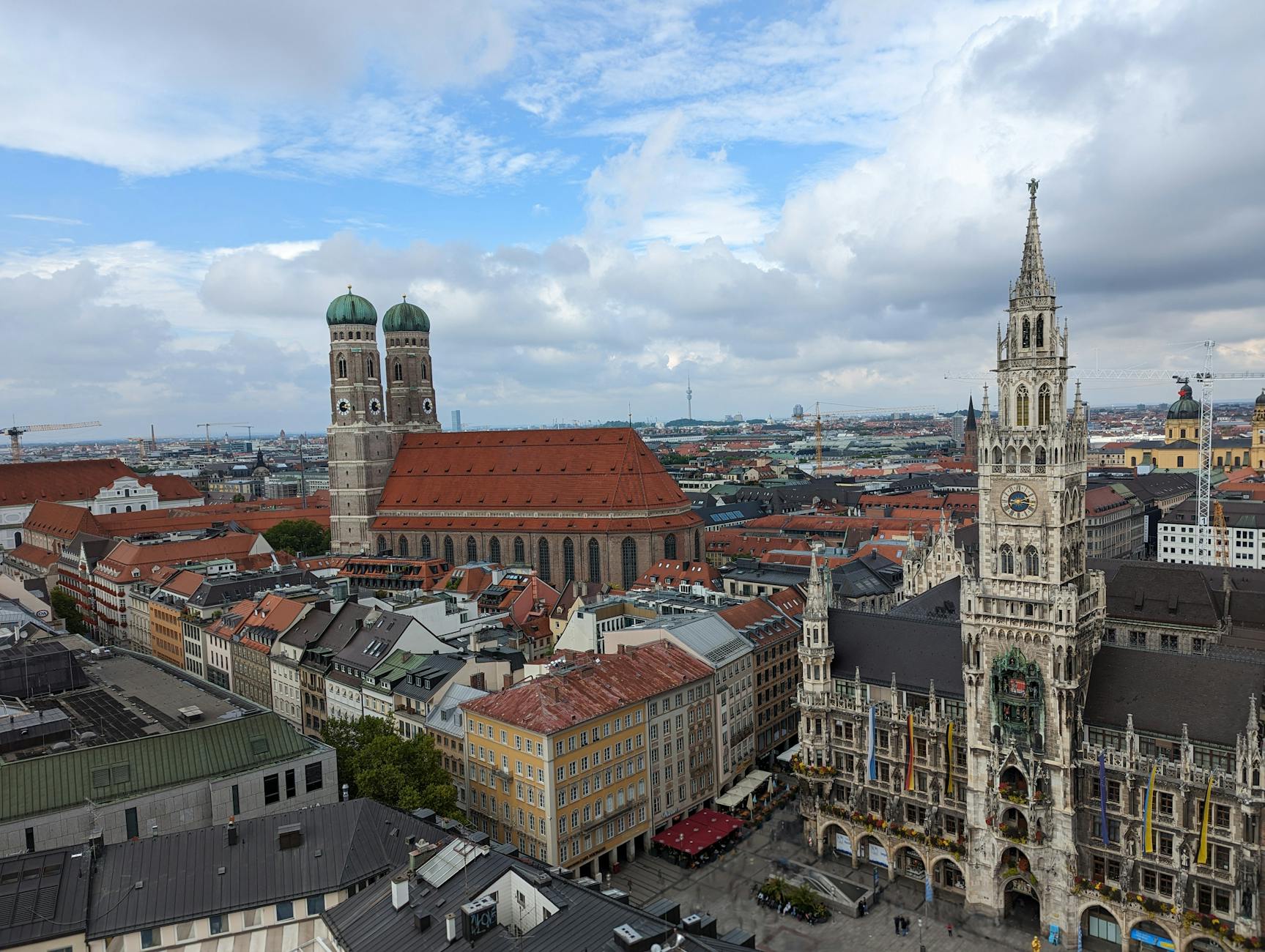
Any first-time visit to Munich starts at Marienplatz, the beating heart of the city for more than eight centuries. The vast paved square is dominated by the Neues Rathaus, a neo-Gothic confection whose tower houses the celebrated Glockenspiel. Each day at 11 a.m. and 12 noon (plus 5 p.m. from March through October), 43 bells and 32 life-sized figures perform two medieval tales: a jousting tournament celebrating the 1568 wedding of Duke Wilhelm V, and the Schäfflertanz, a cooper’s dance first performed to mark the end of a 1517 plague. The whole spectacle lasts about 12 to 15 minutes, and it’s completely free.
Just steps from Marienplatz rises the Frauenkirche, the twin-domed late-Gothic cathedral that serves as the unofficial symbol of the city. By local law, no building in central Munich may exceed its 99-meter towers, which preserves the human scale of the skyline. Inside, look for the famous “Devil’s Footprint” near the entrance and climb the south tower for sweeping views across the Altstadt to the Alps on clear days.
A ten-minute walk east brings you to the Munich Residenz, former seat of the Bavarian royal family and one of Europe’s most lavish palace complexes. With 130 rooms open to the public, ornate Baroque apartments, a Renaissance antiquarium lined with ancient busts, and a treasury glittering with crown jewels, the Residenz is not a quick stop. Budget at least three hours. South of the Altstadt you’ll find the Asam Church (Asamkirche), a tiny but utterly overwhelming late-Baroque chapel built by the Asam brothers as their personal devotional project. Its ten-meter-wide interior packs in more gilt, fresco, and illusion than many cathedrals ten times its size.
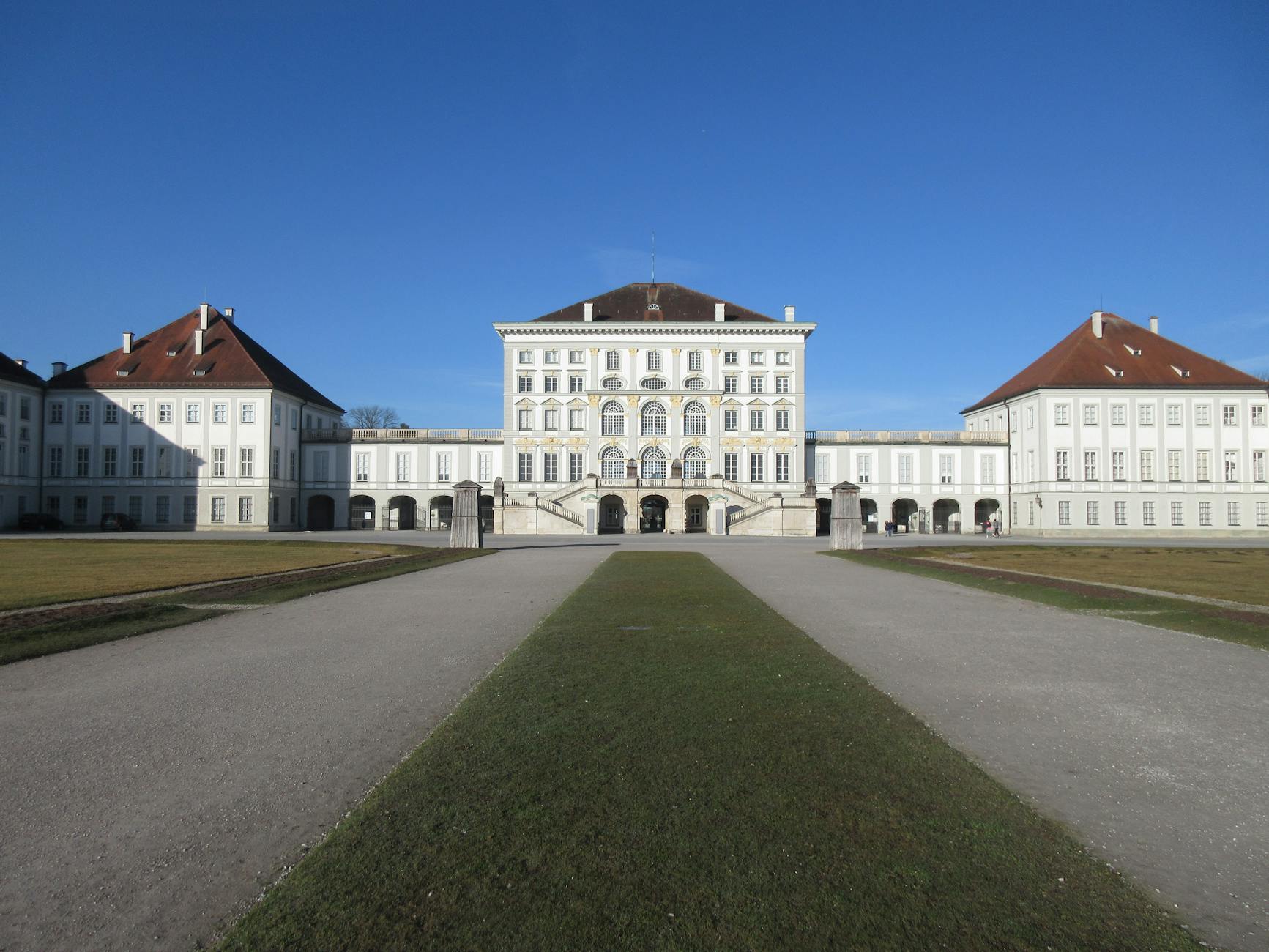
No list of Munich landmarks would be complete without Nymphenburg Palace, the sprawling summer residence of the Wittelsbach dynasty, set in a 566-acre park on the city’s western edge. The palace itself is 700 yards wide, which makes it one of the largest Baroque residences in Europe. Inside, the rococo Hall of Mirrors and King Ludwig I’s Gallery of Beauties draw most visitors, but the real magic is outside in the landscaped gardens and smaller pavilions scattered among the trees. For a deeper dive into every major sight, see our complete guide to Munich’s must-see landmarks.
Every one of these buildings sits on a longer story. Munich history and architecture explains how the city went from a monks’ toll bridge to a royal capital, and what to look for on each facade.
Parks, Gardens, and Outdoor Activities
Munich is arguably Europe’s greenest capital city, and its outdoor spaces are where the city’s character shines most clearly. The Englischer Garten (English Garden) alone is larger than New York’s Central Park or London’s Hyde Park, stretching nearly four miles along the Isar River. Its 78 kilometers of paths are popular with joggers, cyclists, and sunbathers, and in summer you’ll find thousands of locals lounging on the Monopteros hill, picnicking in meadows, or wading into the Eisbach stream.
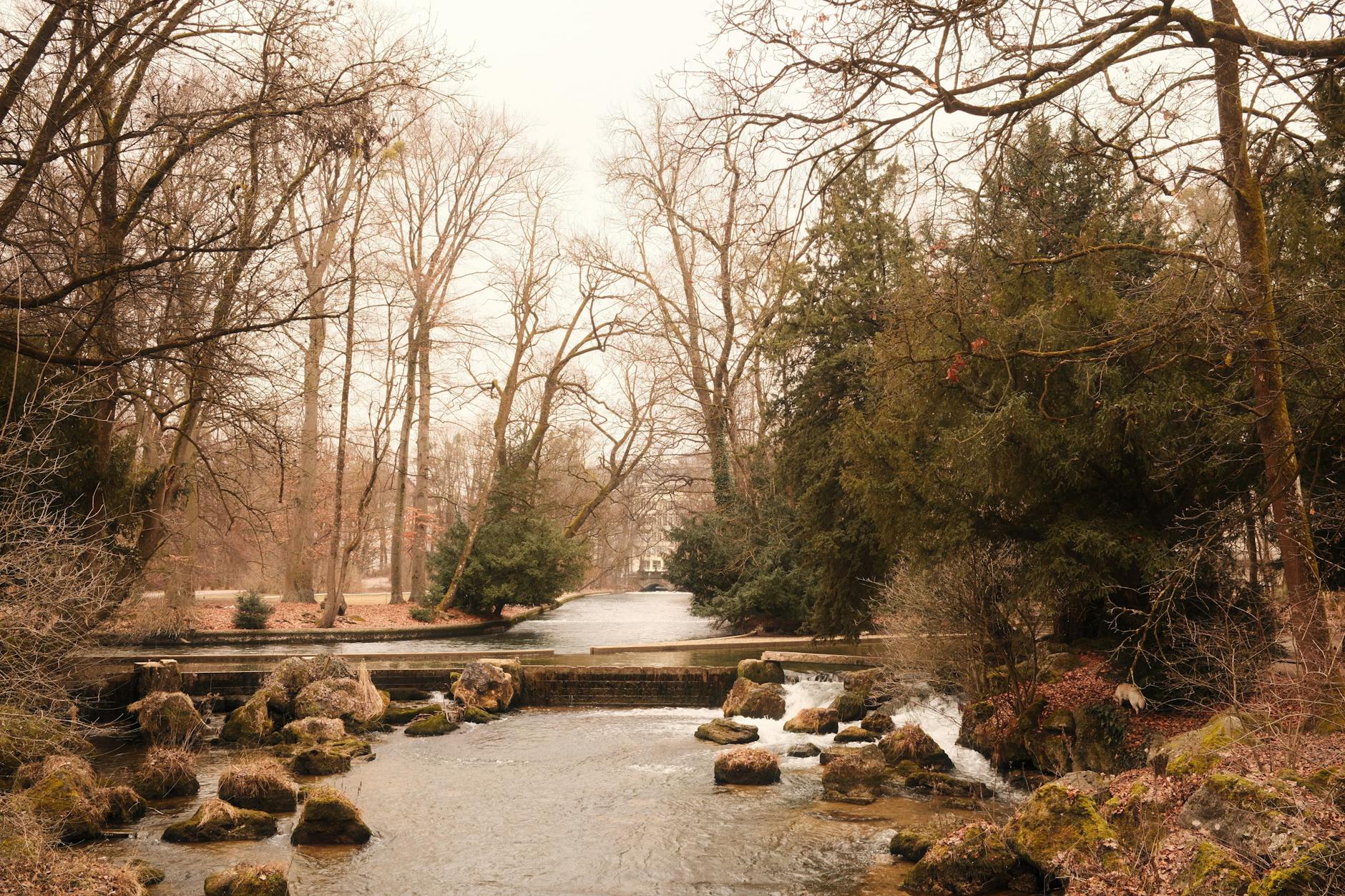
The garden is also home to one of Munich’s most surprising attractions: river surfing on the Eisbach. A standing wave at the park’s southern entrance, created in the 1970s when engineers inadvertently altered the stream’s flow, attracts some of Germany’s best surfers every single day of the year. You can’t surf it yourself without experience and your own board, but watching from the bridge is free, mesmerizing, and unforgettable. Munich is, somewhat improbably, considered the birthplace of river surfing.
Beyond the English Garden, the Olympiapark built for the 1972 Games has been lovingly maintained and now doubles as Munich’s biggest outdoor event venue. Climb the Olympiaturm (tower) for 360-degree views, zipline across the stadium roof, or pack a swimsuit in summer for the park’s open-air swimming complex. The adjacent BMW Welt and Museum make this a natural half-day stop. For more outdoor inspiration, browse our detailed guide to Munich’s best parks and gardens, or our comprehensive roundup of outdoor activities including cycling, surfing, and hiking.
In the warmer months, the Isar River becomes Munich’s unofficial beach. The gravel banks around the Flaucher, a forested stretch of riverbank south of the center, fill up with locals grilling sausages on portable barbecues, dipping into shallow pools, and lingering well past sunset. Bring a towel, a bottle of something cold, and stay for the entire evening — this is as close to the real Munich as a visitor can get.
Within an hour’s reach of the city lie some of Bavaria’s most beautiful lakes, collectively known as the Fünfseenland or “Five Lakes Region.” Lake Starnberg, Ammersee, Tegernsee, and the more distant Kochelsee and Walchensee all offer swimming, boating, lakeside hiking, and classic Bavarian gasthäuser serving fresh-caught fish. Our complete lakes guide lays out each one with beach recommendations, transport details, and seasonal tips.
For the Eisbach wave, FC Bayern at the Allianz Arena and everywhere else to watch or play sport, see our Munich sports guide.
Beer Gardens, Food Markets, and Bavarian Culinary Culture

To experience Munich without stepping into a beer garden is a bit like visiting Paris without noticing a boulangerie. Beer gardens are woven into the fabric of everyday life here, and Bavaria’s 200-year-old tradition allows visitors to bring their own food to the self-service sections of any classic garden. Buy a Maß (one-liter) of beer, spread a picnic blanket of pretzels, cheese, and cured meats, and you’ve effectively joined Munich’s oldest ongoing social gathering.
The Hirschgarten, next to Nymphenburg Palace, holds the title of the largest traditional beer garden in the world, with more than 8,000 seats under centuries-old chestnut trees. A small herd of fallow deer actually lives next door — “Hirsch” means deer — and gives the place its unique character. For tourists, the Chinese Tower beer garden in the English Garden is the most atmospheric introduction, with a live brass band playing from the pagoda on summer afternoons. Locals tend to prefer the Augustiner-Keller near Hauptbahnhof for its draft-from-wooden-barrels tradition, or the Seehaus on the lake in the English Garden for a romantic waterside meal.
For a quick, affordable, and utterly delicious lunch, head to the Viktualienmarkt, the permanent open-air food market that has occupied a corner of the Altstadt since 1807. Stalls sell Bavarian specialties from fresh-made Obatzda cheese to smoked trout, flower arrangements, spices, and handmade truffle chocolates. The market’s own beer garden rotates its six Munich breweries (Augustiner, Hacker-Pschorr, Löwenbräu, Paulaner, Spaten, and Hofbräu) every two weeks, so you’ll taste a different one depending on when you visit.
Traditional beer halls are the indoor cousin of the beer garden, and no list is complete without the Hofbräuhaus. Yes, it’s touristy. Yes, the oompah band plays “Ein Prosit” on a loop. But it’s also one of the oldest and most atmospheric beer halls on the planet, and for many travelers sharing a bench with a stranger over a Maß of lager is the singular Bavarian rite of passage. If you want something quieter and more local, try the Augustiner Bräustuben on Landsberger Straße or Der Pschorr near Viktualienmarkt.
Beyond beer, Munich’s food scene is surprisingly diverse. Breakfast means Weißwurst (white sausage) dipped in sweet mustard, served before noon with a pretzel and a Weissbier. Lunch might be a crisp-skinned Schweinshaxe (pork knuckle) or a plate of Käsespätzle, Bavaria’s answer to mac and cheese. And the city’s immigrant heritage has blessed its streets with some of the best Turkish, Italian, Balkan, and Vietnamese food in Germany. Our forthcoming food and beer guides dive into each of these in detail.
The Munich food and beer guide covers this in full — the six breweries, the dishes worth ordering, and where to eat at every budget. For the evening version, see Munich nightlife.
Museums and Cultural Experiences
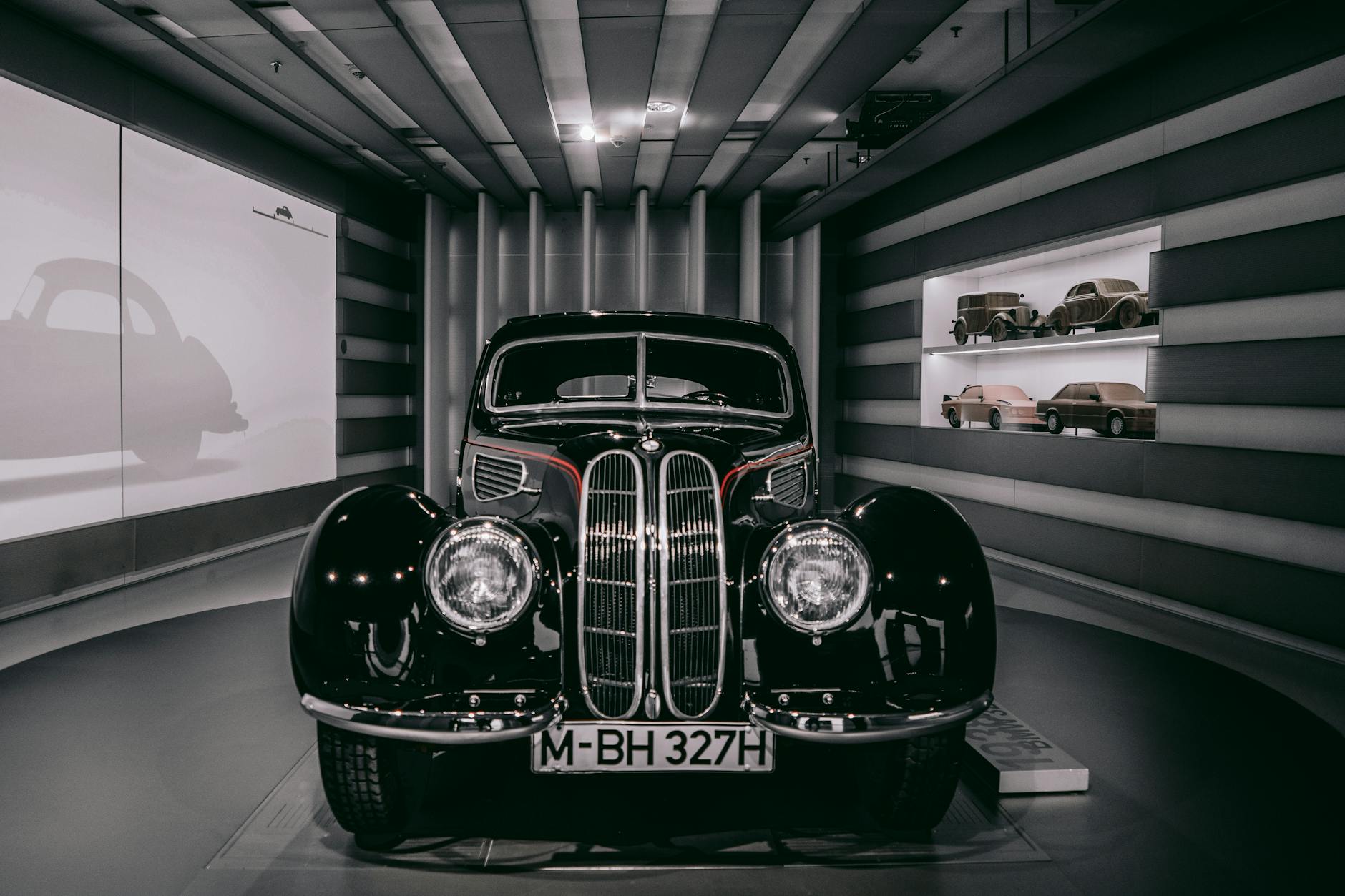
Munich punches far above its weight in museum quality, and a rainy day here is a genuine gift. The Deutsches Museum, on an island in the Isar, is the largest science and technology museum in the world, with hands-on exhibits ranging from a working coal mine reconstruction to the original Z3 computer, early aviation hall full of suspended aircraft, and a planetarium. Give it a full day and still expect to miss half of it.
Art lovers should plan a pilgrimage to the Kunstareal, Munich’s museum quarter, where five major galleries cluster within easy walking distance. The Alte Pinakothek holds one of the world’s greatest collections of Old Masters (Dürer, Rembrandt, Rubens, Raphael), while the Neue Pinakothek covers 19th-century European painting. The Pinakothek der Moderne combines four institutions under one roof — 20th- and 21st-century art, prints and drawings, architecture, and design — and the Museum Brandhorst across the street is a magnet for contemporary art fans thanks to its Warhol and Cy Twombly holdings.
For a museum experience unlike any other, visit the BMW Museum and its neighboring BMW Welt, a free-to-enter architectural showpiece where the Bavarian automaker’s latest models are displayed in a cathedral-like hall. Even if you can’t tell a diesel from a dynamo, the building itself is worth the trip. For history, the NS-Dokumentationszentrum near Königsplatz offers Munich’s most thoughtful treatment of its role as the birthplace of the Nazi movement — sobering, essential, and carefully designed to encourage reflection rather than shock.
Finally, for contemporary culture, the MUCA (Museum of Urban and Contemporary Art) in an old utility building just off Marienplatz holds one of Europe’s strongest collections of street art, with originals by Banksy, Shepard Fairey, and Invader. Take your time here — the space is small but layered and frequently refreshed with new exhibitions.
Our complete Munich museums and culture guide ranks every major collection, explains the €1 Sunday system and suggests museum days by interest.
Free Things to Do in Munich
Munich has a reputation as an expensive city, and in some categories (hotels, restaurants, designer shopping) that reputation is earned. But it’s also a city where enormous portions of daily life — and many of its best experiences — cost nothing at all. Watching the Glockenspiel, wandering the Viktualienmarkt, sunbathing in the English Garden, catching the Eisbach surfers, strolling Nymphenburg’s gardens, climbing the Olympiaberg for sunset, and visiting countless churches and courtyards are all completely free.
Other freebies worth planning around: the Alte Pinakothek offers Sunday admission for just €1. The Hofgarten, a formal Renaissance garden between the Residenz and the English Garden, is always open and free, and the covered arcades are a perfect refuge on rainy days. Munich’s churches are almost universally free, and two in particular — the Asamkirche and the Theatinerkirche — are as lavish as any paid attraction in the city. Our full guide to free things to do in Munich has dozens more ideas, including self-guided walking tour routes.
Munich on a budget takes this further into accommodation, transport and food, with a worked sample day under €60.
Hidden Gems and Off-the-Beaten-Path Munich
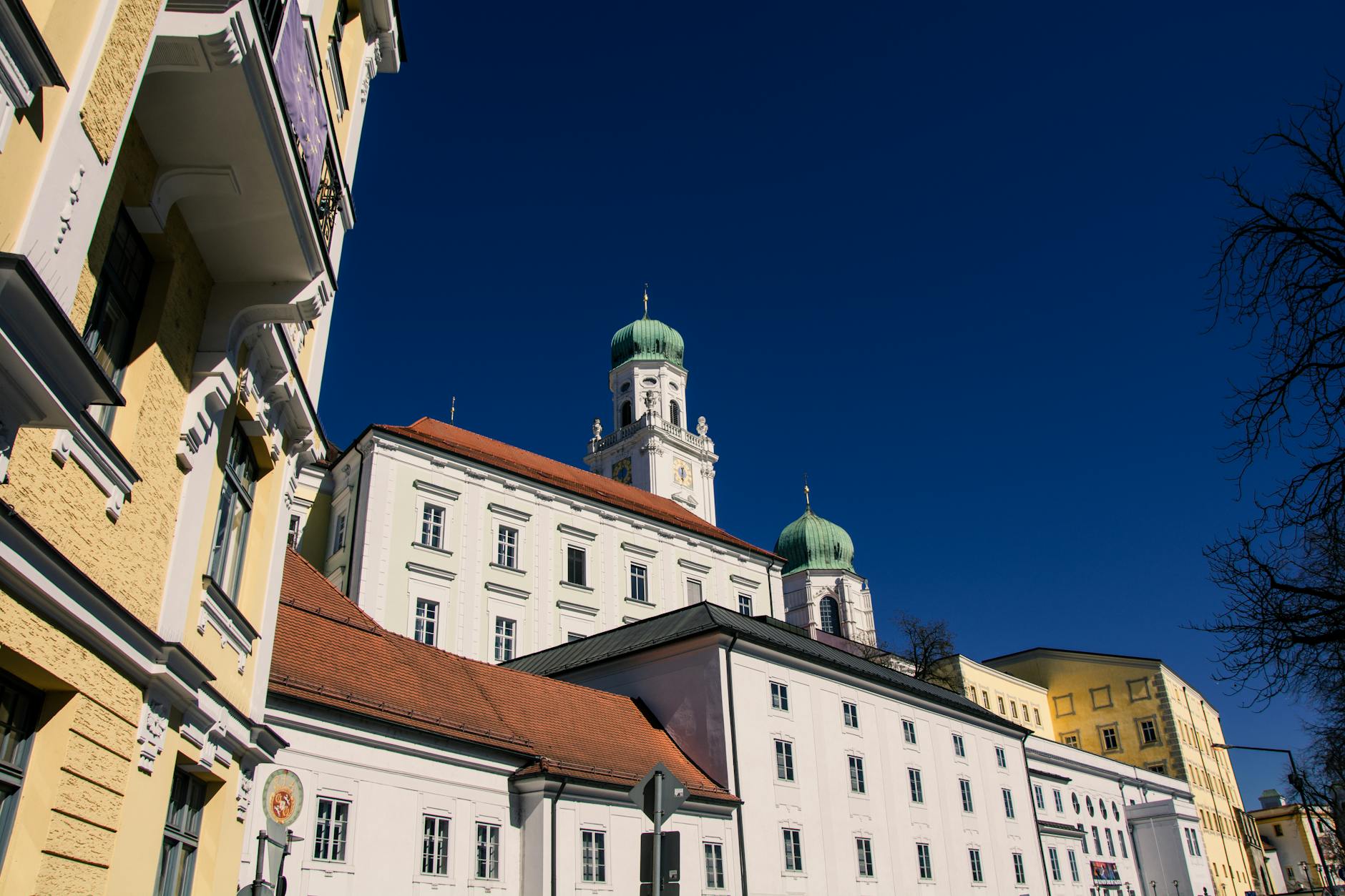
Most visitors never leave the Altstadt. That’s a mistake. Munich’s character lives in its neighborhoods, and each one has a distinct personality worth a half-day of wandering.
Haidhausen, across the Isar to the east, is often called Munich’s Latin Quarter. Its narrow lanes and former 19th-century workers’ cottages now house a creative population, independent cafés, wine bars, and tiny boutiques. The Wiener Platz square holds a permanent market and a row of beer-garden tables under chestnut trees that feel a world away from Marienplatz.
Glockenbachviertel, west of the Isar, is the city’s most vibrant gay neighborhood and also its most restaurant-dense. The area around Gärtnerplatz is lined with pavement cafés, boutique hotels, and bookshops, and the people-watching on a sunny afternoon is some of the best in Europe.
Westend, just west of the train station, is the city’s most multicultural quarter — a cosmopolitan mix of Turkish, Italian, Balkan, and Vietnamese communities. It’s home to the Augustiner Bräustuben, widely considered the most authentic traditional beer hall in the city because few tourists ever find it. And Schwabing, the old artists’ quarter north of the university, has kept its bohemian bookshop-and-café feel despite rising rents.
For quirky, only-in-Munich experiences, seek out the Flaucher (a wild river-bank barbecue spot), the Bavaria Statue on the Theresienhöhe (a hollow bronze colossus you can climb inside), and the Jüdisches Zentrum around St.-Jakobs-Platz for Munich’s beautifully modern Jewish quarter. Our dedicated Munich hidden gems guide collects dozens of these lesser-known spots with maps and practical tips, and our unique experiences guide highlights the truly one-of-a-kind activities you can only do here.
Most of Munich’s best hidden corners are neighbourhood-specific — our neighbourhood guide walks each district and what locals actually do there.
For a slower day, Munich’s thermal baths and saunas are covered in our guide to spas and wellness in Munich.
Best Walking Tours and Photo Spots
Munich is one of Europe’s most walkable capitals, and the most efficient way to see the Altstadt on a first visit is to take a guided walking tour on day one. Free tours (tips-based) leave daily from Marienplatz and cover the historic core in about two-and-a-half hours. Paid options dive deeper into themes like Third Reich history, Munich’s beer culture, or the city’s hidden courtyards. Our complete walking tours guide breaks down every major operator and self-guided route.
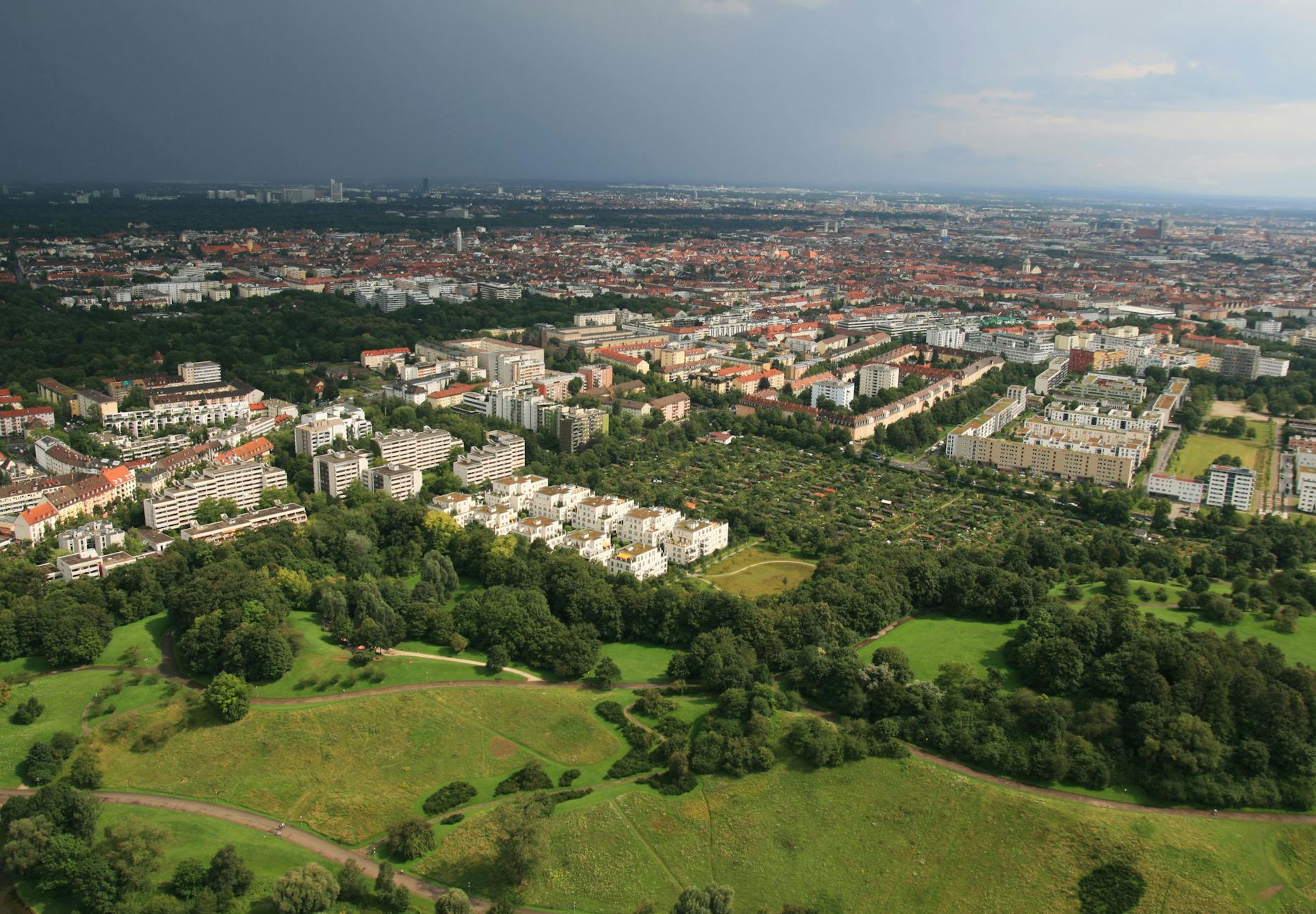
For photographers, Munich rewards patience and elevation. The Alter Peter (St. Peter’s Church) tower just south of Marienplatz offers arguably the best panorama in the city — a 306-step climb that delivers a direct view of the New Town Hall, the Frauenkirche, and the Alps on clear mornings. The Olympiaberg, an artificial hill in Olympiapark, is the classic sunset spot, especially when the Alps are visible on the southern horizon. And for architectural photography, the Hofgarten at golden hour, Maximilianstraße at dusk, and the quiet inner courtyards of the Residenz are all exceptional. See our best viewpoints and photo spots guide for the full list with exact addresses, best times, and tripod notes.
Seasonal Highlights: When to Do What
Munich is a genuinely four-season city, and each season shapes what you should plan to do.
Spring (March – May)
Spring is the sweet spot for first-time visitors. Temperatures climb from the high 40s into the mid-60s Fahrenheit, the chestnut trees in the beer gardens burst into bloom, and the spring festival (Frühlingsfest) on the Theresienwiese in late April provides a quieter, more local alternative to Oktoberfest. Nymphenburg’s gardens and the English Garden are at their most colorful in late April and May.
Summer (June – August)
Summer is Munich at full tilt: long, sunlit evenings (the sun sets after 9 p.m. in late June), packed beer gardens, Isar river bathing, outdoor cinemas, free concerts, and day trips to the Alps or the lakes. Book accommodation early because prices rise and rooms disappear, especially in August when Italian and southern European travelers arrive en masse.
Fall (September – October)
Fall means Oktoberfest (runs from late September to the first Sunday of October, so in 2026 it’s September 19 to October 4). If you come for the festival, understand that hotel prices triple and book at least six months in advance. If Oktoberfest isn’t your aim, come in late October instead — the crowds are gone, the beer gardens are still open on warm days, the foliage around the Isar is spectacular, and prices drop dramatically.
Winter (November – February)
Munich’s winter is defined by its Christmas markets, which fill every major square from late November through Christmas Eve. The one at Marienplatz is the largest and most photographed, but the Schwabing Christmas market, the medieval market at the Wittelsbacherplatz, and the small neighborhood market at Haidhausen’s Weißenburger Platz all have more local character. January and February are Munich’s quietest months — perfect for museum-heavy itineraries, cheap hotel rates, and day trips to nearby ski resorts like Garmisch-Partenkirchen.
Two seasons dominate the calendar: Oktoberfest in late September, and the Christmas markets through December. Best time to visit Munich compares every month on weather, crowds and price.
If your dates run over the turn of the year, our Munich New Year’s Eve guide covers the fireworks rules, the best viewing spots and the 1 January holiday closures.
Suggested Munich Itineraries
Because Munich’s attractions are so densely packed, you can see a remarkable amount even on a short visit. Here’s our distilled advice by trip length:
- One day: Marienplatz at 11 a.m. for the Glockenspiel, Viktualienmarkt for lunch, Residenz in the afternoon, and dinner at the Hofbräuhaus or Augustiner-Keller.
- Two days: Add the English Garden, the Eisbach wave, Odeonsplatz, and an evening in the Glockenbachviertel.
- Three days: Add Nymphenburg Palace, BMW Welt, and the Deutsches Museum. An evening Isar riverside picnic.
- Five days: Add a day trip (Neuschwanstein, Dachau, or the Tegernsee) and a slow Haidhausen/Schwabing afternoon.
- Seven days: Everything above plus Salzburg, a full lake day, and a whole morning dedicated to the Kunstareal.
For day-by-day plans with morning/afternoon/evening breakdowns, restaurant picks, and transit instructions, see our Munich itineraries guide, which works out how many days you need.
Day Trips from Munich
Munich’s strategic position in southern Bavaria makes it one of the best day-trip bases in Europe. Within a 90-minute train or drive, you can reach fairy-tale castles, alpine peaks, historic capitals of Austria, and UNESCO-listed old towns. If you’re staying for more than three nights, building in at least one day trip is almost mandatory.
Neuschwanstein Castle, the 19th-century Wagnerian fantasy built by “Mad” King Ludwig II, is the single most-visited day trip from Munich. The journey takes about two-and-a-half hours by train via Füssen, and tickets for the castle interior must be reserved online weeks in advance during peak season. Combine it with nearby Hohenschwangau Castle (Ludwig’s childhood home) and a lunch stop at Schwangau for a full day out.
Salzburg, just across the Austrian border, is another classic half-day-plus trip from Munich. The direct train takes 90 minutes each way, and the old town, Mozart’s birthplace, and Hohensalzburg Fortress are all walkable once you arrive. Garmisch-Partenkirchen, at the foot of the Zugspitze (Germany’s highest peak), offers alpine hiking in summer and world-class skiing in winter. Regensburg, a UNESCO-listed medieval city on the Danube, is 90 minutes north by direct train and often feels quieter and more authentic than better-known Bavarian destinations.
For a sobering but essential half-day excursion, the Dachau Concentration Camp Memorial is just 20 minutes by S-Bahn from the city center. It’s a painful visit but an important one, and admission is free. The site is open every day except December 24, with English-language tours available most afternoons.
Our complete day trips guide covers all of these in detail, with train times, ticket strategy and which trips pair well in a single outing.
Munich with Kids and Families
Munich is one of Europe’s most family-friendly capitals. Children under 6 ride transit for free, most museums offer free or discounted entry for under-18s, and the city’s abundance of parks and playgrounds means kids can burn off energy between cultural stops. The Deutsches Museum’s Kinderreich (Children’s Kingdom) is a highlight for ages 3 to 8, full of hands-on building, water, and music installations.
The Hellabrunn Zoo in the Tierpark district is one of the world’s first “geo-zoos,” organizing animals by continent of origin rather than species. It’s a full-day outing, reachable by U-Bahn. The Bavaria Filmstadt studio tour on the city’s southern edge is another kid-pleaser, with sets from classic German films and a 4D cinema. For a pure run-around-outside day, combine Olympiapark (paddle boats, minigolf, swimming in summer) with a picnic.
Munich with kids is the full version — playgrounds, the zoo, rainy-day options, family restaurants and what works at each age.
Shopping: From Maximilianstraße to Flea Markets
Munich is one of Germany’s premier shopping cities, with a range that stretches from haute couture to vintage flea markets. Maximilianstraße is the luxury axis, home to Gucci, Cartier, Louis Vuitton, and the Four Seasons Hotel. Kaufingerstraße and Neuhauser Straße, the main pedestrian shopping streets connecting Marienplatz and Karlsplatz, concentrate the mid-market chains and flagship department stores. Oberpollinger and Ludwig Beck are the grandest.
For independent boutiques and one-of-a-kind finds, head to Fünf Höfe (a covered passage of design-led shops), the tiny streets around Gärtnerplatz, or the Auer Dult (a three-times-a-year traditional flea market on the Mariahilfplatz dating back to the 14th century). Specialist food stalls at the Viktualienmarkt make great edible souvenirs: Alpine cheese, Weißwurst (vacuum-packed for travel), Bavarian mustards, and locally-distilled Enzian schnapps.
The Munich shopping guide maps every district, from the luxury boulevard to the department stores, flea markets and food halls.
Romantic Things to Do in Munich
Munich is a surprisingly romantic city. The formal gardens at Nymphenburg, a sunset Maß at the Seehaus, a gondola-style rowboat on the Kleinhesseloher See, or a quiet corner table at the wood-paneled Spatenhaus across from the Opera all make for unforgettable evenings. In winter, swap the rowboat for hand-mulled Glühwein at a Christmas market and a horse-drawn carriage ride through the Altstadt. Our romantic things to do guide collects our favorite date-night spots, proposal locations, and couples’ experiences.
Practical Tips for Visiting Munich
Munich’s public transport system — U-Bahn subway, S-Bahn commuter rail, trams, and buses — is clean, reliable, and comprehensive. Day tickets and group day tickets (Gruppentageskarte) are excellent value, especially if you’re traveling in a pair or small group. Taxis are available but rarely necessary in the center. Rideshare services operate but are pricier than transit.
Walking is the best way to experience the Altstadt, and bike rentals are cheap and plentiful. Munich has an extensive cycle network, and much of the English Garden is faster to cross by bike than on foot. Ebikes are available from most rental operators for about €30 per day.
A few cultural notes: Sundays are quiet (most shops are closed, though restaurants, museums, parks, and tourist sites stay open). Tipping is a flat 5-10 percent, rounded up and handed to the server directly rather than left on the table. Cash still rules at many beer gardens and small shops, though card acceptance improves every year. Finally, Germans are punctual — trains, tours, and reservations all start on time, and arriving a few minutes early is the norm.
Planning your Munich trip pulls the logistics together — timing, budget, visas, safety, packing and how many days you actually need.
Getting Around Munich: Transit, Walking, and Biking
One of Munich’s underrated pleasures is how effortless it is to get around. The city sits on one of the most efficient integrated transit systems in Europe, and visitors who understand it within their first hour will save themselves hours of confusion over the rest of the trip. The MVV network combines the U-Bahn (underground), S-Bahn (suburban rail), trams (Straßenbahn), and city buses under a single ticketing system. A single ticket, a day ticket, or a group day ticket works across all four modes, and transfers within the validity period are free.
For most visitors, the Tageskarte (single day ticket) or Gruppentageskarte (group day ticket for up to 5 people) offers the best value. They’re valid from the moment of validation until 6 a.m. the following morning. The Isar Card weekly pass is a great choice for stays of four days or longer. Always remember to stamp (validate) your ticket in one of the blue machines on platforms or inside buses and trams before boarding — Munich operates an honor system, but fare inspectors do random checks and fines for unvalidated tickets are €60 or more.
The Altstadt itself is tiny enough that you can walk from Marienplatz to any edge in 15 minutes. For longer journeys, the U-Bahn is your friend: it’s fast, quiet, and rarely overcrowded outside rush hour. Trams offer more scenic rides and are especially handy for reaching Nymphenburg (tram 17) and the Isar River along Maximilianstraße (tram 19). S-Bahn lines connect to the airport, Dachau, Starnberg, and Ammersee, all within the MVV zone system.
Bicycles are arguably the single best way to see Munich’s greener edges. MVG Rad (the city’s bikeshare scheme), Call a Bike, and a dozen privately-run rental shops all offer short-term options. A bike tour combining Olympiapark, Schloss Nymphenburg, the Hirschgarten, and a lazy ride along the Isar back to the center is one of the best full-day itineraries in the city. Just remember that Munich takes its cycle-lane discipline seriously — walking in a designated bike lane will earn you an irritated bell ring and, occasionally, a stern word.
Getting around Munich explains the MVV zone system, which ticket to buy, and when a bike or your own feet beat the U-Bahn.
Frequently Asked Questions
How many days do you need to see Munich?
Most travelers find that three full days cover the main sights comfortably. Five days lets you add a day trip to the Alps or a lake, and a full week lets you explore lesser-known neighborhoods and second-tier museums. For a quick stopover, two days is enough to experience the highlights without feeling rushed.
Is Munich expensive for tourists?
Munich is on the pricier side for Germany, comparable to Hamburg or Frankfurt. Expect €120 to €200 per night for a mid-range hotel outside festival periods, €15 to €25 for a beer-garden meal, and about €9 for a day transit pass. During Oktoberfest, hotel rates triple — book early or consider visiting a nearby town like Freising or Dachau and day-tripping in.
What’s the best month to visit Munich?
May and September are the consensus winners for weather, crowds, and value. May brings full spring bloom and beer garden season without summer prices. September delivers mild weather, fall color, and (depending on dates) the tail end of Oktoberfest. December is magical for Christmas market lovers, while late January through early March is the cheapest and least crowded stretch.
Can you visit Munich without speaking German?
Absolutely. English is widely spoken in hotels, restaurants, museums, and tourist services. Learning a handful of polite phrases (“Guten Tag,” “Bitte,” “Danke”) is appreciated but not required. Signage at transit stations, airport, and major sights is bilingual.
What’s the best area to stay in Munich?
Altstadt-Lehel puts you steps from every major sight, but it’s also the priciest. Maxvorstadt is ideal for museum lovers and still central. Schwabing offers residential charm at lower prices, and Haidhausen is quieter and close to the Ostbahnhof. Our upcoming Where to Stay guide breaks this down block by block.
Is Munich safe for solo travelers?
Munich consistently ranks among the safest major cities in Europe. Violent crime is rare, public transit is secure even late at night, and solo travelers (including solo women) report feeling very comfortable. The usual common-sense precautions about pickpockets in crowded tourist zones (Marienplatz, Hauptbahnhof, Oktoberfest grounds) apply, but the overall safety level is exceptionally high.
Do I need to book attractions in advance?
For Neuschwanstein Castle, yes — tickets sell out weeks ahead in peak season. Oktoberfest tent reservations also need to be made many months in advance. Most Munich city attractions (museums, palaces, churches) can be visited with same-day tickets, though during summer the Residenz and Nymphenburg can have 30-minute lines at peak times. Consider the Munich City Pass if you plan to hit four or more paid attractions in a day.
Is Munich a good destination for first-time Europe travelers?
Yes — Munich is one of the best European capitals for first-timers. It’s English-friendly, easy to navigate, safe, architecturally stunning, and offers a diverse mix of experiences (history, food, nature, nightlife) in a compact footprint. Combining Munich with another destination like Salzburg, Prague, or Vienna by train also makes for an easy multi-city first trip.
Start Planning Your Munich Trip
Munich rewards travelers who slow down. Its pleasures are accumulative: the smell of chestnuts roasting at a Christmas market, the thump of a brass tuba carrying across the English Garden on a summer afternoon, the echo of the Glockenspiel bells drifting through the Altstadt at midday. The more time you give the city, the more it gives you back.
Use this guide as your overview, then dig into any topic that catches your eye using the linked deep-dive guides throughout. Whether you’re drawn by the palaces or the pretzels, the alpine day trips or the urban surfing, Munich will find a way to surprise you. Grüß Gott, and welcome to one of Europe’s greatest cities.
One final tip from locals: don’t try to see everything. Munich’s great joy is pacing yourself to its gentle rhythm. Take a two-hour lunch. Linger in a beer garden. Sit on a bench in the Hofgarten and watch the world pass. The city has been rewarding unhurried visitors for eight centuries, and the best memories you’ll take home won’t be the ones you ticked off a list, but the small, specific, unrepeatable moments you stumble into when you slow down enough to notice them. Safe travels, and we hope this guide points you toward many of them — from the first Glockenspiel chime of your trip to your last riverside sunset on the Isar.
Further Official Resources
For real-time updates, pricing, and booking details beyond this guide, we recommend cross-referencing with the official Munich tourist board, the city of Munich, Munich on Wikipedia. These authoritative sources maintain current information and are the original primary sources for much of the data used throughout this guide.
We update this things to do in Munich guide regularly to reflect seasonal changes, new venues, and reader feedback — bookmark it and check back before your trip. For related planning, explore the rest of our Munich travel guides linked throughout this article.