Munich Nightlife & Entertainment Guide
Your complete guide to Munich nightlife. Discover the best bars, cocktail lounges, techno clubs, jazz venues, beer halls, and late-night spots. Plus safety tips, dress codes, and local etiquette.
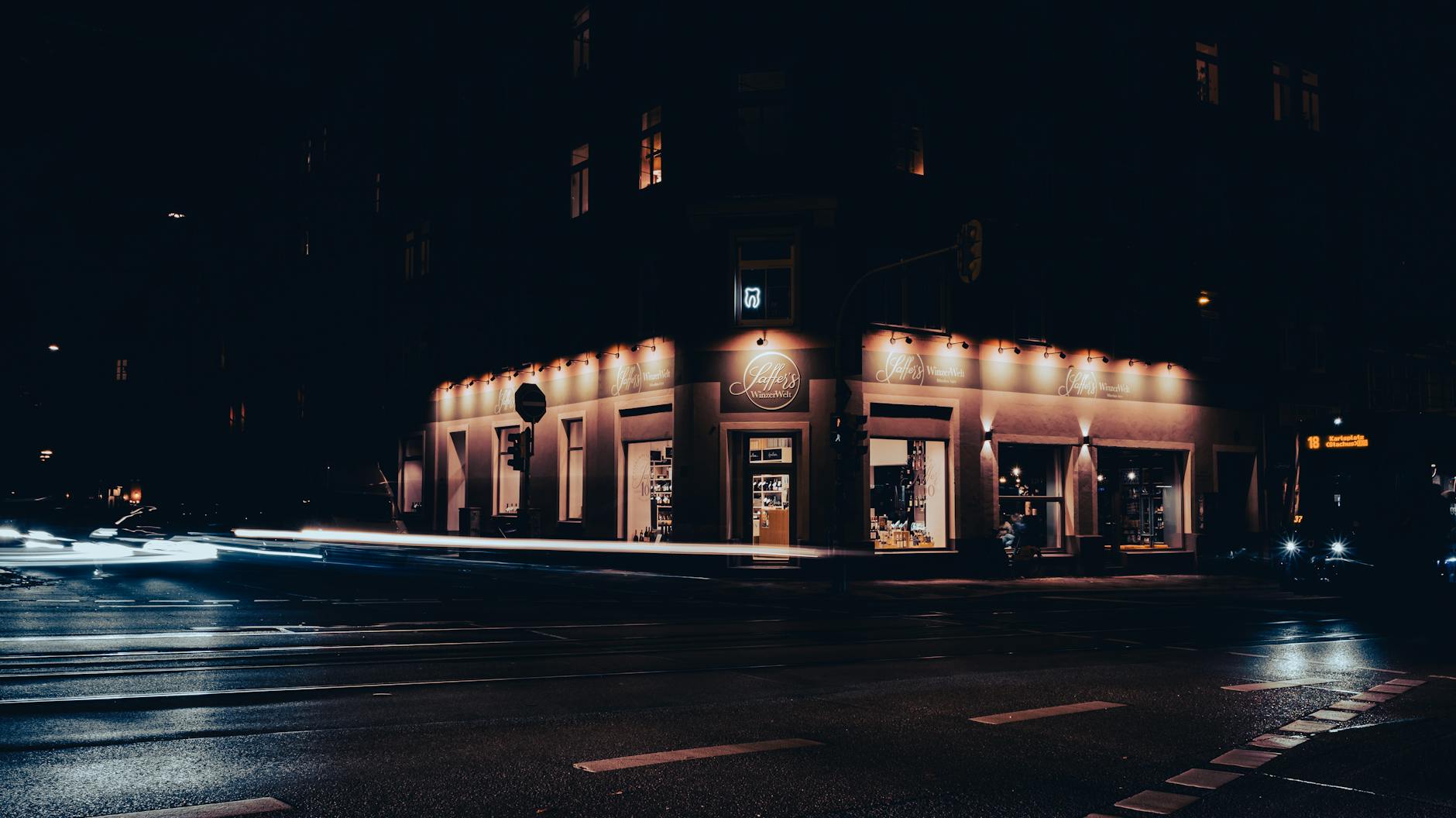
The Munich nightlife scene defies the city’s traditional Bavarian image with a dynamic mix of world-class cocktail bars, pulsating techno clubs, intimate jazz venues, legendary beer halls, and innovative wine bars. From the underground electronic beats of the Werksviertel to the sophisticated rooftop lounges overlooking the Alps, Munich after dark offers an experience that rivals any European capital. Whether you’re looking for a raucous night in a centuries-old beer hall, a refined evening sipping craft cocktails in a hidden speakeasy, or a marathon dance session until sunrise, this comprehensive nightlife guide has everything you need to navigate Munich’s after-dark scene like a local.
Munich Nightlife at a Glance
Munich’s after-dark map is smaller and more compact than Berlin’s, which is good news: you can cross most of the action on foot or with one or two U-Bahn stops. But the districts are not interchangeable. A leather bar on Müllerstraße, a steel-sprung techno floor near Karlsplatz, and a 5,000-seat beer garden tapping wooden barrels are three completely different nights out. Here is how the main areas stack up so you can match the neighborhood to your mood rather than wandering and hoping.
| Area | Vibe | Best for | Typical spend / night |
|---|---|---|---|
| Glockenbachviertel | Cocktails, queer, terrace crowd | Bar-hopping, a first night out, LGBTQ+ scene | €40–80 |
| Werksviertel-Mitte (Ostbahnhof) | Industrial, late, club-focused | Techno and house until sunrise | €40–90 |
| Altstadt (Marienplatz / Platzl) | Historic beer halls, classic bars | Hofbräuhaus, after-dinner drinks, first-timers | €30–70 |
| Maxvorstadt / Maximiliansplatz | Student bars plus polished clubs | Cheap pre-drinks, then Rote Sonne or Pacha | €25–70 |
| Schwabing (Leopoldstraße) | Upmarket, cabaret, wine | A grown-up evening, jazz, a quieter date | €40–80 |
| Haidhausen | Local, craft beer, live music | Muffathalle, Unterfahrt, neighborhood bars | €30–60 |
Munich’s Nightlife Neighborhoods
Understanding Munich’s nightlife geography is the first step to a great night out. The city’s entertainment venues are concentrated in several distinct neighborhoods, each with its own character and crowd. Glockenbachviertel is the epicenter for cocktail culture, LGBTQ+ nightlife, and trendy bars — think craft cocktails, natural wine, and lively street-side terraces on warm evenings. Maxvorstadt, the university district, offers affordable bars, student hangouts, and some of the best pre-game spots before hitting the clubs.
The Werksviertel-Mitte (formerly known as Kultfabrik) near Ostbahnhof is Munich’s industrial nightlife district — a converted factory complex that houses several of the city’s biggest and best clubs, concert venues, and late-night bars. This is where Munich’s serious clubbers go, with venues playing electronic music well into the early morning hours. Schwabing tends toward a more upmarket and experimental scene, with cocktail lounges, wine bars, and cabaret theaters along Leopoldstraße and its side streets.
The Altstadt (Old Town) around Marienplatz is where you’ll find the famous beer halls and more tourist-oriented venues, while Haidhausen and Au-Isarvorstadt offer a more local, neighborhood bar scene with craft beer taprooms and cozy wine bars. For a complete evening, many locals start with dinner and drinks in Glockenbachviertel before heading to the Werksviertel for dancing.
Best Bars and Cocktail Lounges
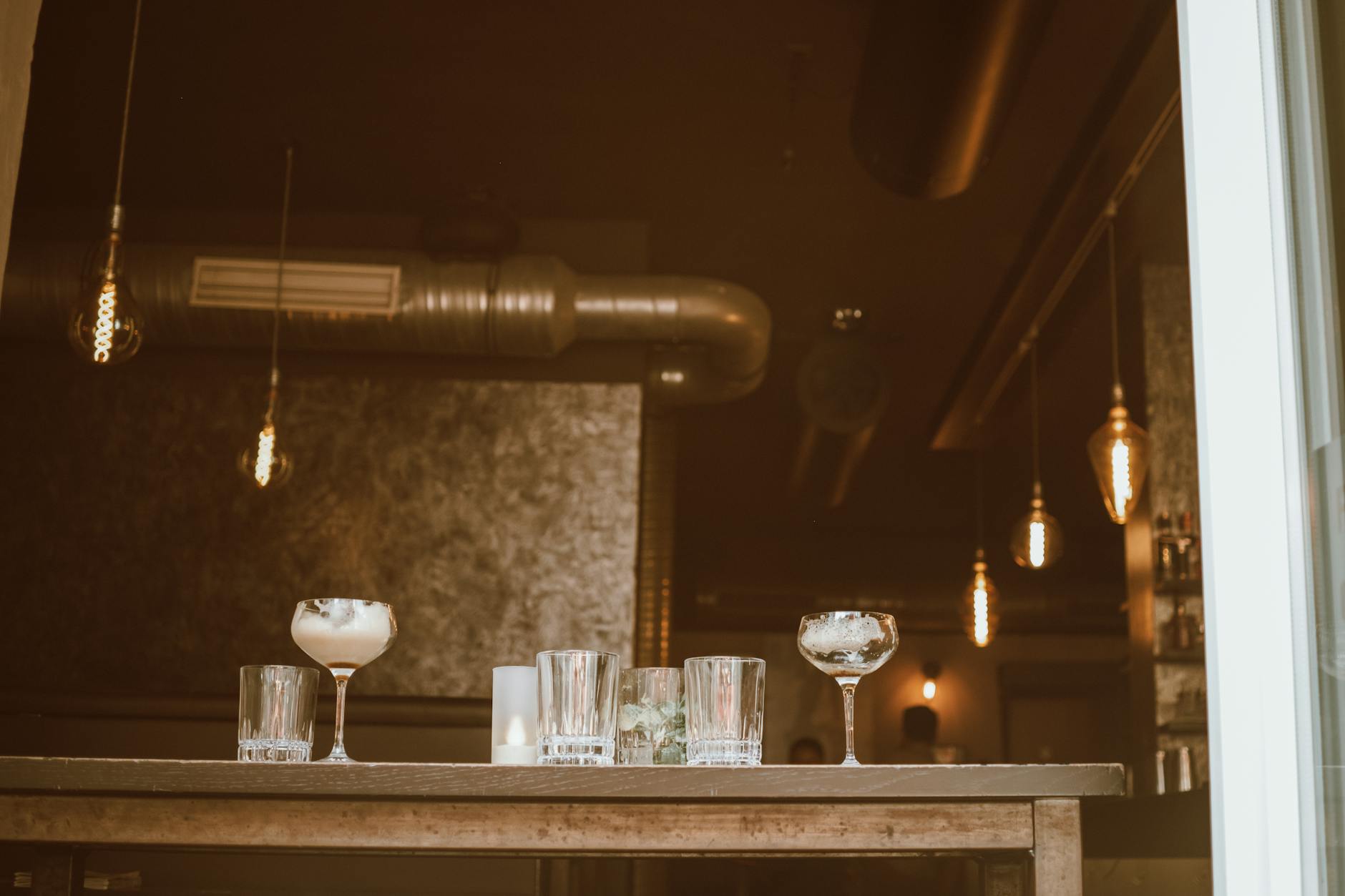
Munich’s cocktail bar scene has exploded in recent years, with world-class mixologists pushing boundaries in venues that range from elegant hotel bars to hidden speakeasies behind unmarked doors. The city now ranks alongside Berlin and Hamburg in Germany’s cocktail hierarchy.
Zephyr Bar (Baaderstraße, Glockenbachviertel): Consistently rated among Munich’s top cocktail destinations, Zephyr is known for its artistic, boundary-pushing creations that use unusual ingredients — think smoked herbs, fermented syrups, and house-made bitters. The atmosphere is moody and intimate, with a speakeasy-inspired design. Reservations are recommended, especially on weekends.
Schumann’s Bar (Odeonsplatz): An institution in Munich’s bar world since 1982, Schumann’s is where the city’s power players, artists, and night owls converge. Founded by legendary bartender Charles Schumann, the bar is famous for its impeccable classic cocktails, elegant but unfussy atmosphere, and a clientele that ranges from business executives to musicians. The daytime café operation makes this a good choice for afternoon drinks too.
Zum Wolf (Westend): More speakeasy than Bavarian beer cellar, Zum Wolf glows with a warm red ambiance and specializes in American whiskey — most spirits are imported directly from Kentucky and Tennessee. The cocktail list is concise but perfectly executed, with knowledgeable bartenders who can guide you through their extensive bourbon and rye selection.
Couch Club: One of the best spots in Munich for gin lovers, with a vast selection and comfortable, living-room-style seating that encourages lingering. The G&T menu alone could fill a booklet, and the bartenders genuinely enjoy helping you find your perfect combination of gin, tonic, and garnish.
Rooftop options: For drinks with a view, The Roof offers summer DJ parties with bright city panoramas, while Flushing Meadows provides a more intimate rooftop experience where you might catch a glimpse of the distant Alps on a clear evening. Sun & Moon in Maxvorstadt pairs starlit Frauenkirche views with a DJ spinning disco classics.
Best Nightclubs in Munich
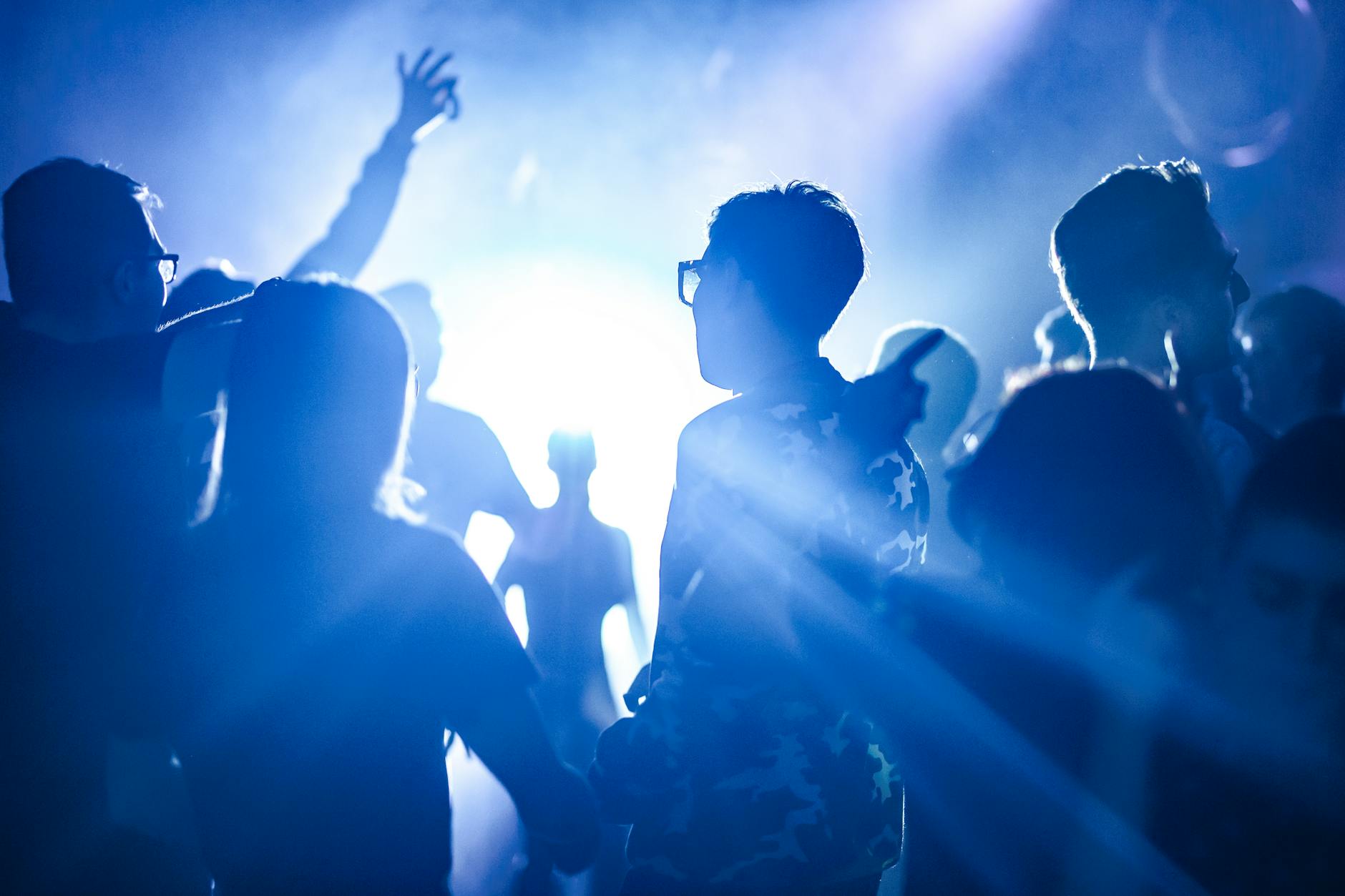
Munich’s clubbing scene may be smaller than Berlin’s, but what it lacks in scale it makes up for in quality. The city has a tight-knit electronic music community and several venues with genuinely world-class sound systems and bookings.
Harry Klein (Sonnenstraße): Munich’s best-known techno club and a fixture on the international electronic music circuit. Located near Karlsplatz, Harry Klein features a main floor that literally vibrates on steel springs, combined with pioneering 3D laser and video installations that are synchronized with the music. The programming leans toward minimal techno and deep house, with both established international DJs and promising local talent. Cover is typically around €10-15, but it varies by night, so check the club’s site before you go.
Blitz Club (Museumsinsel): For nine years Blitz occupied one of Munich’s most unusual clubbing settings, in the Deutsches Museum complex, with a sound system among the city’s best and programming that spanned techno, house, and experimental electronic music. The lease was not extended because of the museum’s renovation, so the Museumsinsel venue closed in August 2026. The operators are looking for a new location in Munich, so check Blitz’s own channels before planning a night around it.
Rote Sonne (Maximiliansplatz): A renowned subterranean venue that has been a cornerstone of Munich’s electronic music scene since 2005. The intimate space hosts well-known DJs spinning techno and house, with occasional live performances. The low ceilings and compact dance floor create an intense, immersive experience that dedicated clubbers love.
MMA Club (Werksviertel): One of the standout venues in the Werksviertel-Mitte complex near Ostbahnhof, MMA Club hosts larger-scale electronic events with multiple rooms and diverse programming that can include everything from drum & bass to Afrobeat alongside its core techno and house lineup.
Pacha Munich (Maximiliansplatz): The Munich outpost of the global Pacha brand brings a more mainstream, commercial dance music experience — think house, EDM, and pop remixes with a well-dressed, energetic crowd. It’s a good option for visitors who prefer a more accessible clubbing experience.
Live Music Venues and Jazz Bars
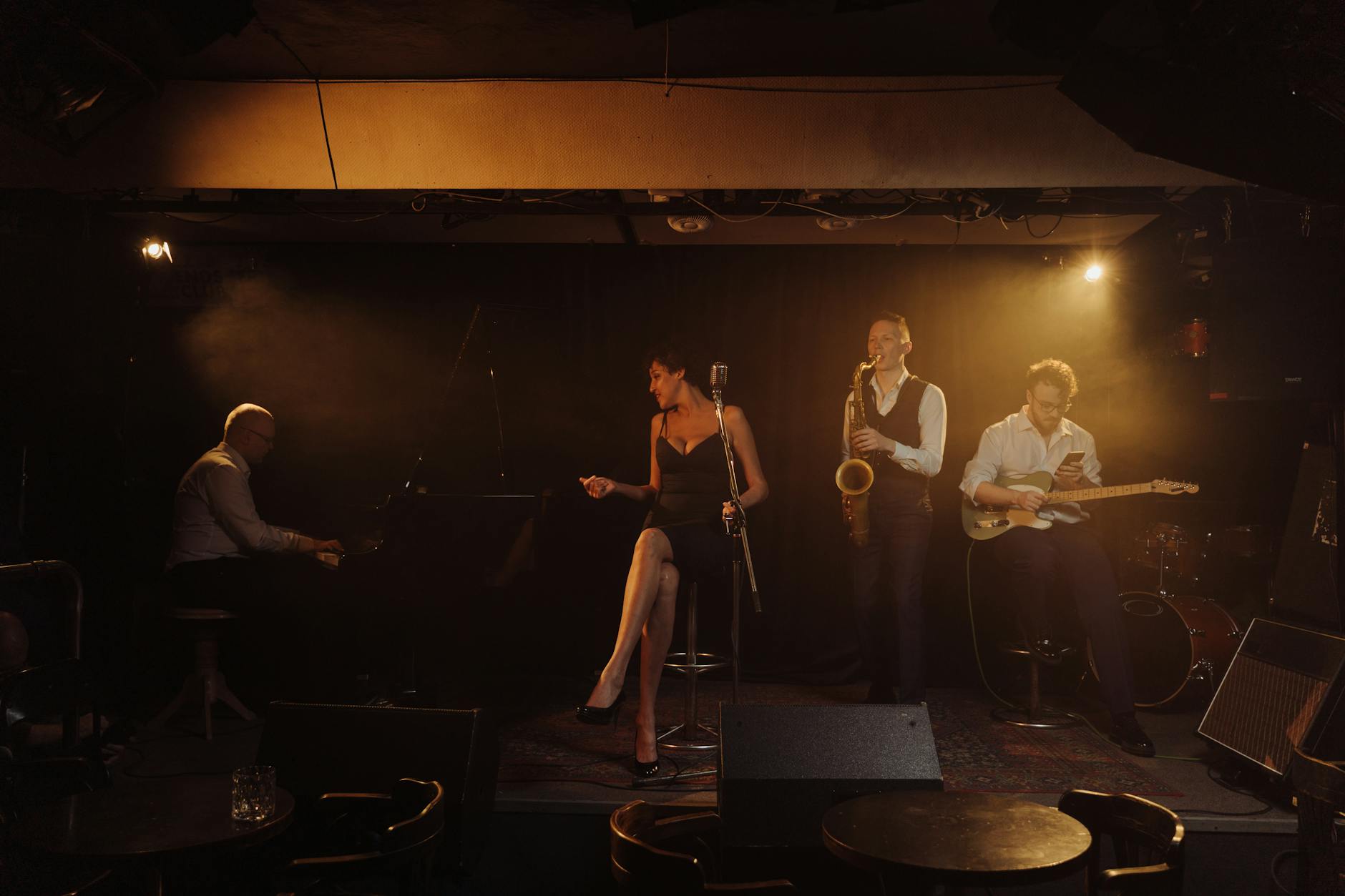
Munich has a rich live music tradition that extends far beyond the typical tourist experience of a beer hall oompah band. The city supports a thriving jazz scene, excellent concert venues for rock, pop, and indie music, and numerous smaller stages where local and touring acts perform nightly.
Jazzbar Vogler (Rumfordstraße, Glockenbachviertel): This legendary jazz bar has been the heart of Munich’s jazz scene for decades. The intimate, candlelit space hosts live performances nearly every night, ranging from classic jazz and swing to more experimental improvisation. There’s no cover charge on most nights — you simply order drinks and enjoy the music up close. Arrive early for the best seats.
Unterfahrt (Einsteinstraße, Haidhausen): One of Germany’s leading jazz clubs, and one of the venues on DownBeat’s list of 100 Great Jazz Clubs of the World, Unterfahrt has been hosting jazz since 1978 (it moved to Einsteinstraße in 1998). The intimate basement venue programs everything from bebop and avant-garde to jazz fusion, with a strong lineup of both international touring artists and Munich’s excellent local jazz community. Check the monthly program online — standout shows can sell out.
Mister B’s: Billing itself as Munich’s smallest jazz club, Mister B’s offers an incredibly intimate experience where you’re practically sitting with the musicians. The eclectic program includes not just jazz but also comedy events and spoken word performances. The warm atmosphere and excellent drink selection make it a perfect spot for a cultural evening out.
Muffathalle (Zellstraße, Haidhausen): Housed in a beautifully converted 19th-century thermal power station on the banks of the Isar, Muffathalle is one of Munich’s premier live music venues. The main hall hosts touring indie, rock, hip-hop, and electronic acts, while the adjacent Ampere club provides a more intimate setting for smaller shows and DJ nights. The beer garden overlooking the Isar is a highlight in warmer months.
Backstage (Reitknechtstraße): Munich’s most important venue for punk, metal, hardcore, and alternative music, Backstage consists of multiple stages of varying sizes, an outdoor area, and a club space. It’s the place to see emerging bands and underground acts that bypass the major venues.
Beer Halls for an Evening Out
No Munich nightlife guide would be complete without covering the city’s legendary beer halls — arguably the original Munich nightlife experience, predating clubs and cocktail bars by centuries. While beer halls are popular throughout the day, the evening atmosphere is something else entirely — louder, more energetic, and thoroughly entertaining.
Hofbräuhaus (Platzl): One of the world’s best-known beer halls needs little introduction. Founded in 1589 by Duke Wilhelm V as the ducal court brewery, the Hofbräuhaus fills its massive vaulted halls every evening. Evening visits are the most atmospheric, with a live brass band playing traditional Bavarian music while patrons stand on benches, sing along, and clink their Maßkrüge (one-liter steins). Yes, it’s touristy — but the sheer energy of the place transcends that label. Go at least once.
Augustiner-Keller (Arnulfstraße): Where the locals go. Augustiner is Munich’s oldest independent brewery (founded 1328), and their Keller near the main train station serves beer tapped directly from wooden barrels — a tradition that genuinely affects the flavor. The enormous beer garden holds 5,000, but the interior Keller (cellar) rooms are where the evening atmosphere shines, especially in colder months. The food is excellent traditional Bavarian fare at reasonable prices.
Paulaner am Nockherberg (Au district): Famous for hosting the annual Starkbierfest (Strong Beer Festival) each spring, Paulaner’s Nockherberg location is a local institution with a lively evening scene. The terrace offers beautiful views over the city, and the atmosphere is authentically Bavarian without the Hofbräuhaus tourist factor.
Löwenbräukeller (Stiglmaierplatz): A grand, multi-room beer hall that’s particularly lively during its seasonal festivals but maintains good evening energy year-round. The main hall’s painted ceilings and massive scale make it one of Munich’s most impressive beer hall interiors.
For the full Munich food and beer experience, pair your beer hall evening with a traditional dinner — order a Schweinshaxe (roasted pork knuckle), Obatzda (spiced cheese spread), and a fresh Breze (pretzel) alongside your Maß.
Wine Bars and Craft Beer Spots
While Munich is synonymous with beer, the city’s wine bar and craft beer scene has flourished in recent years, offering excellent alternatives for those seeking something beyond the traditional Bavarian brew.
Wine bars: German wine, particularly from regions like Franconia (just north of Bavaria), the Pfalz, and the Mosel, is experiencing a global renaissance — and Munich’s wine bars are at the forefront. Weinhaus Neuner (Herzogspitalstraße) offers a German and Austrian wine list in a listed 15th-century building. Pfälzer Weinprobierstube (Residenzstraße) specializes in Palatinate wines and serves them in a cozy, traditional atmosphere with excellent small plates.
The natural wine movement has also arrived in Munich, with bars like Les Deux (Müllerstraße) and several spots along Fraunhoferstraße in Glockenbachviertel offering curated selections of minimal-intervention wines from small producers across Europe. These venues tend to have a more contemporary, casual vibe than the traditional wine houses.
Craft beer: Munich’s craft beer revolution exists in a fascinating tension with the city’s traditional brewing culture. While the six major Munich breweries (Augustiner, Spaten, Paulaner, Hacker-Pschorr, Hofbräu, and Löwenbräu) dominate the mainstream market, a growing number of craft breweries and taprooms are pushing boundaries. Crew Republic (based outside Munich) is one of Germany’s most successful craft breweries and their beers are widely available across the city. ORCA Brau and Giesinger Bräu are excellent local craft operations with their own taprooms — Giesinger’s taproom in the Giesing neighborhood is a particularly atmospheric spot for sampling their range.
LGBTQ+ Nightlife in Munich
Munich has a vibrant LGBTQ+ nightlife scene centered primarily in the Glockenbachviertel and along Müllerstraße. The city is generally very welcoming and tolerant, and the LGBTQ+ venues are popular with people of all orientations who appreciate the inclusive, fun atmosphere.
Key venues: Ochsengarten (Müllerstraße) is Munich’s most iconic gay bar, a leather bar with a loyal following since the 1970s. Prosecco is a popular pre-going-out spot with a mixed crowd and good cocktails. NY Club (Hans-Sachs-Straße) hosts popular LGBTQ+ club nights with diverse programming from pop to electronic. The annual Christopher Street Day (CSD) celebration in July is Munich’s Pride event — a massive parade and street festival that draws hundreds of thousands of participants and spectators.
During the Christmas season, the Pink Christmas market at Stephansplatz is a uniquely Munich LGBTQ+ tradition, with drag shows, sparkling drinks, and a fabulously festive atmosphere that’s welcoming to everyone.
Late Night Eats After Midnight
Finding good food after midnight in Munich can be challenging compared to cities like Berlin or Barcelona, but there are reliable options scattered across the nightlife districts. The kebab shops and pizza places along Sonnenstraße and around Karlsplatz stay open into the early hours and are the classic post-clubbing fuel stops. Bergwolf (Fraunhoferstraße) serves excellent late-night döner and Bavarian-Turkish fusion until the early hours.
For something more substantial, the Münchner Stubn near Hauptbahnhof (the main train station) is a reliable late-night option for traditional fare. Several ramen and Asian noodle restaurants in the Glockenbachviertel and Maxvorstadt areas also stay open late, providing warming post-night-out options during the colder months.
Nightlife Safety Tips and Etiquette
Munich is generally regarded as safe, with low crime for a big city, and its nightlife reflects that. However, a few practical tips and etiquette notes will help you have the best possible experience.
Closing times: Bavaria has no general closing hour for bars; the only legal closure is 5-6am, and each venue sets its own times. Most bars close between 1 and 3am on weeknights and later at weekends, and some clubs stay open until morning, particularly in the Werksviertel area. Beer halls close well before the bars do, so check each hall’s hours before you plan the evening around it.
Dress codes: Munich’s nightlife dress code varies significantly by venue. Beer halls are completely casual. Cocktail bars and wine bars expect smart-casual attire. Nightclubs range from casual (Werksviertel venues) to selective (some Maximilianstraße venues have strict door policies). When in doubt, dark jeans, clean shoes, and a nice top will get you into most places.
Tipping: In bars, round up to the nearest euro or tip about 5-10% on a larger tab. In cocktail bars, rounding up per drink is common. At beer halls, round up or tip about 5-10% on the total bill. Always tip in cash when possible.
Getting home: Munich’s U-Bahn runs through the night on weekend nights and the nights before public holidays, every 30 minutes on each line and every 15 minutes through the city centre, with night trams and buses on the same 30-minute rhythm. That makes it easy to get home from most nightlife areas without a taxi. On weeknights, the last trains run around 1am, after which night buses take over the main routes. Taxis are plentiful and can be hailed on the street or booked by phone. Ride-sharing apps like FREE NOW and Uber also operate in Munich.
Safety: Munich is very safe for nightlife, but standard precautions apply — watch your belongings in crowded venues, don’t leave drinks unattended, and stick to well-lit areas when walking home. The areas around Hauptbahnhof can feel less comfortable late at night but are not generally dangerous. Trust your instincts and you’ll have a fantastic Munich night out.
A Night Out by Neighborhood: Three Sample Itineraries
Knowing the best venues is half the battle; stitching them into a route that flows is the other half. These three itineraries each cover one classic Munich evening, with realistic timings and walking distances. Treat them as templates rather than gospel — swap in your own finds as you go.
1. The Glockenbachviertel Bar Crawl
This is the night most Munich locals would plan for a visiting friend who likes good drinks and a sociable, walkable crowd. A good start is dinner on or near Gärtnerplatz at around 7pm — the leafy circus that anchors the quarter — then let the evening build. The whole route covers maybe fifteen minutes of walking end to end, so nobody needs a taxi until the very end.
Open with an aperitivo on a terrace if the weather allows, then move to a serious cocktail bar — Zephyr on Baaderstraße for boundary-pushing, ingredient-led drinks, or Couch Club if you would rather work through a gin list from a soft sofa. From there it is a short stroll to a natural-wine spot along Fraunhoferstraße or Müllerstraße for a glass of something low-intervention, and the bars here spill onto the pavement on warm nights, which is when the quarter is at its best. Finish at Jazzbar Vogler on Rumfordstraße, where live music runs most nights with no cover — order a nightcap and listen up close. If you still want to dance, it is a ten-minute walk or one U-Bahn hop to the clubs around Sonnenstraße. The full bar lineup lives in our best bars in Munich guide, and the quarter itself gets a deep dive in our Glockenbachviertel neighborhood guide.
Insider tip: Gärtnerplatz and the surrounding streets can fill up fast on Friday and Saturday evenings. Try to be settled at your anchor cocktail bar early enough to claim a seat, then drift outward as the area gets busy rather than trying to fight your way into a packed room later.
2. The Werksviertel Club Night
If you came to Munich to dance, this is your evening. The Werksviertel-Mitte — the converted factory complex by Ostbahnhof that older guides still call the Kultfabrik — is where the city keeps its biggest and latest-running floors. The smart move is to start late and end later: most clubs fill after about midnight, so arriving much earlier can mean a half-empty room.
Eat a proper dinner first and pace yourself with a relaxed drink somewhere central — the Altstadt or Glockenbach both feed easily onto the U5 toward Ostbahnhof. Aim to roll into the Werksviertel around midnight, when most clubs start to fill. With multi-room programming at MMA Club and the surrounding venues, you can wander between techno, house, drum & bass, and the occasional Afrobeat room until you find your sound. Some clubs here stay open until morning, so pace your drinks and your energy accordingly. When you finally surface, Ostbahnhof itself is one of the best-connected stations in the city for the ride home. Our Munich nightclubs guide breaks down each room, sound system, and music policy in detail.
Insider tip: Carry cash: cover charges and a cloakroom fee are both common at Munich clubs, and turning up to a 4am queue with only a phone wallet is a recipe for delay. Keep your cloakroom ticket somewhere you will not lose it on the dance floor.
3. The Altstadt Classic Evening
For a night that leans into Munich’s traditional side without ever feeling like a tour group, base yourself in the Altstadt around the Platzl and Marienplatz. This is the most compact route of the three and the easiest to manage if you are staying centrally or traveling with people who want atmosphere over a 4am finish.
Begin with an early dinner of traditional Bavarian food — a Schweinshaxe or Obatzda with a fresh pretzel — then walk into the Hofbräuhaus for one Maß while the brass band is playing and the hall is in full swing. It is unapologetically touristy, and it is also genuinely fun once, so lean in, then leave before the novelty thins. From there, a five-minute walk delivers you to a grown-up classic: Schumann’s at Odeonsplatz, an institution since 1982, for an impeccably made Negroni among the city’s night owls and power players. Round the night off with a German or Austrian wine at the historic Weinhaus Neuner near Herzogspitalstraße. For the food side of the equation, our Munich food and beer guide and the broader beer halls for an evening out rundown pair naturally with this route, and our Altstadt and Lehel guide maps the wider Old Town.
Door Policies and What to Wear
Munich is not Berlin, where a stone-faced bouncer can end your night on a whim — but a few of the better clubs are genuinely selective, and turning up clueless can still get you turned away. The good news is that the city’s door culture is more about attitude and timing than a strict dress code, and a little awareness goes a long way.
At the serious electronic venues — Harry Klein near Karlsplatz and the bigger Werksviertel floors — the door is reading the room, not your outfit. Come as a small group rather than a stag-party-sized crowd, speak quietly and politely in the queue, avoid obvious heavy drunkenness, and do not film the entrance or the floor (many of these clubs are strict about phones and cameras, and a raised phone at the door is an easy reason to wave you on). Black and understated reads as “I am here for the music”; a logo-heavy going-out shirt and a loud group reads as the opposite. There is no need for a jacket-and-shoes formality at techno clubs — clean trainers are completely normal — but mind the vibe.
The more commercial and upscale clubs flip the equation. Pacha and the polished venues around Maximiliansplatz and Maximilianstraße do care about how you look: smart-casual at minimum, no sportswear, no scuffed trainers, and dressing up rather than down will only help. Cocktail bars and wine bars sit in the middle — smart-casual is plenty, and dark jeans with a decent top and clean shoes will get you into almost anywhere in the city. Beer halls and beer gardens have no dress code at all; turn up in whatever you walked around in all day.
Insider tip: The single biggest door variable in Munich is timing, not clothing. Arriving between midnight and 1am tends to work better than turning up at opening, a balanced group goes down better than a large single-gender pack, and you should bring photo ID — door policies are set club by club, and many clubs are 18+. If a door is full, a calm “we’ll come back” beats arguing; smaller bars nearby will happily take you in the meantime.
Seasonal and Outdoor Nightlife
Munich’s nights change completely with the calendar, and planning around the season is the difference between a magical evening and a misjudged one. The city’s outdoor drinking culture is world-class from late spring to early autumn, then retreats indoors and reinvents itself around festivals and firelight in the colder months.
Summer (May–September): beer gardens own the evening. When the weather turns, the whole social center of Munich moves outdoors under the chestnut trees. A warm evening at the Augustiner-Keller garden, the Chinese Tower in the English Garden, or the Hirschgarten — the largest beer garden in the city — is the most quintessentially Munich night you can have. Many gardens serve until about 10 or 11pm, depending on the garden and the weather, while the Hirschgarten stays open to midnight. The classic local move is bringing your own food to a traditional garden (a custom genuinely permitted at most) and buying only the beer. Our best beer gardens in Munich guide ranks them all and explains the bring-your-own etiquette. On the hottest nights, Munich’s open-air heart is the Eisbach in the English Garden, where surfers ride a standing wave under a bridge and the meadows fill with people drinking and watching the light fade — a free, unbeatable warm-up before heading to a bar. The parks and gardens guide covers the green spaces that double as summer hangouts.
Oktoberfest (mid-September to early October): the city tilts toward the Wiesn. For two and a half weeks, a huge share of Munich’s nightlife energy decamps to the Theresienwiese, where the beer tents run until around 10:30 or 11pm and the after-tent crowd pours back into the city in lederhosen and dirndl looking to keep going. Bars and clubs near the festival grounds and in the center are heaving and far more international than usual; expect longer queues, higher prices, and a brilliant, chaotic atmosphere. If you are visiting during the festival, our Oktoberfest guide is the essential read, and be aware that club doors get pickier and busier across these weeks.
Winter (November–February): festivals, firelight, and warm cellars. The outdoor scene does not vanish in winter — it transforms. The Tollwood Winter Festival on the Theresienwiese is as much a nighttime event as a market, with live music, world food, and a bar scene that runs late into freezing evenings. Munich’s Christmas markets, covered in our Christmas markets guide, double as open-air bars built around mugs of Glühwein, and the Pink Christmas market at Stephansplatz brings the Glockenbach crowd outdoors with DJ sets and drag. When the cold finally drives you inside, this is the season the beer-hall cellars come into their own — the Augustiner-Keller and Löwenbräukeller interiors are warmest and most atmospheric exactly when the gardens are shut.
Nightlife on a Budget vs a Splurge
Munich has a reputation as an expensive city, and it can be — but a great night out here scales remarkably well to your budget. The same neighborhoods that host pricey signature cocktails also hide cheap half-litres and free live jazz. Here is how to do the city well at either end.
On a budget. Lean on Munich’s greatest bargain: the beer itself. A half-litre in a traditional beer hall or garden typically costs somewhere around €5.50 (Schneider Brauhaus lists a half-litre wheat beer at that price), and a self-catered evening in a beer garden — your own pretzels and cheese, their beer — is one of the cheapest good nights out in the city. Start with cheap student-priced drinks in Maxvorstadt near the university, catch a no-cover set at Jazzbar Vogler or a free-entry early club slot, and eat a €5 to €7 döner from Bergwolf on Fraunhoferstraße rather than a sit-down dinner. Skip taxis entirely by timing your exit to the night U-Bahn. Our Munich on a budget guide and the cheap eats in Munich roundup stretch every euro further.
The splurge. At the top end, Munich rewards spending. Begin with dinner at one of the city’s best restaurants, then settle into Schumann’s or Zephyr for craft cocktails, where the bartending justifies the price. Add a rooftop session at The Roof or Flushing Meadows for sunset drinks with a city panorama, table service and bottle prices at a Maximiliansplatz club, and a taxi or FREE NOW home rather than the night bus. For a special-occasion base, our best restaurants in Munich guide pairs naturally with this kind of evening, and where to stay in Munich helps you pick a central hotel so the splurge does not end with a long ride back to the suburbs.
The honest middle. Most visitors land between these poles, and the sweet spot is a mixed night: beer-hall or beer-garden prices early, one or two proper cocktails as a treat, a club cover if you want to dance, and public transport home. Spend more than the beer-hall night but well short of the splurge and you can have an excellent Munich night without either counting coins or emptying your wallet. Our Munich trip cost breakdown puts a night out in the context of your overall budget.
Frequently Asked Questions
What is the legal drinking age in Munich?
Germany splits it by drink. You can legally buy and drink beer and wine at 16, while spirits and cocktails are 18 and up. Nightclubs set their own door policies and many are 18+, so bring photo ID such as a passport or national ID card. A 16- or 17-year-old can legally have a beer in a garden, but many clubs will not let them in, so check a venue’s door policy before heading out.
What time do bars and clubs close in Munich?
Beer halls wind down earliest. Bars set their own hours and usually stay open later at weekends. Clubs go later, and some, especially in the Werksviertel, stay open until morning. There is no single citywide last call, so the rule of thumb is simple: beer gardens are an early-evening affair, cocktail bars carry you to the small hours, and clubs take over from midnight onward.
How much does a night out in Munich cost?
A night out scales with how you spend it. A beer-focused evening in a hall or garden is the cheap end, a mixed night adds a few drinks, maybe one club cover, and transport home, and a splurge with craft cocktails, dinner, and taxis is the other extreme. Typical reference prices, which vary by venue: a half-litre of beer from around €5.50, a cocktail roughly €11–16, and club entry around €10–15. See our Munich trip cost guide for the full picture.
Which area is best for a first night out in Munich?
For most first-timers, the Glockenbachviertel is the answer — it is compact, walkable, sociable, and packs cocktail bars, wine spots, and live jazz into a few streets around Gärtnerplatz, so you can build a whole night without a taxi. If you want the traditional postcard version instead, base yourself in the Altstadt around the Hofbräuhaus and Marienplatz. Our Munich neighborhoods guide compares the districts in full.
How do I get home late at night in Munich?
On Friday and Saturday nights the U-Bahn runs all night, every 30 minutes on each line and every 15 minutes through the city centre, with night trams and buses every 30 minutes too. That makes getting home from the main nightlife districts easy and cheap. On weeknights the last trains go around 1am, after which the NachtTram and Nachtbus night network covers the main routes from the center. Taxis are plentiful, and FREE NOW and Uber both operate in the city. Our U-Bahn and S-Bahn guide and the broader getting around Munich guide cover night services and tickets in detail.
Is there a dress code for Munich nightclubs?
It depends on the club. Techno venues like Harry Klein care more about attitude than clothing — understated, dark, and unfussy works, and clean trainers are fine. The commercial and upscale clubs around Maximiliansplatz, including Pacha, want smart-casual with no sportswear or scuffed shoes. Cocktail and wine bars sit in between, and beer halls have no code at all. When unsure, dark jeans, a decent top, and clean shoes get you in almost anywhere.
Can you drink alcohol in public in Munich?
Yes — public drinking is legal and culturally normal. People openly enjoy a beer in parks, by the Isar, on the meadows of the English Garden near the Eisbach, and on public transport platforms (though not always on the trains themselves). The expectation is that you stay relaxed and tidy: keep the noise down in residential streets late at night, and take your bottles to a bin or the deposit machine. It is one of the quiet pleasures of a Munich summer evening.
When is the busiest time for Munich nightlife?
Oktoberfest (mid-September to early October) is the peak by a wide margin, when the whole city’s energy tilts toward the Wiesn and bars and clubs near the center are packed with an international crowd. Summer weekends run a close second, when beer gardens and terraces are full every warm evening. Within a normal week, Friday and Saturday evenings are busiest; most clubs fill after about midnight. For the seasonal lay of the land, see our best time to visit Munich guide.
Further Official Resources
For the latest event listings, venue updates, and nightlife news, consult these authoritative sources:
Munich Tourism Official Nightlife Guide — Curated nightlife recommendations from Munich’s official tourism board, including seasonal events and festival listings.
muenchen.de Nightlife & Clubs — The city’s official portal with comprehensive club listings, event calendars, and nightlife tips.
Munich Culture on Wikipedia — Background on Munich’s cultural and entertainment traditions, including the evolution of the city’s nightlife scene.