Maxvorstadt: Munich’s Art and University District Guide
Complete Maxvorstadt Munich guide. The Kunstareal museums, LMU campus, cafés on Türkenstraße and Schellingstraße.
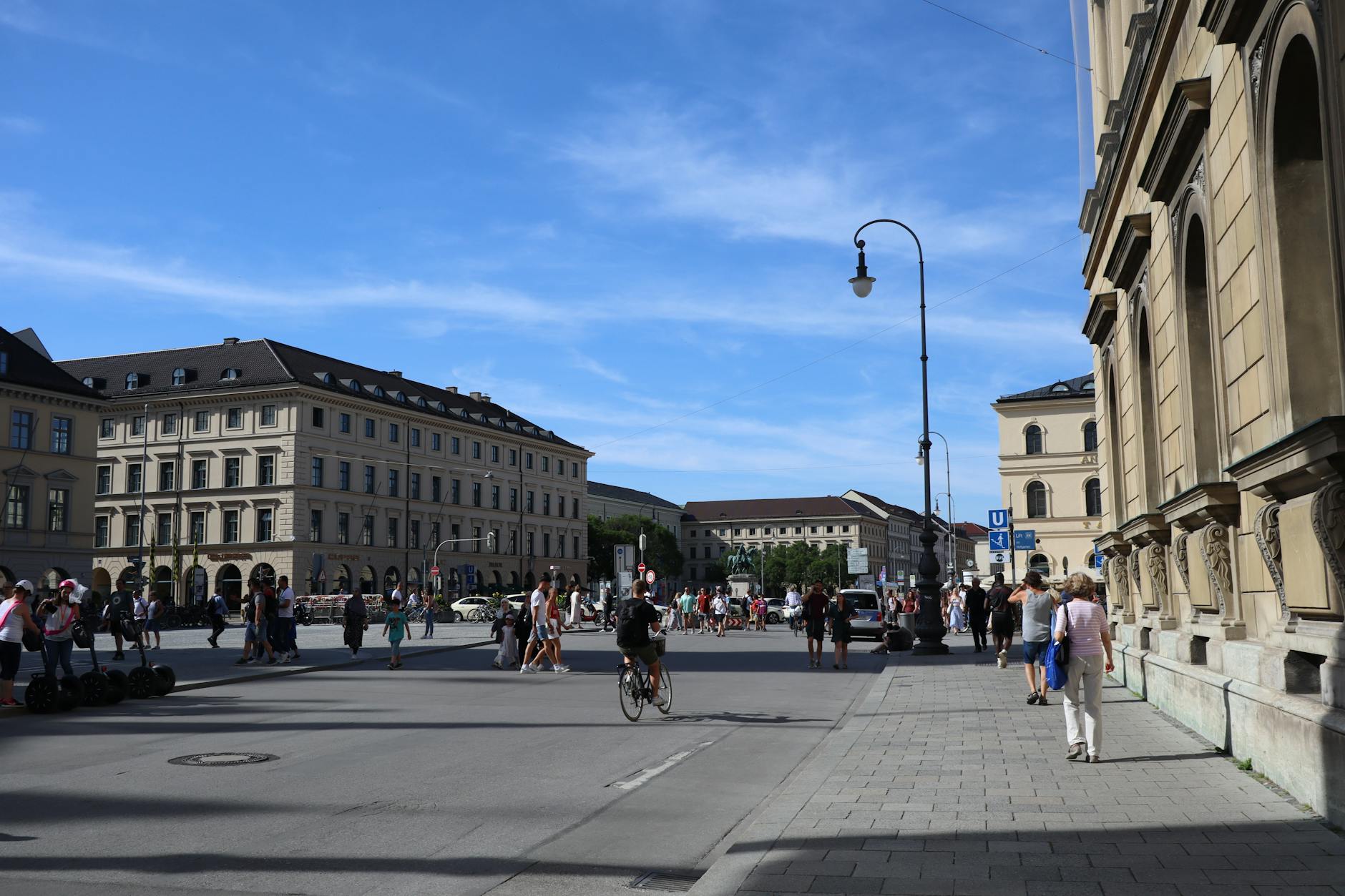
Maxvorstadt Munich is the city’s museum and university quarter, a grid of grand 19th-century streets directly north of the old town. It contains the largest concentration of art museums in Germany — the three Pinakotheken, the Lenbachhaus, the Museum Brandhorst, the Glyptothek, the Egyptian Museum, and a dozen smaller institutions all sit within a single walkable square kilometre. Add to that Germany’s largest university (LMU, with 51,000 students), the Munich Documentation Centre for National Socialism, and a café-and-bookshop life centred on Türkenstraße and Schellingstraße, and Maxvorstadt earns its informal title: Munich’s intellectual heart.
This Maxvorstadt guide covers the Kunstareal (art quarter) and the must-see museums, the university campus and student life, where to eat and drink like a local, the neighbourhood’s surprising Nazi-era history, walking and cycling routes, and how to plan a half-day or full-day visit. Maxvorstadt is essential for any serious second visit to Munich and well worth a full day even on a first trip.
Maxvorstadt at a Glance
| Detail | Information |
|---|---|
| Location | North of the Altstadt, west of the English Garden |
| District number | 3 (Maxvorstadt) |
| Population | ~50,000 |
| Main U-Bahn stops | Königsplatz (U2), Universität (U3/U6), Theresienstraße (U2), Odeonsplatz (U3/U6) |
| Walk from Marienplatz | 10 to 15 minutes north |
| Major museums | Alte Pinakothek, Neue Pinakothek, Pinakothek der Moderne, Brandhorst, Lenbachhaus, Glyptothek |
| Universities | LMU München, Technische Universität München |
| Best for | Art lovers, students, café culture, second-time visitors |
| Famous café streets | Türkenstraße, Schellingstraße, Amalienstraße |
History: Munich’s Planned 19th-Century Expansion
Maxvorstadt is unusual among Munich neighborhoods in that it was deliberately designed all at once. King Maximilian I Joseph (after whom it is named) commissioned the architect Carl von Fischer to lay out the area on a strict grid in 1808, modelled on the great planned districts of Berlin and St Petersburg. Construction took decades and was supervised by Leo von Klenze, Ludwig I’s court architect, who also designed the Königsplatz, the Glyptothek, and the original Pinakothek. By 1860 Maxvorstadt was the city’s most fashionable address — wide tree-lined avenues, neo-classical institutions, and bourgeois apartment buildings.
The 20th century reshaped the neighbourhood profoundly. In 1932 Adolf Hitler chose Königsplatz as the site for the Nazi Party headquarters — the so-called Brown House — and the surrounding streets became the administrative heart of the regime. Allied bombing in 1944 and 1945 destroyed roughly 60 percent of Maxvorstadt’s buildings. Post-war reconstruction generally followed pre-war street lines and facades, though many side streets reveal modernist 1950s infill. The Munich Documentation Centre for the History of National Socialism, opened in 2015 on the site of the Brown House, explicitly addresses this history.
The Kunstareal: Munich’s Art Quarter
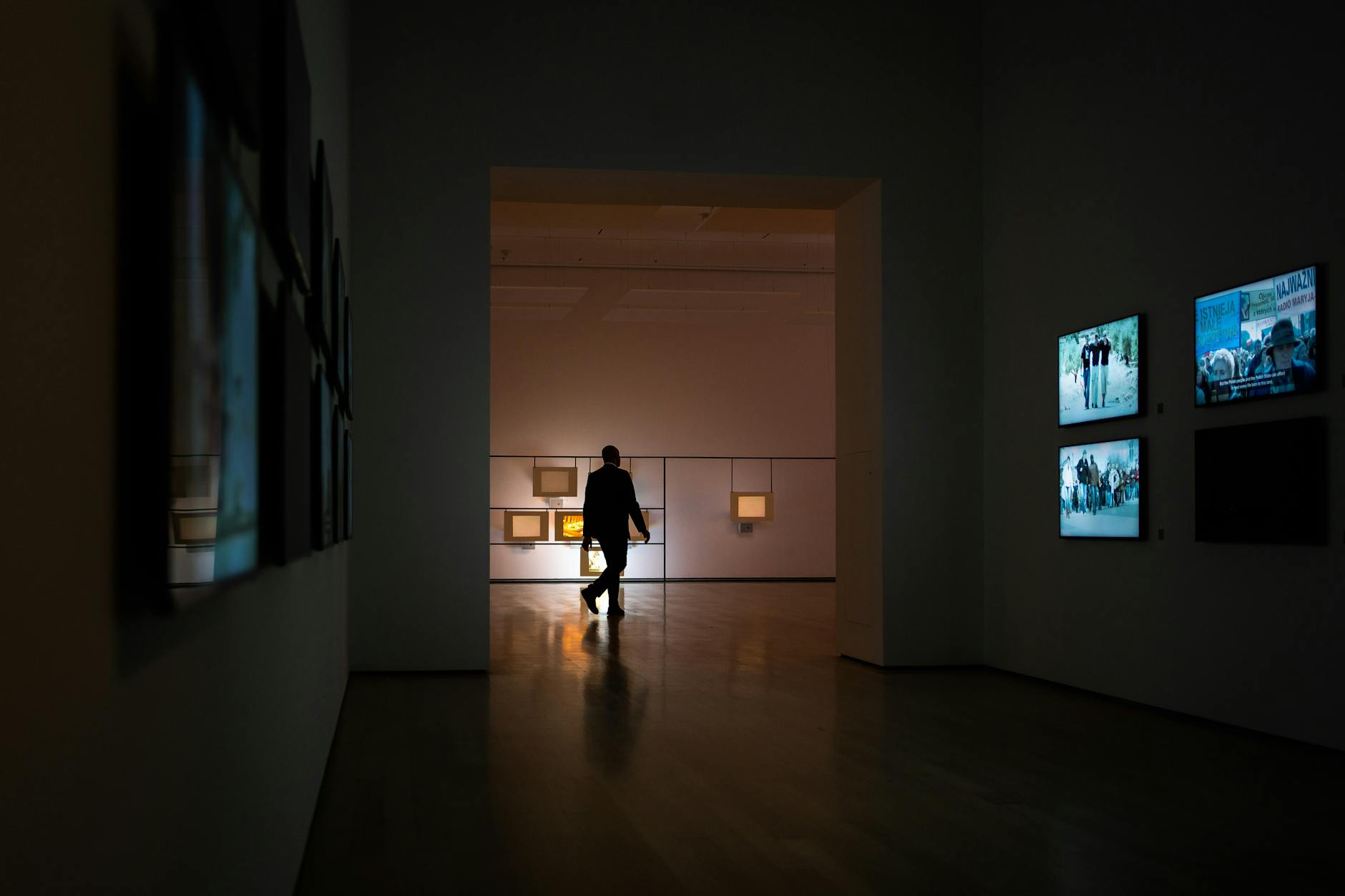
The Kunstareal is the official name for the cluster of museums occupying roughly four blocks bounded by Theresienstraße, Schellingstraße, Türkenstraße, and Barer Straße. The three Pinakotheken anchor the cluster but the smaller museums often deliver the most rewarding visits.
Alte Pinakothek
Munich’s grandest old-master gallery, built 1826–1836 by Leo von Klenze for King Ludwig I. The collection covers German, Italian, Flemish, Dutch, French, and Spanish painting from the 14th to the 18th centuries. Highlights include Dürer’s Self-Portrait at 28, four Rubens altarpieces, Rembrandt’s Holy Family, and Leonardo da Vinci’s Madonna of the Carnation. €9 adult, €5 reduced, under 18 free. Sundays €1. Allow 2.5 to 3 hours.
Neue Pinakothek
Currently closed for major renovation through 2029, but selections from its 19th-century collection (Caspar David Friedrich, Manet, Van Gogh, Klimt) are displayed in the Alte Pinakothek and the Sammlung Schack. Check before visiting; partial reopenings have been announced for late 2027 and the full reopening date may shift.
Pinakothek der Moderne
One of Europe’s largest 20th- and 21st-century art and design museums. Four collections under one roof: modern art (Picasso, Klee, Beckmann), design (a serious furniture and product design collection), works on paper, and architecture. The central rotunda is one of Munich’s most photographed museum spaces. €10 adult, €7 reduced. Allow 2 to 3 hours.
Museum Brandhorst
Contemporary art only — strong on Andy Warhol (over 100 works) and Cy Twombly (the world’s largest collection of Twombly’s late paintings). The angular striped facade is a Munich landmark. €7 adult, €5 reduced. Allow 90 minutes. The cheapest of the major Kunstareal museums.
Lenbachhaus
Set in the painter Franz von Lenbach’s 1887 villa and a major new wing by Norman Foster, the Lenbachhaus holds the world’s most important collection of works by the Blaue Reiter group: Kandinsky, Franz Marc, August Macke, Gabriele Münter, and Paul Klee. Munich-born painter Gabriele Münter donated 1,000 of her own and Kandinsky’s works to the museum in 1957, instantly making this the global centre for Blaue Reiter scholarship. €10 adult. Allow 90 minutes.
Glyptothek and the Antikensammlungen
Twin museums on Königsplatz built by Klenze (1816 and 1838 respectively). The Glyptothek displays Greek and Roman sculpture — including the pediment sculptures from the Temple of Aphaia on Aegina, among the most important ancient sculpture survivals anywhere. The Antikensammlungen opposite holds vases, jewelry, and small bronzes. Combined ticket €11; allow 90 minutes.
Egyptian Museum (Staatliches Museum Ägyptischer Kunst)
Smaller and quieter than the major Pinakotheken, but world-class within its specialty. The collection covers 5,000 years of Egyptian art from the Pre-Dynastic period through the Roman occupation, with strong holdings in royal portraiture and funerary art. €7 adult. Best for visitors with a specific interest in ancient Egypt or who simply want a less crowded museum experience. Allow 75 to 90 minutes.
LMU and Student Life in Maxvorstadt
Ludwig-Maximilians-Universität München (LMU) is Germany’s largest university with roughly 51,000 students, and its main campus occupies the eastern half of Maxvorstadt. The main building on Geschwister-Scholl-Platz is a neoclassical complex built between 1835 and 1844; the Lichthof (inner courtyard) is open to visitors and is one of Munich’s most photogenic university spaces. The Technische Universität München (TUM), one of Europe’s leading engineering schools, has its main building a few blocks west on Arcisstraße.
Students give the neighborhood its rhythm. Cafés on Türkenstraße and Schellingstraße fill up between lectures; cheap-eat restaurants thrive on Theresienstraße; and the streets around the universities house some of Munich’s best independent bookshops (Words’worth, Buchhandlung Lehmkuhl’s Maxvorstadt branch). The annual Stustaculum festival on Türkenstraße in early summer pulls a huge student crowd. During the academic semesters (October to February and April to July), the neighborhood is buzzing; in semester breaks (August-September, late February-March) it is noticeably calmer.
The Documentation Centre and Königsplatz Memory
Königsplatz was the symbolic centre of Nazi Munich. The party headquarters (the Brown House) stood on Brienner Straße, and the Ehrentempel (Honour Temples) flanking the square commemorated Nazi ‘martyrs’ from the failed 1923 Beer Hall Putsch. Both Ehrentempel were destroyed by U.S. forces in 1947; the foundations remain visible as low stone platforms. On the Brown House site, the Munich Documentation Centre for the History of National Socialism opened in 2015 — a stark white cube containing exhibitions on Munich’s central role in the Nazi movement and a memorial archive. Free entry. Plan 90 minutes; visit when you have emotional energy for heavy content.
Munich’s WWII history and memorials places Königsplatz in the wider map of Nazi-era sites across the city.
Maxvorstadt Cafés, Restaurants, and Bookshops

Cafés
- Café Jasmin — 1920s-style coffeehouse on Steinheilstraße. Brunch perfection.
- Café Cortado — Specialty coffee on Türkenstraße. Small, focused, excellent.
- Café Frischhut — Famous for Auszogne (Bavarian doughnut). Open from 06:00.
- Cotidiano — Reliable all-day chain at Königsplatz; good for laptops and lingering.
- Stories — Trendy brunch spot on Türkenstraße; expect a queue at weekends.
- Mä — Tiny third-wave coffee bar on Akademiestraße.
Restaurants
- Bar Centrale — Italian aperitivo and dinner; Munich classic for over 30 years.
- La Famiglia — Hearty Italian on Theresienstraße. Students love it.
- Sushi+Soul — Reliable Japanese on Schellingstraße.
- Augustiner-Klosterwirt — Traditional Bavarian, the closest beer-hall to the Kunstareal.
- Erste Liga — Modern German bistro on Türkenstraße.
- Vegelangelo — Munich’s best vegetarian Italian, on Augustenstraße.
Bookshops
- Words’worth Books — English-language specialist on Schellingstraße.
- Hugendubel Schellingstraße — Large mainstream bookshop with a serious art section.
- Buchhandlung Lehmkuhl Maxvorstadt — Independent darling, strong on philosophy and design.
- Sphinx Antiquariat — Used and antiquarian books on Türkenstraße.
Munich’s best restaurants by budget covers the citywide options if you want to eat beyond the student price bracket.
A Perfect Maxvorstadt Day
- 09:30 — Coffee at Café Jasmin on Steinheilstraße
- 10:00 — Alte Pinakothek (2.5 hours)
- 12:30 — Light lunch at Erste Liga on Türkenstraße
- 13:30 — Pinakothek der Moderne (90 minutes)
- 15:00 — Coffee and cake at Café Cortado
- 15:30 — Lenbachhaus (90 minutes)
- 17:00 — Walk through LMU’s Lichthof and Geschwister-Scholl-Platz
- 17:30 — Königsplatz and Documentation Centre overview (60 minutes)
- 18:30 — Aperitivo at Bar Centrale
- 19:30 — Dinner at Augustiner-Klosterwirt
Getting to Maxvorstadt
From Marienplatz, walk 10 to 15 minutes north along Theatinerstraße and Brienner Straße to Königsplatz. Public transport options: U2 to Königsplatz or Theresienstraße for the Kunstareal; U3 or U6 to Universität for LMU. Trams 27 and 28 cross the neighborhood east-west. The whole district is flat, walkable, and bike-friendly.
How Maxvorstadt Compares to Other Munich Neighborhoods
Maxvorstadt’s character sits between Schwabing’s bohemian student energy and the Altstadt’s tourist polish. Compared to Schwabing, Maxvorstadt is more institutional — museums and universities dominate over bars and shops. Compared to the Glockenbachviertel, Maxvorstadt is more historic and less queer-coded. Compared to Haidhausen, Maxvorstadt is denser and more academic. For visitors choosing a single neighborhood for a serious cultural day, Maxvorstadt wins outright; for living the city, Schwabing or Glockenbachviertel are better.
Maxvorstadt Architecture Walk: A Self-Guided 90-Minute Tour
If you have a free morning in Maxvorstadt and a phone with maps, this self-guided architecture walk picks up the key buildings of the neighborhood’s planned 19th-century layout. Allow 90 minutes including museum-window-shopping breaks.
- Start at Odeonsplatz: Theatinerkirche, Feldherrnhalle, and the entrance to the Hofgarten.
- Walk north on Brienner Straße to Wittelsbacherplatz: a triangular square with King Maximilian I Joseph’s bronze.
- Continue to Karolinenplatz: an obelisk commemorating Bavarian soldiers in Napoleon’s Russian campaign.
- Brienner Straße runs west to Königsplatz: Klenze’s Greek-revival masterpiece with Propyläen gate, Glyptothek, and Antikensammlungen.
- Walk north past the Documentation Centre on the site of the former Brown House.
- Continue north on Arcisstraße past TUM main building (Technical University of Munich).
- Turn east on Theresienstraße to the Pinakothek der Moderne, Brandhorst, and the Alte Pinakothek.
- Continue east to Türkenstraße for a coffee at Café Cortado or lunch at Erste Liga.
- Walk south through LMU’s Geschwister-Scholl-Platz and the Lichthof (university main hall).
- Finish at Odeonsplatz, completing a logical neighborhood circuit.
Maxvorstadt’s Other Museums Worth Knowing
| Museum | Focus | Cost | Time |
|---|---|---|---|
| Museum Reich der Kristalle | Mineralogy and crystals | €4 | 45 min |
| Paläontologisches Museum | Dinosaur fossils | Free | 60 min |
| Geologisches Museum | Earth sciences | Free | 60 min |
| Türkentor Pavilion | Walter De Maria’s red sphere | Free | 10 min |
| Sammlung Goetz (by appt) | Contemporary photography | Free with booking | 90 min |
Three free natural-history museums sit inside university buildings on Richard-Wagner-Straße and Luisenstraße. Most visitors miss them, but for travelers with kids or a science streak they are excellent low-cost additions to a Maxvorstadt day. The Walter De Maria sphere in the Türkentor pavilion is unmissable for contemporary-art fans — a single perfect red granite sphere illuminated by a skylight, free to view through the open pavilion.
Where to Stay in Maxvorstadt
If your visit is heavily culture-focused, basing yourself in Maxvorstadt saves significant transit time. Hotels are 10 to 25 percent below comparable Altstadt rates, with several solid options across price bands.
- Hotel Königswache — Quirky 3-star near Königsplatz. Doubles from €110.
- Hotel Hauser an der Universität — Family-run mid-range. Doubles from €120.
- Munich Marriott Hotel City West — Reliable 4-star, breakfast and gym. Doubles from €170.
- Cocoon Maxvorstadt — Design-led 3-star with capsule-style rooms. Doubles from €120.
- Hotel Königshof — A short walk south at the Altstadt edge. Doubles from €220.
- Anna Hotel by Geisel — Boutique near Karlsplatz. Doubles from €180.
Where to stay in Munich compares Maxvorstadt against every other district for price, noise and walking distance.
Maxvorstadt Through the Seasons
Spring
April brings linden blossoms to Brienner Straße and the first café-terrace days. The Lange Nacht der Museen (Long Night of Museums) is an autumn event, not a spring one: one Saturday in October, open until 01:00, €20 plus fees for all participating venues. It is a rare chance to combine several museums in one evening, so keep it in mind for a return trip.
Summer
Peak café-life season. Königsplatz hosts the Klassik am Königsplatz open-air classical concerts in mid-July (€30 to €60 per ticket). The student population thins for summer break in August, making the neighborhood notably calmer than other Munich districts.
Autumn
University semesters restart in October, bringing the neighborhood back to full energy. Light is at its most photogenic for the museum buildings. Several galleries open their major fall shows in late September.
Winter
Museum season — Maxvorstadt’s strongest months. The Christmas Market on Königsplatz is small but lovely, with a focus on local crafts rather than mass-market fare. The Akademie Christmas market in early December is also worth a visit.
Tips From Locals
- Sunday €1 days are crowded; weekday mornings are calmer for the major Pinakotheken.
- The Bavaria 14-day Museum Pass (€35) is excellent value if you’ll visit 4 or more museums.
- Cafés near LMU get crowded with students at lecture-break times (10:00, 12:00, 14:00).
- Türkenstraße is the best browsing street for laptops; Schellingstraße is more lively socially.
- The Lenbachhaus garden is a quiet free oasis on a warm afternoon.
- Free entry to the LMU Lichthof is a fine photo stop even if you’re not visiting on official tour.
- The Augustinerkeller beer garden on the neighborhood’s western edge is one of the best evening options.
- Avoid 17:30 to 18:30 at U-Bahn stops near LMU; commuter peak.
How to Buy the Right Museum Ticket
Three ticket options dominate. Single-museum tickets work for a focused visit. The Pinakothek-5-Day Card (€29 adult) covers all three Pinakotheken plus Brandhorst and the Schack Collection within 5 days — excellent value if you’ll see two or more. The Bavaria 14-Day Museum Pass (€35) is broader, covering Bavarian state collections including the Glyptothek, Egyptian Museum, and selected sites beyond Munich. For most one-day visitors, individual entries plus the €1 Sunday rate make better sense; for serious culture-focused multi-day trips, the 14-day pass usually wins.
Is Maxvorstadt good for solo travelers?
Excellent. Museums are easy to enjoy alone, café culture is welcoming to single diners and laptop workers, the university crowd creates a sociable but unintimidating atmosphere, and the neighborhood feels safe day or night. Solo travelers often pick Maxvorstadt as their Munich base.
How does Maxvorstadt compare to Berlin’s Mitte?
Maxvorstadt is more concentrated and more institutional. Berlin’s Mitte spreads across multiple smaller districts with a mix of art, nightlife, and street culture; Maxvorstadt focuses tightly on museums and universities within four square kilometres. Mitte feels grittier and more spontaneous; Maxvorstadt feels neater and more programmatic. Both work; they offer different experiences.
What’s the most underrated Maxvorstadt museum?
The Egyptian Museum and the Walter De Maria red sphere in the Türkentor pavilion. Both regularly slip through visitor itineraries and reward those who go.
A Note on Munich’s Cultural Calendar Around Maxvorstadt
Maxvorstadt drives a major chunk of Munich’s annual cultural calendar. The Lange Nacht der Museen in late April or early May, the Klassik am Königsplatz open-air classical festival in mid-July, the Lange Nacht der Wissenschaften (Long Night of the Sciences) in October across multiple university buildings, and the Akademie Christmas Market in early December all centre on the neighborhood. Each is worth planning around if your trip overlaps. Tickets and dates appear at muenchen.de about three months ahead.
Can I combine Maxvorstadt with the English Garden?
Yes, easily. The English Garden’s southern entrance (Hofgartenstraße / Veterinärstraße) is a 5-minute walk east from Maxvorstadt’s eastern edge. A common pattern: morning in the Kunstareal, lunch in Maxvorstadt, afternoon in the English Garden with a stop at the Eisbach surfer wave.
Frequently Asked Questions
How long do I need for the Kunstareal?
One full day for the major museums (Alte Pinakothek, Pinakothek der Moderne, Lenbachhaus) plus lunch. Two days if you want to add Brandhorst, Glyptothek, and the Egyptian Museum. Many serious art lovers spend three days here on multi-week visits to Munich.
Is the Sunday €1 entry worth using?
Yes — every Sunday, the state-run Bavarian museums (Alte Pinakothek, Neue Pinakothek when open, Pinakothek der Moderne, Brandhorst, Glyptothek, Egyptian Museum) charge €1 per visitor. The Lenbachhaus is a city gallery and does not take part, so budget its normal ticket. Expect bigger crowds, especially before 13:00. Avoid the first Sunday of each month, which is the most crowded.
Is Maxvorstadt safe at night?
Yes. Student-heavy and well-lit, with U-Bahn and tram service into the early hours. Standard urban precautions apply, but the neighborhood feels comfortable into the small hours.
Can I stay in Maxvorstadt?
Yes, and many serious culture-focused visitors do. Notable Maxvorstadt hotels include Hotel Königswache, Hotel Hauser an der Universität, Cocoon Maxvorstadt, and the Munich Marriott Hotel City West. Prices are slightly below Altstadt equivalents.
Can I do the Kunstareal in one day?
Yes if you focus. A realistic one-day plan: Alte Pinakothek (2.5h) + Pinakothek der Moderne (2h) + Lenbachhaus (1.5h) + light lunch in between = 7 to 8 hours. Skip the smaller museums on a one-day plan and save them for a second visit.
Are the museums child-friendly?
Yes. The Pinakothek der Moderne in particular has a strong family programme, and under-18s enter free at all the state museums. Lenbachhaus runs creative workshops on weekends. The Documentation Centre is not recommended for children under 12 — the content is heavy.
Is parking available in Maxvorstadt?
Limited and expensive. The closest parking garages are at Maximilianstraße (Tiefgarage Hofgarten) and Theresienstraße (Tiefgarage Kunstareal). Hourly rates €3 to €4. Public transport is dramatically easier.
Where can I find vegan or vegetarian food in Maxvorstadt?
Vegelangelo on Augustenstraße is the dedicated vegetarian Italian; Brenner Operngrill has good vegetarian options on its menu; Mun Café on Türkenstraße is vegan and excellent for brunch. Many of the student-focused cafés on Schellingstraße offer reliable vegan options at student-friendly prices.
Plan Your Munich Trip
- Munich Neighborhoods Guide — the master overview
- Pinakothek Museums Guide — deeper dive on the three main galleries
- Munich Museums and Culture Guide — Munich’s great modernist collection
- Munich Museums and Culture — master pillar
- Schwabing Guide — the neighborhood just north