LGBTQ+ Nightlife in Munich: Bars and Community Guide
Vibrant Munich LGBTQ nightlife centred in the Glockenbachviertel. Best bars, clubs, Pride, hotels and community resources.
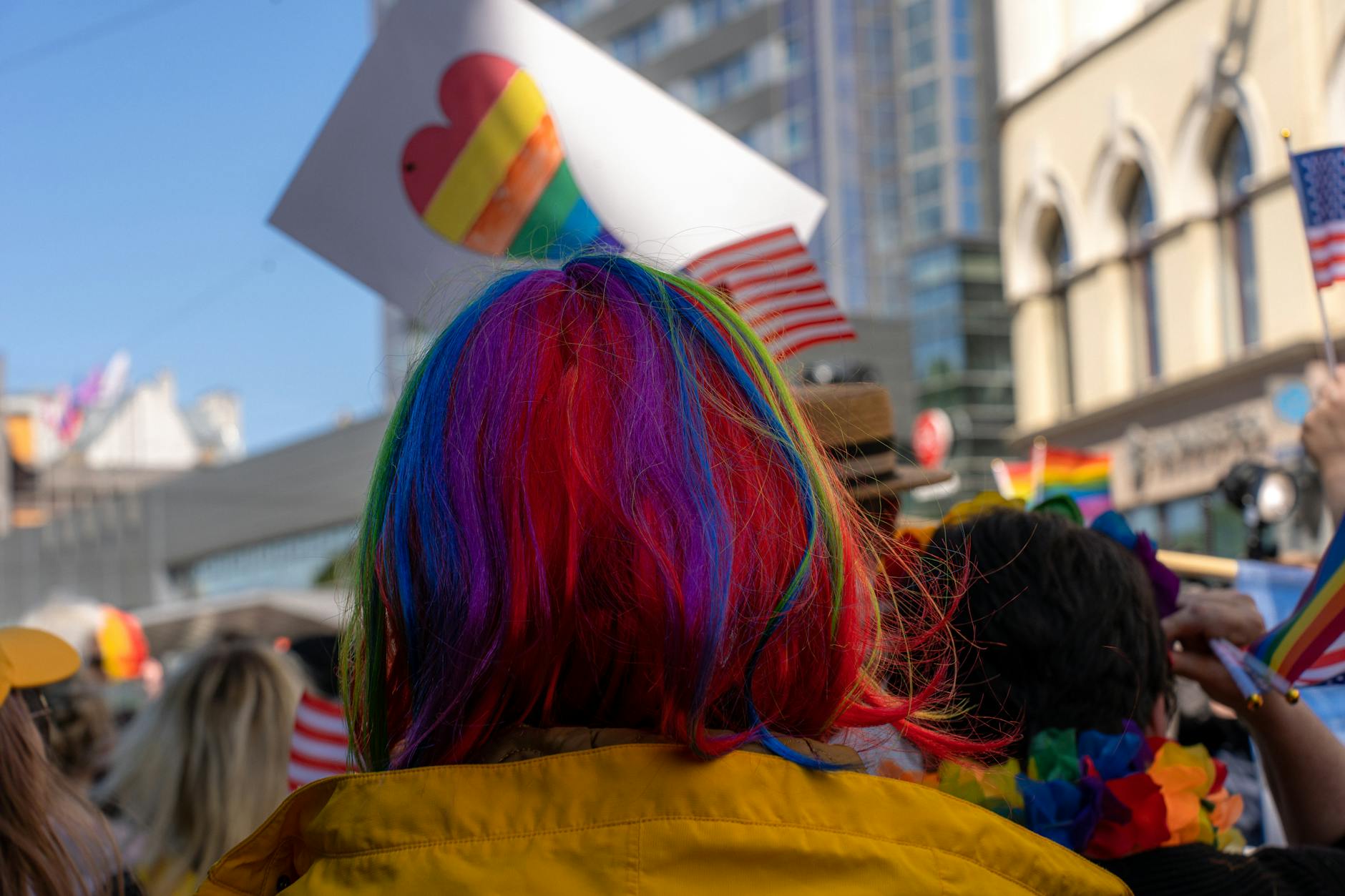
Munich LGBTQ nightlife is centred almost entirely in the Glockenbachviertel — Munich’s gay village — within a 10-minute walk south of Marienplatz. Bavaria’s reputation for conservatism is misleading here: Munich has one of Germany’s oldest continuously-running gay neighborhoods, hosts a major annual Pride (CSD München) each June, and supports a queer bar scene ranging from cozy locals’ bars to weekend dance clubs that draw crowds from across Bavaria. This guide covers the best LGBTQ+ bars and clubs, the broader LGBTQ+ community (cafés, hotels, support groups), Pride and other queer events, safety, etiquette, and how to fit the scene into a Munich visit.
Munich LGBTQ+ Scene at a Glance
| Detail | Information |
|---|---|
| Main neighborhood | Glockenbachviertel (south of the Altstadt) |
| Nearest U-Bahn | Sendlinger Tor (U1, U2, U3, U6) or Müllerstraße (tram) |
| Annual Pride | CSD München, second weekend of June |
| Pride dates 2026 | 12–14 June |
| Estimated Pride attendance | 150,000+ participants and spectators |
| Number of gay-specific bars | ~20 |
| Number of LGBTQ-friendly bars | 50+ |
| Major club night venues | NY.Club, Bau, Prosecco, Soul City |
| Lesbian-specific venues | Limited; Bei Joanna, occasional pop-ups |
| LGBTQ+ hotel (legacy) | Deutsche Eiche on Reichenbachstraße |
| Public attitudes | Strongly accepting in central Munich |
Why the Glockenbachviertel?
The Glockenbachviertel emerged as Munich’s gay neighborhood in the 1970s, partly because rents were low and partly because the established gay bars on Reichenbachstraße and Müllerstraße attracted a community. The 1980s and 90s saw consolidation; by the 2000s the neighborhood had its current shape with 20+ explicitly LGBTQ+ venues. The community remained even as gentrification pushed rents up; today the Glockenbachviertel hosts both established gay institutions and newer queer-positive design-led venues. The area’s main streets — Müllerstraße, Reichenbachstraße, Holzstraße, Hans-Sachs-Straße — anchor most of the scene.
Best Munich LGBTQ+ Bars and Clubs
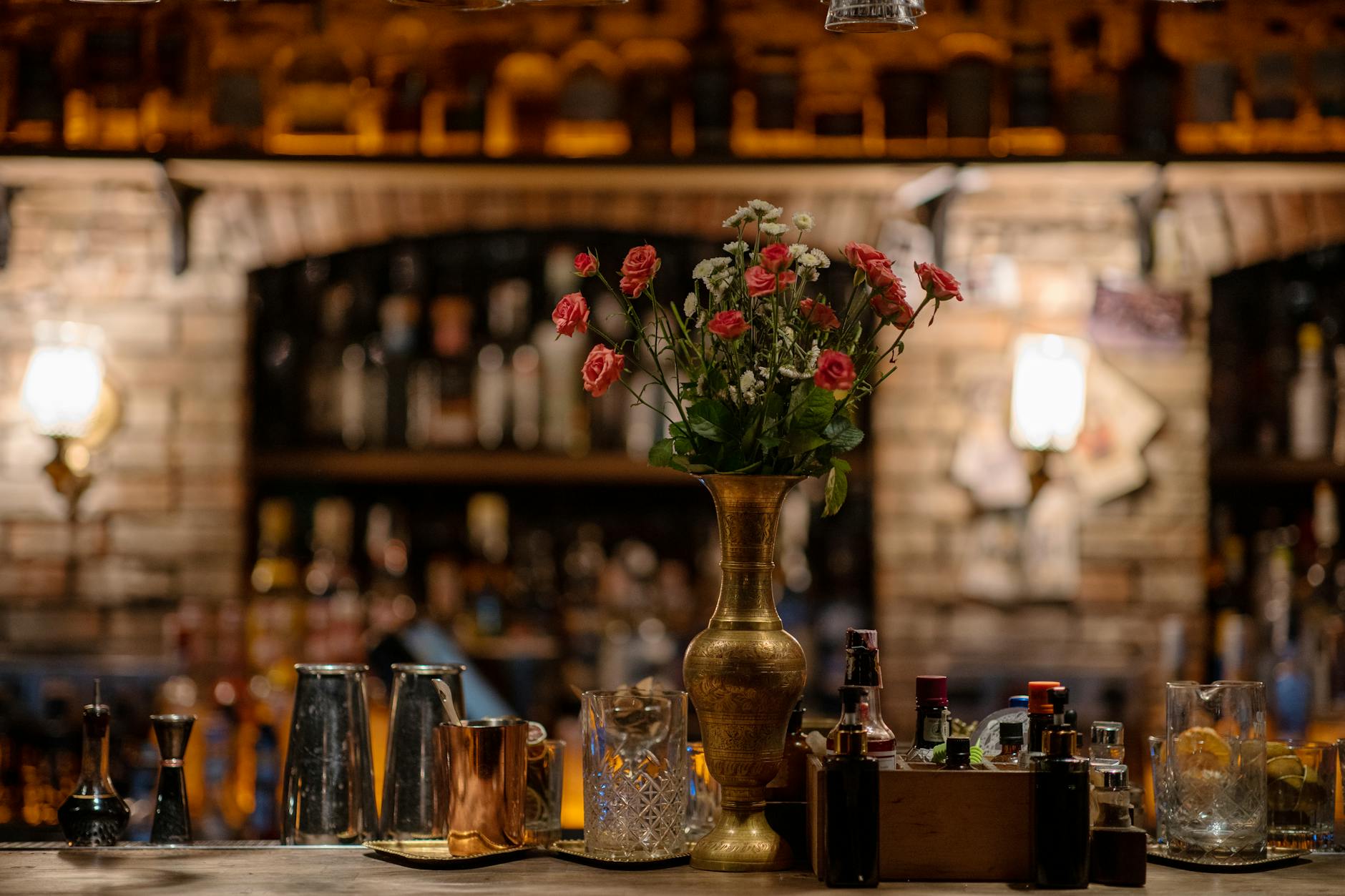
Established Gay Bars
- NY.Club — One of Munich’s premier gay clubs. Weekend dance nights pull crowds from across Bavaria; theme nights and drag shows feature regularly. Reichenbachstraße 13.
- Bau — Smaller, friendlier neighborhood bar. Mixed crowd; great for early-evening drinks before clubbing.
- Prosecco — Italian-themed gay bar with aperitivo culture. Reichenbachstraße 18.
- Bei Joanna — Mixed LGBTQ+ bar including the city’s most established lesbian-friendly nights.
- Schwuz München — Smaller gay bar with karaoke and themed nights.
- Bei Christa — Classic neighborhood gay bar; lower-key, locals’ atmosphere.
- Mary’s Bar — Cocktail-focused queer bar.
- Café Klatsch — Daytime LGBTQ+ café morphing into a bar in the evening.
LGBTQ-Friendly Mixed Bars and Clubs
- Soul City — Polysexual nightclub with strong queer presence; mixed crowds, electronic music focus.
- Goldene Bar (Haus der Kunst) — Elegant cocktail bar with LGBTQ-positive crowd.
- Schumann’s Bar — Munich’s iconic cocktail bar; LGBTQ-friendly across all crowds.
- Pacha München — Larger nightclub with weekly Pride-themed nights.
- Harry Klein — Techno club, queer-friendly.
- Pathos — Performance venue regularly hosting queer art events.
- Heart Munich — Mainstream club with monthly LGBTQ+ events.
LGBTQ+ Cafés and Daytime Spots
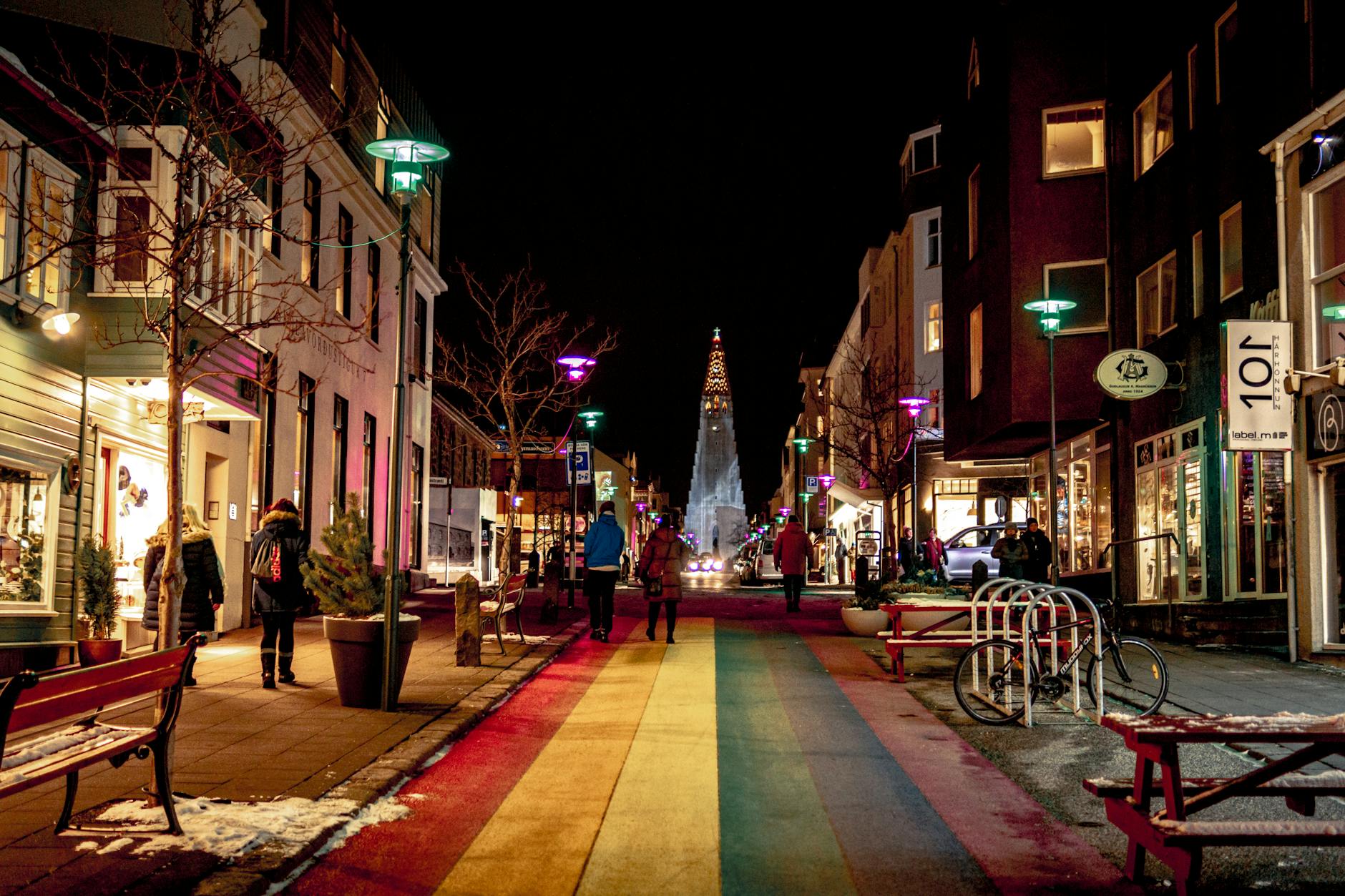
- Café Klatsch — All-day LGBTQ+ café, brunch through evening drinks.
- Café Kosmos — Smaller, queer-friendly with strong coffee and pastries.
- Lillemor — Female-focused, lesbian-friendly café in the Glockenbachviertel.
- Café Ringeltaube — Reichenbachstraße neighborhood café; strong queer-positive crowd.
- Café Cortado — Specialty coffee on Türkenstraße (Maxvorstadt); LGBTQ-positive.
- Café Frischhut — Famous Bavarian doughnut bakery; not specifically LGBTQ but welcoming.
Munich Pride (CSD München)
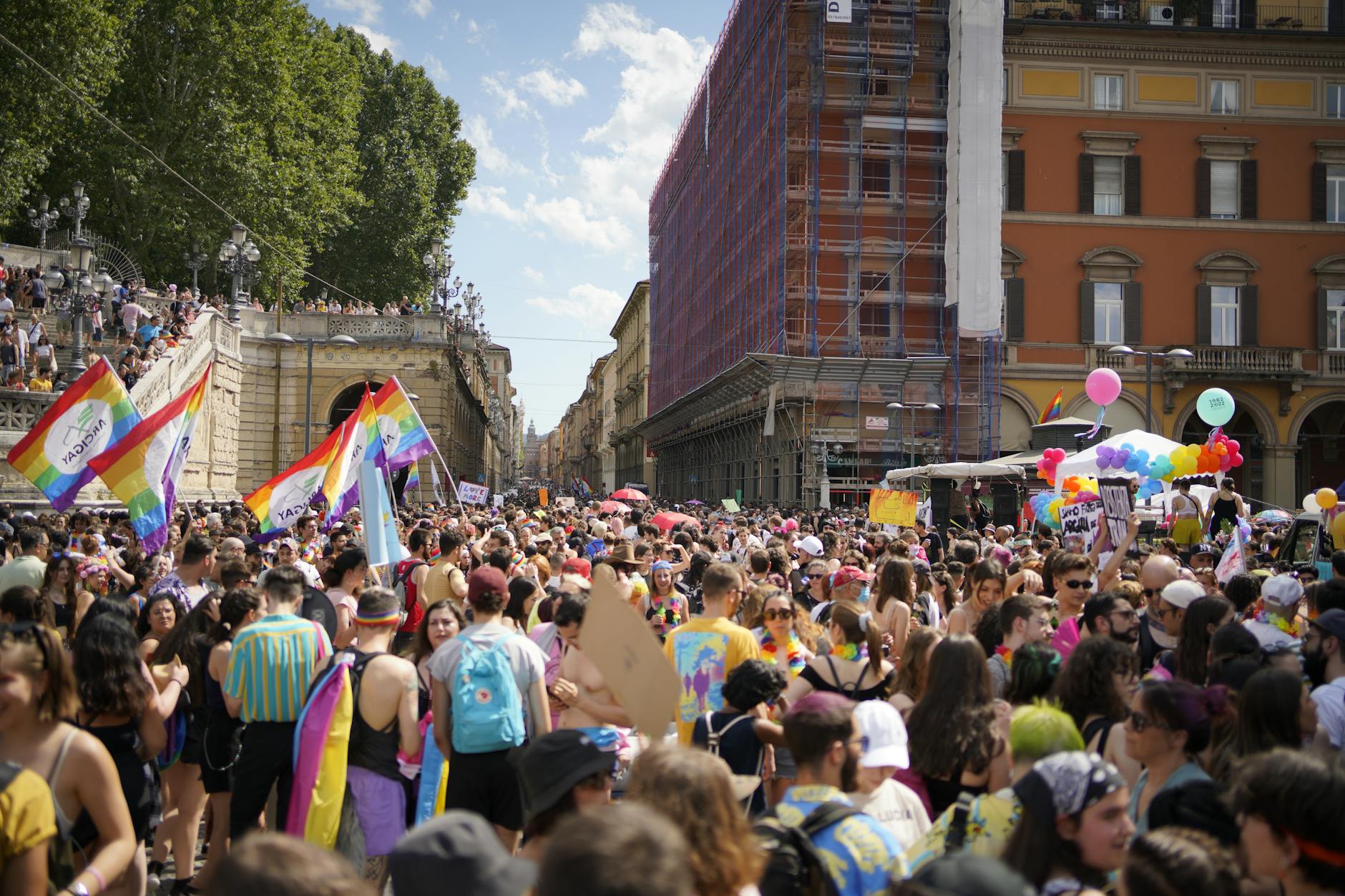
Christopher Street Day (CSD München) is Munich’s annual Pride celebration, held over the second weekend of June. The parade route runs through central Munich, finishing at Marienplatz where a stage hosts speeches and performances throughout the afternoon. CSD attracts roughly 150,000 participants and spectators in a normal year. The lead-up includes a Pride Week with cultural events, drag performances, panels, and parties across the Glockenbachviertel.
2026 dates: 12–14 June. The Pride parade on Saturday 13 June starts at 12:00 from Karolinenplatz, route is roughly 3 km, finishes at Marienplatz around 15:00. Stages and DJs run until 22:00. Pride Week events (panels, films, exhibitions) run the preceding week.
Other LGBTQ+ Events in Munich
- Pink Christmas Market (December at Stephansplatz) — Munich’s queer-themed Christmas market with unique gifts and a strong community feel.
- Lesbian Film Festival — Annual in November at the Werkstattkino.
- Queer Festival München — Multi-day cultural festival in autumn.
- Drag Brunches — Monthly at Bei Joanna and several Glockenbachviertel cafés.
- Queer Picnic Day — Annual June daytime gathering in the English Garden.
- Munich Film Festival queer programming — Annual June; runs alongside Pride.
Community and Support Resources
Beyond nightlife, Munich’s LGBTQ+ community is supported by several established organizations worth knowing for residents and longer-term visitors:
- Sub München — Main LGBTQ+ community centre on Müllerstraße. Counseling, advocacy, café, archive.
- LeTRa — Lesbian-focused community organization.
- Diversity München — Queer youth and family advocacy.
- AIDS-Hilfe München — HIV/AIDS counselling and testing.
- Munich Kyiv Queer — Cultural exchange organization.
- QueerHandicap München — Queer disabled-community organization.
- Trans*Inter*Beratungsstelle — Trans and intersex counselling.
- Federal anti-discrimination hotline — +49 211 89-942444.
Safety and Cultural Notes
Munich is one of Europe’s safer cities for LGBTQ+ visitors. Same-sex affection in central neighborhoods is unremarkable. The Glockenbachviertel is openly queer and well-policed. Public discrimination is rare and socially unacceptable. That said, Bavaria as a whole leans more conservative than Berlin or Hamburg; in suburban Munich or rural Bavaria attitudes can be more mixed but rarely hostile. A few practical notes:
- Same-sex couples can hold hands openly in the Glockenbachviertel and most central Munich neighborhoods.
- Hotel registration — same-sex couples are welcomed at all major Munich hotels; many list LGBTQ+ specifically.
- Public attitudes shift slightly outside the central districts — exercise normal urban awareness in suburban Munich.
- Trans visitors — public bathrooms are typically gendered but Munich’s central businesses increasingly offer all-gender options.
- Drink spiking at any nightclub — never leave drinks unattended.
- Emergency LGBTQ+ helpline — Sub München at +49 89 856 24 64.
LGBTQ-Friendly Hotels
All major Munich hotels welcome same-sex couples. A few have particular LGBTQ+ ties or atmospheres:
- Hotel Deutsche Eiche — Iconic LGBTQ+ hotel and pub since 1971, on Reichenbachstraße in the heart of the Glockenbachviertel.
- Cocoon Sendlinger Tor — Design-led 3-star next to the Glockenbachviertel.
- Anna Hotel by Geisel — Boutique near Karlsplatz.
- Mandarin Oriental — Luxury Munich; LGBTQ-positive across staff.
- Bayerischer Hof — Munich’s grand-luxury hotel; same.
- Hotel Königswache — Mid-range, queer-friendly.
- Cortiina — Boutique near Marienplatz.
Sample LGBTQ+ Weekend in Munich
Friday: Welcome
- Arrival, check into Hotel Deutsche Eiche or another Glockenbachviertel hotel.
- Aperitivo at Bar Centrale or Café Klatsch.
- Dinner at a Glockenbachviertel restaurant.
- Drinks at Prosecco, then dancing at NY.Club.
Saturday: Culture and Dance
- Brunch at Lillemor or Café Klatsch.
- Visit Sub München community centre or the LGBTQ+ archive.
- Walking tour of the Glockenbachviertel.
- Coffee break at Café Cortado in Maxvorstadt.
- Afternoon at the English Garden or a museum.
- Dinner at a Bavarian beer hall or Italian restaurant.
- Evening at Soul City, Bau, or a club night.
Sunday: Brunch and Recovery
- Drag brunch at Bei Joanna (if scheduled) or weekend brunch at Café Klatsch.
- Walk through the Viktualienmarkt or Marienplatz.
- Afternoon shopping in Maxvorstadt or relaxed café time.
- Light dinner; departure preparations.
A Short History of Queer Munich
Munich has hosted a queer community for longer than most cities outside Berlin acknowledge. The early 20th century saw the influential homosexual rights pioneer Magnus Hirschfeld lecture here in the 1920s; Munich’s pre-WWII gay scene briefly thrived in cabarets near the Marienplatz. The Nazi period brought brutal persecution: the Pink Triangle prisoners at Dachau and other camps included many Bavarian gay men. Post-war recovery was slow; West Germany’s Paragraph 175 (criminalizing homosexual acts) was only fully repealed in 1994. Munich’s gay scene started reorganizing in the 1970s around the new Christopher Street Day movement; the Glockenbachviertel emerged as the recognised gay neighborhood. The Deutsche Eiche hotel-pub on Reichenbachstraße, opened in 1971, was one of the first openly gay venues. The 1990s and 2000s saw expansion, mainstreaming, and the eventual full social acceptance reflected in today’s openly queer Glockenbachviertel.
Today’s Munich queer community is openly visible across the city — same-sex couples in beer gardens, gay-identified shops on Müllerstraße, queer flags during Pride Week. The shift from a hidden bar scene in the 1970s to today’s open neighborhood represents one of Germany’s most significant social-acceptance arcs of the past 50 years.
Pride Week Programming Detail
| Pride Week Event | Format | Typical Time |
|---|---|---|
| CSD München Parade | Public parade ending at Marienplatz | Saturday 12:00–15:00 |
| Pride Festival at Marienplatz | Stage performances and DJs | Saturday 14:00–22:00 |
| Sub München Pride Party | Community party with drag and dancing | Saturday 21:00–04:00 |
| Pride brunch events | At Bei Joanna, Café Klatsch, others | Sunday morning |
| Lesbian Pride Day | Dedicated lesbian programming | Sunday afternoon |
| Pride Cinema | Queer films at Werkstattkino | Throughout the week |
| Drag Race events | At NY.Club and Prosecco | Multiple nights |
| Queer film festival shorts | At Münchner Kammerspiele | Pride week |
| Political-rights panels | Sub München | Weekday evenings |
| LGBTQ+ sports tournaments | Football, basketball, swimming | Pride week |
Where to Stay for the LGBTQ+ Scene
- Hotel Deutsche Eiche on Reichenbachstraße — the most explicitly LGBTQ+ hotel in Munich. Doubles €150 to €230.
- Cocoon Sendlinger Tor — Design-led, walking distance to Glockenbachviertel. Doubles €120 to €170.
- Hotel Königswache — Maxvorstadt; queer-friendly. Doubles €110 to €160.
- Anna Hotel by Geisel — Boutique near Karlsplatz. Doubles €180 to €280.
- Marriott Hotel, Sofitel, Hilton, and most international chains — All LGBTQ-friendly across staff.
- Self-catering Glockenbachviertel apartments — Airbnb selection strong; €90 to €160 per night.
- The Tent Munich (summer) — Budget option for backpackers; LGBTQ-positive.
The Glockenbachviertel Beyond Nightlife
While the Glockenbachviertel is famous for nightlife, daytime visits reward the curious. Walk the streets between Müllerstraße and Reichenbachstraße to find independent design shops, vintage clothing boutiques, queer-positive cafés, small architecture firms occupying converted ground floors, and the city’s most concentrated gallery cluster outside the Kunstareal. Saturday mornings are particularly lively with brunch crowds spilling onto the streets. The neighborhood’s mixed character — residential apartment blocks, bohemian shopfronts, and openly queer venues coexisting — is part of what makes it feel like a community rather than a tourist district.
Queer-Adjacent Munich Outside the Glockenbachviertel
- Schwabing — Several mixed-LGBTQ-friendly cafés and bars; less concentrated than the Glockenbachviertel but more academic and bohemian.
- Haidhausen — Quieter, residential, with several queer-positive small businesses and a slow café culture.
- Maxvorstadt — Student-friendly, openly LGBTQ-welcoming, with the Akademie der Bildenden Künste contributing a queer-creative atmosphere.
- Westend — Bahnhofsviertel adjacent; more mainstream nightlife with growing queer-positive presence.
- Werksviertel — Newer arts district with several LGBTQ-friendly venues.
- Gärtnerplatz — Bordering the Glockenbachviertel; mixed crowd; popular with the queer community.
Sample Itineraries for Different Travelers
First-Time Queer Visitor (Friday to Sunday)
Stay at Hotel Deutsche Eiche. Friday evening: drinks at Prosecco, dinner at a Glockenbachviertel restaurant, dancing at NY.Club until late. Saturday: brunch at Café Klatsch, museum afternoon at the Pinakothek der Moderne (LGBTQ-positive crowds), evening at Bei Joanna or Bau. Sunday: relaxed brunch, walk through Marienplatz, departure.
Pride Visitor
Plan around the second weekend of June. Friday evening: Pride Week party at Sub München. Saturday: the parade, the Marienplatz stage, dinner in the Glockenbachviertel, party at NY.Club. Sunday: drag brunch and lesbian Pride programming. Book hotel and party tickets well in advance — Pride weekend sells out 4 to 8 weeks ahead.
Long Weekend with Partner
Mix nightlife with broader Munich experiences. Day 1: Glockenbachviertel and dancing. Day 2: Bavarian Alps day trip (Neuschwanstein) for change of pace. Day 3: Museum culture or English Garden. Each evening returns to the Glockenbachviertel.
Munich vs. Berlin LGBTQ+ Scene: The Real Comparison
Berlin’s reputation as Europe’s queer capital is well-deserved — Berghain, the legacy of the gay liberation movement, the sheer size and underground depth of the scene. Munich’s scene is smaller, more concentrated, and arguably more accessible. Compare the two:
- Berlin: sprawling, multi-neighborhood (Schöneberg, Kreuzberg, Friedrichshain), legendary underground techno (Berghain, Tresor), bigger leather and fetish scene, less concentrated daytime queer culture.
- Munich: concentrated in one neighborhood (Glockenbachviertel), walkable, cleaner and quieter, smaller club scene but stronger café and community culture, fewer but more established gay bars.
- For first-time queer visitors: Munich is easier to navigate. The Glockenbachviertel is small enough to wander and meet people.
- For experienced clubbers: Berlin’s underground depth is unmatched.
- For Pride: Berlin Pride is bigger; Munich Pride feels more local.
- For older travelers: Munich’s community is more visible by day; Berlin’s scene skews nocturnal.
- For trans visitors: Berlin has more established trans community spaces; Munich is improving rapidly.
Queer Munich Quick Tips
- Friday and Saturday nights are the peak. Plan accordingly.
- Sunday is community day: drag brunches, casual gatherings, quieter bars.
- Pride weekend is the biggest pull; book months ahead.
- NY.Club is the iconic Munich gay club; one visit should be on every queer Munich itinerary.
- The Deutsche Eiche functions as both hotel and beloved community pub — visit even if not staying.
- Drag shows at Bei Joanna and Prosecco are increasingly polished.
- Apps like Grindr work but feel less central to the scene than venue-based meeting.
- Don’t skip daytime: cafés, gallery walks, and Sub München by day are part of the experience.
- Stay engaged with Sub München: their event listings are the gold standard for current programming.
- Public attitudes: openly accepting in central Munich; standard urban awareness in suburbs.
Bavarian Beer Halls and the Queer Scene
One quirk of Munich queer culture: the city’s traditional beer halls (Hofbräuhaus, Augustiner, Paulaner) are universally welcoming to same-sex couples. Locals don’t read sexuality into beer-hall behavior; same-sex affection at long communal tables is unremarkable. For visitors who want a slice of Bavarian tradition alongside the queer scene, an evening that combines beer-hall dinner and Glockenbachviertel dancing is a uniquely Munich experience. The Hofbräukeller in Haidhausen and the Augustiner Stammhaus are both 10-minute walks from the Glockenbachviertel; perfect for the transition.
Are there clothing-optional events?
Yes — Apollo Sauna and several smaller bathhouses on Goethestraße. Periodic party nights at NY.Club include underwear themes. The leather and fetish scene is smaller than Berlin’s but present; check Sub München’s events calendar for current programming.
How accessible is the scene for visitors with disabilities?
Variable. Newer venues are step-free; older Glockenbachviertel bars often have stairs to upper floors. Sub München’s community centre is fully accessible. The Pride parade route is wheelchair-accessible. Trans*Inter*Beratungsstelle and Sub München can advise on specific venue accessibility.
Where can I find current event listings?
The Sub München website (sub-muenchen.de) is the definitive source for current LGBTQ+ events in Munich. The Leo magazine (free in Glockenbachviertel cafés) publishes monthly listings. Drag race events typically post on individual venue Instagram accounts. For Pride Week, the CSD München website lists full programming roughly six weeks ahead.
Is there a queer-friendly walking tour?
Sandeman’s New Munich offers occasional queer history walking tours during Pride Week. Sub München runs neighborhood tours of the Glockenbachviertel by appointment. Several private guides offer custom LGBTQ+ history tours of Munich; check Munich tourism office listings.
Frequently Asked Questions
Is Munich a good LGBTQ+ travel destination?
Yes — one of the best in Europe outside Berlin and Amsterdam. The Glockenbachviertel community is dense and welcoming; Pride is well-supported; public attitudes in central Munich are openly accepting. Berlin remains the bigger queer city, but Munich offers a strong, cohesive, walkable scene with less of the overwhelming size.
Are there specifically lesbian-friendly venues?
Limited but real. Bei Joanna, Lillemor café, and occasional pop-up nights at Glockenbachviertel bars provide lesbian-specific spaces. Munich’s lesbian scene is smaller than its gay scene; many lesbian travelers find the mixed-LGBTQ Bei Joanna a comfortable home base.
Is transgender visitor experience comfortable in Munich?
Generally yes. Trans community spaces (TIN Munich, the Trans*Inter*Beratungsstelle) provide support and connection. Public bathrooms are typically gendered but the situation is improving. Most LGBTQ+ venues welcome trans patrons explicitly. For visiting trans people on hormones, German pharmacies accept international prescriptions.
How does the scene compare to other German cities?
Berlin is dramatically larger and more underground; Hamburg has a strong but smaller scene; Frankfurt has a niche financial-district queer scene; Cologne has a famous Pride. Munich sits in a comfortable middle — bigger and more visible than Frankfurt or Hamburg, smaller and more focused than Berlin.
When do bars in the Glockenbachviertel open and close?
Café and bar venues typically open from 17:00 or 18:00 and close at 02:00 to 04:00. Clubs typically open 22:00 and run until 04:00 to 06:00, sometimes later for big party nights. Weekday hours are shorter than weekends. Sunday nights are quieter; many venues close earlier on Sundays.
Are there cover charges?
Most bars: no. Most clubs: €5 to €15 entry, more on big party nights (€20 to €30). Pride weekend events charge €15 to €40 depending on the venue.
Can I meet locals or other travelers?
Yes — the scene is open and friendly to visitors. Sub München’s community centre is the most accessible meeting point; cafés like Café Klatsch and Lillemor have regular informal gatherings; apps like Grindr, Hinge, Bumble, and Lex are widely used in Munich.
Is there a gay sauna or bathhouse?
Yes — Apollo Sauna on Goethestraße in the Bahnhofsviertel is Munich’s main gay sauna. Hours are typically 13:00 to 03:00 daily; admission €18 to €25. Other smaller establishments exist; check current listings.
Are public displays of affection safe in central Munich?
Yes. Same-sex hand-holding and kissing in central Munich is unremarkable. In suburban or rural Bavaria, attitudes can be more mixed but rarely hostile. Standard urban awareness applies.
Is there a queer welcome scene for older LGBTQ+ visitors?
Yes. Sub München runs an older-LGBTQ+ group with weekly café meetings. The Stammtisch at the Deutsche Eiche pulls a mixed-age crowd. Several Glockenbachviertel cafés have established older-clientele atmospheres.
Is HIV testing available for visitors?
Yes. AIDS-Hilfe München at Lindwurmstraße offers walk-in HIV testing on weekdays. Munich’s general medical system also handles HIV care; consult a GP for prescriptions or specialist referrals.
Plan Your Munich Trip
- Munich Nightlife Guide — the broader scene
- Best Bars in Munich — bars beyond the LGBTQ scene
- Glockenbachviertel Guide — the neighborhood deep dive
- Munich Safety Guide — including LGBTQ-specific tips
- Munich Solo Travel — for visitors traveling alone