Is Munich Safe? Complete Tourist Safety Guide (2026)
Munich is one of Europe's safest cities. Crime rates, common scams, safe neighborhoods, emergency contacts.
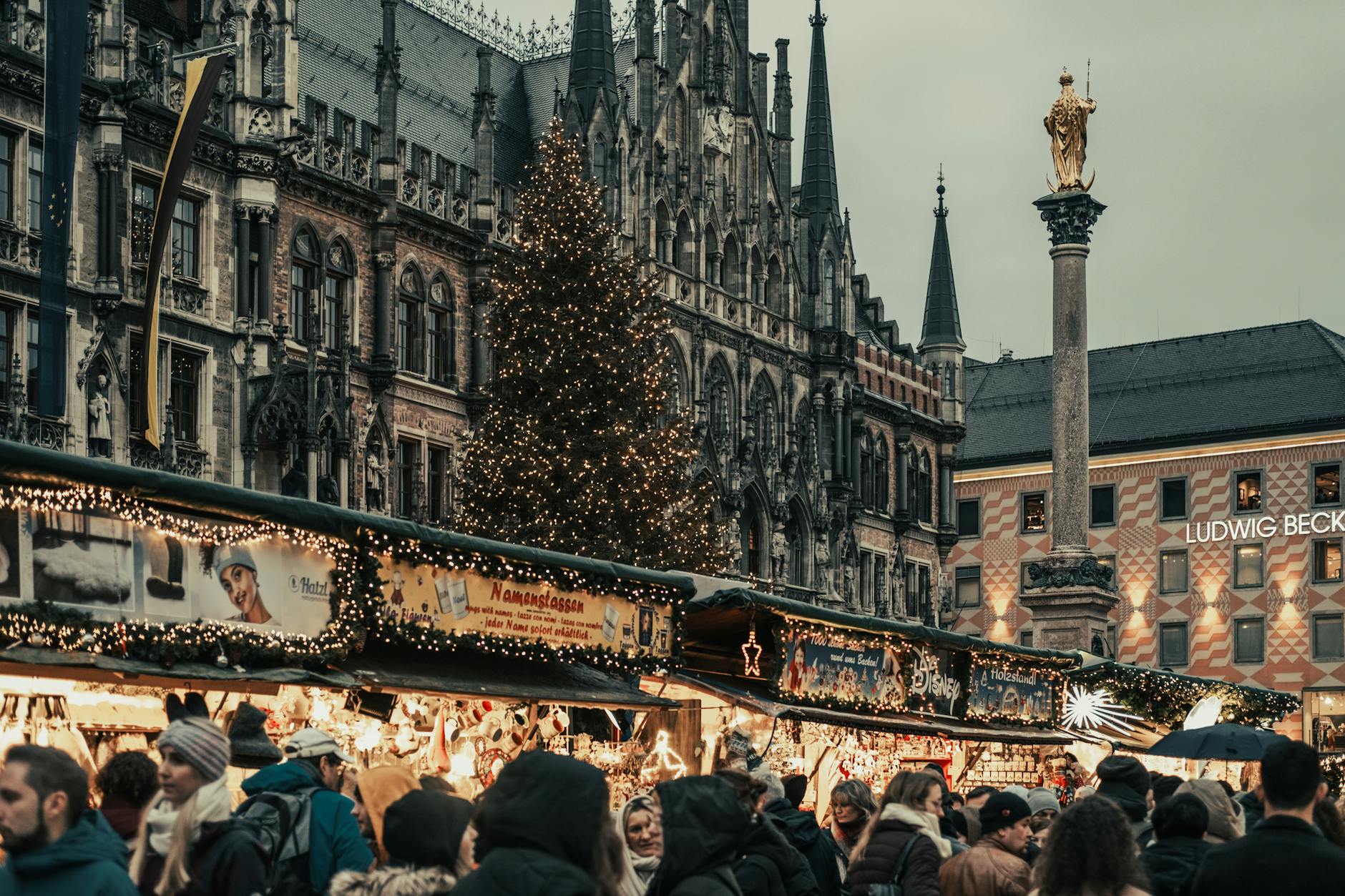
Short answer: yes. Munich safety is genuinely excellent — for seven straight years the Bavarian capital has topped Germany’s police statistics as the safest major city, and Numbeo ranks it among Europe’s five safest big cities, well ahead of Berlin, Hamburg, Paris, and London. Violent crime is rare. Walking home at midnight is normal. Solo female and LGBTQ+ travelers consistently feel more comfortable here than in most European capitals. The honest caveats are predictable: pickpockets at Marienplatz and on the U-Bahn, the petition scam, the slightly grim streets south of Hauptbahnhof, and Oktoberfest chaos. This 2026 guide covers the numbers, the scams, the neighborhoods to know, and what to do if something does go wrong.
Munich Safety at a Glance
| Detail | What to Know |
|---|---|
| Numbeo Safety Index (May 2026) | ~78 / 100 (high) — Crime Index ~21 (low) |
| Overall ranking | Safest large city in Germany 7 years running; top 5 safest big cities in Europe |
| Primary risks for tourists | Pickpocketing, petition/bracelet scams, restaurant overcharge |
| Violent crime risk | Very low |
| Emergency number | 112 (all emergencies) · 110 (police only) |
| Non-urgent doctor on call | 116 117 |
| Pharmacy on-call finder | 0800 0022833 or aponet.de |
| Tap water | Excellent — safe everywhere in Munich |
| Walking at night | Generally safe across central districts |
| Solo female traveler rating | Among the safest big cities in Europe |
| LGBTQ+ travelers | Highly welcoming — Glockenbachviertel is the gay quarter |
| US State Department advisory | Germany: Level 2 (Exercise Increased Caution — terrorism) |
| UK FCDO advisory | No general warning; standard terrorism awareness |
The Hard Numbers: Munich Crime Statistics 2024-2025
Germany publishes detailed police crime statistics (Polizeiliche Kriminalstatistik) every spring via the BKA and each state. The headline is consistent: Bavaria is the safest of Germany’s 16 states, and Munich is the safest city in Bavaria.
- Bavaria 2024: 4,218 recorded crimes per 100,000 inhabitants (excluding immigration-law offenses) — down 3.3% year-on-year. Clearance rate 64.9%, one of the highest in Europe.
- Munich (2024-2025 PKS): ranked first place among German cities over 200,000 inhabitants for the seventh consecutive year. Fuerth, also in Bavaria, comes second.
- Drug crime in Bavaria: 31,145 cases in 2024, down roughly 39% after partial cannabis legalisation took effect.
- Violent crime: rare in Munich; up modestly across Bavaria (+5.2% in 2024). Tourist victimisation is unusual.
- Pickpocketing at transport hubs: Munich police reported a 23% drop in early 2025 compared with early 2024, after a visible-officer push at Marienplatz, Hauptbahnhof, and major U-Bahn stations.
How Munich Compares (Numbeo, May 2026)
| City | Crime Index | Safety Index |
|---|---|---|
| Munich | ~21 | ~79 |
| Hamburg | ~41 | ~59 |
| Berlin | ~45 | ~55 |
| London | ~55 | ~45 |
| Paris | ~58 | ~42 |
Munich’s perceived crime is roughly half of Berlin’s, a third of Paris’s, and well under London’s. You simply do not see the petty crime density here that you encounter in larger European capitals.

Is Munich Safe at Night?
Yes — almost everywhere, almost always. You can walk home through the Altstadt at 2 a.m. with very little to worry about. Numbeo’s nighttime-walking score for Munich is 83/100. Streets are well-lit, trams and night buses run all night Fridays and Saturdays, and the U-Bahn restarts around 04:00.
That said, common sense still applies:
- Englischer Garten after dark: main paths are fine in the early evening, but the park has no real lighting and empties once it’s properly dark. Schwabinger Bach meadows draw late-night drinkers in summer — usually friendly, occasionally messy, rarely dangerous. Stick to lit edges if walking alone.
- Olympiapark and Isar riverbanks: beautiful by day, quieter at night. Cross on lit paths, don’t linger on unlit stretches.
- U-Bahn corners at 2 a.m.: the stations themselves are camera-monitored and usually fine, but pick a busier carriage if a quiet one feels off. Well-lit S-Bahn platforms with staff are typically more comfortable than emptier U-Bahn corridors late at night.
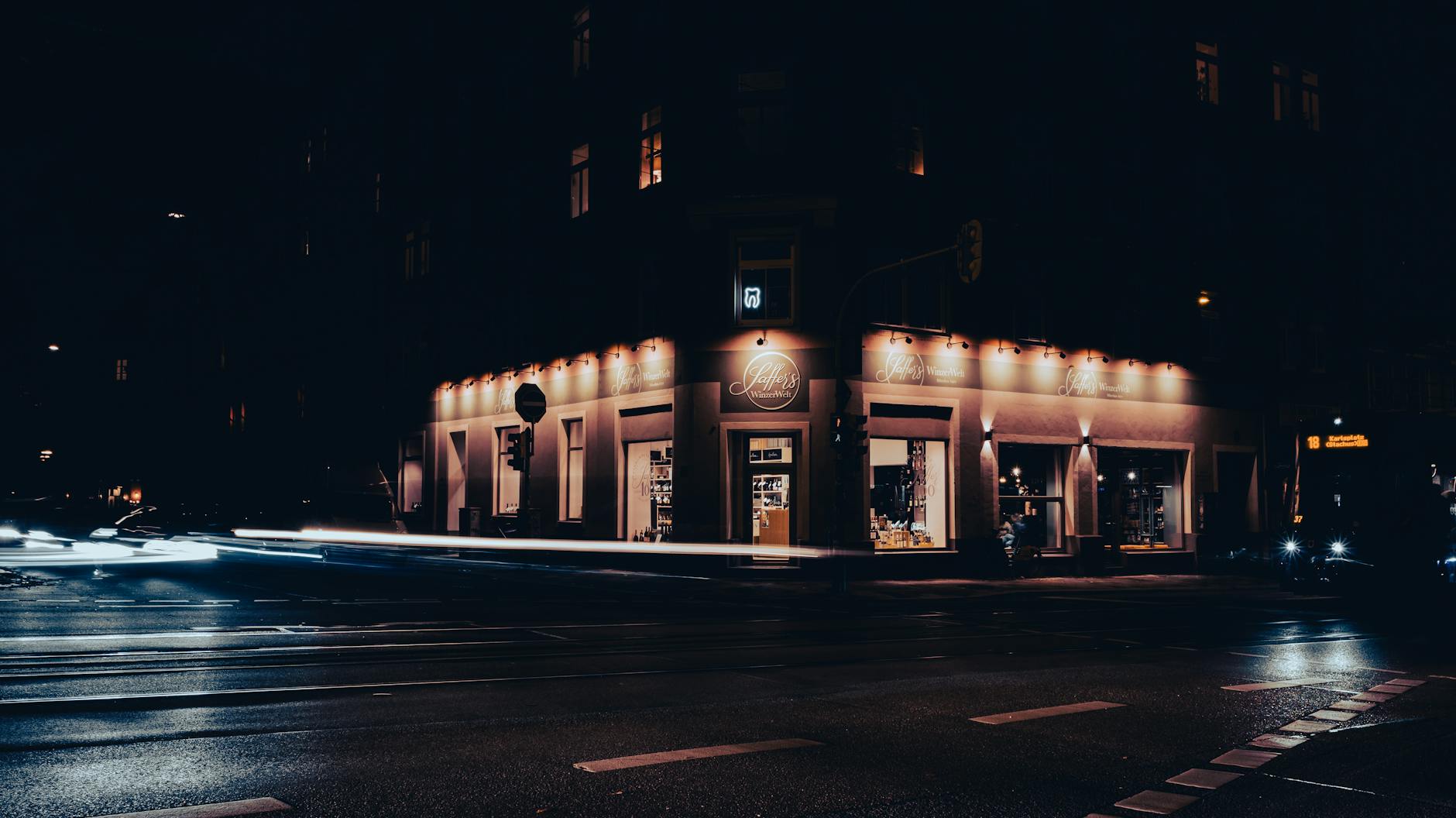
Safe Neighborhoods Munich: Where to Stay and What to Know
Practically every Munich district most tourists ever set foot in is safe. There is no Munich equivalent of a no-go neighborhood. A handful of areas have specific quirks worth understanding:
The Altstadt (Old Town), Maxvorstadt, Lehel, Schwabing
Universally safe day or night. Central residential and tourist districts — locals walking dogs, families, bars open until the small hours. Pickpocketing in Marienplatz crowds at peak hours is the only real concern.
Haidhausen, Au, Isarvorstadt, Glockenbachviertel
Quiet, leafy residential neighborhoods east and south of the centre. Glockenbachviertel is Munich’s LGBTQ+ quarter and one of the most welcoming corners of the city, with packed terraces well into the night.
Hauptbahnhof Area (the only district that asks a little awareness)
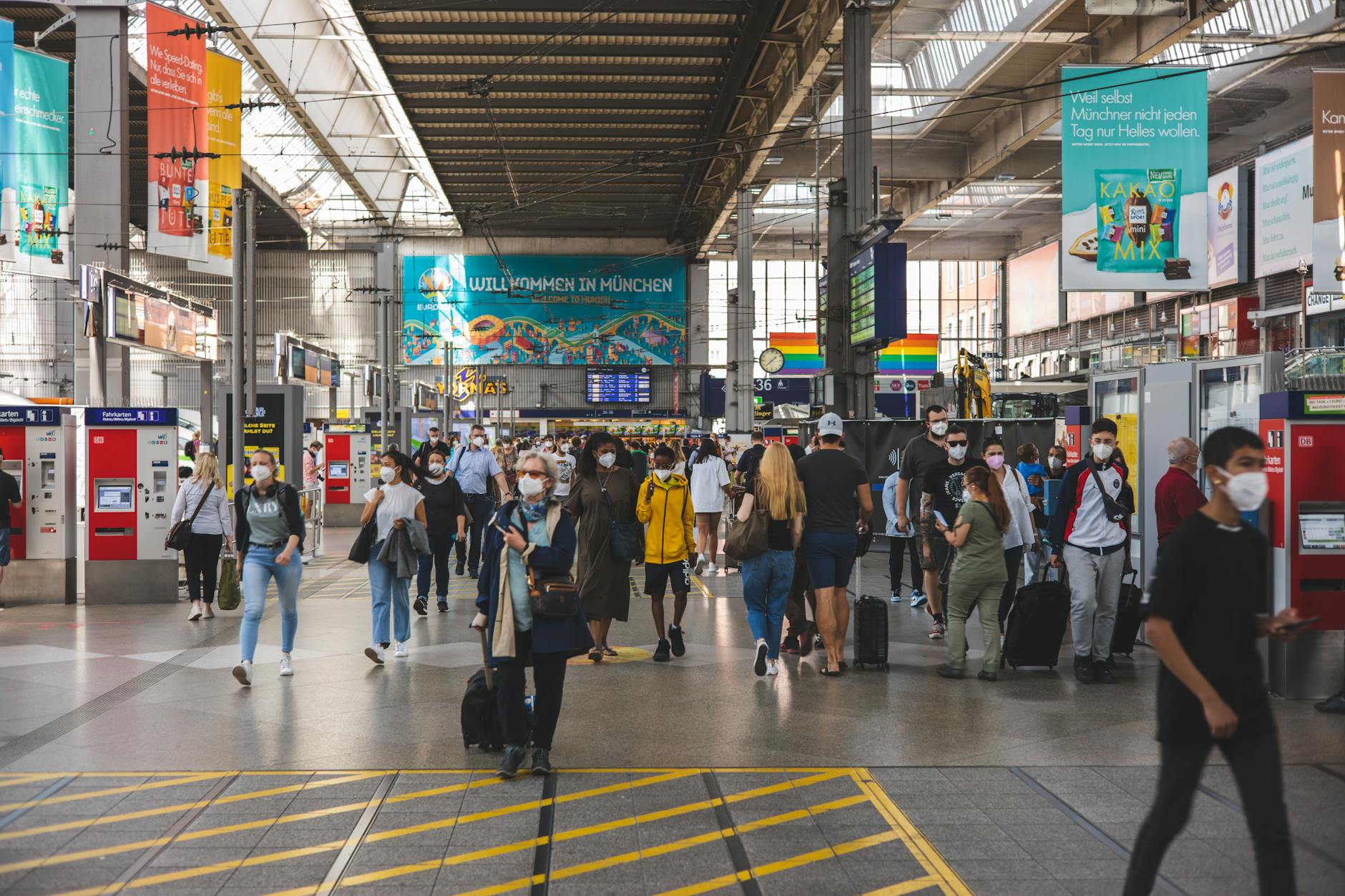
Munich’s main train station and the few blocks immediately south — Schillerstrasse, Goethestrasse, Landwehrstrasse — concentrate most of the city’s visible homelessness, addiction, and petty crime. It is not dangerous in the way some other European central stations are; tens of thousands move through daily without incident and it is heavily policed. You may, however, see open drug use, intoxicated people, and the occasional aggressive panhandler after dark.
- Hold your phone and wallet more securely than elsewhere in the city.
- Skip the Schillerstrasse / red-light district just south of the station at night unless you’re specifically visiting somewhere there — it’s legal, low-violence, but unattractive and visibly seedy.
- If you booked a hotel in this zone for budget reasons, you’re fine; just walk the last block briskly after dark.
Common Munich Scams (and How to Spot Them)
Most Munich scams fall into the mildly annoying rather than dangerous category. Here are the ones to know:
The Petition Scam (Marienplatz, Frauenkirche, Viktualienmarkt)
The most common scam in Munich. A young woman approaches with a clipboard and a vague petition about a deaf-and-mute charity, asks you to sign and donate. Either an accomplice picks your pocket while you read, or the petitioner demands a 20-50 euro "donation" once you’ve signed. Action: say "Nein, danke," walk on, don’t engage.
The Friendship Bracelet
Someone offers a free woven bracelet, ties string to your wrist, then demands payment. Less common in Munich than Paris or Rome but happens around Marienplatz and Karlsplatz. Action: keep your hands in your pockets; if it’s already tied on, cut it off and walk away.
The Fake Police Officer
Someone in plain clothes flashes a fake badge, says they’re checking for "counterfeit euros," and asks for your wallet or ID. They pocket cash while "inspecting." Real German police never do this on the street. Ask for uniformed officers, refuse to hand over anything, walk to a populated area.
Shell Game / Cup-and-Ball
Three cups, one ball, accomplices placing "winning" bets to lure you in. Pops up near the Frauenkirche, Karlsplatz, and along Bayerstrasse. Always rigged. Walk past.
Restaurant Overcharge
Rare but does happen in tourist-heavy spots: extra drinks, unmentioned "cover charges," or wrong totals. In Germany, service is not added to the bill (you tip 5-10% by rounding up). Ask politely for an itemised receipt; most cases are honest mistakes, the rest dissolve when you push back.
Airport Taxi Overcharge
Official Munich taxis are metered and honest, but unmarked "taxis" outside arrivals occasionally overcharge tourists. Airport-to-centre is roughly €75-95 in a real taxi. Better: the official MVV S-Bahn (S1/S8, ~€13.20, 45 minutes), the Lufthansa Airport Bus, or apps like FreeNow and Uber. See our U-Bahn and S-Bahn guide for full transport details.
ATM Skimming
Rare in Munich, but basic hygiene: prefer ATMs inside bank lobbies (Sparkasse, Deutsche Bank) rather than free-standing machines in tourist areas. Cover the keypad. Avoid DCC offers — always pay in euros.
Counterfeit Euros
Almost unheard of in Munich. The only realistic risk is informal street currency exchange — never do this; use ATMs or banks.
Pickpocketing: Where, When, and How to Avoid It
Pickpocketing is the single most common tourist crime in Munich. Spots and times to be extra careful:
- Marienplatz at Glockenspiel time (11:00, 12:00, 17:00 in summer) — everyone looks up, hands work the crowd.
- U-Bahn rush hour — especially U3/U6 between Hauptbahnhof and Marienplatz at 8-9 a.m. and 17-18:30.
- Oktoberfest tents and Theresienwiese at peak hours — see the Oktoberfest section below.
- Christmas markets, particularly the Marienplatz Christkindlmarkt at evening rush.
- Hauptbahnhof escalators, ticket halls, and platforms.
Practical pickpocket-proofing:
- Never put your wallet or phone in a back pocket — ever.
- Use a crossbody bag worn in front, zipped, with your hand resting on it in crowds.
- Carry a slim daily wallet with one card, your ID, and the cash you need; leave passports, second cards, and emergency cash in the hotel safe.
- An RFID-blocking wallet or card sleeve is cheap insurance against contactless skimming.
- Be alert any time you feel jostled, especially on U-Bahn doors as they close — classic distraction-and-exit move.
Oktoberfest Safety
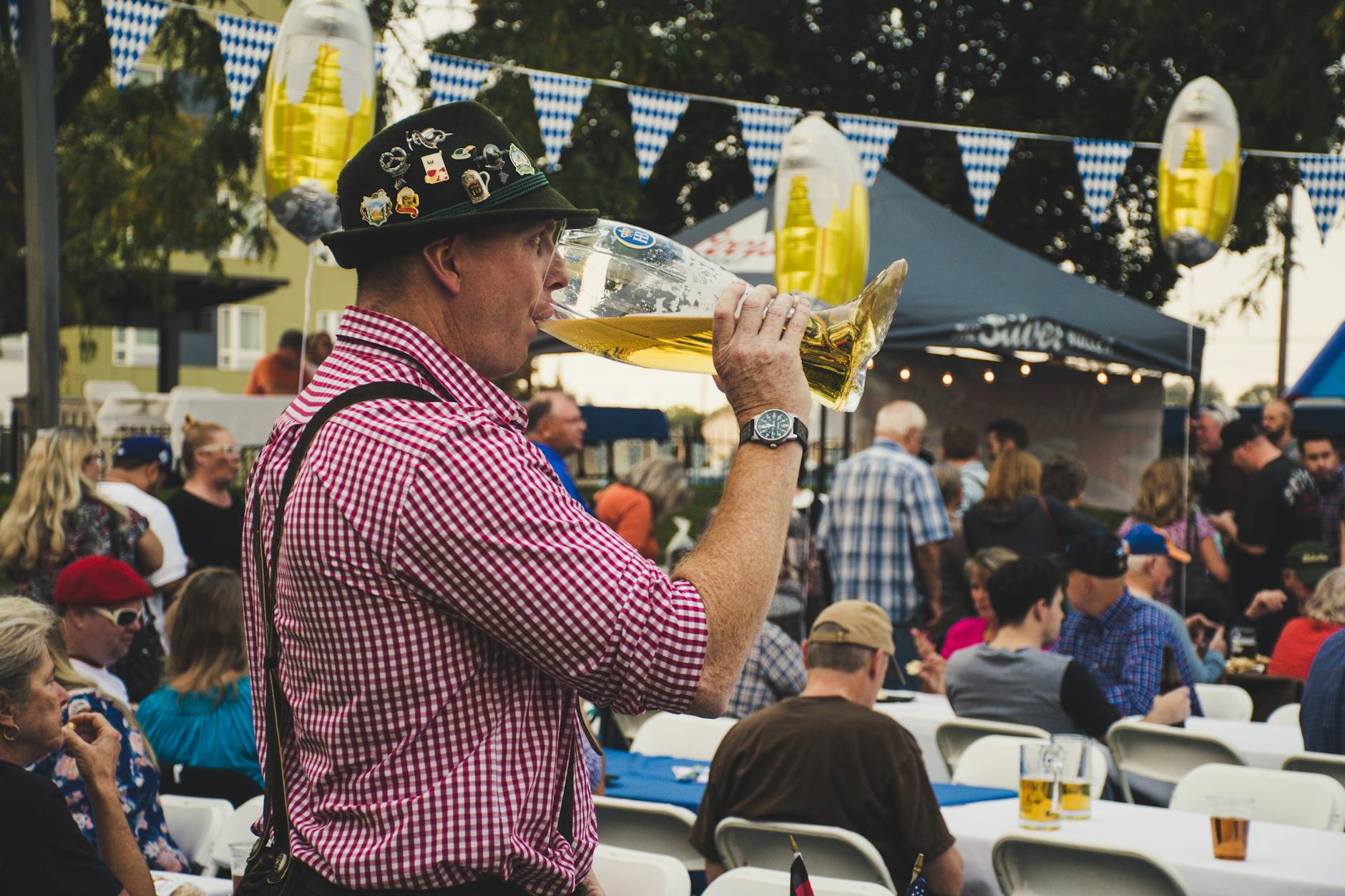
Oktoberfest is one of Europe’s most heavily-policed events — the Theresienwiese is fenced with security checkpoints, 600+ officers on site daily, and 50+ cameras across the grounds. Bag size is strictly limited (max 3 litres / 20x15x10 cm); large bags, backpacks, and glass bottles are banned. Drunkenness and dense crowds still create predictable risks:
- Pickpocketing in the tents at peak evening hours is the most common Oktoberfest crime by far.
- Sexual harassment and groping happen, especially in the most crowded tents late at night. The Munich associations IMMA, Frauennotruf, and Kinderschutz run the Sichere Wiesn fuer Maedchen und Frauen Safe Space — located in the Servicezentrum on Theresienwiese behind the Bavaria statue. Any girl or woman feeling unsafe, lost, threatened, or in crisis can go there for help getting home, support, or police assistance, no questions asked.
- Wiesn medics (the Bayerisches Rotes Kreuz tent on the grounds) handle everything from cut feet to beer-poisoning collapses. Just ask any officer or steward.
- If you’re not confident, leave by 22:00 — the family-friendly afternoon vibe becomes a much rowdier late-night beer hall by then.
- Travel light: ID, one card, a little cash, phone in a front zipped pocket. Leave everything else in the hotel.
Solo Female Travelers in Munich
Munich is consistently rated among the safest big cities in Europe for solo women, and the practical experience matches the rankings: women cycle alone late at night, eat dinner solo without being pestered, and use public transport without trouble. A few sensible adjustments still apply:
- Late at night, well-lit S-Bahn platforms with visible staff feel more comfortable than an empty U-Bahn corridor — pick attended stations when you can.
- U7 on Friday/Saturday nights post-Wiesn or on match-days gets rowdy — loud and drunken, not unsafe; sit near the driver if it bothers you.
- The night Tram (N17, N19, N20, N27) and night buses are MVG-run with visible drivers and CCTV — the safer late-night choice vs an empty U-Bahn.
- Glockenbachviertel and Gaertnerplatz stay busy until very late — great solo-evening neighborhoods.
- Trust your instincts — if a carriage or street feels off, change it.
LGBTQ+ Safety
Munich is one of Germany’s most LGBTQ+-friendly cities. Same-sex marriage has been legal nationally since 2017, anti-discrimination law is robust, and Bavarian hate-crime rates remain low. The Glockenbachviertel — roughly between Sendlinger Tor, Muellerstrasse, and the Isar — is the heart of the gay scene, with bars and clubs along Muellerstrasse and Hans-Sachs-Strasse. Public displays of affection draw zero attention. The city hosts Christopher Street Day (Pride) each July and the long-running Pink Christmas market at Stephansplatz in December.
Traveling to Munich With Kids
Munich is a comfortable family city. Pavements are wide, drivers stop at crossings, parks are everywhere:
- Strollers on the U-Bahn: every major station has lifts; map them in advance on the MVG app, since outages do happen.
- Public bathrooms: use department stores (Kaufhof, Oberpollinger), museums, and McDonald’s. Train stations charge a small fee for clean toilets via Rail&Fresh / WC-Center.
- Lost-child plan: brief older kids on a meeting point. Younger ones should carry a card in a pocket with your hotel name, your phone, and the emergency number 112. Any uniformed Polizei officer, S-Bahn attendant, or museum staff member can be trusted to help.
- Car seats: mandatory for children under 12 and under 150 cm in any vehicle, including taxis — pre-book a family taxi if needed.
Driving, Biking, and Water Safety
Driving in Munich
Drive on the right. Munich’s accident rate is low by European-city standards. Watch for trams (right of way, slow to stop) and cyclists in dedicated lanes. Limits are 50 km/h in town, 100 km/h on rural roads, recommended 130 km/h on the autobahn (many stretches have no upper limit; left lane is for overtaking only). Parking enforcement is strict — use Park & Ride lots outside the centre.
Biking Safety
Munich is one of Germany’s best cycling cities, with a 1,200 km bike-lane network. Helmets are not legally required but strongly recommended. Lanes are usually separated from cars but cross pedestrian zones — respect the painted line, stay off pedestrian pavements. See our full cycling in Munich guide for rental, routes, and rules.
Isar and Eisbach Water Safety
The Isar’s current is faster, colder, and stronger than it looks. Drownings happen each summer, usually involving alcohol. Stay in designated swimming stretches (the Flaucher and gravel bays south of Wittelsbacherbruecke) and never swim alone.
The Eisbachwelle standing wave in the English Garden is for experienced surfers only — shallow channel, fierce current, and fatal undertow. Eight drownings between 2007 and 2017, plus a further fatality in April 2025 that closed the wave for a year. It reopened in May 2026 with new rules: minimum age 14, mandatory quick-release leash, no surfing after 22:00. Do not swim or float in the Eisbach — only board-surf, and only if competent.
Emergency Contacts in Munich
- 112 — all emergencies (police, ambulance, fire). English-speaking dispatchers. Free from any phone, including locked mobiles.
- 110 — police only (non-medical).
- 116 117 — on-call doctor for non-life-threatening issues outside surgery hours.
- 0800 0022833 or aponet.de — find the nearest on-call pharmacy (Apotheken-Notdienst). Pharmacies rotate the duty.
- Lost & Found (Fundbuero): Stadt Muenchen Fundbuero, Oetztaler Strasse 17, +49 89 233 96045. MVG runs a separate transport Fundbuero at Hauptbahnhof.
- US Consulate General Munich: Koeniginstrasse 5, 80539 Muenchen, +49 89 2888 0. After-hours emergencies route via the embassy duty officer.
- UK Consulate: the Munich consulate closed in 2020. British nationals contact the British Embassy in Berlin (Wilhelmstrasse 70-71, +49 30 204 570); gov.uk lists honorary consuls by region.
- 24-hour A&E: Klinikum rechts der Isar (Ismaninger Strasse 22) and LMU Klinikum Innenstadt (Ziemssenstrasse 5).
Healthcare, Pharmacies, Food and Water
German healthcare is excellent; Munich has some of the country’s best hospitals. EU citizens with a valid EHIC/GHIC are covered for medically necessary public-system care. Non-EU visitors should carry private travel insurance — hospital costs without it are non-trivial.
Pharmacies (Apotheken) are everywhere, marked with a red "A." Normal hours are Mon-Fri and Saturday morning. Sundays they are mostly closed, but a rotating Notdienst (on-call) network keeps several open citywide — check aponet.de or call 0800 0022833.
Tap water in Munich is excellent — it comes from Alpine springs and is some of the cleanest urban tap water in Europe. Drink it straight from the tap with confidence and refill bottles at fountains around the city.
Food safety standards are very high. Foodborne illness on a Munich trip is uncommon — beer-garden food, market stalls, and Wiesn tents all operate under strict hygiene controls.
Other Risks Worth Knowing
Political Demonstrations
Munich holds regular demonstrations around Marienplatz, Stachus/Karlsplatz, Koenigsplatz, or Odeonsplatz. They are overwhelmingly peaceful and well-policed. Avoid being caught inside one — less for safety than for U-Bahn and tram disruption. Walk around if you stumble onto one.
Terrorism
Germany sits at Level 2 (Exercise Increased Caution) on the US State Department advisory due to general terrorism risk in Europe, and the UK FCDO notes the same broad concern. Risk to any individual tourist is very low; standard awareness at major events and transport hubs is sensible. Munich visibly increases security around Oktoberfest, Christmas markets, and major sporting events.
Weather Hazards
Three weather quirks to know:
- Summer thunderstorms — June and July deliver short, violent thunderstorms. If the sky goes black, get under cover; lightning strikes injure people in the English Garden and beer gardens each year.
- Winter Glatteis (black ice) — freezing rain on cold pavements is a common slip-and-fall hazard from December to February. Wear shoes with proper grip.
- Foehn wind — warm dry winds off the Alps can cause headaches, fatigue, and even a slight uptick in traffic accidents. Mostly a curiosity.
See our Munich weather and packing guide for season-by-season advice.
What to Do If Something Goes Wrong
Lost or Stolen Phone, Wallet, Bag
- Go to the nearest Polizei station or call 110 to file a Strafanzeige (police report) — needed for insurance.
- Cancel cards immediately via your bank’s emergency line or app.
- For lost (not stolen) property, try the Fundbuero at Oetztaler Strasse 17 or the MVG Fundbuero at Hauptbahnhof — recovery rates are surprisingly good.
- Use Find My iPhone / Google Find My Device before assuming the worst.
Lost or Stolen Passport
- File a police report at any Polizei station.
- Contact your country’s consulate or embassy — US Consulate Munich (Koeniginstrasse 5) handles emergency US passport replacement; UK travellers go through Embassy Berlin.
- Bring a printed copy of your passport biodata page, a passport photo, and the police report. Storing a phone photo of your passport before you travel saves hours.
Who to Trust If You’re Lost
Uniformed Polizei officers, MVG U-Bahn and S-Bahn staff, museum and tourist-office attendants, and pharmacy staff are universally helpful and overwhelmingly speak English. Munich residents will help if you ask politely.
Frequently Asked Questions
Is Munich safe at night?
Yes — central Munich is one of the safest big-city night environments in Europe. Walking home through the Altstadt, Maxvorstadt, Schwabing, Haidhausen, or Glockenbachviertel at 1-2 a.m. is unremarkable for residents. Apply ordinary big-city caution: stay on well-lit streets, skip Schillerstrasse and the deep park interiors after dark, keep your phone in a front pocket on the U-Bahn.
Is Munich safe for solo female travelers?
Yes. Munich consistently ranks among the safest large European cities for women travelling alone. Public transport is reliable around the clock, locals are helpful, and harassment in public is rare outside the most crowded Oktoberfest tents. Prefer well-lit S-Bahn platforms and the night Tram over isolated U-Bahn corridors late at night.
Is Munich Hauptbahnhof safe for tourists?
The station itself is safe — busy, well-policed, full of commuters. The streets immediately south (Schillerstrasse, parts of Goethestrasse and Landwehrstrasse) are the rougher edge of central Munich, with visible homelessness, the red-light district, and a slightly higher pickpocketing rate. It is not dangerous but is not pretty. Keep belongings secure, skip those streets after dark, and you’ll be fine.
What should I do if I lose my passport in Munich?
File a police report at any Polizei station, then contact your consulate — US travellers to Koeniginstrasse 5 in Munich; UK travellers to the British Embassy in Berlin. Bring the police report, a passport photo, and backup ID. A phone photo of your passport biodata page taken before you travel saves hours.
Are taxis safe in Munich?
Official Munich taxis (cream-coloured, lit "Taxi" sign, metered) are safe and honest. Avoid unmarked cars offering rides outside the airport or train station — that’s where overcharging tends to happen. App-based services like FreeNow and Uber operate citywide and are equally reliable.
What is the emergency number in Munich?
Dial 112 for any life-threatening emergency — police, ambulance, or fire — with English-speaking dispatchers. Call 110 if you specifically need police only. For a non-urgent doctor outside surgery hours, call 116 117.
Is the tap water safe to drink in Munich?
Yes — Munich’s tap water comes from Alpine springs and is some of the highest-quality urban water in Europe. Drink it straight from the tap and refill bottles at the many public drinking fountains around the city.
The Bottom Line: Munich Is Safe — Travel Confidently
Munich is genuinely one of the safest big cities you can visit in Europe. Statistics back it up, locals live by it, and most visitors leave having experienced nothing worse than a crowded U-Bahn. Carry your wallet in a front pocket, ignore clipboard women at Marienplatz, walk briskly south of Hauptbahnhof after dark, and you will likely never think about safety again. For broader planning, see our complete Munich trip planning guide, the Munich travel tips primer, the best time to visit Munich, the weather and packing guide, and the U-Bahn and S-Bahn primer.