Planning Your Munich Trip: Complete Guide
Plan your Munich trip with confidence. Best time to visit, weather & packing, visa requirements, safety tips, money & tipping customs, solo travel advice, accessibility info, and essential German phrases.
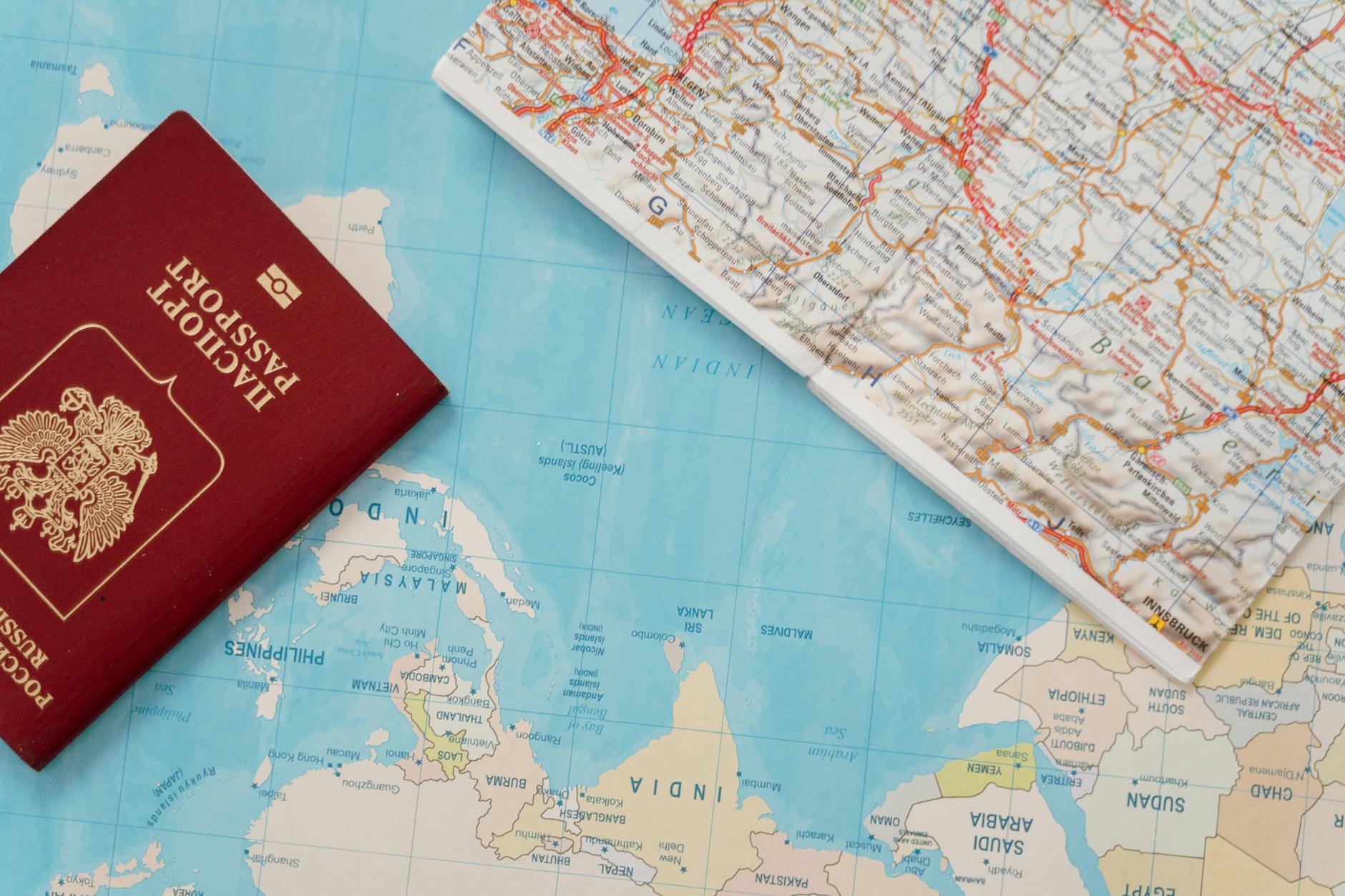
Munich travel planning is straightforward once you know the essentials. Bavaria’s capital is well-organized, safe, and welcoming to international visitors — but a little preparation goes a long way toward making your trip smoother, more affordable, and more enjoyable. This comprehensive planning guide covers everything from the best time to visit and what to pack, to visa requirements, money and tipping customs, staying connected, safety advice, solo travel tips, accessibility information, and essential German phrases. Consider this your one-stop resource for everything you need to know before your Munich trip.
Planning a Trip to Munich at a Glance
Before you dive into the details, here is the shape of a Munich trip in one screen — when to go, what it costs, how long to stay, and what is happening each season. Munich rewards travelers who match their timing to their priorities: the city that delivers cheap January museum days and the one that hosts six million Oktoberfest visitors are barely recognizable as the same place. Use this table to anchor your decisions, then work through the sections below to fill in the specifics.
| Season | Crowds | Daily budget (mid-range) | What’s on | Verdict |
|---|---|---|---|---|
| Spring (Mar–May) | Light to moderate | Roughly €120–180 | Beer gardens reopen, parks bloom, Frühlingsfest in April | Best all-round value for sightseeing |
| Summer (Jun–Aug) | Heavy | Higher | Long days, open-air concerts, Tollwood summer, peak beer-garden season | Liveliest, but book hotels early |
| Sep–early Oct (Oktoberfest) | Extreme | Highest | Oktoberfest — the world’s largest folk festival | Unmissable once; hotel prices peak, reserve months ahead |
| Late Oct–Nov | Light | Roughly €100–160 | Autumn foliage, quiet museums, grey skies arriving | Cheapest shoulder window of the year |
| Dec (Christmas markets) | Heavy on weekends | Roughly €150–230 | Christkindlmarkt and two dozen other markets | Magical; weekday evenings beat Saturdays |
| Jan–Feb | Very light | Roughly €90–150 | Lowest prices, empty museums, Alpine skiing 90 min away | Cold but cheap, and crowd-free |
Best Time to Visit Munich
Choosing the best time to visit Munich depends on your priorities — weather, events, crowds, and budget all shift significantly throughout the year.
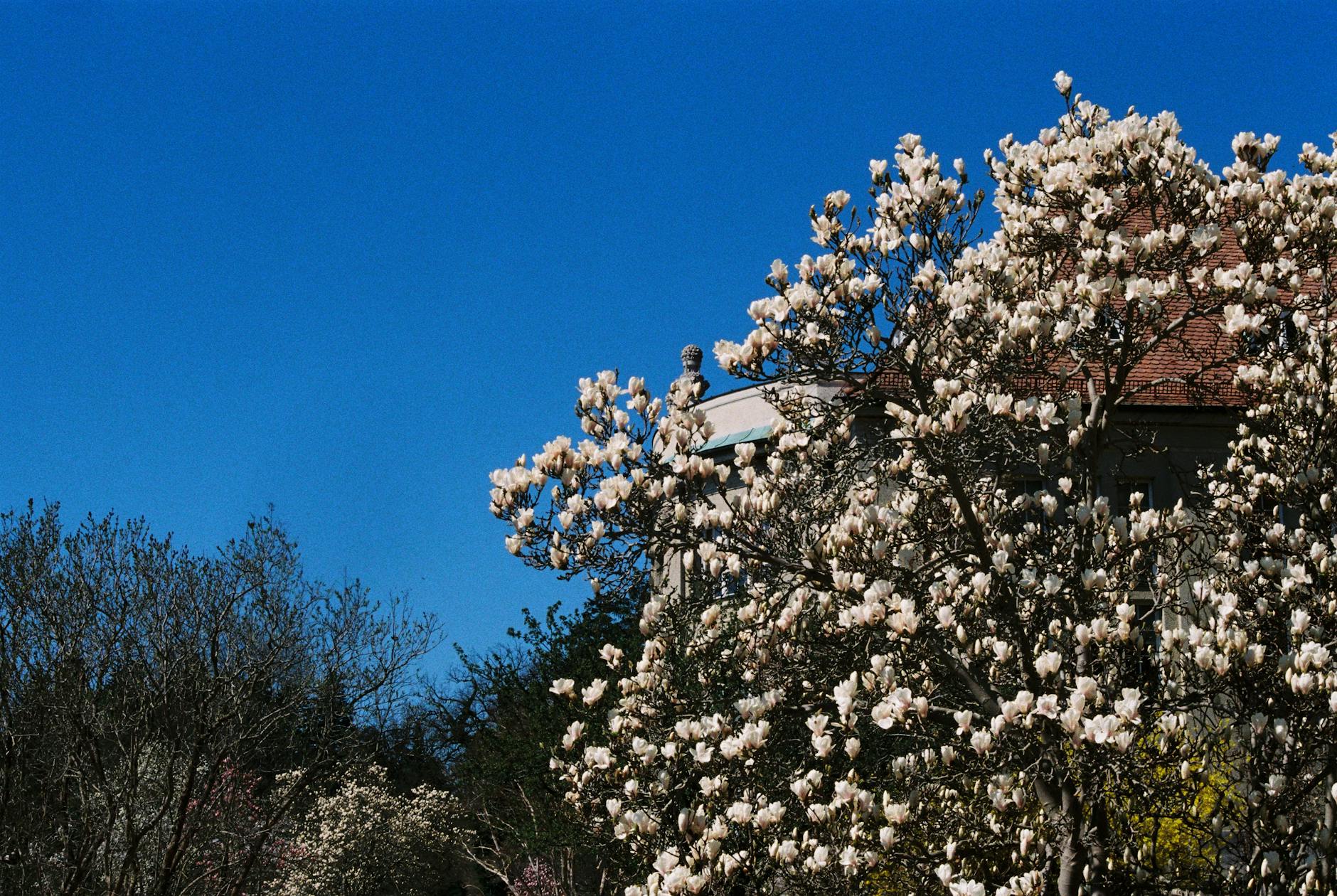
Spring (March–May): Munich comes alive as daytime highs climb from about 10°C in March to nearly 20°C in May. The beer gardens open, park flowers bloom, and the city has a palpable sense of energy after the long winter. Late April and May offer excellent conditions with pleasant weather and relatively thin crowds — it’s arguably the best overall time to visit for sightseeing.
Summer (June–August): Peak tourist season with the warmest weather (20-30°C), the longest days, and a packed calendar of outdoor festivals, concerts, and events. Beer gardens and parks are at their best. The trade-off is larger crowds at major attractions and higher accommodation prices. Book hotels well in advance for summer visits.
Autumn (September–November): September and early October are dominated by Oktoberfest — the world’s largest beer festival draws over six million visitors and drives accommodation prices to their annual peak. Outside the festival dates, autumn offers beautiful foliage, mild days, and thinning crowds. November is quiet, cool, and increasingly grey — a low season with budget benefits.
Winter (December–February): The Christmas market season (late November through December) is a magical time to visit, though December weekends are extremely busy. January and February are Munich’s quietest and coldest months (about -3°C to 5°C), offering the lowest prices and easy access to Alpine skiing. Indoor attractions like museums are blissfully uncrowded.
Winter is more than the Christmas markets. Munich in winter covers January and February, when prices drop and the museums are empty.
December is its own planning exercise. If you are coming for the markets, our guide to planning a Munich Christmas trip covers dates, booking windows and what closes over the holidays.
To check what is on during your dates, see our month-by-month Munich events calendar.
Munich Weather and Packing Guide

Munich’s weather sits at the intersection of continental and Alpine influences, which means it can change rapidly and sometimes dramatically. The city’s proximity to the Alps brings the Föhn wind — a warm, dry downslope wind that can bring sudden warm spells and clear skies, with views all the way to the Alps from the city center.
Year-round essentials: A waterproof jacket or shell is non-negotiable regardless of season — Munich sees rain throughout the year, and summer thunderstorms can be sudden and intense. Comfortable walking shoes are critical; Munich is best explored on foot, and the cobblestones in the Altstadt and older neighborhoods demand shoes with good support. Layers are the key principle for Munich packing — a chilly morning can turn into a warm afternoon, particularly in spring and autumn.
Summer (June-August): Light, breathable clothing, sunglasses, and sunscreen. Pack one warmer layer (lightweight sweater or fleece) for cooler evenings in beer gardens. Temperatures can briefly hit 35°C+ during heat waves, but evenings are usually pleasant.
Winter (November-February): Serious warm clothing is essential — thermal base layers, insulating mid-layers, a warm coat, hat, scarf, and gloves. Waterproof boots with good grip are critical for icy streets and Christmas market visits. Indoor venues are well-heated, so layering that allows you to peel off layers is more practical than one very heavy coat.
Essential Munich Travel Tips
These practical travel tips cover the most important things to know before and during your Munich visit.
Getting from the airport: Munich Airport (MUC) is about 28.5km northeast of the city centre. The S-Bahn lines S1 and S8 connect the airport to the Hauptbahnhof (central station) in approximately 40 minutes for €15.10 one way (2026 fare). The Lufthansa Express Bus leaves every 20 minutes for the central station and costs €12.50 online or €13.50 from the driver. Taxis charge a fixed €96 to the Hauptbahnhof zone and €90 to the Messe.
Public transport: Munich’s MVV public transport system is excellent. Buy a day pass (Tageskarte) for €10.10 (Zone M, 2026 fare; €10.80 from January 2027) or a group day pass for €19.70 (2–5 people) for unlimited travel. Single tickets must be validated before boarding. The MVV app shows real-time connections and allows mobile ticket purchases.
Water: Munich tap water is excellent — it comes directly from Alpine springs and is perfectly safe to drink. Carry a refillable bottle to save money and reduce plastic waste. In restaurants, asking for Leitungswasser (tap water) is acceptable but less common; most Germans order bottled mineral water (Mineralwasser).
Sunday closures: Nearly all shops are closed on Sundays. Restaurants, cafés, museums, and tourist attractions remain open, but plan any shopping for weekdays or Saturday. The main train station has Sunday-open shops for essentials.
Beer garden etiquette: At traditional Munich beer gardens, you’re welcome to bring your own food to the unreserved bench areas — only the drinks must be purchased from the beer garden. This is a long-standing tradition and not considered rude. Clear your own table when you leave, and return your glass to the counter.
Cycling awareness: Munich has extensive bike lanes, often running alongside pedestrian paths. Pay attention to lane markings — stepping into a bike lane is one of the most common tourist hazards and can result in a collision or angry cyclist. Always look both ways before crossing any path.
Beyond the essentials, our list of Munich travel hacks collects the small efficiencies repeat visitors swear by.
Munich Safety Guide
Munich is one of Europe’s safest major cities, with crime rates significantly lower than most capitals and large cities. Violent crime is rare, and tourists are overwhelmingly unlikely to encounter any serious safety issues. That said, standard urban precautions apply.
Pickpocketing: The most common crime affecting tourists is pickpocketing, concentrated in busy areas like Marienplatz, the Hauptbahnhof area, crowded U-Bahn carriages, and during Oktoberfest. Keep valuables in front pockets or a secure cross-body bag, be alert in crowds, and avoid placing phones or wallets on restaurant tables.
Scams: Common tourist scams are relatively rare in Munich but include the “petition trick” (someone asks you to sign a petition then requests a donation), fake ticket sellers near major attractions, and overcharging at unlicensed taxi services. Use only official taxis (cream-colored with a taxi sign on the roof) or reputable ride-sharing apps.
Neighborhoods: All central tourist areas are safe day and night. The area immediately around the Hauptbahnhof (particularly Schillerstraße and parts of Bayerstraße) can feel seedier than the rest of the city, particularly late at night, but isn’t genuinely dangerous — just less polished. The nightlife districts are well-patrolled and generally very safe.
Emergency numbers: Police: 110. Ambulance/Fire: 112. Both numbers are free from any phone. English-speaking operators are usually available.
Evenings have their own rules. Our guide to nightlife safety in Munich covers getting home late, drink awareness and which areas thin out after midnight.
Munich for Solo Travelers
Munich is an outstanding destination for solo travelers, including solo female travelers. The city’s safety, excellent public transport, walkability, and abundance of communal social spaces (particularly beer gardens and markets) make it easy to enjoy independently while also offering natural opportunities to meet fellow travelers and friendly locals.
Meeting people: Munich’s beer garden culture is inherently social — the long communal tables encourage conversation between strangers, and striking up a chat with the people sitting next to you is perfectly normal and expected. Free walking tours (tip-based) are another excellent way to meet fellow travelers. Hostels like Wombat’s and Jaeger’s near the Hauptbahnhof have social common areas and organize group activities.
Solo dining: Eating alone in Munich is completely normal and comfortable. Beer halls, cafés, and casual restaurants all welcome solo diners without any awkwardness. For solo evenings, the bar scene in Glockenbachviertel is friendly and approachable, and many bars have counter seating perfect for solo visitors.
Accommodation: Beyond hostels, many Munich hotels offer affordable single rooms. The city’s neighborhoods are all safe for solo visitors, but Schwabing, Maxvorstadt, and the Altstadt area are particularly convenient for solo travelers thanks to their walkability and density of restaurants and attractions.
Visa and Entry Requirements
Germany is part of the Schengen Area, which means entry requirements follow the common EU rules. EU and EEA citizens need only a valid ID card or passport to enter. Citizens of the USA, Canada, UK, Australia, Japan, and many other countries can enter Germany visa-free for stays up to 90 days within any 180-day period — a valid passport (with at least 3 months’ validity beyond your planned departure from the Schengen Area) is all that’s required.
Travelers from countries requiring a Schengen visa should apply at the nearest German embassy or consulate as early as they can: no earlier than six months and at least 15 days before travel. The standard documentation includes a completed application form, passport photos, travel insurance with minimum €30,000 coverage, proof of accommodation, flight itinerary, and evidence of sufficient funds. Visa-exempt travelers do not need ETIAS (European Travel Information and Authorization System) yet. The EU has not set a start date and will announce it several months ahead; once it launches, you apply online and pay a €20 fee, so check the official ETIAS site before you book.
SIM Cards, WiFi, and Staying Connected
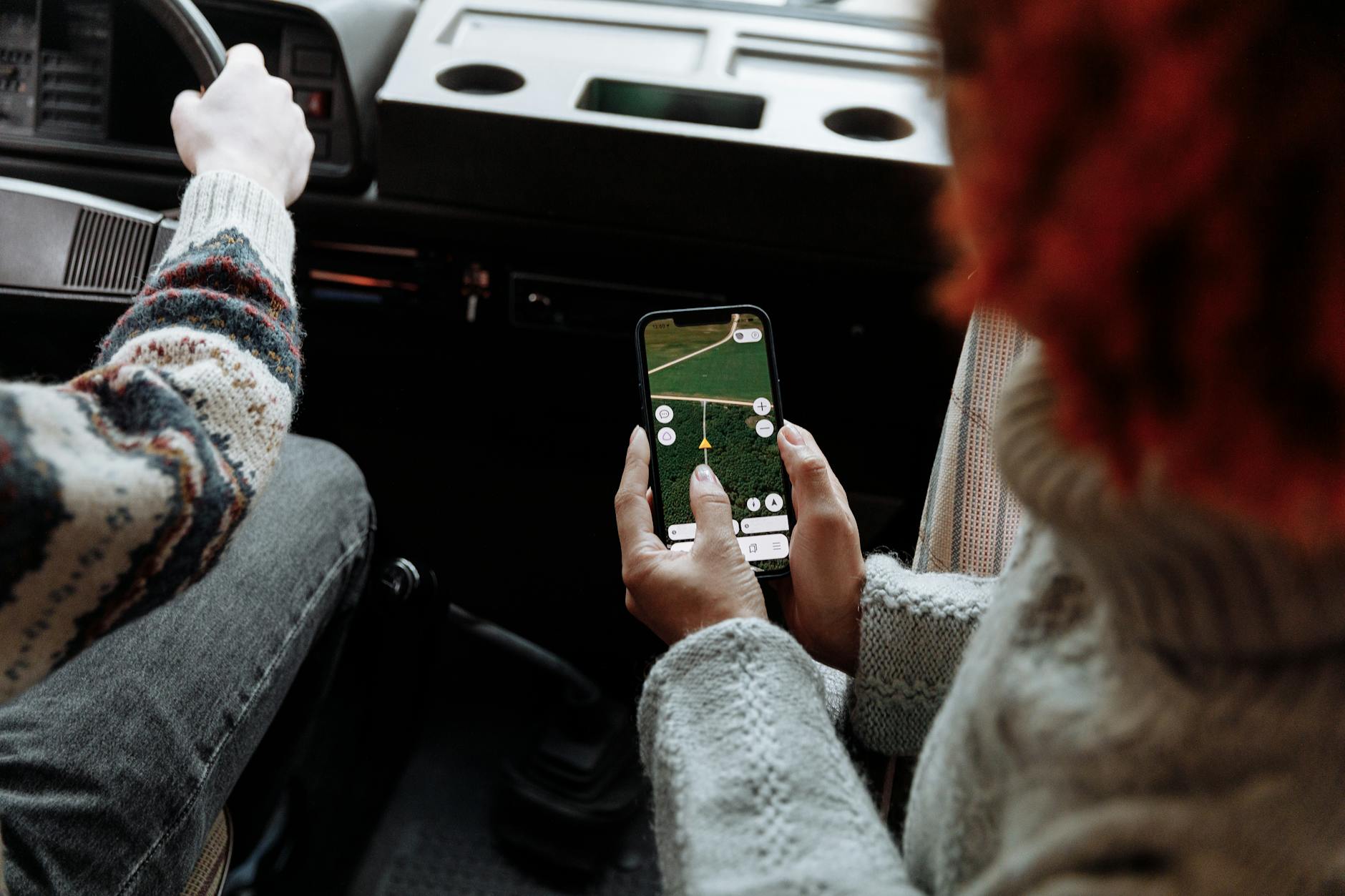
Staying connected during your Munich trip is easy with several affordable options.
eSIMs: If your phone supports eSIMs, this is the most convenient option. Services like Airalo, Holafly, and Nomad offer European eSIM packages that activate instantly — simply purchase online before your trip and activate on arrival. Prices vary by provider and data allowance, so compare a few before you buy.
Local SIM cards: Physical SIM cards from German providers (Telekom, Vodafone, O2) are available at electronics stores like MediaMarkt and Saturn, as well as at the airport. Pre-paid packages vary by operator and data allowance. Note: German regulations require ID verification for SIM card purchases, so bring your passport. Activation can take a few hours.
WiFi: Free WiFi is available at Munich Airport, most cafés and restaurants, and many public spaces. The BayernWLAN initiative provides free public WiFi at many government buildings and public areas. Most hotels and hostels offer free WiFi. As a backup for navigation, download an offline map of Munich before your trip.
Currency, Tipping, and Money
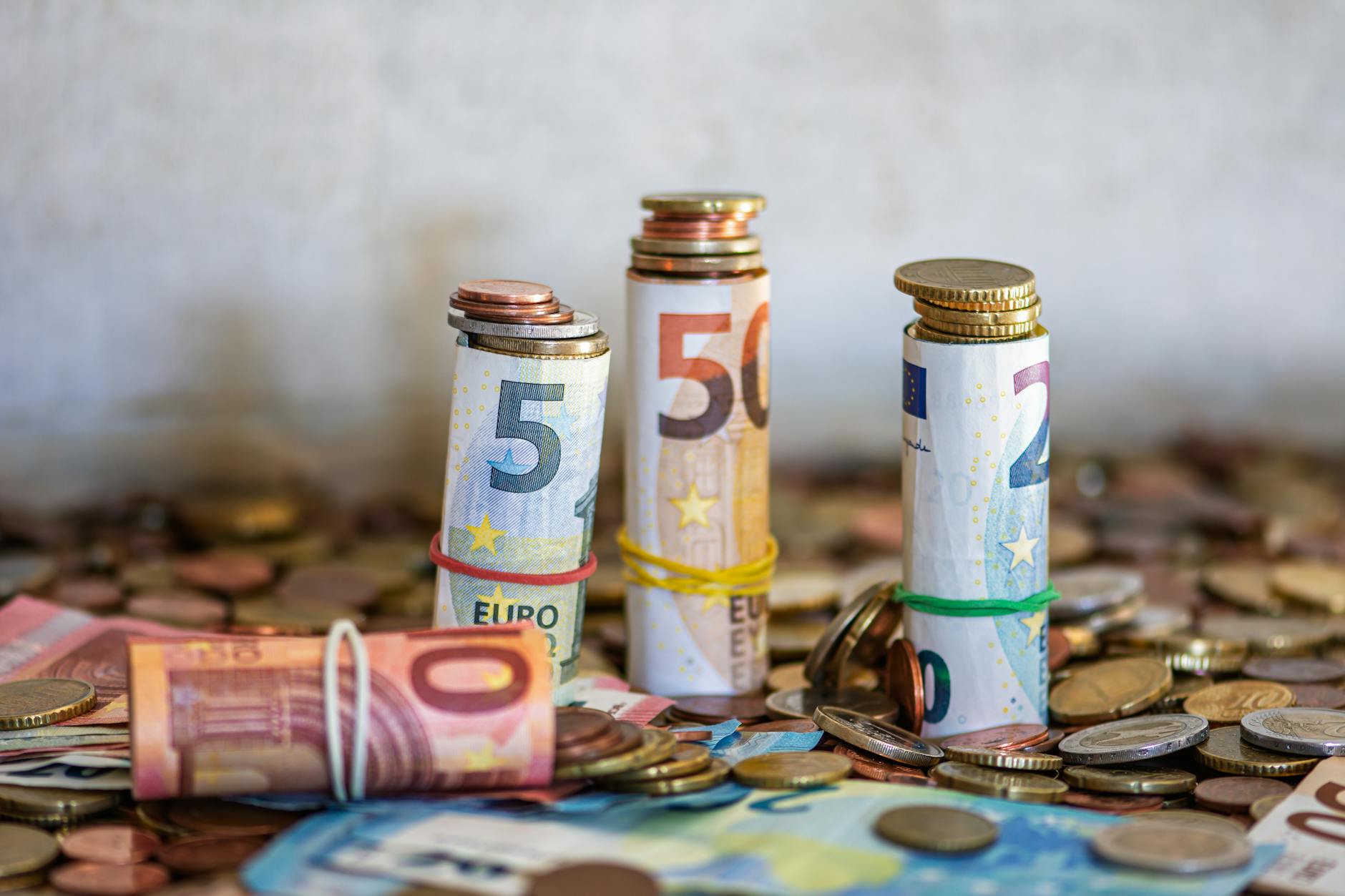
Germany uses the Euro (€), and Munich has some money customs that may surprise visitors, particularly those from predominantly cashless societies.
Cash is still king: Despite Germany being Europe’s largest economy, it remains notably more cash-dependent than many visitors expect. While major hotels, department stores, and chain restaurants accept credit cards, many smaller restaurants, beer gardens, market stalls, bakeries, and local shops accept only cash or EC-Karte (German debit cards). Always carry some cash for daily expenses. ATMs (Geldautomat) are widely available — use those at banks to avoid high fees from independent ATM operators.
Tipping: Tipping in Munich follows German customs, which differ from US or UK practices. In restaurants, rounding up is the norm for good service. The important cultural difference: you don’t leave money on the table. Instead, when the server brings your bill, tell them the total amount you want to pay (including tip) — for example, if your bill is €27.50 and you want to tip, say “Dreißig, bitte” (Thirty, please) or simply “Stimmt so” (Keep the change). For round-up tipping, cashiers and servers expect to hear the amount immediately.
Other tipping situations: Taxi drivers: rounding up to the nearest euro or adding 5-10% is customary, not required. Hotel porters: a small tip per bag. Tour guides: on a free or tip-based tour, pay what the tour was worth to you, and give more for private tours. Bar staff: round up the bill.
Non-EU visitors can claim VAT back on larger purchases — the Munich tax-free shopping guide explains the thresholds and the airport process.
Accessibility and Senior Travel
Munich’s accessibility has improved significantly in recent years, though like many historic European cities, some challenges remain for travelers with mobility limitations.
Public transport: All U-Bahn stations have elevators (marked with accessibility symbols on system maps), though occasional maintenance closures occur — the MVV app shows real-time elevator status. All buses and modern trams have low-floor access. S-Bahn platforms are generally level with trains. The MVV website has a dedicated accessibility section with barrier-free route planning.
Attractions: Major museums including the Deutsches Museum, Pinakothek museums, and BMW Welt are fully wheelchair-accessible. The Residenz Palace has elevator access to most areas. Some older churches and historic buildings have limited accessibility. Many attractions offer reduced admission or free entry for disabled visitors and their companions — bring documentation.
Streets and sidewalks: The main pedestrian zones are flat and wide. Cobblestone streets in the Altstadt and older neighborhoods can be challenging for wheelchairs and walkers. The Englischer Garten has paved paths through its main areas but rougher surfaces in more remote sections.
Senior travelers: Munich is well-suited for senior visitors. The pace of life is relaxed, the public transport is clean and easy to use, and there are ample benches and rest areas throughout the city and its parks. Many museums offer senior discounts, and the city’s café culture provides plenty of pleasant sit-down rest stops between sightseeing.
Families with infants face a similar planning layer — see our guide to baby essentials in Munich for pharmacies, changing facilities and stroller-friendly routes.
How Many Days in Munich? Sample Itineraries
Munich’s compact, walkable center means you can see the headline sights faster than in most European capitals — but the city’s real pleasures are unhurried, and the best day trips in Germany sit on its doorstep. The honest answer to “how many days?” is three nights for the city itself, and five if you want a castle or the mountains. Here is how each length of stay actually breaks down, with concrete routes you can follow rather than vague suggestions.
One day in Munich: the essential loop
One full day is enough to hit the highlights if you stay central and start early. Begin at Marienplatz for the 11am Glockenspiel show, climb (or take the lift up) St. Peter’s tower next door for the best rooftop view in the Altstadt, then wander the Viktualienmarkt food market for an early lunch of Weisswurst, a pretzel, and an Obatzda spread. Walk north past the Residenz to the Hofgarten, then into the southern tip of the English Garden to watch the river surfers at the Eisbach wave. Finish with a late afternoon at the Hofbräuhaus or a quieter beer hall, then dinner. It is a brisk day, but it covers the icons — our guide to the best things to do in Munich fills in everything you will have to leave out.
Two days in Munich: city in comfort
A second day lets the city breathe. Spend day one on the Altstadt loop above. Give day two to museums and parks: pick one of the great art museums — the Alte Pinakothek for old masters, the Pinakothek der Moderne for design — or the colossal Deutsches Museum if you are traveling with curious kids or a science streak. Spend the afternoon properly in the English Garden, walking up to the Chinese Tower beer garden, then choose a neighborhood for the evening: the bars of the Glockenbachviertel, or a classic beer garden like the Augustiner-Keller. Two days is the sensible minimum for a first visit that does not feel rushed.
Three days in Munich: the sweet spot
Three days is where a Munich trip clicks. Keep days one and two as above, then use day three for the things first-timers always wish they had time for. Options, in rough order of popularity: the BMW Welt and Museum paired with the adjacent Olympiapark; the somber, essential Nymphenburg Palace and its vast gardens; or a deeper dive into a single neighborhood — the boutiques and cafés of Schwabing, or the village feel of Haidhausen across the river. If history matters to you, reserve a half-day for the Dachau Concentration Camp Memorial (more below). Three nights gives you the city without compromise and still leaves the evenings free for beer gardens.
Five days in Munich: city plus day trips
With five days you keep Munich as your base and add the trips that make Bavaria famous. After three days in the city, devote day four to Neuschwanstein Castle — the fairy-tale castle that inspired Disney, about two hours south, best booked as a timed-entry ticket well in advance. Use day five for either the lakes-and-mountains scenery of the Bavarian Alps and the Zugspitze, Germany’s highest peak, or cross the border to elegant Salzburg, ninety minutes by train. Travelers focused on 20th-century history should instead set aside a morning for the Dachau Memorial, reachable in under an hour on the S-Bahn. Our full day trips from Munich guide ranks every option by travel time and payoff.
Insider tip: Day trips run far more smoothly with the Bayern-Ticket, a regional day pass that covers up to five people on all regional trains and city transit across Bavaria for a flat fee. It is the single best-value ticket in the state for Neuschwanstein, the Alps, and even Salzburg — see our Munich travel passes guide for how it compares to single fares and the city tourist cards.
For day-by-day detail — which sights pair well and how to sequence them — see our full Munich itinerary guide.
Short on time? Our hour-by-hour plans for one day in Munich and a two-day Munich weekend show exactly what fits.
Getting There and Your First Day
How you handle arrival sets the tone for the whole trip. Munich is exceptionally easy to reach and even easier to get into from the airport — so easy that there is no reason to waste your first day recovering from logistics. Here is how to land, get to your hotel, and still salvage a worthwhile first afternoon.
Arriving by air, train, or road
Munich Airport (MUC) sits about 28.5 km northeast of the centre. The cheapest and most reliable route into town is the S-Bahn: the S1 and S8 lines both run to the Hauptbahnhof and Marienplatz in about 40 minutes, with a train every ten minutes or so, for €15.10 one way — or pay €17.50 for the Airport-City-Day-Ticket, which covers the ride in and the rest of the day around town. The Lufthansa Express Bus is a comparable price and a good option if your hotel is near the central station. At a fixed €96 to the Hauptbahnhof area, a taxi only makes sense for groups with heavy luggage or very late arrivals. Our dedicated Munich airport to city guide breaks down every option with current times and fares.
Many visitors arrive instead by train: Munich’s Hauptbahnhof is a major hub with fast ICE connections to Berlin, Frankfurt, Nuremberg, and Vienna, and it sits right on the U-Bahn and S-Bahn network, so onward travel to your hotel is trivial. If you are driving, be warned that central Munich is a low-emission environmental zone (Umweltzone) requiring a windshield sticker, parking is expensive and scarce, and you will not want a car for the city itself — park it and rely on transit. For getting around once you arrive, our guide to getting around Munich and the detailed U-Bahn and S-Bahn guide cover tickets, zones, and the apps worth downloading.
What to do on arrival day
Keep your first afternoon low-effort but quintessentially Munich. Drop your bags, buy a transit day pass, and head to Marienplatz to orient yourself in the Altstadt — it is the city’s living room and everything radiates from here. From there, a gentle first-day plan: stroll the pedestrianized Kaufingerstraße, duck into the Viktualienmarkt for a snack and your first Bavarian beer at its little garden, and end the evening at a beer hall where you do not need a reservation and the food is hearty and forgiving of jet lag. Resist the urge to book a demanding museum or a day trip for arrival day; save your energy and let the city ease you in. If you land early and feel fresh, a tip-based walking tour is the single best way to get your bearings and a layer of history in one go.
Insider tip: If your hotel check-in is mid-afternoon but you land in the morning, almost every Munich hotel will store your luggage for free from the moment you arrive. Drop the bags, start exploring, and come back to check in properly later — you lose none of your first day to waiting.
Getting to Munich compares flights, ICE trains and long-distance buses, including which arrival option lands you closest to the centre.
Where to Base Yourself in Munich
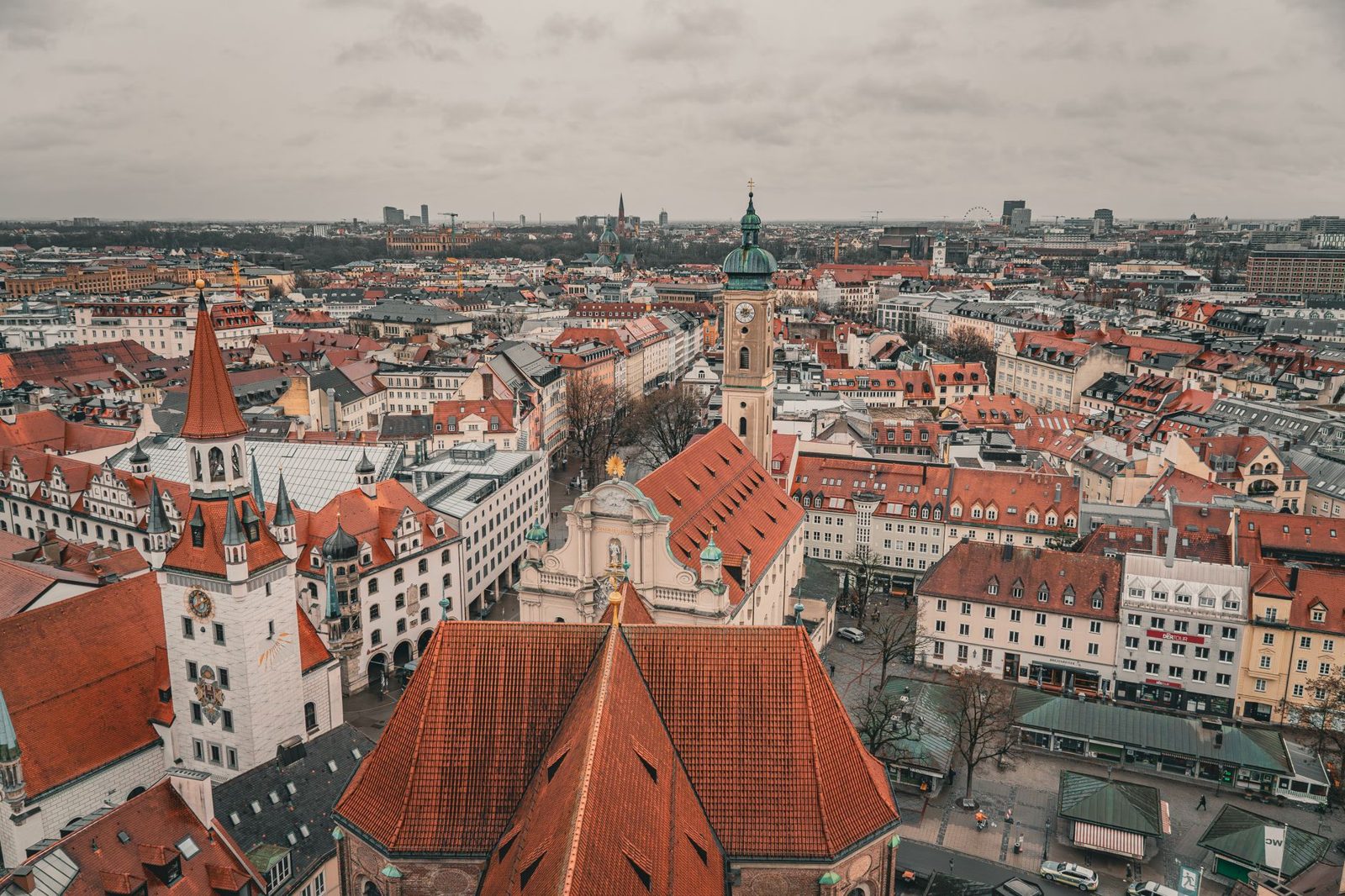
Munich is small enough that no neighborhood is truly inconvenient, but where you sleep shapes the texture of your trip. The right choice depends on whether you want to roll out of bed onto Marienplatz, save money a few U-Bahn stops out, or trade tourist density for local cafés. Here are the areas worth booking, and who each one suits.
Altstadt (Old Town) — best for first-timers. Staying inside the old town puts Marienplatz, the Viktualienmarkt, the Residenz, and the main shopping streets on your doorstep, with the airport S-Bahn running straight to your door. It is the most convenient base and the most expensive; hotels near Marienplatz command a premium for that five-minute walk to everything. Worth it for a short first visit when time matters more than money.
Ludwigsvorstadt / around the Hauptbahnhof — best for budget and transit. The streets around the central station hold the city’s densest cluster of mid-range hotels and hostels, with unbeatable transport links and easy reach of the Oktoberfest grounds. Some blocks immediately west of the station feel a little rough at night, but the area is safe and the value is real. This is where most budget hotels and hostels are concentrated.
Schwabing and Maxvorstadt — best for a local, cultured feel. North of the center, the university quarters trade tourist crowds for leafy streets, independent cafés, the great art museums, and quick access to the English Garden. Schwabing in particular suits a repeat visit — central enough on the U-Bahn, but residential and relaxed in the evenings.
Glockenbachviertel and Isarvorstadt — best for nightlife and dining. Just south of the Altstadt, this is Munich’s most fashionable quarter for bars, restaurants, and the city’s LGBTQ+ scene, while still being a ten-minute walk from Marienplatz. Light sleepers should ask for a room off the main bar streets. For luxury seekers, the grand hotels along Maximilianstrasse and in the Lehel district deliver Munich’s top-tier five-star stays.
For a full breakdown of every district with its pros, cons, and price level, see our guides to the best neighborhoods in Munich and the practical where to stay in Munich overview, which match areas to travel styles and budgets.
Budgeting Your Munich Trip
Munich is one of Germany’s more expensive cities — comparable to Hamburg, pricier than Berlin — but it is far cheaper than London, Paris, or Zurich, and it is easy to control once you know where the money goes. Accommodation is the biggest lever; food and transport are reasonable; and the single biggest variable is timing, since Oktoberfest and Advent can double your hotel bill overnight. Here is what a day actually costs by travel style.
| Style | Accommodation | Food & drink | Transit & sights | Per person / day |
|---|---|---|---|---|
| Shoestring (hostel) | A dorm bed | Bakeries, markets, cheap eats | €10.10 day pass (2026; €10.80 from January 2027) + free museum day | Budget |
| Mid-range (3-star) | A double in a 3-star hotel | Casual restaurants, a few beers | Transit + one paid attraction | Mid-range |
| Comfortable (4-star) | A double in a 4-star hotel | Good restaurants, wine | Attractions, the odd taxi | Upper mid-range |
| Luxury (5-star) | A 5-star room | Fine dining | Private tours, taxis | Splurge |
A few money realities specific to Munich. Beer is cheaper than soft drinks in a beer garden — a half-liter often costs less than a cola — and you can legally bring your own food to the unreserved tables, buying only the drinks. Tap water is excellent and free, so carry a bottle. Museums run a “Sunday for a euro” scheme at many state collections, and several are free for under-18s. And the city tourist cards (CityTourCard and the München Card) bundle transit with sightseeing discounts — whether they save you money depends entirely on how much you will actually use them, which our Munich city card comparison works out scenario by scenario.
For a line-by-line breakdown of what things cost — from a Maß of beer to a night in each hotel tier — see our dedicated Munich trip cost guide. And if you are determined to do Munich cheaply, the Munich on a budget guide and our roundup of cheap eats show exactly how to keep a day under €70 without missing the good stuff.
Booking Timeline: What to Reserve and When
Munich is a turn-up-and-go city for most of the year — but two seasons and a handful of bucket-list sights are exceptions that punish the unprepared. The rule of thumb: the more famous and the more time-sensitive something is, the earlier you book it. Here is the timeline that keeps you out of trouble.
- 6–9 months ahead — Oktoberfest and Christmas-weekend hotels. If your trip overlaps Oktoberfest (mid-September to early October) or the Advent weekends in December, book your hotel the moment you commit to dates. Central rooms sell out months in advance and prices climb relentlessly as the dates approach. Check the exact Oktoberfest dates first, since they shift each year.
- 3–6 months ahead — Oktoberfest beer-tent tables and flights. Tent reservations are free but the tables themselves are limited and snapped up early; our Oktoberfest reservations guide explains how the system works. Flights into MUC are also cheapest booked in this window.
- 1–3 months ahead — Neuschwanstein tickets and big day trips. Timed-entry tickets to Neuschwanstein Castle are released in advance and the popular midday slots sell out; never rely on same-day tickets at the castle. Book guided day tours and any organized day trips in this window too.
- 2–4 weeks ahead — top restaurants and special tours. Munich’s best-regarded restaurants and the most popular food and brewery tours need reserving a couple of weeks out, especially for weekend evenings. Our Munich food and beer guide flags the places worth booking.
- A few days ahead or on the day — everything else. Museums, beer gardens, beer gardens, walking tours, U-Bahn day passes, and the Christmas markets themselves need no advance booking at all. Half the joy of Munich is improvising once you arrive.
Insider tip: If you are visiting for Oktoberfest and cannot find an affordable central hotel, do not panic — book a room a few S-Bahn stops out (toward Pasing, Giesing, or Sendling) where prices stay sane, and ride in. The trains run late into the night during the festival, and twenty minutes on the S-Bahn can halve your accommodation cost.
Useful German Phrases for Munich
Most Munich residents speak at least some English, particularly in tourist areas, hotels, and restaurants. However, making an effort with a few German phrases is always appreciated and can open doors to warmer interactions. Munich also has its own Bavarian dialect (Bairisch) that differs significantly from standard German — you’ll hear it in beer halls, at markets, and among older locals.
Essential phrases: Guten Tag (Good day/Hello), Danke (Thank you), Bitte (Please/You’re welcome), Entschuldigung (Excuse me), Sprechen Sie Englisch? (Do you speak English?), Die Rechnung, bitte (The bill, please), Ein Bier, bitte (A beer, please), Wo ist…? (Where is…?), Wie viel kostet das? (How much does this cost?).
Bavarian bonus phrases: Grüß Gott (Hello — the standard Bavarian greeting, literally “Greet God”), Servus (Hi/Bye — casual), Prost! (Cheers!), Pfüad di (Goodbye — Bavarian), A Maß, bitte (A liter of beer, please), Oans, zwoa, g’suffa! (One, two, drink! — the Oktoberfest chant).
Pronunciation tip: The letter ‘ü’ (as in München) is pronounced by making an ‘ee’ sound with rounded lips. The ‘ö’ (as in schön) is made by saying ‘eh’ with rounded lips. The ‘ß’ (Eszett) is pronounced as a sharp ‘s’. Don’t worry about perfection — any effort at German is warmly received.
Frequently Asked Questions
How many days do I need in Munich?
Three nights is the sweet spot for the city itself — enough to cover the Altstadt, the museums, the English Garden, and a couple of beer gardens without rushing. Add a fourth and fifth day if you want to fold in the big day trips like Neuschwanstein Castle, the Bavarian Alps, or Salzburg, which all use Munich as a base. One or two days will show you the highlights but leaves little room to breathe.
When is the cheapest time to visit Munich?
January and February are the cheapest months by a wide margin — hotels drop their rates, museums are empty, and Alpine skiing is ninety minutes away. Late October and November are the next-best value, a quiet shoulder window after Oktoberfest and before the Christmas markets. Avoid the two price spikes: Oktoberfest (mid-September to early October) and the December Advent weekends, when accommodation can double or triple. Our best time to visit Munich guide maps prices against weather and events month by month.
Is Munich expensive?
Munich is one of Germany’s pricier cities — dearer than Berlin, on par with Hamburg — but noticeably cheaper than London, Paris, or anywhere in Switzerland. As a rough guide, a mid-range traveler should budget around €120–180 per person per day outside peak events, while shoestring travelers can manage on roughly €60–90 using hostels, bakeries, and free museum days. Accommodation is the main cost; food, beer, and transit are all reasonable. See our Munich trip cost breakdown for the full picture.
Do I need a car in Munich?
No — and you are better off without one. Munich’s U-Bahn, S-Bahn, tram, and bus network reaches everywhere a visitor wants to go, the center is an environmental zone with expensive, scarce parking, and even the famous day trips are reachable by regional train. Rent a car only if you plan a self-drive tour of the Alpine countryside beyond what the trains cover. For everything else, our getting around Munich guide shows how to do it all on public transport.
Is English widely spoken in Munich?
Yes. English is widely spoken in hotels, restaurants, shops, museums, and on public transport, and most younger Munich residents are fluent. You can plan and enjoy an entire trip without a word of German. That said, a few phrases — Grüß Gott for hello, Danke for thank you, Ein Bier, bitte — are genuinely appreciated and often warm up an interaction, especially with older locals and in traditional beer halls.
What is the best area to stay in Munich?
For a first visit, the Altstadt (Old Town) is the most convenient base, putting Marienplatz and the main sights on your doorstep — look at hotels near Marienplatz. For better value, the area around the Hauptbahnhof has the most mid-range and budget options with superb transport links. For a calmer, more local feel, Schwabing and Maxvorstadt are ideal. Our best neighborhoods guide and where to stay guide match each district to a travel style.
Is Munich safe for tourists?
Munich is consistently rated one of the safest major cities in Europe, with low crime and rare violent incidents. The main thing to watch for is pickpocketing in crowded spots — Marienplatz, the Hauptbahnhof, packed U-Bahn cars, and Oktoberfest — so keep valuables secure in crowds. Solo travelers, including solo women, generally find the city comfortable and easy to navigate day and night. Standard urban common sense is all you need.
What should I not miss on a first trip to Munich?
The unmissable shortlist: Marienplatz and the Glockenspiel, the Viktualienmarkt food market, a traditional beer hall or beer garden, the English Garden with its river surfers, and at least one great museum — the Deutsches Museum for science or the Pinakothek galleries for art. With more time, add a day trip to Neuschwanstein Castle or the Alps. Browse our full list of things to do in Munich and the city’s headline landmarks to build your shortlist.
Further Official Resources
For the most current travel information, consult these authoritative sources:
Munich Tourism Official Travel Tips — Essential visitor information from Munich’s official tourism board, including current event calendars and practical advice.
German Federal Foreign Office Visa Information — Official visa and entry requirements for Germany, including Schengen visa application procedures and country-specific regulations.
Munich on Wikipedia — Comprehensive background on Munich including geography, climate data, demographics, and transportation infrastructure.