Schwabing: Bohemian Quarter
Complete 2026 guide to Schwabing — Munich's classic bohemian quarter. History (Kandinsky, Mann, the Blue Rider), Jugendstil architecture, the English Garden, where to eat, drink and stay.
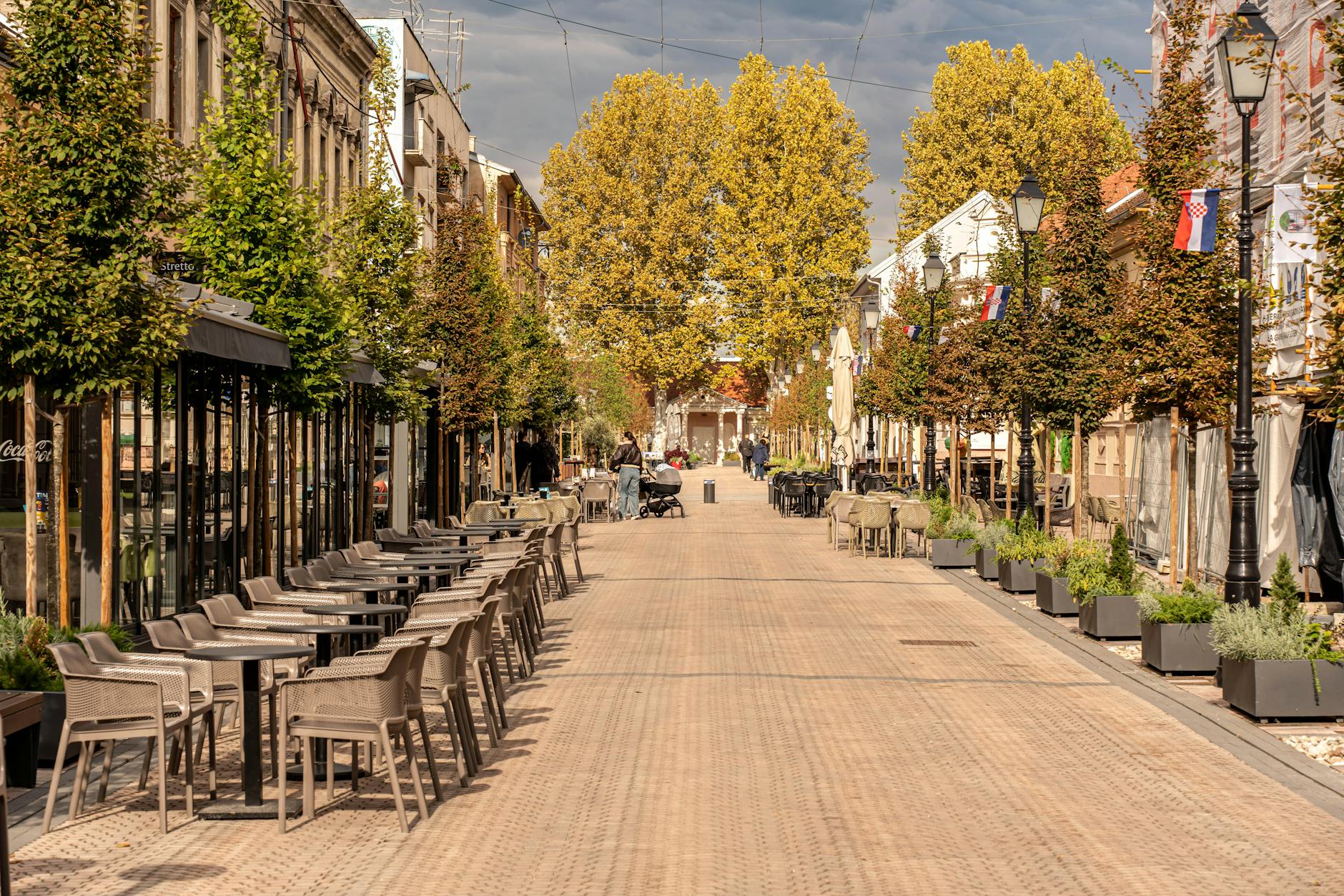
North of central Munich along the long axis of Leopoldstraße, Schwabing is the neighborhood of Munich legend — the bohemian quarter of the late 19th and early 20th centuries that hosted Wassily Kandinsky, Paul Klee, Franz Marc, Thomas Mann, Rainer Maria Rilke, and the editorial offices of the seminal art magazine Jugend that gave Jugendstil (German Art Nouveau) its name. Today’s Schwabing is more upmarket than its bohemian origins suggest, but the wide leafy streets, beautifully preserved Jugendstil apartment houses, sidewalk cafés, and excellent restaurants still feel distinctly Schwabingerian. This complete Schwabing Munich guide covers the neighborhood’s history, what to see, where to eat, and how to use it as a base or day-trip target.
Schwabing at a Glance
| Detail | Information |
|---|---|
| Population | ~70,000 residents |
| Area | ~5.7 km² |
| Vibe | Refined bohemian, leafy, café-driven |
| Best for | Café culture, Jugendstil walks, English Garden, museum visits |
| Hotel range | €€–€€€ |
| Walk to Marienplatz | U-Bahn 8 minutes (U3/U6 from Münchner Freiheit) |
| Closest U-Bahn hubs | Münchner Freiheit, Universität, Giselastraße, Dietlindenstraße |
| Adjacent neighborhoods | Maxvorstadt south, Bogenhausen east, Olympiapark west |
A Brief History
Schwabing began as a Slavic farming village in the 8th century — older than Munich itself — and was incorporated into the city only in 1890. Its real fame began in the 1880s, when low rents attracted young artists, writers, and intellectuals from around Europe. The Bohemian community known as Schwabinger Bohème peaked roughly 1895–1914, with the Schwabing-based magazine Jugend giving the entire Jugendstil (Art Nouveau) movement its name in 1896. Famous residents during these years included Lenin (briefly, 1900–1903), Wassily Kandinsky and Gabriele Münter (who founded the Blue Rider movement here in 1911), Thomas Mann, Rainer Maria Rilke, and the Russian-Italian artist Marianne von Werefkin.
After WWI and the Bavarian Soviet Republic uprising (1919, briefly headquartered in Schwabing), the neighborhood gradually lost its avant-garde edge. Today’s Schwabing is a wealthy, family-friendly, upper-middle-class district — but the architecture, the bookshops, the cafés, and a remaining cluster of small galleries keep the cultural memory alive.
What to See in Schwabing
1. Leopoldstraße
The kilometer-long ceremonial spine of Schwabing, with the Siegestor (Victory Gate) at its southern end and Münchner Freiheit at its center. Lined with lime trees, sidewalk cafés, fashion shops, and the famous Münchner Freiheit U-Bahn hub. Walk it slowly from Universität to Münchner Freiheit and you’ll see the heart of modern Schwabing in 20 minutes.
2. Jugendstil Architecture
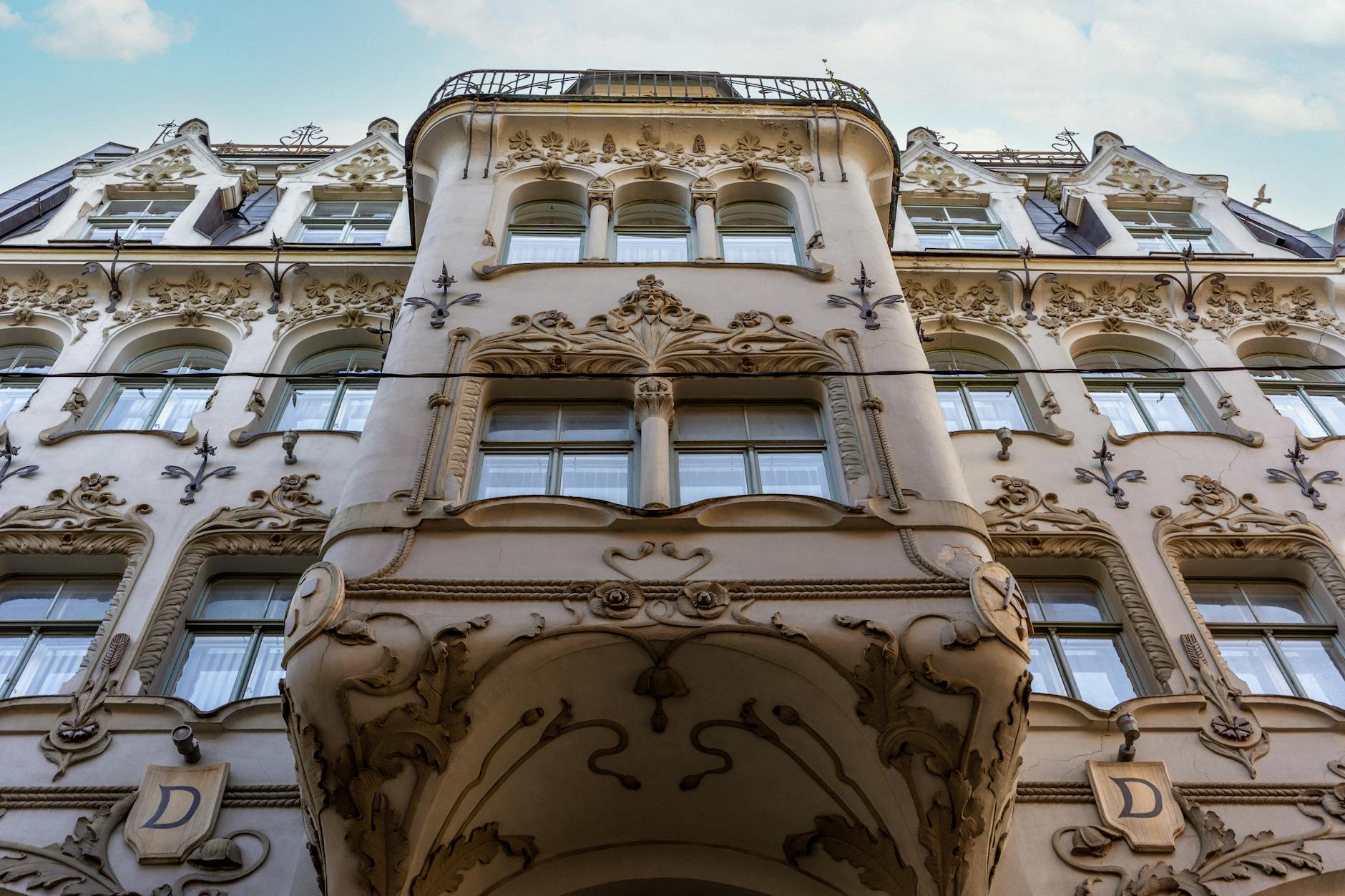
The single best reason for an architecture-conscious visitor to come to Schwabing is the Jugendstil residential architecture. The 1900–1914 building boom left Schwabing with one of the densest concentrations of Art Nouveau apartment houses in Europe — and unlike Brussels or Paris, almost all of it survived WWII bombing. Best streets to walk:
- Ainmillerstraße — between Hohenzollernstraße and Schellingstraße; the single best Jugendstil street in Munich
- Wilhelmstraße — exquisite stucco facades
- Friedrichstraße — varied Jugendstil and historicism
- Römerstraße and Pündterplatz — quieter side streets with hidden gems
- Pacelli-Hof on Pacellistraße — a single block of pure Jugendstil
3. Siegestor (Victory Gate)
At the southern boundary of Schwabing where Leopoldstraße becomes Ludwigstraße, the Siegestor is a triumphal arch built 1840–1850 by King Ludwig I, modeled on the Arch of Constantine in Rome. The original 19th-century inscription glorifying the Bavarian army was replaced after WWII with a moving anti-war message that translates: Dedicated to victory, destroyed by war, encouraging peace.
4. Universität and Königsplatz
At the southern edge of Schwabing, the LMU University building (Wilhelm I, 1840) on Geschwister-Scholl-Platz is where the famous White Rose anti-Nazi student movement (Sophie and Hans Scholl) operated and was caught in 1943. A small museum in the basement of the main building (DenkStätte Weiße Rose) tells their story; free entry, deeply moving.
5. The Southern English Garden
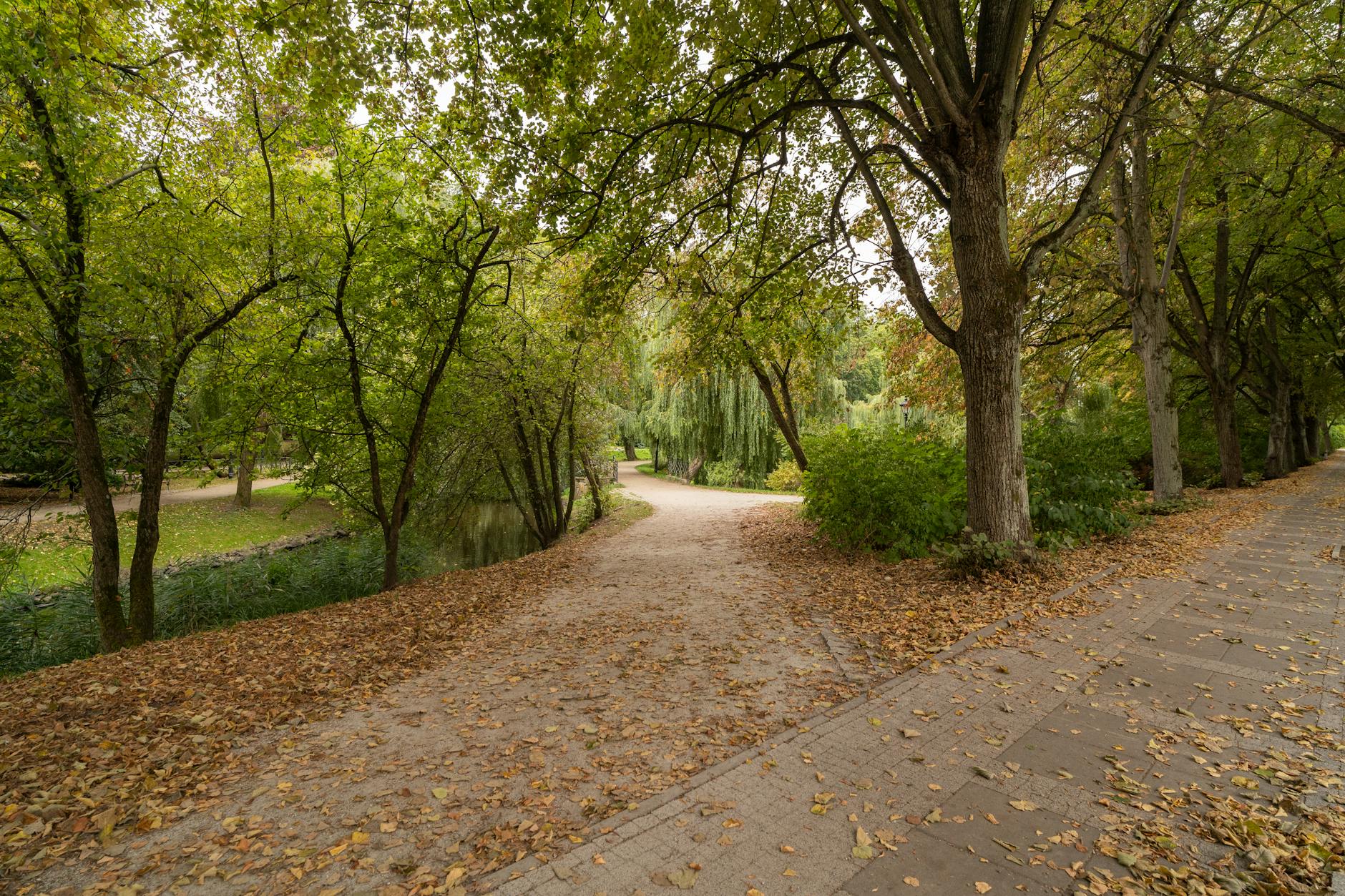
Schwabing’s eastern border is the English Garden, the 375-hectare park that stretches north from central Munich. The southern third of the park — closest to Schwabing — is the densest section: the Eisbach surfers, the Monopteros temple, the Chinesischer Turm beer garden, and the meadows where Münchners spend Sundays are all within Schwabing-walking-distance. See our things to do guide.
6. Lenbachhaus and the Blue Rider
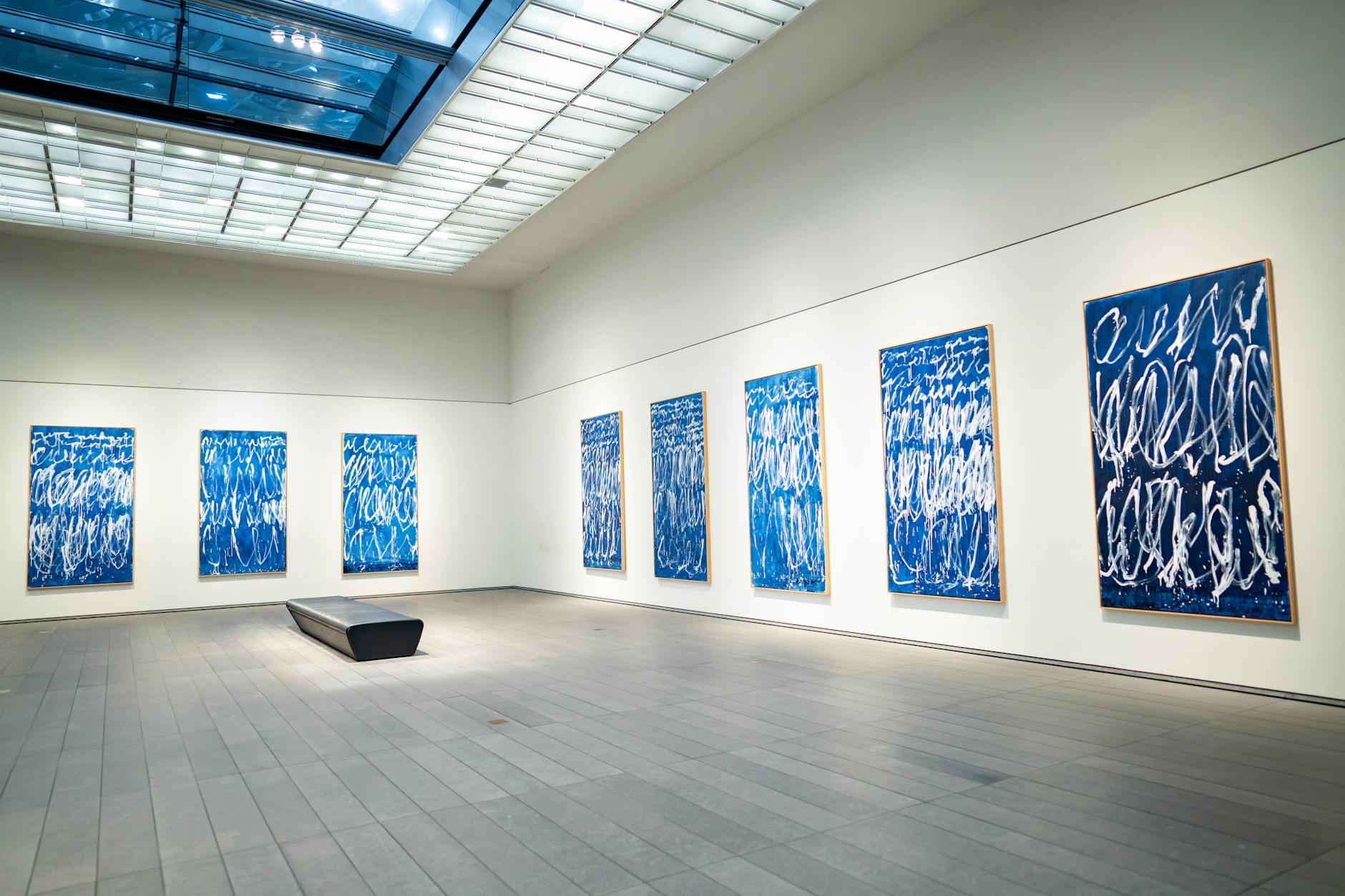
Just south of Schwabing on Königsplatz (technically Maxvorstadt but a 5-minute walk), the Lenbachhaus houses the world’s most important collection of works by the Blue Rider movement — Wassily Kandinsky, Franz Marc, Gabriele Münter, August Macke, Paul Klee. Founded in 1911 in Schwabing, the Blue Rider was one of the most influential 20th-century art movements. €10 entry, €1 Sundays. See our museums guide.
7. Hohenzollernstraße
Schwabing’s main commercial street parallel to Leopoldstraße — popular with locals for shopping, cafés, and bars. Independent boutiques, vintage shops, and a high concentration of design and lifestyle retailers.
Where to Eat in Schwabing
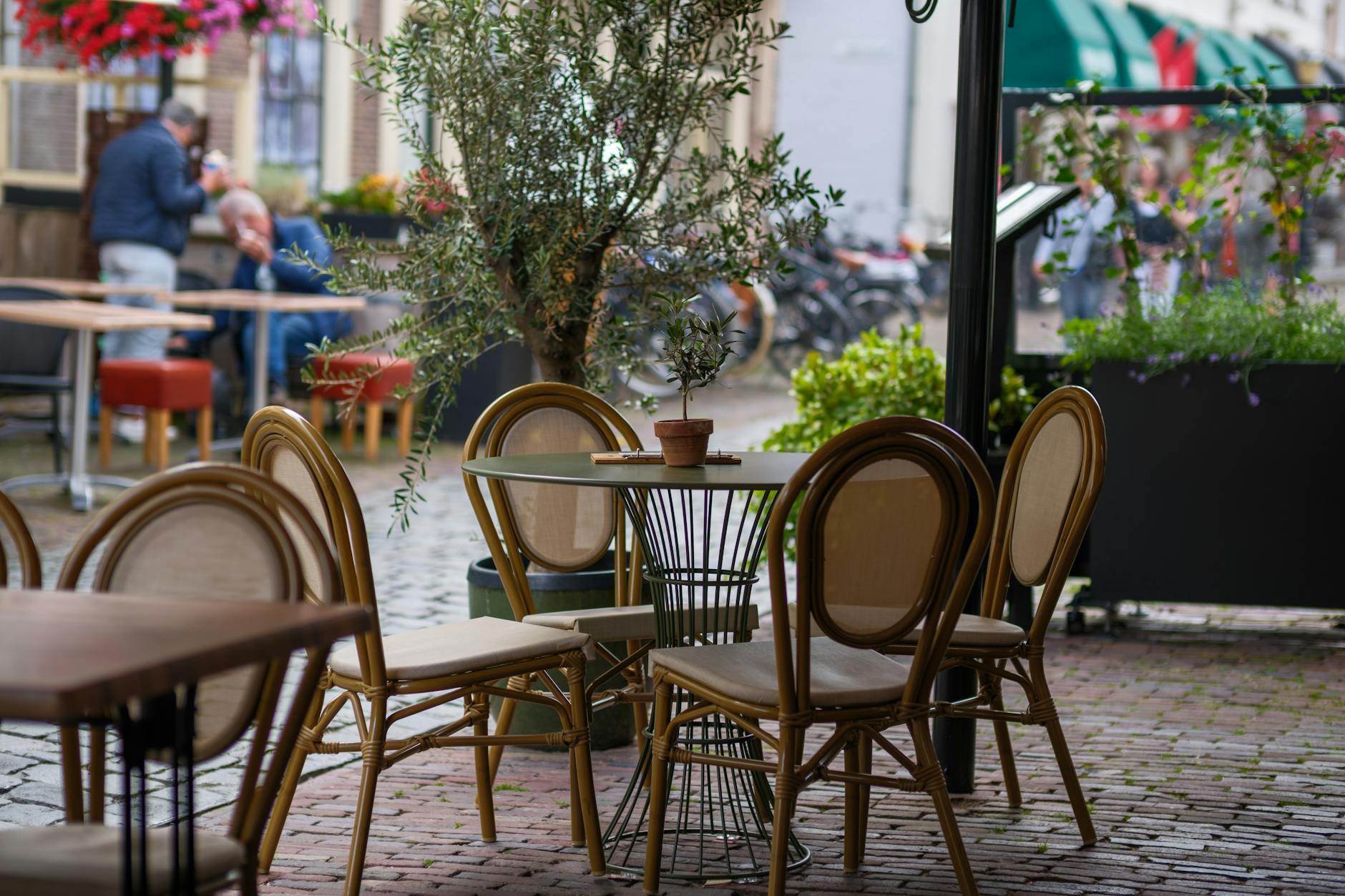
Classic Schwabing Cafés
- Café an der Uni — student-favorite on Geschwister-Scholl-Platz
- Café Münchner Freiheit — the busy hub café
- Café Münchner Stub’n — old-school Bavarian café-restaurant
- Café Schwabinger 7 — newer wave, third-wave coffee specialists
- Schwabinger Wein — natural wine bar with bistro food
Restaurants
- Werneckhof Munich — modern Bavarian, 1 Michelin star (€140+)
- Pageou — Mediterranean modern, Michelin Plate, menus about €109–€139
- Hofbräukeller am Wiener Platz — across in Haidhausen but Schwabing-locals’ favorite
- Nektar — pan-Asian, generous portions, mid-range
- Theresa — modern bistro, top brunch in Munich
- Garibaldi on Hohenzollernstraße — refined Italian
- Schwabinger 7 — modern bistro in a small old building
Cheap Eats in Schwabing
- Munchies on Hohenzollernstraße — best Döner kebab in Munich, €6–€8
- Thai Marliesa — basic Thai, big portions, €9–€13
- Mensa Leopoldstraße (LMU canteen) — priced by weight (€0.33 or €0.75 per 100 g), open to guests
- See our cheap eats guide
Where to Drink in Schwabing
- Schumann’s Bar Schwabing (the smaller second location of the Odeonsplatz original) — classic cocktails
- Cyril’s Cocktailbar — inventive modern cocktails
- Mr. & Mrs. White — cocktail bar with dance floor
- M’Uniqo (at Andaz Munich Schwabinger Tor) — Munich’s tallest rooftop bar; 360° view of the city + Alps
- Bar Gabányi — classic Italian bar since 1957
- Augustiner Schwabing on Leopoldstraße — neighborhood beer hall
- See our best bars guide
Where to Stay in Schwabing
Schwabing is a great choice for a quieter, more local Munich stay — particularly if you want quick English Garden access and don’t mind the 8-minute U-Bahn to Marienplatz. Hotels range from boutique to luxury:
- Andaz Munich Schwabinger Tor (5-star) — newest entry; M’Uniqo rooftop on top
- Holiday Inn Munich Schwabing — reliable mid-range; 3-star plus
- Hotel Schwabinger Wahrheit — boutique design hotel near Münchner Freiheit
- Cosmopolitan Hotel — design-forward 4-star
- Pension Locarno / Pension Lex — small B&Bs with character (~€80–€110)
- Hotel Pension am Siegestor — quirky, central, affordable
See our neighborhoods guide and where to stay guide for full alternatives.
Suggested Half-Day Schwabing Walking Tour
- 10:00 — Start at U-Bahn Universität → see the Siegestor
- 10:15 — Walk north up Leopoldstraße to Universität station; visit the White Rose Memorial in the LMU basement
- 11:00 — Detour east to Ainmillerstraße for the best Jugendstil walk
- 11:45 — Return to Leopoldstraße; coffee at one of the sidewalk cafés near Münchner Freiheit
- 12:30 — Lunch at Theresa or Schwabinger 7
- 14:00 — Walk east into the southern English Garden
- 14:30 — Beer at the Chinesischer Turm beer garden
- 16:00 — Optional: continue west to the Lenbachhaus for the Blue Rider collection
- 17:30 — Return to Schwabing for an aperitivo at Schumann’s Schwabing or M’Uniqo rooftop
Practical Tips
- Best entrance: U-Bahn Münchner Freiheit (U3/U6) drops you at the central hub
- Bike rentals are dense around Münchner Freiheit; the English Garden is heaven for cyclists
- Sundays in Schwabing are quieter than Marienplatz — leafy, café-driven, locals-only
- Best months: May, June, September for café terrace season
- Safety: Schwabing is one of the safest residential districts in Munich; walking at night is no concern
- Children: Excellent for families; English Garden play areas, Hirschgarten 10 min west, see our family travel guide and playgrounds guide
- Public WCs: Münchner Freiheit U-Bahn station; otherwise restaurant-only
Shopping in Schwabing: Hohenzollernstraße and the Elisabethmarkt
Schwabing shops the way it lives — independent, faintly design-conscious, and clustered on a handful of streets rather than in any mall. The spine of it is Hohenzollernstraße, the long retail run striking west from Münchner Freiheit, where owner-run boutiques, concept stores, Scandinavian homeware, ceramics studios and one-off fashion labels line both sides for the better part of a kilometre. Trams 12, 27 and 28 rattle straight down the middle, so you can hop a few blocks when your feet give out. It is the deliberate opposite of the centre’s flagship logos — fewer global brands, more things you genuinely won’t find at home.
A few minutes west, on Elisabethplatz, sits the district’s beating retail heart: the Elisabethmarkt. Trading since 1903 and named after the Austrian Empress Elisabeth — “Sisi” — it is the only permanent market in Schwabing and the most significant in the city after the Viktualienmarkt. After a long rebuild it reopened in September 2024 with a crisp new pavilion, two rooftop terraces and around two dozen stalls: the organic Fritz Mühlenbäckerei, the Herrmannsdorfer butcher, cheesemongers, a fishmonger and a couple of stand-up wine and oyster counters where locals graze on a Saturday morning. It is the obvious place to assemble a picnic before the English Garden, a short walk east. For the bigger hauls, the neighbourhood feeds naturally into our wider Munich shopping guide and the city’s best vintage and flea markets.
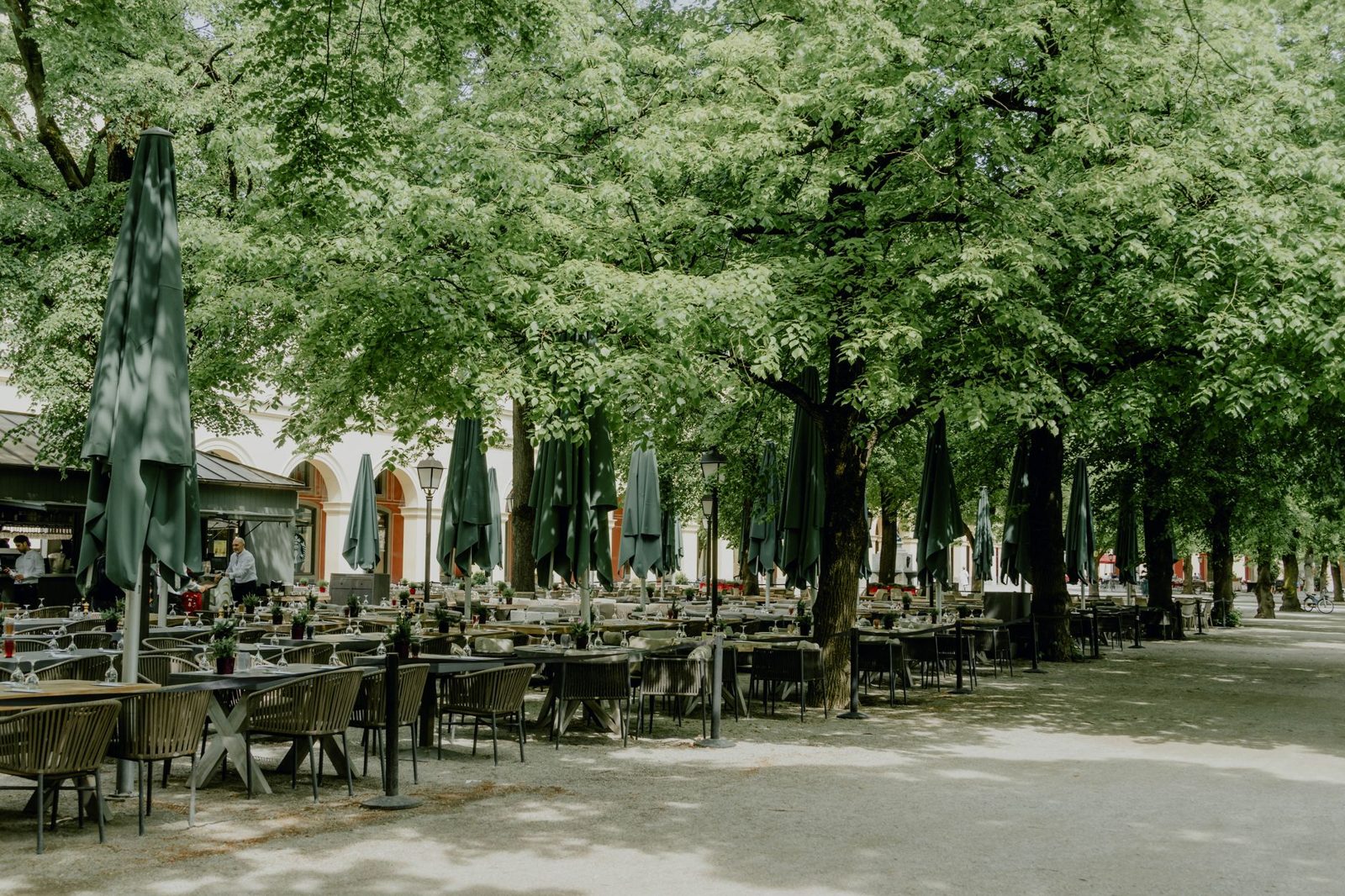
How Schwabing Compares to Munich’s Other Quarters
Schwabing tends to get lumped in with the generic “where to stay and go out” advice, but it has a specific character worth setting against its rivals before you choose a base. Here is how inner Munich’s most-visited quarters actually differ on the ground.
| Quarter | The feel | Come here for |
|---|---|---|
| Schwabing | Bohemian-turned-bourgeois, leafy | Café culture, the English Garden, Jugendstil streets |
| Glockenbachviertel | Loud, queer-friendly, late | Bars, clubs and the densest after-dark grid in the city |
| Haidhausen | Quiet, villagey, the “French Quarter” | Wine bars, low-key dinners, a residential mood |
| Altstadt-Lehel | Polished, central, museum-rich | First-time sightseeing within walking distance |
| Maxvorstadt | Studenty, arty, the museum quarter | The Pinakotheken, Königsplatz and cheaper eats |
In practice, Schwabing suits travellers who want a genuine neighbourhood with a short tram ride to the sights, rather than the sights on the doorstep. If nightlife is the priority, the Glockenbachviertel is denser and runs later; for a quieter, villagey stay, Haidhausen across the river is the move; and for first-timers who want to walk to everything, central Altstadt-Lehel wins. Our overview of the best neighbourhoods for tourists and the deeper Munich neighbourhoods guide lay out the full picture.
To the north-west, the Olympic Quarter trades café culture for 1972 architecture, sport and BMW.
A Year in Schwabing: Seasons and Street Life
Schwabing’s mood swings hard with the calendar, and the district hosts several of Munich’s better street events. In summer, Leopoldstraße turns into an open-air room — the cafés colonise the pavement, and the Streetlife Festival and the art-and-music Corso Leopold periodically close the boulevard to traffic and pack it with stalls and stages. The English Garden along Schwabing’s eastern flank becomes the warm-weather centre of gravity: rowing boats and the Seehaus beer garden at the Kleinhesseloher See, the Chinesischer Turm further south, and the Eisbach surfers riding their standing wave down at the Haus der Kunst end.
In winter the energy pulls back to the squares. The Schwabinger Weihnachtsmarkt around Münchner Freiheit and Wedekindplatz is one of the city’s most relaxed, artsy Christmas markets — long on handmade craft and mulled wine, short on the coach-tour crush of the centre — and it earns its place among Munich’s Christmas markets. Spring brings Fasching revelry to the bars, and the cafés barely close between seasons at all. It’s the kind of quarter that rewards a slow afternoon in any month of the year.
Frequently Asked Questions
What is Schwabing famous for?
Schwabing is famous as Munich’s bohemian artists’ quarter from roughly 1880 to 1914 — home to Kandinsky, Klee, Marc, Mann, Rilke, and the Jugendstil/Blue Rider movements. Today it’s a wealthy residential and café-culture neighborhood with the densest concentration of Art Nouveau apartment buildings in Munich.
Is Schwabing safe?
Yes — Schwabing is one of Munich’s safest neighborhoods, day or night. Wealthy residential character; well-lit streets; very low crime rate. Comfortable for solo female travelers.
How do I get to Schwabing from Marienplatz?
U-Bahn U3 or U6 from Marienplatz to Münchner Freiheit takes 8 minutes. Both lines run every 5–10 minutes during the day.
What’s the best street in Schwabing?
Leopoldstraße for the classic café-strolling experience, Ainmillerstraße for the best Jugendstil architecture, and Hohenzollernstraße for independent shops and cheap eats.
Should I stay in Schwabing or central Munich?
Central Munich (Altstadt) for shorter, sightseeing-heavy first trips. Schwabing for a quieter, more local feel — especially if you want easy English Garden access and don’t mind 8 minutes on the U-Bahn. Returning visitors often prefer Schwabing.
What’s the connection between Schwabing and the Blue Rider?
Wassily Kandinsky moved to Schwabing in 1896, lived in an apartment on Ainmillerstraße, and co-founded the Blue Rider artists’ group in 1911 with Franz Marc. Their landmark 1911 publication and exhibitions defined a turning point in modern art. The Lenbachhaus (5 min from Schwabing) holds their main collection.
Schwabing’s Café Culture in Depth
Schwabing’s reputation as Munich’s café neighborhood goes back to the 1890s, when the bohemian artist community needed inexpensive, welcoming places to spend long afternoons writing, drawing, and arguing. Café Stefanie (now closed) was the most famous early gathering spot — Kandinsky, Klee, and the Blue Rider group held meetings there. Café Münchner Freiheit, opened in 1925, served Munich’s first proper Italian espresso. The café tradition continued through subsequent decades; today Schwabing has roughly 80 active cafés within a 1.5-kilometer radius around Münchner Freiheit. The density makes Schwabing one of Europe’s most concentrated café neighborhoods.
The current Schwabing café landscape blends old-school Viennese Kaffeehaus traditions with third-wave specialty coffee. Café Schwabinger 7 (no relation to the famous Munich bar) is a younger-gen favorite for brunch and lunch. Theresa is the universally-acknowledged best Munich brunch, with hour-long waits on Saturdays. Aroma Kaffeebar (technically just south of Schwabing in Maxvorstadt but Schwabing-spirit) serves Munich’s best third-wave coffee. Café Münchner Freiheit on Leopoldstraße remains a quieter Viennese-traditional café. The newer wave (Café Cord, Café Vorhoelzer Forum, Schwabinger Wein) brings modern design and natural-wine focus. Münchners typically spend 2-3 hours at a Schwabing café — there’s no rush; ordering a single coffee for a long sitting is completely accepted.
The Blue Rider — Schwabing’s Greatest Art Movement
The Blue Rider (Der Blaue Reiter) was the most influential art movement in early 20th-century Germany — and it was born in Schwabing. The movement coalesced around Wassily Kandinsky and Franz Marc, who met in 1909 and discovered shared interests in spiritual painting and color theory. Kandinsky had moved to Schwabing in 1896; he lived in an apartment building still standing at Ainmillerstraße 36 (now marked with a plaque). His Schwabing studio became a meeting point for German and Russian artists exploring expressionist directions. Marc lived nearby in Schwabing’s tree-lined streets, painting his famous animal-themed canvases (blue horses, red foxes) that became Blue Rider hallmarks.
The movement’s actual launch came in December 1911, when Kandinsky, Marc, and their colleagues mounted the first Blue Rider exhibition at the Thannhauser Gallery on Theatinerstraße (just south of Schwabing). The show included works by Kandinsky, Marc, Münter, Macke, Klee, and Russian futurists — all unified by their commitment to non-realistic painting that emphasized color and emotion over representation. The Blue Rider Almanac published in 1912 included theoretical essays and 144 illustrations from artists worldwide. WWI scattered the group; Marc died at the Battle of Verdun in 1916. Kandinsky returned to Russia, eventually emigrating to the Bauhaus. The Munich Lenbachhaus museum (a 5-minute walk from Schwabing) houses the world’s most important Blue Rider collection — see our Pinakothek guide.
Schwabing’s Famous Residents and Their Apartments
Schwabing housed an extraordinary concentration of cultural luminaries during its bohemian peak (1880–1914). Walking the streets and pausing at marked plaques creates a literary and artistic tour worth several hours. Wassily Kandinsky lived at Ainmillerstraße 36 from 1908 to 1914 — his apartment became the meeting point for the Blue Rider group. Paul Klee shared a Schwabing apartment with his wife Lily and son Felix at Ainmillerstraße 32 in 1906–1920. Thomas Mann wrote substantial portions of Buddenbrooks in his Schwabing apartment on Bonnstraße — the 1929 Nobel Prize was written in this neighborhood. Rainer Maria Rilke stayed at multiple Schwabing apartments during his Munich years (1914–1918), most notably at Ainmillerstraße 34. Vladimir Lenin lived briefly at Kaiserstraße 46 from 1900 to 1902, editing the revolutionary newspaper Iskra from his Schwabing apartment. Joseph Goebbels spent some Munich years on Schellingstraße — a darker piece of the neighborhood’s history that most Schwabingers prefer not to dwell on.
The University of Munich (LMU) at the southern edge of Schwabing has been the gravitational center of intellectual life in the neighborhood for over a century. Many of these famous residents had connections to the university — as students, professors, visitors, or members of the academic salons. The LMU main building (built 1840 by Friedrich von Gärtner) houses the moving White Rose Memorial in its basement — see our WWII history guide. The university courtyard remains a meeting point for current students; in good weather, it’s full of young Münchners between classes. The proximity of the university to the bohemian neighborhoods south kept Schwabing intellectually vibrant well into the 20th century.
Continue Exploring Munich
This Schwabing guide is part of our deeper Munich neighborhoods guide, which also covers Altstadt, Maxvorstadt, Glockenbachviertel, Haidhausen, Bogenhausen and more. For art-focused trips, see our Pinakothek museums guide. For broader trip planning, see our things to do guide, our where to stay guide, and our trip planner.