Pinakothek Museums: Alte, Neue & Moderne
Complete 2026 guide to Munich's Pinakothek museums — the Alte (Old Masters), the Neue (closed for renovation), and the Pinakothek der Moderne. Masterpieces, tickets, hours, €1 Sundays & itineraries.
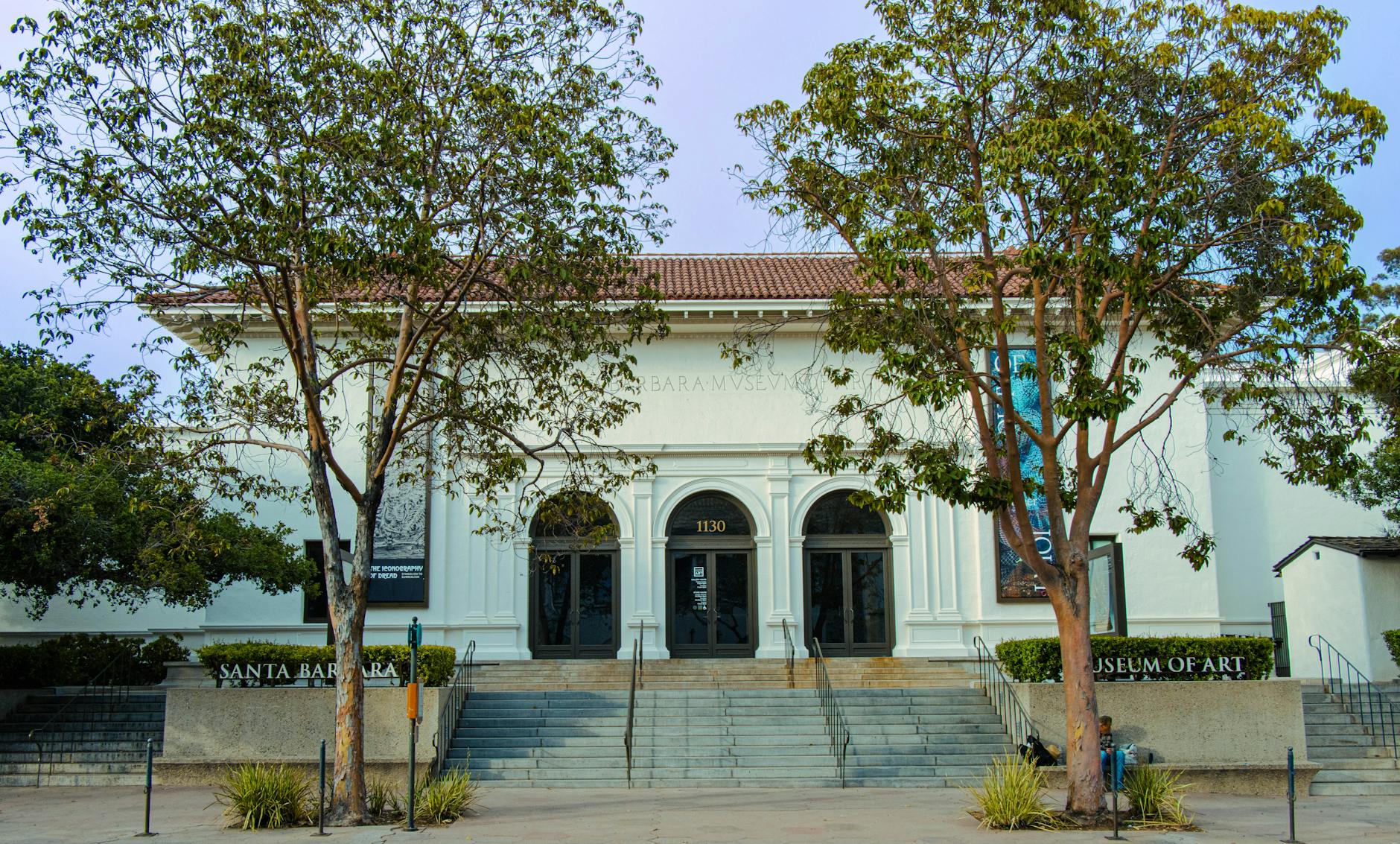
Munich’s three Pinakothek museums — the Alte, the Neue, and the Pinakothek der Moderne — together form one of the world’s great art museum complexes, spanning 800 years of European art from medieval altarpieces to contemporary design. Built around the original Alte Pinakothek of 1836, one of the first purpose-built public art galleries in the world, the three museums sit within a five-minute walk of each other in Munich’s Kunstareal museum quarter. This complete Pinakothek Munich guide for 2026 covers each museum’s collections, the must-see masterpieces in each, ticket pricing and the famous €1 Sundays, the renovation status of the Neue Pinakothek, and how to plan an art-focused day or two in Munich.
The Three Pinakothek Museums at a Glance
| Museum | Built | Period Covered | Adult Entry | Sunday Entry |
|---|---|---|---|---|
| Alte Pinakothek | 1826–1836 | 14th–18th centuries | €7 | €1 |
| Neue Pinakothek | 1853 (currently closed) | Late 18th–early 20th century | Closed for renovation through 2029+ | — |
| Pinakothek der Moderne | 2002 | 20th century to today | €10 | €1 |
| Combo (Alte + Moderne) | — | Both museums | €15 | — |
1. Alte Pinakothek — Old Masters
Designed by Leo von Klenze for King Ludwig I and opened in 1836, the Alte Pinakothek was one of the world’s first purpose-built public art museums and set the template for the Berlin Altes Museum, the National Gallery in London, and many others. The collection covers 14th to 18th-century European painting and is one of the world’s great old-master collections.
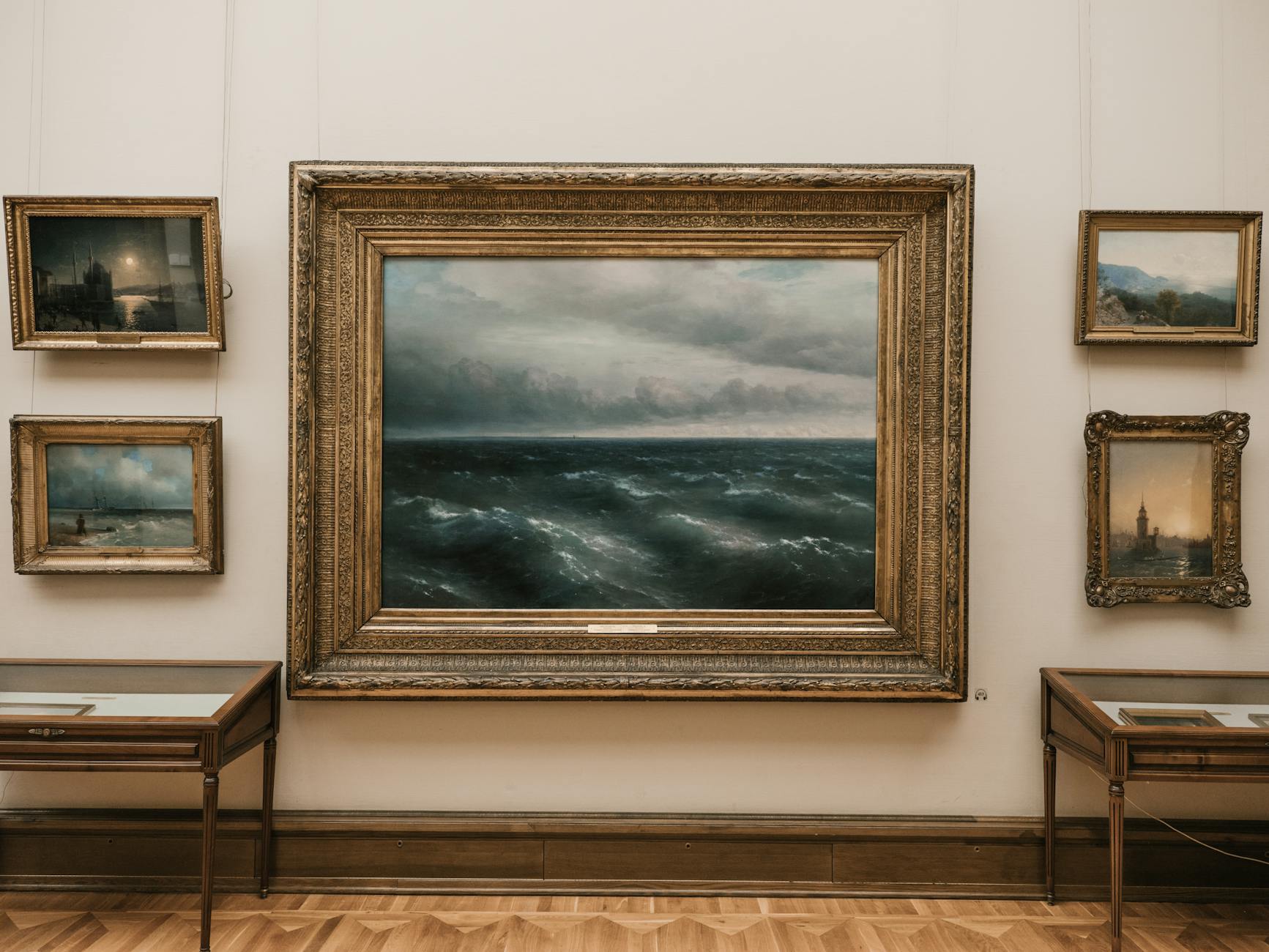
Must-See Masterpieces in the Alte Pinakothek
- Albrecht Dürer — Self-Portrait at 28 (1500) — possibly the most famous self-portrait in Western art; Dürer painted himself in a Christ-like pose
- Albrecht Altdorfer — The Battle of Issus (1529) — a panoramic battle scene that is one of the great Northern Renaissance paintings
- Raphael — The Canigiani Holy Family (1505) — Raphael at his early High Renaissance peak
- Leonardo da Vinci — The Madonna of the Carnation (c. 1478) — Leonardo’s earliest surviving Madonna
- Peter Paul Rubens — The Last Judgement (1614) — Rubens’s enormous swirling apocalypse
- Anthony van Dyck — Self-Portrait (1621) — Van Dyck at age 22
- Rembrandt — The Holy Family (1633) + Self-Portrait (1629)
- Diego Velázquez — Young Spanish Nobleman (1626) — early Velázquez at his crispest
- Frans Hals — Willem Croes (c. 1660) — late Hals portrait
- Cranach the Elder — Lucretia (1518)
- El Greco — Disrobing of Christ (1583) — the only El Greco in Munich
- Murillo — The Grape and Melon Eaters (1645)
How the Galleries Are Organized
Klenze’s classical floor plan organizes paintings by school: enter through the central foyer, the German and Netherlandish primitives are to the left (Dürer, Altdorfer, Cranach), Italian Renaissance and Baroque straight ahead (Raphael, Leonardo, Tintoretto, Caravaggio), Flemish and Dutch Baroque to the right (Rubens, Van Dyck, Rembrandt), and Spanish on the far right (Velázquez, El Greco, Murillo). Allow 2–3 hours for a thorough visit; 60–90 minutes for highlights only.
The Postwar Reconstruction Story
The Alte Pinakothek was heavily bombed in WWII. Architect Hans Döllgast led one of Europe’s most-admired postwar museum reconstructions (reopened 1957), leaving the bombed central section deliberately stripped down in plain brick alongside the rebuilt original — a way to honor the wound while restoring the function. Look for the visible “scars” in the south facade as you walk around outside.
2. Neue Pinakothek — Currently Closed
The Neue Pinakothek traditionally houses the museum’s late-18th- to early-20th-century European painting collection — Romanticism, Impressionism, Post-Impressionism, Symbolism, and early Modernism. Highlights include Caspar David Friedrich, Édouard Manet, Vincent van Gogh’s Sunflowers (1888), Claude Monet, Édouard Manet’s Breakfast in the Studio, Gustav Klimt, and Egon Schiele.
Important update for 2026: The Neue Pinakothek has been closed for major renovation since 2018, and the reopening (originally planned for 2025) has been pushed to 2029–2030. During the renovation, selected highlights are being shown rotating in the Sammlung Schack (Schackgalerie, also Bavarian state museum, €1 Sundays) and the Pinakothek der Moderne. Van Gogh’s Sunflowers and several other masterpieces are temporarily displayed at the Pinakothek der Moderne — verify before visiting.
3. Pinakothek der Moderne
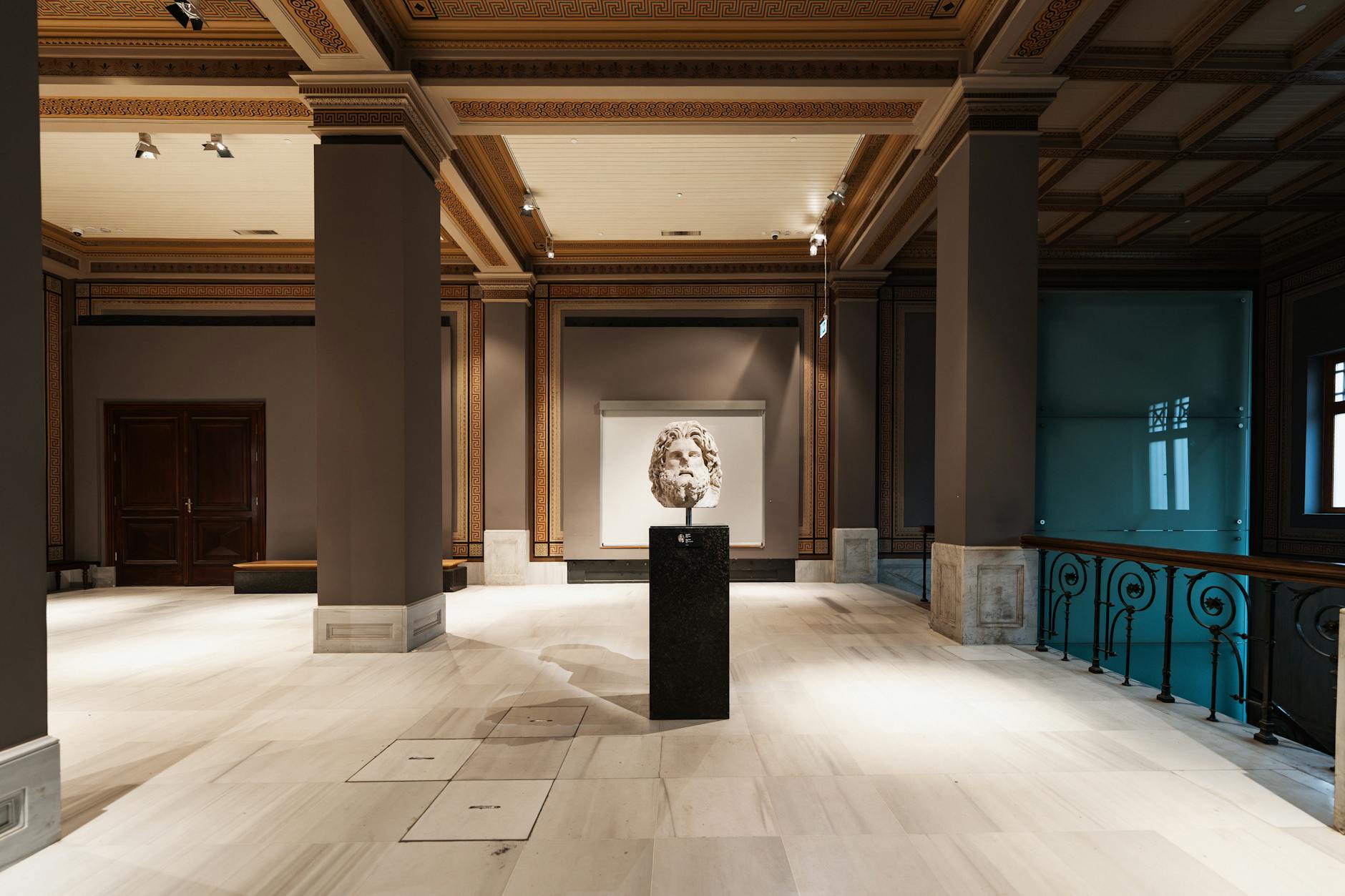
Designed by Stephan Braunfels and opened in 2002, the Pinakothek der Moderne is one of Europe’s largest modern-art museums under a single roof — actually four collections combined into one building, organized around a 25-meter-high central rotunda.
The Four Collections
- Sammlung Moderne Kunst (Modern art, 20th century) — the headline collection: Picasso, Magritte, Dalí, Beuys, Warhol, Bacon, Richter, Koons. Rotating temporary exhibitions of contemporary artists
- Architekturmuseum der TU München — architecture museum with original drawings, models, and rotating exhibitions
- Neue Sammlung — The Design Museum — one of the world’s largest design collections; chairs, lamps, products, vehicles. The early-modernist furniture rooms are spectacular
- Staatliche Graphische Sammlung — works on paper from the medieval period to today; rotating thematic exhibitions
Must-See in the Pinakothek der Moderne
- Picasso’s Sailor (1943) — wartime self-portrait
- Magritte’s The Empire of Light (1953) — the surrealist day/night sky
- Beuys’s End of the 20th Century (1983) — Beuys’s landmark stone-and-felt installation
- The chair-and-design rooms in the Neue Sammlung — Bauhaus, Wagenfeld, Eames, Saarinen, Vitsoe shelves, the original 1959 Apollo lunar lander Eames chairs
- Andy Warhol’s portrait of Lucio Amelio (1981)
- Architecture model rooms — Le Corbusier, Mies van der Rohe, Herzog & de Meuron
Visiting Information
Hours and Tickets
- Alte Pinakothek: Tue–Sun 10:00–18:00; Tue until 20:00. Closed Mondays. €7 adult, €1 Sundays
- Pinakothek der Moderne: Tue–Sun 10:00–18:00; Thu until 20:00. Closed Mondays. €10 adult, €1 Sundays
- Combined ticket: €15 (Alte + Moderne, valid 2 days)
- Sammlungkarte 5: €12 — entry to all 5 Bavarian state museums for one day (Alte, Moderne, Schackgalerie, Glyptothek, State Antiquities)
- Family ticket: €15 (2 adults + own children up to 17) at Alte; €20 at Moderne
- Children under 18: Free entry always
Where to Buy
- Online at pinakothek.de — saves queue time on weekends
- At the door — generally no queue except weekends and €1 Sundays
- Munich Card / Munich City Pass — both include free Pinakothek entry
Address and Transport
- Alte Pinakothek: Barer Straße 27 (entry on Theresienstraße). U-Bahn 2 to Theresienstraße or Königsplatz; Tram 27 to Pinakothek
- Pinakothek der Moderne: Barer Straße 40. Same transit; 2-minute walk between buildings
- Walking from Marienplatz: 15 minutes through the central pedestrian zone, then north past Karlsplatz
The three galleries sit inside a wider museum district — the Kunstareal guide covers all of it, including the Brandhorst, Lenbachhaus and Glyptothek.
Planning several museums beyond the Pinakotheken? Our Munich museum pass guide works out whether a pass or combination ticket beats paying at the door.
The €1 Sunday Magic
Every Sunday, the Bavarian state museums charge just €1 admission. This includes both the Alte Pinakothek and the Pinakothek der Moderne, plus the Glyptothek, the State Antiquities Collection, and the Sammlung Schack. A €5 Sunday lets you visit all five world-class museums.
- Best strategy: Open the Alte Pinakothek at 10:00 (before the queue builds), then walk to the Moderne at 12:30, then any of the others
- Crowds: Sundays draw locals and tourists alike — get there at the 10:00 opening for the calmest conditions
- Special exhibitions: Sometimes excluded from the €1 deal — check signage at entry
Suggested Itineraries
Half-Day at the Alte Pinakothek (3 hours)
Focus on the highlights room-by-room: Dürer’s self-portrait → Altdorfer’s Battle of Issus → the Italian Renaissance galleries (Raphael, Leonardo) → the Rubens room → the Rembrandt room → Velázquez. Use the audio guide (€4); skip the special exhibitions if pressed for time.
Half-Day at the Pinakothek der Moderne (3 hours)
Start in the central rotunda. Modern art floor first (Picasso, Magritte, Beuys, Warhol). Then the design collection (Bauhaus, Eames). End in the architecture museum. The graphic collection is best skipped unless you have a specific interest.
Full Day Both (6 hours)
Morning: Alte Pinakothek (10:00–13:00). Lunch in the museum café or 5-minute walk to one of Maxvorstadt’s casual eateries (see our cheap eats guide). Afternoon: Pinakothek der Moderne (14:00–17:00). End with coffee at Café Tambosi on Odeonsplatz, 10 minutes east.
“€1 Sunday Museum Marathon”
10:00 — Alte Pinakothek (90 min); 11:30 — walk to Glyptothek on Königsplatz (45 min); 12:30 — quick lunch on Brienner Straße; 13:30 — State Antiquities Collection (45 min); 14:30 — Lenbachhaus (the Blue Rider) at Königsplatz (60 min); 16:00 — Pinakothek der Moderne (90 min). All 5 museums for €5.
Practical Tips
- Free coat check and lockers at the entrance — required for backpacks and bulky bags at both Pinakotheken
- Audio guides in 8 languages, €4 supplement
- Photography allowed without flash in most permanent exhibitions; tripods only with permit; many special exhibitions ban photos entirely
- Café and restaurant: The Alte Pinakothek has the elegant Café Klenze (closed Mondays); the Moderne has a casual bistro
- Strollers and wheelchairs: Both museums are fully accessible with elevators; loaner wheelchairs at reception
- Restrooms: Free at both museums
- Allow extra time on weekends: the Alte’s Sunday queue can stretch 25–35 minutes
- The Lenbachhaus on Königsplatz is also part of the Bavarian state museum network and worth combining — see our museums guide
Frequently Asked Questions
How many Pinakothek museums are there in Munich?
Three: the Alte Pinakothek (Old Masters, 14th–18th centuries), the Neue Pinakothek (currently closed for renovation through 2029+), and the Pinakothek der Moderne (modern + contemporary art, design, architecture, graphics).
When does the Neue Pinakothek reopen?
The Neue Pinakothek has been closed for renovation since 2018, with reopening pushed to 2029–2030 as of 2026. During the closure, selected highlights — including Van Gogh’s Sunflowers — rotate at the Pinakothek der Moderne and the Sammlung Schack.
How much does the Pinakothek cost in 2026?
Alte Pinakothek €9 adult (€6 reduced); Pinakothek der Moderne €10 adult; €15 combined ticket valid 2 days. Just €1 each on Sundays. Children under 18 always free.
How long should I spend at the Alte Pinakothek?
90 minutes for highlights only; 2.5–3 hours for a thorough visit; 4+ hours for art enthusiasts who want to spend time with each room. The collection is large enough to fill a full day if you let it.
Are the Pinakothek museums child-friendly?
Yes — children under 18 are free, both museums have family activity packs at reception, and the Pinakothek der Moderne’s design collection (chairs, vehicles, products) is particularly engaging for kids 8+. The Alte Pinakothek’s old masters tend to engage older children. See our Munich with kids guide.
What’s the difference between the Alte and Neue Pinakothek?
Alte = old masters (14th–18th centuries — Dürer, Raphael, Rembrandt, Velázquez). Neue = late 18th to early 20th century (Van Gogh, Monet, Klimt, Caspar David Friedrich). The Neue is closed for renovation through ~2029–2030; some highlights are temporarily on display at the Pinakothek der Moderne.
Is the Alte Pinakothek worth visiting?
Yes, emphatically. It’s one of the world’s great old-master collections — comparable in importance to the Prado in Madrid or the Uffizi in Florence — at €7 (€1 on Sundays) for entry. Munich’s most consequential museum.
The Alte Pinakothek’s Acquisitions and Collection History
The Alte Pinakothek’s collection was assembled over four centuries of Wittelsbach royal patronage, beginning with Duke William IV’s commissioned battle paintings in 1528. Most great works arrived through specific acquisitions: King Maximilian I bought the Düsseldorf gallery in 1806; King Ludwig I purchased entire collections in the 1820s. The collection became a state museum after 1918 when the last Wittelsbach king abdicated. The current building, designed by Leo von Klenze and opened in 1836, was deliberately conceived as a public museum — one of the earliest such institutions in Europe. The bombed central section was creatively reconstructed by Hans Döllgast in 1957, leaving visible the war damage as a deliberate aesthetic statement.
Specific masterpieces have backstories worth knowing. Albrecht Dürer’s Self-Portrait at 28 (1500) was acquired by Maximilian I from a Nuremberg collection in 1805; Dürer’s Four Apostles (1526) was a gift from the artist to the city of Nuremberg in 1526, and reached Munich through Wittelsbach purchase in 1626. Raphael’s Holy Family of the Canigiani (1505) was an early Wittelsbach acquisition. Rubens’s Last Judgement (1614) and the major Rubens collection were acquired together when Wilhelm I of Bavaria bought the Düsseldorf gallery in 1806 — one of the most consequential single museum acquisitions in European history. The Pinakothek’s Velázquez and El Greco came from later 19th-century purchases.
How to Read a Painting at the Alte Pinakothek
The Alte Pinakothek’s old-master collection rewards visitors who slow down and look carefully. A useful approach: spend 20-30 minutes on three or four paintings rather than 5 minutes on twenty. The Dürer Self-Portrait benefits from close examination of the painted hair — each strand visible. Rubens’s massive Last Judgement requires distance for the composition and close examination for the brushwork. Velázquez’s portraits show his characteristic skin tones — pale flesh with cool undertones — and the way he suggests fabric textures with minimal brushstrokes. Rembrandt’s Holy Family in the Munich collection is a study in psychological intimacy — the small scale forces close looking.
The audio guide is genuinely useful at the Alte Pinakothek — €4 well spent. Each major painting receives 2–4 minutes of context covering the artist’s biography, the painting’s subject, the technical innovations, and the historical context. The English-language audio guide is comprehensive and well-narrated. Without it, you’ll see beautiful paintings but miss the layers of meaning embedded in them. Skip the audio guide only if you’re already an art-history specialist.
The Pinakothek der Moderne — A Detailed Walkthrough
The Pinakothek der Moderne opened in 2002 in a striking concrete-and-glass building designed by Stephan Braunfels. Its central 25-meter-high rotunda forms the architectural and spatial anchor — visitors orient themselves from here to access the four collections that share the building. The Sammlung Moderne Kunst (Modern Art Collection) is the headline gallery, occupying the most floor space and drawing the largest visitor numbers. The collection traces 20th-century painting and sculpture chronologically, beginning with German Expressionism (Kirchner, Heckel, Schmidt-Rottluff), proceeding through Bauhaus design (Kandinsky, Klee, Moholy-Nagy), into the Surrealism gallery (Magritte’s The Empire of Light from 1953 is the iconic piece), then post-war American (Pollock, Rothko, Warhol’s Beuys portrait), continuing into the contemporary era (Richter, Polke, Beuys’s famous End of the 20th Century stone installation).
The Neue Sammlung Design Museum shares the building and represents one of the world’s largest design collections — 100,000+ objects covering everything from chairs to vehicles. Highlights include the original Bauhaus furniture by Wilhelm Wagenfeld, the Eames Lounge Chair prototype, original Apollo 13 capsule design materials, Vespa scooter evolution, and rotating major exhibitions of contemporary design. The Architecture Museum (Architekturmuseum der TU München) occupies one wing with rotating exhibitions of architectural drawings, models, and theory — typically focused on major contemporary architects (recent shows have covered Le Corbusier, Mies van der Rohe, and the new Tate Modern extension). The Staatliche Graphische Sammlung occupies the basement-level wing with rotating works-on-paper exhibitions drawn from a 350,000-item collection. The four collections combined make the Pinakothek der Moderne one of the world’s most ambitious multi-media museum experiences — but it requires planning. Allow 2.5–3 hours for the Modern Art collection plus one other; full coverage requires 5–6 hours.

Special Exhibitions: What the €1 Sunday Doesn’t Cover
The €1 Sunday and the standard €7 or €10 ticket buy you the permanent collection — the Dürers, the Rubens wall, the design floor. But the shows that draw queues down Barer Straße are the Sonderausstellungen, the major temporary exhibitions, and they play by different rules. The Alte Pinakothek borrows old-master loans for focused shows; the Pinakothek der Moderne stages the big design, architecture, and contemporary retrospectives it’s known for. These carry a separate ticket, usually €12–€14, and — this catches people out — they are not reduced to €1 on Sundays. The Sunday deal applies to the permanent galleries only.
| Ticket | Price | €1 on Sundays? | Booking |
|---|---|---|---|
| Alte Pinakothek — permanent | €7 | Yes (€1) | Walk-in |
| Pinakothek der Moderne — permanent | €10 | Yes (€1) | Walk-in |
| Combined Alte + Moderne | €15 (valid 2 days) | — | Walk-in |
| Sammlungskarte 5 (all five state museums, one day) | €12 | — | Walk-in |
| Special exhibition (Sonderausstellung) | €12–€14 | No | Often timed-entry — book ahead |
The practical move: check pinakothek.de a week before your trip. If a blockbuster is on, the timed slots for the first and last hours sell out days ahead, and a Saturday afternoon during a popular run can mean a 30-minute wait even with a ticket. If a show matches your taste, build the day around it and go at opening; if you’re really here for the old masters, decline the upsell at the desk and keep your €7. Either way, the busiest hours are mid-afternoon — the quieter Munich seasons and the first hour after opening are your friends. For travelers chasing the cheapest culture in the city, our free museums guide lays out which collections cost nothing year-round, not just on Sundays.
The Sammlung Schack: The Pinakothek Family’s Overlooked Fourth Gallery
There’s a fourth member of this museum family that almost no visitor finds. The Sammlung Schack (Schackgalerie) sits on Prinzregentenstraße, a 20-minute walk east of the Kunstareal near the Haus der Kunst and the southern tip of the English Garden. It’s run by the same Bayerische Staatsgemäldesammlungen that operate the Pinakotheken, which means the same €1 Sunday ticket gets you in — and almost nobody uses it here.
Count Adolf Friedrich von Schack assembled the collection in the 1850s and 1860s, and it has a single, coherent character that the sprawling Pinakotheken can’t match: German Romantic and Symbolist painting, hung close in intimate, dark-walled rooms. Arnold Böcklin’s brooding mythologies, Anselm Feuerbach’s classical figures, Moritz von Schwind’s fairy-tale scenes, and early Franz von Lenbach copies of Italian masters fill a single floor you can see properly in 45 minutes. It’s the era that falls between the Alte Pinakothek’s old masters and the Pinakothek der Moderne’s 20th century — and with the Neue Pinakothek closed until 2029 or later, the Schack is the easiest place in Munich to spend time with 19th-century painting at all.
Pair it with a stroll in the English Garden a few minutes north, or with the Haus der Kunst next door if a contemporary show is on. It’s the quietest €1 you’ll spend on a Munich Sunday, and a welcome change of pace after the crowds in the main galleries. If you’re building a broader museum day, the Deutsches Museum and the rest of the city’s collections are mapped out in our wider Munich museums and culture guide.
Plan Your Munich Trip
This Pinakothek guide is part of our deeper Munich museums and culture guide, which also covers the Glyptothek, Lenbachhaus, BMW Museum, and Deutsches Museum. For trip planning, see our things to do guide, our where to stay guide, and our trip planner. Especially useful: free things to do guide covers the €1 Sunday strategy.