Munich Museums & Culture: Complete Guide
Complete guide to Munich's 80+ museums. Deutsches Museum, Pinakotheks, Residenz, BMW, Kunstareal, and cultural experiences with insider tips.
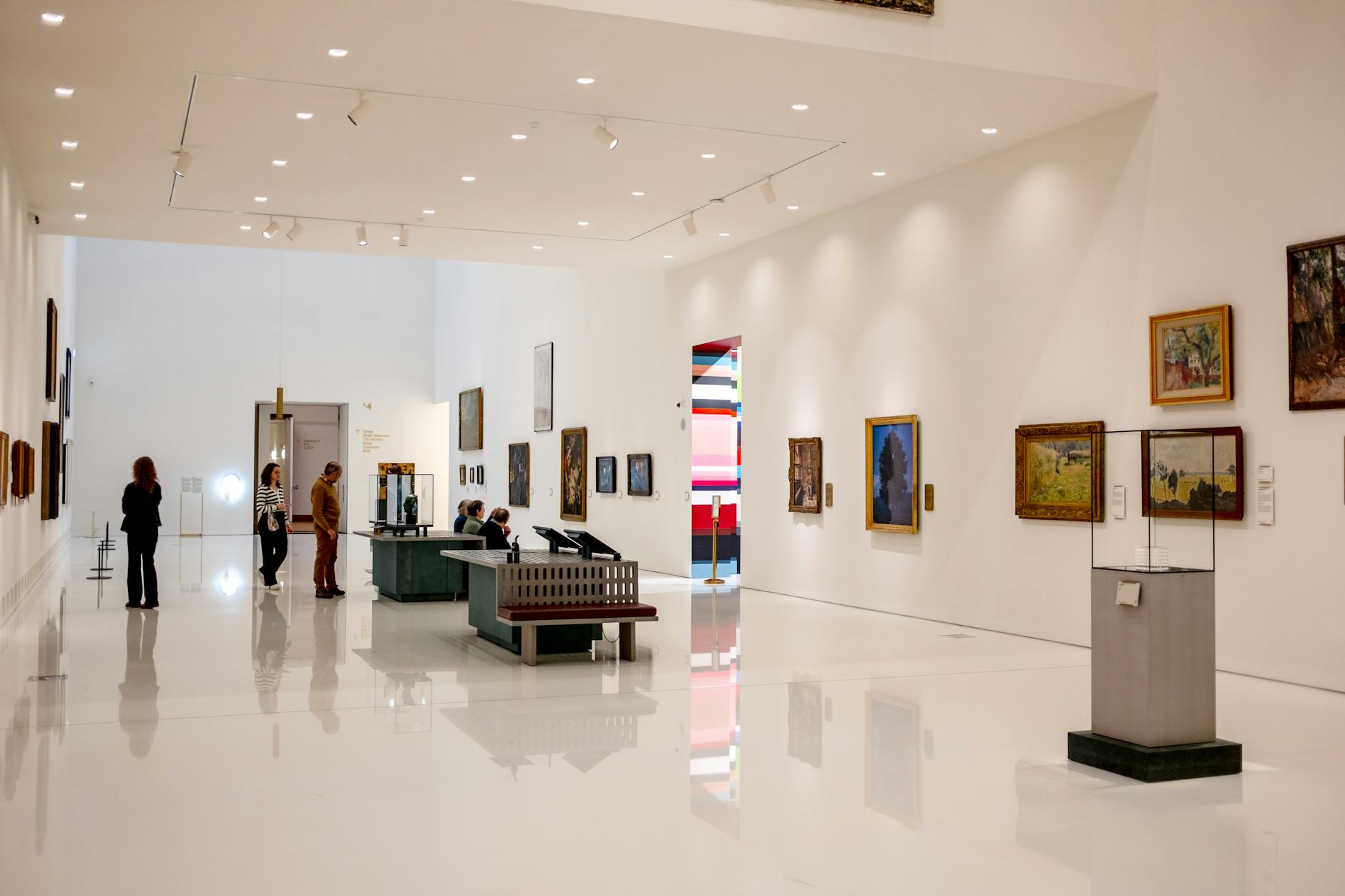
Munich has one of Europe’s most astonishingly rich museum landscapes — more than 80 venues concentrated in a city of 1.5 million people. Only Berlin, Paris, and London seriously rival it for density of world-class cultural institutions. The Deutsches Museum is the largest science and technology museum on earth. The three Pinakothek art museums cover 700 years of European painting from Dürer to Warhol. The Residenz palace is one of Europe’s most lavish royal residences. And beyond these anchor institutions lie dozens of smaller treasures: a museum dedicated to street art, one to hunting and fishing, one to Egyptian antiquities, several to Munich’s complicated 20th-century history. This complete Munich museums guide organizes them all — which to prioritize, how to save money, and how to build a cultural itinerary that fits your interests.
The good news: Munich has designed its museums to be visitor-friendly. Most are clustered in walkable quarters. Hours are long, signage is bilingual, and — crucially — Sunday admission at state museums is just €1. A traveler with a single free Sunday and sensible shoes can see six of the city’s best museums for a total of €6. No other European capital delivers better value on a per-euro basis.
Munich Museums at a Glance
With more than 80 museums in the city, the hard part is choosing. This table lines up the heavy hitters so you can match them to your interests, your budget, and the hours you actually have — and spot at a glance which ones drop to €1 on Sundays. Use it to draft a shortlist, then read the detailed sections below for the how and when.
| Museum | Focus | Standard € | Time needed | €1 Sunday? |
|---|---|---|---|---|
| Deutsches Museum | Science & technology | €15 | Half to full day | No |
| Alte Pinakothek | Old Master paintings | €9 | 2–3 hrs | Yes |
| Neue Pinakothek | 19th-century art | Closed (renovation) | — | — |
| Pinakothek der Moderne | Modern art, design, architecture | €10 | 2–3 hrs | Yes |
| Museum Brandhorst | Contemporary (Warhol, Twombly) | €7 | 1.5–2 hrs | Yes |
| Glyptothek | Greek & Roman sculpture | €6 | 1–1.5 hrs | Yes |
| Residenz & Treasury | Royal palace, crown jewels | €9 (+€5 Treasury) | 2–3 hrs | No |
| BMW Museum | Cars, motorcycles, design | €17 | 1.5–2 hrs | No |
The Big Three: Where Every First-Time Visitor Should Start
If you only have time for three museums on a short Munich trip, these are the three to pick. Each represents a completely different side of the city’s cultural identity, and together they deliver a near-complete snapshot of Munich’s place in European history.
Deutsches Museum. On its own island in the middle of the Isar River, this is the largest science and technology museum in the world. Hands-on exhibits cover everything from a reconstructed coal mine (you walk through it) to the original Z3 computer, early aviation (with dozens of suspended aircraft), astronomy, physics, chemistry, musical instruments, and maritime history. Plan a full day minimum. The building is 50,000 square meters of exhibits, and most visitors only see a third of it on one visit. See our complete Deutsches Museum guide for floor-by-floor highlights.
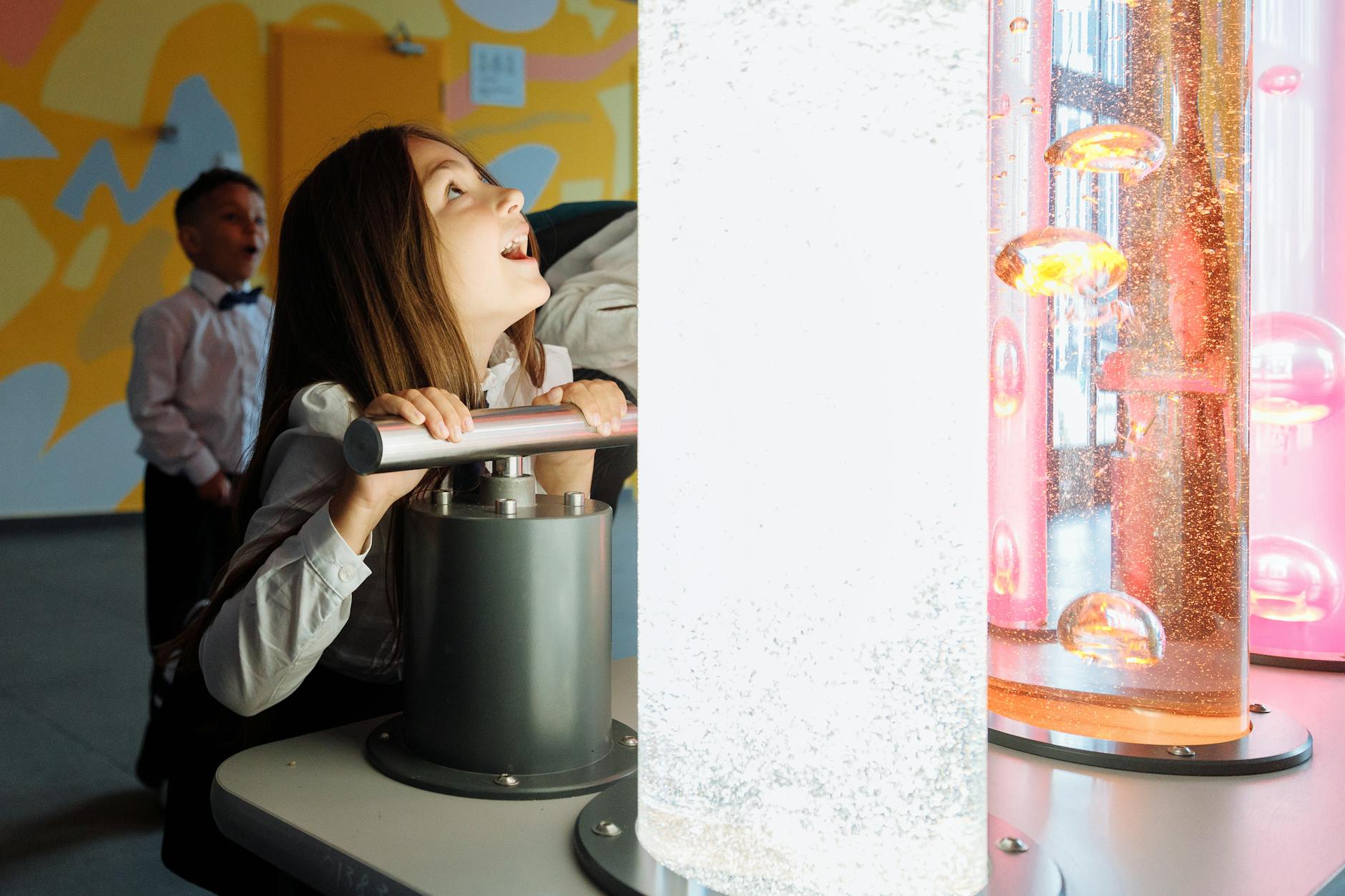
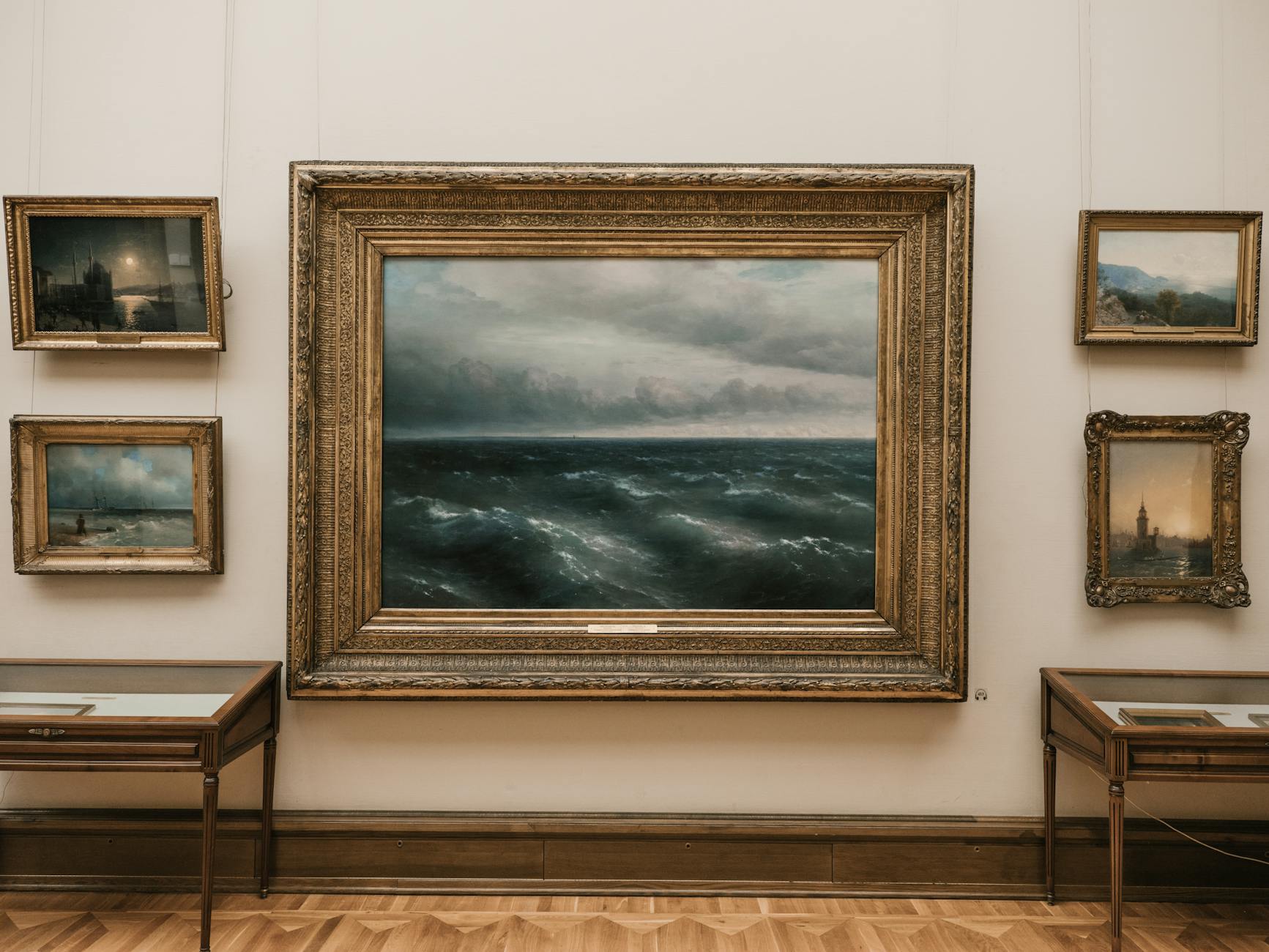
Alte Pinakothek. One of the world’s greatest collections of Old Masters. Dürer, Cranach, Rubens, Rembrandt, Raphael, Titian, Leonardo, Murillo — almost every name that matters in European painting from the 14th through 18th centuries is represented, often with major works. The building itself (1836) is one of the first purpose-built museum galleries and set the architectural template copied across Europe. Admission is just €1 on Sundays. See our complete Pinakothek museums guide.
Munich Residenz. The vast former residence of the Bavarian royal family, with 130 rooms open to the public spanning 450 years of royal taste — from Renaissance antiquarium to rococo apartments to neoclassical ballrooms. The Treasury alone is a standalone experience, with 1,300 years of Wittelsbach crown jewels, ceremonial weapons, and reliquaries. Budget 3-4 hours. See our Munich Residenz guide for tour strategy.
The Kunstareal: Munich’s Art Quarter
The Kunstareal (Art Quarter) is the densest concentration of world-class museums anywhere in Germany. Five major institutions cluster within a few blocks in Maxvorstadt, which makes it possible to visit three or four in a single well-planned day. The district is best navigated on foot, and the surrounding university streets have plenty of cafés and lunch options between museum sessions.
The Alte Pinakothek and Pinakothek der Moderne are the anchors, but don’t skip the others. The Museum Brandhorst is a striking contemporary building housing one of Europe’s best modern-art collections — its holdings of Andy Warhol and Cy Twombly alone are worth a visit. The Lenbachhaus houses the definitive collection of Blaue Reiter German Expressionist painting (Kandinsky, Marc, Klee, Münter) and is widely rated Munich’s most beautiful single gallery. The Neue Pinakothek, focused on 19th-century European painting, is currently undergoing extensive renovation with its permanent collection displayed in rotating exhibitions at other Kunstareal venues.
Two Kunstareal bonuses worth knowing: the Glyptothek at Königsplatz houses one of Europe’s most important collections of ancient Greek and Roman sculpture, and the Staatliche Antikensammlung across the square holds superb Greek vases and Etruscan gold. Both are underrated, quiet, and charge just €1 on Sundays. See our Munich Kunstareal guide for complete strategy.
See the complete Kunstareal guide for a museum-by-museum plan, and the Maxvorstadt neighbourhood guide for the cafés, bookshops and student bars that surround it.
Pinakothek der Moderne: Modern Art, Design, Architecture
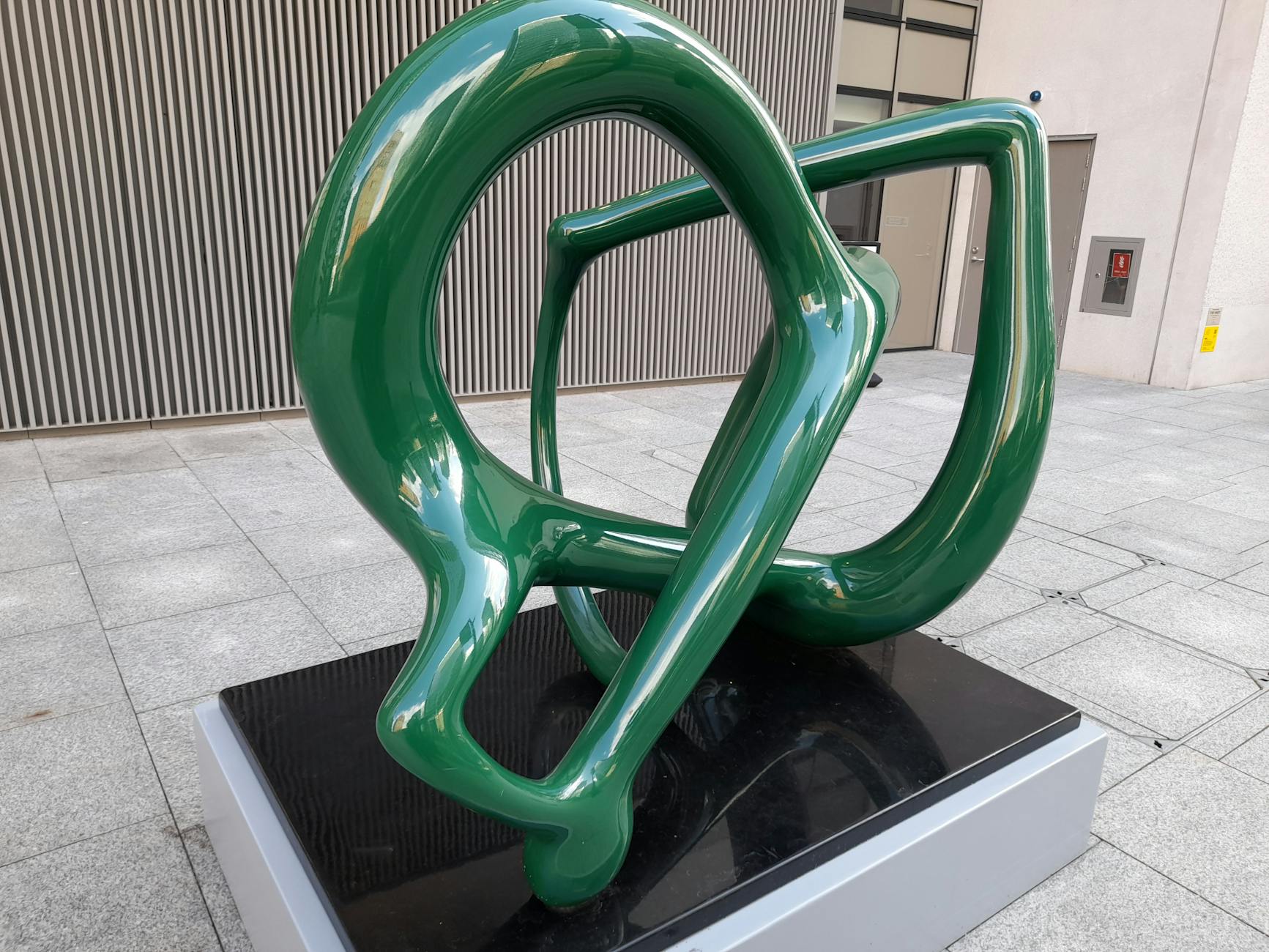
The Pinakothek der Moderne deserves its own section because it’s actually four museums under one roof: the Sammlung Moderne Kunst (20th- and 21st-century painting and sculpture), the Staatliche Graphische Sammlung (one of Germany’s biggest print and drawing collections), Die Neue Sammlung (international design and applied arts, including the famous industrial design gallery), and the Architekturmuseum (Germany’s largest architecture museum).
A full Pinakothek der Moderne visit easily fills three to four hours. The design collection in Die Neue Sammlung is particularly outstanding — everything from Bauhaus chairs to Apple computers to contemporary experimental objects. Most visitors focus on modern art alone and miss the design wing; we’d argue the design wing is often the most interesting part of the building.
Royal Munich: Residenz, Nymphenburg, Treasury
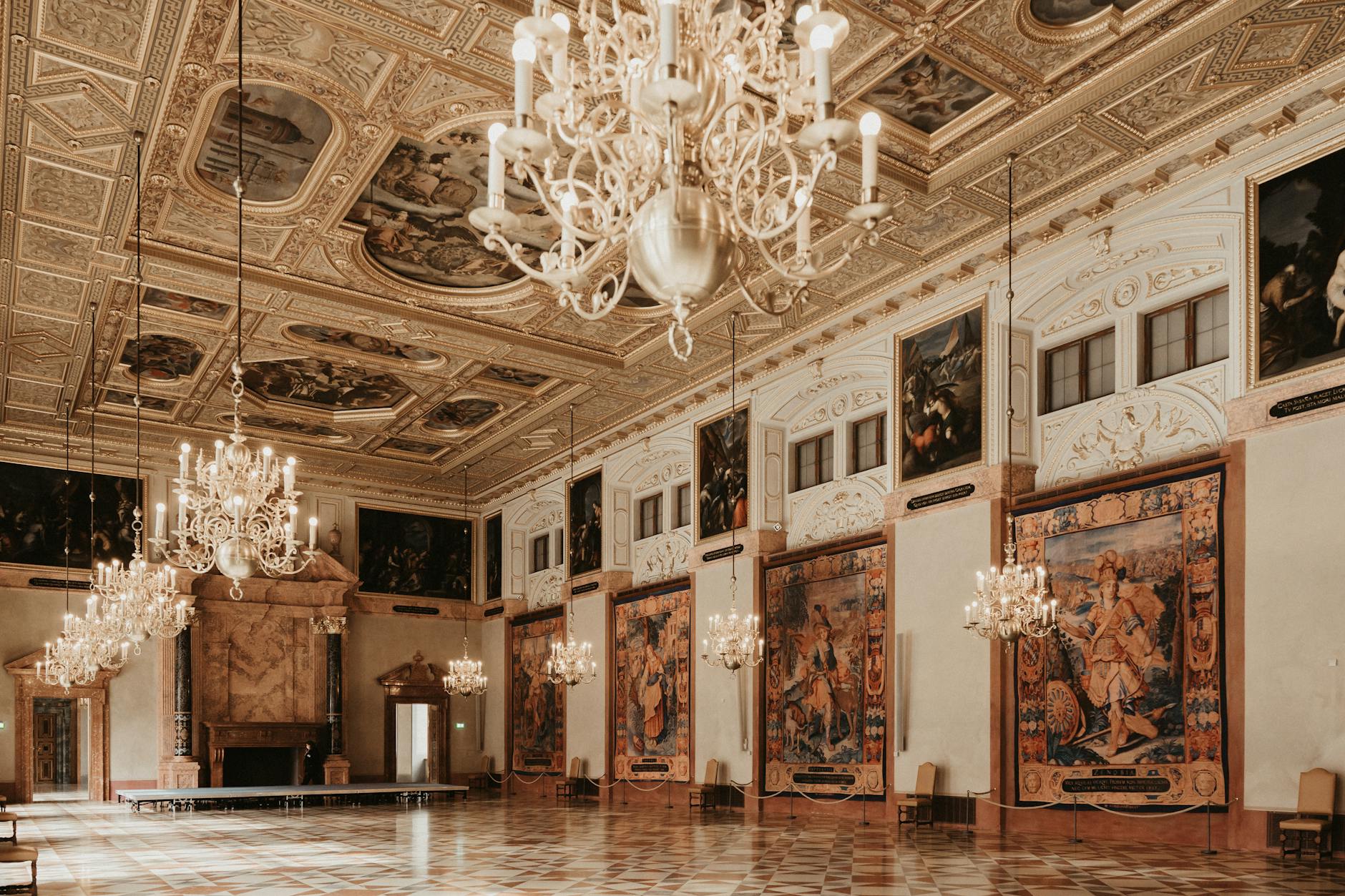
Bavaria’s royal family, the Wittelsbachs, ruled from Munich for more than 700 years, and their palaces, collections, and religious foundations are scattered across the city. For visitors interested in royal history and decorative arts, two palaces stand out.
The Residenz (covered above) is the royal city palace, lived in continuously from the late 14th century until 1918. It’s huge and best visited in focused sections — do the Antiquarium, the Ornate Rooms, and the Treasury on one visit rather than trying to see everything.
Nymphenburg Palace, the summer residence, is Baroque and enormous (700 yards wide). The highlights are the rococo Hall of Mirrors, King Ludwig I’s Gallery of Beauties (a room full of portraits of the 19th-century women he found most attractive), and the palace grounds with their scattered smaller pavilions (Amalienburg, Badenburg, Pagodenburg, Magdalenenklause). The Amalienburg in particular is one of the finest rococo interiors in Europe. See our Nymphenburg Palace visitor guide.
Our full Nymphenburg Palace guide covers the Beauty Gallery, the carriage museum, the park pavilions and how long each wing really takes.
BMW Welt and BMW Museum
Two distinct venues at the same site in Olympiapark. BMW Welt is the architectural showroom where BMW hands over new cars to customers in a theatrical delivery ceremony; it’s completely free to enter, and the architecture alone (a twisting double-cone tower and a floating wave roof) is worth the trip. The BMW Museum next door charges admission (€10) and traces the company’s 100+ year history through its cars, motorcycles, and aircraft engines.
Even visitors who aren’t car enthusiasts tend to enjoy BMW Welt — it’s a triumph of modern architecture and a fascinating glimpse into a still-proudly-Bavarian global brand. The museum is more niche; fans of automotive design will love it, others should just do the free Welt tour and move on. See our BMW Museum and BMW Welt guide.
Munich History Museums
Several museums focus specifically on Munich and Bavarian history, and the best of them handle 20th-century difficulty thoughtfully. The NS-Dokumentationszentrum (Documentation Center for the History of National Socialism) at Königsplatz is an essential, sobering treatment of Munich’s role as the birthplace of the Nazi movement. Its modern building replaces the former Brown House (Nazi Party headquarters) that stood on the same site.
The Jüdisches Museum München (Jewish Museum) at St.-Jakobs-Platz traces the city’s Jewish history from medieval times through the Holocaust and into the present. The Münchner Stadtmuseum (Munich City Museum) has a vast collection on local history; as of 2026 it’s undergoing major renovation, but sections remain open. The Bavarian National Museum on Prinzregentenstraße houses the largest collection of Bavarian art and artifacts, from medieval sculpture to 19th-century folk craft. See our Munich history museums guide for an organized tour.
The best history museums in Munich goes deeper on each of these, from the Stadtmuseum’s National Socialism rooms to the Bavarian National Museum’s royal collections.
Churches and Religious Architecture
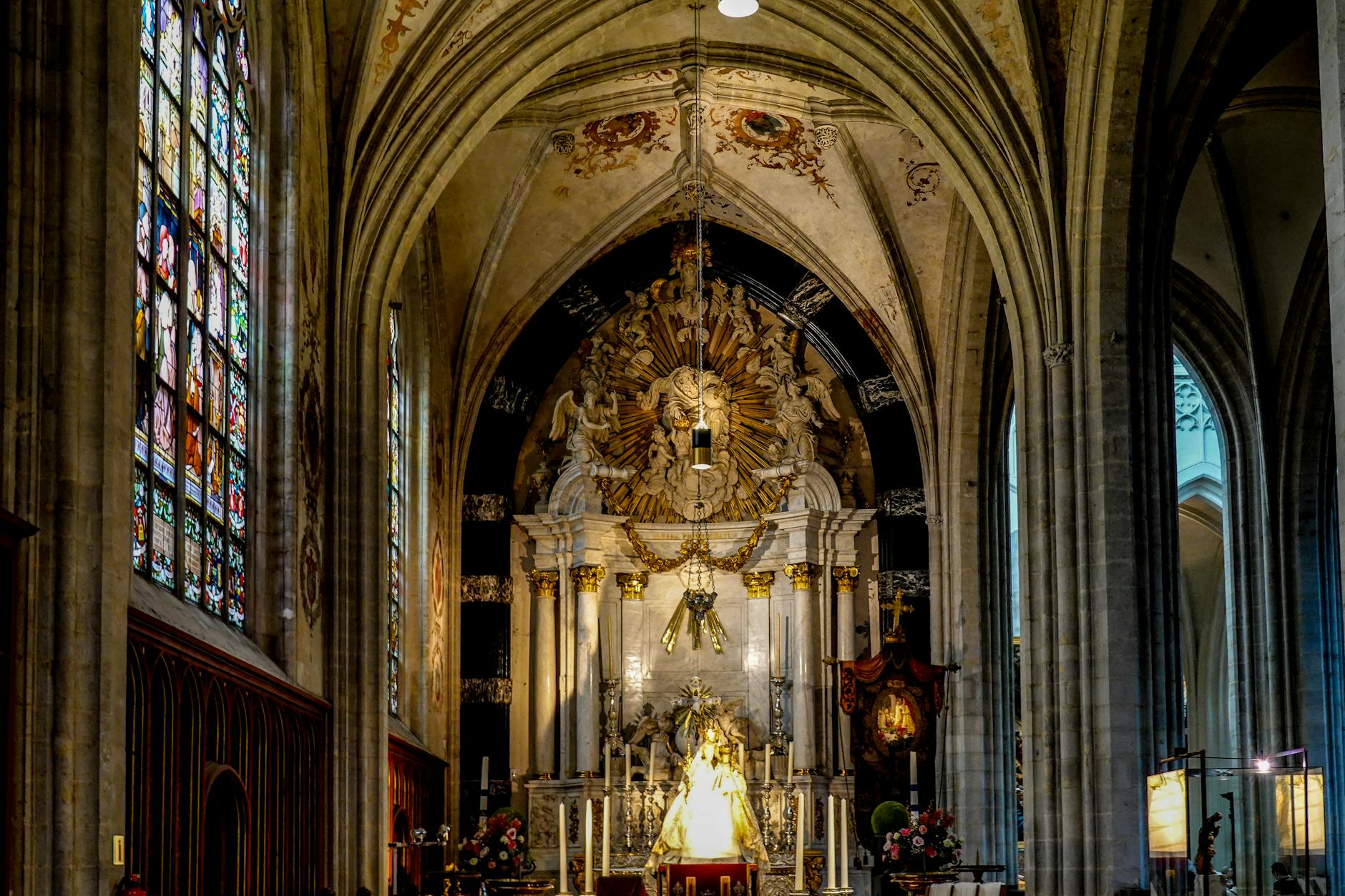
Munich’s churches deserve attention as museums in their own right — most are free to enter and house altar paintings, sculptures, and interiors that would be star attractions in any gallery. The essentials:
- Frauenkirche — Munich’s twin-domed late-Gothic cathedral and unofficial symbol. The “Devil’s Footprint” in the entry foyer is a famous Munich curiosity.
- Asamkirche — The Asam brothers’ private late-Baroque chapel, a ten-meter-wide interior that crams in more gilt, fresco, and illusion than most cathedrals ten times its size.
- Theatinerkirche — The Wittelsbachs’ Italian Baroque court church with a distinctive yellow facade, next to the Residenz on Odeonsplatz.
- St. Peter’s Church (Alter Peter) — The oldest church in Munich; climb its tower for arguably the best panoramic view in the Altstadt.
- Michaelskirche — One of the largest Renaissance churches north of the Alps, with the crypt of several Wittelsbach kings including “Mad” King Ludwig II.
Many churches also host regular classical concerts, often free or donation-based. Check weekly cultural listings for opportunities. For our complete architectural tour of Munich’s religious buildings, see our Munich churches guide.
Opera, Theater, and Classical Music
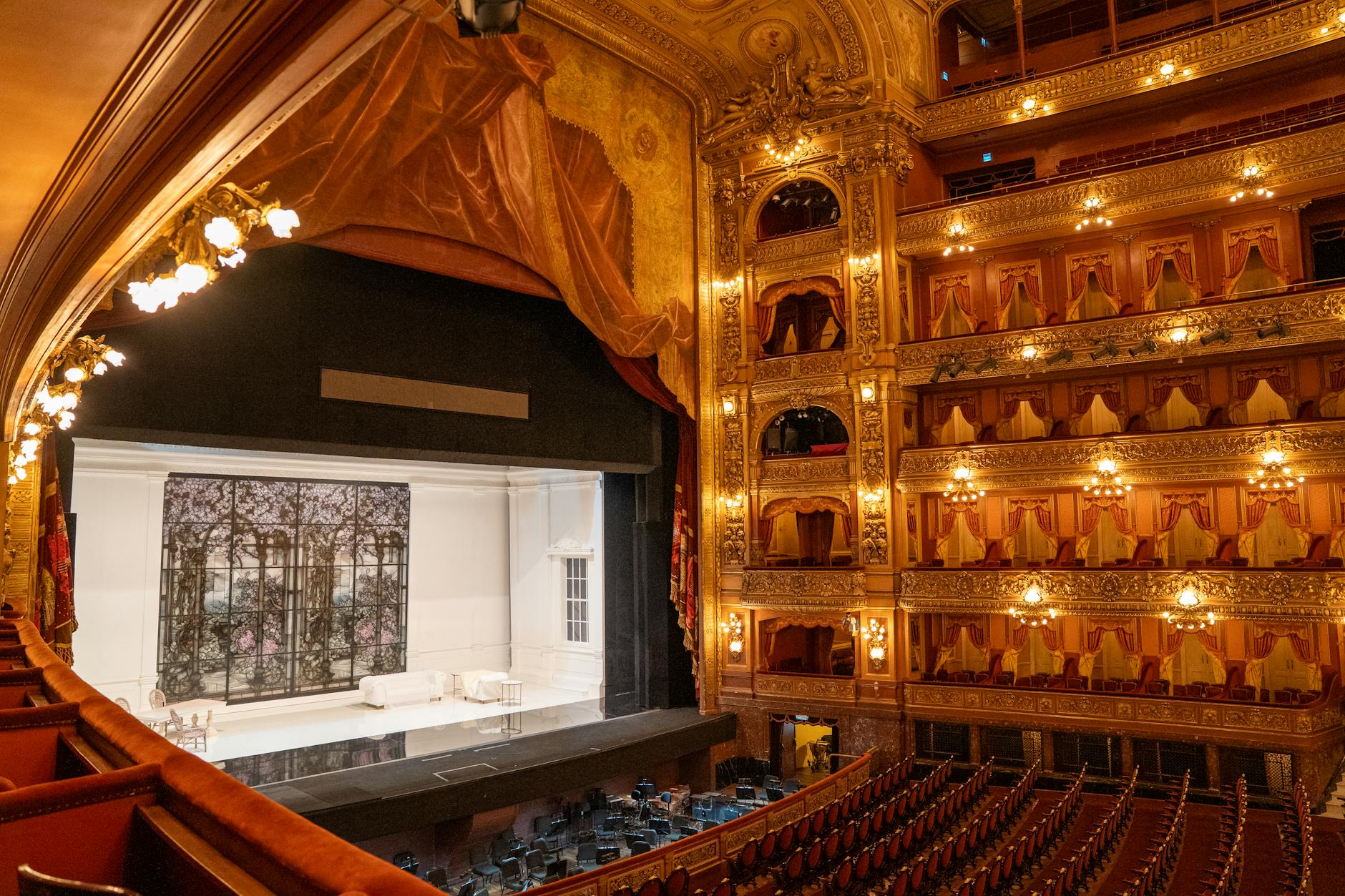
Munich’s performing arts scene rivals its museums. The Bayerische Staatsoper (Bavarian State Opera) at the Nationaltheater is one of the world’s most important opera houses, with a particularly strong Wagner tradition. Tickets for good seats can exceed €250, but standing-room and upper-balcony tickets start around €15 — a remarkably affordable way to experience world-class opera.
The Münchner Philharmoniker and Symphonieorchester des Bayerischen Rundfunks are both among Europe’s finest orchestras, performing at the Gasteig complex (currently undergoing renovation with performances at Gasteig HP8 in Sendling) and the Herkulessaal at the Residenz. Ticket prices span €20-€100 depending on program and seating.
For theater, the Residenztheater and Kammerspiele are both major German-language institutions. Classical concert lovers should also check the smaller venues — many churches host excellent free or donation-based chamber music. See our Munich theater and opera guide for booking tips and schedules.
Ticket prices, dress codes and how to find last-minute seats at the Nationaltheater are covered in our full guide to theater and opera in Munich.
Specialty and Unusual Museums
Munich’s smaller specialty museums are where the city’s quirkiness shines brightest. Our favorites worth seeking out:
- MUCA (Museum of Urban and Contemporary Art) — One of Europe’s strongest street art collections, with original Banksy, Shepard Fairey, Invader, and others, in a restored utility building just off Marienplatz.
- BMW Museum — Already mentioned, for automotive history.
- Deutsches Jagd- und Fischereimuseum (Hunting and Fishing Museum) — In a former church on Neuhauser Straße, with one of Europe’s largest fishing-related collections and dramatically antlered hunting trophies.
- Staatliches Museum Ägyptischer Kunst (Egyptian Art Museum) — A striking modern underground museum with outstanding Egyptian antiquities.
- Villa Stuck — The lavishly decorated home-studio of Symbolist painter Franz von Stuck in Bogenhausen; often called Munich’s most beautiful single artwork because the whole building is one.
- Lenbachhaus — Already mentioned in the Kunstareal section; worth its own visit for the Blaue Reiter collection.
- Schackgalerie — A charming smaller gallery of 19th-century German painting.
- Museum Fünf Kontinente (Five Continents Museum) — Munich’s anthropology and world-cultures museum, with particularly strong South Pacific and African holdings.
- ZI (Zentralinstitut für Kunstgeschichte) Library — For the seriously art-historically inclined, one of the world’s great art research libraries.
Museum Passes and Discounts
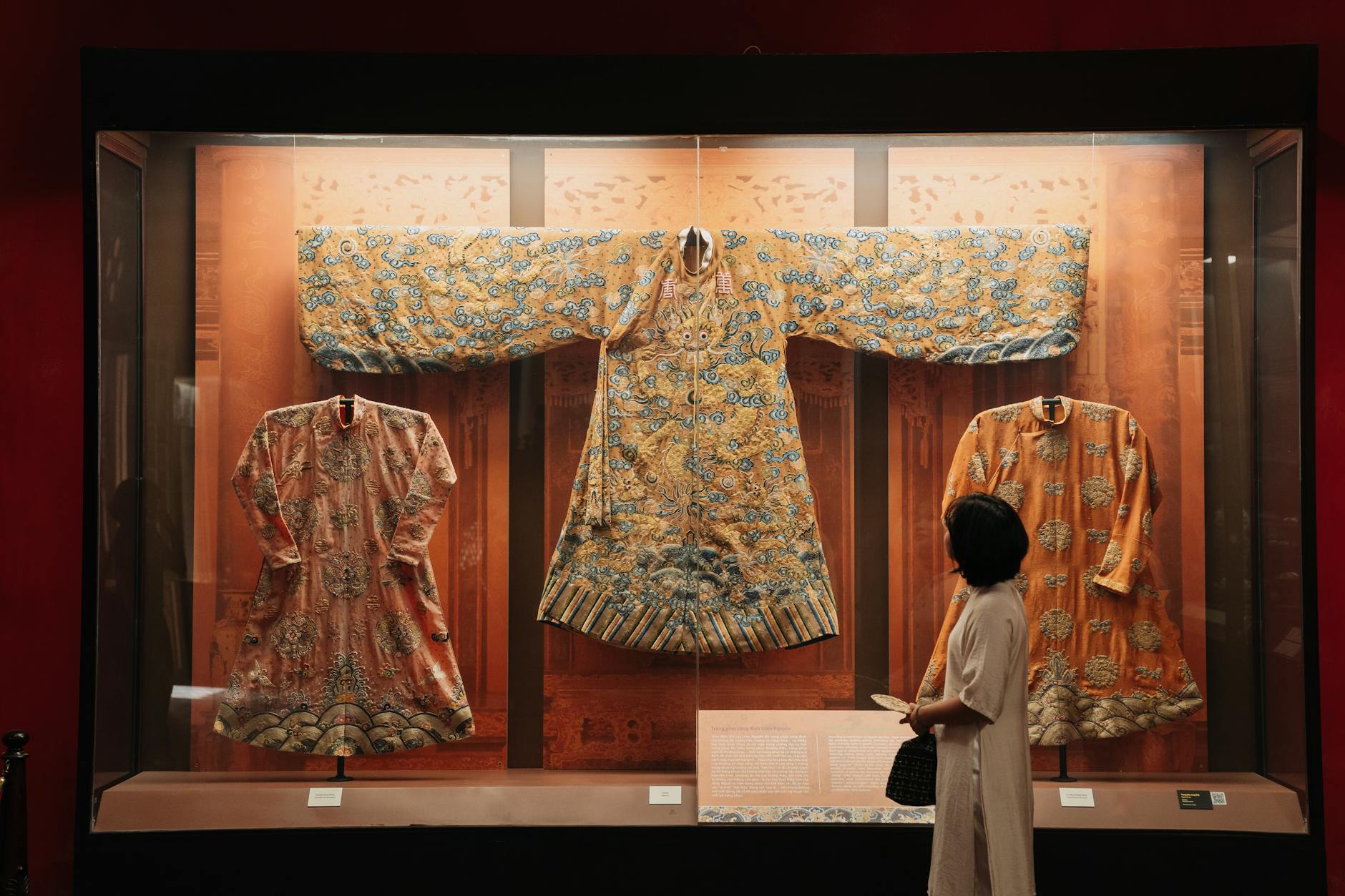
The single best museum deal in Munich is the €1 Sunday admission at state-run museums. The Alte Pinakothek, Pinakothek der Moderne, Museum Brandhorst, Sammlung Schack, Glyptothek, and Staatliche Antikensammlung all participate — six major museums for €6 total on a single Sunday. Arrive early; lines can form.
For travelers planning multiple visits across a stay, the Fünf-Tage-Ticket (5-Day Ticket) covers state museums including all three Pinakotheks for €29, which is the best deal if you plan to visit more than two state museums across a few days. Individual Pinakothek day combos also exist for €12 per day covering all three sites on that date.
The München Card and CityTourCard both include museum discounts. Many museums offer free admission to under-18s, and student and senior discounts apply with valid ID. See our Munich museum pass guide for detailed math on when each option pays off.
Museum Itineraries by Interest
Because Munich has so many museums, picking well is more important than picking many. Here are suggested clusters by traveler interest:
For classical art lovers: Alte Pinakothek, Neue Pinakothek (when reopened), Schackgalerie, Lenbachhaus, and the Residenz. This cluster covers roughly 600 years of European painting from Gothic altarpieces through Impressionism, and two of the venues include substantial royal decorative arts.
For modern and contemporary art: Pinakothek der Moderne, Museum Brandhorst, Haus der Kunst, MUCA, and Villa Stuck. Together these five cover everything from early modernism through today’s emerging contemporary practice.
For science and technology: Deutsches Museum (the main venue on the island), the Verkehrszentrum (transport branch), the Flugwerft Schleissheim (aviation branch, 20 minutes north by S-Bahn), and BMW Welt/Museum. All together form one of the world’s strongest science-and-tech cultural clusters.
For history: Munich Residenz, NS-Dokumentationszentrum, Jüdisches Museum, Bavarian National Museum, and the Schatzkammer (Treasury). This sequence moves you from royal medieval Bavaria through the complexity of the 20th century.
For world cultures: Museum Fünf Kontinente, Staatliches Museum Ägyptischer Kunst, Glyptothek, Staatliche Antikensammlung. A less-obvious cluster that covers extraordinary world heritage.
How to Plan a Museum-Focused Day
A well-structured museum day in Munich follows a handful of rules. Start early — most major museums open at 10 a.m., and the first hour is always the quietest. Pace yourself — two major museums a day is the realistic cultural limit for most visitors without going numb. Mix formats — after a morning at the Alte Pinakothek, something completely different (the Residenz Treasury, or the BMW Museum) recovers your attention in a way another art gallery won’t.
A sample museum-heavy day: 10 a.m. arrival at Alte Pinakothek; 12:30 p.m. walk south to lunch at Café Luitpold; 2 p.m. Residenz Treasury and Ornate Rooms; 5 p.m. coffee break at Tambosi; 6 p.m. evening opera performance at the Nationaltheater (pre-booked standing or upper-balcony tickets). Total cost: about €45-€70 per person depending on opera seat. An unforgettable cultural day.
For a less intense version, plan one major museum per morning, use afternoons for free activities (parks, churches, walks), and concentrate paid museum spend on a single Sunday with €1 admission.
Hidden Gems: Museums Most Visitors Miss
A handful of smaller Munich museums consistently underwhelm on guidebook lists but over-deliver in person. The Villa Stuck in Bogenhausen is one of the single most beautiful buildings in Munich — Franz von Stuck designed every detail of his own home, from the hand-painted ceilings to the custom-made furniture, and the result is a Gesamtkunstwerk (total artwork) unlike anything else in the city. The Schackgalerie near the Prinzregententheater houses one of the best small 19th-century German painting collections anywhere. The Alpine Museum on the Praterinsel island (reopened in 2024 after renovation) tells the story of Alpine mountaineering with evocative artifacts and historic equipment.
Two more to know: the Nymphenburg Marstallmuseum (Royal Carriage Museum), at Nymphenburg Palace, is a stunning collection of royal coaches and horse-drawn vehicles, including the fantastical carriages of “Mad” King Ludwig II. The Bier- und Oktoberfestmuseum near Viktualienmarkt is a small but charming history of Munich’s brewing tradition, with a cozy beer-cellar café attached. Both are relatively quiet, reasonably priced, and often more memorable than the bigger anchor institutions.
Museum Etiquette and Practical Tips
Munich museums generally allow personal photography (no flash, no tripods) in permanent collections. Special exhibitions often forbid photography entirely — always check signage at the entrance. Large backpacks must be checked at coat counters. Most museums offer audio guides in English for €3-€5; at the Deutsches Museum especially, the audio guide is worth the small fee.
Mondays are when most museums close — plan cultural days for Tuesday through Sunday, and use Mondays for outdoor sightseeing or day trips. Most museums extend hours on Thursdays or one evening per week; the Pinakothek der Moderne stays open until 8 p.m. on Thursdays. Always check the specific museum website before planning your day, as individual hours and closures vary.
Making the Most of the Residenz
The Residenz deserves an extra section because it’s easy to get wrong. The complex is enormous — ten separate courtyards, three distinct museums, and 130 public rooms — and most visitors try to see everything in a single morning and leave exhausted without having really absorbed any of it. A better strategy: pick your focus.
For the highlights: the Antiquarium (the 60-meter-long Renaissance sculpture gallery, arguably the most spectacular single room in the Residenz), the Ornate Rooms (the rococo ceremonial apartments), and the Ahnengalerie (the Ancestral Portrait Gallery).
For decorative arts lovers: the Schatzkammer (Treasury) as a standalone visit. It houses 1,300 years of Wittelsbach ceremonial objects, crown jewels, liturgical vessels, and reliquaries — including the Crown of Henry II and the Statuette of St. George. Many visitors rate the Treasury above the rest of the palace for sheer craftsmanship density.
For opera history: the adjoining Cuvilliés Theatre, a rococo court theatre where Mozart premiered Idomeneo in 1781. It’s a separate ticket but worth it for classical music fans; the interior is exceptionally well-preserved.
Allow 3-4 hours minimum; 5-6 if you’re doing the Treasury and theatre as well. An audio guide is essential — the rooms are labeled but not interpretively signed. See our Residenz guide for a room-by-room tour strategy.
Temporary Exhibitions and Special Events
Munich’s museums host a consistently strong lineup of temporary exhibitions. The Haus der Kunst on Prinzregentenstraße specializes in major international contemporary shows. The Kunsthalle München in the Fünf Höfe passage does a rotation of themed exhibitions that are usually worth checking. The Museum Brandhorst and Pinakothek der Moderne both regularly mount ambitious curated shows.
The annual Lange Nacht der Museen (Long Night of Museums) in October is one of the city’s best cultural events — a single €20 ticket (plus fees) gets you into more than 100 museums and venues from 6 p.m. until 1 a.m., with free shuttle buses running between them. If your trip coincides with this event, don’t miss it. Check the official museenmuenchen.de site for current exhibition schedules.
Museums for Kids and Families
Several Munich museums are genuinely excellent for families. The Deutsches Museum’s Kinderreich (Children’s Kingdom) is one of Europe’s best interactive children’s museum sections, aimed at ages 3-8 with hands-on water, building, and sound installations. The Verkehrszentrum (Transport Center, part of the Deutsches Museum, in a separate building near Theresienwiese) is packed with trains, cars, and motorcycles kids can walk around and sometimes climb on.
The BMW Museum draws car-obsessed older kids; the Münchner Stadtmuseum has a puppet theatre museum beloved by younger visitors. The Museum Fünf Kontinente runs good kids’ programming. Most state museums are free for under-18s, making family museum days remarkably affordable.
Frequently Asked Questions
What’s the best museum in Munich?
The Deutsches Museum is the largest and arguably most varied, with something for every visitor. For art, the Alte Pinakothek is the single most important collection. For royal history, the Residenz. Pick based on your interests; all three are world-class.
How much do Munich museums cost?
Standard state museum admission is €7-€15. State-run museums (Pinakotheks, Glyptothek, Brandhorst) charge just €1 on Sundays. Special exhibitions add €5-€15. BMW Museum €17, Deutsches Museum €15, Residenz €9.
Are Munich museums open on Mondays?
Most state-run museums are closed on Mondays. Deutsches Museum, BMW Museum, and Jewish Museum also close Mondays. Always check individual museum websites for current hours.
Can I photograph inside Munich museums?
Usually yes in permanent collections (no flash, no tripods, no selfie sticks). Special exhibitions often prohibit photography. Always check signage at entries.
What’s the best museum for kids in Munich?
The Deutsches Museum’s Kinderreich for ages 3-8, the main Deutsches Museum for older kids interested in science, and the BMW Museum for car enthusiasts. The Transport Center (Verkehrszentrum) branch of the Deutsches Museum is also family-friendly.
How many days do I need for Munich’s museums?
To see the three essential museums (Deutsches Museum, a Pinakothek, Residenz) properly, budget three half-days minimum. To dig deeper into the Kunstareal, BMW, and specialty collections, a full museum-focused week is easy to fill.
Which Munich museums are free or €1 on Sundays?
The €1 Sunday deal applies to Bavaria’s state-run museums, and it is the best cultural bargain in any major European capital. The headline participants are the Alte Pinakothek, the Pinakothek der Moderne, Museum Brandhorst, the Sammlung Schack, the Glyptothek, and the Staatliche Antikensammlung — six serious museums for €6 total on a single Sunday. Note that special exhibitions inside those museums often still carry their own charge. Genuinely free year-round venues include BMW Welt (the showroom, not the BMW Museum) and most of Munich’s great churches. The Deutsches Museum, the Residenz, and the BMW Museum are not part of the Sunday scheme. Arrive when doors open, because the queues build quickly. Our free museums in Munich guide lists every participating venue and its Sunday hours.
Do I need to book Munich museum tickets in advance?
For most museums, no — you can buy at the door and walk straight in on a normal weekday. Advance booking earns its keep in three situations: blockbuster special exhibitions (which sell timed slots and do sell out), the busiest summer Saturdays at the Deutsches Museum, and €1 Sundays at the Pinakotheks, where booking an online slot lets you skip the longest queues even though the price is the same. The Residenz rarely needs pre-booking outside peak season. If your trip hinges on one specific exhibition, check its page the week before and reserve; otherwise stay flexible and let the weather decide your museum days. Either way, our Deutsches Museum guide and the individual venue sites have current booking links.
Is a Munich museum pass worth it?
It depends entirely on your pace. If you plan to visit several state museums across a few days, the Fünf-Tage-Ticket (5-Day Ticket) at around €29 covers all three Pinakotheks, Brandhorst, and more — easy value if you will hit four or more. But if your trip falls over a Sunday, the €1 admission undercuts every pass, so a single well-planned Sunday can be cheaper than any ticket. The München Card and CityTourCard bundle transport with museum discounts rather than free entry, so they pay off mainly if you are also riding the U-Bahn heavily. Do the simple arithmetic for your own list before buying. Our Munich City Card comparison runs the numbers on each option.
Tackling the Deutsches Museum: A Strategy for the World’s Biggest Science Museum
The Deutsches Museum is the largest science and technology museum on earth, and that scale is both its glory and its trap. Spread across a building on its own island in the Isar, it shows about 125,000 objects across fields from mining to aerospace — far more than anyone can absorb in a day. Walk in without a plan and you will drift, exhausted, through hall after hall and leave having truly seen none of it. Treat it like a curated visit instead and it becomes one of the most rewarding museum experiences in Europe.

Start by choosing two or three halls before you arrive, not after. The reliable crowd-pleasers are the historic aviation hall, the full-size mining tunnel reconstruction in the basement (a genuine descent, not a diorama), the marine navigation hall with its sectioned ships, and the daily high-voltage demonstration, where staff conjure six-foot artificial lightning bolts — check the board for times and plan your route around one. Families gravitate to the Kinderreich children’s area on the lower level. If physics or astronomy is your thing, the planetarium carries a small surcharge and is worth it.
A few logistics save the day. The museum sits a short walk from the Isartor S-Bahn stop, or take tram 16 to Deutsches Museum — see our getting around Munich guide for the quickest line from your base. Note that the museum is mid-way through a long modernization, so some sections rotate in and out of closure; check the official site before you commit a full day. Crucially, the Deutsches Museum is not a state art museum and does not take part in the €1 Sunday deal, so standard admission of around €15 applies every day — budget for it rather than expecting the Sunday trick to apply here. Pair a half-day inside with a late-afternoon walk along the Isar, or fold it into a broader plan using our things to do in Munich guide. Pacing beats completeness: see three halls properly and you will remember them; attempt all fifty and you will remember none.
Plan Your Cultural Munich
Munich’s museum scene rewards curiosity and rewards planning. Pick three or four key institutions that match your interests, aim for a Sunday to maximize €1 admissions, leave Mondays for day trips or outdoor sightseeing, and intersperse paid museums with the city’s abundant free cultural life. A museum-focused Munich trip is one of the best-value cultural holidays in Europe — comparable in institutional quality to Paris or London, but at a fraction of the cost once you know the Sunday trick and the Kunstareal’s geography.
Pair this pillar with our things to do in Munich guide for broader sightseeing, our accommodation guide to pick hotels near your museum priorities, and our transport guide to move efficiently between venues. Munich’s cultural depth takes many visits to explore properly — but a thoughtful first trip gives you enough orientation to come back for the specific collections that most interest you.
One more practical note on pacing. Experienced museum travelers in Munich often follow what’s called the “three-and-three” rule: three hours in a museum, then three hours of café time, walking, or outdoor activity, then (optionally) another three-hour museum session later in the day. The structure prevents cognitive fatigue and lets individual objects land more meaningfully. Munich rewards slow museum-going more than most cities because the collections are so good that rushing them is genuinely wasteful. You’ll see more memorable art in three hours at the Alte Pinakothek than in six hours at the Louvre, if the three hours are unhurried and the six are a sprint. The city also rewards multiple short visits over single marathons. A Pinakothek season ticket (€29 for five days of unlimited state museum admission) lets you return to favorite galleries for an hour at a time across a week, revisiting the paintings that most struck you on the first pass. This is how locals use these museums — treating them as ongoing cultural resources rather than one-shot tourist boxes to check. Adopt that habit even for a week-long visit and your cultural experience deepens significantly. A closing thought: Munich is not a city that performs its culture for tourists. Its museums exist primarily because Munich genuinely is a cultural city — the Wittelsbachs collected art for 500 years because they loved it, Munich’s 19th-century industrialists built the Deutsches Museum because they believed in the idea of public scientific education, and the city’s current leadership maintains the Sunday €1 policy because it values culture as a civic good. Visiting Munich’s museums is, in a small way, participating in that ongoing commitment. Take your time in the galleries. Stand in front of individual paintings long enough to actually see them. Sit in the Residenz Treasury and absorb what 1,300 years of accumulated royal taste looks like. Let the Deutsches Museum overwhelm you with its scale and then pick just one hall to learn thoroughly. That kind of slow, deep engagement is what Munich museums are really designed for — and it’s what delivers the trip you’ll remember ten years from now. Servus, enjoy the galleries, and we’ll see you at the Kunstareal. And one final thought for travelers on multi-day trips: don’t treat the museums as a separate category of activity. Weave them into the rest of the Munich experience. A morning at the Alte Pinakothek pairs beautifully with an afternoon at the Hofgarten and an evening at a Glockenbachviertel restaurant. A Deutsches Museum day pairs naturally with a late-afternoon Isar-riverside beer. The Residenz pairs with a Maximilianstraße walk and a traditional Bavarian dinner afterward. Munich’s cultural venues and its everyday life are deliberately close together geographically, and treating them as part of a single rhythm rather than separate boxes on a checklist is what makes a cultural Munich visit feel unified rather than exhausting. Go slow, see less, look longer — and leave with the sense that you genuinely understand why Munich remains one of Europe’s great cultural capitals after five centuries of continuous Wittelsbach and civic investment. Few travelers come here expecting a cultural trip of this depth; even fewer leave unimpressed. Come prepared to be pleasantly overwhelmed, and Munich’s museums will meet that expectation every single day of your visit. The quiet miracle of Munich is that a city of 1.5 million people maintains cultural institutions of a scale that rivals capitals five times its size — and does so while making access genuinely affordable through the €1 Sunday policy and its generous under-18 free admission. That civic commitment is what lets you, as a visitor, experience a museum landscape that would be financially painful almost anywhere else. Take advantage. Walk into the Alte Pinakothek on a Sunday morning and stand in front of Dürer’s self-portrait for as long as you want. Climb to the upper galleries of the Pinakothek der Moderne and let the design wing show you a hundred years of industrial beauty. Sit in the Residenz Treasury and understand, finally, what centuries of accumulated royal taste actually look like. The museums are here because Munich believes they matter. Your job as a visitor is to show up and agree. Bis bald, and safe travels through one of Europe’s quietest, deepest, and most consistently rewarding cultural cities. The collections are extraordinary, the institutions are welcoming, the pricing is extraordinarily fair, and the sheer density of world-class venues in a walkable footprint is unmatched in any city of Munich’s size. Visitors who arrive expecting three days of “a few museums” nearly always leave having done six or seven of them and wishing they had more time — and they almost always come back. Munich rewards repeat cultural trips like few other European cities, because each visit teaches you more about what’s there and what’s worth returning to. Book your first trip with modest expectations and you’ll leave planning a second. Plan a second and you’ll discover entire wings you missed on the first. That’s the long-tail reward of Munich’s cultural depth, and it’s one of the single best reasons to make this city a recurring stop in your European travels rather than a one-and-done weekend break.
Further Official Resources
For real-time updates, pricing, and booking details beyond this guide, we recommend cross-referencing with the official Pinakothek museums site, the Deutsches Museum, the Munich Residenz. These authoritative sources maintain current information and are the original primary sources for much of the data used throughout this guide.
We update this Munich museums guide guide regularly to reflect seasonal changes, new venues, and reader feedback — bookmark it and check back before your trip. For related planning, explore the rest of our Munich travel guides linked throughout this article.