Munich Opera, Theater & Classical Music (2026)
Experience Munich's performing arts. Bavarian State Opera, Munich Philharmonic, Münchner Kammerspiele, ticket tips and dress codes.
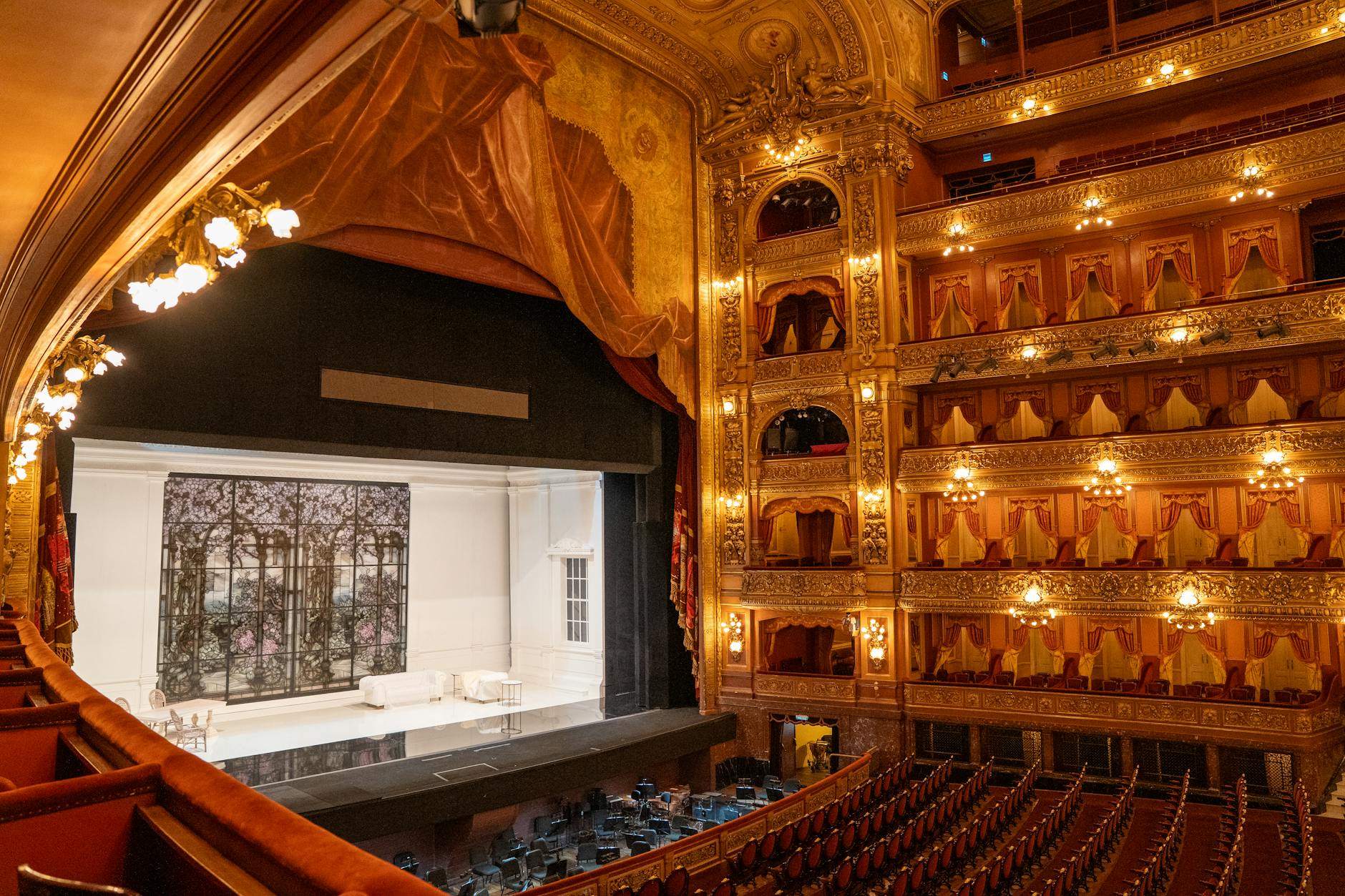
Munich’s performing arts scene is one of Europe’s richest. The Munich opera theater tradition dates to the 1750s and continues today at the world-class Bavarian State Opera and the historic Cuvilliés Theatre. Add to that the Munich Philharmonic (one of Germany’s top orchestras), the Münchner Kammerspiele (one of Germany’s premier theaters), and dozens of smaller venues, and the city offers serious performing arts almost any night of the year. This guide covers Munich’s main opera, theater, and concert institutions, ticket strategies, dress codes, festival seasons, and how to integrate live performance into a Munich visit.
Munich Performing Arts at a Glance
| Venue | Programming | Ticket Range |
|---|---|---|
| Bavarian State Opera (Nationaltheater) | Opera, ballet, world premieres | €15-€350 |
| Cuvilliés Theatre | Historic rococo opera; chamber works | €20-€150 |
| Munich Philharmonic (HP8 venue) | Symphony, chamber, conductor series | €20-€150 |
| Münchner Kammerspiele | Contemporary German theatre | €10-€60 |
| Bayerisches Staatsschauspiel (Residenztheater) | Classical and modern theatre | €15-€80 |
| Prinzregententheater | Ballet, opera, concerts | €20-€150 |
| Volkstheater | German contemporary theater | €10-€50 |
| Schauburg | Children’s theater | €8-€20 |
| Cuvilliés Theatre (visits without tickets) | Tour only | €5-€15 |
| Pasinger Fabrik | Off-mainstream alternative theater | €10-€30 |
| Black Box at the Gasteig | Smaller chamber music | €10-€40 |
| BR-Klassik concerts | Bavarian Radio Symphony | €20-€150 |
| Hochschule für Musik student concerts | Often free or €5 | Free-€15 |
The Bavarian State Opera (Bayerische Staatsoper)
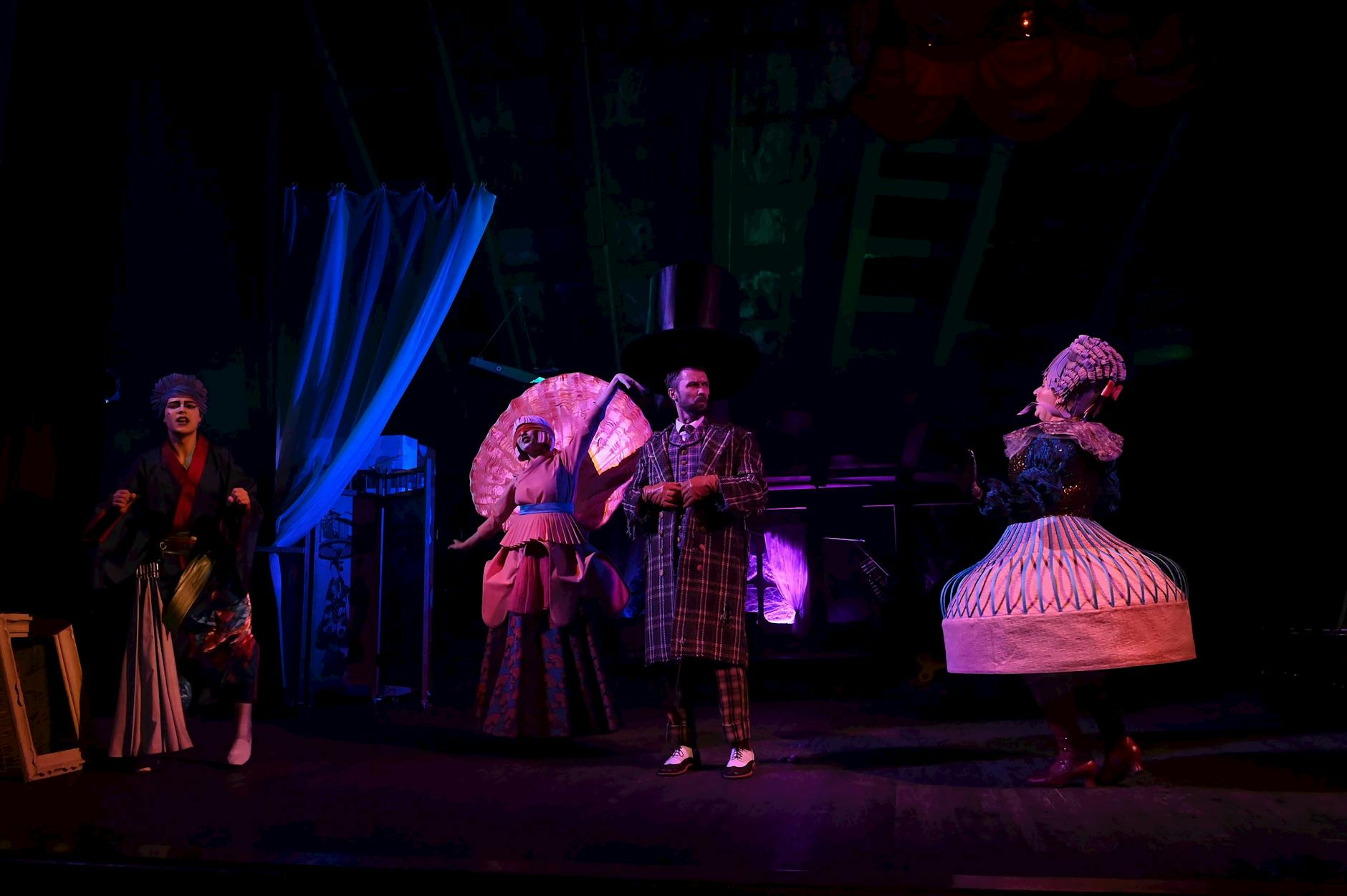
The Bavarian State Opera traces its origins to 1653 and remains one of the world’s most prestigious opera houses. Performances take place at the magnificent Nationaltheater on Max-Joseph-Platz, the smaller Prinzregententheater, and occasionally the Cuvilliés Theatre. The opera’s season runs September to July with roughly 350 performances annually, including 30+ different productions. Music director Vladimir Jurowski (until 2026) leads one of Europe’s finest opera orchestras.
Recent and upcoming seasons regularly feature Mozart (Munich is one of his favored cities), Wagner (the local connection is strong), Strauss (Strauss premiered several operas here), and contemporary new commissions. The opera house celebrates Bavarian regional repertoire alongside the standard international canon. Ballet performances by the Bayerisches Staatsballett also use the Nationaltheater regularly.
Munich’s Other Major Opera and Music Venues
Cuvilliés Theatre
Munich’s rococo jewel — built 1751-1755 by François de Cuvilliés inside the Residenz complex. Mozart premiered Idomeneo here in 1781. The 450-seat theater is one of Europe’s most beautiful spaces. Performances are typically chamber-scale opera, baroque music, and ballet. Tickets €20-€120. The theater is also visitable as part of the Residenz museum tour for those without performance tickets.
Munich Philharmonic
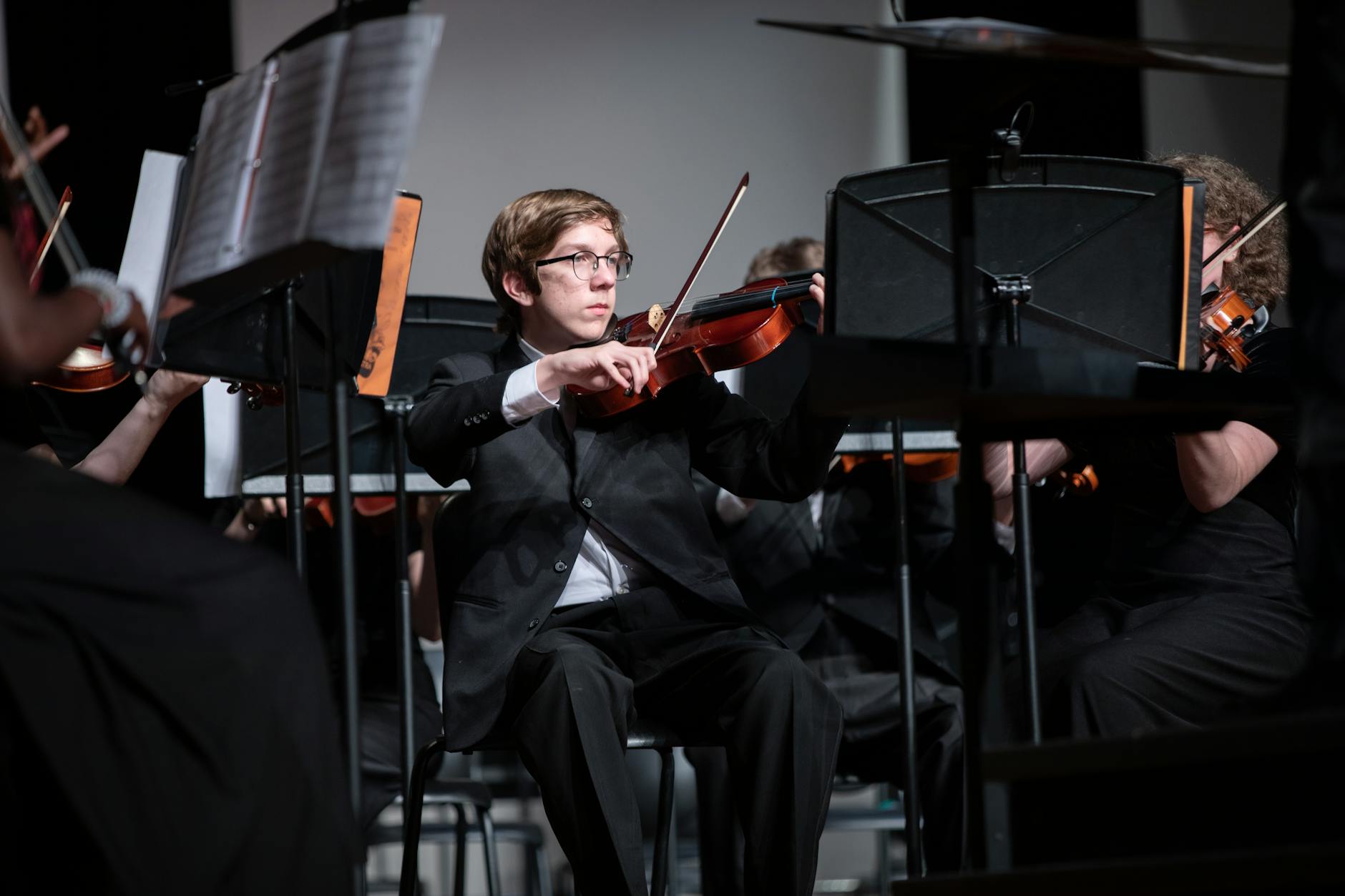
Founded 1893, the Munich Philharmonic is one of Germany’s top three orchestras, currently led by chief conductor Lahav Shani. The orchestra performs at the Philharmonie in the Gasteig (currently in renovation until 2027) and the temporary HP8 venue in Sendling. Repertoire spans Romantic to contemporary; the orchestra is renowned for Mahler, Bruckner, and Strauss. Tickets €20-€150 depending on seating and programme.
Bayerisches Staatsorchester
Resident orchestra of the Bavarian State Opera; one of Germany’s oldest. Plays opera performances at the Nationaltheater plus an extensive concert series. The orchestra dates to 1523. Performances at Nationaltheater include subscription concerts featuring chief conductors and guest stars.
Bavarian Radio Symphony Orchestra (BRSO)
Founded 1949; among the world’s elite orchestras. Recently led by Simon Rattle as chief conductor. Plays at the Herkulessaal in the Residenz, the Prinzregententheater, and the Philharmonie. Subscription concerts and special evenings dominate the programme. Tickets €30-€200.
Münchner Kammerspiele
One of Germany’s most respected theaters. Three stages on Maximilianstraße host contemporary German-language productions. Visitors with limited German may struggle with the programme; some performances offer English surtitles. Tickets €10-€60.
How to Get Tickets
Booking Direct
The Bavarian State Opera’s website (staatsoper.de) sells tickets directly; same for the Munich Philharmonic (mphil.de), Münchner Kammerspiele (kammerspiele.de), and other major venues. Direct purchase avoids resale markups.
Standing-Room Tickets
The Bavarian State Opera sells standing-room tickets (€15-€20) for most performances. Available at the box office 90 minutes before performance time. Sometimes the only way to attend sold-out evenings; arrive early.
Last-Minute Tickets
Unsold tickets release at reduced rates 60-90 minutes before performance time. The Bavarian State Opera offers student/senior discounts up to 80 percent off. Munich Philharmonic similar. Worth checking the day-of for affordable spontaneous evenings.
Online Resellers
StubHub, Viagogo, Ticketmaster sometimes have tickets when direct purchase is sold out. Prices vary; verify ticket authenticity. Better to book direct when possible.
Dress Code and Etiquette
- Bavarian State Opera (evening): Cocktail or business attire; men in suit or jacket-and-tie; women in dress or smart evening wear.
- Munich Philharmonic concerts: Business casual to formal; smart-casual is acceptable.
- Münchner Kammerspiele theater: Smart casual; jeans acceptable but no shorts.
- Day performances and matinees: Smart casual.
- Cuvilliés Theatre: Formal preferred for opera evenings.
- Photography: Not permitted inside the auditorium during performances.
- Phone use: Phones must be silenced; flash photography forbidden.
- Arrival: Aim for 30 minutes before; latecomers not always admitted.
- Intermissions: 20-30 minutes; drinks and snacks available in the foyer.
Season Highlights to Watch For
- Munich Opera Festival (Münchner Opernfestspiele) — July; the world’s premier opera festival. Tickets sell out months ahead.
- Munich Biennale — Contemporary music festival in May-June (every 2 years).
- BR Symphony season opener — Mid-September; pulls international audience.
- Munich Philharmonic New Year’s Concert — December 31; broadcast live.
- Easter Opera Festival — Saturday before Easter through Easter Monday.
- Cuvilliés Theatre Mozart cycle — Annual celebration of Munich’s Mozart connection.
Sample Performing Arts Evenings
Opera Night at the Bavarian State Opera
- 17:30 — Aperitivo at Schumann’s Bar or a Maximilianstraße restaurant.
- 18:30 — Dinner at Spatenhaus an der Oper, opposite the Nationaltheater.
- 19:00 — Walk to the Nationaltheater for the 19:00 start.
- 19:00 — Performance begins; opera lasts 2.5-3.5 hours with intermissions.
- 22:30 — Post-opera drinks at Pacific Times or Schumann’s.
Philharmonic Concert at HP8
- 18:30 — Dinner near Sendling.
- 19:30 — U-Bahn to Heimeranplatz; walk to HP8.
- 20:00 — Concert begins (90-120 minutes).
- 22:00 — Walk back to U-Bahn; return to centre.
Free and Cheap Performing Arts
- Hochschule für Musik student concerts — Free or €5; often surprisingly polished.
- Tollwood Summer Festival open-air concerts — Free outdoor stage performances.
- Klassik am Königsplatz — Free outdoor classical concerts in July.
- BR-Klassik public broadcasts — Some BR symphony concerts open to the public free.
- Music in the Park — Westpark and Olympiapark host free outdoor concerts.
- Munich Olympic Park summer concerts — Many ticketed but some free.
- Hofbräuhaus brass band performances — Free; nightly oompah evenings.
- Advent concerts at the Frauenkirche — Free; multiple choirs and orchestras.
- Wiener Platz Sunday tango — Free dance performances on summer Sundays.
Specific Performances to Watch For
Munich Opera Festival (July)
The Münchner Opernfestspiele is the world’s premier opera festival, running through July each year. Programmes pair the Bavarian State Opera’s main repertoire with major guest productions. Ticket demand is enormous; book 3-6 months ahead. International conductors and singers appear; many performances are sold out within hours of release.
Mozart Series at Cuvilliés Theatre
Munich is one of Mozart’s two German bases (Vienna being the other). The Cuvilliés Theatre hosts annual Mozart cycles each year, often featuring period-instrument ensembles or major Mozart specialists. Tickets €25-€100. The setting alone — rococo theatre where Mozart conducted his own opera — is unforgettable.
Wagner Productions
Munich was the city where Ludwig II financed Wagner’s early career and the world premieres of Tristan und Isolde, Die Meistersinger, Das Rheingold, and Die Walküre took place at the Nationaltheater. Wagner remains central to the Bavarian State Opera’s repertoire. The full Ring Cycle is performed every few years; tickets command premium prices.
New Music and Contemporary Opera
The Bavarian State Opera regularly commissions new operas and stages contemporary classics. The Munich Biennale (May-June, every 2 years) focuses on contemporary opera and music theatre. Programming alternates between mainstream classics and avant-garde works.
Pre-Performance Dining Near Venues
- Spatenhaus an der Oper — White-tablecloth Bavarian opposite the Nationaltheater. The pre-opera dining standard.
- Brenner Operngrill — Modern Brenner grill next door to the Spatenhaus.
- Schumann’s Bar — Aperitivo before opera; light bar food.
- Pacific Times — Cocktails near the Nationaltheater.
- Käfer-Schänke — Bogenhausen institution; serious dinner before or after the opera.
- Bar Centrale — Italian aperitivo near Maximilianstraße.
- Goldene Bar (Haus der Kunst) — Gilded elegance for opera evenings.
- Restaurant Tantris — Munich’s most famous fine-dining; reservation essential.
- Hofbräuhaus or Augustiner Stammhaus — Traditional Bavarian if you prefer beer hall.
Theater Beyond Opera
Münchner Kammerspiele
Munich’s most prestigious theater. Three stages on Maximilianstraße host contemporary German-language productions and German classics. Repertory includes Brecht, Chekhov, contemporary writers. Some performances offer English surtitles; check before booking. Tickets €10-€60.
Bayerisches Staatsschauspiel (Residenztheater)
Largest theater in Bavaria. Three stages including the historic Residenztheater inside the Residenz complex. Mix of classical and modern German theater. Tickets €15-€80.
Volkstheater
Munich’s third major theater; programming leans contemporary and politically engaged. Tickets €10-€50.
Smaller Theater Venues
- Pasinger Fabrik — Off-mainstream alternative theatre.
- Schauburg — Children’s theater.
- Theater im Stilbruch — Smaller experimental venue.
- Lustspielhaus — Comedy.
- Werkstattkino — Cult cinema and occasional theater events.
- Pathos — Performance art and experimental theatre.
Munich Performing Arts Year
| Month | Highlights |
|---|---|
| January | New Year’s concerts; Munich Opera season |
| February | Carnival programming; theater season peak |
| March | Strong opera and concerts |
| April | Easter Opera Festival |
| May | Biennale new-music festival (every 2 years) |
| June | Pride performances; opera spring |
| July | Munich Opera Festival (peak) |
| August | Munich Opera Festival continues; concerts at Königsplatz |
| September | New season opens |
| October | Lange Nacht der Münchner Museen |
| November | Strong opera; subscription concert series |
| December | Advent concerts; Christmas opera; New Year’s preparation |
Munich vs Other Opera Cities
- Munich vs Vienna — Both top-tier. Vienna has the Wiener Staatsoper with similar reputation; Munich has stronger Wagner heritage and the unique Cuvilliés Theatre.
- Munich vs Berlin — Berlin’s three opera houses (Staatsoper, Deutsche Oper, Komische Oper) offer more variety; Munich’s single state opera has greater consistency.
- Munich vs Milan — La Scala’s stature is unmatched but Munich’s productions are arguably more contemporary and adventurous.
- Munich vs Paris — Paris Opera has Garnier and Bastille; Munich has the Nationaltheater and Cuvilliés. Munich’s Mozart and Wagner traditions are stronger.
- Munich vs London — Royal Opera House vs Bavarian State Opera; comparable quality, different repertoire focus.
Budget Performing Arts Strategies
Standing Room Strategy
Standing-room tickets at the Bavarian State Opera (€15-€20) deliver the same musical experience as €100-€200 seats. The standing area is at the back of the parterre; arrive 60-90 minutes before the box office opens to secure good spots. This is the cheapest world-class opera experience in Europe.
Last-Minute Strategy
Unsold tickets release at reduced rates 60-90 minutes before the performance. Student and senior discounts can reach 80 percent off the listed price. Check the box office windows from 17:30 to 19:00 for evening performances.
Subscription Strategy
Multi-performance subscriptions deliver 20-30 percent discounts. For multi-night Munich visits, buying a 3-performance subscription beats buying individual tickets. The Bayerische Staatsoper offers visitor-friendly mini-subscriptions.
Free Music Strategy
Munich Hochschule für Musik student concerts, free outdoor summer concerts at Königsplatz, advent concerts at the Frauenkirche, and Munich Philharmonic public broadcasts all deliver high-quality music without paying for tickets.
Combining Performing Arts With a Munich Trip
Building one or two performing arts evenings into a Munich visit is straightforward. A typical Munich theatre evening: 18:00 dinner; 19:00 performance; 22:30 post-show drinks. The opera houses are central — the Nationaltheater on Max-Joseph-Platz is a 4-minute walk from Marienplatz. Day-time Munich tourism easily pairs with evening culture.
Sample 5-Day Munich Cultural Trip
- Day 1: Arrive; evening Munich Philharmonic concert at HP8.
- Day 2: Pinakothek der Moderne morning; afternoon English Garden; evening Cuvilliés Theatre Mozart concert.
- Day 3: Day trip to Salzburg (Mozart’s birthplace).
- Day 4: Old town walking; evening Bavarian State Opera (Wagner or Strauss).
- Day 5: Bavarian National Museum morning; evening Münchner Kammerspiele theater performance.
Ticket Booking Calendar
- March 15: Wiesn beer-tent reservations open; major opera-house spring subscription cycles announced.
- April: Munich Opera Festival programme released; tickets on sale.
- May-June: New season programme announced for the Bavarian State Opera and Munich Philharmonic.
- September: Season opens; major performances begin.
- December: New Year’s concerts; Bavarian Opera New Year’s gala.
- January: Spring subscription series sales open.
After the Performance
Post-performance Munich is alive with intermission discussions and late dinners. Major opera evenings typically end 22:00-22:30; concerts 21:30-22:30; theater 21:30-22:30. Restaurants near the major venues stay open serving late dinners. Schumann’s Bar, Pacific Times, and Goldene Bar serve cocktails until 03:00. The U-Bahn runs 24-hour Friday-Saturday on major lines.
Munich Music Education and Practice Spaces
For visitors interested in deeper musical engagement, Munich offers several opportunities:
- Hochschule für Musik und Theater München — Open recitals during semester; meet emerging musicians.
- Music in the Park (summer Sundays) — Free concerts in major parks.
- Carl Orff Forum in Schwabing — Carl Orff Foundation; concerts and master classes.
- Mozarteum collaboration — Munich works closely with Salzburg’s Mozarteum.
- Public masterclasses — Major guest artists at the Hochschule sometimes give public lessons.
- Open rehearsals — The Munich Philharmonic occasionally allows public access to dress rehearsals.
Frequently Asked Questions
Is the Bavarian State Opera worth the cost?
Absolutely. One of the world’s top opera companies; outstanding orchestra; spectacular productions. Standing-room tickets at €15-€20 deliver the full musical experience at café-priced cost; main seats from €60 buy a memorable evening. Among Munich’s strongest cultural arguments for the city as a destination.
Do I need to speak German?
For opera: most performances offer English surtitles. For German-language theater (Münchner Kammerspiele, Volkstheater): German is essential. For ballet and orchestral concerts: no German needed.
Are children allowed?
Yes, with age requirements. Most evening performances require ages 6 or 8+. Schauburg specifically programs children’s theater. Family matinees (often Sundays) suit younger audiences. The Cuvilliés Theatre during the day offers children’s tours.
When does the season start?
Mid-September. The new season opening at the Bavarian State Opera is one of Munich’s cultural events; tickets release in spring. The Munich Philharmonic also opens mid-September. Off-season runs late July through August.
Are surtitles available?
Yes at the Bavarian State Opera (German and English surtitles standard). The Munich Philharmonic obviously doesn’t need them. Theater productions at Münchner Kammerspiele occasionally offer English surtitles for international productions; check schedules.
Can I tour the opera houses?
Yes. The Nationaltheater offers tours on weekdays; €11 per person. The Cuvilliés Theatre is accessible via Residenz museum visits. Both tours include backstage areas, costumes, and historic spaces.
How early should I book?
Major productions: 2-3 months ahead. Munich Opera Festival: 4-6 months ahead. Standard repertory: 2-4 weeks. Standing-room: day of performance. Last-minute checks 60-90 minutes before performance often turn up returns.
Is the Cuvilliés Theatre worth visiting even without a performance?
Yes. The 1755 rococo theatre is one of Europe’s most beautiful spaces and is included in Residenz museum visits. Even seeing the empty auditorium is memorable. Attending a performance is the deeper experience.
What about Bavarian folk music?
Munich’s folk and brass-band scene is strong at beer halls (Hofbräuhaus, Augustiner Stammhaus, Hofbräukeller, Augustinerkeller — all feature nightly oompah bands during peak seasons). The Bavarian Folk Music Festival in late summer at Oktoberfest grounds. Bavarian-style ‘Volksmusik’ is distinct from the classical scene but equally rich.
Where can I hear Wagner specifically?
The Bavarian State Opera regularly performs the Wagner repertoire. Annual Wagner cycles and the periodic Ring Cycle are major events. Bayreuth Festival (3 hours north) is Wagner’s dedicated festival but more expensive and harder to attend; Munich is the easier Wagner pilgrimage.
Are there family-friendly performances?
Yes. Schauburg specifically programs children’s theater. The Munich Philharmonic offers family concerts and educational programmes. The Bavarian State Opera has matinee performances suitable for ages 8+ during school holidays. Most performances require ages 6-10+; some chamber and educational events welcome younger children.
How do I find current programming?
Major venue websites (staatsoper.de, mphil.de, kammerspiele.de) list current programming. The Munich tourism website aggregates major performances. Süddeutsche Zeitung and the local Tagesspiegel cultural sections list everything. The Bayerischer Rundfunk classical schedule is the most comprehensive Munich classical music listing.
Is the Bavarian State Opera season really better than other German opera houses?
Comparable to Berlin and Vienna. Munich’s strengths are the Mozart and Wagner traditions, the world-class Bavarian State Orchestra, and the historic Cuvilliés Theatre venue option. Each German opera house has its specialties; Munich is consistently in the top three nationally.
Are the opera tickets refundable?
Mostly no. Once purchased, tickets are non-refundable unless the performance is cancelled by the venue. Resale via the venue’s own ticket exchange is sometimes possible for sold-out performances. Travel insurance covering trip cancellation may help if you can’t attend.
Any final advice?
Book one performance in advance for a Munich visit; the city’s performing arts depth rewards the planning. Standing-room tickets make even the most famous performances affordable. Pair an opera or concert evening with a Bavarian beer-hall dinner before, or fine dining at Spatenhaus an der Oper.
Is Munich opera accessible to wheelchair users?
Yes. The Nationaltheater has full wheelchair access with reserved spaces; book in advance. The Cuvilliés Theatre has limited access. Munich Philharmonic HP8 venue is fully accessible. Münchner Kammerspiele has accessible spaces with advance booking.
Are guided opera-house tours available?
Yes. The Bavarian State Opera offers backstage tours on weekdays (€11, 90 minutes). Tours include the auditorium, stage, costume department, and historic spaces. Available in German with English-language tours on specific days; check the Bavarian State Opera website.
What about ballet?
The Bayerisches Staatsballett is one of Europe’s top ballet companies, performing regularly at the Nationaltheater. Repertoire spans classical (Swan Lake, Don Quixote) and contemporary commissions. Tickets €20-€150. Annual Nutcracker production is a December highlight.
What’s the best opening-night event of the year?
The Munich Opera Festival’s opening gala in July, the New Year’s Eve concert at the Munich Philharmonic, and the Bayerische Staatsoper season opener in mid-September each draw international audiences. Tickets release months ahead; the Munich opera world knows when to book.