Munich in Winter: Beyond Christmas Markets (2026)
Ice skating, day-trip skiing, cozy cafés, indoor pools, winter festivals and museums at their quietest.
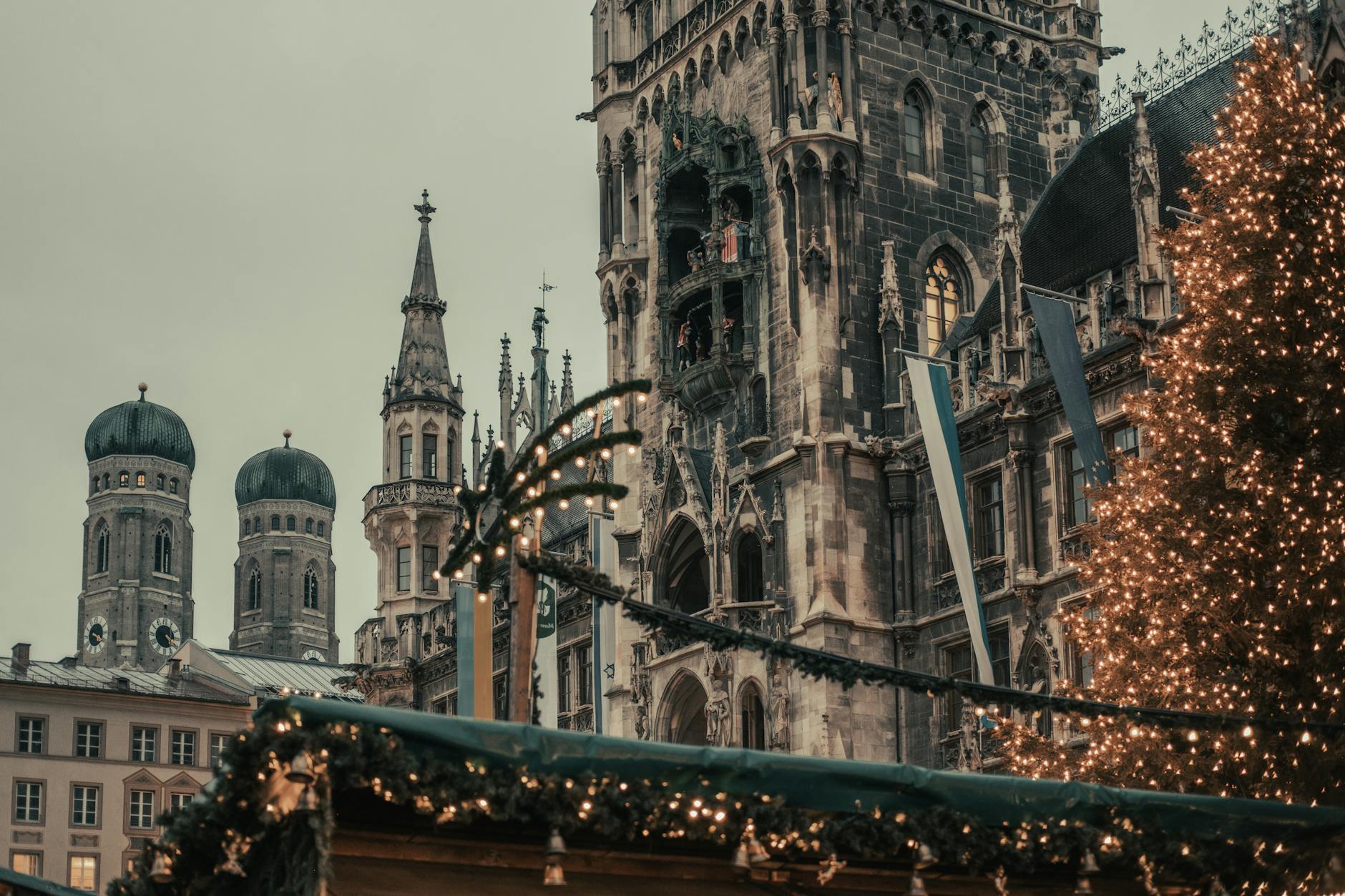
Munich’s Christmas markets get all the December attention, but Munich winter activities stretch well beyond the lit-up stalls. From late November through March, the city offers outdoor ice rinks, day-trip Bavarian Alpine skiing, indoor pools and thermal baths, cozy café culture, classical concert season, winter beer-hall evenings, and the entire museum scene at its lowest-crowd best. This guide covers Munich in winter from the markets through to the deep cold of February — what to do, where to go, what to wear, and how to make the most of one of Bavaria’s most atmospheric seasons.
Munich Winter Activities at a Glance
| Activity | Best For | Cost |
|---|---|---|
| Christmas markets | November-December magic | Free entry, food charged |
| Outdoor ice skating | Stachus, Karlsplatz, Olympia rink | €7-€10 + skate rental |
| Indoor pools and Therme Erding | Cold-day swimming | €5-€40 depending |
| Bavarian Alps skiing | Day trips to Garmisch, Sudelfeld | €50-€80 day pass |
| Museums | Quietest months Jan-Feb | €1 on Sundays |
| Cozy cafés | Wandering between cultural stops | €4-€10 per visit |
| Winter beer halls | Hofbräuhaus and others stay warm | €5-€8 per Maß |
| Classical music season | Munich Philharmonic peak season | €20-€150 per concert |
| Winter walking tours | Quieter old town tourism | Free (tip-based) |
| Snow-walking at Nymphenburg | Postcard photography | Free park access |
Outdoor Ice Skating in Munich
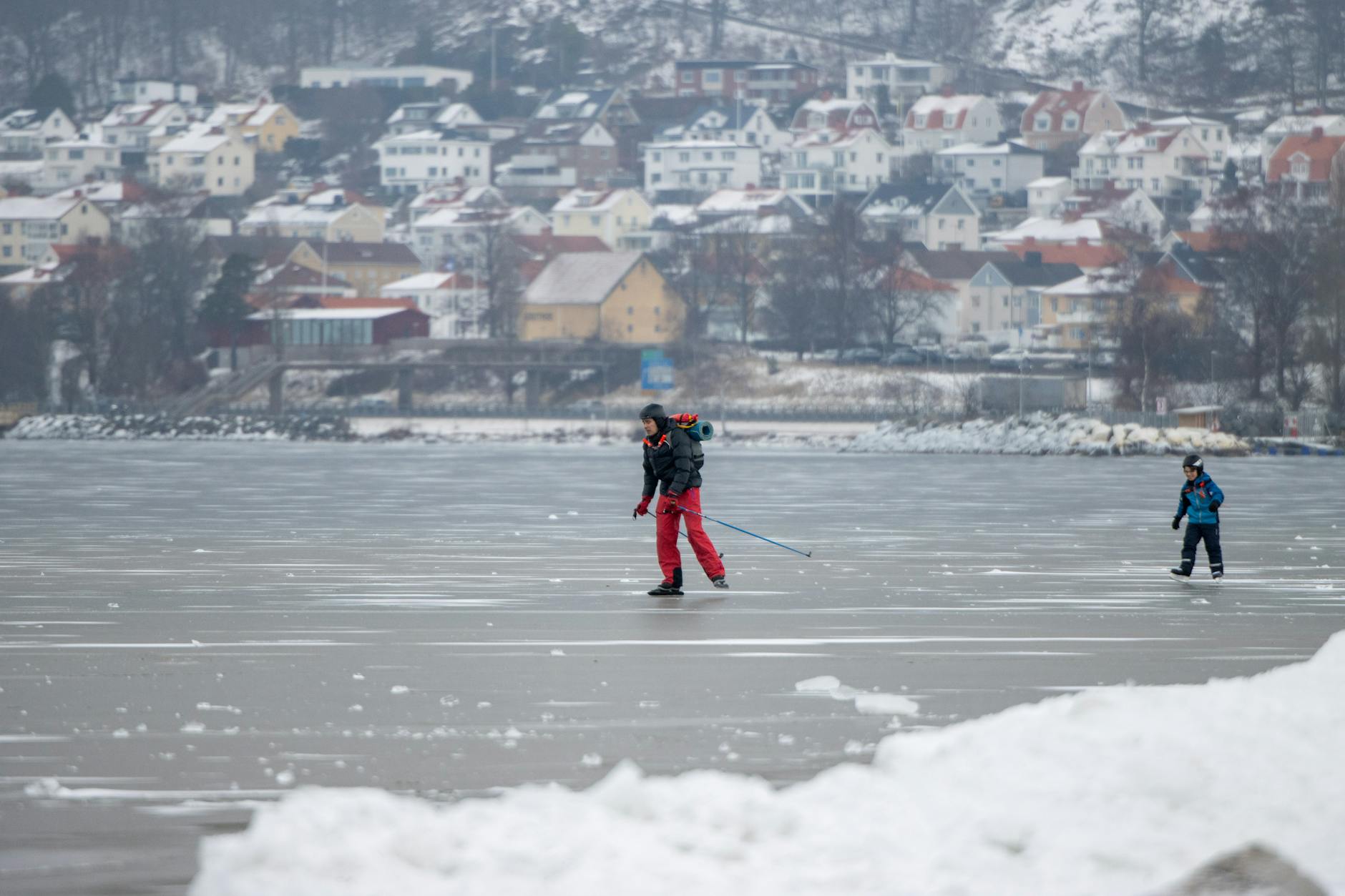
- Karlsplatz / Stachus Christmas Market Rink — Central Munich’s most famous outdoor rink. Late November through January. €7 adult, €4 child + €5 skate rental. Music, mulled wine, holiday atmosphere.
- Olympia Ice Rink (Olympia-Eishalle) — Year-round skating; the original 1972 Olympic ice hall.
- Theresienwiese pop-up rink (some winters) — Outdoor skating at the Oktoberfest grounds.
- Outdoor frozen lakes in cold winters — Westpark lake, Olympiapark lake (skate at your own risk).
- Frozen Eisbach when conditions allow — locals occasionally skate the iconic surfer wave channel.
Bavarian Alps Skiing as a Munich Day Trip
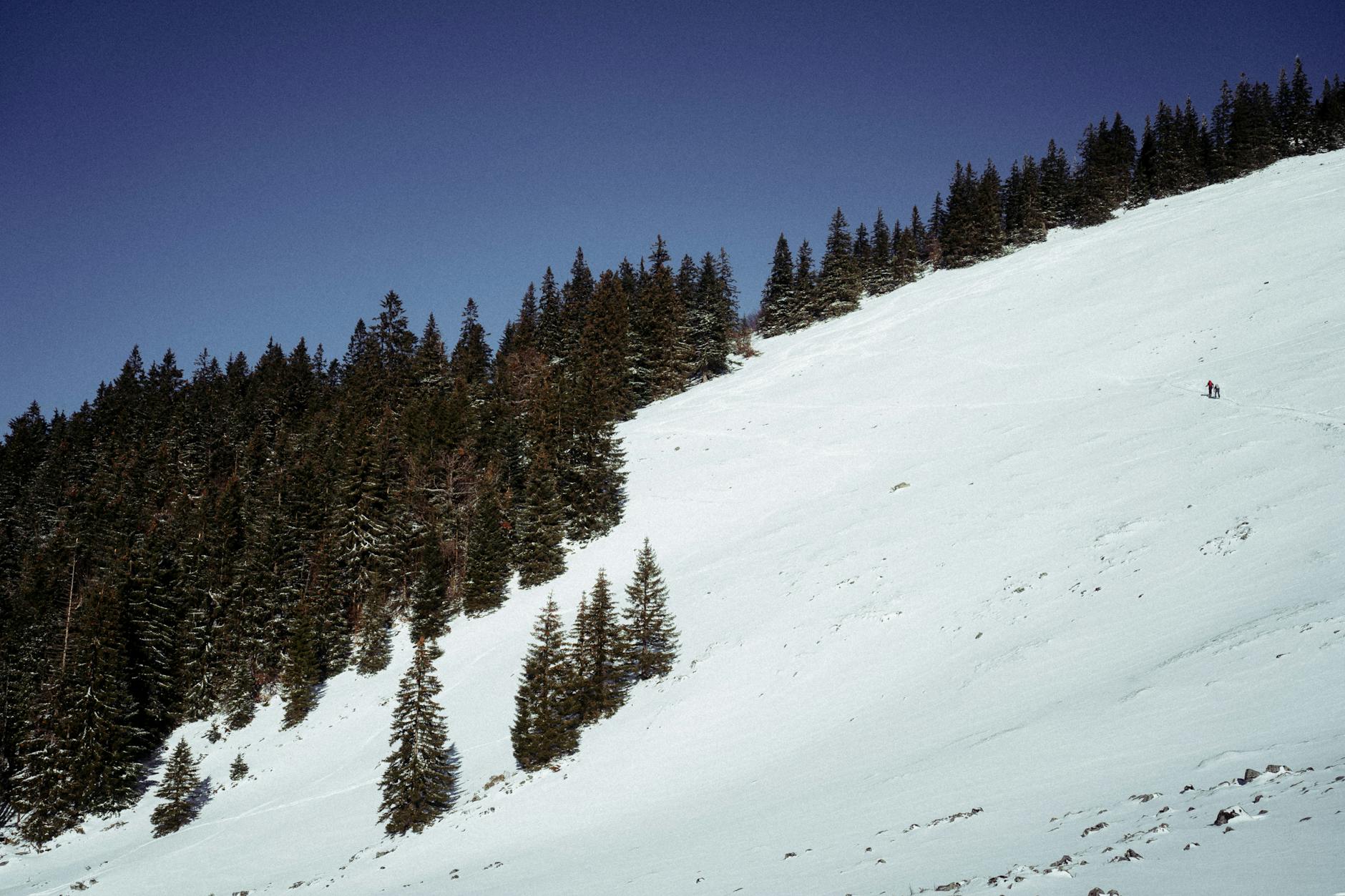
Munich’s location at the foot of the Bavarian Alps makes skiing achievable as a day trip from December through March.
- Garmisch-Classic / Hausberg / Kreuzeck — 90 minutes by train; major resort with full lift system. Day pass €60-€80.
- Zugspitze — Germany’s highest peak; €78 adult ticket (€70.50 online from 27 November 2026); spectacular Alpine views.
- Sudelfeld — Family-friendly resort, 60 minutes from Munich; cheaper, smaller, less crowded. €45-€60 day pass.
- Spitzingsee — Mid-size Bavarian resort, 70 minutes from Munich. €55-€70 day pass.
- Brauneck — Closest skiable mountain to Munich (45 minutes). €50-€65 day pass.
- Innsbruck Olympic ski areas — Across the Austrian border, 1.5 hours from Munich; great variety. Day pass €55-€75.
Lift passes can be booked online for slight discounts. Rental skis, boots, and helmets run €30 to €50 per day at most resorts. Snow conditions usually peak late January to mid-March. The famous DB Ski Train (Skizug) from Munich to Garmisch runs early morning on weekends for €30 round-trip including lift pass discounts.
Indoor Warm-Up Spots
Cozy Cafés
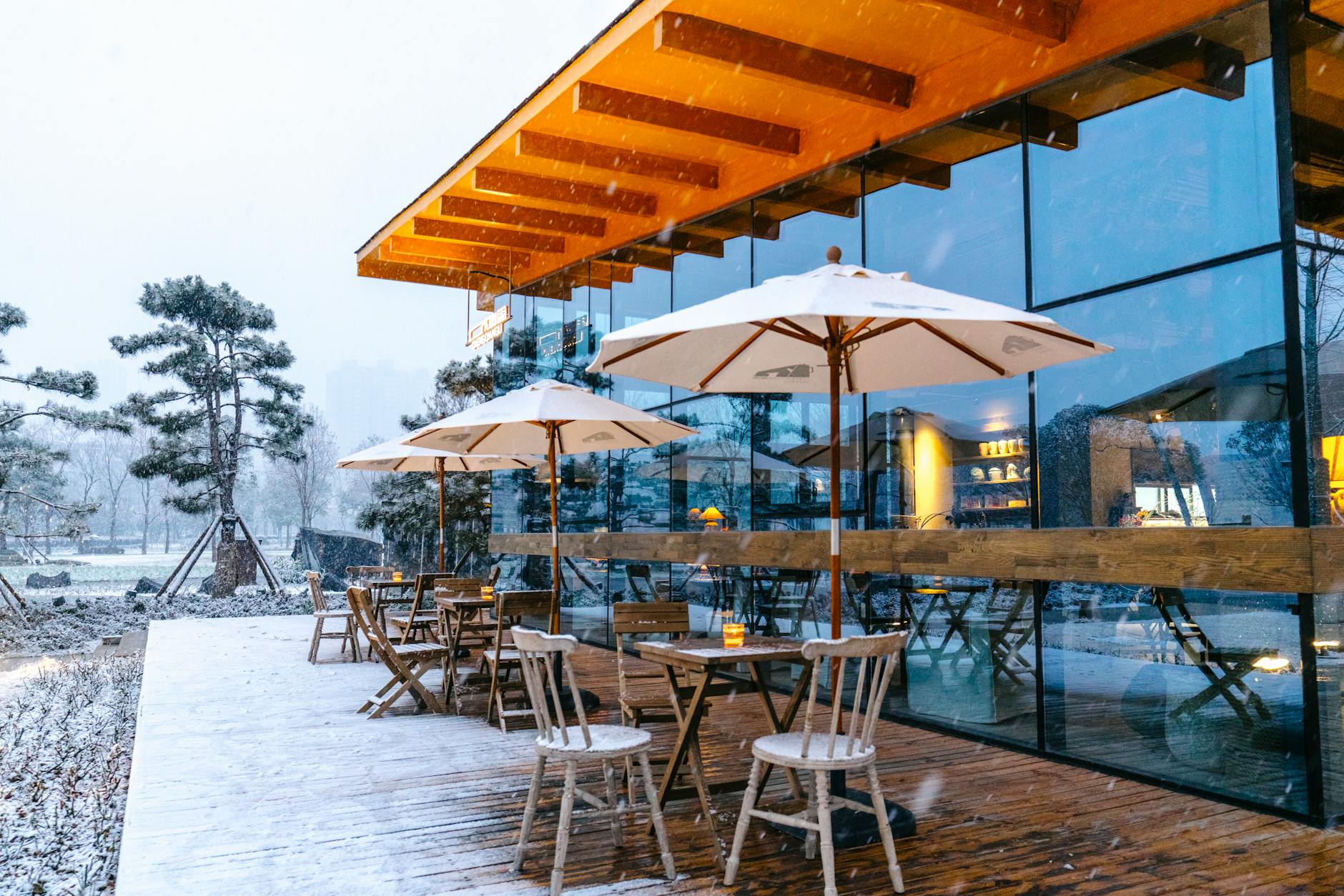
- Café Frischhut — Bavarian doughnuts and warm Apfelschorle.
- Café Luitpold — Classic Viennese-style coffeehouse on Brienner Straße.
- Café Tambosi — Munich’s oldest café (1775) on Odeonsplatz.
- Café Jasmin — Maxvorstadt 1920s atmosphere.
- Café Glockenspiel — Marienplatz views during Christmas market season.
- Schmid’s Konditorei — Reliable bakery chain.
- Wiener Café (Haidhausen) — Best apfelstrudel in Munich.
Thermal Baths and Pools
- Therme Erding — Europe’s largest thermal water park, 60 minutes by S-Bahn. Day pass €38, family €120.
- Müllersches Volksbad — 1901 art-nouveau swimming hall in Haidhausen. €5.20 adult.
- Olympia Schwimmhalle — Olympic pool; €6.90 adult.
- Westbad and Cosimabad — Family-friendly city pools.
- Sportbad Forstenrieder Park — Outdoor heated pool, open year-round.
Museums at Their Best
January and February are the quietest museum months. Sunday €1 days at the state museums are noticeably less crowded than in summer. The Pinakothek der Moderne, Lenbachhaus, and Alte Pinakothek all offer warm, quiet, contemplative visits. Special winter exhibitions often launch in January; check current programming. The Deutsches Museum’s Kinderreich is heated and family-friendly during cold spells.
The warmest refuge of all is a sauna — our Munich spas and wellness guide compares the city’s thermal baths and day spas.
Beautiful Outdoor Winter Munich
- Nymphenburg Palace under snow — One of Germany’s most photogenic winter scenes. Free park access; pavilions closed November-March.
- English Garden snow walks — Quiet paths; the Eisbach surfer wave still attracts brave surfers.
- Westpark snow lake — Sometimes frozen; always quiet.
- Olympia Park snow runs — Lit at all hours; less crowded than summer.
- Hofgarten — Small but elegant winter garden.
- Riverside Isar walks — Bundled-up walking from Marienplatz to the Deutsches Museum.
- Schloss Schleißheim — Often-overlooked palace, beautiful in snow; day trip option.
Munich’s Winter Concert Season
Munich’s classical music season peaks in winter. The Munich Philharmonic, Munich Opera, and Bavarian State Orchestra all have intensive winter programming. The Gasteig is currently in major renovation through 2027, but the Munich Philharmonic plays at the HP8 interim venue in Sendling. Major concerts: €30 to €150. Standing-room and student tickets often €10 to €25. The National Theatre and Cuvilliés Theatre host opera and ballet through winter. Many smaller venues — the Münchner Kammerspiele, the Black Box at the Gasteig — run intensive chamber programming.
Winter Festivals Beyond Christmas Markets
- Fasching (Munich Carnival) — January through Shrove Tuesday. Munich’s carnival season; smaller than Cologne or Düsseldorf but lively. Street parties at Tanzlawine; balls and parades.
- Starkbierzeit (Strong Beer Season) — Ash Wednesday through early April. Munich’s spring strong-beer festival at the Nockherberg and Augustinerkeller. Famous political-satire Derblecken event.
- Tollwood Winter Festival — Tollwood’s winter edition runs through 31 December at Theresienwiese.
- Pink Christmas Market — LGBTQ+ Christmas market in the Glockenbachviertel.
- Munich Fashion Week — January menswear; minor in scope but a small fashion-week buzz.
- Lange Nacht of various themes — Periodic late-night cultural events throughout winter.
If the markets are the reason you are coming, our guide to planning a Munich Christmas trip covers dates, booking windows and holiday closures.
For the full year at a glance, see our Munich events calendar, month by month.
Practical Tips for Winter Munich
- Layer for warmth: thermal base + sweater + wind-resistant outer.
- Insulated boots are essential for snow days; bring a spare pair if traveling for over a week.
- Gloves with smartphone-friendly fingertips for navigating with maps.
- Hat covering the ears — Munich winter winds are sharp.
- Hand-warmers for outdoor Christmas-market stretches.
- Bring or buy a small umbrella — rain is more common than snow.
- Hotels generally have hairdryers — pack a basic adapter if traveling internationally.
- U-Bahn and S-Bahn run on schedule even in snow — reliable winter transit.
- Pack thermal accessories: scarves, neck gaiters, fleece liners for jackets.
- Watch for icy pavements on cobblestones; slip-resistant soles helpful.
- Hours can shift in winter — some attractions close earlier (4 or 5 PM); check before arriving.
Sample Winter Munich Itinerary
December Christmas Magic
- Day 1: Marienplatz Christkindlmarkt, Hofbräuhaus dinner, evening Glühwein crawl.
- Day 2: Schloss Nymphenburg in snow, Augustinerkeller lunch, Mittelaltermarkt at Wittelsbacher Platz.
- Day 3: Day trip to Garmisch for skiing or scenic mountain views.
- Day 4: Museums (Sunday €1), evening at the Bayerische Staatsoper.
January-February Quiet Winter
- Day 1: Alte Pinakothek and lunch in Maxvorstadt cafés.
- Day 2: Day trip to Therme Erding thermal baths.
- Day 3: Day skiing at Sudelfeld or Brauneck.
- Day 4: BMW Welt, Olympic Park snow walk, Cosimabad indoor pool.
- Day 5: Munich Residenz and Treasury indoor exploration.
See planning your Munich trip for the wider month-by-month picture, and the Munich Christmas markets guide for December specifically.
Winter is opera season. Our guide to Munich’s theater and opera scene covers how to find seats when the weather drives everyone indoors.
Munich’s Winter Climate Month by Month
| Month | Average High | Average Low | Snow Days | What to Expect |
|---|---|---|---|---|
| November | 8°C | 1°C | 2 | Cold rain; first frost; Christmas markets open late month |
| December | 4°C | -1°C | 5 | Christmas market peak; snow likely |
| January | 2°C | -3°C | 8 | Coldest month; classic Bavarian winter |
| February | 4°C | -2°C | 6 | Quiet, cold, often sunny |
| March | 9°C | 0°C | 3 | Early spring; ski season finishing |
Hidden Munich Winter Spots
- Alter Südfriedhof — Old South Cemetery; snow-covered tombs of historical figures are atmospheric.
- Schloss Schleißheim — Often-overlooked baroque palace; spectacular in snow; small entry fee.
- Hellabrunn Zoo in winter — Tropical houses provide warm-up; reduced crowds; €23 adult, €9 child.
- Dachau Memorial Site — Quiet, deeply atmospheric in winter; free.
- Hellabrunn Christmas season — Special winter lights and reduced winter zoo prices.
- Maximilianeum and Maximilians-Anlagen — Parliament building and surrounding park in snow.
- Hofgarten and Diana Temple — Free; small enough to enjoy in cold quickly.
- Walchensee winter — Iced Alpine lake; spectacular winter scenery; day trip by S-Bahn and bus.
Winter Restaurant Recommendations
- Augustiner Stammhaus — Beer-hall warmth and Schweinshaxe.
- Schumann’s Bar — Cocktails in heated cozy interior.
- Spatenhaus an der Oper — White-tablecloth Bavarian dining.
- Wirtshaus in der Au — Knödel-focused cozy Wirtshaus.
- Goldene Bar (Haus der Kunst) — Gilded indoor elegance.
- Hippodrom — Modern German near Olympic Park.
- Mochi — Modern Japanese-inflected; popular winter dining.
- Pageou — Maximilianstraße restaurant in a former bank.
- Atelier Gourmet — Hidden Haidhausen fine dining.
- Schwabinger Wassermann — Schwabing classic with seafood focus.
Munich New Year’s Eve
Silvester in Munich is a city-wide celebration. The Marienplatz balcony hosts free music from late afternoon; Frauenkirche bells ring at midnight; fireworks erupt across the old town. The Olympic Park stages its own celebration. Most restaurants run special New Year’s Eve menus (€50 to €200 per person) requiring reservations weeks ahead. Hotels charge premium NYE rates. The Hofbräuhaus, Augustiner, and other beer halls run festive evenings. Be aware: amateur fireworks across central Munich are loud and continuous from 23:00 to 01:00. Carry earplugs if you’re sensitive.
Starkbierzeit: Munich’s Spring Strong-Beer Festival
From Ash Wednesday through early April, Munich celebrates Starkbierzeit — the strong-beer festival season. Five Bavarian breweries each tap their famous strong (8-9% ABV) doppelbock beers: Paulaner’s Salvator, Augustiner’s Maximator, Löwenbräu’s Triumphator, Spaten’s Optimator, and Hacker-Pschorr’s Animator. The launch event at Paulaner’s Nockherberg is the most famous — a satirical political event (‘Derblecken’) where politicians are publicly roasted. Tickets to the Derblecken are scarce; the broader Starkbierzeit weekends are open to the public. A unique Bavarian winter-into-spring experience that complements Christmas market traditions.
Fasching: Munich’s Carnival Season
Bavarian Fasching runs from 11 November (small) and intensifies from 6 January through Shrove Tuesday. Munich’s Fasching is less famous than Cologne’s or Düsseldorf’s, but offers serious local celebrations. Highlights include the Marienplatz Faschings-Tanzlawine (dance avalanche), the Tanz der Marktweiber (Market Women’s Dance) on Shrove Tuesday at the Viktualienmarkt, and dozens of themed balls in beer halls. Costumes are widely worn; visitors are welcome to participate. Most balls are inexpensive (€10-€30 entry); the Viktualienmarkt Tanz der Marktweiber is free and unmissable for cultural curiosity.
Winter Day Trips From Munich
Skiing Day Trips
- Garmisch-Partenkirchen — 90 min train; Germany’s top ski resort.
- Zugspitze — Germany’s highest peak; €78 for an adult ticket this winter.
- Sudelfeld — 60 min by car; family-friendly.
- Brauneck — Closest skiable mountain to Munich (45 min).
- Innsbruck — Across the Austrian border; varied terrain.
Non-Ski Winter Day Trips
- Rothenburg ob der Tauber — Medieval town in snow; Christmas market through 24 December.
- Nuremberg — Christkindlesmarkt and Imperial Castle; magical in snow.
- Salzburg — Austrian winter; ski lessons or city walks.
- Berchtesgaden — Salt mine and frozen Königssee.
- Walchensee and Kochelsee — Alpine lakes with frozen surface days.
- Therme Erding — Indoor water park near Munich.
- Andechs Monastery — Winter hike to a Bavarian monastery brewery.
- Augsburg — Roman city Christmas market.
Munich Winter Photography Tips
- Marienplatz Old Town Hall in snow — At dusk with Christmas market lights below.
- Schloss Nymphenburg in snow — Best at sunrise or low-angle morning light.
- English Garden Eisbach surfer in winter — Striking contrast of surfer and snow.
- Hofgarten under snow — Empty, formal, photogenic.
- Olympic Park tent roofs — Stark architecture against snow.
- Frauenkirche twin towers — Iconic Munich skyline with snow caps.
- Bring a polarizing filter for snow brightness.
- Foggy mornings in November and December are atmospheric — Marienplatz emerging from mist is unforgettable.
Best Hotels for Winter Munich Stays
- Hotel Bayerischer Hof — Luxury heated rooftop pool with Alpine views in winter.
- Mandarin Oriental Munich — Heated rooftop pool, spa, premium winter experience.
- Hotel Königshof — Central, traditional, warm.
- Anna Hotel by Geisel — Boutique, central, intimate winter atmosphere.
- MEININGER Hotel Munich City Center — Reliable family option for budget travelers.
- The Charles Hotel — Heated indoor pool; cozy for cold-weather stays.
- Hotel Vier Jahreszeiten Kempinski — Five-star luxury with serious winter service standards.
Winter Day Plans by Visitor Type
First-Time Visitor in December
Christmas markets dominate. Day 1: Marienplatz Christkindlmarkt and Hofbräuhaus. Day 2: Schloss Nymphenburg in snow, Augustinerkeller lunch, Wittelsbacher Platz medieval market. Day 3: Day trip to Garmisch or Rothenburg. Day 4: Museums and indoor culture. Day 5: Mittelaltermarkt and final market shopping.
Returning Visitor in January-February
Quieter cultural exploration. Day 1: Alte Pinakothek and Maxvorstadt cafés. Day 2: Day trip skiing at Sudelfeld. Day 3: Indoor pools (Müllersches Volksbad, Olympic Pool). Day 4: BMW Welt and Olympic Park walk. Day 5: Bavarian opera or concert evening; classical winter season at its best.
Frequently Asked Questions
How cold does Munich get in winter?
Average winter daytime temperatures: -2°C to +5°C. Nighttime lows commonly -5°C to -10°C. Extreme cold spells reach -15°C several days each winter. Snow is regular in January-February; rain more common in November-December. Pack for -10°C as a baseline; layer up further for extended outdoor time.
Is Munich quiet in February?
Yes. Christmas markets close; tourist numbers drop dramatically. Many of Munich’s best months for cultural visits — quieter museums, easier restaurant reservations, low hotel rates. Fasching season ends in late February; Starkbierzeit begins.
Are Christmas markets still worth visiting in January?
Most major markets close 24 December. Some Tollwood Winter Festival programming runs through 31 December. New Year’s Eve in central Munich is festive with fireworks. From 1 January, markets are gone; focus shifts to indoor cultural attractions and snow walks.
Can I see the Bavarian Alps from Munich in winter?
Yes on clear winter days. The Frauenkirche tower offers alpine views, and the Olympiaberg hill in Olympiapark is a free climb to a high vantage point while the Olympiaturm stays closed (reopening is expected during 2027). The high pressure systems of January and February often deliver the clearest mountain visibility of the year. Take a sunny morning to climb.
Is Munich a good winter break?
Excellent. The combination of Christmas markets in December, ski day trips, winter cultural depth, and 5-month cold season gives Munich one of Europe’s best winter-travel offerings. Compared to Vienna or Prague (similar pricing) or Berlin (similar climate), Munich’s proximity to the Bavarian Alps adds the alpine dimension other German cities lack.
Can I do a ski day trip without my own gear?
Yes. Rental at all major Bavarian ski resorts; skis, boots, helmets €30 to €50 per day. Book ahead in peak season. The DB Ski Train from Munich to Garmisch is the easiest option — train ticket includes basic skiing transfers.
Are Munich hotels heated well in winter?
Yes. German buildings are well-insulated and heated; Munich hotels uniformly comfortable in winter. Some boutique hotels have radiator-style heating that warms unevenly; standard chain hotels (Marriott, NH, MEININGER) deliver consistent warmth.
Is the Eisbach surfer wave still operating in winter?
Yes. The Eisbach surfer wave runs year-round. Watching surfers ride in snowsuits or with the river partially frozen is one of Munich’s most striking winter sights. Bring a warm hat; the bridge over the wave is windy.
Are Christmas markets only open evenings?
No — most run 11:00 to 21:00 weekdays, 10:00 to 22:00 weekends. Daytime visits are warmer (sun helps) and less crowded. The lighting is most magical 16:00 onward as dusk falls.
Can I ski same-day from Munich without prep?
Yes for casual skiing. Take the DB Ski Train to Garmisch at 06:50, rent gear at the base station, ski until 16:00, return on the 17:35 train. Total cost €120 to €170 including transit, lift pass, and rental. Plan ahead in peak weekends; lifts sell out at Garmisch.
Is Munich snow reliable?
Patchy. Munich sees snow most winters but not predictably. Some Januaries are crisp and dry; others bring sustained snow. The Bavarian Alps are far more snow-reliable — guaranteed snow December through March at the higher resorts. For snow photography in Munich itself, January is your best bet.
Are there free winter events?
Yes. Christmas market browsing is free. New Year’s Eve at Marienplatz is free. Bavarian Fasching street events are free. Sunday €1 museum days continue through winter. The Pink Christmas Market in the Glockenbachviertel is free. Outdoor ice skating at Stachus is paid (€7); watching skaters is free.
What about Munich Carnival vs Cologne Carnival?
Munich’s Fasching is smaller and less famous than Cologne’s, with a more locals-focused atmosphere. Cologne is Germany’s biggest carnival city, with multi-day parades attracting millions. For first-time carnival visitors, Cologne is the headliner; Munich offers a quieter, more intimate alternative. Both run roughly Ash Wednesday through Shrove Tuesday.
Is the heating in older Munich apartments good?
Variable. Most Munich apartments built post-1960 have central heating. Older buildings (pre-WWII) may have less efficient radiators. Modern hotels uniformly comfortable. Airbnb hosts generally provide adequate heating, though some older buildings can feel drafty in extreme cold. Check the heating type if booking older apartments.
Are Bavarian Alps day trips dangerous in winter?
Day trips by train to ski resorts are entirely routine. Driving in Alpine snow requires winter tires (legally mandatory in wintry conditions); rental cars typically include them October-March. Slopes are well-marked and lift-served; off-piste skiing requires avalanche awareness. For first-time alpine skiers, the major ski schools at Garmisch and Sudelfeld offer English-language lessons.
Is Munich pleasant for a non-skier winter trip?
Absolutely. The combination of Christmas markets, museums, cozy cafés, indoor pools, opera and concert season, and winter walks at Nymphenburg and the Olympic Park delivers a rich non-ski itinerary. Many travelers prefer winter Munich precisely because the ski culture isn’t necessary to enjoy the season.
Final winter Munich advice?
Embrace the cold. Layer up, find one warm-up café you love, and make peace with shorter daylight (sunset 16:30 in December). Munich winter rewards visitors who slow down and enjoy indoor culture as much as outdoor walking. Avoid Christmas Eve and New Year’s Day for shopping; many businesses close.
Plan Your Munich Trip
- Munich Christmas Markets — December specifics
- Rainy Day Activities — bad weather backups
- Best Day Trips — including alpine skiing
- Munich with Kids — winter family options
- Best Time to Visit Munich — seasonal overview