Munich Events Calendar: What’s On Month by Month
The Munich year in full — Starkbierzeit, the Frühlingsfest, the Kocherlball at dawn, Oktoberfest dates for 2026 and 2027, the Christmas markets, and the trade fairs that quietly triple hotel prices.
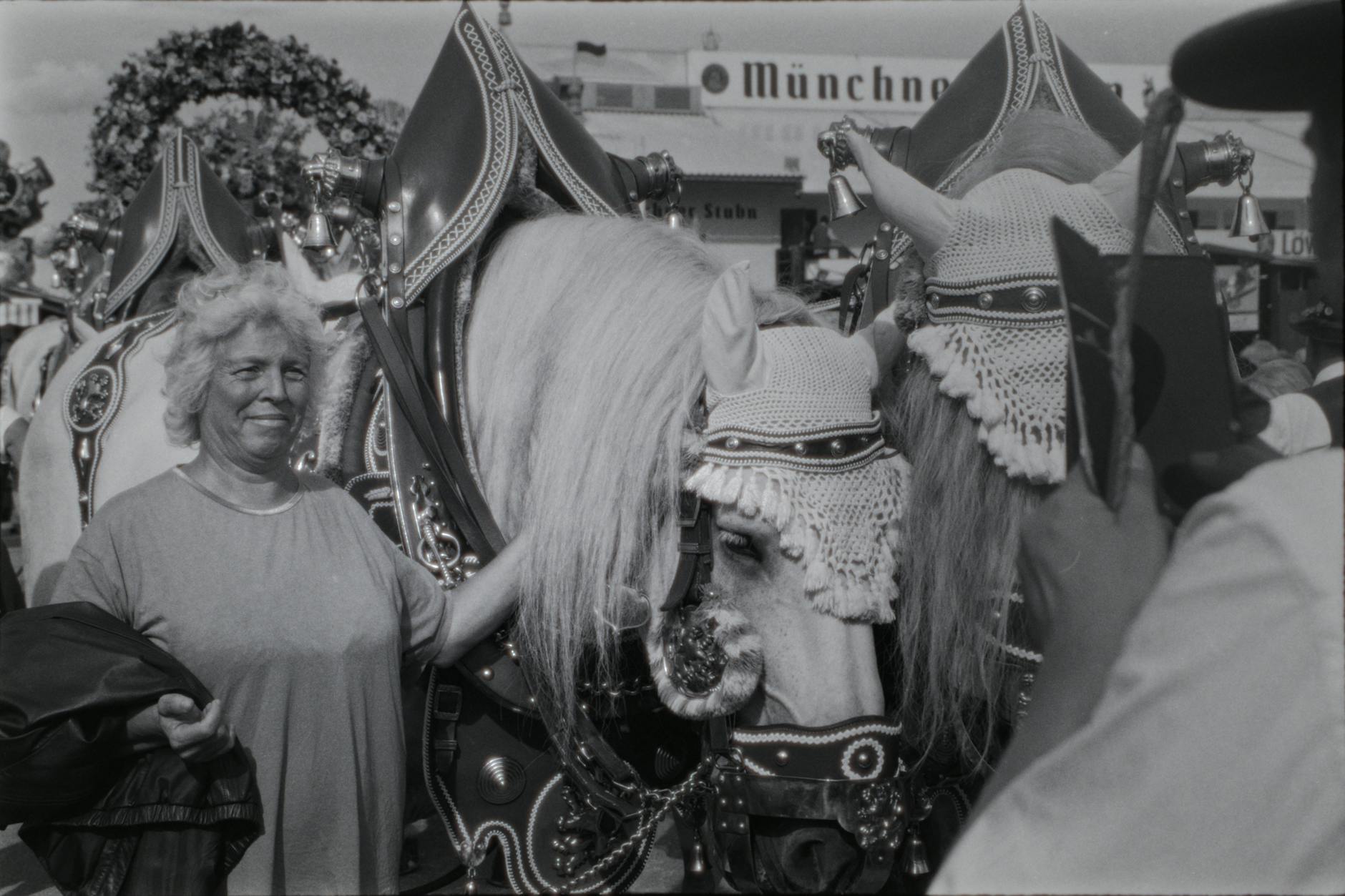
Munich has five seasons, and the one visitors have never heard of is the best. Starkbierzeit — the strong beer season, February into March — is when the breweries serve doppelbock in halls full of locals and almost no tourists, and it is a better night out than most of Oktoberfest.
This is the year in Munich, month by month, with confirmed dates where they exist and honest guidance on which events justify planning a trip around and which are simply pleasant if you happen to be here. The city runs on a festival calendar to an unusual degree, and knowing it is the difference between arriving in the middle of something and arriving in a fortnight when nothing is happening and every hotel is full because of a trade fair.
Munich events at a glance
TOKEN_HERO| Event | When | Where | Plan a trip around it? |
|---|---|---|---|
| Fasching | January to Shrove Tuesday | Viktualienmarkt, city centre | No — enjoyable if you are here |
| Starkbierzeit | February–March | Nockherberg and the beer halls | Yes — the locals’ festival |
| Frühlingsfest | 16 April – 2 May 2027 | Theresienwiese | Yes — Oktoberfest at a fifth the scale |
| Auer Dult (Maidult) | 24 April – 2 May 2027 | Mariahilfplatz | No, but go if you are here |
| Tollwood Summer | From June | Olympiapark | No — a good evening, not a reason |
| Kocherlball | July, at dawn | English Garden | Yes, if you like the peculiar |
| Opera Festival | July | Nationaltheater | Yes, for opera people |
| Oktoberfest | 19 Sep – 4 Oct 2026; 18 Sep – 3 Oct 2027 | Theresienwiese | Yes — with reservations about the cost |
| Munich Marathon | 11 October 2026 | Finishes in the Olympiastadion | Only if you are running |
| Christmas markets | Late November to 24 December | 20+ across the city | Yes — the strongest case in this table |
January and February: Fasching and the quiet weeks
January is the cheapest and emptiest month in Munich, and it has more going for it than the weather suggests. Sunset is around 16:45, the museums are quiet, the thermal spas are at their best, and hotel rates are at their annual floor.
Fasching — Bavarian carnival — builds from January through to Shrove Tuesday. Munich does not do this on the scale of Cologne or Mainz, and anyone arriving expecting Rhineland carnival will be underwhelmed. What it does have is the Tanz der Marktfrauen on the Viktualienmarkt on Shrove Tuesday, when the market women perform a costumed dance that has been going on since the 1890s, and the market drinks its way through the afternoon. It is small, local, entirely unpolished and much the best part of the season.
Honest assessment: do not plan a trip around Munich’s Fasching. Do go to the Viktualienmarkt if you happen to be here on the day.
February and March: Starkbierzeit, the fifth season
This is the recommendation of this entire guide, and almost no visitor knows about it.
Starkbierzeit is the strong beer season, running through February and March. The tradition comes from Paulaner monks who brewed a dense, malty doppelbock to sustain them through Lent — liquid bread, drunk when solid food was off the menu. The beers are strong, typically well above the usual Bavarian lager, and the season is celebrated with festivals in the beer halls, of which the Nockherberg is the famous one.
Why it beats Oktoberfest for a visitor:
- The crowd is local. Overwhelmingly so. Oktoberfest is an international event that happens in Munich; Starkbierzeit is a Munich event.
- Hotel rates are normal. Not tripled.
- You can get in. No reservation arms race, no 10:00 scramble for a table.
- The beer is better, or at least more interesting — doppelbock is a serious style and the Wiesn Märzen is not.
Insider tip: the beers are considerably stronger than they taste and they arrive in litre measures. Two doppelbocks is a genuine evening. Pace it and eat first — this is the season that catches out people who thought they knew how to drink in Bavaria. Our beer halls and breweries guide covers where to go.
April and May: Frühlingsfest and the Maidult
The Münchner Frühlingsfest runs 16 April to 2 May 2027 on the Theresienwiese — the same field as Oktoberfest, with the same brewery tents, fairground rides and roast chickens at roughly a fifth of the scale and none of the international attention.
For a lot of visitors this is the better festival. You get the Bavarian beer tent experience — the bench, the litre, the brass band, the whole thing — without needing a reservation made in March, without tripled hotel rates, and without the crowd density that makes Oktoberfest weekends genuinely unpleasant. If your dates are flexible and you want the tent experience, come in April rather than September.
Overlapping it, the Maidult runs 24 April to 2 May 2027 on Mariahilfplatz in the Au. The Auer Dult is one of Munich’s oldest institutions: a nine-day fair held three times a year, part antiques and crockery market, part small funfair, entirely unlike anything aimed at tourists. It is where Munich buys replacement cups and second-hand kitchenware. Go for the atmosphere and the crockery halls rather than the rides.
May also brings the first proper beer garden weather, which in Munich is a genuine calendar event — the Hirschgarten’s 8,000 seats begin to fill and the city moves outdoors for five months. See our best beer gardens in Munich guide.
TOKEN_FESTJune and July: Tollwood, the Kocherlball and the opera
Midsummer in Munich is light until roughly 21:30, and the calendar reflects it.
Tollwood Summer starts in June in the Olympiapark — a large, cheerfully alternative festival of music, street food, theatre and market stalls, much of it free to walk around with paid headline concerts in the tents. It is a good, easy evening and it runs for weeks. It is not a reason to book a flight.
The Kocherlball in July is the strange one, and strange in the best way. It commemorates a nineteenth-century tradition in which the city’s cooks, maids and servants — who worked every hour their employers were awake — met to dance at the Chinesischer Turm before their working day began. The revival keeps the hour. It starts at six in the morning, in the English Garden, in traditional dress, with a brass band, and several thousand people turn up. It is over by breakfast.
The Munich Opera Festival runs through July at the Nationaltheater, closing the Bayerische Staatsoper’s season with an intensive programme. This is a serious international festival and tickets for the marquee productions go early. Our theatre and opera guide covers booking.
The Jakobidult, the summer Auer Dult, runs 24 July to 1 August 2027.
August: the month nothing happens
Worth stating plainly, because guides tend not to. August is Munich’s thinnest month for events. The opera season has finished, Tollwood is winding down, Oktoberfest has not started, and a good proportion of the city is on holiday somewhere else.
What August has is weather, beer gardens and lakes, which is not nothing — it is the best month for the lakes near Munich and for the mountains. But if you are choosing dates for the events, choose another month.
August is also the worst month on the Alpine and Italian rail corridors, when the whole of northern Europe is travelling south. Factor that in if Munich is one stop of several — see our travelling on from Munich guide for the routes and when to avoid them.
There is a compensation, and it is a real one. August is when Munich behaves least like a city organised around events and most like a place people live in. The Isar gravel banks at the Flaucher fill with families, the Hirschgarten’s 8,000 seats are full every warm evening, the open-air cinemas run, and the S-Bahn out to the Starnberger See on a Saturday morning is standing room only with towels. None of it is programmed and none of it needs a ticket.
Insider tip: if you are in Munich in August and want an event to anchor a day, look south rather than in the city. The Alpine valleys run their own village festivals and church fairs through the summer, the Bavarian traditional-costume associations hold parades, and a small Oberland village festival on a Sunday afternoon is closer to what visitors imagine Bavaria is than anything on the Theresienwiese. The Bavarian Alps from Munich guide has the rail connections.
September and October: Oktoberfest
Oktoberfest 2026 runs 19 September to 4 October. Oktoberfest 2027 runs 18 September to 3 October. Sixteen days, ending on the first Sunday in October, on the Theresienwiese, and despite the name it is mostly a September event.
The honest version, which the site covers in depth elsewhere: it is genuinely remarkable and it is also expensive, crowded and hard work. Hotel rates roughly triple across those sixteen days. Tents fill by 10:00 at weekends and you will not get a table without a reservation made months earlier. The weekdays are far more manageable than the weekends, and the first Tuesday is the quietest good day of the festival.
Three things worth knowing if you are coming for it:
- Book accommodation the previous autumn, or plan to stay outside the city and commute in on the S-Bahn.
- Reservations are for tables, not people, and are generally made in blocks with a food-and-drink minimum. Solo travellers and pairs are usually better off queueing early on a weekday.
- The Oide Wiesn, the historical section, has old rides, quieter tents and a small entry fee, and is where to go if the main festival is too much.
Our Oktoberfest guide covers the festival properly, with reservations, where to stay and first-timer tips in their own articles.
Immediately afterwards comes the Munich Marathon on 11 October 2026, finishing inside the Olympiastadion, and the Kirchweihdult, the autumn Auer Dult, from 16 to 24 October 2027. Note also that the clocks go back on 25 October 2026, which takes an hour off the end of every afternoon.
November and December: the Christmas markets
If you are choosing when to visit Munich purely on events, this is the answer.
The Christmas markets run from late November to 24 December — note that they close on Christmas Eve, not after it, which surprises people who book for the week between Christmas and New Year and find the city stripped of the thing they came for. There are more than twenty markets across the city, and the difference between them is larger than the guidebooks suggest.
The Christkindlmarkt on Marienplatz is the big one, under the tree in front of the Neues Rathaus, and it is also the most crowded and the least interesting once you have seen it. The rewarding ones are the smaller and stranger markets — the medieval market at Wittelsbacherplatz, the market in the Residenz courtyard, the Pink Christmas market in the Glockenbachviertel, and the Tollwood Winter Festival on the Theresienwiese, which is a large alternative festival rather than a market as such.
Insider tip: go after dark. In December Munich is dark from about 16:30, and a Christmas market at four in the afternoon in flat grey light is a disappointing thing that looks nothing like the photographs. From 17:00 onward it is a different place entirely. Buy the Glühwein, pay the mug deposit, and return the mug or keep it — both are normal.
Our Munich Christmas markets guide ranks them properly, with the alternative markets, what to eat and Tollwood covered separately.
TOKEN_XMASThe free street festivals
Alongside the big ticketed seasons, Munich runs a layer of free neighbourhood and street events that visitors rarely hear about and that are frequently the most enjoyable thing happening on a given weekend.
- Streetlife Festival — Leopoldstraße and Ludwigstraße closed to traffic twice a year, in spring and autumn, and handed over to stalls, music and several hundred thousand people walking down the middle of a six-lane boulevard. Free, and a genuinely different view of the city.
- Corso Leopold runs alongside it, an open arts and music event on the same closed streets.
- Stadtgründungsfest in June marks the city’s founding with stages across the Altstadt, Marienplatz included. Free.
- Christopher Street Day in July — Munich’s Pride, with a parade through the centre and a weekend of events around Marienplatz. Our LGBTQ nightlife guide covers the scene the rest of the year.
- Lange Nacht der Museen — one night, usually in autumn, when dozens of museums open late on a single combined ticket with shuttle buses between them. Not free, but the best museum value of the year.
- Open-air cinema takes over several courtyards and park spaces from June to August, including the Kino, Mond & Sterne season.
These move by a few weeks year to year, so treat the seasons above as guidance and check the dates once you have booked.
Concerts, sport and the big venues
Beyond the festival calendar, four venues carry most of what happens in Munich, and knowing which is which helps when you are scanning listings.
| Venue | Getting there | What it hosts |
|---|---|---|
| Olympiastadion | U3 Olympiazentrum | Stadium concerts and athletics in summer; capacity 63,118 |
| SAP Garden | U3 Olympiazentrum | Ice hockey and basketball, September to April; some concerts |
| Allianz Arena | U6 Fröttmaning | FC Bayern, August to May, with a winter break in January |
| Nationaltheater | Marienplatz / Odeonsplatz | Bayerische Staatsoper; the Opera Festival in July |
| Königsplatz | U2 Königsplatz | Summer open-air concerts in front of the Propyläen |
| Theresienwiese | U4/U5 Theresienwiese | Oktoberfest, Frühlingsfest, Tollwood Winter |
The Königsplatz concerts are the ones worth seeking out. A summer open-air in a neoclassical square between the Glyptothek and the Propyläen is a considerably better setting than any arena, and the season is short. Our Munich sports guide covers the fixture calendars in detail.
How to find out what is actually on
Munich’s listings are good and mostly in German, and a few habits get you further than searching in English will.
- The city’s own portal and the tourist board site both run month-by-month event pages, in German and English, and they are more complete and more current than any aggregator.
- Search in German. “Veranstaltungen München” plus the month returns far more than the English equivalent. Events aimed at locals are not translated, and those are the ones worth finding.
- Check the Messe München calendar before booking accommodation, for the reason set out below.
- Look at the venue directly for opera, theatre and concerts. Resale sites list the same seats at a substantial markup, and the Nationaltheater releases returns close to the date.
- Posters and Litfaßsäulen. The advertising columns around the centre still carry a genuinely useful picture of what is on this week, and reading them beats any app.
Insider tip: if your dates are fixed and you want one thing to build an evening around, check the Nationaltheater and the Königsplatz first, then the beer hall calendars. The festival seasons above are the headline, but on any given ordinary week the opera and the halls are what is actually happening.
The trade fairs nobody warns you about
This is the most useful section in this guide and the one that will not appear in most others.
Munich is one of Europe’s major trade fair cities. The Messe München site in Riem hosts very large international exhibitions through the year, and when one is on, the entire city’s hotel stock is booked and priced accordingly. Visitors regularly discover this by finding that an ordinary three-star room costs €400 on a Tuesday in October for no reason they can see.
The fairs rotate — some are annual, some biennial — and the biggest of them fill the city more completely than Oktoberfest does, because Oktoberfest visitors will sleep in a hostel and trade fair delegates will not.
Check the Messe München exhibition calendar against your dates before you book anything. It takes two minutes. If a large fair overlaps, either move your dates by a few days or book much earlier than you otherwise would. Our hotel booking tips guide covers the timing.
Public holidays and closures
Bavaria has more public holidays than most German states, and on them the shops shut completely. This catches out visitors who assumed a Tuesday would be a normal day.
- Sundays: shops shut across Germany, outside the Hauptbahnhof and the airport. Viktualienmarkt stalls close too. Restaurants, museums and beer gardens stay open.
- Catholic holidays — Epiphany, Corpus Christi, Assumption, All Saints’ — are observed in Bavaria and not in much of northern Germany. Expect full Sunday closure on each.
- Monday museum closures apply to the Alte Pinakothek, the Neue Pinakothek collection, the Lenbachhaus, Museum Brandhorst and the Glyptothek. The Residenz, Nymphenburg and the Deutsches Museum stay open, which makes Monday an Altstadt-and-palaces day.
- €1 Sundays at the Bavarian state collections — the Pinakotheken, the Glyptothek and others charge a flat €1. This is the best-value day of the week for museums.
The practical consequence is a rule of thumb: arrive on a Thursday or Friday. You get a full Saturday for shopping, a €1 Sunday for museums, and no dead Monday at the start of your trip. Sunday arrivals are the weakest — the shops are shut, and you lose the first evening.
The year in one table
| Month | What is on | Daylight and weather | Costs |
|---|---|---|---|
| January | Fasching building; ice skating; spas | Sunset ~16:45; cold, often clear | Cheapest month of the year |
| February | Starkbierzeit begins; Fasching peaks at Shrove Tuesday | Cold; light lengthening | Low |
| March | Starkbierzeit; Nockherberg | Unsettled; first warm days | Low to moderate |
| April | Frühlingsfest from mid-month; Maidult | Changeable; beer gardens opening | Moderate |
| May | Frühlingsfest ends; beer garden season proper | Often the pleasantest month | Moderate |
| June | Tollwood Summer; Stadtgründungsfest; open-air cinema | Light to ~21:30; wettest months begin | Moderate to high |
| July | Opera Festival; Kocherlball; Jakobidult; CSD | Warm; afternoon thunderstorms | High |
| August | Thinnest month for events | Warm; lakes and beer gardens | Moderate |
| September | Oktoberfest from mid-month | Stable, clear, the best light of the year | Triple rates during the Wiesn |
| October | Oktoberfest ends; Marathon; Kirchweihdult | Clear early; clocks back on the 25th in 2026 | High then falling |
| November | Quiet, then markets from late in the month | Grey and damp; the least appealing weeks | Low until the markets start |
| December | Christmas markets to the 24th; Tollwood Winter | Dark from ~16:30; the markets look right after 17:00 | High, and rising towards Christmas |
Two patterns are worth pulling out of that table. First, the shoulders are underrated: the second half of October, after Oktoberfest has cleared and before the markets open, is one of the best-value windows in the year — the city is cheap, the air is clear and the mountains are at their most visible. The same is true of early March.
Second, November is the weak month, and it is worth being blunt about that. The first three weeks are grey, damp and short on daylight, with the summer events finished and the markets not yet open. It is cheap for a reason. If you are coming in November, come at the very end of it.
Weather, and what it does to the calendar
Munich gets around 130 wet days a year, concentrated in June and July — which is counterintuitive, because those are also the warmest months and the ones people assume are driest. The rain arrives as afternoon convective storms rather than all-day drizzle, so a June day is frequently bright until three and violent by five.
The practical consequences for planning:
- Outdoor events in June and July need a fallback. Open-air cinema and Tollwood carry on in the rain; you may not want to.
- Beer gardens close when it rains, or at least empty. The beer halls do not, which is what they are for.
- September is the reliable month. Stable high pressure, clear air, and the best chance of seeing the Alps from the city — which is why Oktoberfest sits where it does.
- The föhn, a warm dry wind off the Alps, produces the clearest days of the year and, according to every Munich resident you ask, a headache. It is most common in autumn and spring.
Our Munich weather and packing guide goes through the seasons properly.
Choosing your month
| If you want | Come in | Why |
|---|---|---|
| The beer tent experience, cheaply | Late April | Frühlingsfest — same tents, a fifth the crowd, normal hotel rates |
| The locals’ festival | February–March | Starkbierzeit. Almost no visitors. |
| Christmas markets | Late Nov to 24 Dec | The strongest seasonal case in the year. Go after dark. |
| Oktoberfest | 19 Sep – 4 Oct 2026 | Book accommodation a year ahead and expect triple rates |
| Beer gardens and lakes | June to August | Light until 21:30; the thinnest month for events |
| Clear mountain views | Late Sept, early Oct | Stable air after the summer haze |
| Low prices and empty museums | January | Cheapest month; sunset at 16:45 |
The one piece of advice worth repeating: the two most famous events are not the two best ones. Oktoberfest is expensive and overwhelming and the Marienplatz Christkindlmarkt is the least interesting of Munich’s twenty-odd markets. The Frühlingsfest, Starkbierzeit and the smaller December markets deliver more of what people actually come for, at a fraction of the cost and the effort.
Frequently Asked Questions
When is Oktoberfest 2026 and 2027?
19 September to 4 October 2026, and 18 September to 3 October 2027. It runs sixteen days and always ends on the first Sunday in October, which is why it is mostly a September festival despite the name. Hotel rates roughly triple across those dates.
What is the best month to visit Munich?
Late September and early October for weather and mountain views, December for the Christmas markets, and late April for the Frühlingsfest if you want beer tents without Oktoberfest prices. January is the cheapest and quietest. August has the best weather and the fewest events.
When are the Munich Christmas markets open?
From late November until 24 December. They close on Christmas Eve rather than running into the new year, which is the single most common booking mistake — a trip planned for the week after Christmas will find them gone. There are more than twenty markets across the city, and the small ones are better than the big one on Marienplatz.
What is Starkbierzeit?
Munich’s “fifth season”, running through February and March, when the breweries serve strong doppelbock beers originally brewed by monks to sustain them through Lent. It is celebrated with festivals in the beer halls, the Nockherberg being the most famous. The crowd is almost entirely local, hotel rates are normal and you do not need a reservation — which makes it a better visitor experience than Oktoberfest in most respects.
Is the Frühlingsfest worth going to?
Yes, and for many visitors more so than Oktoberfest. It runs 16 April to 2 May 2027 on the same Theresienwiese ground with the same brewery tents at roughly a fifth of the scale. You get the beer tent, the brass band and the litre measure without a reservation booked months ahead or tripled accommodation costs.
What is the Auer Dult?
A traditional nine-day fair on Mariahilfplatz in the Au, held three times a year — the Maidult in spring, the Jakobidult in summer and the Kirchweihdult in autumn. It combines an antiques and crockery market with a small funfair, and it is aimed squarely at locals rather than visitors. In 2027 the dates are 24 April – 2 May, 24 July – 1 August, and 16–24 October.
Why are Munich hotels so expensive on random dates?
Almost always a trade fair. Messe München hosts very large international exhibitions through the year and they fill the city’s hotel stock completely, at prices that can exceed Oktoberfest levels. Check the Messe exhibition calendar against your dates before booking — it is the single most useful two minutes of Munich trip planning.
Are shops open on Sundays in Munich?
No. Shops close across Germany on Sundays and on Bavaria’s public holidays, with the Hauptbahnhof and the airport as the exceptions. Viktualienmarkt stalls close too. Restaurants, beer gardens and museums stay open, and Sunday is the €1 day at the Bavarian state museums — so it is a good museum day and a useless shopping day.
What is the Kocherlball?
A dance held at the Chinesischer Turm in the English Garden in July, starting at six in the morning and finished by breakfast. It revives a nineteenth-century tradition among the city’s cooks and domestic servants, who could only meet before their working day began. Thousands attend in traditional dress. It is genuinely peculiar and entirely charming.
Where to go next
For the two headline seasons in depth, see our Oktoberfest guide and Munich Christmas markets. If you are travelling in the cold half of the year, the Munich winter guide covers what stays open. And once you have your dates, our Munich itineraries guide works out how many days you actually need.
Every Guide in This Cluster
- Munich Frühlingsfest: The Spring Oktoberfest — April demand spike, thin SERP, direct Oktoberfest-cluster synergy
- Starkbierfest: Munich’s Strong Beer Season — March gap in the calendar with beer-cluster crossover
- Fasching and Easter in Munich — February to April gap with a distinctive Bavarian tradition angle