Munich Beer Halls and Breweries Guide
Munich's complete 2026 beer halls and breweries guide — Hofbräuhaus, Augustiner-Großgaststätte, Schneider Bräuhaus & more. The six big breweries explained, food, etiquette, and tours.
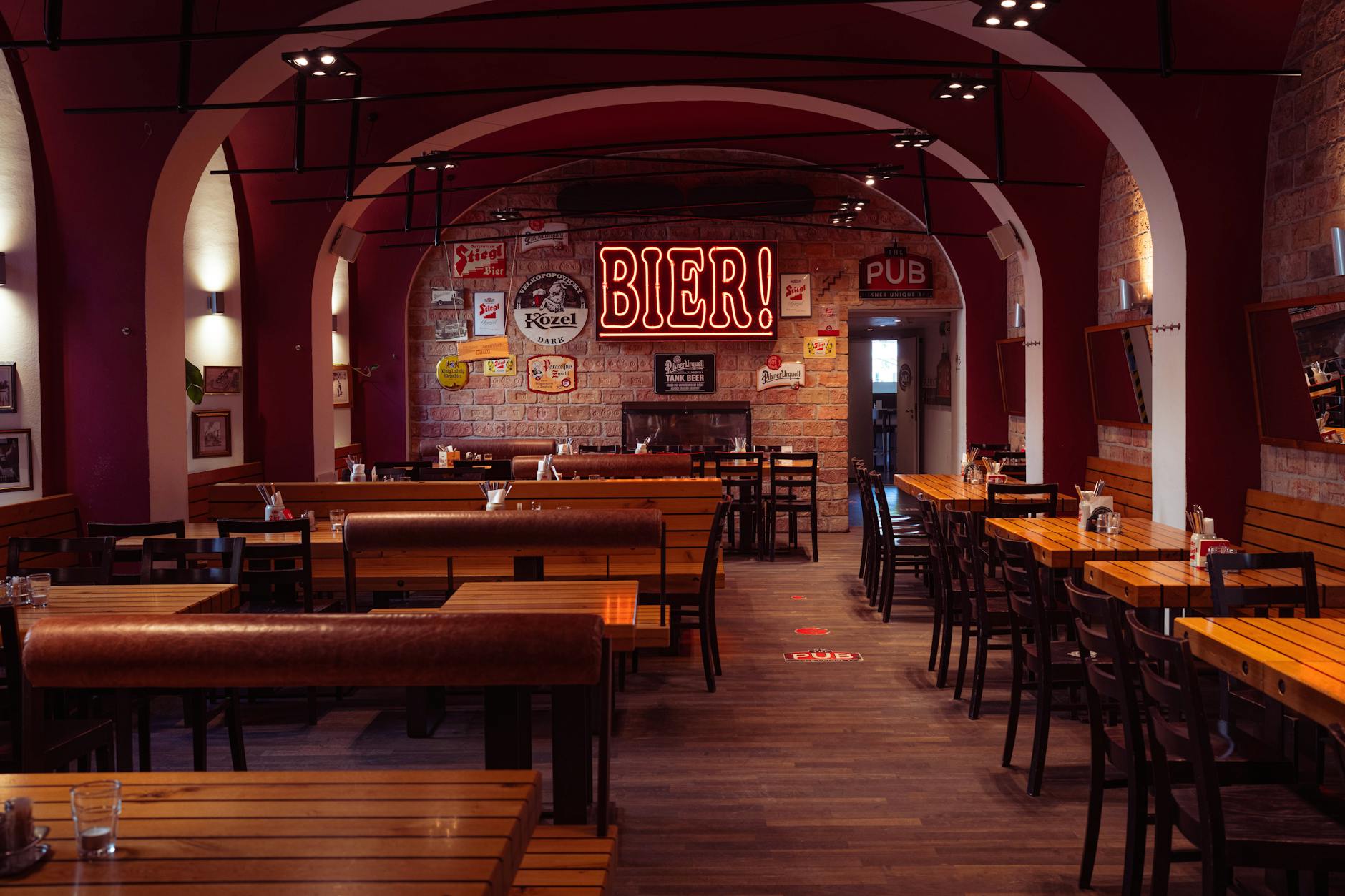
Munich’s beer halls are the city’s most iconic dining institutions — vast 19th-century rooms with vaulted ceilings, communal wooden tables, oompah brass bands, and Maß steins of locally brewed lager. The six historic Munich breweries (Augustiner, Hofbräu, Löwenbräu, Paulaner, Spaten, and Hacker-Pschorr) all operate their own flagship beer halls in the city, plus numerous secondary establishments. This complete Munich beer halls and breweries guide for 2026 reviews each of the major beer halls in detail, the breweries that supply them, their history, what to order, and how to drink like a Münchner.
Munich’s Six Big Breweries
| Brewery | Founded | Style | Flagship Beer Hall | Distinctive Quality |
|---|---|---|---|---|
| Augustiner | 1328 | Crisp, balanced helles | Augustiner-Großgaststätte | Munich’s oldest brewery; wooden barrels |
| Hofbräu | 1589 | Sweet, easy-drinking | Hofbräuhaus | Royal brewery; international fame |
| Spaten | 1397 | Dry, classic Helles | Schottenhamel (Oktoberfest) | Documented since 1397; now AB InBev-owned |
| Paulaner | 1634 | Malty, full | Paulaner am Nockherberg | Originally monastery brewery |
| Hacker-Pschorr | 1417 | Slightly bitter, classic | Hacker-Pschorr Festzelt | Munich’s third-largest |
| Löwenbräu | c. 1383 (claimed) | Robust | Löwenbräukeller | Famous lion mascot |
Beer Hall vs Beer Garden — What’s the Difference?
Munich has both beer halls (indoor, year-round) and beer gardens (outdoor, summer). The difference is important. Beer halls operate year-round with indoor service, communal tables, oompah music, and waitress-served food. They’re the iconic Oktoberfest-style experience. Beer gardens operate seasonally (typically April through October) outdoors under chestnut trees, with both self-service and full-service options. The famous Bavarian custom of bringing your own food applies only to the self-service section of beer gardens — not to beer halls. See our complete beer gardens guide. For first-time visitors: beer hall for the live music and atmosphere; beer garden for the outdoor summer experience.
Munich’s Top Beer Halls
1. Hofbräuhaus am Platzl — The World-Famous Icon
Founded 1589 as the ducal court brewery of the Wittelsbachs, the Hofbräuhaus on Platzl is one of the world’s best-known beer halls. The current 1897 building holds about 4,500 people across the house — the ground-floor Schwemme (the most famous public hall, around 1,000), the top-floor Festsaal (the grand hall, around 1,500), and the courtyard biergarten. The Hofbräuhaus is touristy but unmistakable; the brass band plays daily; the atmosphere is exactly what most visitors expect when they imagine “German beer hall.” Beer: Hofbräu Original (helles), Dunkles (dark), Weißbier (wheat). Open daily 11:00-midnight; expect crowds Friday-Saturday evenings. The band takes only two days off a year: Good Friday and All Saints’ Day.
2. Augustiner-Großgaststätte — Locals’ Favorite

On Neuhauser Straße between Karlsplatz and the Michaelskirche, the Augustiner-Großgaststätte is the locals’ favorite alternative to the Hofbräuhaus. The present building went up in 1896/97 to plans by Emanuel von Seidl. The atmosphere is calmer and more authentically Bavarian than the Hofbräuhaus — Münchners actually drink here. The signature feature: Augustiner Edelstoff served from wooden barrels, the traditional method the brewery is famous for. The menu runs through the same Bavarian classics as the Hofbräuhaus. Live music less frequent and less amplified.
3. Schneider Bräuhaus — Best Weißwurst in Town
On Tal between Marienplatz and the Isartor, Schneider Bräuhaus is Munich’s specialist for traditional Bavarian Weißwurst — many consider it the best in Munich. The Schneider family’s story here starts in 1872, but the present building dates from 1902/03 and has the most refined feel of any central beer hall. Schneider Weisse on tap (the family-run Bavarian wheat beer specialty). Less touristy than the Hofbräuhaus but more refined than the Augustiner-Großgaststätte. Best for breakfast (Weißwurst is served daily from 9:00 to 12:00) or lunch.
4. Andechser am Dom — Monastery Beer
By the Frauenkirche, Andechser am Dom serves Andechser Klosterbrauerei beer — brewed at the Andechs Monastery south-west of Munich. The Andechser Doppelbock (strong dark lager) is one of Bavaria’s most distinctive beers. The atmosphere is refined-traditional — older Münchners and tourists alike. Less crowded than Hofbräuhaus or Augustiner-Großgaststätte but excellent quality.
5. Spatenhaus an der Oper — Opera-Adjacent Refined
Opposite the National Theater on Max-Joseph-Platz, Spatenhaus is the most refined of Munich’s beer halls — popular pre-opera dinner spot for Bavarian dining at higher quality than typical beer halls. Spaten beer on tap. Best for travelers wanting Bavarian classics in a quieter, dressier setting. Reservations recommended.
6. Löwenbräukeller — Stiglmaierplatz Classic
On Stiglmaierplatz, the Löwenbräukeller is the flagship beer hall for the Löwenbräu brewery. Recognizable from Wilhelm von Rümann’s resting-lion sculpture above the entrance. The classic 1880s building has multiple rooms and a beer garden. Slightly less central than the Hofbräuhaus but easily accessible. Beer: Löwenbräu Original. Hearty Bavarian mains. Live music weekend evenings.
7. Paulaner am Nockherberg — Strong Beer Festival Home
On Hochstraße above the Au, Paulaner am Nockherberg is the home brewery and beer hall for the famous Paulaner Strong Beer Festival each March (Starkbierfest). Several thousand seats; views over east Munich; the famous Salvator Doppelbock as the house specialty. Excellent food. U1/U2 to Kolumbusplatz.
8. Hofbräukeller am Wiener Platz — East-Side Hofbräu
Across the Isar in Haidhausen at Wiener Platz, the Hofbräukeller is the Hofbräu brewery’s secondary beer hall — historically more frequented by locals than the central Hofbräuhaus. Today it’s a friendly, well-run local beer hall. Live music several evenings per week.
9. Donisl — Recently Renovated Classic
On Weinstraße directly off Marienplatz, Donisl has been fully renovated. There has been an inn at this address since 1715, making it one of Munich’s oldest, and the house now combines historic Bavarian decor with modern updating. Excellent traditional menu; smaller and more intimate than the Hofbräuhaus.
10. Haxnbauer im Scholastikahaus — Pork-Knuckle Specialist
On Münzstraße, Haxnbauer specializes in Schweinshaxe — the famous Bavarian crispy-skinned pork knuckle. The 14th-century building creates an atmospheric historical setting. The Schweinshaxe is the must-order. Less famous than the Hofbräuhaus but better food.
The Munich Breweries — Historical Context
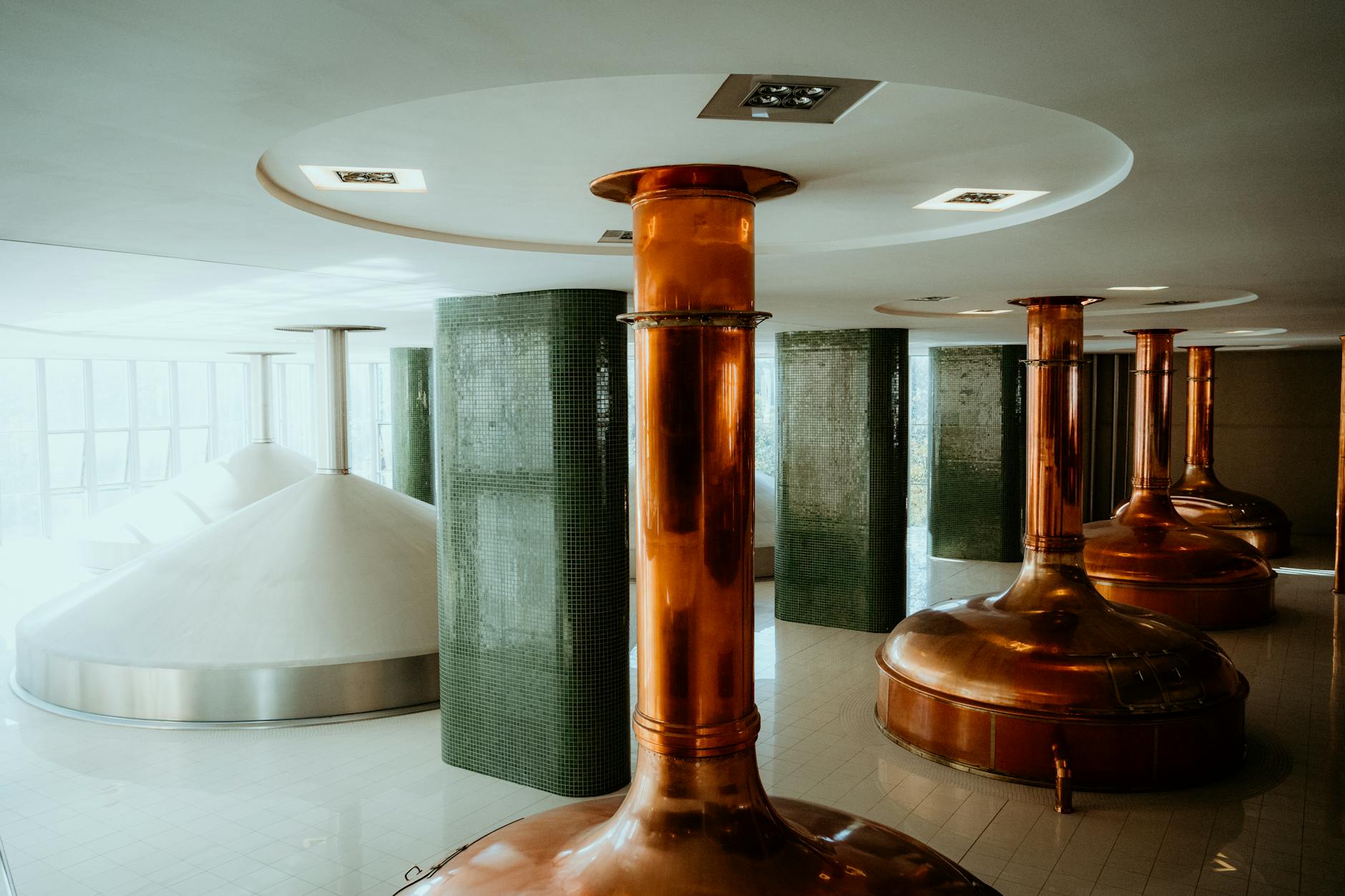
Augustiner — Munich’s Oldest (1328)
First mentioned by name in 1328 as the brewery of the Augustinian monastery, Augustiner is Munich’s oldest independent brewery. The monks brewed beer for centuries; the monastery was dissolved in 1803, the Wagner family bought the brewery in 1829, and since 1996 a foundation has held 51%. Augustiner has resisted modern brewing trends — still tapping its Oktoberfest beer from wooden barrels rather than steel kegs, still resisting acquisition by international brewery groups (unlike Spaten and Löwenbräu, now part of AB InBev, and Paulaner, in which Heineken holds a minority stake). The brewery’s facility on Landsberger Straße is private but the beer gardens — Augustiner-Keller on Arnulfstraße and Augustiner-Großgaststätte on Neuhauser Straße — serve unmatched Augustiner beer.
Hofbräu — The Royal Brewery (1589)
Founded in 1589 by Duke William V as the ducal court brewery, Hofbräu is one of the best-known Munich breweries abroad — primarily because of the Hofbräuhaus. The brewery was originally tax-exempt thanks to ducal patronage; today it remains state-owned (Bavaria State). Hofbräu produces multiple varieties: Original (the famous helles), Dunkles (dark), Weißbier (wheat), Mai-bock (seasonal strong lager), and the famous Hofbräu Oktoberfestbier. The brewery’s main facility is in Riem, in the east of the city — tours available with advance booking (Hofbräu Brauerei Riem).
Spaten — Documented Since 1397
Founded in 1397, Spaten is one of Munich’s oldest breweries, though Augustiner’s records reach back further, to 1328. The brewery is famous for its connection to the Schottenhamel Festzelt — the tent where the Lord Mayor performs the famous Oktoberfest tapping each year. The Spaten-Löwenbräu group was taken over by Interbrew (now AB InBev) in 2003, so Spaten shares its owner with Löwenbräu and Franziskaner. The beer quality remains excellent. Spaten produces several varieties: Spaten Münchner Hell (the famous Munich helles), Spaten Optimator (Doppelbock), Franziskaner Weißbier (wheat).
Paulaner — Monastery Origins (1634)
Founded 1634 by Paulaner monks at Neudeck on the Au — the brewery is named for Saint Francis of Paola. Originally brewed strong beer for the monks during Lenten fasting (the brewer needed extra calories during fast periods). The famous Salvator Doppelbock dates to this tradition. The annual Starkbierfest (Strong Beer Festival) in March celebrates the Lenten tradition. Paulaner today is one of Munich’s largest breweries, still majority-owned by Munich’s Schörghuber family, with Heineken holding a minority stake. The Paulaner am Nockherberg beer hall is the flagship.
Hacker-Pschorr — Joint Heritage (1417)
The current Hacker-Pschorr brewery is the 1972 merger of two separate breweries — Hacker (founded 1417) and Pschorr (founded 1820). Today Hacker-Pschorr is owned by Paulaner Group (under Heineken). Hacker-Pschorr produces classic Munich beers: Münchner Hell (helles), Münchner Edelstoff, and the famous Oktoberfest beer that pours at the Hacker-Festzelt and the Pschorr-Bräurosl tent.
Löwenbräu — The Lion’s Brewery (1383)
Dating its origins to around 1383, Löwenbräu takes its name from the lion mascot (“Lion’s brew”). The brewery’s facility on Nymphenburger Straße is one of Munich’s most recognizable industrial buildings. The famous Löwenbräukeller beer hall at Stiglmaierplatz is the flagship. Löwenbräu was acquired by InBev (now AB InBev) in 2003 — making it part of the same global group as Spaten.
What to Order at a Munich Beer Hall
The Beers
- Maß (1-liter stein): The classic Bavarian serving; each hall sets its own price. The way most Bavarians drink in beer halls
- Halbe (0.5-liter glass): Half-liter. Standard for those who can’t manage a full Maß; check the menu for the hall’s price
- Helles: Pale lager; the most common Bavarian beer. Order this if unsure
- Weißbier (Weizen): Wheat beer; served in tall vase glasses. Banana-clove notes
- Dunkles: Dark lager; richer flavor; usually slightly sweeter
- Radler: Beer mixed 50/50 with lemonade. Refreshing for hot days
- Russ: Wheat beer mixed with lemonade
- Spezi: Cola + orange soda; the universal non-alcoholic Bavarian drink
The Food
- Weißwurst: White sausage (before noon); served in pairs with sweet mustard and Brez’n
- Schweinsbraten: Roast pork with dumpling and red cabbage
- Schweinshaxe: Pork knuckle; roughly €20-€28 depending on the venue; the dramatic king of Bavarian dishes
- Hähnchen (Hendl): Half rotisserie chicken; check the menu for the price
- Käsespätzle: Bavarian cheese egg-noodles; the vegetarian classic
- Brez’n: Giant pretzel; a few euros; basic snack
- Obatzda: Soft cheese spread with paprika
- Leberkäs: Bavarian “meatloaf”, served with mustard
Beer Hall Etiquette and Tips
- Tables are communal: Ask “Ist hier noch frei?” (is this still free?) before sitting; sit down without waiting for permission once confirmed
- The Stammtisch is reserved: A table with a metal sign marked “Stammtisch” is for regular customers only; don’t sit there unless invited
- Order in German if you can: Even basic phrases (“Eine Maß Helles, bitte”) are appreciated
- Toasting: Maintain eye contact during “Prost!” — looking away is impolite (some Bavarians joke 7 years bad luck)
- Tipping: Round up the bill 10%; €1-€2 per Maß per server is standard. Tell the server the total when paying
- Service style: Servers (Bedienungen) serve specific table sections; flag yours rather than waving at any passing waiter
- The Maß is a commitment: 1 liter at 5-6% abv is a real serving; pace yourself
- Don’t pour pressure on others: Drinking is voluntary in Munich; ordering Spezi (cola+orange) is normal
- Sing along if you want: Beer hall brass bands play familiar tunes; singing along is encouraged
- Photography: Generally welcome; ask before photographing strangers
- Smoking: Banned indoors; outdoor courtyards usually allow
Brewery Tours and Visits
Several Munich breweries offer public tours and tastings:
- Hofbräu Brauerei Riem tour: 60-90 minutes in east Munich; €15 per person, €20 with a meal; groups of 10+ only, Mon-Thu at 10:00 or 13:00, in German or English; register 14 days ahead
- Paulaner Brauerei tour: Check with Paulaner that a public tour is running before you plan around one
- Augustiner Brauerei: Limited public tours; Augustiner is family-owned and protective of its facilities
- Spaten brewery tour: 3 hours at the Marsstraße brewery; from €24; English-language tours Saturdays at 15:00
- Munich Beer Tour (Radius Tours): guided walking tour with tastings; see Radius Tours for the current route, length and price
- Andechs Monastery Brewery: Day trip south-west of Munich, about an hour or more by S-Bahn and bus; the source of Andechser beer; beautiful monastery setting
Best Time to Visit Munich Beer Halls
- Weekday lunch (12:00-14:00): Typically quieter at midday; service fast; lunch specials good value
- Weekday afternoon (14:00-17:00): Calm; perfect for slow Maß and Bavarian dinner
- Friday-Saturday evening: Usually the liveliest time of the week; book ahead if you are a big group
- Sunday lunch and afternoon: Family time at beer halls; often busy with Bavarian families
- Oktoberfest (mid-September to early October): Beer halls become overflow venues for Oktoberfest-area crowds; very busy
- Avoid Wagner concerts at Bayerische Staatsoper: Spatenhaus next to opera fills up before performances
Beer Hall vs Bavarian Restaurant — When to Choose Which
Munich has dedicated beer halls (atmosphere-heavy, communal, often touristy at central locations) and Wirtshäuser (Bavarian restaurants — quieter, more refined, typically locals). The distinction matters: tourists default to beer halls (Hofbräuhaus, Augustiner-Großgaststätte), but the most respected food often comes from Wirtshäuser. For first-time visitors: beer hall for the experience; Wirtshaus for the food. Many travelers do both — beer hall on day 1 for the atmosphere, Wirtshaus on day 3 for the dining. Top Wirtshäuser: Schneider Bräuhaus, Andechser am Dom, Wirtshaus in der Au, and Spatenhaus. See our best restaurants guide.
Frequently Asked Questions
What is the most famous Munich beer hall?
The Hofbräuhaus on Platzl is one of the world’s best-known beer halls — its brewery was established in 1589 as the ducal court brewery. The current 1897 building is the version most visitors recognize. It’s touristy but unmistakably authentic Munich.
Which Munich brewery is the best?
Augustiner is the usual answer — the Augustiner Edelstoff helles has a devoted local following, and the brewery is famous for serving from wooden barrels rather than steel kegs. It has stayed independent since the Wagner family bought it in 1829, and a foundation now holds the majority stake. Try at the Augustiner-Großgaststätte on Neuhauser Straße for the most authentic Augustiner experience.
How much is a Maß of beer in Munich?
A 1-liter Maß in a beer hall costs roughly €10-€12 in 2026, though each hall sets its own price. Beer gardens charge similar; Oktoberfest tents charge €15-€16. A Halbe (0.5-liter glass) is the smaller pour.
Can you visit Munich breweries?
Yes — Hofbräu tours its Riem brewery for €15 (€20 with a meal; groups of 10 or more, Monday to Thursday), and Spaten’s Saturday tour starts from €24; for Paulaner, ask the brewery first. Augustiner has limited public access (it guards its independence). Andechs Monastery brewery, an S-Bahn and bus ride south-west of Munich, is fully open as a day trip. Various beer tour companies offer multi-beer-hall walks.
What’s the difference between a beer hall and beer garden?
Beer halls are indoor year-round establishments; beer gardens are outdoor seasonal (April-October). Bavarian custom allows bringing your own food on the self-service side of beer gardens; this doesn’t apply to beer halls. See our beer gardens guide.
The Reinheitsgebot — Munich’s Beer Purity Law
Munich’s relationship to beer is fundamentally shaped by the Reinheitsgebot (Beer Purity Law), enacted by the Bavarian Duchy in 1487 (Munich) and 1516 (full Bavaria). The law restricted beer ingredients to only water, hops, and barley malt (and later yeast, once microbiologists discovered it). This 500+ year-old regulation made Bavaria’s beer production more conservative and consistent than other German-speaking regions. The Reinheitsgebot remained nationally codified in 1906 and persisted through the early 21st century. It has been modified to permit additional ingredients in non-Bavarian beer production, but for Bavarian beer specifically — and especially the Munich Helles style — the strict three-ingredient discipline still applies. This explains why Munich beer styles (Helles, Dunkles, Weißbier, Märzen, Bock) remain more consistent across breweries than international comparable styles. The conservative approach has been criticized by modern craft brewers (who argue the Reinheitsgebot has prevented Bavarian innovation), but it has also produced a reliably high-quality regional beer culture.
For the full story, from the monastery breweries to the modern mergers, read our Munich beer history guide.
Bavarian Beer Styles Explained
Several distinct Bavarian beer styles deserve specific attention. Helles is the classic Munich pale lager — golden color, balanced bitterness, light malt sweetness, about 5% ABV. The Augustiner Helles is the locally favored version. Dunkles is the dark variant — coffee/chocolate notes from roasted malt, slightly sweeter, 4.5-6.0% ABV. Weißbier (Weizen) is wheat beer — cloudy, banana-clove yeast notes, refreshing. Schneider Weisse is the gold standard. Märzen is the traditional Oktoberfest beer — slightly stronger (5.1-6.0% ABV), maltier, amber color; what the tents pour today is Festbier, a separate golden style each brewery makes for the Wiesn. Bock is a strong lager (roughly 6.3-8.1% ABV) — usually consumed in specific festivals (Salvator Doppelbock during Lent). Pils is the more bitter, hop-forward pale lager — more associated with northern Germany but increasingly available in Munich. Helles Bock and Maibock are seasonal stronger lagers, typically only available in spring. Munich beer halls pour several of these styles; pairing food with the appropriate style is the local custom.
Munich also has a quieter drinking scene — wine bars and craft beer spots covers the natural-wine rooms and independent taprooms.
Brewery Visit Tour Recommendations
Several Munich brewery tours are particularly worthwhile. The Hofbräu Brauerei Riem tour visits the actual production facility in Riem, on the east side of Munich. It takes 60 to 90 minutes and walks through the brewing process; a meal afterwards is optional. The price is €15 per person, or €20 with the meal. Tours are for groups of at least 10, Monday to Thursday at 10:00 or 13:00, in German or English, and you register 14 days ahead via hofbraeu-muenchen.de. The Paulaner Brauerei tour visits the brewery and the Paulaner am Nockherberg beer hall; confirm with Paulaner that it is running before you build a day around it. The Andechs Monastery brewery tour (south-west of Munich by S8 and bus 951; Bayern-Ticket access) is the bonus tour — visiting the actual monastery where Andechser beer is brewed, plus the affiliated Andechser beer garden with views over the Bavarian Alps. The monastery brews its own Bavarian Doppelbock. Make a full day of it. The Schneider Weisse Brewery tour at the Kelheim location (north-east of Munich, in Lower Bavaria) is the destination for wheat beer enthusiasts.
Munich’s Seasonal Beer Calendar
Munich brews to a calendar, and knowing it changes what you order and where you drink it. The default year-round pour is Helles — the pale, malty lager the city runs on — but four seasonal beers punctuate the year, each with its own ritual and venue. Time a visit around one and you’ll catch the beer halls at their liveliest.
| Season | Months | Beer style | Where to drink it |
|---|---|---|---|
| Starkbierzeit | Mid-March (Lent) | Doppelbock (Salvator, Triumphator) | Paulaner am Nockherberg, Löwenbräukeller |
| Maibock | April–May | Heller Bock | Hofbräuhaus (the Maibockanstich) |
| Summer | May–September | Helles & Radler | Beer gardens and halls citywide |
| Wiesnbier | Mid-Sept–early Oct | Festbier (~6%) | The Oktoberfest tents |
| Winter | November–December | Festbier / Winterbock | Beer halls and Christmas markets |
The one most visitors miss is Starkbierzeit, Munich’s “fifth season.” For roughly three weeks after Lent begins, the breweries tap their doppelbocks — beers the monks once brewed strong enough to sustain them through fasting — and Paulaner am Nockherberg hosts the Derblecken, a satirical evening where Bavarian politicians are roasted in dialect on stage. For the autumn headline event, our Oktoberfest dates and schedule and Oktoberfest beer tents guides have the full rundown.
The Brass Band, the Tracht, and Beer-Hall Rituals
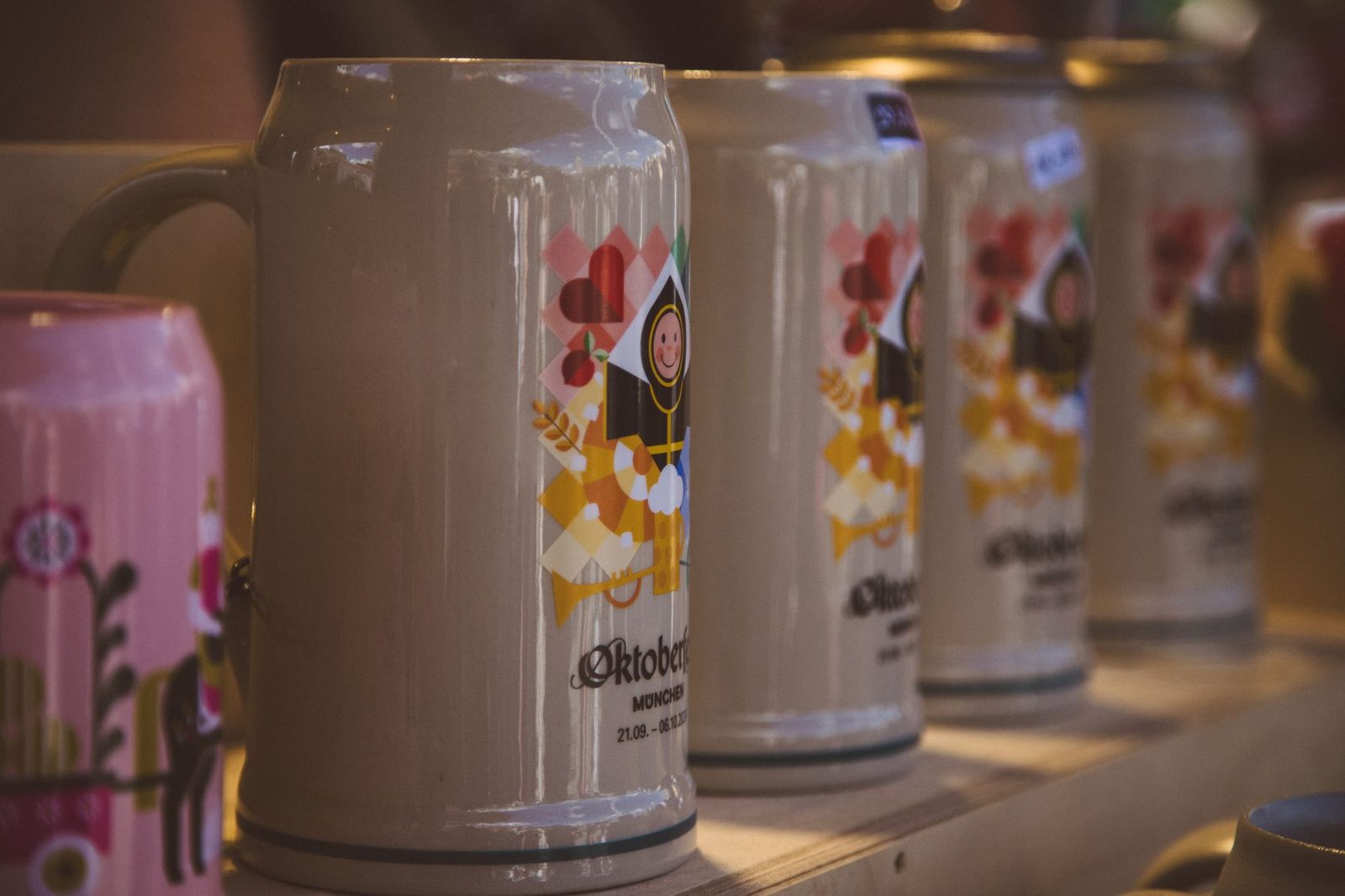
A proper Munich beer hall comes with a soundtrack. At the Hofbräuhaus a Blaskapelle — a brass band in lederhosen — plays from late morning, and every twenty minutes or so they strike up “Ein Prosit der Gemütlichkeit,” the cue for the whole room to raise a Maß, shout “Prost!”, and drink. Learn the move: make eye contact, clink low on the body of the stein rather than the rim (which chips), and never toast with an empty glass. Tracht — dirndl for women, lederhosen for men — is everyday wear here, not costume, and you’ll spot locals in it on an ordinary Friday night, not only during Oktoberfest. You don’t need to dress up, but a carved stoneware Maßkrug is the most Bavarian souvenir going — our Munich souvenirs guide flags where to buy one that isn’t tourist tat. For the rowdier late sessions after the food service winds down, see our beer halls in the evening guide.
An Easy Beer Pilgrimage: Kloster Andechs
The most rewarding half-day trip from any Munich beer table is the Holy Mountain at Andechs. Take the S8 to Herrsching, then walk about 50 minutes up the Andechser Berg through the woods, or catch bus 951, to the Benedictine monastery that has brewed since the Middle Ages. The Andechser Doppelbock Dunkel, drawn straight in the hillside Bräustüberl, is one of Germany’s great dark beers, and a plate of Schweinshaxe with a view over the Ammersee is hard to better. Bring cash, and don’t plan anything demanding for afterwards. It slots naturally into the lakes-and-mountains routes in our day trips from Munich and Bavarian Alps day trips guides.
Plan Your Munich Beer Trip
This beer halls and breweries guide is part of our deeper Munich food and beer guide. For beer gardens see our best beer gardens guide. For Bavarian food see our traditional Bavarian food guide. For Oktoberfest see our Oktoberfest guide.