Best Munich Souvenirs
Complete 2026 guide to Munich souvenirs — beer steins, Dirndl, Lederhosen, Lebkuchen, food gifts, FC Bayern merchandise & more. Where to shop authentic vs. cheap, plus VAT refund tips.
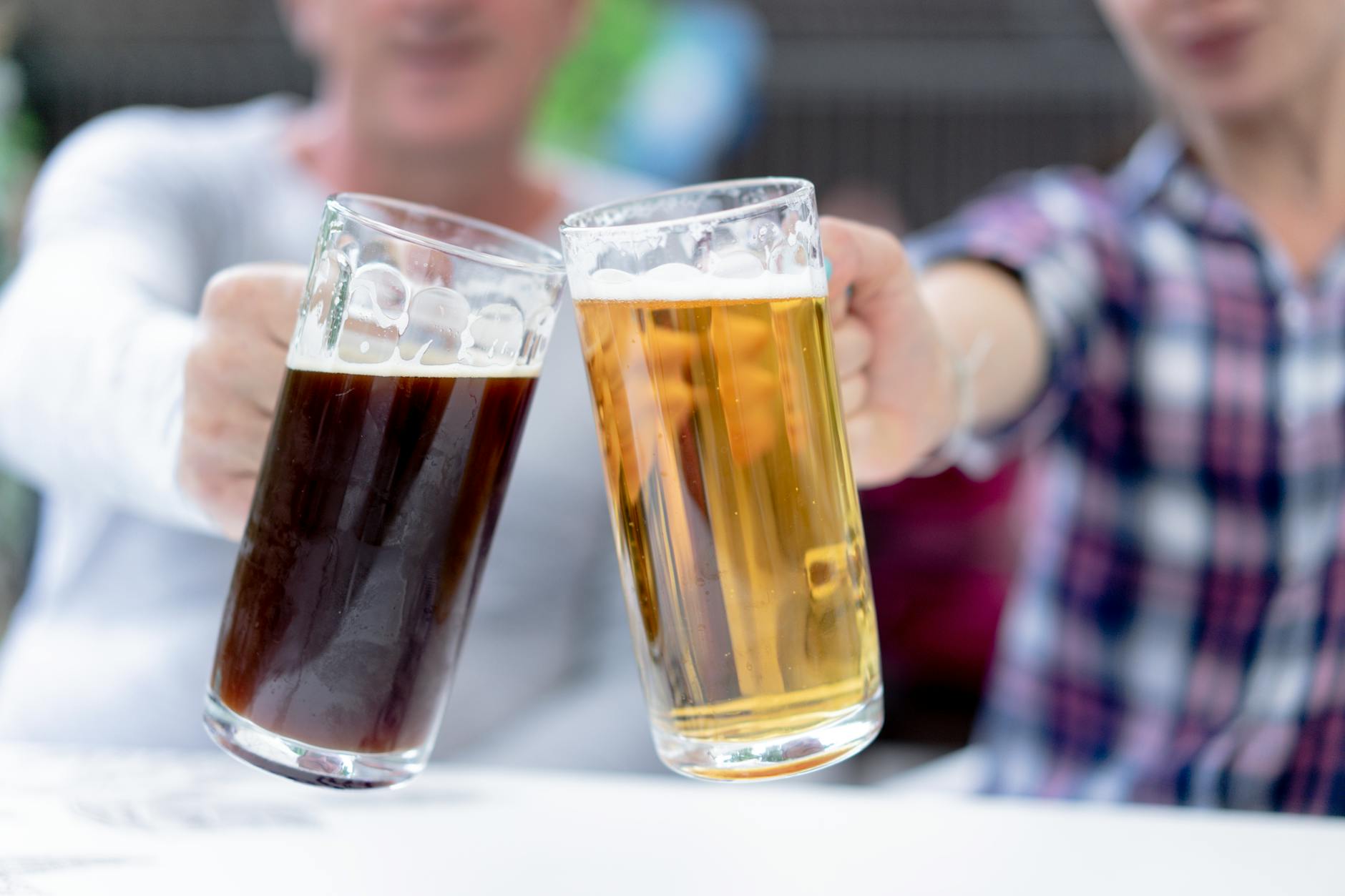
From hand-painted beer steins to embroidered Dirndl, gingerbread hearts, and authentic Loden coats, Munich souvenirs can be either treasured keepsakes or generic airport kitsch — depending entirely on where you shop. This 2026 guide covers the 25 best Munich souvenirs to bring home, what to look for to spot quality, prices for each category, and exactly where to shop in Munich for authentic versions vs. cheap reproductions. Whether you’re picking up €5 magnets for the office or a €600 hand-tailored Lederhosen for a serious investment, this guide will help you spend smartly.
Best Munich Souvenirs at a Glance
| Souvenir | Price Range | Best For | Where to Buy |
|---|---|---|---|
| Hand-painted beer stein | €20–€150 | Beer enthusiasts | Sebastian Wesely, Hofbräuhaus shop |
| Dirndl (mid-range) | €100–€300 | Anyone going to Oktoberfest | Loden-Frey, Trachten Angermaier |
| Lederhosen | €150–€500 | Authentic male outfit | Loden-Frey, Lodenfrey-Park |
| Loden coat | €350–€900 | Bavarian luxury wool | Loden-Frey |
| Lebkuchen heart | €5–€20 | Sweet personalised gift | Christmas markets, Mall of Munich |
| Hofbräuhaus mug | €8–€20 | Classic souvenir | Hofbräuhaus shop, airport |
| Munich postcards | €1–€3 | Cheap, authentic | Newsstands, post office |
| Bavarian street art print | €15–€50 | Modern keepsake | Local galleries, Schwabing |
| Wooden toy | €10–€80 | Family memento | Spielzeugmuseum shop |
| Bavarian beer (bottled) | €2–€8 | Budget gift | Edeka, Rewe, breweries |
| Schnapps and herbal liqueurs | €10–€30 | Drinkable souvenir | Galleria Kaufhof, Dallmayr |
| Sweet mustard (süßer Senf) | €4–€8 | Cooking gift | Viktualienmarkt, supermarkets |
| Bavarian sausage selection | €12–€30 | Limited shelf life | Magnus Bauch, Vinzenz Murr |
| BMW merchandise | €15–€100 | Car enthusiasts | BMW Welt shop |
| FC Bayern Munich kit | €30–€100 | Football fans | FC Bayern store, Allianz Arena |
Bavarian Classics: The Big Three
1. Beer Stein (Bierkrug)
The most iconic Munich souvenir. Look for genuine hand-painted versions with hinged pewter lids — they age beautifully over decades. Quality varies enormously: airport stalls sell €15 mass-produced versions, while specialty shops sell €100+ artisan steins.
- Quality marker: hand-painted is signed on the bottom; mass-produced has stamped ‘Made in Germany’
- Best size: 0.5 L for daily use, 1 L for display
- Materials: ceramic (most common), pewter (premium), salt-glazed stoneware (traditional)
- Where to buy:
- – Sebastian Wesely on Rindermarkt — Munich’s specialist since 1956; €30–€200
- – Hofbräuhaus shop — official souvenir steins, €15–€60
- – Galeria Kaufhof — broad selection, mid-range
- – Avoid the airport — 30–50% markup
2. Dirndl (women’s traditional dress)

A proper Dirndl is more than a costume — it’s a Bavarian dress that locals wear with serious pride. Components include the dress (Kleid) with bodice and skirt, the apron (Schürze), the white blouse (Bluse), and accessories. Total cost for a quality entry-level Dirndl: ~€150–€300. Custom-made versions run €600–€2,000.
- Apron-knot etiquette: tie on the right = married; tie on the left = single; in front = virgin; in back = widow. Yes, really
- Length: midi (~knee) or maxi (~ankle); Mini Dirndl is decidedly tourist territory
- Fit: the bodice should be snug; the skirt full and lined
- Where to buy:
- – Loden-Frey on Maffeistraße — Munich’s premier traditional house since 1842
- – Trachten Angermaier on Rosenstraße — wide range from budget to premium
- – Dirndl-Liesl in the Tal — affordable but reasonable quality
- – Lodenfrey-Park — outlet store with last-season at 30–50% off
3. Lederhosen
The men’s version. Quality Lederhosen are deer or goat leather (not cow), embroidered, with brass or staghorn buttons. Three lengths: short (Kurze) above the knee, medium (Bundhose) just below the knee, and full-length trousers (Stiefelhose, paired with knee-high boots).
- Material: deer leather (Hirsch) is softest and most expensive; goat (Bock) is durable and traditional; cow (Rind) is budget
- Embroidery: hand-embroidered front-flap (Hirschhornknöpfen) is the marker of high-end pairs
- Worn with: knee-high white socks, a checked shirt, leather shoes (Haferl)
- Price ranges: €150 entry-level cow leather; €350–€500 quality deer leather; €800+ hand-tailored
Edible Souvenirs: What Travels Well
4. Lebkuchen Heart

Soft Bavarian gingerbread heart with iced messages — €5–€20 depending on size. The classic Christmas-market gift. Note that the heart is not meant to be eaten right away (it’s mostly decorative); the Lebkuchen for actual eating comes in flat round loaves at the Christmas markets and bakeries.
5. Sweet Mustard (Süßer Senf)
The Bavarian classic — sweet, slightly grainy mustard for Weißwurst and Leberkäs. Brands: Händlmaier (the Munich classic, €4–€7), Develey, Born. Available everywhere from supermarkets to the Viktualienmarkt. Travels in checked luggage.
6. Bavarian Beer
Bottled Bavarian beer from the six big Munich breweries (Augustiner, Hofbräu, Löwenbräu, Paulaner, Spaten, Hacker-Pschorr) plus regional standouts like Andechs, Tegernsee, Schneider, and Augustiner Edelstoff. €1.50–€4 per bottle at supermarkets; €6–€10 at souvenir shops. Travels well in checked luggage (well-padded). The Augustiner Lagerbier Hell is widely considered the best.
7. Schnapps and Herbal Liqueurs
Bavarian fruit schnapps (Williamsbirne pear, Marillenschnaps apricot, Kirschwasser cherry) and herbal liqueurs (Underberg, Jägermeister regional editions). 200ml bottles €10–€20; 500ml €18–€30. Best at Galeria Kaufhof’s spirits department or Dallmayr.
8. Bavarian Sausages
Vacuum-packed Bavarian sausages travel surprisingly well — Weißwurst (~€8 for 4), Leberkäs (~€10/kg), Bauernwurst, smoked Krainer. Buy at Magnus Bauch at the Viktualienmarkt or any Vinzenz Murr counter; ask for vacuum-pack (eingeschweißt) for travel. Eat within a week.
9. Bavarian Cheese
Cheeses from Bavarian Alpine dairies — Bergkäse, Limburger, Romadur, the famous Tegernsee Bergkäse from the Tegernsee monastery. €15–€30 for a half-kilo wedge at the Viktualienmarkt or specialty shops. Vacuum-packed travels 7–14 days.
10. Bavarian Honey, Jam, and Preserves
Local-made honey from Bavarian Alps producers; bilberry (Heidelbeere) and lingonberry (Preiselbeer) jams; Bavarian-style spiced apple butter. €5–€12 per jar. Best at the Viktualienmarkt or specialty shops. Quality is excellent.
Munich food shopping maps the delis, cheese counters and specialty markets behind these, from Dallmayr to the Viktualienmarkt stalls.
Munich-Specific Souvenirs
11. Hofbräuhaus Mug or Stein
Souvenir Hofbräuhaus glasses (€8) and ceramic mugs (€15–€25) at the Hofbräuhaus shop on Platzl. The HB blue-and-white logo is iconic. Mugs are reasonably high-quality.
12. FC Bayern Munich Merchandise
Football kit and accessories from one of Europe’s most successful clubs. Adult kit €100; replicas €30; kids €25–€80. Best at the FC Bayern Megastore at Allianz Arena or the smaller central shop on Maximilianstraße.
13. BMW Merchandise
Inside the free-to-enter BMW Welt at Olympiapark, the gift shop sells branded gear, models, books, and design objects. Mid-range: €15–€50 (T-shirts, models); luxury: €100+ (jackets, accessories). Real BMW enthusiasts know to head to the BMW Lifestyle outlet at Olympiazentrum (~30% cheaper).
14. Marienplatz Glockenspiel Music Box
Wind-up wooden music boxes that play the Glockenspiel melody. €15–€45 depending on size and quality. Best at Sebastian Wesely or souvenir shops near Marienplatz. Avoid airport versions (40% markup).
15. Munich City Books
Photography books, history books, and guidebooks at Hugendubel (Karlsplatz) or Words & Worlds (English-language bookstore on Schellingstraße). €15–€40 for a coffee-table book; great for older relatives.
In December the market stalls change what is worth buying — see Munich Christmas market gifts.
Affordable Quick Souvenirs (Under €15)

- Postcards — €1.50–€3 at any Tabak (newsstand). Postage stamp €1 to anywhere in Europe; €1.10 worldwide
- Fridge magnets — €3–€8 at souvenir shops
- Munich/Bavaria T-shirts — €15–€25
- Hofbräuhaus glass mug — €15
- Maypole keychain or ornament — €5–€12
- Bavarian flag pin — €4–€8
- Pretzel-shaped magnet or keychain — €5
- Bavarian-themed coloring book for kids — €7–€10
- Standard chocolate bars at supermarkets — €1.50–€4 each
Where to Shop for Munich Souvenirs
Best for Authentic, Quality Souvenirs
- Loden-Frey on Maffeistraße — Munich’s most established traditional house (Dirndl, Lederhosen, Loden coats); see our Maximilianstraße guide
- Trachten Angermaier on Rosenstraße — wide-range traditional clothing
- Dallmayr on Dienerstraße — Munich’s grand delicatessen for food souvenirs
- Sebastian Wesely on Rindermarkt — specialty beer steins and music boxes
- Magnus Bauch at the Viktualienmarkt — best Bavarian food
- BMW Welt shop — BMW merchandise
- FC Bayern Megastore at Allianz Arena — football kit
Best for Cheap & Cheerful
- Galeria Kaufhof on Marienplatz — large department store with souvenir floor
- Hofbräuhaus shop — official HB merchandise
- Marienplatz souvenir stalls — convenient but lower quality
- Munich Hauptbahnhof shops — convenient last-minute, slightly marked-up
Avoid (Marked Up by 30–50%)
- Munich Airport souvenir shops — convenient but expensive
- Tour-bus stop kiosks at major sights
- Airport duty-free for non-EU travelers — limited Bavarian-specific items
Munich department stores and shopping malls covers the one-stop options when time is short.
VAT Refund for Non-EU Visitors
Visitors from outside the EU can reclaim the 19% German VAT on purchases over €50.01 at participating stores. The process:
- Spend €50.01+ at a single store and ask for a tax-free shopping form (Global Blue or Planet)
- On departure from the EU, present unused goods + form + receipt + passport to customs at your departure airport
- Submit the stamped form to a Global Blue / Planet refund desk for a cash or card refund (typical refund 13–14% after fees)
- Munich Airport: Terminal 2, ground level, before security
- EU residents cannot reclaim VAT
Practical Tips
- Pack soft for breakable items (steins, ornaments, glass) in clothes in checked luggage
- Liquids over 100 ml (beer, mustard, schnapps) MUST go in checked luggage; carry-on is for under-100-ml items only
- Don’t buy the first thing you see — same items often sit at 30%+ different prices across shops
- Check authenticity stamps on traditional items — “Trachten” or hand-painted markings
- Edible souvenirs travel in checked luggage — most cheese, sausage, and chocolate is fine
- Bring an empty soft bag if souvenir-shopping seriously — adds packing space
- Prefer specialty shops over generic souvenir stalls for anything over €20
- Buy a quality Dirndl/Lederhosen during sales (late summer / January) for 30–50% off
Frequently Asked Questions
What is the best souvenir from Munich?
A hand-painted beer stein is the most universally loved Munich souvenir. For something more substantial, a quality Dirndl or Lederhosen from Loden-Frey is treasured. For food gifts, Bavarian sweet mustard or honey are guaranteed crowd-pleasers.
Where to buy Bavarian souvenirs in Munich?
Loden-Frey for traditional clothing; Sebastian Wesely for beer steins; Dallmayr and the Viktualienmarkt for food gifts; Galeria Kaufhof for general souvenirs; the Hofbräuhaus shop for HB-branded items; FC Bayern store for football merchandise.
How much do Munich souvenirs cost?
Postcards from €1; magnets from €3; quality steins €30–€100; mid-range Dirndl €150–€250; Lederhosen €150–€500; Loden coats €350–€900; food souvenirs €5–€30.
Can I bring beer back from Munich?
Yes — bottled beer travels well in checked luggage (well-padded). Limits: from EU countries, no customs limits. From outside EU, customs allowances vary (typically 1L spirits + 4L wine + 16L beer). Always pack in checked luggage.
Are Bavarian Dirndl appropriate to wear if you’re not Bavarian?
Yes — Bavarians appreciate visitors making the effort, especially during Oktoberfest. Buy a respectful, mid-quality version (rather than a costume-shop Halloween-tier one), and you’ll fit right in.
Can I get a VAT refund on Munich souvenirs?
Yes — non-EU visitors can reclaim 19% German VAT on purchases of €50.01+ at participating stores. Get a tax-free form, customs stamp at the airport, and submit to a refund desk. Typical net refund is 13–14% after fees.
The Bavarian Beer Stein Tradition — Centuries of History
The beer stein you’ll see at Munich souvenir shops has a remarkably specific cultural history. The German word Steingut means “stoneware” — the stein was originally a stoneware mug developed in 16th-century Germany as a more durable alternative to wooden tankards. The distinctive pewter lid was a public-health adaptation: bubonic plague outbreaks throughout the 17th century led Bavarian authorities to require lidded drinking vessels to prevent flies from contaminating beer (the 1492 “Reinheitsgebot” purity law and the 1700s sanitation regulations created the closed-stein design). The lid was operated by a thumb-lift mechanism so the stein could be raised one-handed.
Genuine traditional steins are hand-painted ceramic or salt-glazed stoneware. The painting tradition runs deep in regions of Bavaria — particularly the Erzgebirge mountains of Saxony, which has produced wood-carved Räuchermännchen (smoking figurines) and painted ceramics for centuries. Quality hand-painted steins are signed by the artist on the base and command €100–€500 prices. Mass-produced versions made of inferior ceramic or plastic — often imported from Eastern Europe or Asia — start at €15 and are widely marketed at Munich souvenir shops. The visible quality difference is significant: hand-painted steins have textured, slightly irregular paintwork visible in raking light; mass-produced versions have flat, even coverage. The pewter lids on traditional steins are heavier (genuine pewter contains tin and lead alloys); mass-produced versions use stamped tin or aluminum that’s noticeably lighter. Authenticity matters for value — hand-painted antique steins from before 1900 can fetch €1,000+ at auction.
Dirndl and Lederhosen — Buying Guide
Authentic Dirndl and Lederhosen have specific qualities that distinguish them from costume-shop reproductions. For Dirndl (women’s traditional dress), the test of quality begins at the bodice: it should be tailored and snug-fitting, made of cotton, linen, or wool blend, with corset-style boning that creates the characteristic shape. The skirt should be full and pleated, lined inside, and reach mid-calf (Mini Dirndl variants are decidedly tourist-territory). The apron (Schürze) is critical — quality versions are silk or cotton with carefully matched embroidery, tied with the bow at the wearer’s discretion (right=married, left=single, front=virgin, back=widow). The blouse should be cotton or linen, with traditional puffed sleeves; quality versions have hand-stitched borders. Total cost for a quality entry-level Dirndl ensemble runs €150–€300; custom-made versions from Loden-Frey or smaller Trachten houses can run €600–€2,000+.
Lederhosen (men’s traditional shorts) are leather — and the leather makes the difference. Cow leather (Rind) is the cheapest, lasting maybe 5 years with care; goat leather (Bock) is more durable and traditional; deer leather (Hirsch) is the softest, most luxurious, and most expensive. Genuine high-end Lederhosen are hand-stitched with metal eyelets, brass or staghorn buttons, and traditional Hirschhornknopfen deer-horn buttons on the front flap. Embroidery — particularly the famous Spaltenstickerei on the front flap — distinguishes top-tier pairs. Length options: Kurze (short) above the knee, Bundhose (medium) just below, and Stiefelhose (full-length) paired with knee-high boots. Quality entry-level cow-leather Kurze run €150; quality deer-leather Bundhose €350–€500; custom-tailored deer pairs €800+. Lederhosen are designed to be worn for decades — a quality pair gets better with age as the leather softens.
Practical Souvenir Strategy by Trip Length
How much you can carry home depends entirely on your trip type. Day-trippers from cruises: pack flat. Postcards (€1–€3), magnets (€3–€8), Pretzel keychains (€5), small Lebkuchen hearts (€5–€8), packets of Bavarian Lebkuchen spice mix, and single-bottle small mustards or honey jars. Total budget: €30–€60 per person. Weekend visitors: add space for medium items. A quality hand-painted ceramic beer stein, a hand-knitted Bavarian wool cap (€35–€60), a Bavarian cookbook, a quality bottle of Bavarian schnapps or Augustiner beer in a souvenir gift box. Total budget: €80–€200 per person. Week-long visitors: bring a partial-fold suitcase. A quality Dirndl or Lederhosen (€150–€500), a hand-painted Krippe figurine set, a wool Loden coat (€350–€600 — the heaviest single souvenir), a serious selection of food gifts. Total budget: €300–€1,200+ per person. Extended visitors planning a major purchase (custom Lederhosen, antique stein, hand-tailored Loden coat): consider shipping costs. Most Munich luxury boutiques can ship internationally for €30–€80 per package, with shipping documented for VAT refund purposes.
The VAT refund process deserves planning. As a non-EU visitor, you can reclaim the 19% German VAT on purchases over €50.01 at participating stores (most luxury shops participate; most casual souvenir stalls do not). The process: ask at the till for a Global Blue or Planet tax-free form; show your passport; the form is filled in for you with your transaction details. Keep the form, receipt, and goods together until you leave the EU. At Munich Airport Terminal 2, the customs office (before security) stamps your form after verifying that the goods are unused. Submit the stamped form to a Global Blue or Planet refund desk for cash or card refund — typically 13–14% of purchase price after fees. EU residents cannot reclaim VAT. The system rewards single large purchases rather than scattered small ones; concentrating shopping at one luxury store can produce €100+ in VAT refunds.
Flying Home With Your Munich Souvenirs
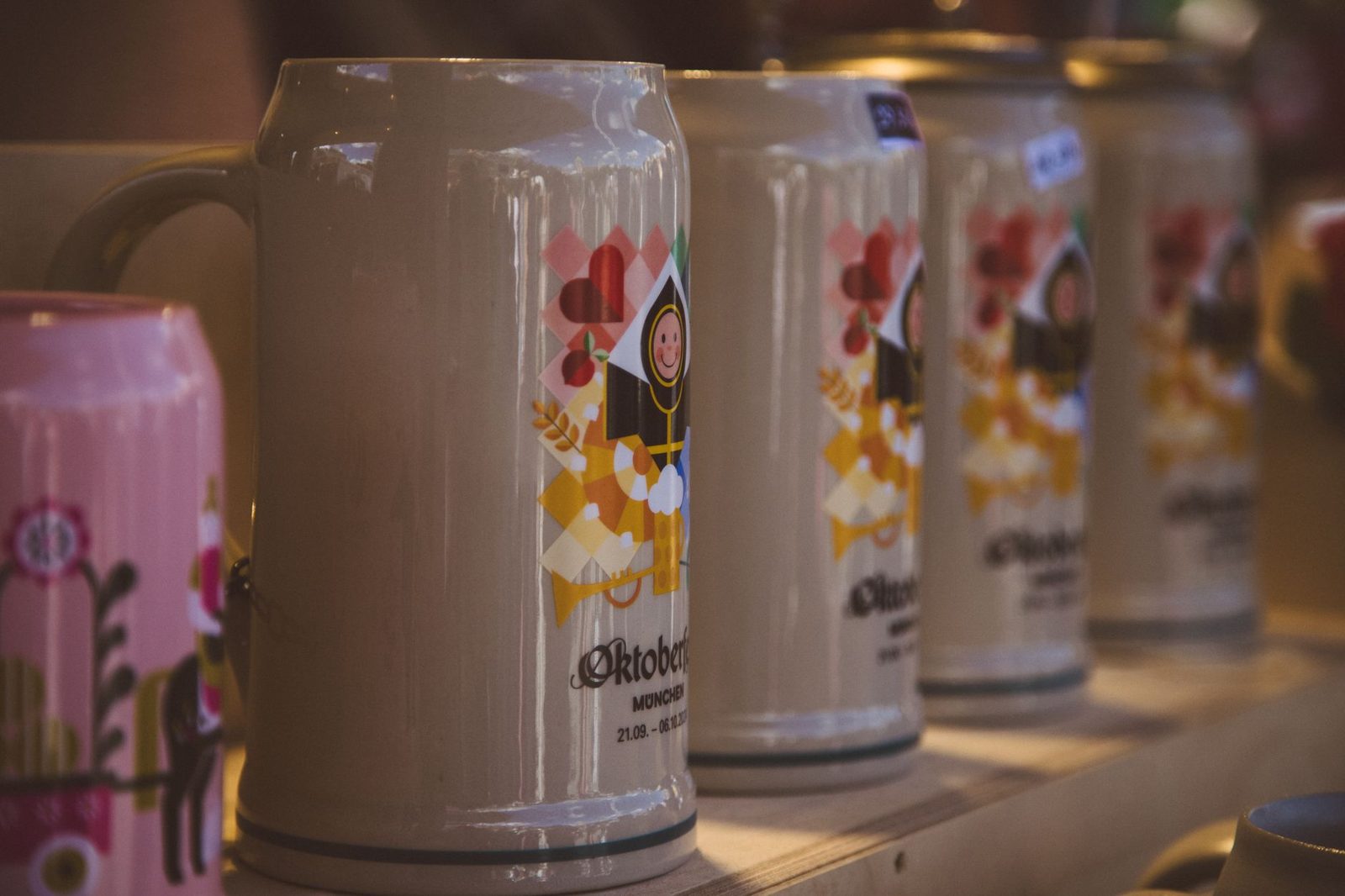
The best Munich souvenirs are exactly the ones airport security frowns on: liquids and breakables. Sort the logistics before you buy and you avoid the classic mistake of pouring a €9 bottle of Spezi into a bin at the gate. Two rules cover almost everything. First, the 100 ml hand-luggage limit means any full bottle of beer, schnapps, or sweet mustard has to ride in your checked bag — or be bought after security in the airside duty-free shop, sealed in its tamper-proof bag. Second, your home country sets the import allowance, not Germany: the United States waves through roughly one litre of alcohol per adult before duty kicks in, while the UK is far more generous. Check your own customs page before you load up on Augustiner, which barely leaves Munich and makes a genuinely local gift.
A one-litre stoneware Bierkrug weighs over a kilo empty, so a couple of steins plus a few bottles can eat half of a standard 23 kg checked allowance — weigh your case at the hotel, not at the Lufthansa desk. Wrap each stein in a rolled jumper, pack it in the centre of the bag away from the edges, and the pewter lid will survive the baggage carousel. Lebkuchen hearts, vacuum-packed mustard, honey, and tea travel fine in carry-on as solids. Insider tip: if you have splurged, do the tax-free paperwork described in the VAT section above and get the export stamp before you check the bag, because the customs desk at the airport may want to see the goods. The S-Bahn ride out to the terminal and where the customs counters sit are mapped in our guide to getting to Munich Airport — leave an extra thirty minutes if you are claiming a refund.
Matching Souvenirs to the Person on Your List
Souvenir-buying gets paralysing when you are standing in a shop on Kaufingerstraße trying to remember what your brother-in-law actually likes. Decide by recipient, not by shelf. The grid below pairs the people you are shopping for with the Munich buys that consistently land, and roughly what you will pay.
| For… | Buy | Rough price |
|---|---|---|
| The beer lover | Stoneware Krug + a sixpack of Augustiner | €25–45 |
| The foodie | Sweet mustard, Lebkuchen, Alpine cheese | €10–20 |
| Kids back home | Glockenspiel music box, plush Bavarian lion | €8–18 |
| The coworker | FC Bayern keyring, Munich tea towel | €5–12 |
| The person who has everything | Vintage find from the flea market | €15+ |
For the foodie, lean on the edible canon in our traditional Bavarian food guide — sweet Händlmaier mustard and a slab of Bergkäse survive a flight better than any fragile trinket. The hardest person on any list, the one who has everything, is best served by a one-off from the vintage flea markets: a 1970s enamel sign or a chipped beer-hall ashtray nobody else will gift them. If you are visiting in December, skip the shops entirely and buy at the stalls — the hand-blown ornaments and carved figures across our Christmas markets roundup are souvenirs with a story, and a Tracht piece from the Oktoberfest dress guide doubles as a costume back home. For the full lay of the land, our Maximilianstrasse shopping walk-through covers the luxury end of the same hunt.
Plan Your Munich Shopping
This souvenirs guide is part of our deeper Munich shopping guide. For luxury shopping see our Maximilianstraße guide. For food gifts see our food and beer guide. For trip planning see our things to do guide and trip planner.