What to Wear to Oktoberfest: Dirndl & Lederhosen
The complete 2026 Oktoberfest outfit guide — Dirndl and Lederhosen explained in detail. Components, quality marks, where to buy in Munich, rental options, and apron knot tradition.
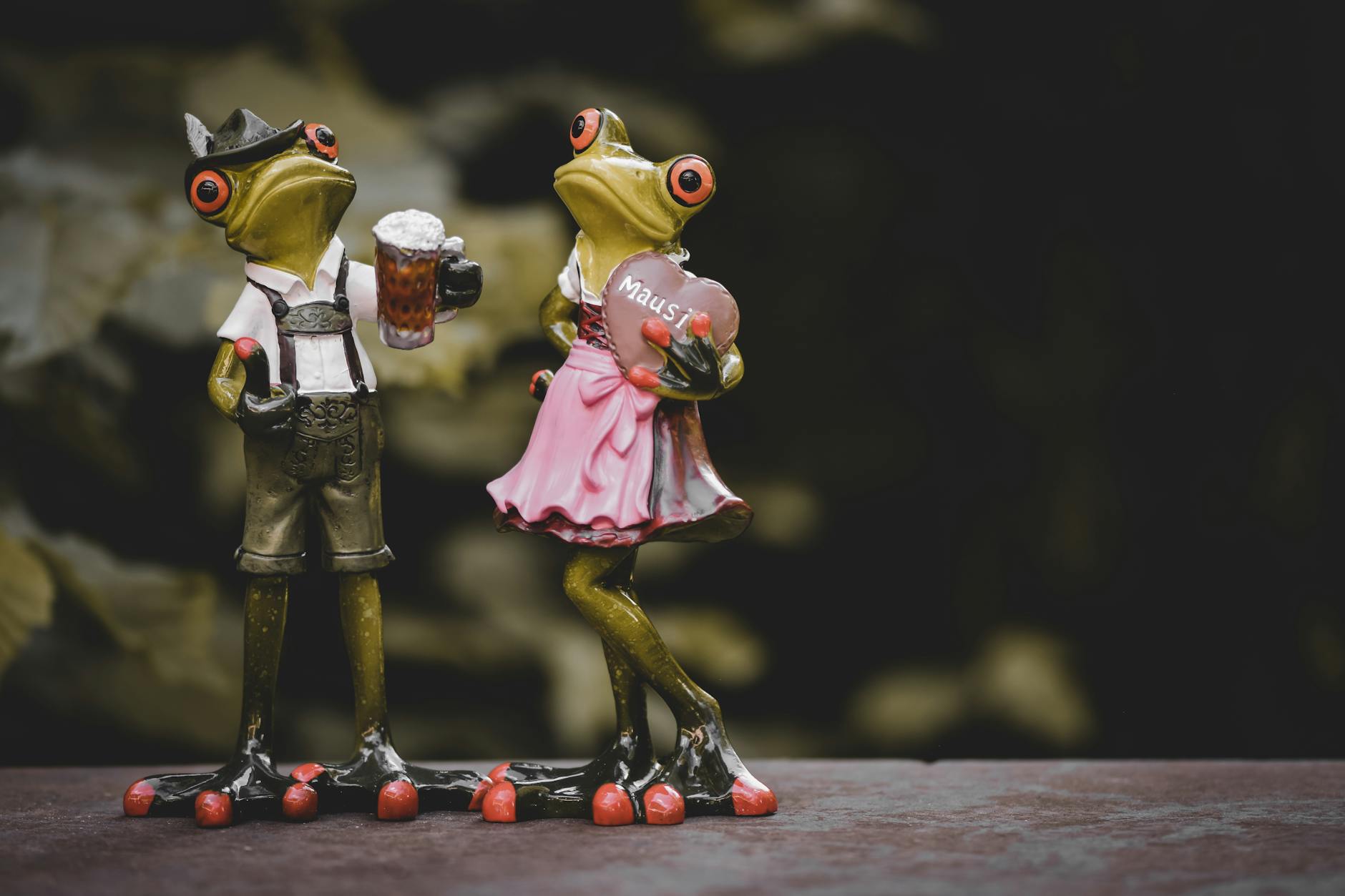
Wearing the right outfit dramatically improves the Oktoberfest experience. While not required (you can wear anything), well over 90% of attendees inside the big tents wear some form of Bavarian Tracht — a Dirndl for women, Lederhosen for men. Looking the part means you fit in, get better photos, feel the festival spirit more authentically, and often receive friendlier service from beer-tent staff. This complete 2026 what to wear to Oktoberfest guide covers the Dirndl and Lederhosen traditions in detail, quality criteria, where to shop in Munich, the cultural meaning behind every element, and answers to every common question first-timers ask.
Oktoberfest Outfit Essentials at a Glance
| For | Outfit | Components | Typical Cost | Where to Buy |
|---|---|---|---|---|
| Women | Dirndl | Dress + apron + blouse + accessories | €100–€300 entry; €600+ premium | Loden-Frey, Trachten Angermaier, Dirndl-Liesl |
| Men | Lederhosen | Leather shorts/Bundhose + checked shirt + socks + shoes | €150–€500 entry; €800+ premium | Loden-Frey, Trachten Angermaier |
| Cheap rentals | Costume-shop versions | Same as above | €30–€80 rental | Lederhosen rental shops |
| Beginners | Basic Dirndl or short Lederhosen | Mid-quality complete outfit | €150–€250 total | Trachten Angermaier |
| Investment | Quality custom Tracht | Hand-tailored over multiple visits | €800–€2,000+ | Loden-Frey, Bauer Tracht |
The Dirndl — Women’s Traditional Dress

The Dirndl is the women’s traditional Bavarian dress — derived from 19th-century Alpine peasant clothing, formalized and refined into the elegant garment seen at Oktoberfest today. A proper Dirndl consists of four components, all of which work together:
The Components
- Kleid (dress): The dress itself, with a fitted bodice and full pleated skirt. Length options: Mini (above the knee — tourist-only), Midi (~knee, the standard 2026 trend, 65-70cm), Maxi (~ankle, traditional). The 2026 trend emphasizes midi length
- Bluse (blouse): White (occasionally cream or pastel) cotton or lace blouse worn under the dress. The blouse details — puffed sleeves, stand-up collars, lace trim — are emphasized in 2026 fashion
- Schürze (apron): Worn over the front of the dress; tied with a bow. The apron color contrasts with the dress and is often where designers add embroidery and embellishment
- Schmuck and accessories: Necklace (typically a Charivari-style chain), earrings, small handbag, sometimes a shawl
The Famous Apron Knot Rules
The bow on the Dirndl apron is positioned to communicate the wearer’s relationship status — though most modern Münchnerinnen consider this tradition somewhere between charming and outdated. The four traditional positions:
- Right side: Married or in a committed relationship — “taken, don’t approach”
- Left side: Single — “available, feel free to engage”
- Front center: Virgin or very young (a tradition some find dated)
- Back: Widow or waitress (the back knot is also a practical choice for service staff)
Whether or not you adhere strictly to these rules, knowing them is part of Bavarian cultural literacy. Tying the apron in your preferred position is a small but visible statement of your relationship to the tradition.
2026 Dirndl Trends
- Earthy and muted tones: Sage green, rust brown, plum, dark petrol, deep wine — neon pinks of past decades are definitively out
- Midi length (65-70 cm): Confirmed as the dominant length
- Statement blouses: Puffed sleeves, stand-up collars, lace details, sheer fabrics — the blouse becomes an eye-catching element rather than a plain undergarment
- Natural fabrics: Cotton, linen, wool blends; synthetic Dirndls are passé
- Embroidery and detailing: Hand-stitched and hand-embroidered details elevate mid-tier into premium territory
- Accessory minimalism: A single statement necklace or earring rather than multiple pieces
Quality Marks of a Good Dirndl
- Bodice: Tailored snug-fitting, with boning or structured paneling; cotton/linen/wool blend, not polyester
- Skirt: Full and pleated; lined inside; 65-75cm length
- Apron: Silk or cotton; matched to dress color palette; hand-embroidered if premium
- Blouse: Cotton or linen; hand-stitched borders if premium; puffed sleeves
- Stitching: Hand-finished or precisely machine-stitched; even, clean lines
- Hardware: Metal eyelets and hooks; brass or staghorn buttons on premium pieces
Lederhosen — Men’s Traditional Wear

Lederhosen (“leather pants”) are the men’s traditional Bavarian shorts. Like Dirndl, they evolved from working-class Alpine clothing — leather was durable for outdoor labor — and were refined into the dressy traditional outfit visible at Oktoberfest. A proper Lederhosen outfit consists of multiple components:
Lederhosen Length Options
- Kurze (Short): Above the knee. Most common at Oktoberfest because tents get warm. The standard choice for first-time wearers
- Bundhose (Medium): Just below the knee. More traditional and more elegant. Worn with white knee socks
- Stiefelhose (Long trousers): Full-length leather pants paired with knee-high boots. The most formal option. Rare at Oktoberfest
The Leather
Leather type determines quality and price. Hirschleder (deer leather) is the premium choice — softest, most durable, most expensive (€350-€500+ entry, €800-€1,500+ for hand-tailored). Bockleder (goat leather) is the traditional choice — durable, distinctive grain, mid-priced (€200-€400). Rindleder (cow leather) is the budget option — stiff, less elegant, cheapest (€150-€250). For first-time wearers, goat leather offers the best balance of authenticity and cost; serious investments warrant deer leather.
Other Lederhosen Components
- Checkered shirt: Cotton or linen; classic patterns (red-white, blue-white, green-white); tucked into the Lederhosen
- Hirschhornknöpfen (deer horn buttons): On the front flap; a quality marker
- Embroidery (Spaltenstickerei): Hand-embroidered front-flap design; the more elaborate, the more premium
- Braces (Hosenträger): Optional leather suspenders; usually leather matching the Lederhosen
- Stockings (Stutzen): Knee-high socks; white is most traditional; blue, gray, and green also acceptable; calf-supporter design
- Haferl shoes: Traditional Bavarian dress shoes — leather, with side-laced design and rounded toe. €100-€300
- Hat (Tirolerhut): Felt hat with feathered band; optional but traditional
- Charivari (chain): Decorative chain of charms — coins, antlers, animal teeth — connecting the front-flap buttons; collected over years; tradition-conscious wearers find it meaningful
Where to Buy in Munich
Loden-Frey — Munich’s Premier Trachten House
On Maffeistraße in central Munich, Loden-Frey has been Munich’s most established traditional clothing house since 1842. The four-floor flagship store carries everything from entry-level (€150-€300 outfits) to bespoke (€2,000+ hand-tailored). Loden-Frey’s reputation rests on consistency and craftsmanship; their seamstresses are among Germany’s most respected. Sale season in late January-February offers 30-50% off — significant for high-end purchases.
Trachten Angermaier
On Rosenstraße, Trachten Angermaier offers wider range from budget to premium — typically the best mid-tier choice for first-time buyers. Mid-quality Dirndl and Lederhosen at reasonable prices (€150-€400 typical). Knowledgeable staff who can advise on fit and tradition.
Dirndl-Liesl
In the Tal between Marienplatz and Isartor, Dirndl-Liesl specializes in budget-friendly Dirndl rentals and purchases. Excellent for travelers wanting authentic Tracht without major investment. Rentals from €30-€80; purchases from €100. Same-day fitting available for last-minute Oktoberfest preparation.
Other Options
- Lodenfrey-Park: Loden-Frey outlet store with last-season pieces at 30-50% off
- Galeria Kaufhof on Marienplatz: Department store carries entry-level Tracht; convenient but limited selection
- Costume rental shops: Multiple shops near Hauptbahnhof rent Lederhosen and Dirndl for €30-€80 per festival day. Best for one-time visitors who won’t wear again
- Online ordering: lederhosenstore.com, dirndl.com, and others ship internationally; allow 2-3 weeks for delivery + tailoring
Footwear, Hair, and Makeup
Women’s Footwear
- Dirndl shoes: 3-5 cm block-heel pumps in leather (black, brown, or matching the dress color). The block heel is preferable to stiletto because you’ll be standing 8+ hours
- Mary Jane styles: Classic Dirndl shoe with strap; works with all Dirndl lengths
- Flat alternatives: Many wearers skip heels entirely — comfortable leather flats are increasingly accepted; sneakers under a Dirndl mark the wearer as a tourist
- Boots: Knee-high leather boots with Maxi Dirndl create a striking look
Men’s Footwear
- Haferl shoes: Traditional Bavarian dress shoes; side-laced; rounded toe; brown or black leather; €100-€300
- Trachten-shoes: Various traditional Bavarian shoe styles
- Sneakers: Acceptable for casual short Lederhosen at beer gardens; not at Oktoberfest tents where Haferl shoes are preferred
Hair and Makeup (Women)
- Braids: Single thick braid down the back, or two braids twisted up over the head (the famous “Heidi” style); classic and on-trend
- Loose hair with floral crown: Modern alternative to braids; flower crown adds youthful charm
- Updo: Bun with decorative comb; elegant; pairs well with statement earrings
- Makeup: Natural and fresh; rose-pink lips; defined eyes; nothing dramatic
- Lipstick choice: Often coordinated with the Dirndl bodice color
Common Mistakes First-Time Wearers Make
- Mini Dirndl: Worn above the knee is decisively tourist territory; locals wear midi or maxi
- Neon colors: Pink, electric blue, and other neon shades signal tourist; muted earth tones in 2026
- Synthetic fabrics: Polyester Dirndl in faux-traditional designs; spotted immediately by Münchners
- Wearing the wrong apron knot position: If you choose to follow tradition, follow it correctly
- Sneakers under Tracht: Standard tourist signal; Haferl shoes (men) or proper Dirndl shoes (women) are correct
- Lederhosen too short or too long: Short above the knee is standard; full-length boots are formal only
- Wearing T-shirts under Dirndl: Always a blouse; Dirndl bodices require the blouse foundation
- Skipping the Charivari: For Lederhosen wearers serious about authenticity, the Charivari is the visible mark of tradition
Renting vs Buying
When to Rent
- One-time Oktoberfest visit: A single rental for €40-€80 makes sense vs €150-€300 purchase
- Last-minute decision: Tracht rental shops accommodate same-day fitting
- Uncertain about fit: Rent first, then buy if you fall in love with the look
- Budget-conscious students: Rentals fit student budgets
- Older travelers: Rent for the experience without investment
When to Buy
- Multiple Oktoberfest visits planned: Buying pays off after 2-3 wears
- Cultural commitment: Quality Tracht lasts 20+ years and grows in value with wear
- You’ll wear for other Bavarian occasions: Beer gardens, Bavarian weddings, festivals throughout the year
- Tracht as gift or wardrobe addition: Pass it down or keep as cultural memento
- You appreciate craftsmanship: Hand-stitched pieces are works of textile art
Packing and Logistics
- Pack quality Tracht in carry-on: Don’t entrust to checked luggage during peak season
- Steam clean before packing: Most Trachten cleans well at home with steam; avoid heavy washing
- Bring a backup pair of socks/blouse: Spills are common at Oktoberfest
- Pack a small umbrella: Munich weather can change
- Comfortable walking shoes for transit: Wear separate shoes to/from the Theresienwiese; change before entering
- Bring a Dirndl bag: Small leather Dirndl-style bag for essentials; large bags are restricted at Oktoberfest entry
- Cash for tips at the tent: €5-€20 in small bills
Dress is one of many things first-timers get wrong. Our list of Oktoberfest tips for first-timers covers the rest.
Frequently Asked Questions
Do I have to wear Tracht to Oktoberfest?
No — but 90%+ of attendees inside the big tents do wear some form of Tracht. Looking the part means fitting in, getting better photos, and feeling the festival spirit. Tracht is welcomed even from international visitors; Bavarians appreciate visitors making the effort.
How much does a quality Dirndl cost?
Entry-level mid-quality: €150-€300 for the complete outfit (dress + apron + blouse + accessories). Premium: €400-€700. Hand-tailored from Loden-Frey: €800-€2,000+. Rentals: €30-€80 per festival visit. Children’s Dirndl: €60-€150.
How much do Lederhosen cost?
Entry-level cow leather: €150-€250. Quality goat leather: €200-€400. Premium deer leather: €350-€500+. Hand-tailored: €800-€1,500+. Rentals: €30-€80 per Oktoberfest visit. Quality Lederhosen lasts 20+ years and gets better with age.
What does the Dirndl apron knot signify?
Right side = married/in a relationship. Left side = single. Front center = virgin/very young. Back = widow or waitress. Modern Münchnerinnen often consider these traditions outdated, but knowing them is cultural literacy. Tie the apron in your preferred position.
Where can I rent Lederhosen in Munich?
Multiple rental shops near the Hauptbahnhof rent Lederhosen and Dirndl. Dirndl-Liesl in the Tal is the most central. Costume rental shops on Schwanthalerstraße and surrounding streets. Same-day fittings available; reservations recommended for Oktoberfest peak dates.
Dressing for Wiesn Weather

Oktoberfest runs from mid-September into the first days of October, and that fortnight is the meteorological hinge of the Bavarian year. A sunny afternoon on the Theresienwiese can hit a T-shirt-warm 24°C; the same night drops into single digits, and a cold Atlantic front can turn the gravel to mud by lunchtime. Tracht has a built-in answer to this, which is why locals never look caught out. For men, the classic layer is a Trachtenjanker — a boiled-wool (Walk) jacket in grey or loden green that throws over a checked shirt and shrugs off drizzle. For women, the move is a fitted Trachtenjanke cardigan or, more elegantly, a wool Trachtentuch (a triangular shawl) knotted over the dirndl bodice; both add warmth without hiding the dress.
The trap is the temperature swing between inside and out. The beer tents are tropically warm — 6,000 bodies and a brass band will do that — so you will strip to shirtsleeves indoors and want every layer back the moment you step out for the U-Bahn. Pack accordingly: a compact wool layer beats a bulky coat you have to mind all day, and the tents have no real cloakrooms. Skip the umbrella (banned inside, useless in a crowd) in favour of a loden jacket that simply sheds the rain. Time your visit with the actual Oktoberfest dates and schedule, and sanity-check the forecast against our month-by-month Munich weather and packing guide, which covers exactly this September-to-October pivot.
Tracht on a Budget: Where to Find Affordable Pieces
A hand-sewn dirndl from Loden-Frey is a thing of beauty, but you do not need to spend €400 to look right for one festival. Every autumn the big department stores — C&A above all, plus the seasonal Tracht corners in Galeria and the supermarkets — stack racks of entry-level dirndls from around €40–70 and starter lederhosen from roughly €80. They are polyester-blend and the aprons are printed rather than woven, which a Münchner will clock at ten paces, but for a first Wiesn nobody is checking your seams. The smarter budget play is secondhand: Munich has a lively resale culture in Tracht, and the city’s vintage and flea markets regularly turn up real wool dirndls and broken-in leather lederhosen for a fraction of retail — the leather, in particular, is better the older it gets.
| Option | Rough price | Best for |
|---|---|---|
| Rent for the weekend | €50–80 | One-time visitors, no storage |
| Budget buy (C&A / department store) | Dirndl €40–70; Lederhosen €80–150 | First Wiesn, want to keep it |
| Secondhand / flea market | €30–120 | Real wool & leather on the cheap |
| Mid-range (Angermaier & co.) | Dirndl €120–250; Lederhosen €200–400 | Repeat visitors |
| Heirloom (Loden-Frey, handmade) | €300–1,000+ | A lifetime piece |
Wherever you buy, do it before you arrive at the tent — prices on the Theresienwiese itself and at last-minute pop-ups are inflated. For the full lay of the land on where Munich actually shops, our Munich shopping guide maps the Tracht houses against the department stores.
Caring for Your Tracht: Cleaning and Storage
Spend real money on Tracht and you need to know one rule above all: you never wash lederhosen. The darkening patina that spreads from years of spilled Helles and roast chicken is the whole point — it is what separates a local’s heirloom pair from a tourist’s box-fresh ones. Spot-clean a stain with a damp cloth, air them outside after each wear, and store them on a peg, not folded. A genuine pair of suede or deer-leather lederhosen will outlive you and look better at your grandchild’s first Wiesn than it does today.
The dirndl is gentler but fussier in its own way. The cotton blouse and the apron come off and wash normally; the dirndl dress itself, with its trims and sometimes a silk or wool bodice, usually wants a cold gentle cycle or the dry cleaner. Hang it on a wide, padded hanger so the bodice keeps its shape, and never ball a silk apron into a drawer. Treated properly, good Tracht is the rare festival outfit that doubles as a keepsake — many visitors carry one home as the best kind of Munich souvenir. For everything else about doing the festival right, from tents to timings, circle back to our complete Oktoberfest guide.
Plan Your Oktoberfest Trip
This Oktoberfest outfit guide is part of our deeper Oktoberfest Munich guide. For dates and schedule see our Oktoberfest 2026 dates guide. For tents see our tent guide. For reservations see our reservations guide.
The Cultural Politics of Wearing Tracht
Wearing Tracht (the umbrella term for traditional Bavarian clothing) has slightly different connotations for international visitors versus Münchners — and being aware of these distinctions can prevent inadvertent missteps. For international visitors, wearing Tracht to Oktoberfest is welcomed and expected — Münchners generally appreciate the effort and don’t view it as cultural appropriation. The garment is associated with celebration and festival rather than ethnic identity. For Münchners themselves, Tracht has subtler meanings: locals wear Tracht at Oktoberfest with explicit pride; some wear Tracht for everyday occasions (weddings, religious holidays, family gatherings); some Münchners have inherited Tracht from grandparents and family. The Bavarian relationship to Tracht is more complicated than the simple tourist version: it can be conservative (older, religious, rural-identifying), or fashion-conscious (younger urban Münchnerinnen who treat their Dirndl as designer statement), or political (Bavaria-pride). Wearing high-quality Tracht respectfully — not as costume but as authentic dress — earns the most positive reception.
Within Bavarian Tracht culture, regional variations exist. The standard “München Tracht” — the Dirndl and Lederhosen visible at Oktoberfest — is one specific regional tradition. Different Bavarian regions have distinct traditional dress: the Oberland (around the Alps) has heavier, more rustic versions; the Berchtesgaden area has distinctive embroidery patterns; the Franconia region (northern Bavaria) has dress that resembles Bavarian traditional clothing but with different details. For Oktoberfest-specific clothing, the Munich-style Tracht is universally appropriate. International visitors don’t need to navigate the regional distinctions; sticking with mainstream Munich Tracht (mid-quality Dirndl or Lederhosen from Loden-Frey, Trachten Angermaier, or comparable shops) works perfectly.
Quality Tracht Investments That Pay Off
Several Tracht investments are worth their premium pricing. A quality goat-leather Lederhosen (€350-€500) lasts 20+ years with proper care, growing softer and more characterful as it ages; some Münchners have grandfather’s Lederhosen they still wear. A quality wool Loden coat (€350-€600) is the warmest, most practical winter outerwear in Bavaria; it’s also the most traditional dressy winter coat. A hand-painted Bavarian ceramic beer stein (€100-€200) appreciates in value over decades; antique steins fetch high prices. A quality Dirndl ensemble (€250-€400 for entry; €600+ for premium) works for Oktoberfest plus weddings, religious holidays, and Bavarian family events. A Charivari (Lederhosen chain of charms) is collected over years; the assembled chain becomes a personal narrative of Bavarian relationships and adventures. Quality Tracht is also resaleable — well-maintained Loden-Frey pieces hold 50-70% of their original value after years of wear. The compounded value (use + retained worth) makes premium Tracht a reasonable purchase even for occasional wearers.
Tracht for Children at Oktoberfest
Bringing children to Oktoberfest in Tracht is a beloved Munich tradition — and surprisingly affordable. Children’s Dirndl run €60-€150 for the complete outfit (dress + apron + blouse); children’s Lederhosen €80-€200 depending on quality. The same quality marks apply: hand-painted versus mass-produced, deer leather versus cow leather. Children grow out of Tracht quickly, so many Bavarian families pass children’s outfits between cousins and siblings. The Munich Trachten houses offer adjustment services for second-hand outfits. For visiting families wanting children to dress traditionally, rentals are particularly cost-effective: €25-€60 per child per festival visit. Most rental shops have children’s Tracht in stock for 5-12 age range; younger children may need custom adjustments. Children’s Tracht should include comfortable closed-toe shoes; sneakers under Tracht are acceptable for young children if necessary.
Specific 2026 Christmas Market Highlights
For visitors planning specific 2026 Munich Christmas market experiences, certain attractions are worth knowing about. The Marienplatz balcony Advent concerts run every evening at 17:30 from late November through December 23 — brass ensembles, choirs, alphorn players, and Advent musicians performing from the Rathaus balcony for 25 minutes free. The Pink Christmas Market opening party (typically the first Friday of the market run) brings DJs and drag performances to Stephansplatz. The Mittelaltermarkt Knight’s Tournament on weekends features mock combat, archery demonstrations, and falconry. The Tollwood Winter Festival’s New Year’s Eve party (December 31) is one of Munich’s largest organized public NYE events — pre-bookable. The Auer Dult Winter (Kirchweihdult) overlaps with early Christmas markets (typically October 17-25), providing a folk-fair contrast. Schloss Nymphenburg’s Christmas market runs only on weekends (Friday-Sunday); plan around those dates. The Englischer Garten Christmas Market typically runs the second half of Advent (December 1-23). Specific 2026 opening dates are typically announced in October.