Munich Weather & Packing Guide
Complete 2026 Munich weather and packing guide — month-by-month temperatures, what to wear in each season, dress codes by activity, and the universal Munich packing essentials.
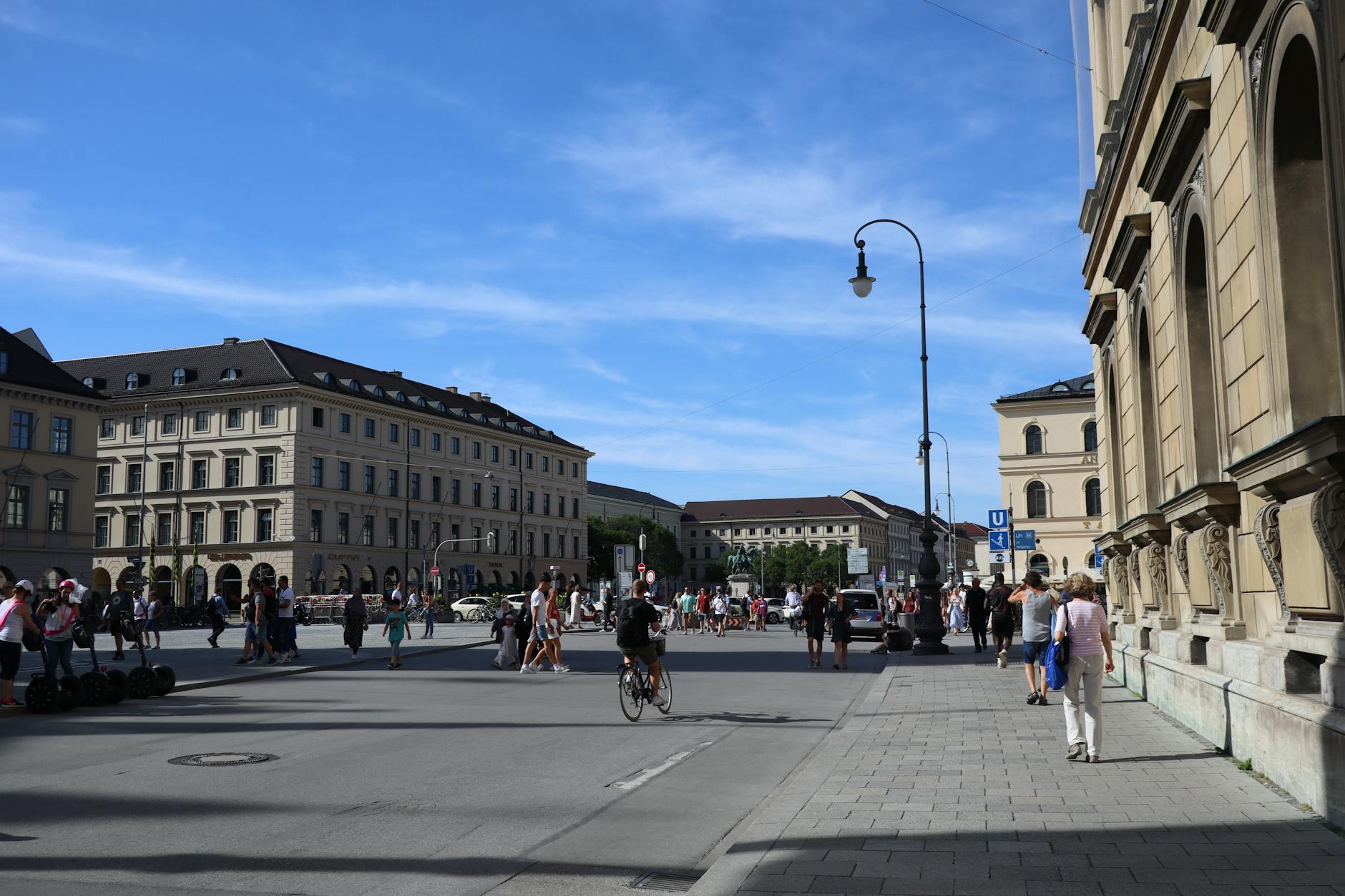
Munich’s continental climate gives the city four distinct seasons and notably variable weather — temperatures can swing 10–15°C within a single day, particularly in spring and autumn, and rain is a year-round possibility. Knowing what Munich weather to expect and packing the right layers makes the difference between a comfortable trip and a wet, cold one. This complete Munich weather and packing guide for 2026 covers month-by-month temperatures, rainfall, sunshine hours, and an exact packing list for each season — plus the universal Munich essentials you should pack regardless of when you visit.
Munich Weather: Year-Round Snapshot
| Month | Avg High | Avg Low | Rain Days | Sunshine/Day |
|---|---|---|---|---|
| January | 4°C / 39°F | -2°C / 29°F | 10 | 1.5 h |
| February | 5°C / 41°F | -3°C / 27°F | 9 | 3.0 h |
| March | 10°C / 50°F | 1°C / 34°F | 11 | 4.5 h |
| April | 14°C / 57°F | 4°C / 39°F | 12 | 5.5 h |
| May | 19°C / 66°F | 8°C / 46°F | 13 | 7.0 h |
| June | 22°C / 72°F | 12°C / 54°F | 13 | 7.5 h |
| July | 24°C / 75°F | 13°C / 55°F | 14 | 8.0 h |
| August | 24°C / 75°F | 13°C / 55°F | 13 | 7.5 h |
| September | 20°C / 68°F | 10°C / 50°F | 11 | 5.5 h |
| October | 13°C / 55°F | 5°C / 41°F | 10 | 4.0 h |
| November | 7°C / 45°F | 1°C / 34°F | 11 | 1.5 h |
| December | 3°C / 37°F | -2°C / 28°F | 11 | 1.0 h |
Quick Packing Lists by Season
Summer (June–August)
Hot days (often 25–30°C, occasionally 35°C+ in heatwaves). Cool evenings drop to 15°C. Many afternoons feature dramatic thunderstorms — a sudden 20°C temperature drop is normal.
- Tops: 4–5 lightweight T-shirts; 2 button-down shirts for evening dining
- Bottoms: shorts (1–2), light trousers (1–2), summer dresses
- Light layer: cardigan or light jacket for evenings (essential — Munich nights cool down)
- Footwear: comfortable walking shoes; sandals; one pair smart-casual for restaurants
- Sun protection: sunglasses, hat, SPF 30+ sunscreen
- Rain: a small foldable umbrella + lightweight rain jacket for sudden thunderstorms
- Swimwear: yes — Munich has multiple lakes, the Eisbach, and the Isar river for swimming
- Dress code: smart-casual rules in beer halls and restaurants; no shorts/flip-flops at upscale dinners
Spring (April–May) and Early Autumn (September)
The trickiest season to pack for. Mornings 5–10°C, afternoons 15–22°C, occasional cold snaps with wind chill. Layered packing is essential.
- Layers: long-sleeve shirt + medium sweater + light jacket combo
- Tops: 3 T-shirts, 2 long-sleeve shirts, 1 button-down
- Bottoms: 2 pairs trousers, 1 pair jeans
- Outer layer: medium jacket (not heavy winter coat); a windbreaker
- Footwear: comfortable walking shoes; one waterproof pair if hiking nearby
- Rain: small umbrella + waterproof jacket essential
- Scarf: light scarf for mornings
- Optional: light gloves for early-morning April starts; sunglasses always
Autumn (October–November)
Cooler — 7–13°C highs, 1–5°C lows. November becomes properly cold and grey. Frequent rain; daylight shortens fast.
- Tops: 3–4 long-sleeve shirts, 2 sweaters
- Bottoms: 2 trousers, 1 jeans, 1 thermal/leggings
- Outer layer: warm coat (medium-weight, ideally water-resistant)
- Footwear: waterproof walking boots; one smart-casual indoor pair
- Scarf, hat, gloves: yes
- Rain: umbrella + rain jacket are essential
- Indoor layer: cardigan for warm restaurants
- Tights/thermals: useful underneath dresses or trousers
Winter (December–February)
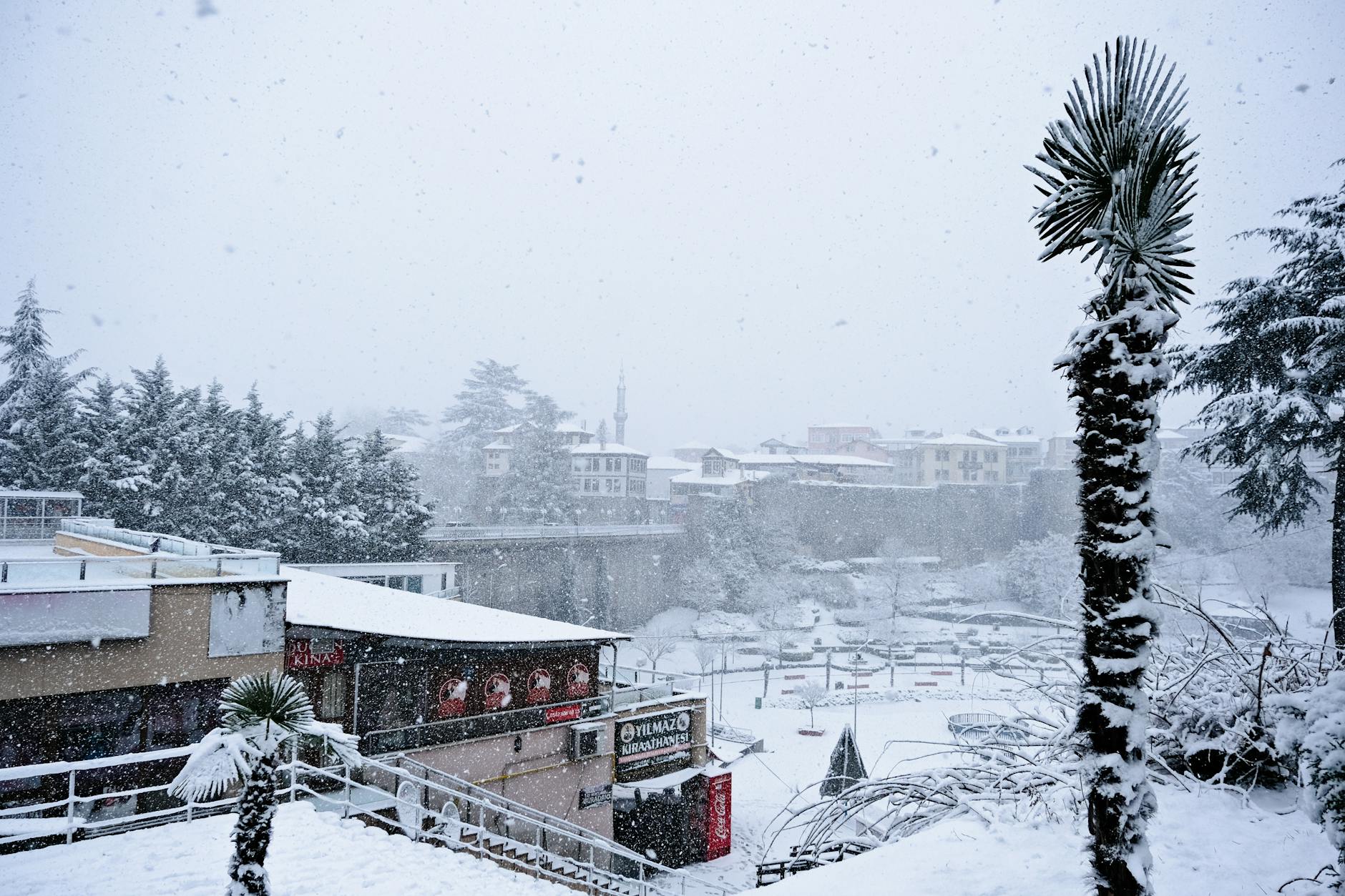
Properly cold. Days hover around 0–5°C; nights drop below freezing; snow possible from late November through March. Christmas market season requires standing outside drinking Glühwein for hours — pack accordingly.
- Heavy winter coat — warm, ideally waterproof, knee-length or longer
- Layers: thermal base layer, long-sleeve shirts, sweaters
- Bottoms: warm trousers (jeans alone aren’t enough for outdoor evenings); thermal underlayers helpful
- Footwear: waterproof boots with grip (Munich sidewalks freeze and get icy)
- Hat, scarf, gloves: non-negotiable
- Indoor layer: lighter sweater for warm cafés and restaurants
- Hand warmers (optional but useful at Christmas markets)
- Lip balm and moisturiser — dry indoor heating chaps skin fast
Year-Round Munich Essentials
Pack these regardless of season:
- Comfortable walking shoes — you’ll average 8–15 km daily on cobblestones
- Small foldable umbrella — Munich rains 9–14 days every month
- Light rain jacket — even in summer, sudden thunderstorms are common
- EU-style adapter plug (Type F, two round pins) if you’re from US/UK/Asia
- Reusable water bottle — Munich tap water is excellent and free at park fountains April–October
- Day backpack or crossbody bag — but bags larger than 20×15×10 cm are restricted at Oktoberfest
- Power bank — heavy phone use eats batteries fast
- Travel insurance documents
- Passport / EU ID — keep one copy on your phone
- Cash: €60–€100 small bills for tips, market stalls, and small purchases
- Basic toiletries: rosewater + petroleum jelly help with dry-air skin in winter; sunscreen in summer
- Camera + spare memory card if you’re not relying on phone
Munich Dress Codes by Activity
Sightseeing & Casual Dining
Anything goes within reason. Sneakers, jeans, T-shirts, and a sweater work everywhere. Layered, neutral, comfortable.
Beer Gardens
Casual — but Münchners actually wear traditional Trachten (Dirndl/Lederhosen) at beer gardens, especially on summer Sundays. You’ll fit in. Otherwise jeans + button-down or T-shirt is standard.
Beer Halls (Hofbräuhaus, Augustiner)
Smart-casual. Avoid sport-bra T-shirts and athletic shorts. A button-down + jeans is fine.
Fine Dining (Michelin-starred)
Smart-casual minimum; jacket is appreciated for men but rarely required. Jeans are accepted at many. Avoid sneakers + shorts.
Mainstream Nightclubs (P1, Pacha, Heart)
Strict dress code: no sneakers, no shorts, no athletic clothing, no flip-flops, no sportswear. Smart-casual or dressy.
Techno Clubs (Harry Klein)
Black is universal. Sneakers fine. Less strict than mainstream clubs but selective on attitude.
Opera, Theatre, Concert Halls
Smart-casual minimum; many locals dress up. Suit + tie is common at the Bavarian State Opera. Jeans are increasingly acceptable but feel out of place.
Churches
Modest dress: covered shoulders, no super-short shorts. Hats off for men. Quiet voices.
Oktoberfest
Wearing Tracht (Dirndl/Lederhosen) is welcomed and recommended. Otherwise jeans + casual top works. See our Oktoberfest guide.
Weather Patterns to Know
The Föhn Wind
Munich’s distinctive warm Alpine wind. The Föhn blows down from the Alps and can raise temperatures by 10–15°C in hours, even in winter. Effects: spectacular Alpine views (the mountains seem twice as close as usual), excellent visibility, warm sunny days even in January. Side effects: many people get headaches and disturbed sleep during Föhn weather. If you wake up with a sudden headache and notice the Alps are unusually close, you’re feeling Föhn.
Summer Thunderstorms
Almost every summer week has at least one afternoon or evening thunderstorm — the southern German air mass + Alpine influence creates dramatic weather. Storms move through fast (1–2 hours), produce intense rain, and drop temperatures 10°C suddenly. Plan an indoor option for late afternoons.
Snow
Snow is irregular but possible from late November through early March. Big snowfalls happen 2–4 times per winter; light flurries are more common. Munich keeps streets clear quickly, but cobblestones and pedestrian zones can be slippery — invest in shoes with grip.
Air Quality and Allergies
Munich’s air quality is generally good. Major allergy seasons: tree pollen March–May, grass pollen May–July, ragweed August–September. Bring antihistamines if sensitive.
What NOT to Pack
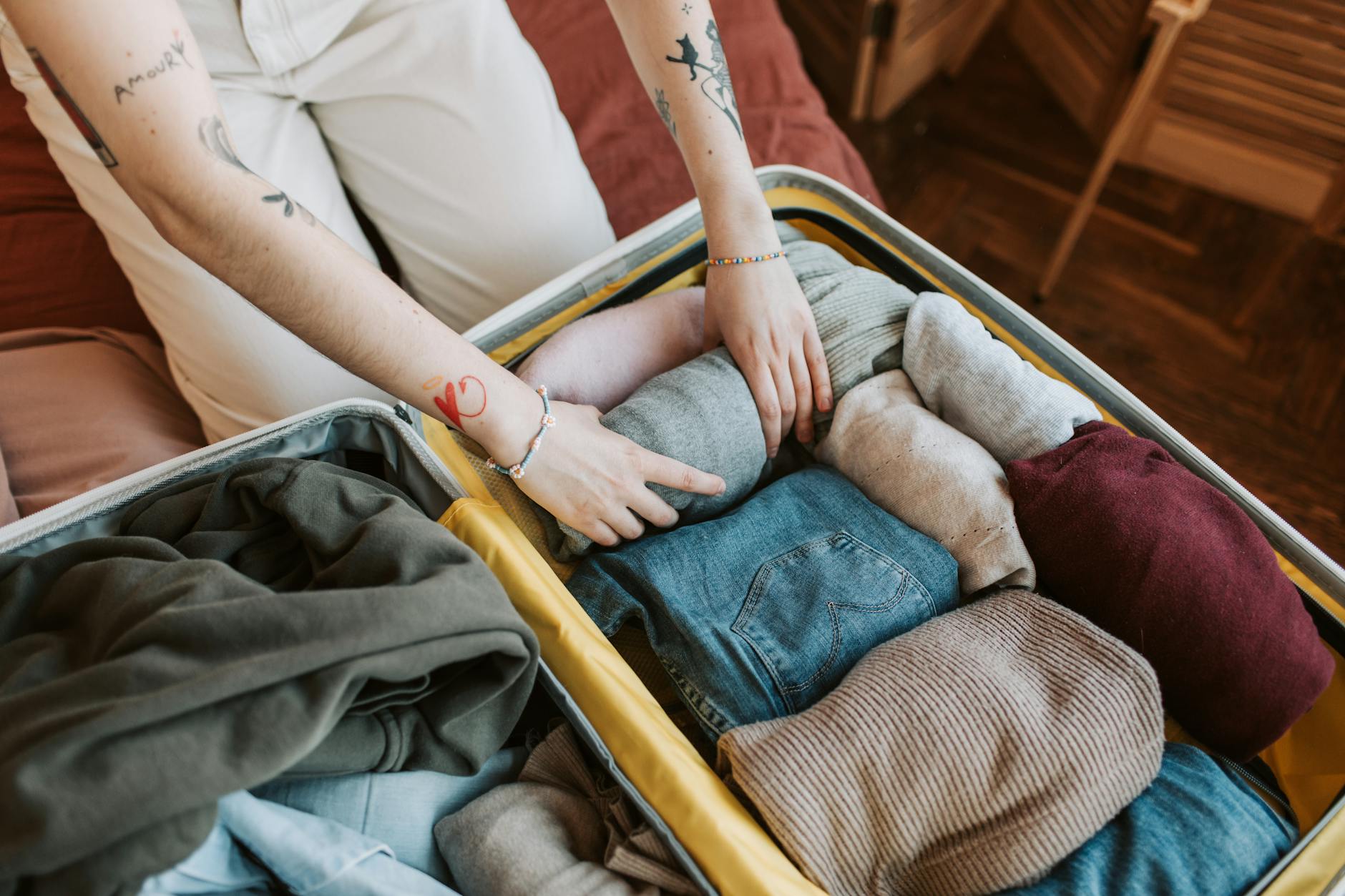
- Heels for walking — Munich is cobblestoned everywhere; you’ll regret it
- Heavy winter coats in summer — even cool summer evenings rarely need more than a cardigan
- Excess outfits — Munich is a casual city; one nice dinner outfit + comfortable daily wear is plenty
- Hair dryers, irons — every hotel above hostel-tier provides them; saves space
- Bath towels — hotels and most hostels provide
- Adapters for the wrong country — Germany uses Type F (two round pins, identical to most of Europe except UK and Italy)
Sample 7-Day Packing List for May-September
- 5 short-sleeved T-shirts
- 2 long-sleeved tops or button-downs
- 2 sweaters or hoodies (one light, one warm)
- 1 light rain jacket (essential)
- 1 medium jacket for cooler evenings
- 2 pairs trousers, 1 pair jeans, 1 pair shorts
- 1 dress or smart-casual outfit for dinner
- 1 swimsuit
- Underwear and socks for 7 days
- 1 pair comfortable walking shoes (already broken in)
- 1 pair sandals
- 1 pair smart-casual shoes for evenings
- Sunglasses + sun hat + SPF 30 sunscreen
- Foldable umbrella
- Toiletries (most under 100 ml for carry-on)
- EU power adapter
- Reusable water bottle
- Day pack
- Phone + power bank + charger
- Passport + travel insurance docs + €100 cash
What to Pack by Trip Type
The weather table tells you the temperature; your itinerary tells you what to actually put in the bag. A Munich trip built around Oktoberfest needs very different things from a December market run or a summer base for the Alps. Match your packing to the reason you are coming, not just the forecast.
| Trip type | Season | Footwear | Don’t-forget item |
|---|---|---|---|
| Oktoberfest | Sept–Oct | Closed, broken-in shoes (gravel + spills) | Tracht or warm layers; cash; a jacket for cold evenings |
| Christmas markets | Late Nov–Dec | Waterproof boots with grip | Thermal layers, gloves, lip balm, hand warmers |
| Summer city break | Jun–Aug | Walking shoes plus sandals | Sunscreen, refillable bottle, packable rain shell |
| Alps & city combo | Any | Hiking shoes plus city shoes | Mid-layer, daypack, sunglasses for snow glare |
| Business / opera | Any | One smart pair | A blazer or dress; the rest stays casual |
Whatever brings you, two items earn their place year-round: a compact umbrella — Munich logs 10 to 14 rain days most months — and one layer warmer than you think you need, because evenings cool fast even in July. If Oktoberfest is the trip, our what to wear to Oktoberfest guide goes deep on Dirndl and Lederhosen; for the markets, the best time to visit Munich breakdown pins down the genuinely cold weeks. For everything the suitcase tends to forget, the 50 pointers in our Munich travel tips fill the gaps.
Where to Buy Clothing and Gear in Munich (If You Pack Wrong)
Forget something, or get caught out by a Föhn-driven temperature swing? Munich is an easy city to re-kit in, and you are rarely more than a U-Bahn stop from what you need. For serious outdoor gear — rain shells, hiking boots, base layers before an Alps day — Globetrotter near Isartor and Sporthaus Schuster on Rosenstraße just off Marienplatz are the two big mountaineering stores, both staffed by people who actually climb and ski.
For everyday clothing on the cheap, head to Stachus (Karlsplatz): C&A, TK Maxx, Primark, and the Galeria department store cluster within a few minutes’ walk, strung along the pedestrian Neuhauser and Kaufingerstraße that runs to Marienplatz. Toiletries and anything missing from the washbag are cheapest at dm or Müller drugstores, on nearly every shopping street; pharmacies (Apotheke, green cross) handle medicines but charge more, and most close on Sundays. If it is simply pouring, any kiosk or souvenir shop near Marienplatz sells umbrellas — overpriced, but you stay dry. For the full retail map, from flagship stores to flea markets, see our Munich shopping guide and the luxury stretch of Maximilianstrasse.
Packing for Munich as a Base: Day Trips and the Alps
Plenty of visitors use Munich as a launchpad — and the moment you leave the city basin for the mountains, the weather rules change. The Alps sit just an hour or two south, and temperatures there can run 8 to 10°C colder than the city, with sudden cloud, wind, and afternoon storms even on a bright Munich morning. If your plans include the Bavarian Alps day trips — the Zugspitze, Garmisch, the Eibsee — pack as if for a different season: a warm mid-layer, a proper waterproof, and sunglasses for the glare off snow and water.
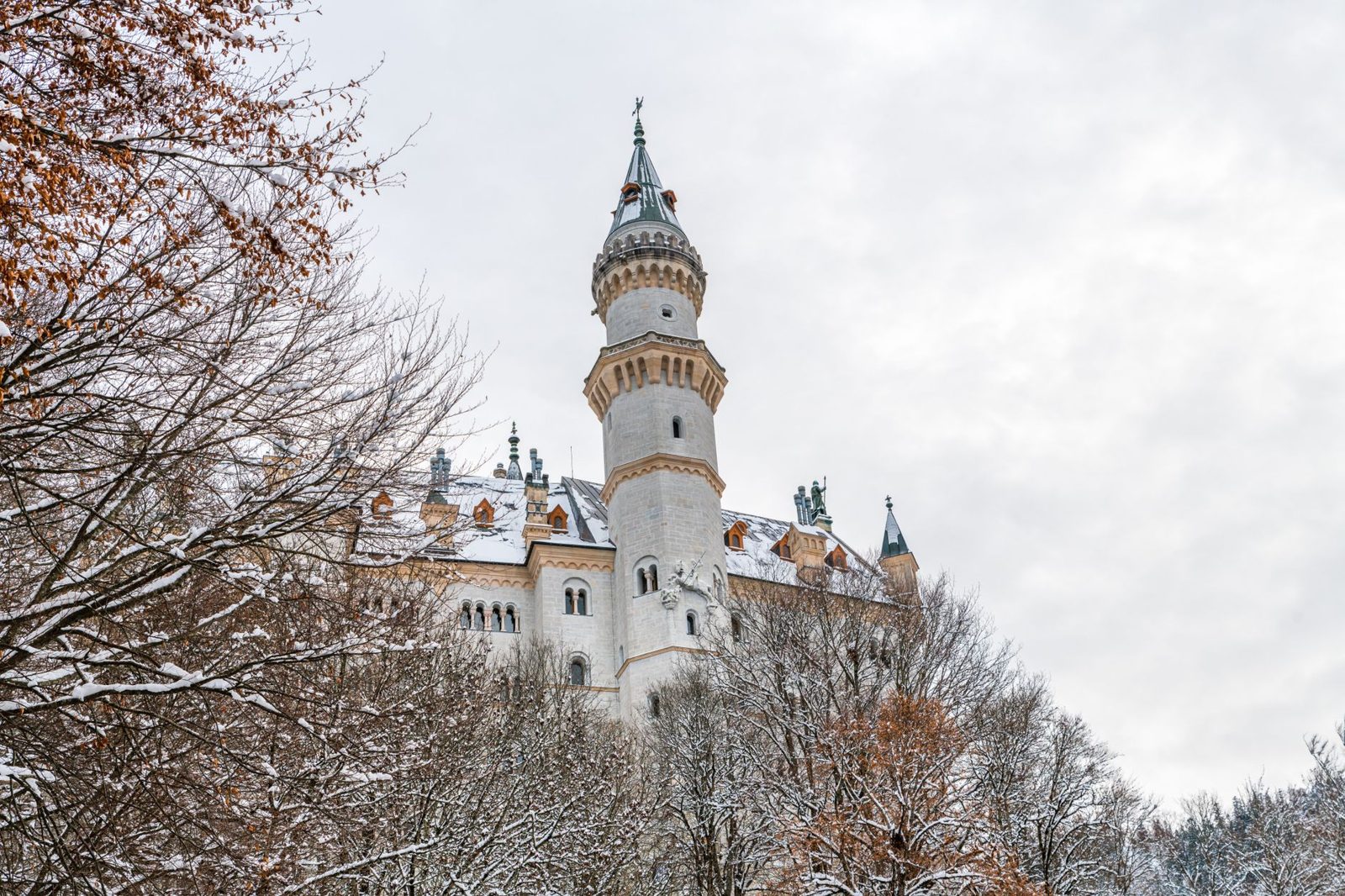
Even gentler excursions reward the right kit. The climb to the Marienbrücke viewpoint on a Neuschwanstein day trip follows uneven, often muddy paths — closed shoes only — and the bridge itself shuts in ice. Lakeside trips to Starnberg or the Chiemsee call for a swimsuit in summer and a windbreaker in the shoulder seasons. The single rule that holds across every outing: layer, and keep a packable shell in your daypack. Our full day trips from Munich guide flags which excursions are weather-sensitive and which work rain or shine.
Frequently Asked Questions
Is Munich cold or warm in summer?
Warm to hot — June, July, and August have average highs of 22–24°C, with frequent days reaching 28–32°C and occasional 35°C+ heatwaves. Evenings cool to 13–15°C. Pack a light layer for evenings even in midsummer.
How cold does Munich get in winter?
January is the coldest — average high 4°C / 39°F, average low -2°C / 29°F. Cold snaps to -10°C are not uncommon. Snow occurs 2–4 times per winter. Heavy coat, hat, gloves, and waterproof boots are essential December–February.
Does it rain a lot in Munich?
Yes — Munich averages 9–14 rain days per month year-round, with summer months actually being slightly rainier than winter. A small foldable umbrella is the single most useful packing item.
What should I wear in Munich beer gardens?
Casual — jeans + a comfortable shirt + closed shoes work fine. Many Münchners wear Tracht (Dirndl/Lederhosen) at beer gardens on summer Sundays — feel free to do so as a visitor; it’s welcomed.
What’s the dress code for the Hofbräuhaus?
Smart-casual. Jeans + button-down or sweater is fine. Avoid athletic clothing and flip-flops. The Hofbräuhaus is touristy enough that they’re tolerant — but Münchners appreciate visitors who make an effort.
Do I need to pack formal clothes for Munich?
Generally no — Munich is a smart-casual city. The exceptions: opera at the Bavarian State Opera (suit/jacket appreciated), 2-Michelin-star restaurants (jacket helpful but not enforced), high-end nightclubs P1/Pacha/Heart (smart-casual required). For everyone else, one nice outfit suffices.
What about packing for Oktoberfest?
Wearing Tracht (Dirndl for women, Lederhosen for men) is enthusiastically welcomed at Oktoberfest. You can buy or rent locally — Loden-Frey, Trachten Angermaier, or Dirndl-Liesl. See our Oktoberfest guide for details.
Munich’s Microclimate — Why Weather Varies
Munich sits at approximately 500 meters above sea level on the northern foothills of the Alps. This geography produces a distinctive microclimate with several characteristics worth understanding. The city receives more sunshine than the German national average — typically 1,700 hours per year versus 1,550 for the country overall. This is because the Alps to the south block weather fronts that produce overcast skies in northern Germany. Munich’s annual precipitation, however, is somewhat above the German average — around 950mm versus 800mm nationally. This rain comes primarily in the form of brief intense summer thunderstorms (rather than the slow drizzle common in northern Germany) and steadier winter snowfall. The combination of higher elevation and Alpine proximity produces more extreme temperature swings than other German cities — Munich’s daily temperature range averages 12°C while Hamburg’s averages only 8°C.
The most distinctive Munich weather phenomenon is the Föhn wind. Warm dry air masses from the Mediterranean rise up the southern Alps, lose their moisture as orographic rainfall, and descend on the northern side as warm dry winds. The compressed air heats up — typically 10–15°C warmer than ambient temperatures. Föhn can occur at any time of year but is most dramatic in winter, sometimes raising January temperatures from -5°C to +15°C within hours. Locals know the signs: unusually clear visibility revealing the Alps on the horizon, low atmospheric pressure, and a peculiar dry warmth in the air. Medical research has documented increased headaches, sleep disturbances, and cardiovascular events during strong Föhn periods — many sensitive Münchners can predict Föhn arrival from their physical symptoms. Tourists experiencing unusual headaches in clear winter weather may be feeling Föhn.
Packing Mistakes Foreign Visitors Commonly Make
Visitors from different climate regions tend to make predictable packing errors. North American visitors often underestimate Munich’s daily temperature swings — they pack heavy jackets sufficient for Boston winters but neglect the cardigans needed for cool summer evenings. Asian visitors (particularly from southern China, Vietnam, and Indonesia) consistently underestimate winter cold and pack for autumn temperatures they associate with German cities — Munich January temperatures regularly drop below their wardrobe range. Australian visitors arriving in summer often forget to pack a light rain jacket — Munich’s summer thunderstorms surprise them. British visitors do best, since UK climate variations roughly match Munich’s. American visitors from the southern states (Florida, Texas) consistently underpack for cool evenings.
Beyond temperature, three other packing categories deserve special attention. Footwear: Munich is cobblestoned almost everywhere; the smooth marble of luxury hotel lobbies is the exception, not the rule. Sneakers or comfortable walking shoes with good grip are essential. Heels above 5cm are genuinely impractical on cobblestoned streets. Sandals are fine in summer but you’ll want closed-toe shoes for evening dining. Rain gear: A small foldable umbrella is the single most-used Munich packing item. Compact umbrellas under 30cm fit easily in bags. Layering pieces: Munich’s 10–15°C daily swings mean you’ll regularly remove and re-add layers throughout the day. A medium cardigan, a light jacket, and a heavier jacket give flexible coverage from 5°C to 25°C.
Layering Strategy: The Münchner Method
Münchners have honed a specific layering strategy for the city’s volatile weather. The system works like this: start with a moisture-wicking base layer (cotton-modal or wool blend), add a medium-weight middle layer (cardigan, lightweight wool sweater, or quilted vest), then a final outer layer chosen for weather (rain jacket, wool coat, or down jacket depending on season). The genius of the system is that each layer can be removed independently. Sitting at a beer garden on a sunny afternoon, you’d wear just the base layer. When clouds roll in and temperatures drop 10°C, you add the middle layer. When rain arrives, you add the outer layer. This approach handles Munich’s daily temperature swings (10–15°C variation is normal) without requiring multiple jacket changes.
Materials matter for the layering system. Cotton-modal blends and merino wool are ideal for base layers; they regulate temperature well and dry quickly. Cashmere or wool blends work for middle layers; they pack down small but maintain warmth. For outer layers, a Loden wool coat (Bavaria’s traditional outerwear) is exceptional in cold dry weather; a Gore-Tex rain shell handles wet conditions; a packable down vest covers cool mountain visits. The most-used items in a Münchner’s wardrobe are: 2-3 cotton button-downs, a medium cardigan, a wool sweater, a Gore-Tex jacket, a medium-weight wool coat for winter, and good walking shoes. Total core wardrobe: maybe €600-€1,200 of investment that lasts many years. Visitors don’t need to replicate this exactly but should think in terms of layering rather than single-jacket dressing.
Plan Your Munich Trip
This weather and packing guide is part of our deeper Munich trip planner. For specific seasonal recommendations, see our best time to visit guide. For event-specific packing, see our Oktoberfest guide and Christmas markets guide.