Neuschwanstein Castle Day Trip from Munich
Plan the perfect Neuschwanstein day trip from Munich. Train timetables, tickets, organized tours, the perfect itinerary, photo spots, and every practical tip for visiting Bavaria's fairytale castle.
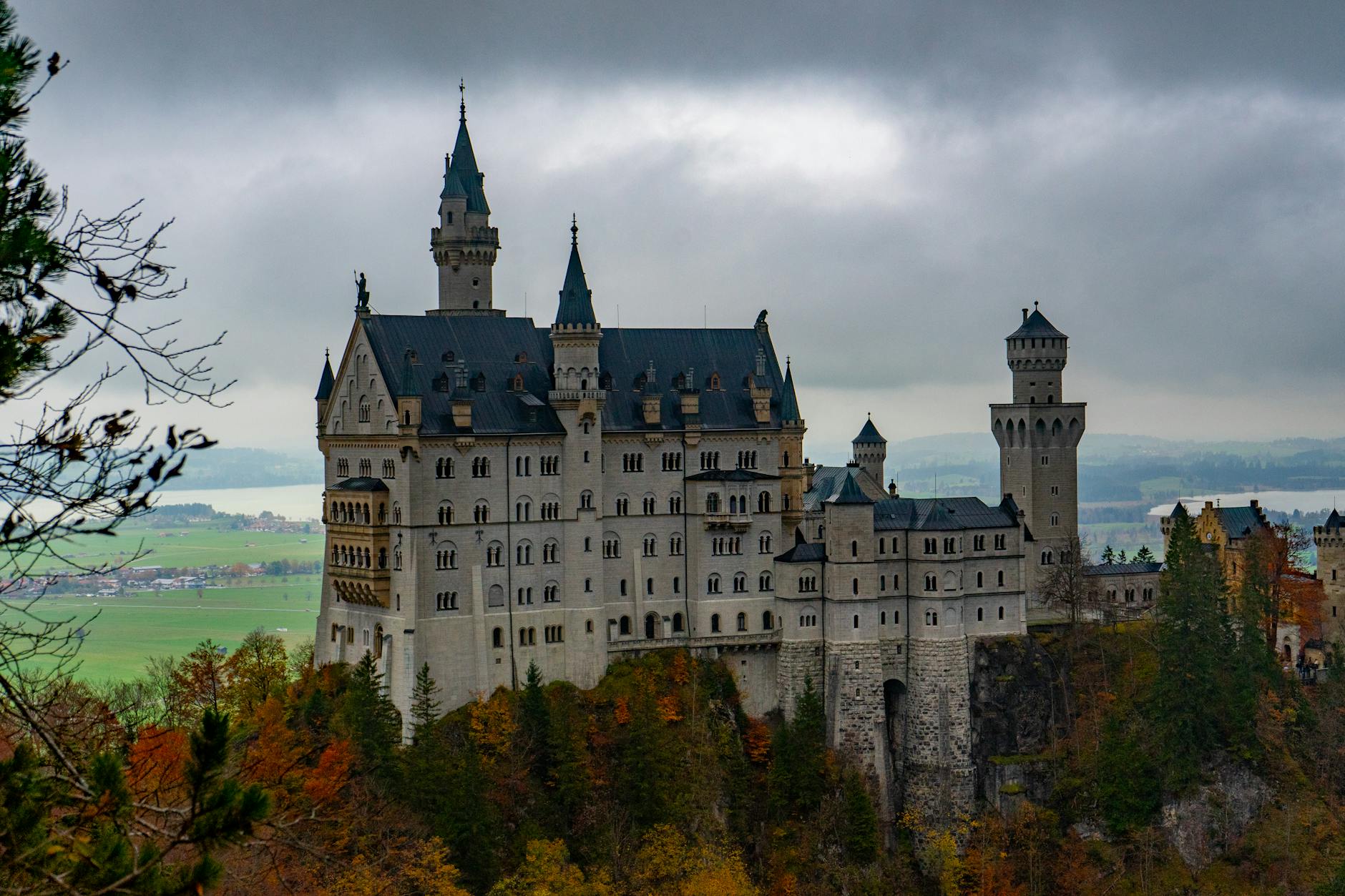
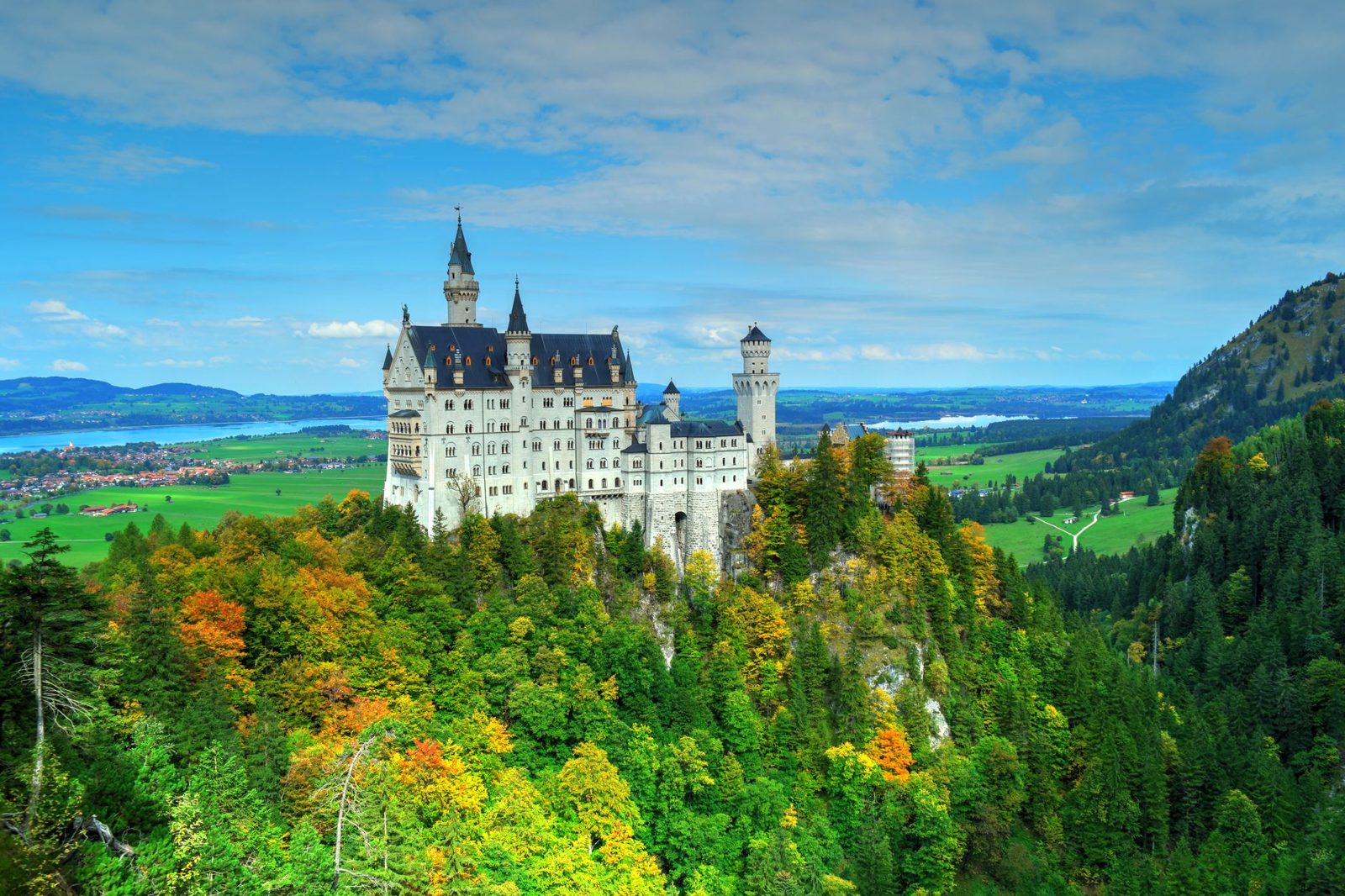
A Neuschwanstein Castle day trip from Munich is the single most popular excursion any visitor takes — and for good reason. King Ludwig II’s 19th-century fairytale castle, perched dramatically on a wooded crag above the Bavarian Alps, is one of the most photographed buildings on Earth and the inspiration for Walt Disney’s Sleeping Beauty Castle. From central Munich, you can reach Neuschwanstein, tour the castle, see neighboring Hohenschwangau, walk to the Marienbrücke viewpoint, eat schnitzel in the medieval town of Füssen, and be back at your hotel for dinner — all in one well-planned day. This complete Neuschwanstein from Munich guide covers tickets, train timetables, organized tours, the perfect itinerary, photo spots, and every practical tip you need.
At a Glance: Neuschwanstein Day Trip Essentials
| Detail | Information |
|---|---|
| Distance from Munich | About 120–130 km by road, to the southwest |
| Travel time (train + bus) | About 2 to 2.5 hours each way |
| Castle ticket (2026) | €21 adults / free under 18 |
| King’s Ticket (combo Neuschwanstein + Hohenschwangau) | €43.50 adults, €12 ages 7–17 (+ €5 online booking fee) |
| Tour duration inside castle | ~30 minutes (mandatory guided) |
| Best train (Bayern-Ticket) | €34 for one, €44 for two, €74 for a group of five |
| Total day trip cost (DIY) | Roughly €62.50 per adult: Bayern-Ticket €34, castle €21 + €2.50 online fee, shuttle bus €5 return |
| Total day trip cost (organized tour) | Set by each operator; check whether the castle ticket is included |
| Recommended departure | The first train you can take: from 09:00 on weekdays with a Bayern-Ticket, any time at weekends |
| Best months | May, June, September (avoid August chaos) |
Three Ways to Get from Munich to Neuschwanstein
Option 1: Train + Bus (Best for DIY Travelers)
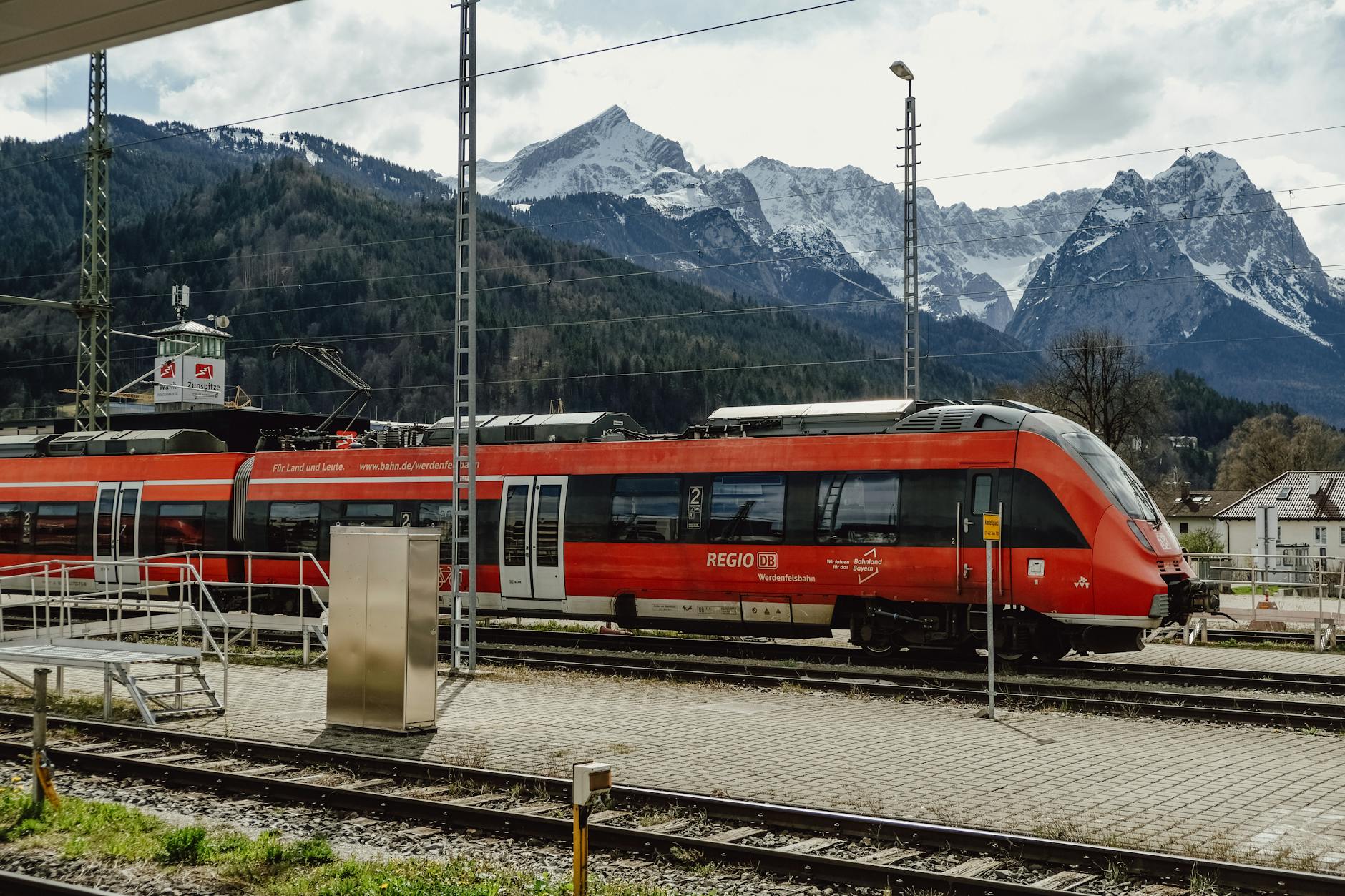
The classic do-it-yourself approach is straightforward: take the regional train from Munich Hauptbahnhof to Füssen (the nearest town to the castles), then connect with bus 73 or 78 to Hohenschwangau village at the foot of the castles. Allow about 2 to 2.5 hours each way by train and bus.
Train details for 2026:
- Departures: Regional trains from Munich Hbf, some direct and some with a change on the way; the DB Navigator app shows the day’s times and platforms
- Recommended departures: As early as your ticket allows. A Bayern-Ticket is valid from 09:00 on weekdays and from midnight at weekends, so Saturday and Sunday give you the earliest start
- Buses to Hohenschwangau: Bus 73 or 78 from Füssen Bahnhof, about 10–15 minutes, roughly every 30 minutes
- Last train back: Look up the last Füssen–Munich connection in DB Navigator the night before, and don’t cut it fine
Tickets: The Bayern-Ticket is your best option — €34 for one person, €44 for two, then €10 for each extra person up to five (€74 in total). Valid from 09:00 weekdays / all day weekends, on all regional trains and Munich/Füssen public transit including the bus to Hohenschwangau. Want to leave before 09:00 on a weekday? The Bayern-Ticket won’t cover that train, so buy a normal Munich–Füssen fare in DB Navigator, or wait for the first departure after nine.
Option 2: Organized Tour from Munich
If you’d rather not deal with logistics, dozens of well-rated companies operate full-day Neuschwanstein tours from Munich. Most include round-trip transport in a comfortable coach, an English-speaking guide, the timed castle entry tickets (often skip-the-line), and free time in Hohenschwangau and Füssen. Prices are set by each operator and swing with group size and inclusions, so check whether the €21 castle ticket is in the price before you compare. Top operators include Gray Line, Radius Tours, Bus2Alps, and the local Bavaria Tours. See our full day trips guide for tour comparisons.
Pros: Castle entry guaranteed (a major issue in summer), no train/bus stress, expert commentary, social atmosphere. Cons: Less flexibility, longer day (typically 11 hours), no choice over castle tour time.
Option 3: Rental Car
Driving gives the most flexibility and adds the option of combining Neuschwanstein with Linderhof Palace, the Wieskirche, or a stop at the Lech Falls. Take the A96 west from Munich to Landsberg, then the B17 (the Romantische Straße) south through Schongau to Schwangau. Park at one of the four official lots (P1–P4) at the foot of the castles: €12 for up to six hours, €1 for each extra hour, €16 at most for the day. They’re well-signed and often fill by 10 a.m. on summer weekends. Bavaria has no autobahn tolls for cars under 7.5 t, so you only pay fuel + parking + tickets.
How to Buy Neuschwanstein Castle Tickets
This is the single most important detail of your trip. Castle entry is by mandatory timed guided tour only — there is no walk-up self-tour. Tickets sell out daily in summer.
Two Ways to Buy
- Online (strongly recommended): Book timed tickets in the Ticket-Center’s official online shop, and do it in good time. €2.50 booking fee per ticket. This is essentially mandatory in summer.
- In person: The Ticket-Center in Hohenschwangau village sells from 08:00 every day, summer and winter. Same-day tickets only, and there aren’t many: they are often gone by late morning, so arrive at 08:00 sharp. Cash and cards accepted.
2026 Ticket Prices
| Ticket | Adult | Reduced (18-23 / disabled) | Children |
|---|---|---|---|
| Neuschwanstein Castle only | €21 | €20 | Free under 18 |
| Hohenschwangau Castle only | €23.50 | €19.50 | €12 (7–17), free under 7 |
| King’s Ticket (both castles; + €5 online booking fee) | €43.50 | €38.50 | €12 (7–17), free under 7 |
| Museum of the Bavarian Kings | €14.50 | €13.50 | Free under 18 with an adult |
| Bavarian Castle Pass (14-day, over 40 state sights; not valid at Hohenschwangau) | €40 (€80 family or couple) | — | — |
The King’s Ticket is the smartest buy if you have time. Hohenschwangau is far less crowded, keeps its original 1830s furnishings, and tells the human story behind the man who built Neuschwanstein. Schedule Hohenschwangau first (~09:30), then Neuschwanstein (~11:30) — gives you 90 minutes for the walk uphill and Marienbrücke.
Inside Neuschwanstein: What to Expect
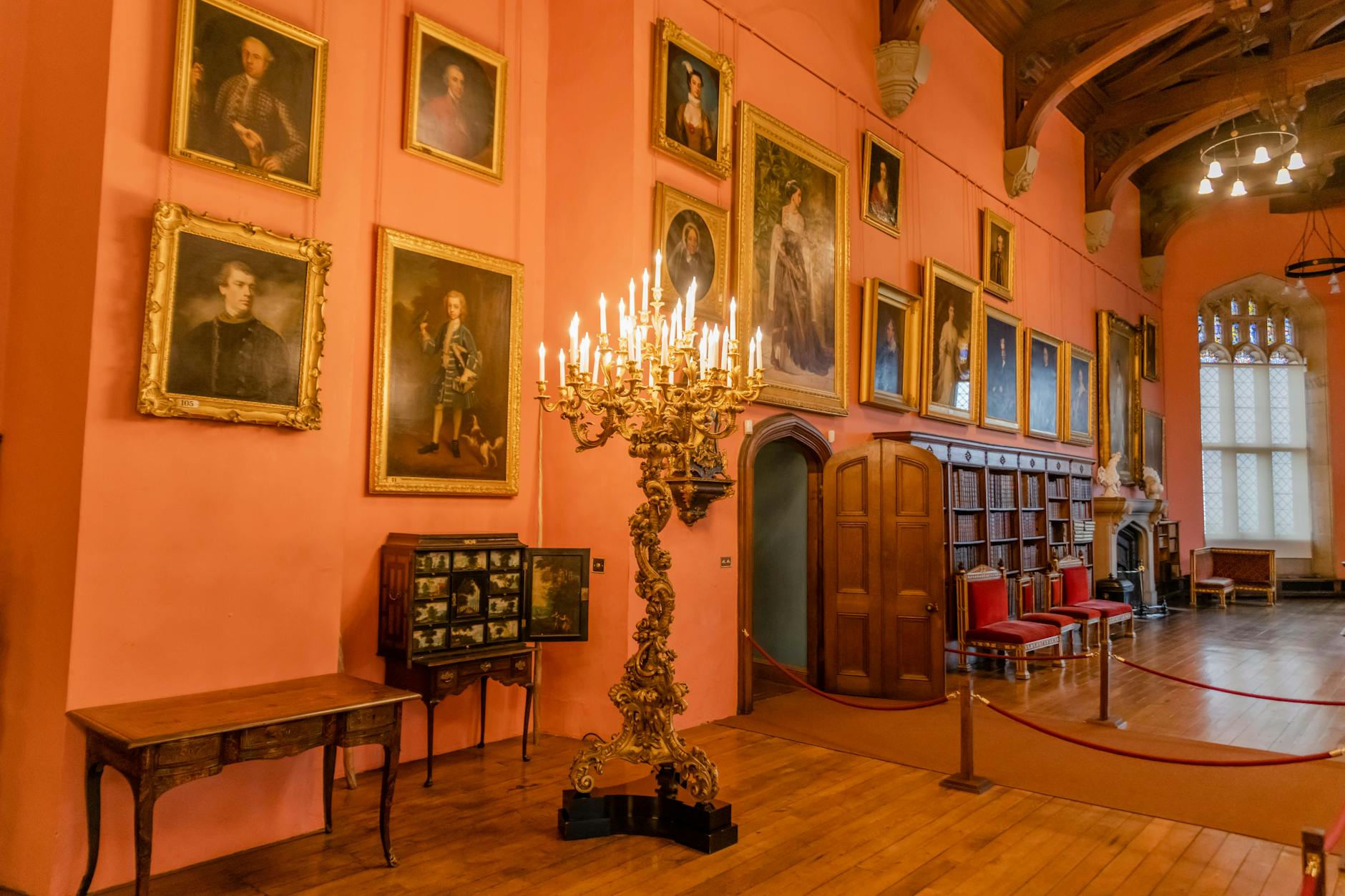
Construction began in 1869 and the castle was never finished — Ludwig II died (officially by drowning in Lake Starnberg, though theories abound) in June 1886, before workers had completed even a third of the planned 200+ rooms. Only about 15 were ever finished, and you see a selection of them on a brisk 30-minute guided tour:
- The Throne Hall — Byzantine-influenced, two stories tall, with no actual throne (Ludwig died before it was made)
- The Singers’ Hall — modeled on the Wartburg Castle and decorated with scenes from Wagnerian operas, the king’s lifelong obsession
- Ludwig’s bedroom — neo-Gothic carved oak that took 14 craftsmen 4½ years to complete
- The artificial grotto — a stalactite-encrusted small theater room with electric lighting (cutting-edge in 1880)
- The kitchen — surprisingly modern, with hot and cold running water and a four-tier rotating spit
Tours run in English through the day. The castle is open 9:00–18:00 from 28 March to 15 October and 10:00–16:00 for the rest of the year. Photography inside is strictly forbidden. The shortened 30-minute pace is brisk; you cannot linger.
Marienbrücke: The Famous Photo Spot
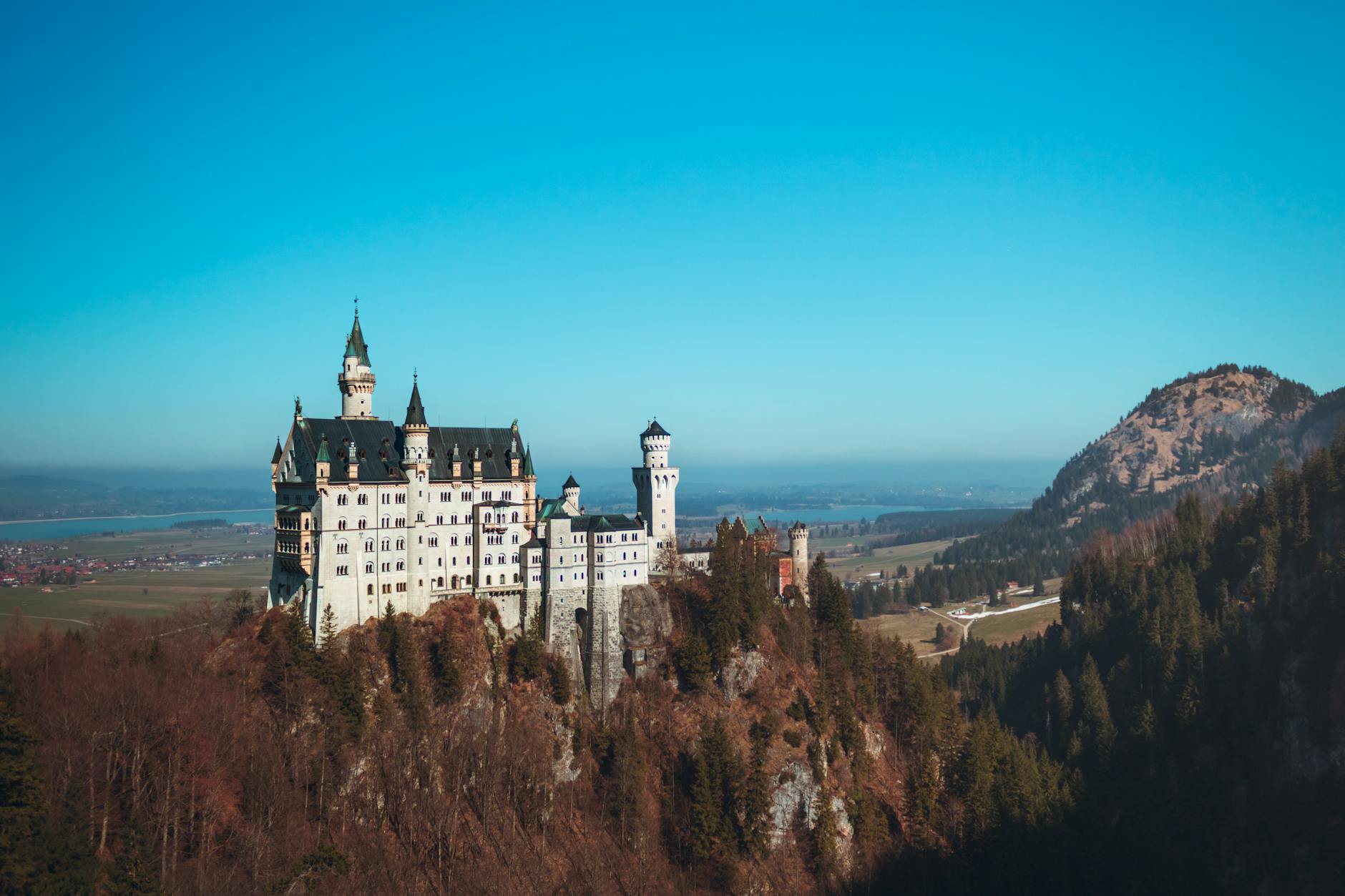
The classic view of Neuschwanstein — the one on every postcard — is from the Marienbrücke (Mary’s Bridge), a slender pedestrian iron bridge spanning the gorge above the Pöllat waterfall. Ludwig II had the iron span built in 1866 to replace an 1845 wooden bridle bridge, and it offers an unobstructed full-frontal view of the castle. The walk from the Hohenschwangau village ticket center takes about 40 minutes uphill on a mostly paved road, or you can take a horse-drawn carriage (€8 up, €4 down) or a shuttle bus (€3.50 each way, €5 return) most of the way.
Pro photography tips:
- Best light: morning (9:00–10:30) when the castle’s east face catches the sun
- Most dramatic atmosphere: foggy spring/autumn mornings
- The bridge can get crowded, with queues in summer
- Heart-pounding alternative: the unmarked rocky outcrop 15 m beyond the bridge end gives an even better angle
- Closure note: The Marienbrücke occasionally closes for renovation. Check the official castle website before traveling — alternate viewpoints from below the castle are still excellent
The Perfect Munich-to-Neuschwanstein Day Itinerary
Recommended DIY Itinerary
| Time | Activity |
|---|---|
| Early morning | Train from Munich Hbf to Füssen (times in DB Navigator) |
| On arrival | Arrive Füssen — change to bus 73 or 78 |
| Late morning | Arrive Hohenschwangau with the timed tickets you booked online |
| Your first slot | Tour Hohenschwangau Castle (45 min) |
| Straight after | Walk uphill to Neuschwanstein (about 40 min) or carriage |
| Midday | Lunch at Schlossrestaurant or cafés near castle |
| Your second slot | Tour Neuschwanstein Castle (30 min) |
| Afternoon | Walk to Marienbrücke for the famous photo (15 min each way) |
| Mid-afternoon | Walk back down to Hohenschwangau village |
| Late afternoon | Bus to Füssen — explore the old town for 1 hour |
| Early evening | Dinner in Füssen (try Restaurant Zum Hechten) |
| Evening | Train Füssen → Munich Hbf (check the last connection the night before) |
Don’t Miss: Hohenschwangau Castle
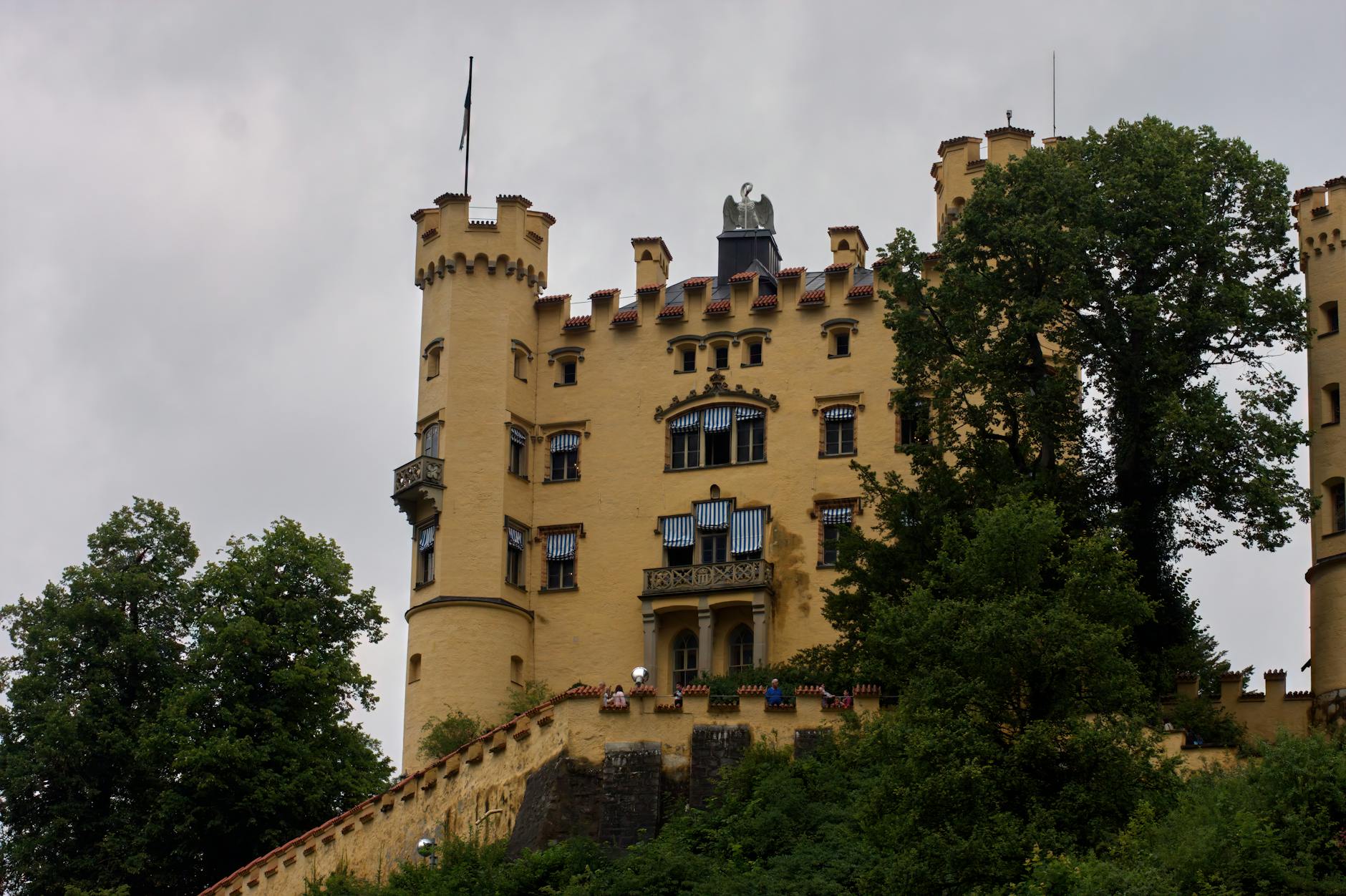
The yellow castle on the lower hill, often skipped by rushed tourists, is in many ways more rewarding than Neuschwanstein itself. Rebuilt in neo-Gothic style between 1833 and 1837 from a ruined medieval castle by Crown Prince Maximilian (later King Maximilian II) as the family’s summer residence, Hohenschwangau is where King Ludwig II spent his entire childhood and developed the obsessions — Wagner, medieval German legend, Swan Knight imagery — that would later drive him to build Neuschwanstein in his own romantic image.
Crucially, Hohenschwangau still has its completely original 1830s neo-Gothic interior intact. You see his actual childhood bedroom, his mother Queen Marie’s apartments, and the writing desk where Ludwig signed correspondence with Wagner. Tours take about 45 minutes. Tickets are €23.50 alone (€19.50 reduced, €12 for ages 7–17) or €43.50 as part of the King’s Ticket with Neuschwanstein.
Spend Time in Füssen
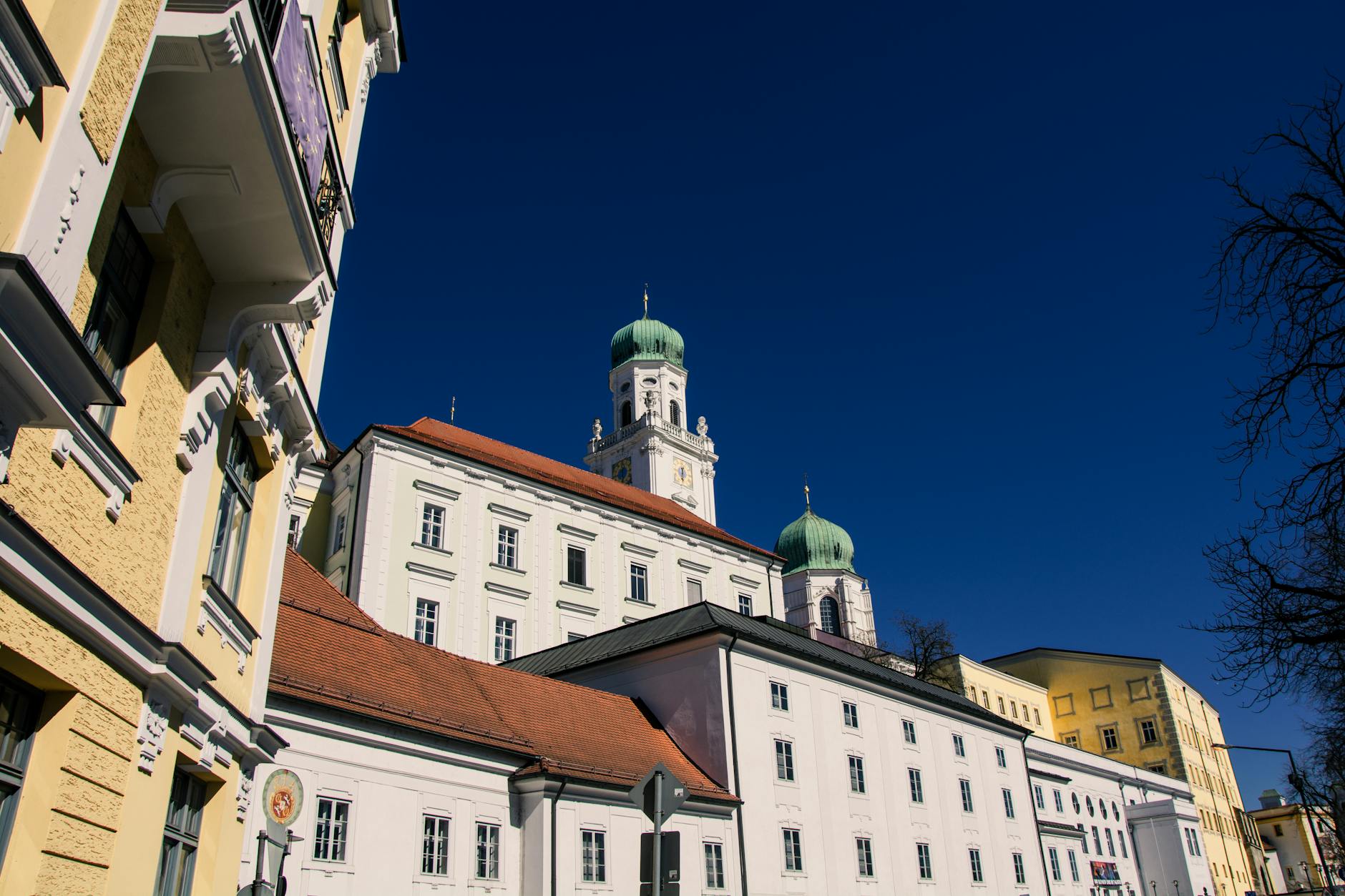
Most visitors miss Füssen entirely — they sprint to the castles and back to the train. That’s a mistake. Füssen is one of the prettiest small medieval towns in Bavaria, a former Roman settlement at the foot of the Alps, with a colorful pedestrian Reichenstraße, a 14th-century High Castle (Hohes Schloss) with a startling trompe-l’œil exterior, the Lech Falls just below the old town, and excellent traditional restaurants. Allow 60–90 minutes for a quick walk-through, ideally either before catching your return train or — even better — in early morning before going up to the castles.
Recommended stops:
- Reichenstraße — the colorful main pedestrian street with painted facades
- Hohes Schloss — the High Castle with its 16th-century painted exterior
- St. Mang Basilica — Baroque masterpiece with a Romanesque crypt
- Lech Falls — a dramatic small waterfall just outside the medieval gate
- Stadtmuseum — Bavaria’s lute and violin-making history (Füssen is regarded as the cradle of European lute and violin making; its lute-makers’ guild dates from 1562)
- Restaurant Zum Hechten — locals’ favorite for Käsespätzle and Schweinsbraten
When to Visit Neuschwanstein
Best Times
- May–early June: Wildflowers, comfortable temperatures, manageable crowds
- September: Best balance of weather and lighter crowds (after summer school holidays)
- Snowy December–February weekdays: The castle truly looks like a Disney movie under snow — go on a Tuesday or Wednesday for the lightest crowds and book tickets a week ahead
Times to Avoid
- August: Peak chaos — tours sell out a week ahead, Marienbrücke has 30-min waits, the village is a sea of tour buses
- Saturdays year-round: Roughly 30% busier than weekdays
- Early November–early December: Marienbrücke regularly closes for ice; castle exterior less photogenic in bare-branch season
Practical Tips for Your Day Trip
- Reserve castle tickets the moment you confirm your trip dates — at least 2–3 weeks ahead in summer
- Arrive at the Ticket-Center 90 minutes before your castle tour time to allow for the uphill walk
- Wear sturdy shoes — the path uphill is paved but steep; the Marienbrücke side trail can be muddy
- Bring water and snacks — restaurants near the castle are mediocre and overpriced
- The Munich Hbf platforms for Füssen change occasionally — confirm on the DB Navigator app
- Storage: Lockers (€2–€6) are available at Munich Hbf if leaving same day with luggage, though construction work limits how many there are
- Disabled access: Neuschwanstein has limited accessibility — only the lower floors are reachable by elevator; contact the castle in advance
- Save €5–€8 by bringing your lunch from a Munich Edeka or Rewe in the morning — eat on the train or at a viewpoint
Combining Neuschwanstein with Other Sights
If you have your own car or are on a longer organized tour, several remarkable detours pair beautifully with Neuschwanstein:
- Linderhof Palace — Ludwig II’s smaller but only completed castle; a Versailles-inspired Rococo gem in the alpine forest. The famous Venus Grotto reopened in 2025 after restoration
- Wieskirche — UNESCO-listed pilgrimage church; arguably the supreme masterpiece of Bavarian Rococo
- Oberammergau — the famous Passion Play village with painted houses
- Garmisch-Partenkirchen and the Zugspitze (an hour or more by road) — Germany’s highest peak; check the cable car is running before you set off
- Plansee, Austria (a short drive south) — gorgeous turquoise alpine lake just over the Austrian border near Reutte
If you would rather pair a castle with a walled medieval town, Rothenburg ob der Tauber is the other classic Bavarian day trip.
The Story Behind the Castle: Ludwig II and His Unfinished Dream
King Ludwig II laid Neuschwanstein’s foundation stone in September 1869, and it was never meant to be a fortress — the name means “New Swan Stone,” a nod to the swan knight Lohengrin from Richard Wagner’s opera, which the king adored. Ludwig paid for the build from his private purse rather than the Bavarian treasury, and the costs spiralled past six million marks. He wanted a stage set for the medieval German legends he loved, and the rooms deliver it: the Throne Hall is modelled on a Byzantine basilica, the Singers’ Hall recreates a scene from Wagner’s Tannhäuser, and a man-made grotto with its own waterfall sits between his study and living room.
Here is the irony every guide points out on the climb up: Ludwig barely got to live in the finished castle. In June 1886 a government commission declared him insane, removed him from power, and days later he was found dead in Lake Starnberg under circumstances Bavarians still argue about. Of roughly 200 planned rooms, only about 15 were completed before work stopped. The castle opened to the public within weeks of his death — the reclusive “fairy-tale king” who built a private fantasy hosted more than a million visitors in 2025 alone. And if the silhouette looks familiar, that is because Walt Disney is widely said to have used Neuschwanstein as the template for Sleeping Beauty Castle. Knowing the backstory turns the 30-minute interior tour from a furniture parade into something stranger and far sadder.
Neuschwanstein vs Other Bavarian Castle Day Trips
Neuschwanstein is the headline act, but Ludwig II built two other palaces and the Wittelsbachs scattered castles across Bavaria. If you have several days, it is worth knowing how the realistic day-trip options compare before you commit every morning to the same two-hour ride south. Not every Munich day trip is a palace, either — the sobering Dachau Memorial is the historical counterweight to all this royal romance.
| Castle | Travel time from Munich | 2026 adult ticket | Why go | Crowds |
|---|---|---|---|---|
| Neuschwanstein | ~2 hrs (train + bus) | €21 | The fairy-tale exterior and Marienbrücke view | Very high |
| Hohenschwangau | Same site | €23.50 | Ludwig’s colourful childhood home above the Alpsee | High |
| Linderhof | ~2.5 hrs via Oberammergau | €11 (€18 with Venus Grotto) | Ludwig’s only finished palace, gilded rooms, Venus Grotto | Moderate |
| Herrenchiemsee | ~1.5 hrs + boat | About €11 (more during special exhibitions) | The “Bavarian Versailles” on a forested lake island | Moderate |
| Nymphenburg | 20 min by tram (in Munich) | €8 | Baroque summer palace — no day trip required | Low–moderate |
A practical read: if you only have one castle day, Neuschwanstein earns it for the silhouette alone. But Linderhof rewards anyone overwhelmed by the crowds — it is small, fully finished, and wrapped in formal gardens, pairing beautifully with the woodcarving village of Oberammergau. For a lake-and-palace combination, Herrenchiemsee on its island is the most relaxed of the three. If you have run out of days, Nymphenburg sits inside the city itself. Our day trips from Munich guide and the wider Bavarian Alps day trips roundup explain how to chain several together, while the Salzburg day trip across the border makes an easy contrast. Whatever you choose, check the best time to visit Munich first — Marienbrücke can close in winter ice, and the photo is half the reason to go.
Herrenchiemsee is the third of Ludwig II’s palaces and the least crowded of the three.
Where to Eat and Refuel Around the Castle
Food at the foot of Neuschwanstein is exactly what you would expect at a site this busy — convenient, Bavarian, and not cheap — so a little planning saves both money and queue time. In Hohenschwangau village, the hotel-restaurants below the two castles (Hotel Müller, Hotel Alpenrose) serve Schweinsbraten, Käsespätzle, and Weissbier with terrace views of the Alpsee at mid-range prices; the Schlossrestaurant sits higher up, on the Neuschwanstein hillside. They fill the moment the tour buses arrive, so eat early — before 11:30 — or late, after 14:00.
Up at the castle, the Schlossrestaurant Neuschwanstein near the entrance is the only option once you have climbed, and it is priced for a captive audience — fine for a coffee and an Apfelstrudel while you wait out your timed-entry slot, less so for a full meal. Smart visitors do what locals do on any hike: pack a Brotzeit. Grab a pretzel, a Leberkässemmel, and some fruit from a Munich bakery or the Hauptbahnhof before you board, then eat it on a bench beside the Alpsee — one of the prettiest free lunch spots in Bavaria. For a proper sit-down meal, save your appetite for Füssen’s old town, a ten-minute bus ride away, where the pedestrianised Reichenstraße lines up bakeries, beer gardens, and gelato at gentler prices. And if you would rather not navigate any of it hungry, time your return so you are back for dinner in the city — our guides to getting around Munich and the best things to do in Munich can fill the evening.
Frequently Asked Questions
Is the day trip from Munich to Neuschwanstein worth it?
For most visitors, yes — emphatically. Neuschwanstein is a once-in-a-lifetime sight, the train ride passes through stunning Bavarian countryside, and a well-planned day fits comfortably from breakfast to dinner. The exception is high-summer (August), when crowds and ticket scarcity can sour the experience; in that case, take an organized tour with pre-booked entry.
Can I visit Neuschwanstein without a tour?
You can visit the castle exterior, walk to the Marienbrücke, and roam the surrounding grounds for free. But to enter the castle interior, you must join a guided tour with a timed ticket — there is no self-guided option. The grounds alone are worth the trip if you’re short on time or tickets are sold out.
How long does the Neuschwanstein day trip from Munich take?
Plan for a 12-hour day door-to-door: about 2 to 2.5 hours each way by train and bus, ~30 min castle tour, plus walking, lunch, and Marienbrücke time. Organized tours are similar in length but with everything handled.
Can I take photos inside Neuschwanstein?
No — photography inside the castle is strictly forbidden, including phone photography. The exterior, grounds, courtyards, and the Marienbrücke are all unrestricted.
Is Neuschwanstein wheelchair accessible?
Partially. The castle offers an elevator to most main floors, but several rooms involve narrow stairs. The walk up to the Marienbrücke is steep, so ask the castle about your options before you go. Contact the castle in advance for assistance and to reserve a special accessibility tour. The shuttle bus to the castle is wheelchair-accessible.
What’s the best month to visit Neuschwanstein?
September is the connoisseur’s choice — fewer crowds than summer, comfortable weather, and changing leaves. May and early June are also excellent. Avoid August for crowds. December–February with fresh snow is magical but unpredictable, with frequent Marienbrücke closures.
Should I do Neuschwanstein and Hohenschwangau or just Neuschwanstein?
Do both, time permitting. Hohenschwangau (the yellow castle) is older, less crowded, and still has the original interior Ludwig II grew up with. The combined King’s Ticket (€43.50) is only about €1 cheaper than the two adult tickets bought separately (€21 + €23.50), so buy it for the convenience, not the saving. Many visitors say Hohenschwangau ends up being the more memorable visit.
Plan the Rest of Your Munich Trip
This Neuschwanstein guide is part of our deeper Munich day trips guide. For the rest of your visit, browse our things to do guide, our where to stay guide, our transport guide, and our overall trip planner.