Munich Christmas Markets: Complete Guide
Your complete guide to Munich's Christmas markets. Explore the Christkindlmarkt at Marienplatz, Tollwood Winter Festival, Pink Christmas, medieval markets, and more — plus food, shopping, and planning tips.
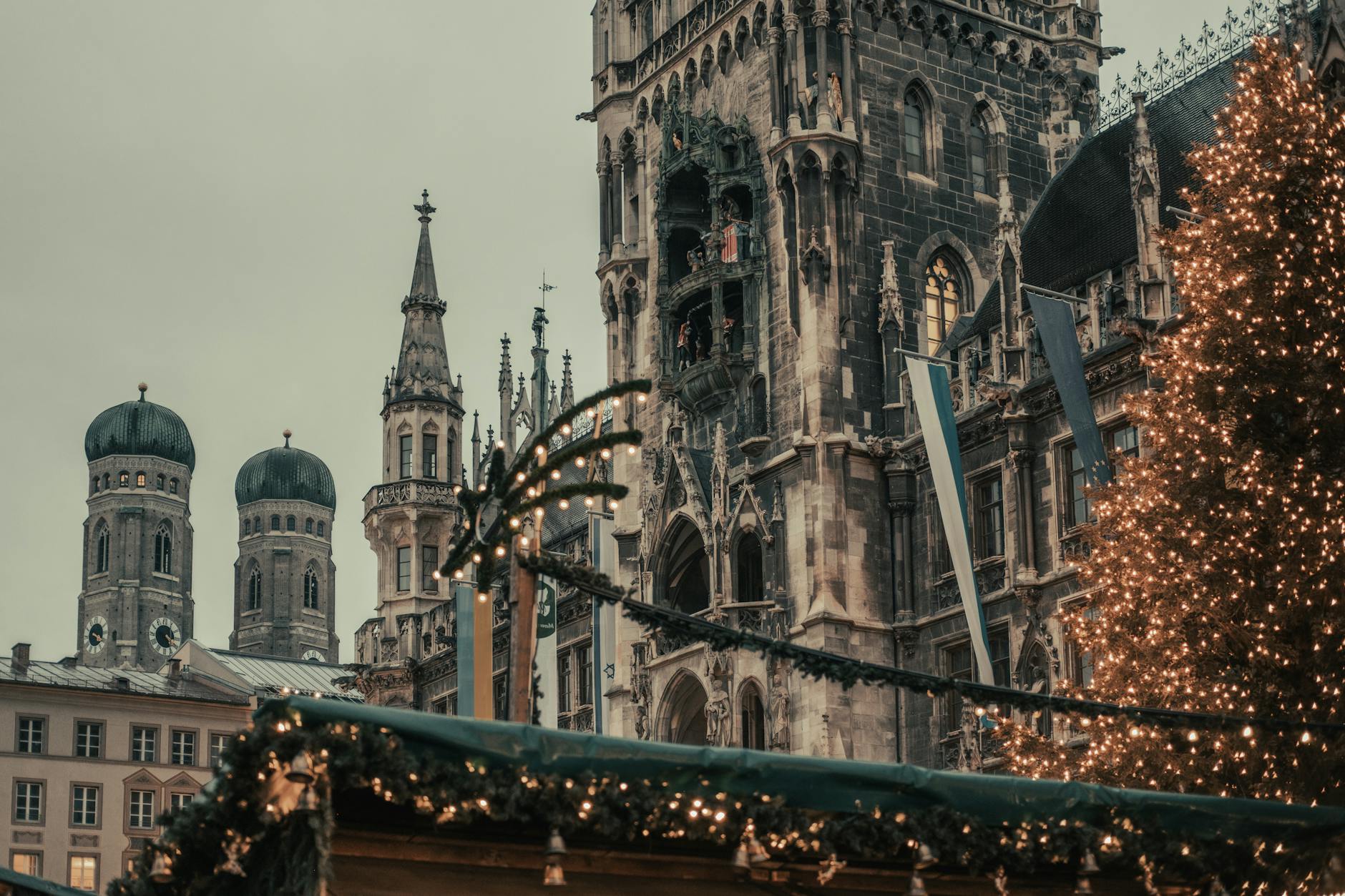
The Munich Christmas markets transform Bavaria’s capital into a winter wonderland every year, drawing millions of visitors to experience one of Europe’s most enchanting holiday traditions. From the historic Christkindlmarkt at Marienplatz — with roots stretching back to the 14th century — to the alternative Tollwood Winter Festival and the sparkling Pink Christmas market, Munich offers a Christmas market experience for every taste and mood. This comprehensive guide covers every market worth visiting, the best festive food and drink to try, practical planning tips, and insider advice to help you make the most of the magical Munich Christmas season.
Munich Christmas Markets at a Glance
Munich runs more than two dozen Christmas markets across the city, and they are not interchangeable. Some are sprawling and traditional, others tiny and candlelit; one is openly alternative, one is medieval, one is unapologetically pink. Here is how the major ones stack up so you can build a route that matches your mood rather than just following the crowds to Marienplatz.
| Market | Location | Vibe | Best for |
|---|---|---|---|
| Christkindlmarkt | Marienplatz | Grand, historic, busy | First-timers, the classic photo |
| Tollwood Winter Festival | Theresienwiese | Alternative, eco, world food | Foodies, live music, later dates |
| Mittelaltermarkt | Wittelsbacherplatz | Medieval, costumed, smoky | Mead, crafts, something different |
| Residenz Weihnachtsdorf | Kaiserhof, Residenz | Romantic courtyard | Couples, evening atmosphere |
| Pink Christmas | Stephansplatz | LGBTQ+, lively | Glockenbachviertel crowd, nightlife |
| Chinese Tower market | English Garden | Scenic, woodsy | A quieter, leafy setting |
| Schwabinger Weihnachtsmarkt | Münchner Freiheit | Artsy, local, crafts | Handmade gifts, fewer tourists |
Christkindlmarkt at Marienplatz: The Main Event
The Marienplatz Christkindlmarkt is the beating heart of Munich’s Christmas season and one of the oldest and most atmospheric Christmas markets in all of Germany. Held annually from late November through December 24th, the market fills Marienplatz and the adjacent Rindermarkt with 137 beautifully decorated wooden stalls (the 2026 count), all set against the spectacular backdrop of the neo-Gothic Neues Rathaus (New Town Hall).
The market typically opens around November 20-25 and runs through Christmas Eve, with hours from 10am to 9pm Monday through Saturday and 10am to 8pm on Sundays. On December 24th, the market closes at 2pm. The official opening ceremony is a highlight in itself — the city’s mayor lights the enormous Christmas tree in the center of Marienplatz, marking the festive season’s official beginning while thousands of spectators gather to watch.
The stalls at Marienplatz sell a curated mix of traditional Bavarian crafts, handmade ornaments, carved wooden figures (Holzschnitzereien), beeswax candles, hand-blown glass baubles, woolen scarves and mittens, and artisan food products. The market maintains strict quality standards — mass-produced goods are not permitted, ensuring that what you buy here is genuinely handcrafted and often unique to this market.
One of the market’s most magical features is the Kripperlmarkt (Nativity Scene Market), located around the Richard Strauss fountain. This is one of the few remaining specialized nativity markets in Germany, selling handcarved nativity figures, cribs, and accessories. The tradition dates back centuries and represents an art form that’s deeply embedded in Bavarian Catholic culture.
Insider tip: Visit on a weekday morning for the most pleasant experience — the market gets extremely crowded on Friday and Saturday evenings. The upper floors of surrounding buildings (such as department stores with window views) can offer beautiful overhead perspectives of the illuminated market.
Tollwood Winter Festival
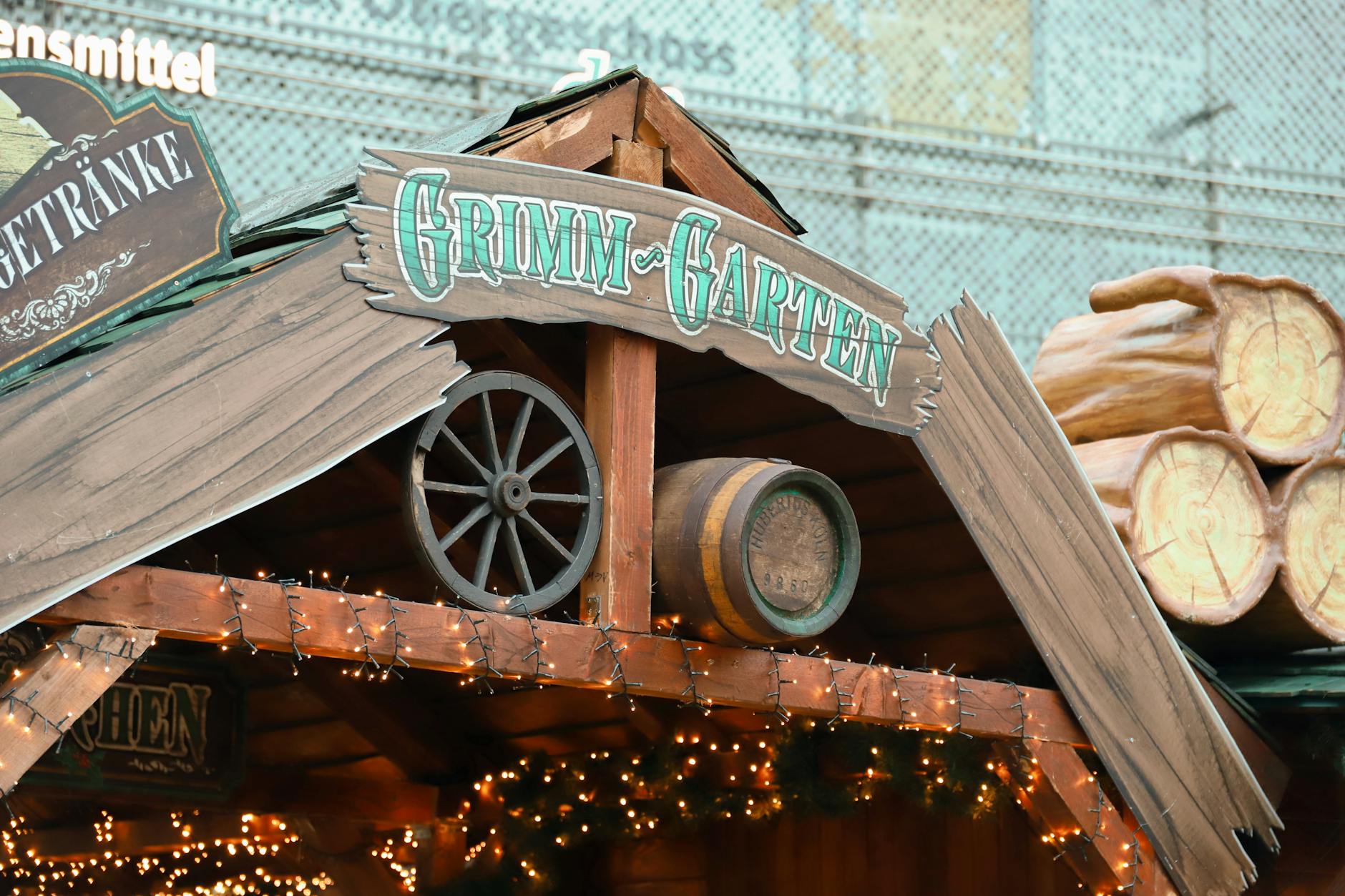
The Tollwood Winter Festival is Munich’s largest alternative Christmas event and a must-visit for anyone seeking something beyond the traditional market experience. Held on the Theresienwiese (the same grounds that host Oktoberfest) from November 24 to December 23 in 2026, with a ticketed New Year’s Eve party on the 31st, Tollwood stands out for its unique blend of international cuisine, artisan crafts, live entertainment, and environmental consciousness.
What sets Tollwood apart is its commitment to sustainability and cultural diversity. The Markt der Ideen (Market of Ideas) brings together exhibitors from around the world selling fair-trade products, eco-friendly crafts, and artisan goods that you won’t find at traditional markets. From Nepalese felt goods to African jewelry, Moroccan leather work to Scandinavian design, the shopping here reflects a global perspective rarely found at conventional German Christmas markets.
The food at Tollwood is exceptional. All catering vendors are required to use organic ingredients, and the international range spans everything from Bavarian Schupfnudeln and Austrian Kaiserschmarrn to Thai curries, Ethiopian stews, and Argentine empanadas. The festival’s heated tents host sit-down restaurants alongside food stalls, making it comfortable to dine even in the coldest weather. The main performance tent, the Grand Chapiteau, hosts world-class circus performances, concerts, and theater throughout the festival period.
Admission to the Tollwood grounds and the Market of Ideas is free. Tickets are only required for performances in the main tent and some special events. This makes it an excellent option for budget-conscious travelers who want to soak up the atmosphere without spending heavily.
Alternative and Neighborhood Christmas Markets
Beyond the major markets, Munich’s alternative and neighborhood Christmas markets offer more intimate, less touristy experiences that reveal how locals actually celebrate the season. These smaller markets are scattered across the city’s diverse districts, each reflecting its neighborhood’s unique character.
Pink Christmas (Stephansplatz): Munich’s famous LGBTQ+-friendly Christmas market transforms the small Stephansplatz square in the Glockenbachviertel into a glittering pink wonderland. Fabulous cocktails, champagne, creative food stalls, and a stage program featuring drag shows, live music, and comedy create an atmosphere that’s equal parts festive and fabulously camp. Open from late November through December 23rd, it’s one of Munich’s most unique and joyful holiday experiences.
Medieval Christmas Market (Wittelsbacherplatz): Step back in time at the Mittelaltermarkt, where merchants in period costumes sell their wares from rustic wooden huts. Blacksmiths, potters, and glassblowers demonstrate traditional crafts, while mead (Met), mulled beer, and roasted meats are served from iron cauldrons and earthenware mugs. Fire jugglers and musicians add to the atmospheric experience. The market runs from late November through December 23rd.
Haidhausen Christmas Market (Weißenburger Platz): This charming neighborhood market on the elegant Weißenburger Platz in Haidhausen is a local favorite, far less crowded than the city center markets. Small-scale artisan vendors, a community atmosphere, and excellent food stalls make it ideal for visitors who want an authentic Munich neighborhood Christmas experience.
Schwabinger Weihnachtsmarkt (Münchner Freiheit): Schwabing’s Christmas market reflects the neighborhood’s artistic and bohemian character, with artisan crafts, live music, and a focus on local makers. It’s smaller and more intimate than the central markets, perfect for a quieter holiday stroll.
Residenz Christmas Market: Set in the courtyard of the magnificent Residenz Palace, this elegant market offers a more upscale experience with gourmet food vendors, fine crafts, and classical music performances in a truly regal setting.
Christmas Market Food and Drinks
The food and drink at Munich’s Christmas markets are as much a part of the experience as the shopping and atmosphere. Bavarian Christmas cuisine is rich, warming, and deeply satisfying — exactly what you need on a cold December evening. Here’s your essential guide to what to eat and drink.
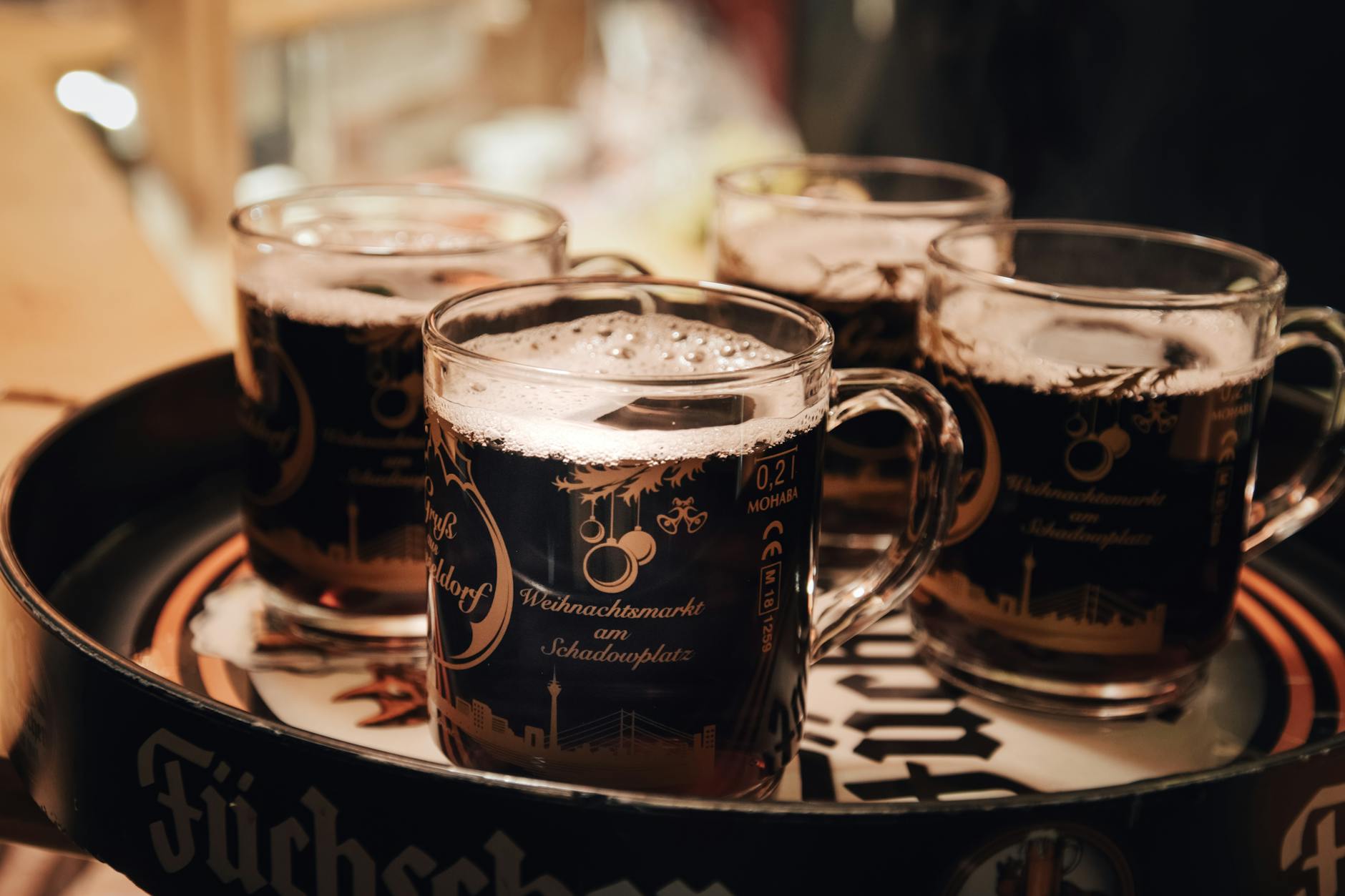
Glühwein (Mulled Wine): The undisputed king of Christmas market beverages, Glühwein is hot red wine spiced with cinnamon, cloves, star anise, and citrus peel. Every market has multiple Glühwein stands, and each uses their own spice blend. Each stall sets its own price, and the 2026 prices aren’t out yet. On top comes a deposit (Pfand) for the ceramic mug, set by each stall — which many visitors keep as souvenirs. Variations include white Glühwein (Weißer Glühwein), the extra-potent Feuerzangenbowle (made by dripping flaming rum through a sugar cone into the wine), and alcohol-free Kinderpunsch for children.
Lebkuchen (Gingerbread): Nuremberg-style Lebkuchen is the quintessential German Christmas sweet — soft, spiced honey cakes that come in every shape from hearts to stars, often beautifully decorated with icing and inscribed with messages. Munich’s Lebkuchen tends to be slightly different from the Nuremberg original, often featuring a chocolate coating.
Bratwurst: Nothing pairs better with Glühwein than a freshly grilled Bratwurst served in a crispy Semmel (bread roll) with sweet mustard (süßer Senf). The Nuremberg-style Drei im Weggla (three small sausages in a roll) is a popular option, as are the larger Thuringian and Franconian varieties.
Other Must-Try Foods: Kartoffelpuffer (potato pancakes) served with applesauce or sour cream; Käsespätzle (cheesy egg noodles with fried onions); Schupfnudeln (finger-shaped potato dumplings with sauerkraut); Dampfnudeln (steamed sweet dumplings with vanilla sauce); Maroni (roasted chestnuts); Stollen (fruit bread dusted with powdered sugar); and chocolate-dipped fruits on sticks.
Budget tip: Expect to pay a few euros for a mug of Glühwein (2026 prices aren’t out yet), plus the mug deposit, and €4-9 for snacks like sausages, potato pancakes, or chocolate-covered fruits. Hot meals such as Käsespätzle or Schupfnudeln cost more than snacks. Sharing food items is a great way to taste more while spending less.
Christmas Market Shopping Guide
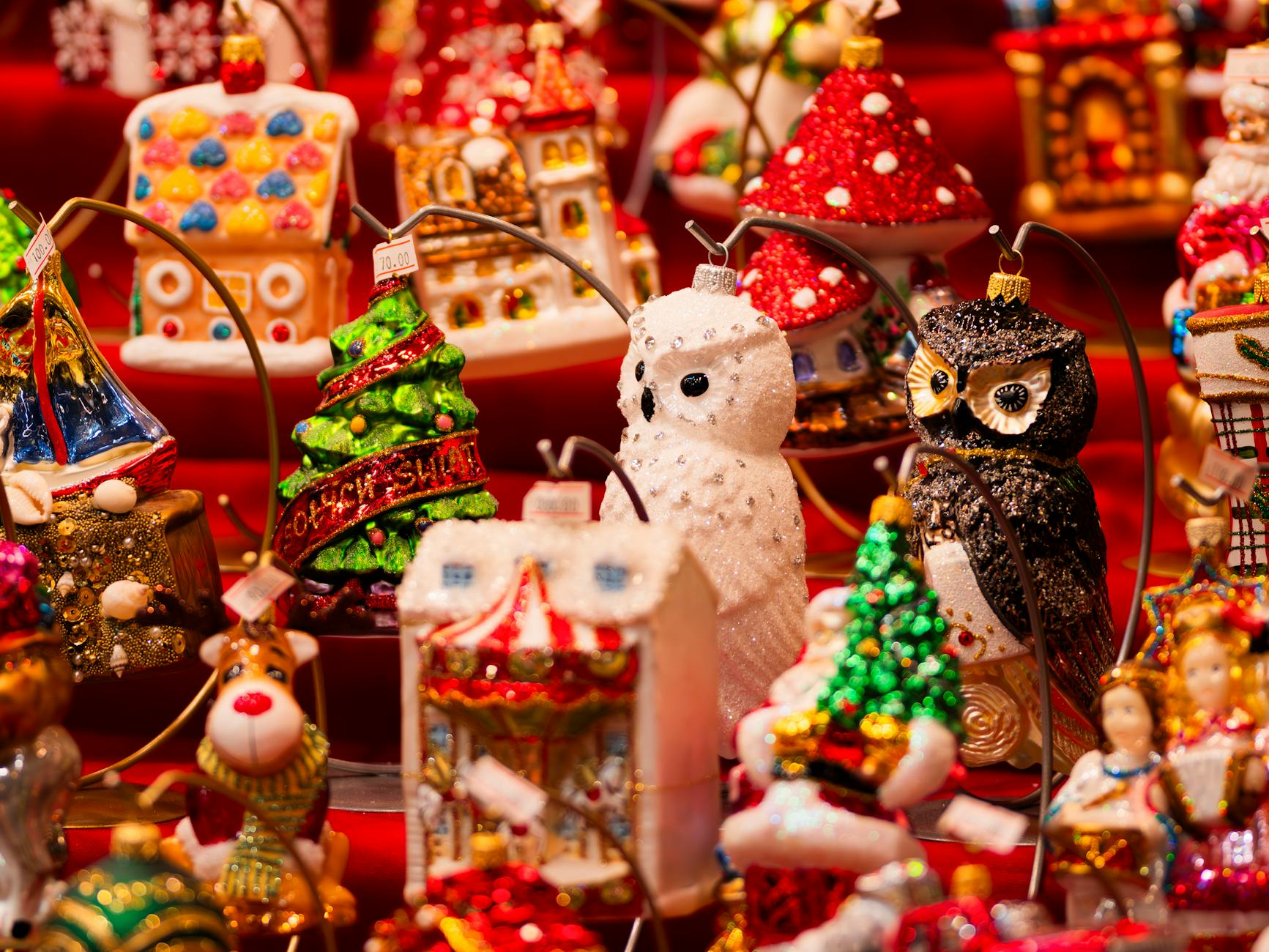
Munich’s Christmas markets are a shopper’s paradise for unique, handmade gifts and souvenirs. Unlike many commercialized markets elsewhere in Europe, Munich’s markets — particularly the Christkindlmarkt at Marienplatz — maintain strict artisan requirements, ensuring that most items are genuinely handcrafted.
Hand-blown glass ornaments: Bavarian glassblowing has a centuries-long tradition, and the delicate ornaments sold at the markets are works of art. Prices vary widely by stall, size and complexity, and they make stunning, lightweight gifts that travel well.
Wooden carvings: From simple decorative stars to elaborate nativity scenes, wooden crafts are a cornerstone of Bavarian Christmas tradition. The Räuchermännchen (smoking men) are particularly beloved — small wooden figures with a cone of incense burning inside that releases fragrant smoke through the figure’s mouth. Traditional Erzgebirge-style nutcrackers and carved angels are also widely available.
Beeswax candles: Hand-rolled and hand-dipped beeswax candles in every shape and color are a sustainable, beautiful gift. Many market vendors demonstrate the candle-making process, making it a fascinating experience to watch even if you don’t buy.
Other popular gifts: Felt wool slippers and accessories, hand-knitted scarves and mittens, ceramic mugs and pottery, traditional Bavarian Christbaumschmuck (tree decorations), artisan chocolates and pralines, Lebkuchen gift boxes, and mulling spice packets for making Glühwein at home.
Christmas Markets with Kids
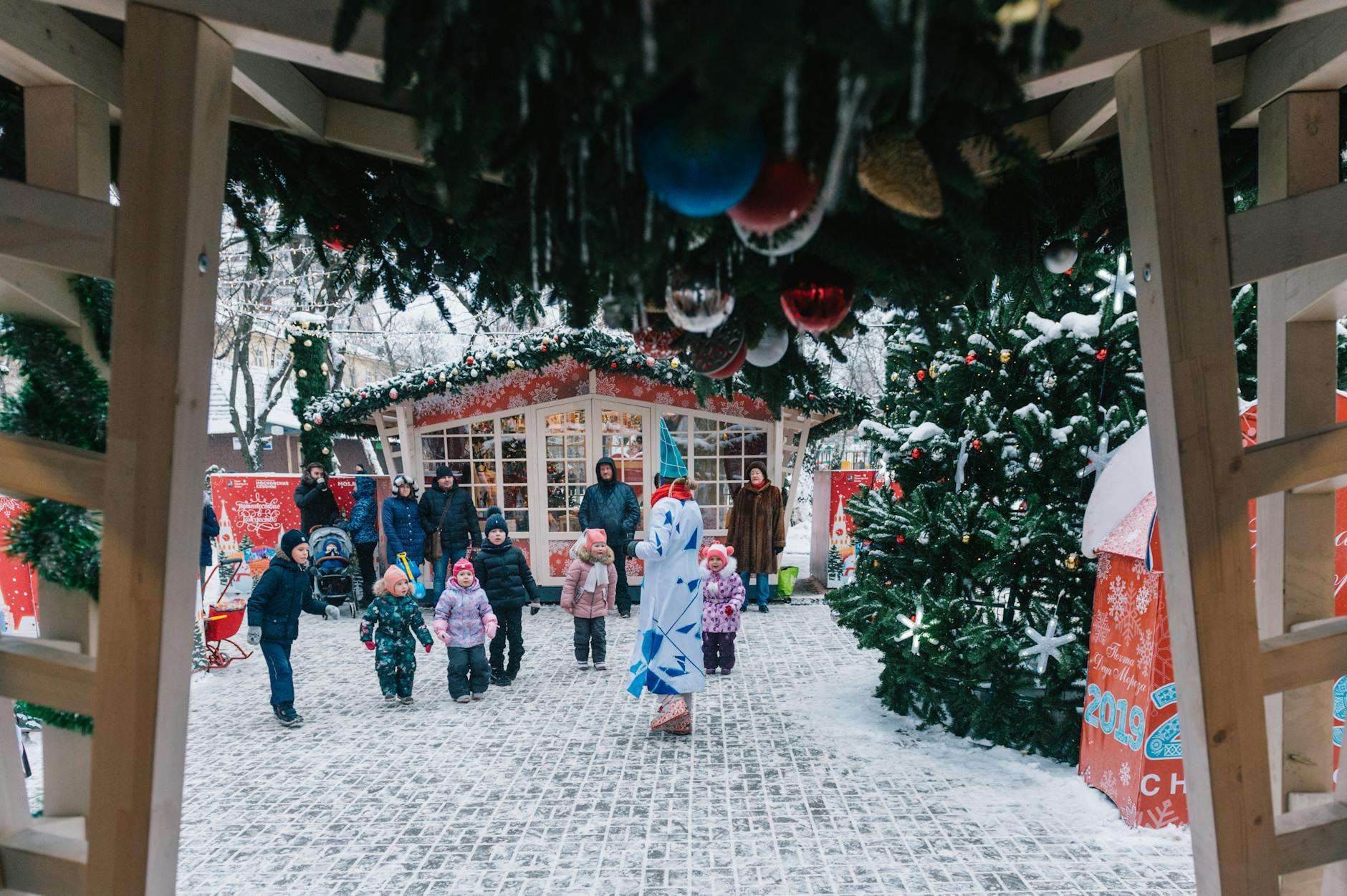
Munich’s Christmas markets are wonderfully family-friendly, with numerous activities and attractions designed specifically for children. The Marienplatz market features a dedicated children’s area with a workshop where kids can make their own candles, ornaments, and gingerbread. Live nativity scenes with real animals captivate younger visitors, and the miniature railway display is a perennial favorite.
The Himmelswerkstatt (Heavenly Workshop) in the Munich Rathaus is an enchanting free experience for children during the Christmas market season. Kids can participate in craft workshops, write letters to the Christkind (Christ Child), and explore magical themed rooms — all inside the beautiful town hall building. It’s one of Munich’s best-kept family secrets during the holiday season.
At Tollwood, the children’s tent offers storytelling, puppet shows, and hands-on activities throughout the festival. The Medieval Market entertains kids with sword-fighting demonstrations, falconry displays, and the chance to try traditional crafts like pottery and bread-baking. For the quintessential family moment, a ride on the vintage merry-go-round at Marienplatz, followed by hot Kinderpunsch (alcohol-free mulled juice) and a fresh Dampfnudel, creates memories that last a lifetime.
Munich in Winter: Beyond the Christmas Markets
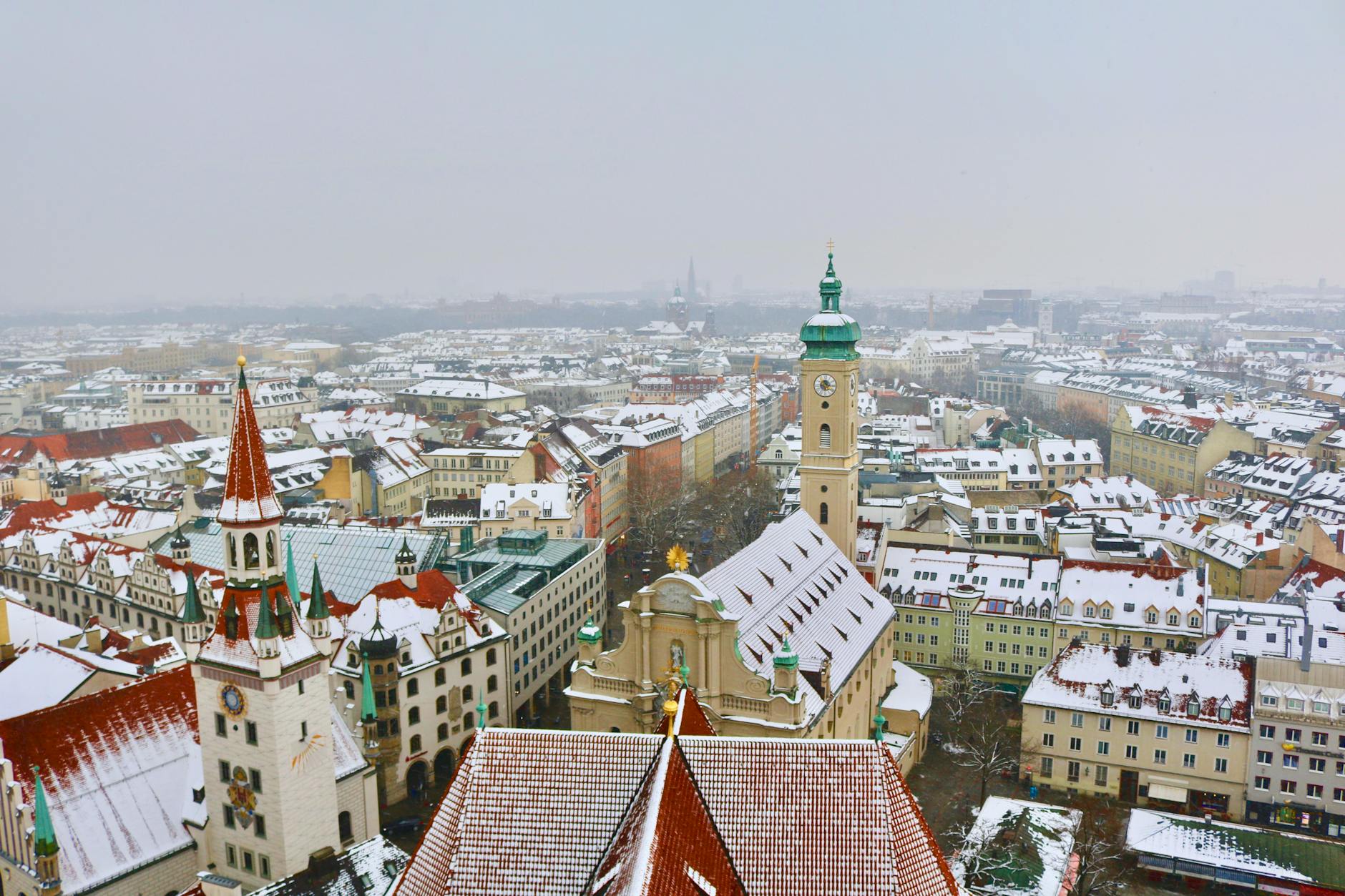
While the Christmas markets are the main winter draw, Munich in winter offers much more than festive shopping. The city’s museums, indoor attractions, and cultural scene are in full swing, and the proximity to the Alps makes Munich an excellent base for winter sports.
Ice skating: Several outdoor rinks open during winter, including the popular rink at Karlsplatz (Stachus) and the Olympia-Eissportzentrum. The Nymphenburg Palace canal sometimes freezes solid enough for skating, creating one of Munich’s most picturesque winter scenes. Indoor skating is available year-round at the Olympic ice center.
Alpine skiing and snowboarding: Munich’s location at the northern foot of the Alps puts a string of ski areas roughly 1 to 1.5 hours away by car or train. Garmisch-Partenkirchen (home to the Zugspitze, Germany’s highest mountain), Lenggries, and Spitzingsee are all accessible for day trips. The Bavarian Alps offer everything from gentle beginner slopes to challenging off-piste terrain, and equipment rental is readily available in all resort towns.
Thermal baths: Munich’s winter weather makes the city’s thermal bath offerings especially appealing. The Therme Erding (the world’s largest thermal spa), located about 35 minutes from Munich city center, features over 30 thermal pools, waterslides, a tropical garden, and an extensive sauna village. Closer to the city, the Müller’sches Volksbad in Haidhausen is a stunning Art Nouveau bathhouse that offers a more intimate thermal experience.
Museums and culture: Winter is the perfect time to explore Munich’s extraordinary museum scene without the summer crowds. The Kunstareal museums, the Deutsches Museum, and the Residenz Palace are all indoor attractions that can easily fill rainy or snowy days. The Bavarian State Opera and Munich Philharmonic have full winter seasons, and the city’s theaters and concert halls offer world-class performances throughout December, January, and February.
Planning Your Munich Christmas Market Visit
Proper planning makes the difference between a magical and a stressful Christmas market experience. Here are the essential tips for timing, logistics, and making the most of your visit.
When to visit: The main Christmas market season runs from late November through December 24th, with Tollwood extending to New Year’s Eve. Early December (first two weeks) offers the best balance of full festive atmosphere without the crushing crowds of the final week before Christmas. Weekday visits, particularly Monday through Thursday, are significantly more comfortable than weekends. If you can only come on a weekend, arrive early in the day — by 6pm on Friday and Saturday evenings, the central markets can become uncomfortably packed.
What to wear: Munich in December averages temperatures between -1°C and 5°C (30-41°F), and you’ll be spending most of your time outdoors. Dress in layers: a warm base layer, an insulating mid-layer, and a waterproof outer shell. Warm boots with good grip are essential (cobblestones can be slippery when wet or icy). Don’t forget warm gloves, a hat, and a scarf — your hands will get cold quickly if you’re holding a mug of Glühwein in the open air.
Getting around: Munich’s public transport system runs extended hours during the Christmas season, and all central markets are easily accessible by U-Bahn or tram. Avoid driving into the city center — parking is extremely limited during the market season, and the pedestrian zones around the markets are closed to traffic. The best strategy is to take the U-Bahn to Marienplatz and walk between the central markets.
Accommodation: Book accommodation as early as possible — Munich’s hotels fill quickly during the Christmas market season, particularly for the first two weekends and the days around New Year’s Eve. Consider staying in neighborhoods like Haidhausen or Sendling for better value while maintaining easy transport links to the markets.
Munich New Year’s Eve (Silvester)
Munich’s New Year’s Eve celebrations — known as Silvester in German — are a spectacular way to ring in the new year. Tollwood’s market wraps up on December 23, but the festival returns to the Theresienwiese for a ticketed Silvester party from 7 p.m. on December 31st. At Marienplatz, thousands gather in the square as midnight approaches, with the twin towers of the Frauenkirche silhouetted against a sky full of fireworks launched by revelers from every rooftop, bridge, and open space across the city.
For the best fireworks viewing, head to the Olympiaberg (the artificial hill in the Olympic Park) for a 360-degree panorama of explosions across the city, or watch from the Friedensengel terrace overlooking the Isar. Many restaurants and hotels host Silvester galas with multi-course dinners and live entertainment — these are popular and should be booked well in advance.
A uniquely German tradition is Bleigießen (lead pouring) — melting small lead figures over a candle and dropping them into cold water to create shapes that supposedly predict the coming year’s fortune. While actual lead has been replaced by tin or wax for safety reasons, the tradition remains a fun part of German New Year’s celebrations.
A Closer Look at Five Markets Worth a Detour
Beyond the Marienplatz Christkindlmarkt, a handful of smaller markets give Munich’s Christmas season its real texture. These are the ones locals actually seek out, each with a distinct personality worth a dedicated stop.
The Medieval Market (Mittelaltermarkt) at Wittelsbacherplatz. Step through the gate and the centuries fall away: stallholders in period dress, blacksmiths and candle-dippers working by hand, mead served in clay goblets, and open fires throwing real heat and woodsmoke. It is the most atmospheric market in the city after dark, and the Feuerzangenbowle here is the genuine flaming-sugarloaf article. Come hungry for spit-roasted meat and dark, dense bread.
The Residenz Christmas Village (Weihnachtsdorf im Kaiserhof). Tucked into the inner courtyard of the former royal palace, this market is all warm light, fir garlands, and a giant illuminated tree ringed by stalls. It is the most romantic in Munich and pairs naturally with a daytime visit to the palace itself — see our Munich Residenz guide to make a half-day of it.
Pink Christmas at Stephansplatz. Munich’s LGBTQ+ Christmas market sits in the heart of the Glockenbachviertel, the city’s most diverse quarter. It is smaller, louder, and more sociable than the central markets, with DJ sets, cabaret, and a crowd that spills happily into the surrounding bars. It is the obvious warm-up before a night out — our Munich nightlife guide picks up where the market leaves off.
The Chinese Tower Market in the English Garden. Trade cobblestones for woodland: this market wraps around the famous wooden pagoda in Munich’s great park, with bare trees and lantern light giving it a hushed, almost rural feel. It is the antidote to the crush at Marienplatz and a lovely pairing with a brisk winter walk through the park.
The Schwabing Market at Münchner Freiheit. The bohemian north’s market leans artisanal — ceramics, jewelry, prints, and woolens from actual makers rather than mass importers. It is the smart place to do genuine gift shopping, and it slots neatly into a wander through the cafés and streets of Schwabing. For a similarly local feel on the east bank, the small Weißenburger Platz market in Haidhausen is equally charming.
Ordering Like a Local: Market Etiquette
A little market fluency goes a long way. Approach the stall, order in a clear voice — “einen Glühwein, bitte” works fine — and pay when you receive your drink, not after. You will be charged the price of the drink plus the mug deposit in one figure; the vendor assumes you know about the Pfand, so do not be surprised when the total is a few euros more than the menu price. To get your deposit back, return the mug to the same stall (keep your eye on which one) or any stall flying that market’s design.
There are no waiters and rarely any seats — markets run on standing tables (Stehtische) where strangers share space happily, so claiming a corner and warming your hands around your mug is exactly the done thing. Tipping is light: round up to the next euro and call it good. Keep your bag in front of you in the dense central squares, move with the flow rather than against it, and resist the urge to photograph every stall from the middle of the walkway — step to the side first. Do these small things and you will blend in with the locals rather than the tour groups.
Glühwein, Feuerzangenbowle, and the Pfand Mug Ritual
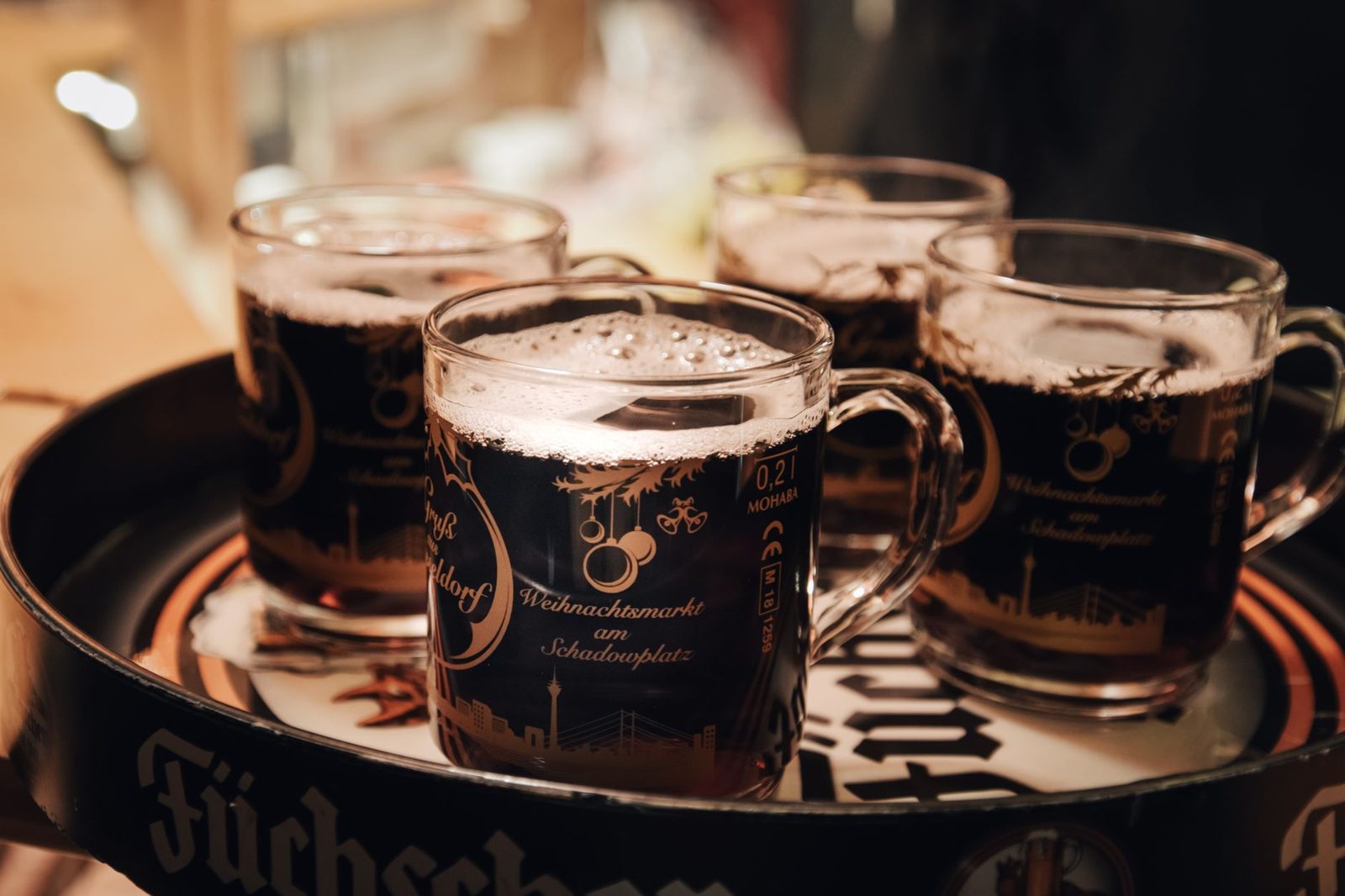
You cannot understand a Munich Christmas market until you understand the mug in your hand. The default drink is Glühwein — red wine warmed with cinnamon, cloves, star anise, and citrus — and each stall sets its own price; the 2026 prices aren’t published yet. Order a Glühwein mit Schuss and you get a shot of rum or amaretto stirred in for another euro or so. Prefer white? Ask for weißer Glühwein, made with Bavarian or Franconian white wine, which drinks lighter and is quietly the local favorite. Children and non-drinkers reach for Kinderpunsch, a spiced fruit punch that tastes like Christmas without the alcohol.
Here is the part that confuses first-timers: your drink price includes a Pfand, a deposit on the ceramic mug that each stall sets for itself. Hand the mug back and you get the deposit returned, or you can simply keep it — Munich’s mugs are dated and collectible, and locals genuinely hoard them. Each market designs its own, so a Marienplatz mug looks nothing like a Tollwood one. The grandest version of the ritual is Feuerzangenbowle: a rum-soaked sugarloaf set alight over a vat of Glühwein, the caramelized sugar dripping into the wine below. Watch for it at the Mittelaltermarkt and at Sendlinger Tor. For a full breakdown of what to eat alongside your mug, see our Munich Christmas market food guide.
Insider tip: Stalls move a lot of cash and card readers are still patchy, so carry small notes and coins. And do not stack your empties — keep one mug and refill the same deposit, returning it only when you are ready to leave.
How Munich Compares to Nuremberg, Salzburg, and Vienna
Munich is one point on a triangle of world-famous Christmas market cities, and travelers often ask whether it is worth pairing with a neighbor. Nuremberg’s Christkindlesmarkt, about an hour north by train, is the most famous in Germany — more concentrated and more rigidly traditional than Munich, with a strict ban on plastic “tinsel and glitter” and the iconic Nuremberg Rostbratwurst and Lebkuchen. It makes an easy day trip if markets are your whole reason for visiting.
Salzburg, just under two hours away and one of our favorite Munich day trips, trades Bavarian scale for Alpine fairy-tale: smaller markets clustered beneath the fortress and in the cathedral square, with a more Austrian, Mozart-and-marzipan flavor. Vienna is a longer haul but the most elegant of the three, with grand markets in front of the Rathaus and at Schönbrunn Palace. The honest takeaway: Munich gives you the best balance of size, variety, and atmosphere in a single walkable city, and it is the smartest base. If you have extra days, build a market itinerary using our day trips from Munich guide.
Our Nuremberg day trip guide covers the Christkindlesmarkt in detail if you want to see Germany’s most famous market for yourself.
Planning Your Visit: One Evening, One Day, or a Full Weekend
If you only have one evening, keep it simple and central. Start at the Marienplatz Christkindlmarkt around 5pm as the lights come on and the Rathaus glows, listen for the live Advent music from the town hall balcony, then drift south through the Rindermarkt nativity stalls. Finish with a Glühwein at the medieval market on Wittelsbacherplatz, ten minutes north, where the firelight and costumes feel a world away from the crowds.
With a full day, add contrast. Spend the morning at the smaller neighborhood markets — Schwabing’s Münchner Freiheit for crafts, or the cozy Weißenburger Platz market in Haidhausen — when stalls are calm and well-stocked. Break for lunch indoors, then take the afternoon at the Tollwood Winter Festival on the Theresienwiese, which is as much a food-and-culture event as a market and runs later into the evening. Our roundup of Munich’s alternative and neighborhood Christmas markets maps out the best of these lesser-known spots.
Over a weekend, you can do it all without rushing: the grand central markets and the romantic Residenz courtyard on day one, the alternative and neighborhood markets plus a museum warm-up on day two, and a long Glühwein-fueled evening in the Glockenbachviertel around the Pink Christmas market to round things off. Two unhurried days is the sweet spot for most visitors.
Getting There and Getting Around in Winter
Nearly every major market sits inside the U-Bahn and S-Bahn ring, so leave the car behind. Marienplatz has its own S-Bahn and U-Bahn station directly beneath the square; the medieval market at Odeonsplatz/Wittelsbacherplatz, the Residenz village, and Stephansplatz are all one or two stops apart and easily walkable between. Tollwood at the Theresienwiese is a short ride to Theresienwiese or Schwanthalerhöhe. A single day pass covers all of it — see our guide to getting around Munich and the detailed U-Bahn and S-Bahn guide for ticket options.
Insider tip: Munich’s transit runs frequently and late, which matters when your fingers are too cold to walk far. After an evening market, the U-Bahn is warm, dry, and a far better idea than queuing for a taxi in the December chill.
When to Go: 2026 Dates, Crowds, and Weather
For 2026 the Marienplatz Christkindlmarkt starts earlier than it used to, on Friday, November 20 (closed on Sunday the 22nd for Totensonntag), and runs through December 24. The other markets set their own dates, so check each one separately. Tollwood keeps a different rhythm: its market closes on December 23 and the festival comes back only for a ticketed New Year’s Eve party, so if your trip falls after Christmas you will find most stalls already dismantled. Always confirm current dates on the city’s official tourism site before booking, as they shift by a day or two each year.
Crowds peak on the Advent weekends and on every Friday and Saturday evening; weekday mornings and early afternoons are blissfully calm by comparison. Expect cold — daytime highs hover around freezing and evenings drop below it, often with damp, drizzle, or a dusting of snow. Dress in real layers with waterproof boots and gloves; our Munich weather and packing guide covers exactly what to bring, and the best time to visit Munich guide puts the Christmas season in context against the rest of the year.
For what else is on in Munich through the winter and the rest of the year, see our Munich events calendar.
Frequently Asked Questions
When do Munich’s Christmas markets open in 2026?
The Marienplatz Christkindlmarkt opens on Friday, November 20, 2026, a few days earlier than in past years, and runs to December 24 (it stays shut on November 22). The other markets publish their own dates. Tollwood’s market finishes on December 23, with a separate New Year’s Eve party, but the bulk of the season is the four weeks of Advent. Confirm exact dates on the official Munich tourism website close to your trip.
Are Munich’s Christmas markets free to enter?
Yes. Every Christmas market in Munich is free to walk into — you only pay for what you eat, drink, and buy. The one cost to expect is the refundable Pfand deposit on Glühwein mugs, which you get back when you return the cup, or keep as a souvenir.
Which Munich Christmas market is the best?
The Marienplatz Christkindlmarkt is the most famous and the best for first-timers thanks to its scale, history, and setting beneath the New Town Hall. But the “best” depends on your taste: Tollwood for food and atmosphere, the Wittelsbacherplatz medieval market for something unusual, the Residenz courtyard for romance, and Pink Christmas for a livelier, alternative crowd. Most visitors are happiest combining three or four.
How many days do you need for Munich’s Christmas markets?
One evening covers the central highlights, but two unhurried days is the sweet spot — enough to pair the grand central markets with the quieter neighborhood ones and the Tollwood festival, without market fatigue setting in.
Are the markets open on Christmas Day and after Christmas?
Generally no. The markets close on December 24, the last day at Marienplatz, and do not reopen on December 25 or 26; Christmas Eve closing times for 2026 aren’t published yet, so check the city’s page before you plan a last visit. The main exception is Tollwood and a few spots that run a New Year’s program, so a post-Christmas visit is better timed around Silvester (New Year’s Eve) than the days right after Christmas.
Are Munich’s Christmas markets good for kids?
Very. Children love the carousels, the Himmelswerkstatt children’s workshop near Marienplatz, Kinderpunsch, roasted chestnuts, and gingerbread hearts. Go in the late afternoon before bedtime crowds build, keep little ones close in the busy central squares, and see our Munich with kids guide for more family-friendly winter ideas.
What should I wear to a Munich Christmas market?
Dress for cold, damp evenings: thermal layers, a warm waterproof coat, a hat and gloves, and above all waterproof boots with grip, since cobblestones get slick with rain or snow. You will be standing and walking outdoors for hours, so warmth beats style. A Glühwein helps, but it is no substitute for proper layers — our weather and packing guide has a full winter checklist.
Can you pay by card at Munich’s Christmas markets?
Increasingly yes at larger stalls, but cash is still king — many small vendors are cash-only and card readers can be slow or absent. Bring small notes and a pocket of coins for Glühwein, snacks, and the mug deposit, and treat any stall that takes card as a bonus rather than the rule.
Do I need to book anything in advance for the Christmas markets?
The markets themselves need no tickets or reservations — just turn up. What you should book early is your accommodation, because the Advent weekends are among the busiest of Munich’s year and central hotels fill fast and raise their rates. If you want a guided Christmas-market or food tour, reserve that ahead too, as the popular evening slots sell out. Otherwise, the beauty of Munich’s markets is their spontaneity: pick an evening, follow the lights, and let one Glühwein lead to the next.
Further Official Resources
For the latest dates, market maps, and event schedules, consult these authoritative sources:
Munich Tourism Official Christmas Market Guide — Complete listing of all Christmas markets with dates, hours, locations, and interactive maps from Munich’s official tourism board.
Official Christkindlmarkt Marienplatz Website — Detailed information on the main Marienplatz market including stall directories, event programs, and accessibility information.
Christmas Markets History on Wikipedia — Historical context on the German Christmas market tradition and its cultural significance across Central Europe.