Alternative Christmas Markets
Beyond Marienplatz — Munich's 15 best alternative Christmas markets for 2026. Pink Christmas, medieval Wittelsbacherplatz, Schwabing village markets, Residenz courtyard, Tollwood Winter and more.
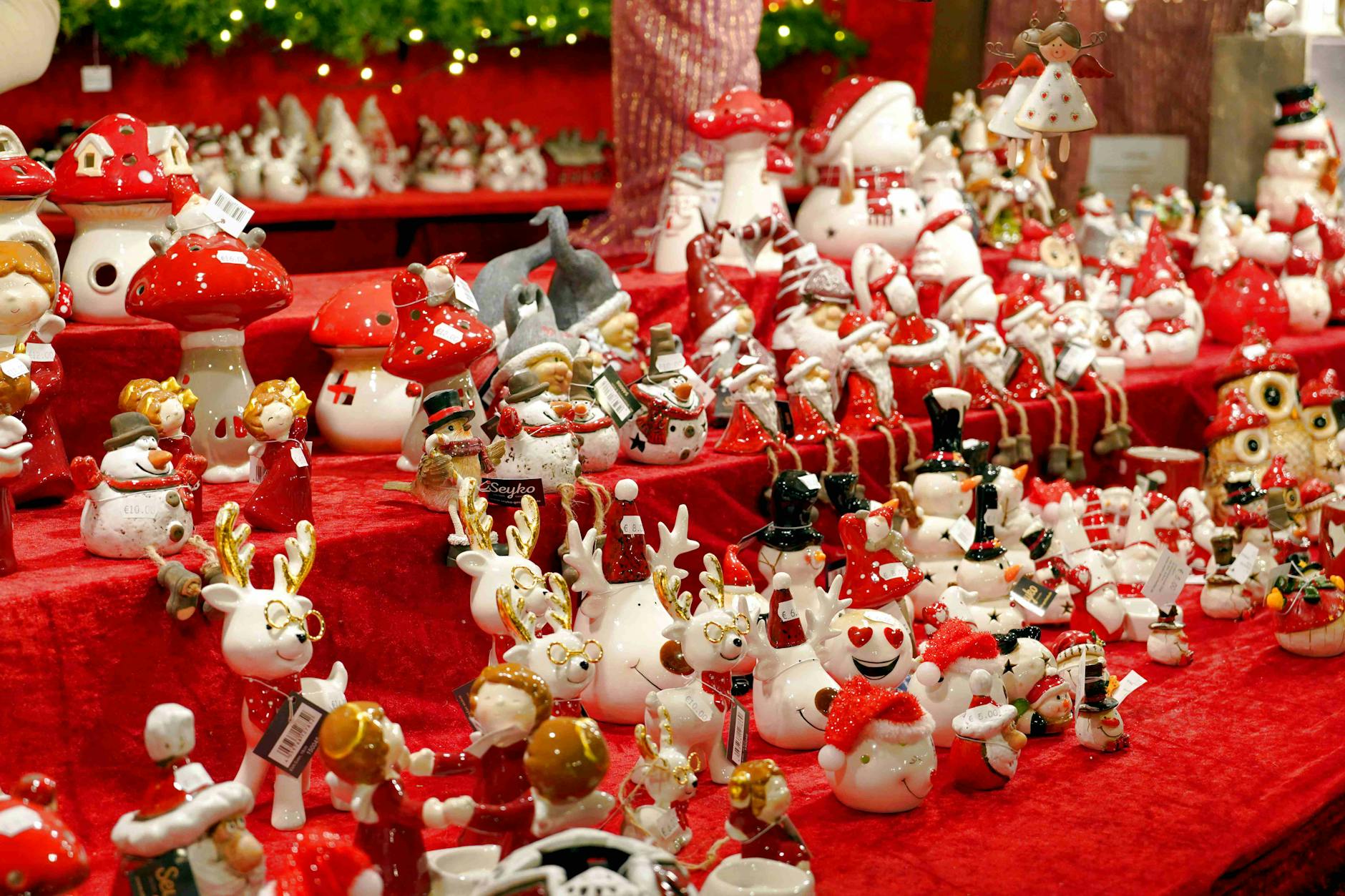
Beyond the iconic Marienplatz Christkindlmarkt, Munich hosts roughly 15 distinct Christmas markets across the city — each with its own character, theme, and audience. From the queer-friendly Pink Christmas in Glockenbachviertel to the medieval-themed market on Wittelsbacherplatz, the alternative Schwabing village markets, the sustainable Tollwood Winter Festival, and the elegant Residenz palace courtyard market, these alternative Christmas markets in Munich offer experiences that the central market doesn’t replicate. This complete 2026 guide reviews every alternative Christmas market in Munich — what makes each unique, dates, opening hours, atmosphere, food and drink, and how to combine them with the traditional Marienplatz market for the most rewarding Munich Advent visit.
Munich’s Christmas Market Landscape — 15 Markets Compared
| Market | Style | Location | Vibe | Best For |
|---|---|---|---|---|
| Marienplatz Christkindlmarkt | Traditional, classic Bavarian | Marienplatz | Postcard Christmas | First-time, families |
| Tollwood Winter | Alternative, organic, world cuisine | Theresienwiese | Festival-driven | Younger, sustainability-conscious |
| Pink Christmas | Queer-friendly, LGBTQ+ | Stephansplatz | Inclusive, fashion-forward | LGBTQ+ visitors, alternative travelers |
| Mittelaltermarkt (Medieval) | Medieval-themed, mead-focused | Wittelsbacherplatz | Historical, costumed | Medieval enthusiasts |
| Schwabing Christkindlmarkt | Village-scale traditional | Münchner Freiheit area | Local, quieter | Returning visitors |
| Residenz Weihnachtsmarkt | Royal courtyard, refined | Residenz Kaiserhof | Elegant, calmer | Mature visitors |
| Englischer Garten Christmas Market | Beer-garden style, family | Chinesischer Turm | Outdoors, beer-focused | Families with kids |
| Mariahilfplatz Auer Dult Winter | Folk-fair style | Au | Local, traditional | Folk fair fans |
| Haidhausen Christmas Market | Local neighborhood feel | Wiener Platz | Authentic, intimate | Locals’ choice |
| Schloss Nymphenburg Christmas Market | Palace setting, weekends only | Nymphenburg | Royal grounds | Beautiful setting |
| Bogenhausen Christmas Market | Upscale residential | Bogenhausen | Quieter, refined | Upmarket visitors |
| Kripperlmarkt (Crib Market) | Nativity scenes only | Rindermarkt | Specialty crafts | Religious collectors |
| Westend Christmas Market | Newer neighborhood | Schwanthalerhöhe | Modern, hip | Young locals |
| Pasinger Christmas Market | Suburban | Pasing | Quiet local | Pasing visitors |
| Christmas Village Allianz Arena | Stadium-themed, family | Fröttmaning | Football-Bavarian | FC Bayern fans |
1. Pink Christmas Market — Munich’s Queer Christmas
On Stephansplatz in the Glockenbachviertel, the Pink Christmas Market is Munich’s LGBTQ+ welcoming Christmas market — and the longest-running queer Christmas market in Germany (since 2005). The atmosphere is openly inclusive, fashion-forward, and culturally adventurous; the crafts and gifts tend toward design-conscious and artisan-made; the food includes vegan and international options unusual at traditional markets. Pink Christmas runs from late November through December 23 each year, evenings only (16:00–22:00 typically). Free entry. The crowd is mixed — gay, straight, Munich locals, international visitors. The wider community treats Pink Christmas as the most genuinely welcoming Christmas market in the city, regardless of sexual orientation.
- Location: Stephansplatz in Glockenbachviertel (U-Bahn Müllerstraße)
- Dates 2026: Late November – December 23
- Hours: Approximately 16:00–22:00 daily
- Glühwein mug deposit: €4 returnable; annual designs collectible
- Food: Standard Bavarian + vegan options + Mediterranean small plates
- Music: Evening DJ sets at the central stage; occasional drag performances
2. Mittelaltermarkt — The Medieval Market
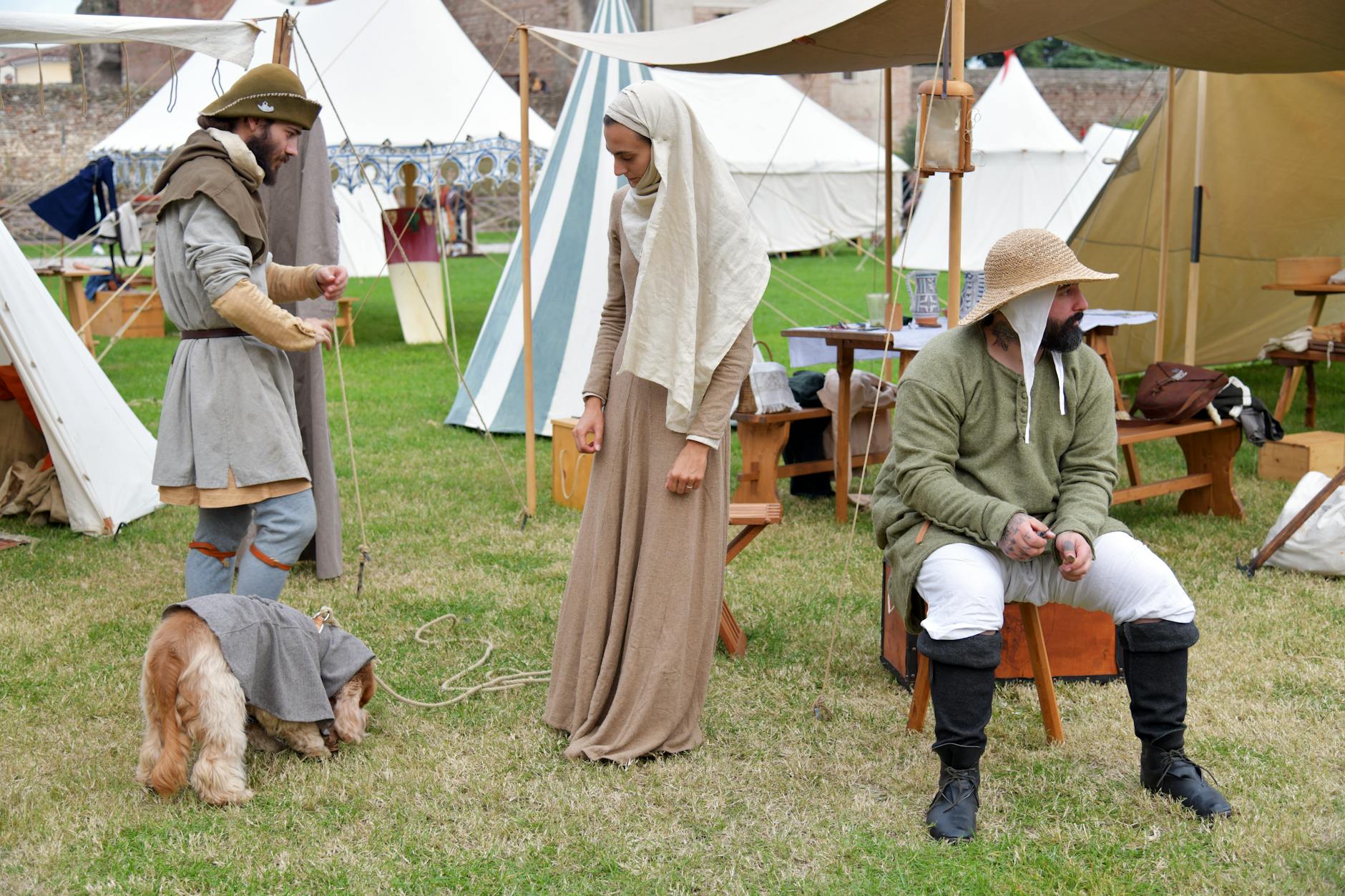
On Wittelsbacherplatz in central Munich, the Mittelaltermarkt (Medieval Christmas Market) transforms the small Italianate square into a medieval-themed fair with mead instead of Glühwein, period-costumed performers, blacksmith demonstrations, archery, and craft demonstrations of medieval techniques. The atmosphere is genuinely different from the typical Christmas market — more theatrical, more rustic, more focused on “how things used to be made.” Food leans toward roasted meats on spits, dark bread, smoked cheese, and similar pre-industrial menu items. The market runs through Advent (late November through December 23) with a smaller weekend program. Free entry; expect more drinking than at standard markets — medieval-themed mead and beer are central.
3. Schwabing Christmas Market — The Village Feel
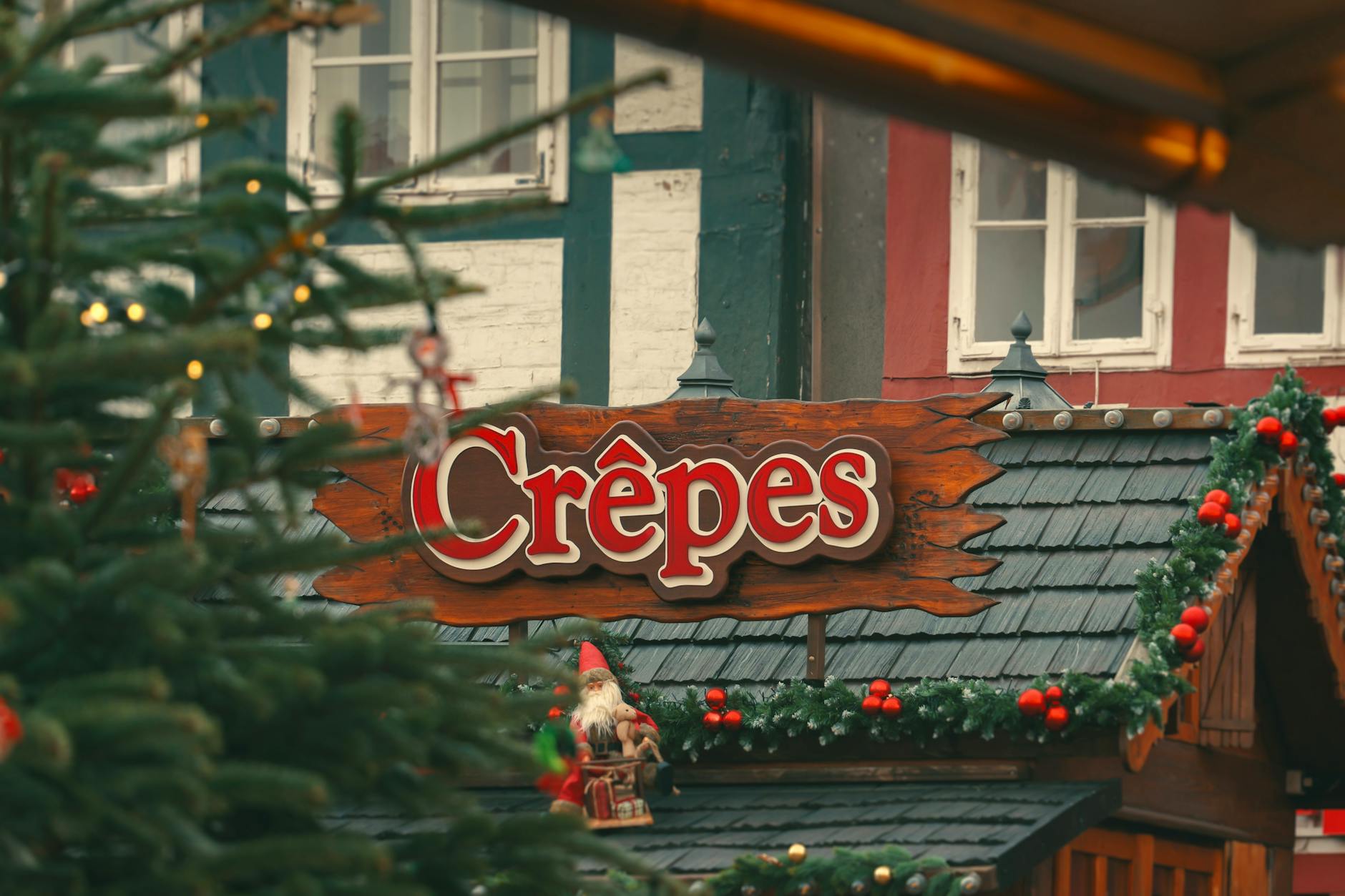
Around the Münchner Freiheit U-Bahn hub in Schwabing, the Schwabing Christkindlmarkt spreads across a small handful of squares — Münchner Freiheit itself, the smaller Walter-Sedlmayr-Platz, and nearby green areas. The atmosphere is village-scale: smaller stalls, less crowding, more local Münchner shoppers than tourists. The market typically has 30-40 stalls compared to Marienplatz’s 130+. Food and drink follow the standard Bavarian model but with quieter delivery — fewer crowds, more conversation possible with stall holders. The market is particularly popular with Schwabing’s bohemian-resident demographic. Free entry, Mon-Sat 11:00-21:00, Sun 11:00-20:00.
4. Tollwood Winter Festival — The Sustainable Alternative
Munich’s largest alternative Christmas market by attendance is Tollwood Winter Festival at the Theresienwiese — see our complete Tollwood guide. The festival fundamentally differs from traditional Christmas markets: 100% organic food sourcing, world cuisine instead of Bavarian classics, free live music daily, ticketed major concerts, and a Market of Ideas with fair-trade artisan goods rather than typical Christmas decorations. Tollwood runs from late November through December 31 each year — including New Year’s Eve as a major party night. Munich locals often visit Tollwood twice during a winter season for major concerts; international visitors stop in once for the festival atmosphere.
5. Residenz Weihnachtsmarkt — The Royal Courtyard
Inside the Residenz palace’s Kaiserhof courtyard, the Residenz Christmas Market is one of Munich’s smallest but most atmospheric — roughly 40 stalls within the historic palace walls. The setting is exceptional: a Renaissance courtyard with the palace facades all around, soft lighting, and a quieter, more refined atmosphere than the Marienplatz market. Crafts here lean toward higher-quality artisan work; food and drinks are slightly upmarket; the crowd is more mature and less family-focused. Late November through December 22, daily 11:00-21:00. Free entry.
6. Englischer Garten Christmas Market — Beer Garden Style
At the Chinesischer Turm in the English Garden, the small Englischer Garten Christmas Market runs the second half of Advent — typically December 1-23. It’s beer-garden style in setup: outdoor seating around the Chinese Tower, classic Bavarian food and drinks, sometimes a small ice rink. The atmosphere is decidedly family-friendly and outdoor-focused; pleasant on mild winter days. The bus 54 or a 15-minute walk from Münchner Freiheit reaches the market. Combine with a walk through the English Garden’s southern half.
7. Schloss Nymphenburg Christmas Market
On weekends only (typically the four weekends before Christmas), Schloss Nymphenburg hosts a small Christmas market in the palace courtyard and forecourt. The setting is spectacular — Baroque palace facade as backdrop. Roughly 30-50 stalls of higher-quality artisan goods. Tram 17 from central Munich reaches Nymphenburg in 20 minutes; combine with palace visit. Hours typically Friday-Sunday 11:00-20:00.
8. Mariahilfplatz Auer Dult Winter
The famous Auer Dult folk fair on Mariahilfplatz in the Au runs three times a year — and the autumn edition, the Kirchweihdult, fills nine days in October, a month before the Christmas markets open. It’s a fundamentally different beast: traditional Bavarian folk fair with fairground rides, market stalls of household goods, and Bavarian food. The crowd is heavily local (Auer Dult dates back centuries as a Munich tradition). Excellent for traditional Bavarian atmosphere away from tourist crowds.
9. Haidhausen Christmas Market — Locals’ Choice
On Wiener Platz in Haidhausen, the small neighborhood market is one of Munich’s least-touristed. The square’s permanent farmers’ market converts into a Christmas market in late November; the surrounding French Quarter (Lyoner Straße and adjacent streets) decorates beautifully. The crowd is overwhelmingly Haidhausen residents — making this a genuinely “locals” experience. Reachable by S-Bahn to Rosenheimer Platz (6 minutes from Marienplatz) or U-Bahn to Max-Weber-Platz.
10. Kripperlmarkt — The Crib Market
On Rindermarkt between Marienplatz and Sendlinger Tor, the small Kripperlmarkt is dedicated entirely to Bavarian and Alpine Krippen (hand-carved nativity scenes). 20-30 stalls of specialty vendors selling everything from matchbox-sized figures to 2-meter mountainscape sets. Bavaria has the densest Krippe-making tradition in the world; this market is the place to buy a quality crib. Prices range from €15 small figures to €5,000+ museum-quality sets. Open same hours as the adjacent Marienplatz Christkindlmarkt (late Nov through Christmas Eve).
Markets by Atmosphere — Choose Your Mood
Traditional and Family-Friendly
- Marienplatz Christkindlmarkt — the classic — see our guide
- Schwabing Christkindlmarkt — village-scale traditional
- Residenz Weihnachtsmarkt — refined courtyard
- Kripperlmarkt — nativity scenes only
- Englischer Garten — beer-garden style
Alternative and Modern
- Tollwood Winter Festival — sustainable, organic, world cuisine
- Pink Christmas Market — LGBTQ+ welcoming
- Westend Christmas Market — newer neighborhood
- Mittelaltermarkt — medieval theme
Quieter and Local
- Haidhausen Christmas Market — neighborhood feel
- Bogenhausen Christmas Market — upscale residential
- Pasinger Christmas Market — suburban
- Schloss Nymphenburg — weekends only, palace setting
A 2-Day Christmas Markets Itinerary
Day 1: Traditional Classics
- 11:00 — Start at Marienplatz Christkindlmarkt; eat lunch at one of the stalls
- 13:30 — Walk to Kripperlmarkt for nativity-scene browsing
- 14:30 — Walk to Mittelaltermarkt at Wittelsbacherplatz (10-min walk)
- 16:00 — Walk to Residenz Weihnachtsmarkt in the palace courtyard
- 17:30 — Glühwein break at one of the central markets
- 18:00 — Return to Marienplatz for the 18:00 balcony Advent concert at the Rathaus
Day 2: Alternative Munich
- 11:00 — Tram or walk to Tollwood Winter Festival at the Theresienwiese; explore Market of Ideas
- 13:00 — Lunch at Tollwood (organic world cuisine)
- 15:00 — U-Bahn to Glockenbach; visit Pink Christmas Market
- 16:30 — Walk to Schwabing Christkindlmarkt at Münchner Freiheit
- 18:00 — Tram to Schloss Nymphenburg (if weekend) or back to central Munich
- 20:00 — Dinner in Glockenbach or Schwabing
Practical Tips for Multiple Christmas Markets
- Buy a Group Day Pass (€18.80) for transit between markets — see our travel passes guide
- Returnable Glühwein mugs are unique to each market — collect them across visits
- Dress warmly — standing outside for hours in December cold
- Cash + card: most stalls accept both now
- Pickpocket awareness: dense crowds = increased risk; keep wallets in front pockets
- Avoid Saturday afternoons at major markets if you dislike crowds; Tuesday-Wednesday evenings are quieter
- Tollwood is open earlier than most (from 14:00 on weekdays)
- Christmas Eve (December 24): most markets close at 14:00; December 25 most are closed
Frequently Asked Questions
What are the best alternative Christmas markets in Munich?
Tollwood Winter Festival at the Theresienwiese is the largest and most adventurous alternative — 100% organic, world cuisine, free live music. Pink Christmas Market on Stephansplatz is Munich’s LGBTQ+ welcoming Christmas market. Mittelaltermarkt on Wittelsbacherplatz offers medieval-themed experience with mead and costumed performers. Schwabing Christkindlmarkt offers a quieter village-scale alternative to the central markets.
Is Pink Christmas Market only for LGBTQ+ visitors?
No — Pink Christmas welcomes everyone. The market’s queer-friendly atmosphere extends a general welcome to alternative visitors regardless of orientation. Many heterosexual Müncher families visit annually for the food and craft selection alongside LGBTQ+ visitors.
How many Christmas markets does Munich have?
Roughly 15 distinct Christmas markets operate across Munich during Advent — from the iconic Marienplatz to the small neighborhood Pasing market. Six to eight of these run continuously; others operate only on weekends or shorter time periods.
When is Munich’s Pink Christmas Market?
Pink Christmas Market runs from late November through December 23 each year, evenings only (typically 16:00-22:00). Free entry at Stephansplatz in Glockenbachviertel.
What’s the difference between Tollwood and the Marienplatz market?
The two markets occupy fundamentally different cultural positions. Marienplatz is traditional Bavarian — wooden stalls, Bavarian crafts, Bavarian food, mulled wine, daily balcony Advent concerts. Tollwood is alternative — 100% organic food across world cuisines, fair-trade artisan crafts, free daily live music, festival atmosphere. Most Munich locals visit both. See our Marienplatz guide and Tollwood guide.
Munich Christmas Markets — Historical and Cultural Context
Munich’s Christmas market tradition stretches back to the 14th century, when the so-called Nikolaidult began as a small mid-December market on Marienplatz. The modern Christkindlmarkt we recognize today is the result of centuries of accumulated tradition, religious culture (the name itself references the Christ Child as Bavarian Catholic gift-giver, not Santa Claus), and successful 19th-century reorganization of what had been chaotic medieval markets into the orderly stalls visitors see today. Munich’s market culture distinguishes itself from the older Nuremberg Christkindlesmarkt (which dates back to the 1500s) and the more modern Stuttgart and Frankfurt markets through its specifically Bavarian craft traditions — hand-painted ceramics, hand-carved Krippen nativity figurines, and the famously Bavarian Lebkuchen heart. The recent diversification into themed alternative markets (Pink Christmas, Mittelaltermarkt, the suburban markets) reflects Munich’s broader cultural evolution from a single Bavarian Catholic identity into a multicultural metropolitan city.
Each Munich Christmas market has distinct demographic appeal that’s worth understanding before you visit. The Marienplatz Christkindlmarkt skews older and more tourist-heavy — multi-generational German families with children, international visitors, retired Münchners. Pink Christmas attracts younger urban Münchners, alternative culture enthusiasts, and the LGBTQ+ community. The Mittelaltermarkt draws medieval-history enthusiasts and re-enactment hobbyists. The Schwabing market is dominated by Schwabing-area locals — students, intellectuals, the bohemian residents who actually live in the area year-round. Tollwood Winter Festival’s audience is the most diverse: international and German, younger-skewing 25–45, environmentally conscious, often vegetarian or vegan. Choosing your market based on which crowd you’d most want to drink Glühwein among produces a different and more satisfying experience than treating all markets as interchangeable.
The Munich Christmas Mug Phenomenon
Munich’s collectible Glühwein mugs deserve their own discussion. Each major Christmas market commissions a new mug design annually — typically featuring iconography specific to that market (Marienplatz’s Christmas tree and Rathaus, Tollwood’s eco-themed designs, Pink Christmas’s rainbow palettes, the medieval market’s heraldic shields). The €4 deposit system means you can return the mug for cash refund at the end of your visit, or keep it as a souvenir. Locals who attend Munich Christmas markets year after year sometimes accumulate sets of 15+ mugs from a decade of attendance — they line shelves in Schwabing apartments as folk-art collections. The 2026 Marienplatz Christkindlmarkt mug is expected to feature a stylized Glockenspiel motif; designs are typically revealed in mid-November. For collectors, buying mugs at the start of the market season (before they become scarce) is recommended. Several Munich glassware shops sell antique Glühwein mugs from past years; these can fetch €15-€80 depending on year and design. The most coveted mugs are from anniversary years — 2007 Tollwood, 1995 Marienplatz, and 1990 Schwabing are considered prizes among collectors.
Glühwein Recipes and Variations
Glühwein has dramatically more variety than tourists usually experience. The standard Roter Glühwein (red mulled wine) is a Bavarian Spätburgunder or Italian Chianti base with cinnamon stick, cloves, star anise, orange zest, lemon zest, brown sugar, and sometimes a splash of rum. Weißer Glühwein (white mulled wine) uses Bavarian Riesling or Silvaner with similar spices but different aromatic notes — often citrus-forward. Glüh-Met (mulled mead) is sweeter and stronger, popular at the Mittelaltermarkt. Feuerzangenbowle is the dramatic version: Glühwein topped with a flaming sugarloaf soaked in rum, served in special wide-mouth mugs while still flaming. Apfelpunsch (apple punch) is the non-alcoholic version — popular with kids and drivers. Kinderpunsch is the kid-specific non-alcoholic offering, usually orange juice, apple juice, and warm spices. Each market typically offers 3-5 of these variants; ordering the white Glühwein or Feuerzangenbowle instead of the standard red is a small gesture of curiosity that sometimes opens conversations with stallholders.
Food at Munich Christmas Markets
Beyond the universal Bratwurst Semmel and Lebkuchen, Munich Christmas markets each offer distinct food traditions. At the Marienplatz Christkindlmarkt: classic Bavarian Bratwurst, Schweinsbraten Semmel, Reibekuchen (potato pancakes with applesauce), Brez’n, candied roasted almonds (Gebrannte Mandeln — the smell will draw you to them), Magenbrot (spiced “stomach bread”), Stollen (Christmas bread with marzipan). At Tollwood: vegan burgers, Indian curries, Vietnamese pho, Caribbean stews, Ethiopian platters, Lebanese mezze, organic Schweinsbraten. At Pink Christmas: vegan and vegetarian options dominate, international fusion, organic ingredients. At Mittelaltermarkt: medieval-themed roasted meats on spits, dark hearty bread with cheese, smoked sausages. The Kripperlmarkt’s stalls don’t sell substantial food — visitors typically grab Lebkuchen and head elsewhere for a meal. Most markets close their food stalls earlier than their craft stalls — typically by 20:00 or 21:00 — so eat early.
Timing Your Munich Christmas Market Visit
The first three days (Friday-Sunday after Totensonntag) of any Munich Christmas market are crowded with weekend visitors checking out the new season. The last days (Dec 22-24) are intense rushes from late shoppers — markets get crowded and atmospheric. Mid-week mid-season visits (Tuesday-Thursday, December 5-15) offer the best balance of full atmosphere with manageable crowds. The most magical visit is probably December 20-21 evening: shopping is largely done, the markets are fully illuminated, locals come out for their final pre-Christmas evenings. December 24 from 12:00 to 14:00 is poignantly atmospheric — most markets close at 14:00 Christmas Eve, and visiting just before closing is a uniquely melancholy and beautiful Munich experience. December 25 most markets are closed; December 26-31 most are reopened for the New Year’s celebrations.
Specific 2026 Christmas Market Highlights
For visitors planning specific 2026 Munich Christmas market experiences, certain attractions are worth knowing about. The Marienplatz balcony Advent concerts run every evening at 17:30 from late November through December 23 — brass ensembles, choirs, alphorn players, and Advent musicians performing from the Rathaus balcony for 25 minutes free. The Pink Christmas Market opening party (typically the first Friday of the market run) brings DJs and drag performances to Stephansplatz. The Mittelaltermarkt Knight’s Tournament on weekends features mock combat, archery demonstrations, and falconry. The Tollwood Winter Festival’s New Year’s Eve party (December 31) is one of Munich’s largest organized public NYE events — pre-bookable. The Auer Dult autumn edition (Kirchweihdult) runs 17-25 October 2026 (16-24 October in 2027) and finishes well before the Christmas markets open, so treat it as a folk-fair warm-up rather than a contrast. Schloss Nymphenburg’s Christmas market runs only on weekends (Friday-Sunday); plan around those dates. The Englischer Garten Christmas Market typically runs the second half of Advent (December 1-23). The Marienplatz Christkindlmarkt runs 20 November to 24 December 2026.
A Christmas Market Transit Plan
Munich’s alternative markets are scattered across the city, which is rather the point — but it also means a good evening depends on the U-Bahn. The reassuring part is that most sit within a few minutes’ walk of a station, and a single day pass covers the lot. Here’s where each one lands on the network.
| Market | Nearest stop | From the platform |
|---|---|---|
| Pink Christmas | Sendlinger Tor (U1/2/3/6) | 5-min walk |
| Tollwood Winter | Theresienwiese (U4/U5) | At the gate |
| Schwabing Market | Münchner Freiheit (U3/U6) | 2-min walk |
| Residenz / Medieval | Odeonsplatz (U3/4/5/6) | 3-min walk |
| Englischer Garten | Giselastraße (U3/U6) | 12–15-min walk |
| Haidhausen | Max-Weber-Platz (U4/U5) | 5-min walk |
A practical route for one evening: start at the Residenz Weihnachtsmarkt in the Kaiserhof courtyard by Odeonsplatz, walk five minutes to the medieval market on Wittelsbacherplatz, then ride the U3 or U6 three stops north to Münchner Freiheit for the Schwabing market and the bars around it. Save Tollwood at the Theresienwiese for a separate night — it’s big enough to fill an evening on its own. A day pass pays for itself the moment you make a second hop; our Munich travel passes and U-Bahn and S-Bahn guides break down which ticket fits. For the Glockenbachviertel around Pink Christmas and for Schwabing, our neighbourhood guides cover where to eat before or after.
What to Wear to Stand Around in the Cold
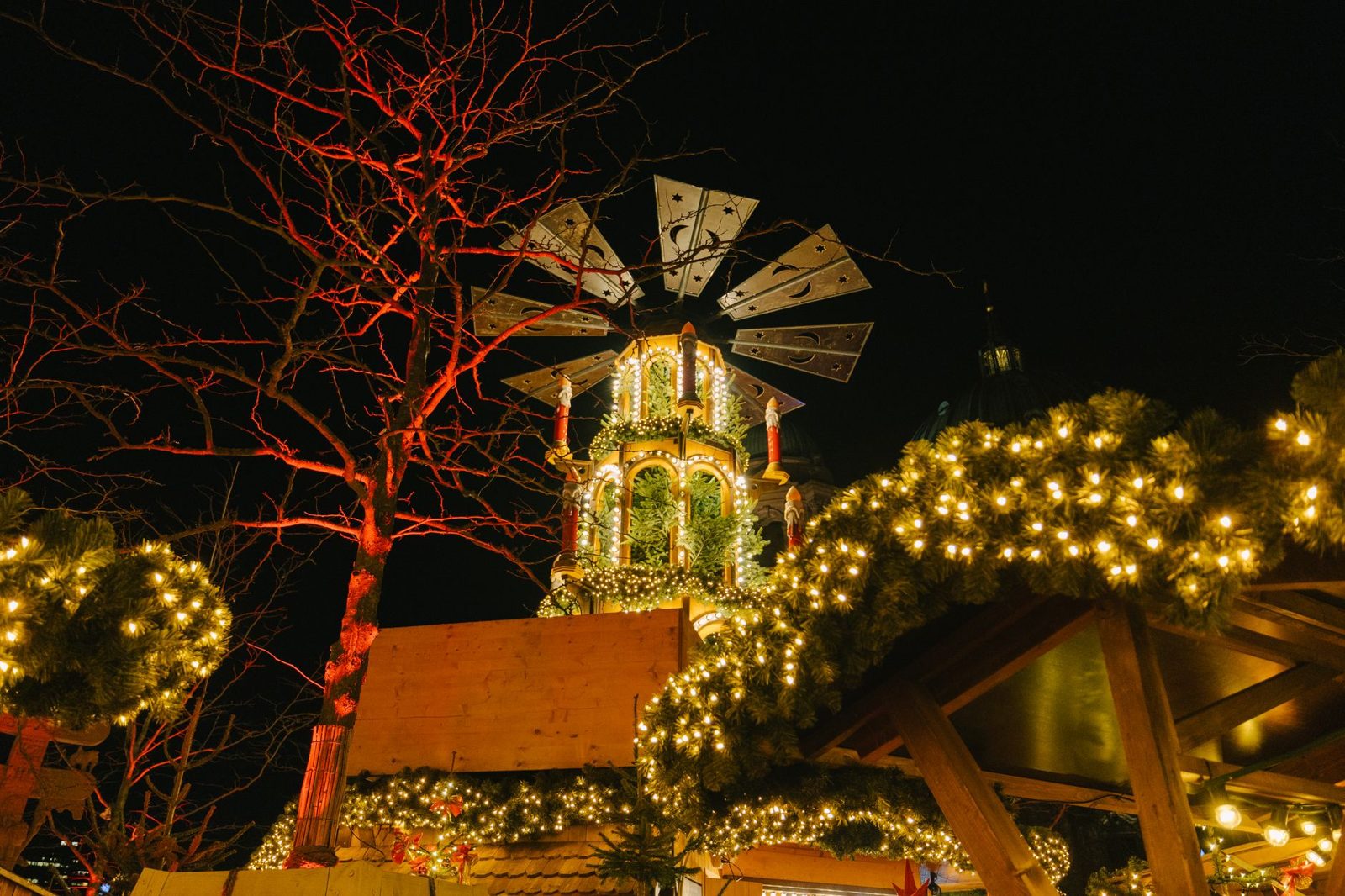
A Munich December hovers between 0 and 5°C, more often damp than crisp, and a Christmas market is a stationary, outdoor affair — you stand with a mug rather than walk to stay warm. Dress for it properly and you’ll last hours; underdress and you’ll give up after one Glühwein. Waterproof boots with a real sole matter most, because the Residenz and Marienplatz cobbles turn to slush by evening. Build from a thermal base layer, add a warm mid-layer, and finish with a coat that covers your hips, plus a hat and gloves you can still drink in. The Glühwein mug itself is a deliberate hand-warmer, so cup it between sips. The markets stay open whatever the forecast, snow included. Our Munich weather and packing guide has the month-by-month detail, and Christmas market food covers what to eat to keep the chill out.
Plan Your Munich Christmas Trip
This alternative Christmas markets guide is part of our deeper Munich Christmas markets guide. For broader trip planning see our best time to visit guide, our where to stay guide, and our trip planner.