Munich on a Budget: Complete Saving Guide
Travel Munich on a budget. Free attractions, cheap eats, budget accommodation, money-saving transport tips, and insider hacks.
Munich has a reputation as one of Germany’s priciest cities, and in certain categories — hotels, taxis, Michelin dining — that reputation is earned. But it’s also a city where an enormous amount of everyday life costs nothing at all. The English Garden is free. The Viktualienmarkt is free to wander. Marienplatz and the Glockenspiel are free. Five of the city’s best museums cost €1 on Sundays. And a properly assembled Brotzeit of market-bought pretzels, Obatzda, and cured meat pairs with a €5 beer-garden Maß to produce a meal that’s better than many €50 restaurant dinners. This complete guide to Munich budget travel shows you how to experience the city without spending more than you need — whether you’re traveling on €60, €100, or €200 a day.
The key to doing Munich affordably isn’t cutting corners — it’s understanding the structure of local life well enough to take advantage of its generous free and cheap layers. Munich is not a city that punishes budget travelers. Many of its best experiences (a day wandering the English Garden, an evening in a beer garden, a late breakfast at Viktualienmarkt) happen to be among its cheapest. This guide walks you through daily costs, where to save, where it’s worth spending, and specific tactics for each category of expense.
Munich on a Budget at a Glance
Munich flexes to almost any budget — the difference between a shoestring trip and a comfortable one is mostly where you sleep and how you eat, not what you get to see. The headline sights cost the same to everyone (often nothing). Here is what a realistic day looks like at three spending levels, so you can pick a lane before you book anything.
| Per day | Shoestring (~€60) | Comfortable (~€110) | Relaxed (~€200) |
|---|---|---|---|
| Bed | Hostel dorm €30–40 | 3-star double, your share €55–70 | 4-star or central hotel €120+ |
| Food | Bakery + market Brotzeit + supermarket €12–15 | One sit-down meal + casual lunch €30–35 | Restaurant dinners, café stops €55+ |
| Transport | Walk + one day ticket €10.10 | Day ticket, occasional taxi €15 | Taxis when convenient €25+ |
| Sights | Free churches, parks, €1 Sunday museum | One paid museum/castle €8–20 | Tours, palaces, BMW Welt extras €30+ |
| Drinks | One beer-garden Maß €13 | A couple of beers €20 | Cocktails, wine €35+ |
How Much Does a Munich Trip Cost?
Realistic per-person daily budgets for Munich in 2026, based on current local prices and typical traveler spending patterns:
- Shoestring (€50-€70 per day): Hostel dorm, market picnics, beer-garden self-service, free attractions, walking. Achievable with discipline, especially outside peak season.
- Budget (€80-€120 per day): Mixed hostel and basic hotel, one sit-down meal plus self-catering, a few paid museums, day ticket on transit. The sweet spot for most backpackers.
- Mid-range (€150-€220 per day): Mid-range 3-star hotel, two restaurant meals, a day trip, museum entries, a beer garden evening. Most comfortable for average travelers.
- Comfort (€250-€400 per day): Upscale 4-star hotel, good restaurants, guided tours, wider museum access, better transport options. Standard for most vacation travelers.
- Luxury (€500+ per day): 5-star hotel, fine dining, private guides, taxis, premium experiences.
These ranges shift dramatically with the seasons. During Oktoberfest (mid-September to early October), Christmas markets (late November to December 24), and major trade fairs, hotel costs alone can double or triple — pushing every budget tier up. Conversely, the mid-January to early-March window is Munich’s cheapest period, with hotels sometimes under €90 at good mid-range properties. For a detailed breakdown including category-by-category spend tracking and honest luxury-versus-cheap comparisons, see our how much does a Munich trip cost guide.
Budget Accommodation: Where and How to Save

Accommodation is typically your biggest Munich expense, so it’s also the biggest potential saving. Hostels here are genuinely good: Wombat’s City Hostel Munich near Hauptbahnhof regularly ranks among Europe’s best (dorm beds €30-€42), Euro Youth Hostel has the most central location in Altstadt, and a&o Hostels has two Munich locations with family-friendly private rooms from €80. Private hostel rooms (1-2 people) start around €70 in low season.
For a step up, chains like B&B Hotel, Premier Inn, and Ibis Budget deliver clean, simple private rooms from about €85 in low season. Motel One, while technically mid-range, often runs promotional rates under €100 at its Hauptbahnhof and Sendlinger Tor properties. Family-run Pensionen scattered across less-touristy neighborhoods like Haidhausen, Au, and Giesing offer atmospheric stays from €70-€100.
The cheapest seasonal accommodation in Munich, by a long way, is The Tent — a seasonal campground near Nymphenburg Palace operating June through October with mattresses-in-a-giant-tent for about €13 per night. It’s rustic, social, and genuinely part of Munich travel folklore. For longer stays (4+ nights), vacation rentals often work out cheaper per night than hotels; see our budget accommodation tips guide for the full breakdown.
For the full picture, cheap accommodation in Munich compares hostels, budget chains, guesthouses and aparthotels by price, location and what you give up.
Cheap Eats: Eating Well for Under €15
Eating cheaply in Munich is easy once you know where to look. The single most important rule: the butcher counters at local shops are Munich’s secret weapon. Vincenz Murr, Richard, and similar local butchers sell Leberkässemmel (warm meatloaf in a bread roll) for €4-€5, along with hot sausages, Bavarian potato salad, and schnitzel sandwiches. These are the lunches locals actually eat, and they’re everywhere.
Viktualienmarkt is the other budget food hero. Stalls sell fresh pretzels for €2, hearty soups for €5, and full Bavarian snack plates for €8-€12. The market’s beer garden lets you bring your own food and only charges for the Maß. Assemble a Brotzeit from the market for €10-€15 and you’ve got an excellent meal for two with beer included.
For non-Bavarian budget food, Westend and the area around Hauptbahnhof are packed with Turkish and Vietnamese restaurants where a filling meal runs €6-€12. Döner kebab is ubiquitous, hot, and usually under €7 for a generous meal. The university canteens (Mensa) at TU Munich and LMU are technically open to the public during semester and offer complete hot meals from about €6; ask nicely at the checkout and they’ll usually serve non-students at a slightly higher guest rate.
Finally, supermarkets. REWE, Edeka, Aldi, Lidl, and Penny are all near Munich’s tourist areas. A full day’s worth of groceries — bread, cheese, charcuterie, fruit, yogurt, water — can run as little as €10-€15 per person. For the full cheap-eats breakdown including specific addresses, see our where to eat cheap in Munich guide.
Free Things to Do in Munich
Munich’s free layer is extraordinary. A well-planned free day covers more of the city’s essential character than any paid attraction could. Here’s the highlight reel:
- Marienplatz and the Glockenspiel — the medieval mechanical clock performs free shows daily at 11 a.m., 12 noon, and 5 p.m. (March to October).
- The English Garden — 78 kilometers of paths, the Monopteros hilltop temple, the Japanese teahouse area, and the Eisbach surfing wave. Free year-round.
- Viktualienmarkt — browsing the market is free and fascinating.
- Nymphenburg Palace gardens — the formal gardens and the 566-acre Schlosspark are free (the palace interior requires a ticket).
- Hofgarten — the Renaissance garden between the Residenz and the English Garden.
- Munich churches — including the Asamkirche, Frauenkirche, Theatinerkirche, and St. Peter’s, all architecturally stunning and free.
- Olympiapark and Olympiaberg — free to wander, with spectacular skyline views from the Olympic hill.
- Free walking tours — several operators run tips-based walking tours daily from Marienplatz.
- The Eisbach surfing wave — watching daredevil surfers on the standing wave is mesmerizing and free.
- Isar riverside paths — jogging, cycling, and picnicking paths along both banks of the river.
For our complete list of free experiences with maps and suggested itineraries, see our best free things to do in Munich guide and free things to do in Munich overview.
There is far more than a shortlist. 25+ free things to do in Munich collects every no-cost church, park, market, viewpoint and museum-free-day in one place.
Free and Discounted Museums
Munich has one of Europe’s best-value museum scenes for budget travelers, thanks to a specific local policy: many state-run museums charge just €1 on Sundays. The list includes the Alte Pinakothek, the Neue Pinakothek (currently closed for renovation), the Pinakothek der Moderne, the Museum Brandhorst, the Glyptothek, and the Antikensammlung. That’s six major museums you can visit for €6 total on a single Sunday — an almost absurd cultural bargain for the quality.
Other permanent free museums include the BMW Welt (not the Museum, which charges; the Welt showroom itself is completely free and genuinely impressive) and the Archäologische Staatssammlung during renovation-related free windows. Many municipal museums offer free entry to children under 18.
Another hidden gem: most Munich churches have side chapels, crypts, and treasuries that are free to visit. The treasury of the Residenz charges admission but is one of Europe’s great royal collections; if your budget doesn’t stretch, walk through the Residenz’s public courtyards for free. See our free museums and cheap culture guide for more specifics.
City Cards: When They’re Worth It
Munich’s two main visitor cards are the München Card and the CityTourCard. Both bundle an MVV day pass with discounts at dozens of sights, tours, and shops. At first glance they look similar. In practice they suit different traveler types.
The München Card offers deeper discounts (up to 70% at major sights) but costs more. The CityTourCard costs less but offers smaller discount percentages. Both are available as 1-day, 3-day, or 4/5-day versions, and both work for solo travelers or groups up to five people.
The rough rule: if you plan to visit three or more paid sights in a day, the München Card usually wins. If you plan to visit one or two paid sights plus heavy transit use, the CityTourCard wins. If you’re mostly doing free attractions and walking, just buy a single-day transit ticket and skip both. For a side-by-side price breakdown and scenario-based guidance, see our Munich City Card comparison.
Transport Savings
Transit is a small expense in Munich if you buy the right ticket. The two biggest savings hacks:
- Group Day Tickets (€19.70 for up to 5 people) crush solo fares — even two travelers save significant money.
- Bayern-Ticket (€34 solo, €74 for five) is the best day-trip hack — unlimited regional train, bus, and tram travel anywhere in Bavaria (plus Salzburg) for one day.
- Walking covers the entire Altstadt in under 20 minutes from any edge.
- MyRadl bikeshare costs €1 per 30 minutes on a classic bike — cheap enough that short hops across the city beat a single transit fare.
For the airport, always take the S1 or S8 S-Bahn (€15.10 single, or €17.50 for the Airport-City-Day-Ticket including a full day of Zone M travel in the city). Never take a taxi from the airport unless you’ve split the cost with three or more travelers — even then, the S-Bahn usually wins on price. For more transport savings, see our money-saving transport tips guide.
Our dedicated guide to saving money on Munich transport works through each ticket type against sample itineraries so you can see where the break-even actually falls.
Beer Garden Budget Hacking
Beer gardens are Munich’s single greatest budget-travel asset. The tradition allows you to bring your own food into any self-service section of a traditional beer garden — you only need to buy drinks. This means a picnic-style dinner with a liter of world-class beer can cost €10-€15 per person.
The classic move: stop at Viktualienmarkt or any local supermarket on the way. Buy a pretzel, a few slices of Leberkäse, some Obatzda, radishes, and fruit. Walk into any major beer garden (Chinese Tower, Augustiner-Keller, Hirschgarten, Seehaus), spread your food on a communal table, buy a €10-€11 Maß at the counter, and settle in for hours. You’ve got dinner, views, a lively local atmosphere, and live music at several locations — for less than the cost of a sit-down meal almost anywhere else.
A related trick: half-liter beer (Halbe) at a standing Bierstube costs €4-€5. If you’re not committed to a full Maß, a short visit to a classic Bräustuben can be one of the cheapest meaningful Munich experiences available.
Shopping on a Budget
Shopping in Munich doesn’t have to mean Maximilianstraße prices. Vintage and secondhand shops cluster in Haidhausen, Maxvorstadt, and around Gärtnerplatz. Traditional Bavarian clothing (lederhosen, dirndls) at regular retail runs €150-€400 per piece, but rental shops let you wear authentic Tracht for a single day (€25-€40) — a great move for Oktoberfest visitors on a budget.
The Auer Dult traditional market (three times a year at Mariahilfplatz) is an underrated budget shopping adventure — ceramics, antiques, fabrics, and folk souvenirs at actual fair prices. For edible souvenirs, the discount chains Aldi and Lidl sell genuinely good German mustards, chocolate, and packaged sausage for a fraction of what souvenir shops charge for similar items.
Common Budget Mistakes to Avoid
A few common mistakes cost budget travelers significant amounts of money unnecessarily. Taking taxis or rideshares from the airport is the single biggest one — the S-Bahn costs €15 and takes 40 minutes; a taxi costs €75-€110 and takes the same time in heavy traffic. Buying single transit tickets repeatedly instead of a day ticket costs roughly double by the second ride. Drinking overpriced bottled water when Munich tap is exceptional. Eating breakfast at your hotel when it’s charged separately — a €4 bakery pretzel and coffee delivers more satisfaction than a €25 hotel buffet.
Other quiet leaks: buying souvenirs in tourist-trap shops around Marienplatz (the same items cost less at department stores or supermarkets), dining in heavily-trafficked Altstadt restaurants aimed at tour groups (walk five minutes in any direction and prices drop 30% for better food), and paying for guided tours that duplicate free walking tours. On most days, the tips-based free walking tours are as good or better than the €30+ paid alternatives, especially for first-time visitors.
Seasonal Budget Strategy
When you visit makes an enormous difference to your total cost. The budget-friendly windows are:
- Mid-January to early March: Cheapest hotels of the year (often under €100), smallest museum queues, reasonable weather for indoor sightseeing.
- Late October to mid-November: Post-Oktoberfest crash in hotel prices, beautiful fall colors along the Isar.
- Mid-April to late May: Spring bloom, mild weather, prices still below summer peaks.
Periods to avoid if budget is a priority: Oktoberfest (mid-September to early October), Christmas market season (late November to December 24), and any week with a major Messe München trade fair (BAU, ISPO, IAA Mobility, etc.). During these windows, hotel prices 2-3x normal levels and even restaurants can be pricier. If you must travel during these periods, consider staying in nearby towns (Dachau, Freising, Augsburg) and day-tripping in.
A Sample €60 Day in Munich
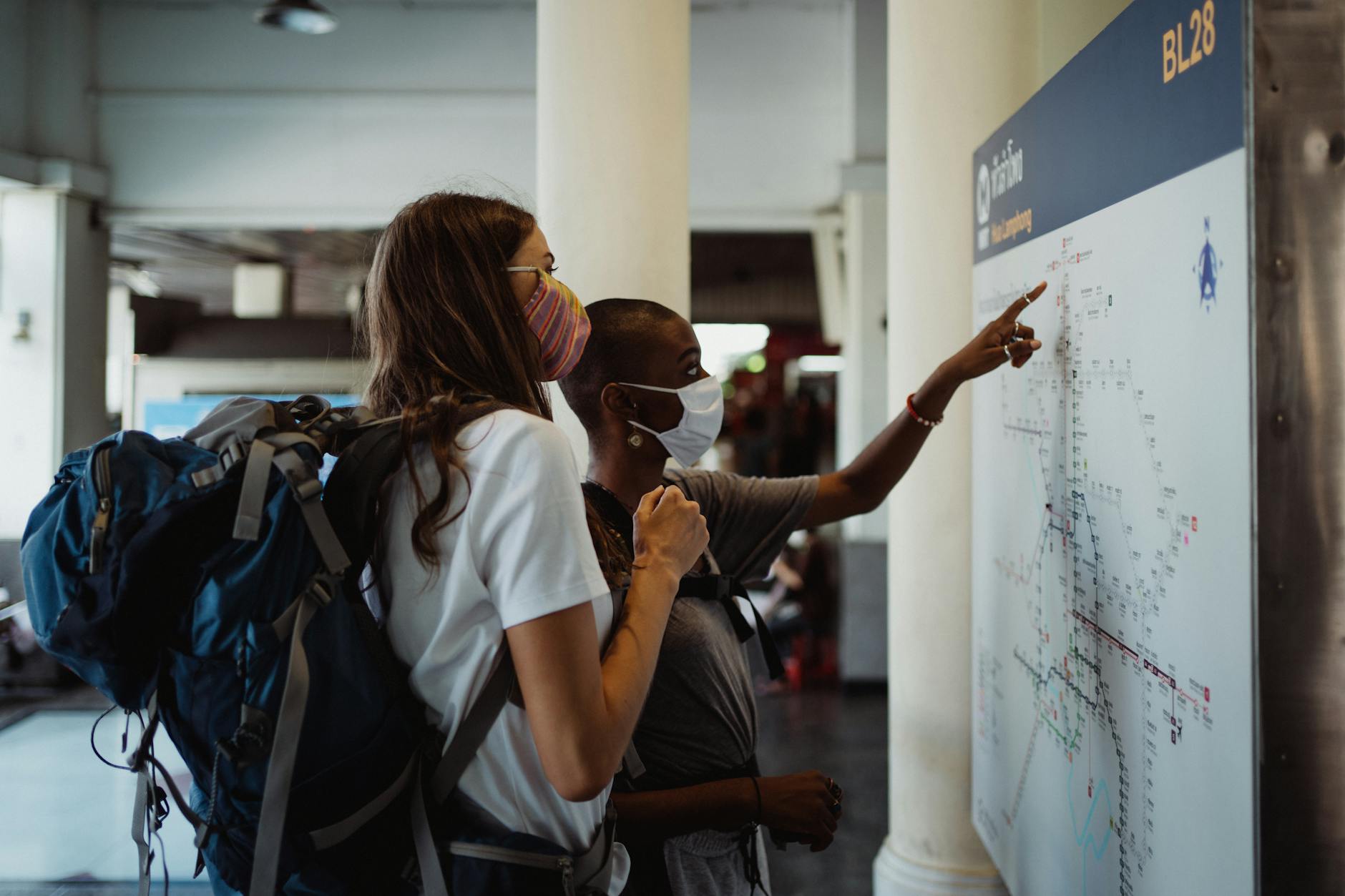
To make this concrete, here’s how a €60-per-day itinerary actually works in practice:
- Breakfast: Bakery pretzel and coffee from Rischart or a similar chain — €4
- Morning: Free walk through Altstadt, Marienplatz at 11 for the Glockenspiel, stroll Viktualienmarkt — €0
- Lunch: Leberkässemmel from Vincenz Murr — €5
- Afternoon: Free walking tour from Marienplatz (leave a €5 tip) + free visit to Frauenkirche and Asamkirche — €5
- Museum: On a Sunday, €1 Sunday entry to Alte Pinakothek — €1
- Transit: Day Ticket Zone M — €10.10
- Dinner: Brotzeit supplies from Viktualienmarkt (€10) + Maß of beer at the market beer garden (€10) — €20
- Hostel: Shared dorm at Euro Youth or Wombat’s — €30
- Drinks/extras: €2-€5 buffer
- Total: ~€75 (with buffer) or ~€60-€65 if you skip the museum and swap the hostel for a cheaper weekday rate.
That same day at €150-€200 would upgrade the hotel (basic private room instead of dorm), add a sit-down restaurant dinner, a paid museum or two, and a guided walking tour. Same sights, same Munich experience — just more comfort.
Free Cultural Experiences Beyond Museums
Beyond the obvious museums and parks, Munich has a rich layer of free cultural life that most budget guides miss entirely. Free classical concerts happen weekly at venues like the Hochschule für Musik und Theater (the city’s music academy), where students give recital-quality performances for free most evenings during term. University lectures at LMU and TUM are open to the public; check the weekly calendar on each school’s website. Church services across the city feature full choirs and organ music as part of Mass, and you’re welcome to attend without contributing — the Sunday morning services at Frauenkirche and St. Michael’s in particular are musical experiences in their own right.
In summer, the Open-Air Kino outdoor cinema series shows free films across several Munich parks from June through September. The English Garden hosts free evening concerts at the Monopteros on summer weekends. Seasonal markets like the Auer Dult, Tollwood festival, and Streetlife Festival all offer free entry and extensive free programming — live music, pop-up stages, cultural installations, and food-stand browsing that delivers far more than any paid attraction would at the same time.
Finally, gallery openings in Glockenbachviertel and Maxvorstadt often have free Thursday or Friday evening previews with wine and snacks — check listings via Instagram or the city’s independent art network. Locals treat these as a free dinner-and-culture combination, and visitors are welcome. For a complete free-culture roundup, see our free museums and cheap culture guide.
Insider Travel Hacks
A handful of Munich-specific tips that lock in real savings:
- Always travel in pairs or small groups when possible. Group day tickets cost barely more than single ones. Gruppentageskarte for 2-5 people at €19.70 beats individual fares by a huge margin.
- Never carry bottled water. Munich tap water is among Europe’s cleanest and is served free at most cafés on request. Carry a refillable bottle.
- Buy museum combo tickets at Pinakothek museums — €12 gets you into all three major venues on one day.
- Ask for tap water (Leitungswasser) at restaurants. Some charge a small fee, some don’t — always worth asking.
- Skip the Hofbräuhaus dinner. The beer is the same as at the cheaper Hofbräukeller in Haidhausen, and the food is less interesting than at any traditional Gasthaus. Visit the Hofbräuhaus for one beer and move on.
- Use bakery chain breakfasts. Rischart, Müller, and Wimmer all sell hot pretzels, sandwiches, and decent coffee for a fraction of hotel breakfast prices.
- Cash-only discounts still exist at some traditional Gasthäuser — ask.
- Avoid taxis within the city. Public transit reaches everywhere worth reaching, faster than a taxi during peak hours, and at a tenth the cost.
- Book day trips as groups. Five people sharing a Bayern-Ticket pay €10.60 each for unlimited Bavarian rail — cheaper than Munich-only transit.
For our complete list of money-saving insider tips, see the dedicated Munich travel hacks and insider tips guide.
There are plenty more where these came from. Our roundup of Munich travel hacks collects the small tricks that quietly shave money off a trip.
Budget-Friendly Day Trips from Munich
Day trips don’t have to blow up your budget. The Bayern-Ticket covers unlimited regional rail travel across Bavaria for €34 solo or €74 for five people, which makes group day trips cheaper than most solo Munich-only transit. The cheapest and most rewarding day trips:
- Dachau Memorial — Free admission. €8.80 S-Bahn round trip (or free with a day ticket). Profound, important, and one of the best no-cost educational experiences in the region.
- Lake Starnberg swimming — 25 minutes by S-Bahn. Free public beaches, locker rentals for €2-€3. Summer-only.
- Augsburg — 40 minutes by train. Free to wander the old town; Fuggerei admission is €8 but optional.
- Garmisch-Partenkirchen village — 90 minutes by direct train. Free to wander the painted-facade streets. Only the Zugspitze cable car requires a (steep) entry fee.
- Neuschwanstein exterior — 2.5 hours by train. Castle interior requires a ticket, but the Marienbrücke photo viewpoint is free and delivers the iconic shot.
For more detail on all day trip options and specific budget routing, see our best day trips from Munich guide.
Where Not to Cut Costs
A few expenses aren’t worth cutting, even on a tight budget. Public transit tickets are one — the €60 fine for fare-dodging dwarfs any single-day saving. Travel insurance is another, especially for EU travelers outside their coverage. And at least one proper Bavarian meal at a traditional Gasthaus is worth budgeting in: a €20 plate of Schweinsbraten or a proper Weißwurst breakfast is a cultural experience you can’t replicate at a butcher counter. Budget doesn’t mean missing out; it means spending thoughtfully where it matters most.
Similarly, don’t skimp on shoes. You’ll walk 20-30 km across a Munich week, mostly on cobblestones. Comfortable shoes pay for themselves in not-blister-torture the first evening. If you arrive with bad shoes, Munich has several good, affordable shoe shops around Kaufingerstraße where you can solve the problem immediately.
Budget Tips for Families
Families have some specific Munich-budget advantages worth knowing. Children under 6 ride public transport free, and ages 6-14 will be free from 2026. Group day tickets (€18.80) cover up to 5 people regardless of age — a family of four effectively pays €4.70 per person for unlimited transit. Most state museums are free for under-18s, and child portions are available at nearly every sit-down restaurant.
For family accommodation, family rooms at Motel One, Ibis, and a&o Hostels routinely sleep 3-4 people for about €130-€170 in low season — far cheaper than booking two adult rooms. Vacation rental apartments with kitchens pay for themselves in saved restaurant costs on stays of 3+ nights. Hellabrunn Zoo and Olympiapark both offer family-friendly day passes that beat individual ticket purchase, and the Deutsches Museum’s Kinderreich section is among Europe’s best interactive children’s museum experiences at a modest €8 family admission.
Frequently Asked Questions
Is Munich more expensive than Berlin?
Yes, by about 10-20% across accommodation, restaurants, and groceries. Berlin is cheaper for most budget travelers. However, Munich’s public transport is comparable in price, and both cities have strong free-attraction scenes.
What’s the cheapest month to visit Munich?
Early February, hands down. Hotels drop under €100 at mid-range properties, museums are quiet, and you get the full city experience minus the festival atmosphere. Late October and early March are also excellent budget windows.
Can I visit Munich for €1000 for a week?
Absolutely — two travelers sharing a €100-per-night hotel room with market picnics, free attractions, and careful restaurant choices can do a full week for around €900-€1200 per couple. Solo shoestring travelers in hostels can do a week for €500-€700.
Are Munich museums expensive?
Standard admission to major Munich museums runs €7-€15. However, the big state museums charge just €1 on Sundays — which makes Munich one of Europe’s cheapest museum cities if you time your visit right.
How much should I budget for Oktoberfest?
A moderate day costs €100-€160 per person including beer, food, and a modest number of rides or games. Hotels during Oktoberfest are 2-3x normal; budget accordingly or stay in nearby towns.
Is tap water safe to drink in Munich?
Absolutely. Munich tap water is among Europe’s cleanest — sourced from Alpine aquifers and rigorously tested. Don’t waste money on bottled water; carry a refillable bottle and use public drinking fountains around the city.
Is Munich an expensive city to visit?
It can be, but it does not have to be. Munich is Germany’s most expensive city for hotels and sit-down restaurants, so a careless trip burns money fast. Yet the things that make Munich special skew cheap or free: the English Garden, the Viktualienmarkt, Marienplatz, the great churches, and a rotating cast of €1-Sunday museums cost little or nothing. The real budget killers are central four-star hotels, taxis, and table service three meals a day. Swap in a hostel or shared twin, assemble a market Brotzeit, walk the compact centre, and ride a single day ticket, and Munich lands in line with most major European capitals — comfortable on around €110 a day, doable on €60. Our Munich trip cost breakdown has the full numbers.
What are the best free things to do in Munich?
More than enough to fill a long weekend without paying admission anywhere. Watch the surfers on the Eisbach standing wave, walk the length of the English Garden, browse the Viktualienmarkt, catch the Glockenspiel performance at Marienplatz (11 a.m. and noon, plus 5 p.m. in summer), climb the free viewpoints, and wander the Olympiapark grounds. Add the €1-Sunday museums, free-entry churches like the Frauenkirche and Asamkirche, and the changing of pace along the Isar riverbanks, and you have days of genuinely good sightseeing for the cost of a pretzel. Our free things to do in Munich guide maps them all out.
How can I save money on transport in Munich?
Start by walking — the Altstadt is small enough that most first days need no ticket at all. When you do ride, the single biggest saving is the group day ticket (Gruppentageskarte): up to five people travel all day in Zone M for roughly the price of two singles, so even a couple often comes out ahead buying the group version. Buy day tickets rather than singles the moment you expect three or more rides, validate once, and you are covered until 6 a.m. the next morning. The airport is the one pricey leg — the S-Bahn beats a taxi by €50. For the full ticket-by-ticket logic, see our getting around Munich guide.
Money-Saving Apps and Passes Worth Downloading
Half of budget travel in Munich is knowing which app to open at the right moment. A few free downloads do more for your wallet than any coupon book, so set these up on the plane and you will arrive already saving.
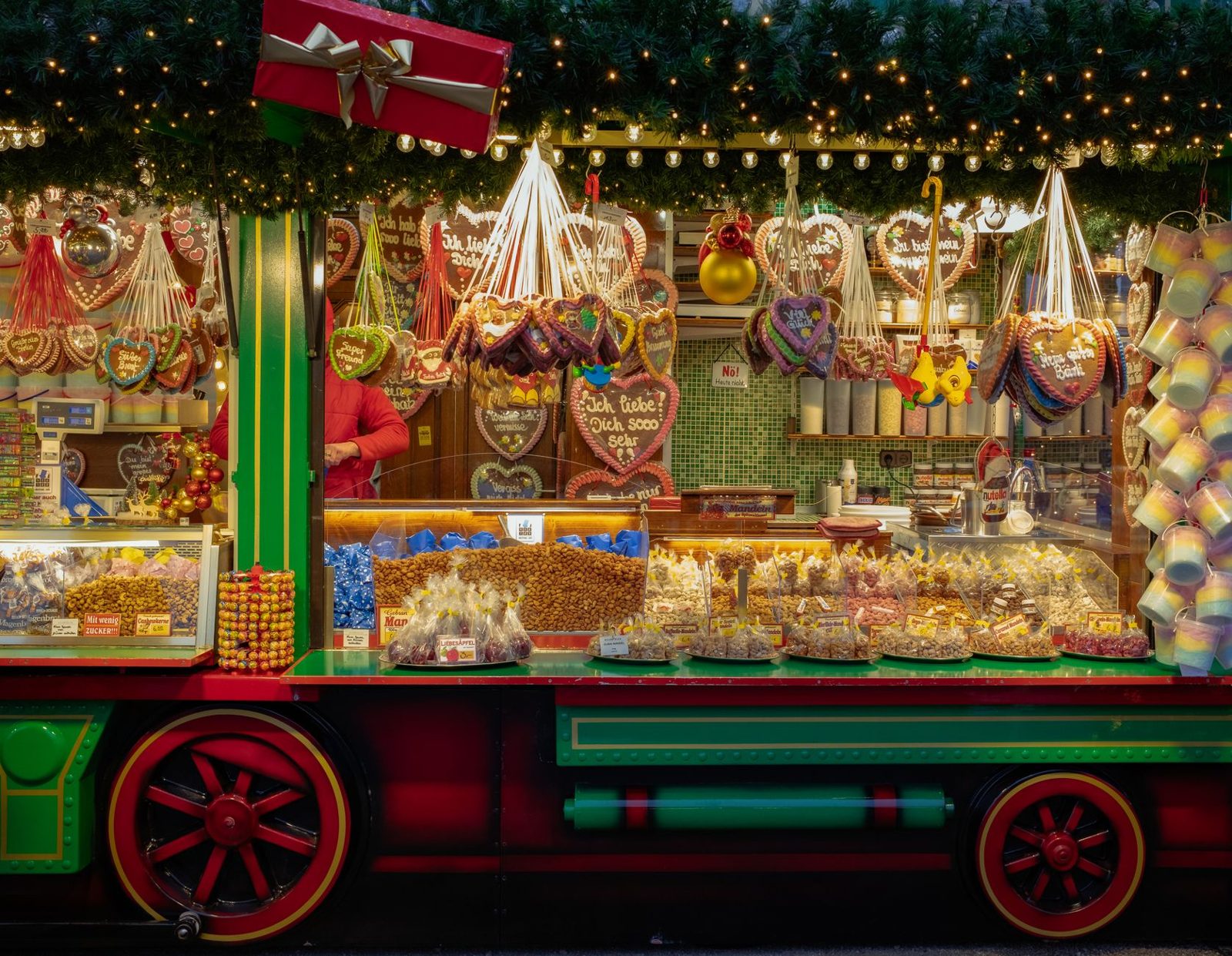
The MVG app is non-negotiable. It plans every U-Bahn, S-Bahn, tram, and bus connection in real time and sells the exact same tickets as the machines — including the Streifenkarte-style multi-ride and group day tickets — so you never overpay at a kiosk or fumble for coins. Pair it with our getting around Munich guide to choose the cheapest fare for your route. Too Good To Go is the quiet hero: Munich bakeries, cafés, and delis list end-of-day “surprise bags” for €3–5 that would cost €12–15 over the counter — a genuine dinner for the price of a coffee.
For sightseeing, skip the impulse buys and check whether a Munich City Card or pass actually beats pay-as-you-go for your itinerary — for many visitors it does not, and the honest math is in that comparison. The real bargain is timing: load the free and €1-Sunday museums calendar and build your culture days around them. Planning a day trip? Before booking a tour, price the regional rail yourself — the Bayern-Ticket and Deutschlandticket can turn a €50 excursion into a €15 one, as our day trips from Munich guide explains. Insider tip: screenshot opening hours and last-entry times offline; Munich museums enforce them strictly, and a wasted trip is the most expensive mistake of all.
Knowing how Germans actually pay for things saves money too — read our guide to money, cards and tipping in Munich before you land.
Plan Your Budget Munich Trip
Munich is genuinely one of the best European capitals for budget travelers who plan carefully. The free sights are world-class. The beer gardens are an affordable dining format in a category Munich practically invented. The museums offer €1 Sundays. The transport is efficient and fairly priced. The hostels are among Europe’s best. And the whole city is compact enough that walking handles a huge share of your movement needs.
The only thing you need to do is arrive with a plan. Set a realistic daily budget. Pick your accommodation early. Time your visit to a non-peak window if your schedule allows. Plan free days interspersed with paid-attraction days. Eat from markets and butcher counters more often than from restaurants. Walk, cycle, and use the correct transit tickets. Visit museums on Sundays. Bring your own food into beer gardens. Skip the taxi. Carry a water bottle. Avoid tourist-trap souvenir stalls.
Pair this budget guide with our things to do in Munich pillar for itinerary inspiration, our transport guide for ticket specifics, and our accommodation guide for low-cost stay options. Budget travel in Munich isn’t about cutting corners — it’s about understanding a city that was designed, in many ways, to be generous to visitors who pay attention. Do that, and your Munich trip will be one of the best-value European holidays you’ll ever plan. Safe travels, Servus, and enjoy Munich at your own budget’s pace — whatever that pace happens to be.
A closing thought from many years of watching how travelers do Munich well or badly: the budget travelers who have the best trips here are often the ones who understand that time is their real resource. An afternoon spent slowly across three different beer gardens, on foot, with a single day ticket and a market picnic, delivers more memorable Munich than a frantically-scheduled, taxi-heavy, restaurant-packed day at three times the cost. Slow down, eat simply, walk more, and trust that the city’s best moments are almost always the cheapest ones. That’s the quiet secret of budget Munich — and it’s one of the single best lessons this city has to teach every visitor who pays enough attention to learn it. The best Munich memories come from shared benches, not expensive tables; from picnic Brotzeits under chestnut trees, not curated tasting menus; from stumbling into a free choral service in an 800-year-old church, not from scheduled paid tours. Munich has been rewarding budget travelers for decades in ways most European capitals no longer can. Lean into that generosity, plan carefully without over-optimizing, and let yourself slow down. You’ll leave with more stories and more money left over than you expected — and you’ll almost certainly start planning your return the moment you get home, because you’ll know now that Munich is the kind of city that always has more to offer whenever you can afford to come back. That’s the final piece of budget travel wisdom this city teaches: a good, modest Munich trip almost guarantees a future, bigger one. Enjoy your first visit — you’ll find more reasons to return than you could have imagined before you got here, and your wallet will have survived your first trip healthier than it would in almost any other European capital worth visiting. Servus, and safe travels on any budget. One final note specifically for first-time European travelers: do not assume that Munich’s reputation for being expensive means you have to choose between visiting and saving money. You don’t. Plenty of budget travelers visit Munich every year for long weeks on modest budgets and have spectacular trips, and nothing about the premium reputation translates into an unpleasant experience for visitors doing the city on the cheaper side. You’ll share benches with locals at beer gardens. You’ll eat the same pretzels as the people who live here. You’ll hear the same Glockenspiel at Marienplatz. You’ll watch the same surfers on the Eisbach. The Munich experience isn’t gatekept by price, and the entire culture of the city makes it exceptionally easy to participate fully without spending as much as you might expect. That’s one of the city’s most underappreciated qualities, and it’s one of the best reasons to book a Munich trip even if your budget is modest. Come on in. We’ll see you at the market, on the riverside, in the beer garden, or under a free concert on a summer night. The city is ready for you whenever you are — and it’s genuinely one of the great-value European destinations you could pick.
Further Official Resources
For real-time updates, pricing, and booking details beyond this guide, we recommend cross-referencing with the official Munich tourist board, the MVV fares official page, Tourism in Munich on Wikipedia. These authoritative sources maintain current information and are the original primary sources for much of the data used throughout this guide.
We update this Munich budget travel guide regularly to reflect seasonal changes, new venues, and reader feedback — bookmark it and check back before your trip. For related planning, explore the rest of our Munich travel guides linked throughout this article.