Where to Eat Cheap in Munich
The complete 2026 guide to cheap eats in Munich — Currywurst, Döner, Leberkäs Semmel, lunch specials, university Mensa, supermarket beer-garden picnics, and €5–€15 meals across every neighborhood.
Munich has a reputation as one of Germany’s pricier cities for dining — and the famous beer halls don’t help that reputation, with €25 schnitzels and €15 Maß steins. But the city is also packed with genuinely cheap eats that locals rely on every day: €5 Currywurst from corner stands, €6 Döner kebabs, €4.50 Leberkäs Semmel rolls, €10 Vietnamese pho, and €4 supermarket picnics that you can take to the beer garden. With the right map, you can eat well in Munich for €15–€25 per day and never feel like you’re cutting corners. This 2026 cheap food Munich guide covers every category — from the best Imbiss stands and Bavarian budget classics to international cheap eats and supermarket strategy.
Quick Reference: Munich Cheap-Eats Categories
| Category | Typical Price | Best Use |
|---|---|---|
| Imbiss / Stand | €4–€8 | Quick lunch, late-night |
| Bakery (Bäckerei) | €3–€6 | Breakfast, mid-morning snack |
| Mensa (university canteen) | €4–€7 | Hearty lunch — €5 hot meal |
| Beer hall lunch special | €8–€14 | Full sit-down with beer |
| Döner kebab shop | €5–€8 | Filling lunch or dinner |
| Asian / Indian fast | €8–€14 | Dinner under €15 |
| Supermarket picnic | €5–€10 | Beer garden bring-along |
| Viktualienmarkt stalls | €4–€10 | Bavarian street food |
| Italian / pizza by slice | €3–€6 | Quick walk-and-eat |
Bavarian Cheap Eats: Local Classics for Under €10
Leberkäs Semmel
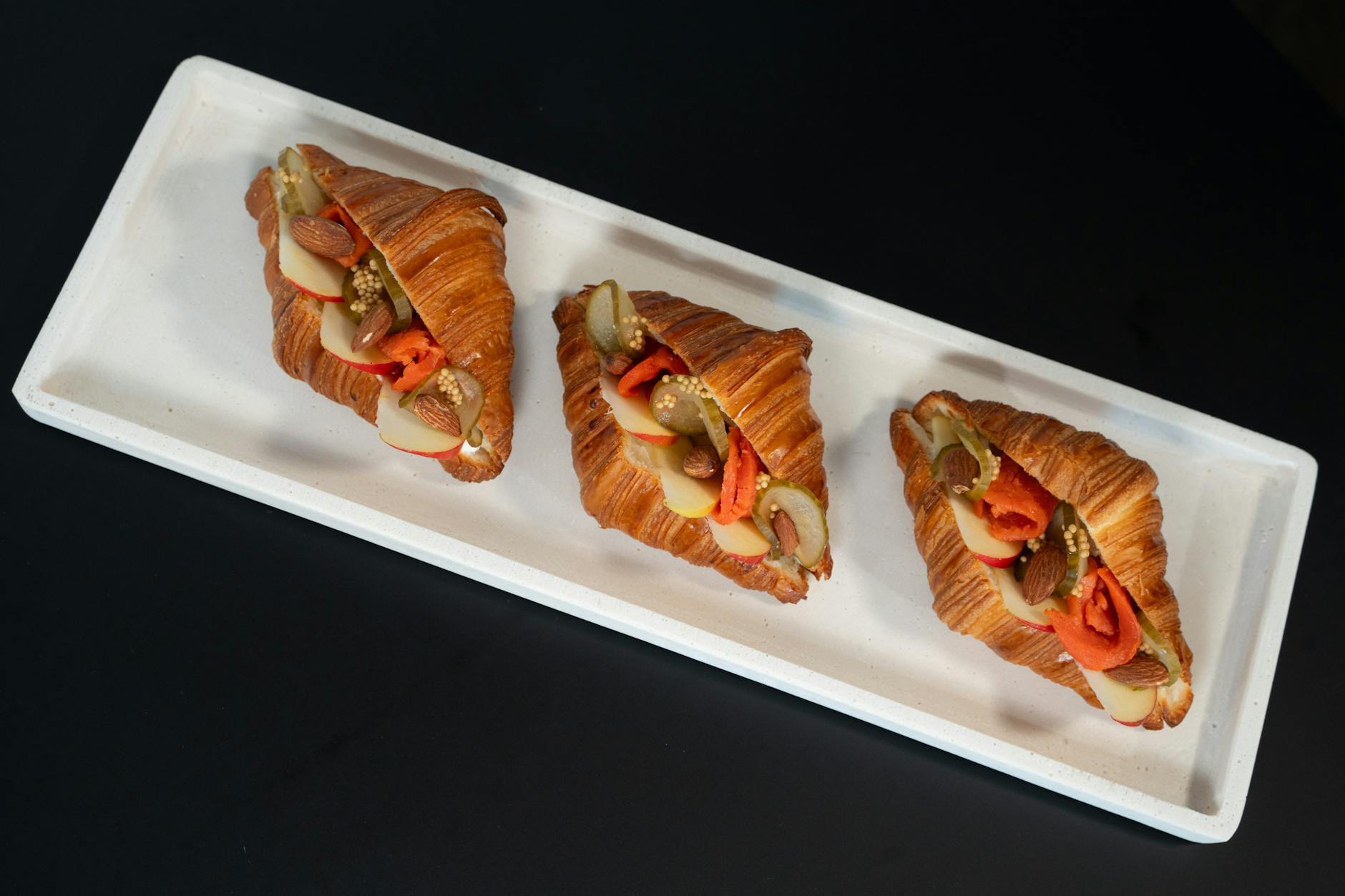
The Bavarian fast food: a thick slice of Bavarian “meatloaf” (Leberkäs) tucked into a Semmel (bread roll), served warm with sweet mustard. €4.50–€6 at any bakery counter or butcher (Metzgerei). The Viktualienmarkt has Munich’s best — try Magnus Bauch or any of the long-counter butchers. A two-roll lunch with a coffee runs €7–€8.
Currywurst
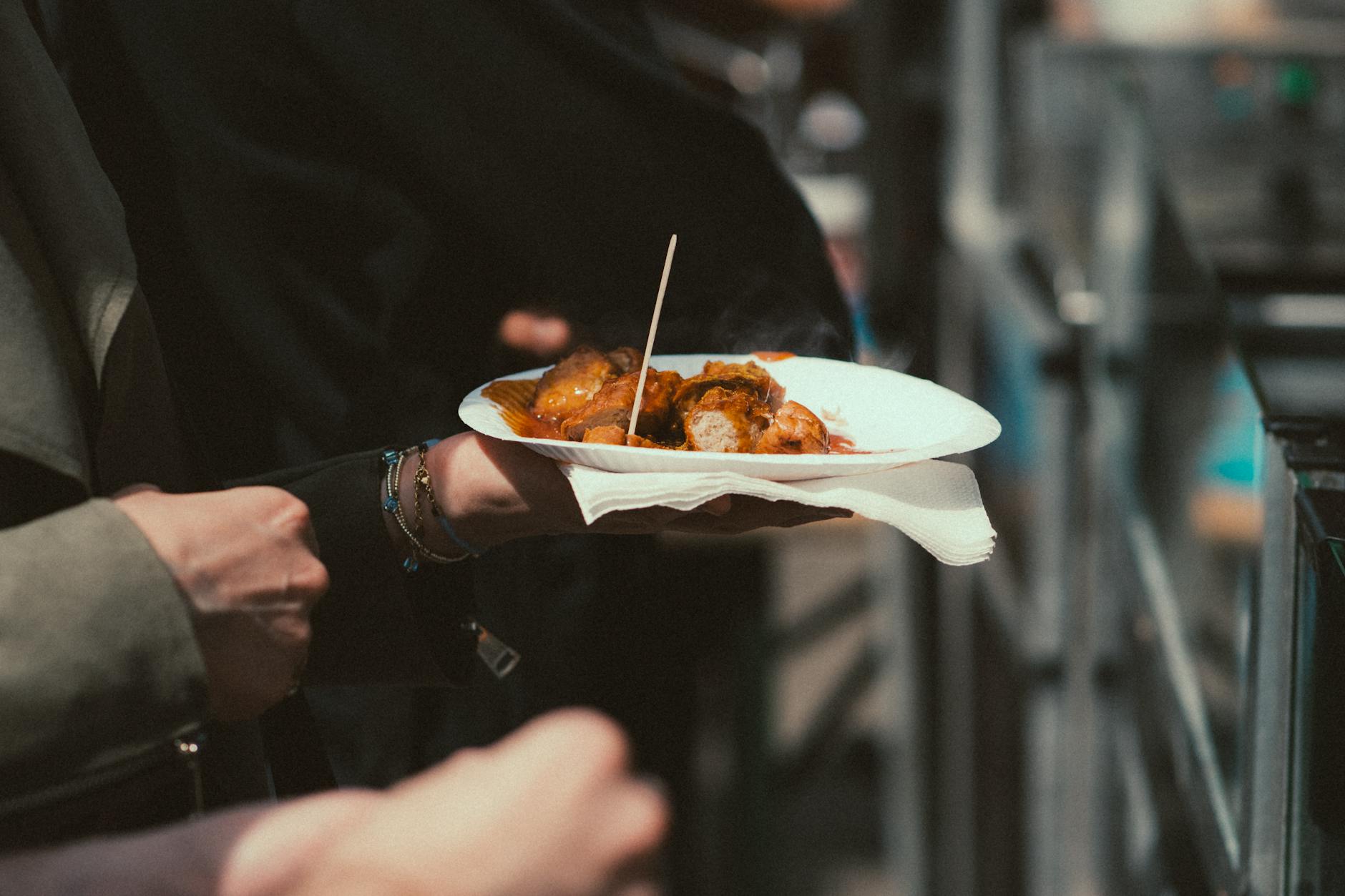
Berlin invented it but Munich loves it: a sliced bratwurst topped with curry-ketchup sauce and curry powder, served with fries or a small bread roll. €5–€7 at street-side Imbiss stands. Try Bratwursthäusl on Marienplatz, or any chain like Curry 36’s Munich location. Open late — a useful 02:00 stop after a night out.
Bratwurst Semmel
Two grilled bratwursts in a Semmel with mustard. €4–€5. The most basic and most reliable Bavarian cheap meal. Available at every market, beer garden, and stand. Sweet mustard (süßer Senf) is the Bavarian classic; spicy mustard (scharfer Senf) for non-traditionalists.
Brez’n with Butter
A giant Bavarian sourdough pretzel split open and spread with butter (Butterbrez’n) is €2–€3. Add a slice of Leberkäs (€1.50 extra) for a proper meal. Best at Bäckerei Wimmer or any bakery before noon.
Schweinsbraten Semmel
Some butcher shops slice their Sunday roast pork into a Semmel for €4–€5. A great budget Bavarian lunch when you don’t want a full sit-down. Look for handwritten signs at Metzgerei counters.
Imbiss Stands and Quick Counters
Munich’s Imbiss stands are little kiosks serving fast, cheap, hot food — the German answer to a New York hot dog cart. The best in central Munich:
- Bratwursthäusl on Marienplatz — Munich’s most central Currywurst and Bratwurst Semmel; €5–€7
- Bratwurst Glöckl am Dom — at the cathedral; tiny restaurant + outdoor stand
- Magnus Bauch (Viktualienmarkt) — best Leberkäs Semmel in town
- Schwarzreiter Imbiss (Hauptbahnhof) — quick service, decent quality, €5–€8
- Kult Hot Dog on Hans-Sachs-Straße — gourmet hot dogs, €6–€9
Most of these close well before the clubs do — late night eats in Munich covers what survives past midnight.
Döner Kebab and Turkish Cheap Eats
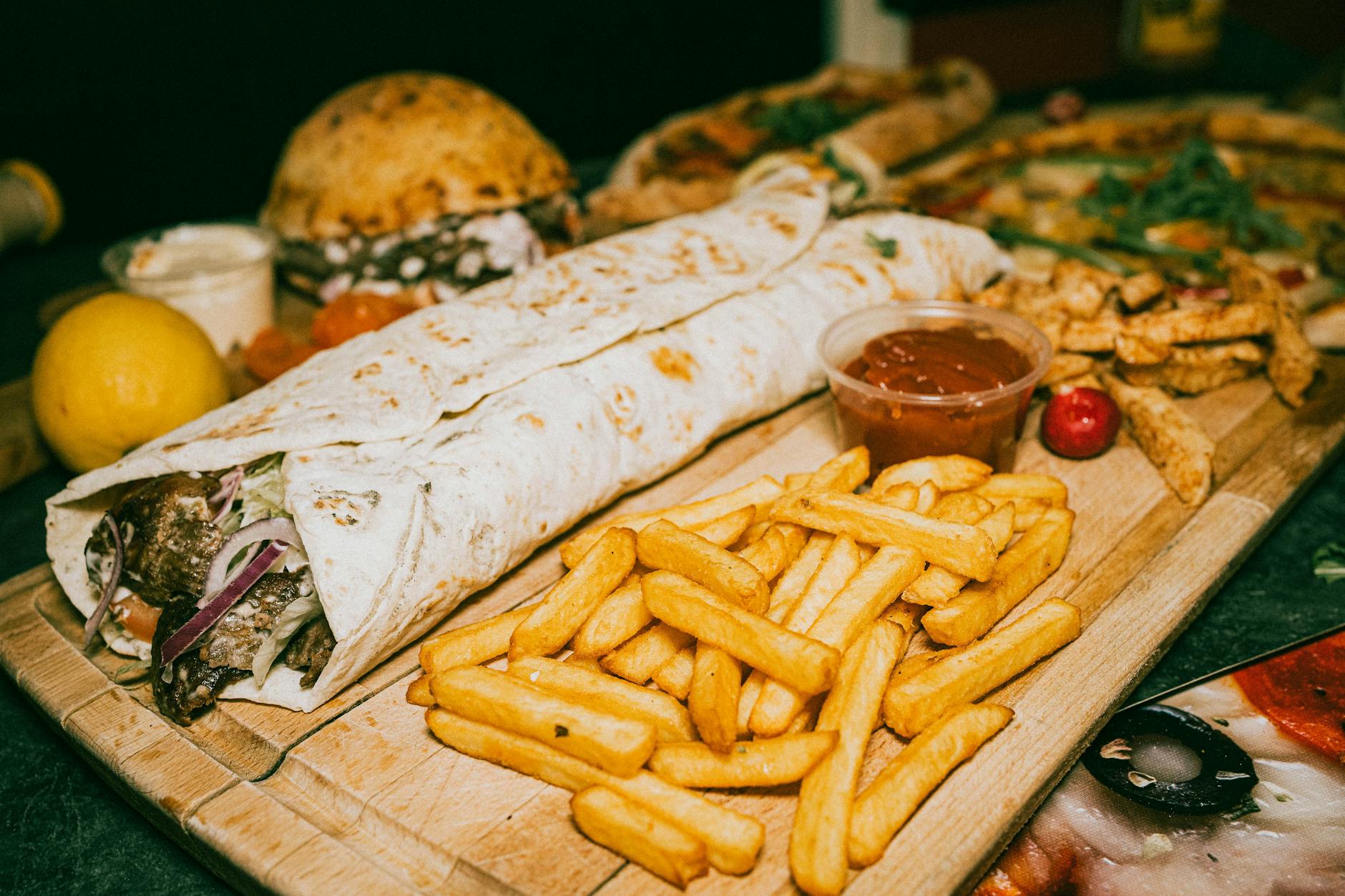
Germany’s Turkish-immigrant population invented the modern Döner kebab in the 1970s, and Munich has hundreds of Döner shops. €5–€8 buys you a substantial wrapped or plate-served kebab with vegetables, sauces, and rice or fries. The best in central Munich:
- Munchies in Schwabing (Hohenzollernstraße) — best in Munich, locals consensus
- Veganes Döner on Auenstraße — vegan Döner, surprisingly excellent
- Türkitch on Tal — central, large portions, €6–€8
- Münchner Schmankerl Döner — Bavarian-Turkish fusion (Leberkäs in a Döner-style wrap)
Asian Cheap Eats: Vietnamese, Thai, Chinese, Japanese
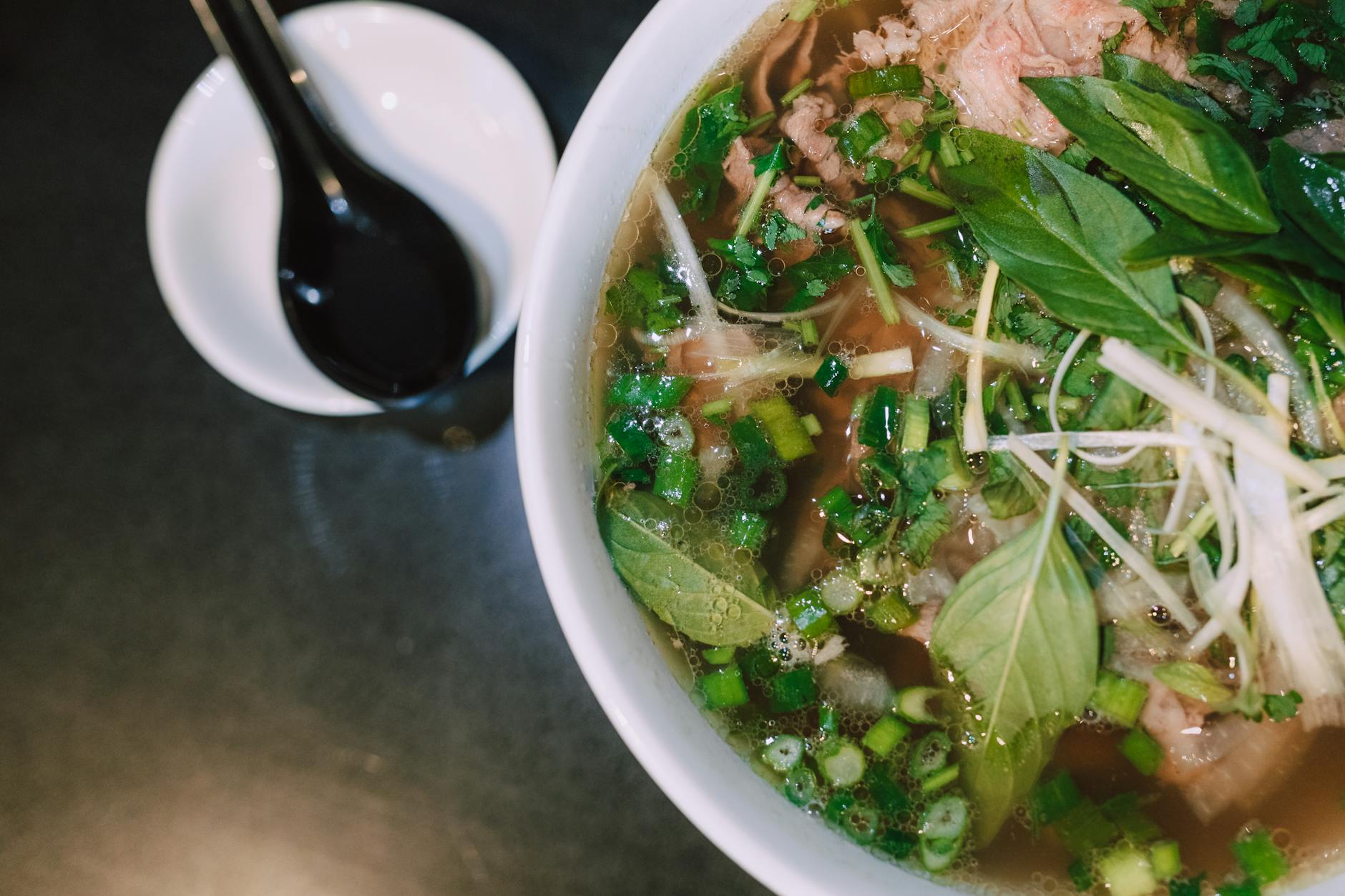
- Cô Chu on Adlzreiterstraße — Vietnamese pho ~€11; Munich’s best
- An Restaurant on Schleißheimer Straße — Vietnamese summer rolls and pho, €10–€14
- Thai Marliesa on Hohenzollernstraße — basic Thai, big portions, €9–€13
- Sichuan Kitchen on Westenrieder Straße — Chinese with proper Sichuan heat, €11–€16
- Ramen Street on Maximiliansplatz — Japanese ramen ~€13–€16
- Japan-Imbiss Yatai in Maxvorstadt — onigiri €3, donburi €10
Italian Cheap Eats
- Pizza al taglio (by the slice) at Forno on Reichenbachstraße — €3–€6 per slice
- L’Osteria chain — large pizzas €11–€16 (one feeds two)
- Da Lucia on Schleißheimer Straße — neighborhood Italian; pasta €10–€14
- 360° Pizza in Maxvorstadt — €8–€12 per pizza, very good
Indian and Middle Eastern
- Mr. Pickle’s on Tal — Indian street food; thali €11–€14
- Maharaja on Westenrieder Straße — proper north Indian; €13–€18
- Habibi on Reichenbachstraße — Lebanese mezze and shawarma; €8–€14
- Levante on Westendstraße — Levantine cuisine, generous portions, €10–€15
The Beer Hall Lunch Special — Hidden Gem
Most Bavarian Wirtshäuser offer a Mittagsmenü (lunch special) on weekdays from ~11:30 to 14:00 — typically €10–€14 for a full hot main course (Schnitzel, Schweinsbraten, Käsespätzle) with one side. Often includes soup. About 40% cheaper than ordering the same dish à la carte for dinner.
- Augustiner-Großgaststätte on Neuhauser Straße — Mittagsmenü €11–€13
- Schneider Bräuhaus on Tal — €10–€14 weekday lunch
- Donisl on Weinstraße — €11–€14 lunch
- Andechser am Dom by the Frauenkirche — €13–€15 lunch
- Tip: Look for a chalkboard with daily specials at the entrance — the Mittagsmenü is rarely on the regular menu
University Mensa: The Cheapest Hot Meal in Town
Munich’s two big universities (LMU and TUM) operate Mensa canteens that are open to the public and serve hot meals for €4–€7 — the cheapest sit-down meal in Munich. Quality is comparable to a casual restaurant; portions are large; and the atmosphere is genuinely social (you’ll be at a table of students).
- Mensa Leopoldstraße (TUM main mensa) — Schwabing, €4–€7 for a full meal
- Mensa LMU in Maxvorstadt — open to public
- StuBistro Garching — university campus, €4 for a hot meal
- Hours: Mon–Fri, 11:00–14:30; closed weekends
Supermarket Strategy
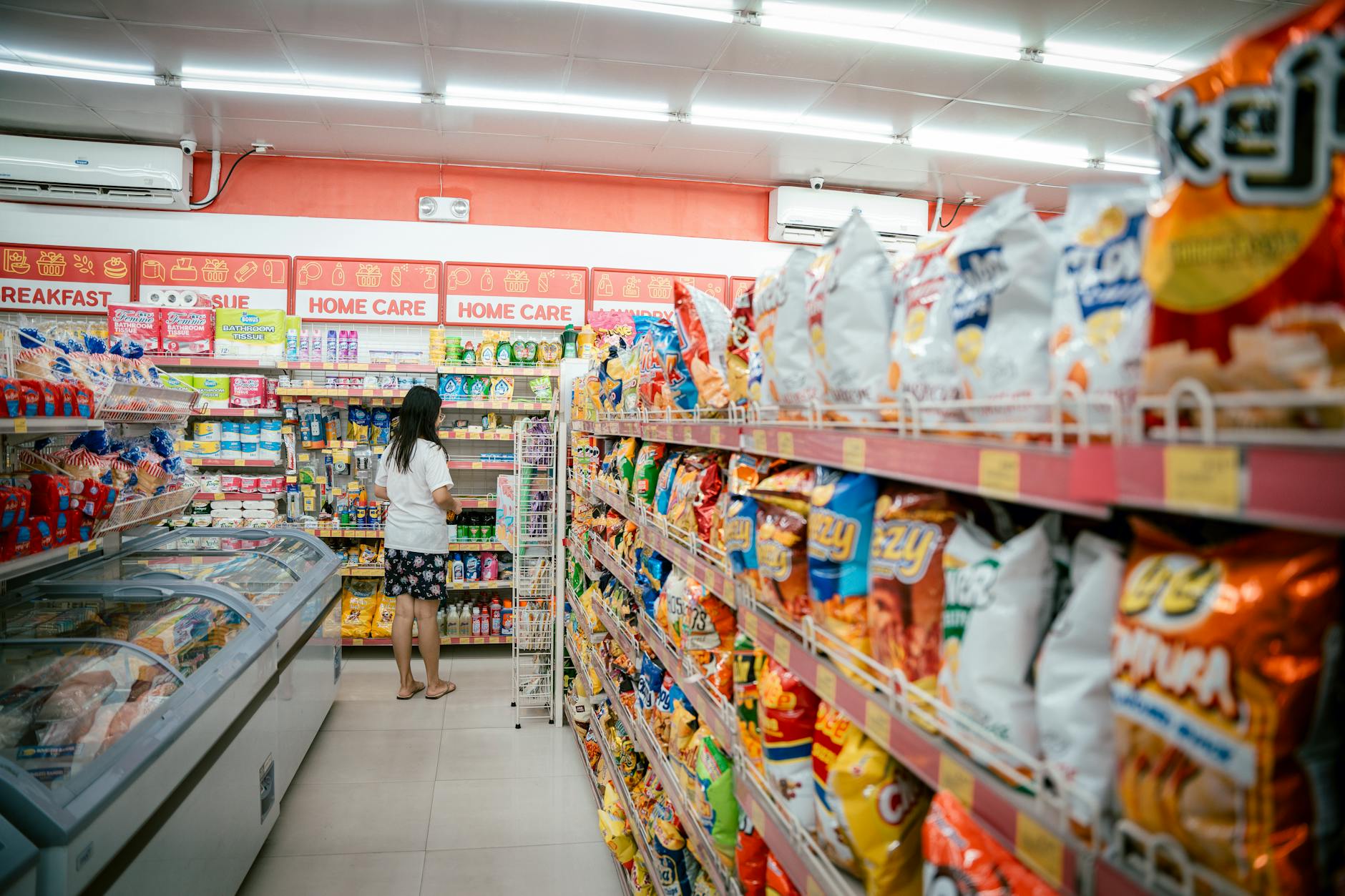
German supermarkets offer remarkable value compared to restaurants. A €10 supermarket lunch can include high-quality cheese, charcuterie, fresh bread, fruit, and a beer or sparkling water. Munich’s chains:
- Edeka — premium quality, slightly higher prices
- Rewe — full-service mid-range chain
- Aldi and Lidl — discount stores; cheapest staples
- Tegut — natural / organic-leaning
- Vollcorner — fully organic chain
- dm-Markt — drugstore chain that also stocks snacks and water
The Beer-Garden Picnic Hack
Bavaria’s 1812 Royal Beer Garden Decree allows you to bring your own food to the self-service section of any traditional beer garden — see our beer gardens guide. Build a €10 picnic at any supermarket, walk to the Hirschgarten or English Garden, and order only a Maß of beer (€11–€13). For €25, two people can have an absolute Bavarian feast that would cost €60+ at a sit-down beer hall.
- Picnic essentials: sliced bread, butter, Obatzda (€3–€5 tub), Wurstaufschnitt (sliced cold cuts), cheese, radishes (the long Bavarian Bierradi)
- Total cost: €8–€12 per person
- Where to assemble: the Viktualienmarkt has the highest-quality picnic supplies in town; supermarkets are 30% cheaper
For the higher end of the same errand — delis, cheese counters and market stalls — see Munich food shopping.
Where to Eat by Neighborhood
Hauptbahnhof / Ludwigsvorstadt
Munich’s cheapest dining cluster — Turkish, Persian, Vietnamese, and Indian shops dominate. Hands-down the highest density of €5–€10 meals in the city. Look on Bayerstraße, Goethestraße, and around Schwanthalerstraße.
Glockenbachviertel
Trendier and pricier than Hbf, but excellent for lunch specials at independent restaurants and casual eateries. Try Kult Hot Dog, Forno (pizza by slice), or 360° Pizza.
Maxvorstadt
University area; lots of cheap eats catering to students. Mensa LMU, Yatai, Habibi, and good Vietnamese clusters.
Schwabing
Hohenzollernstraße is the spine — Munchies (Döner), Thai Marliesa, and chain casual eateries. See our neighborhoods guide.
Altstadt (Old Town)
The most expensive area for dining, but several reliable budget options: Bratwursthäusl, Magnus Bauch at Viktualienmarkt, the Mittagsmenüs at Augustiner and Schneider Bräuhaus.
A Cheap-Eats Day Plan
- Breakfast (€4): Pretzel + coffee at any Bäckerei
- Mid-morning (€5): Leberkäs Semmel from a butcher counter or Viktualienmarkt
- Lunch (€11): Mittagsmenü at Augustiner-Großgaststätte (Schnitzel + side, €11–€13)
- Afternoon coffee (€4): Café aus Lateinamerika, walked to from Marienplatz
- Dinner picnic in beer garden (€15): €8 picnic from Rewe + €11 Maß at the English Garden
- Total: ~€39 for the day — and you’ve eaten very well
Money-Saving Tips
- Skip restaurant water — bottled costs €3–€5; tap water (Leitungswasser) is excellent and free if you ask
- Order house wine and beer — markup is lower than imported bottles or cocktails
- Coffee at bakeries, not cafés — €2.50 vs. €4.50
- Prepare to pay cash at Imbiss stands and small shops
- Avoid Marienplatz immediate vicinity for dinner — same dishes 30% cheaper one street over
- Lunch is cheaper than dinner for the same restaurants — the Mittagsmenü is your friend
- Beer gardens with bring-your-own-food are the single biggest budget hack
- Free walking tours often end at value-priced restaurants — guides give honest tips on cheap eats
- Apps: Too Good To Go offers €4 “surprise bags” of unsold restaurant food in Munich
- Happy hours are common at central bars from 17:00–19:00 — half-price cocktails and house wine
25+ free things to do in Munich pairs well with cheap eating for a genuinely low-cost day.
For more stand-up snacks and kiosks across the city, see our guide to Munich street food.
Frequently Asked Questions
How much does a meal cost in Munich on a budget?
€5–€8 for street-food (Currywurst, Döner, Bratwurst Semmel); €10–€14 for a sit-down weekday lunch special; €15–€25 for a budget dinner with a drink. Pure self-catering can drop daily food costs to €15–€20.
Where can I find cheap eats in Munich’s old town?
Bratwursthäusl on Marienplatz; Magnus Bauch at the Viktualienmarkt; Augustiner-Großgaststätte and Schneider Bräuhaus for €11 weekday lunch specials; the small bakeries on Sendlinger Straße.
Is street food good in Munich?
Yes — Bavarian Imbiss stands serving Bratwurst, Currywurst, and Leberkäs Semmel are an authentic local food experience, not just a tourist option. Munchies for Döner is genuinely one of Munich’s best meals at any price point.
Can I bring food to a Munich beer garden?
Yes — to the self-service section of any traditional beer garden, by the 1812 Royal Beer Garden Decree. The only requirement is that you order beer from the venue. The single biggest budget hack in Munich. See our beer gardens guide.
How much does a Currywurst cost in Munich?
€5–€7 with a small bread roll or fries. €8–€10 at sit-down restaurants. The Imbiss-stand Currywurst is widely considered better than the restaurant version.
Are supermarket picnics legal in Munich beer gardens?
Yes — entirely legal and culturally encouraged on the self-service side of traditional beer gardens. Münchners do it constantly.
Munich’s Imbiss Culture in Depth
The German word Imbiss literally means “snack” but refers to a specific cultural institution: a small standing food counter or kiosk that serves quick, cheap meals. Munich’s Imbiss culture descends from Bavarian working-class tradition — laborers, market vendors, and shift workers needed inexpensive substantial meals between traditional dining hours. The Bratwurst Glöckl am Dom (next to the Frauenkirche) has operated continuously since 1893; Bratwursthäusl on Marienplatz since 1900. These standing-only counters serve grilled bratwurst, white sausage, schweinsbraten in a bun, currywurst, and the locally famous Leberkäs Semmel (Bavarian “meatloaf” in a roll). Prices remain working-class: €4.50 for a Leberkäs Semmel, €5–€7 for a Currywurst plate, €6–€8 for a Schweinsbraten Semmel.
The 1970s arrival of Turkish-immigrant workers brought the Döner kebab — now Germany’s most-consumed fast food. Munich has roughly 600 Döner shops in the city; the best (Munchies on Hohenzollernstraße, Veganes Döner on Auenstraße, Türkitch on Tal) compete on quality of meat, freshness of vegetables, and innovativeness of sauces. A typical Döner at a good Munich shop costs €6–€8 and provides a more filling meal than most Bavarian Imbiss options for similar money. Vietnamese pho restaurants emerged in Munich in the late 1990s — primarily run by families that arrived as boat people in the 1980s — and have become a beloved cheap-eats category, particularly in the area south of the Hauptbahnhof. Top-tier pho at Cô Chu runs €11 per bowl; lesser shops manage €8–€10.
The Mensa Strategy: University Canteens
Bavaria operates state-run university canteens (Mensas) that serve hot meals for €4–€7 — the cheapest sit-down dining option in Munich. These canteens are technically intended for students and university staff, but they’re explicitly open to anyone with the patience to navigate them. The system is straightforward: walk in during lunch hours (Mon-Fri 11:30–14:30), grab a tray, queue at any of the food stations (typically German classics, vegetarian options, Asian-fusion, and a salad bar), pay at the register with cash or card, and find a seat among students. The food is institutional but generally above-average for the price: real meat, fresh vegetables, varied daily menu. Quality of mensa varies — Mensa Leopoldstraße at TU Munich is widely considered Munich’s best, with proper portion sizes and varied weekly menus. Mensa LMU (University) in Maxvorstadt is similar quality. StuBistro Garching (TU Munich campus) is excellent but far from central Munich. Pricing structure: €4–€6 for a hot meal plate, €1.50–€3 for sides, €1–€2 for drinks. The total cost of lunch at a mensa typically runs €6–€8.
Munich’s Markthalle and Food Market Strategy
Munich’s food markets are among the city’s best cheap-eats secrets. The Viktualienmarkt in the Altstadt has been Munich’s main open-air food market since 1807 — and the 110 stalls there represent the freshest, most authentic, and often most economical Bavarian food in central Munich. Locals shop here daily; tourists pass through without realizing the value. A Leberkäs Semmel from Magnus Bauch at the Viktualienmarkt costs €4.50 — the same item runs €6.50 at central restaurants. A fresh Brez’n from the bakery counter costs €1.50; the same pretzel at a Marienplatz café costs €4. Aged Bergkäse cheese, regional sausages, fresh local breads, Bavarian honey, herbal teas, and craft beer all sell here at prices 20-30% below central restaurant equivalents. The market is open Monday-Saturday 09:00-22:00 (some stalls close earlier); the small beer garden in the center serves the rotating big-six brewery (Augustiner, Hofbräu, Löwenbräu, Paulaner, Spaten, Hacker-Pschorr in two-week rotation).
Beyond Viktualienmarkt, the lesser-known Schrannenhalle on Viktualienmarkt provides covered indoor seating with the same stall accessibility — particularly valuable in winter and on rainy days. The Markthalle Schwabing on Elisabethmarkt is a smaller market with more boutique stalls focused on specialty ingredients (artisan breads, gourmet cheeses, organic produce). The Bauernmarkt (farmers’ market) on Wittelsbacherplatz operates Wednesday afternoons May-October with directly-from-farm prices. The Wochenmarkt am Wiener Platz in Haidhausen (Tuesday and Friday mornings) is the locals’ market for the east side. Pasinger Markt (Saturday mornings) is the western-suburb local market. For visitors, the Viktualienmarkt is the obvious first stop; the others reward longer Munich stays.
Bakeries and Breakfast Without the Hotel Markup
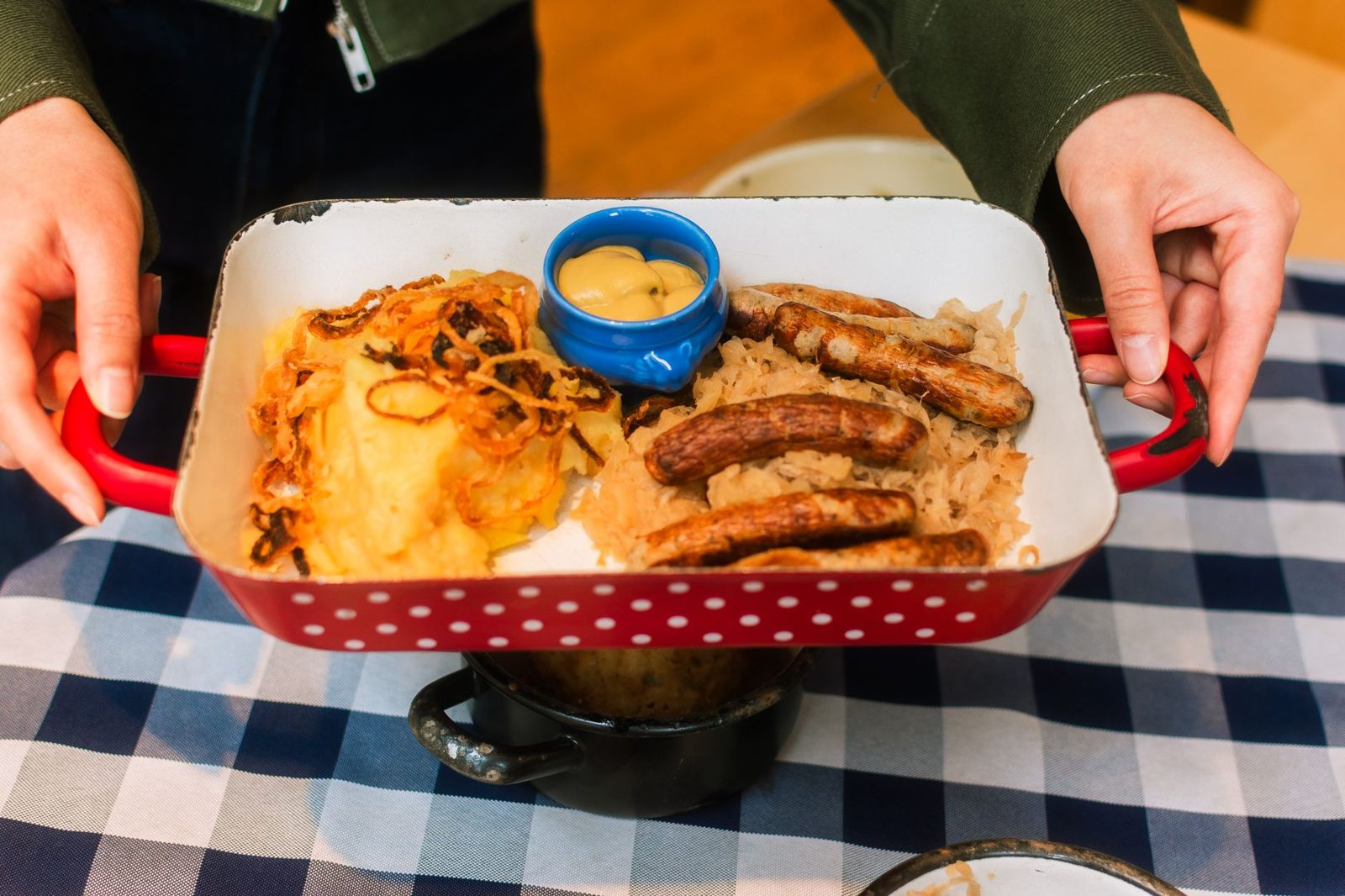
Skip the €18 hotel breakfast buffet. Munich runs on its bakeries, and a proper morning here costs a fraction of that. Every neighborhood has a Bäckerei opening by 6 or 7 a.m., and the standard move — a fresh Brez’n or a Semmel split and filled with butter and cheese, plus a coffee — comes to around three or four euros eaten standing at the counter.
The names worth knowing: Rischart, a Munich institution since 1883, has prime branches on Marienplatz and the Viktualienmarkt, with a glass case of pastries that doubles as a cheap lunch. Hofpfisterei is the city’s organic-sourdough specialist — its dense, dark Pfister loaves are a Munich staple, and a couple of slices with cheese makes a filling, portable breakfast. For the cheapest version of all, any unbranded corner bakery sells the same Brez’n for about €1.30. Pair it with fruit from a market stall and you’ve eaten well for under five euros before the museums even open.
Insider tip: a warm Brez’n is breakfast; a Leberkässemmel from the same counter is lunch. Order both at once, save the second for noon, and you’ve covered two meals in one stop. When you’re ready to plan the day around these stops, our free things to do in Munich guide pairs neatly with a bakery-fueled morning.
| Staple | Typical 2026 price | Where to get it |
|---|---|---|
| Brez’n (pretzel) | €1.20–1.60 | Any Bäckerei |
| Leberkässemmel | €3.00–4.00 | Butcher counters, Imbiss stands |
| Currywurst with fries | €5.50–7.00 | Imbiss kiosks |
| Döner kebab | €6.00–7.50 | Hauptbahnhof, Westend, Schwabing |
| Filled bakery roll | €3.00–4.50 | Rischart, neighborhood bakeries |
| Mensa hot meal | €3.50–5.00 (guests pay more) | University canteens |
| Supermarket picnic lunch | €4.00–6.00 | Edeka, Rewe, Lidl, Aldi |
| Maß of beer (beer garden) | €9.50–11.00 | Augustiner-Keller, Hirschgarten |
Drinks: Where a Cheap Meal Quietly Gets Expensive
You can eat for eight euros in Munich and still blow your budget on what you drink with it. A 0.5-liter soft drink in a restaurant runs €3.50–4.50, and a coffee refill is rarely free. The single biggest saving here is also the most Munich-specific: the tap water is superb. The city’s supply flows largely from the Mangfall valley and the Alpine foothills, it’s tested obsessively, and locals drink it without a second thought.
The catch is cultural — German restaurants generally don’t bring free tap water, and some will politely refuse or charge a small fee if you ask for “Leitungswasser.” Don’t take it personally; just carry a refillable bottle and top it up. Munich maintains public drinking fountains (Trinkbrunnen) around the center, and the water from any bathroom tap is perfectly safe. For something with flavor, buy a Radler (beer and lemonade), an Apfelschorle, or the Bavarian classic Spezi from a supermarket or kiosk for under €1.50, rather than €4 at a café table.
Beer is the one drink where sitting down can actually be cheaper: a self-service beer garden like the Augustiner-Keller pours a full liter Maß for around €10, less per milliliter than most bars. That’s the logic behind our best beer gardens and traditional Bavarian food guides — and if you’re tracking every euro, the Munich trip cost breakdown and the Munich on a budget pillar show where food fits in the bigger picture. Save the sit-down splurges for the places in our best restaurants roundup.
Plan Your Munich Trip
This cheap-eats guide is part of our deeper Munich on a budget guide. For broader cost planning, see our Munich trip cost guide. For specific cuisine, see our traditional Bavarian food guide and food and beer guide. For trip planning, see our trip planner.