Munich Money Guide: Currency, Tipping and Cash vs Card
Tipping customs, cash culture, ATM locations, currency exchange and card acceptance reality in Munich.
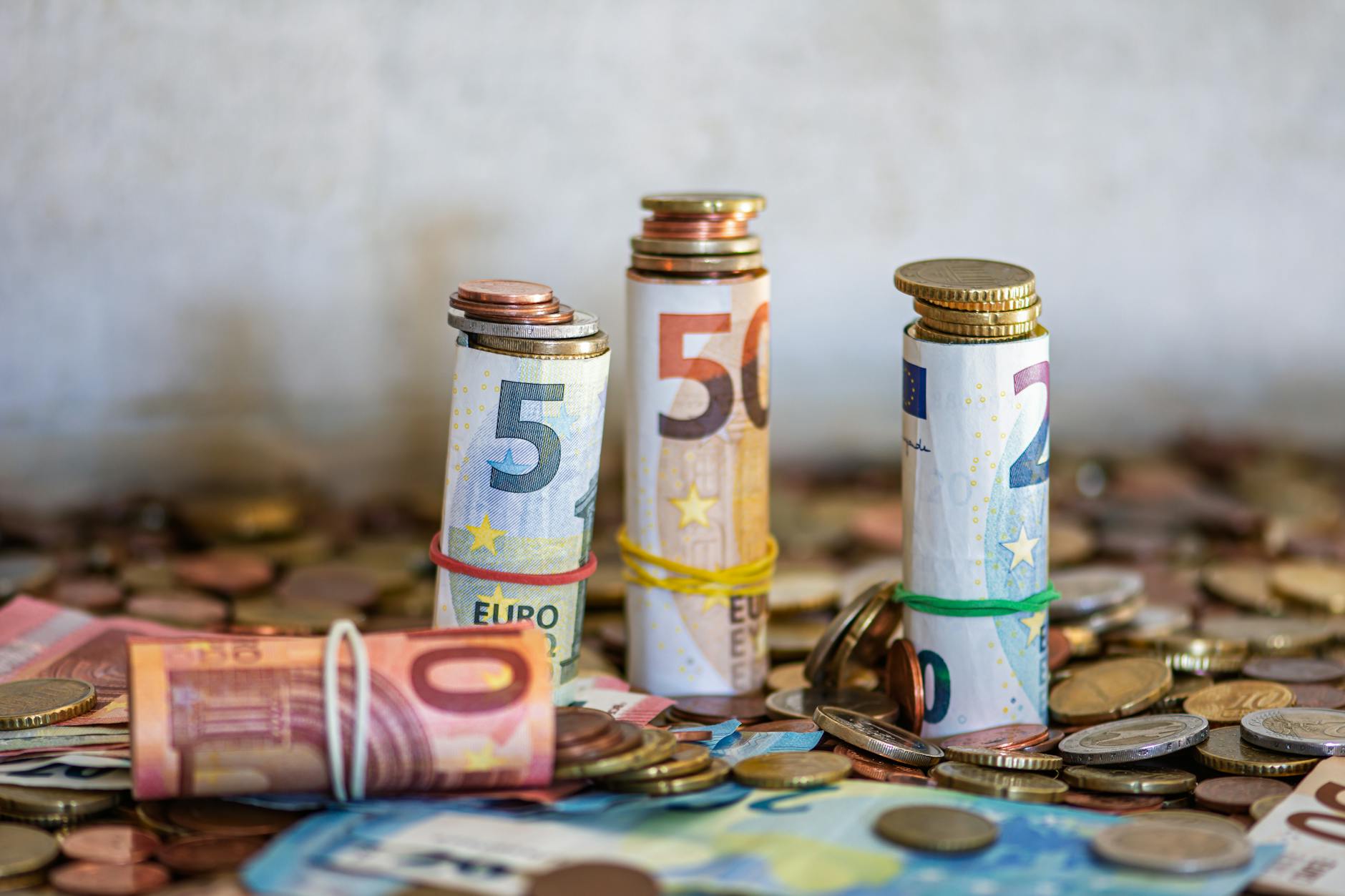
Munich uses the Euro (€), and Germany has both strong card-acceptance and a stubbornly persistent cash culture. Understanding when to use cash versus cards, where to get the best exchange rates, how much to tip in different scenarios, and how to handle currency exchange at the airport versus in the city — all save time and money on every Munich trip. This Munich currency tipping guide explains everything: the Euro currency basics, card acceptance reality, tipping conventions, ATM strategies, exchange tips, and the small habits Münchners use without thinking.
Munich Money Quick Reference
| Item | Information |
|---|---|
| Currency | Euro (€); 100 Eurocents |
| Coin denominations | 1, 2, 5, 10, 20, 50 cents; €1, €2 |
| Banknotes | €5, €10, €20, €50, €100, €200, €500 (rare) |
| Card acceptance | Universal at major restaurants, shops, hotels |
| Cash-only places | Beer halls, small markets, food kiosks |
| ATM fees (foreign) | Often €3-€5 + currency conversion |
| Tipping at restaurants | 5-10% of bill (or round up) |
| Tipping at bars | Round up to nearest euro |
| Tipping taxis | Round up + small extra (5-10%) |
| Tipping hotels | €1-€2 per service (luggage, room service) |
| Currency exchange | Avoid airport; use banks or DM Geldautomat |
| Best for spending | Major credit cards (Visa, MC); American Express limited |
Cash vs Card in Munich
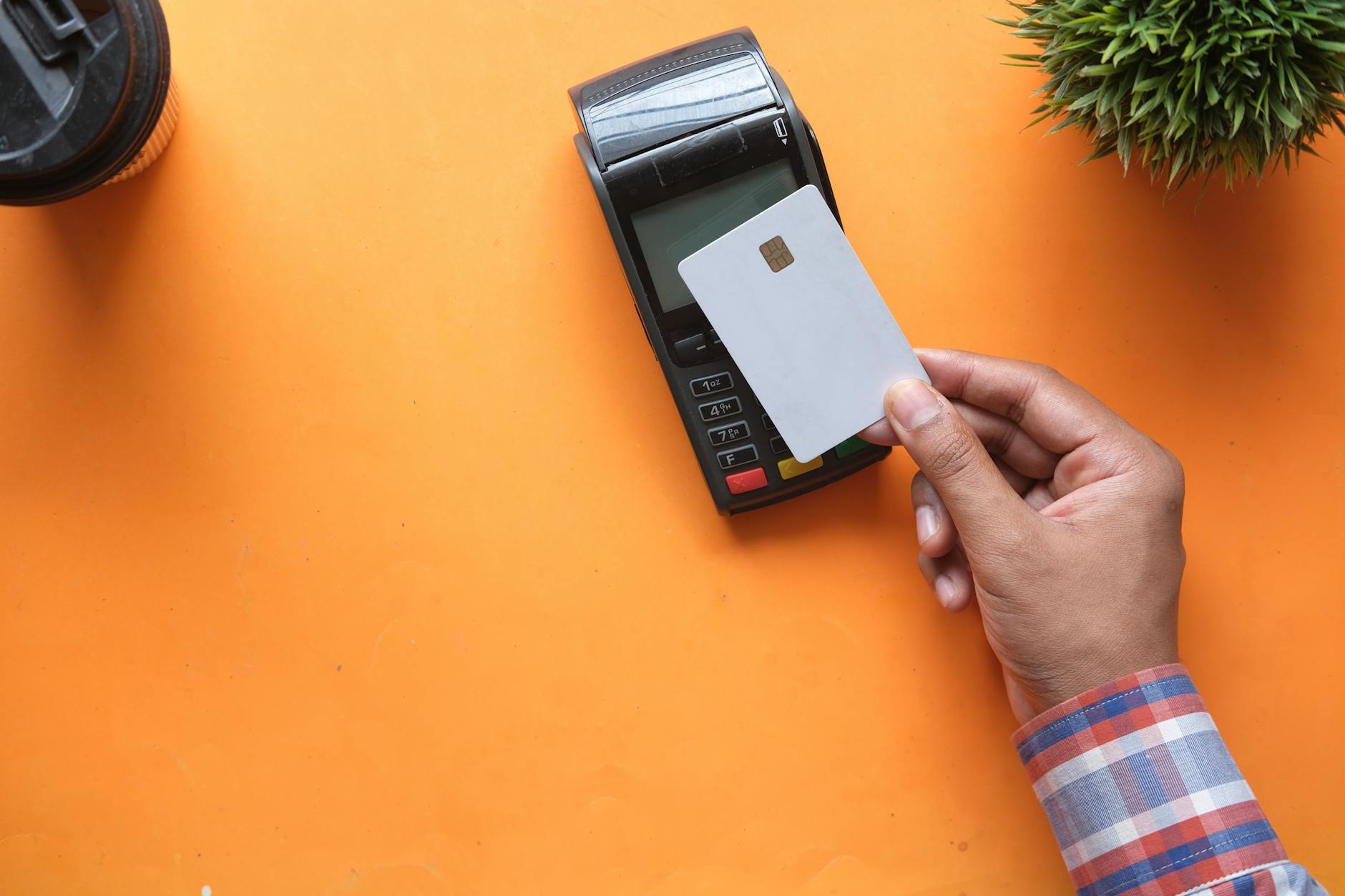
Where Cards Work Smoothly
- Major hotels and chain accommodations — Visa/Mastercard universal.
- Department stores and major shops — Card acceptance standard.
- Mid-range and high-end restaurants — Card and contactless universal.
- Major museums — Card acceptance standard.
- U-Bahn and S-Bahn ticket machines — Accept all major cards.
- Munich Airport — Cards accepted everywhere.
- Taxis (legally required to accept) — Cards work; some drivers may still claim ‘broken’ machines.
- Free Now and Uber rides — App-based; auto-charge to your card.
Where Cash Is Often Required
- Many traditional beer halls — Hofbräuhaus historically cash-only; now accepts cards more often.
- Smaller Bavarian Wirtshäuser — Frequently cash-only.
- Viktualienmarkt food stalls — Cash dominant.
- Christmas market stalls — Many cash-only.
- Beer-garden self-service counters — Cash strongly preferred.
- Smaller cafés and bakeries — Often cash-only, especially traditional ones.
- Public toilets — €0.50 in coins typically.
- Cheaper hostels and pensions — Some cash-only.
- Independent small shops — Often cash preferred.
- Tipping — Cash universally preferred over card tips.
Getting Cash in Munich
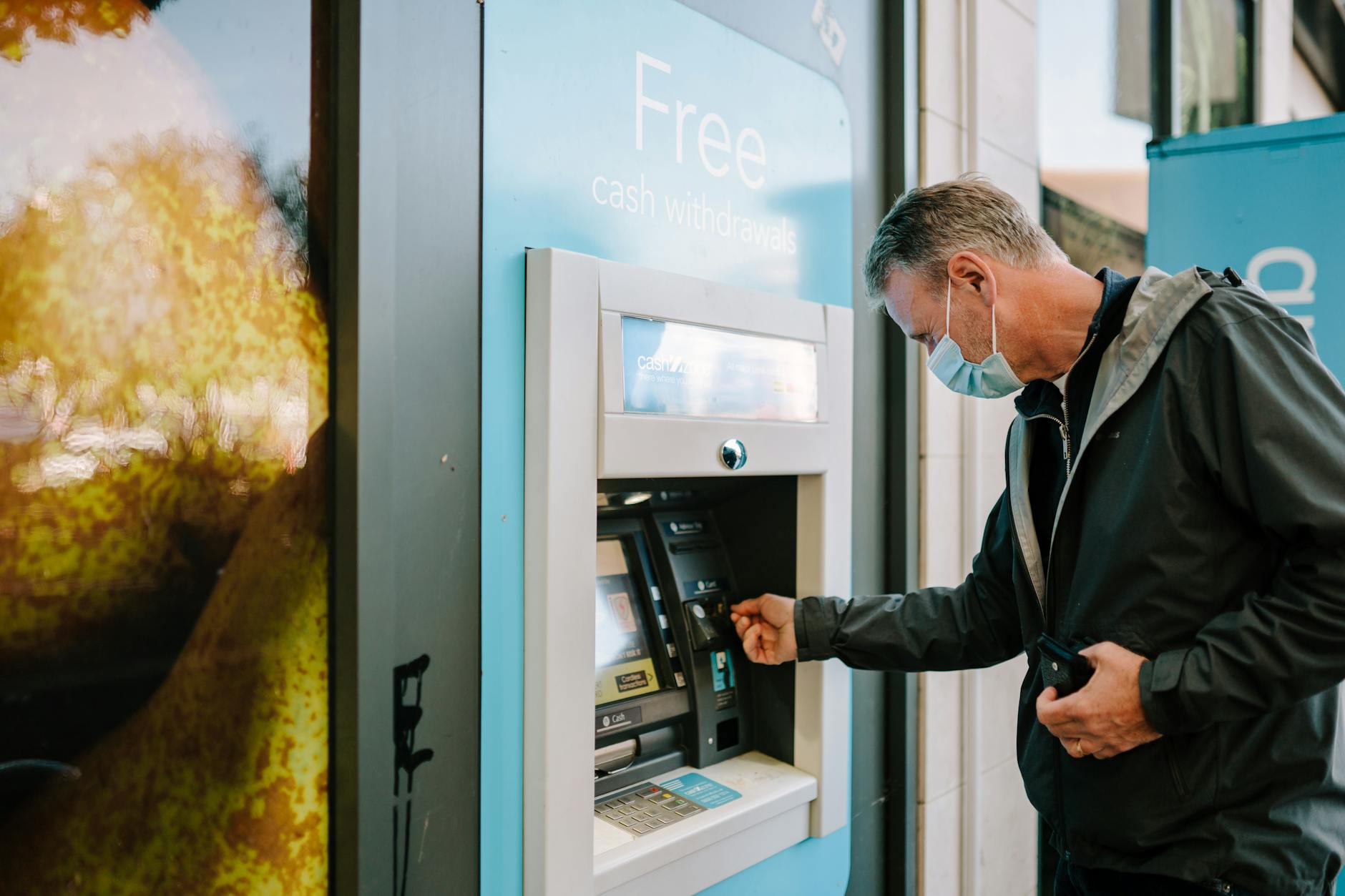
ATMs: The Best Option
Use ATMs (Geldautomat) at major German banks for the best rates and lowest fees:
- Sparkasse — Germany’s largest savings bank; multiple central locations.
- Deutsche Bank — Several central Munich branches.
- HypoVereinsbank — Munich-based bank with extensive ATM network.
- Commerzbank — Central locations.
- Postbank — Often inside post offices.
- Volksbank — Regional cooperative bank.
Avoid standalone ATMs (Euronet, Cardpoint) — these charge €3-€8 per transaction plus poor exchange rates. Withdraw enough cash for several days to minimize fees.
Currency Exchange
Generally worse than ATMs. Currency exchange counters at the airport, train station, and tourist shops typically offer poor rates (4-8% above market) plus high fees. Use ATMs for the best rates:
- Airport currency exchange — Worst rates; avoid except for emergencies.
- Hauptbahnhof currency exchange — Slightly better than airport.
- Tourist-area exchange counters — Mid-range rates.
- Bank counters — Best rates but limited hours.
- Online services (Wise, Revolut) — Best rates via card top-ups before traveling.
- Pre-trip ATM withdrawal abroad — Best non-bank option.
Cash for Tips and Small Purchases
Carry €50-€100 in small bills (€5, €10, €20 notes) for daily use. Reserve €1 and €2 coins for restroom fees, public transit short trips, and small market purchases. Avoid carrying €100+ notes — many small shops refuse them.
Tipping in Munich
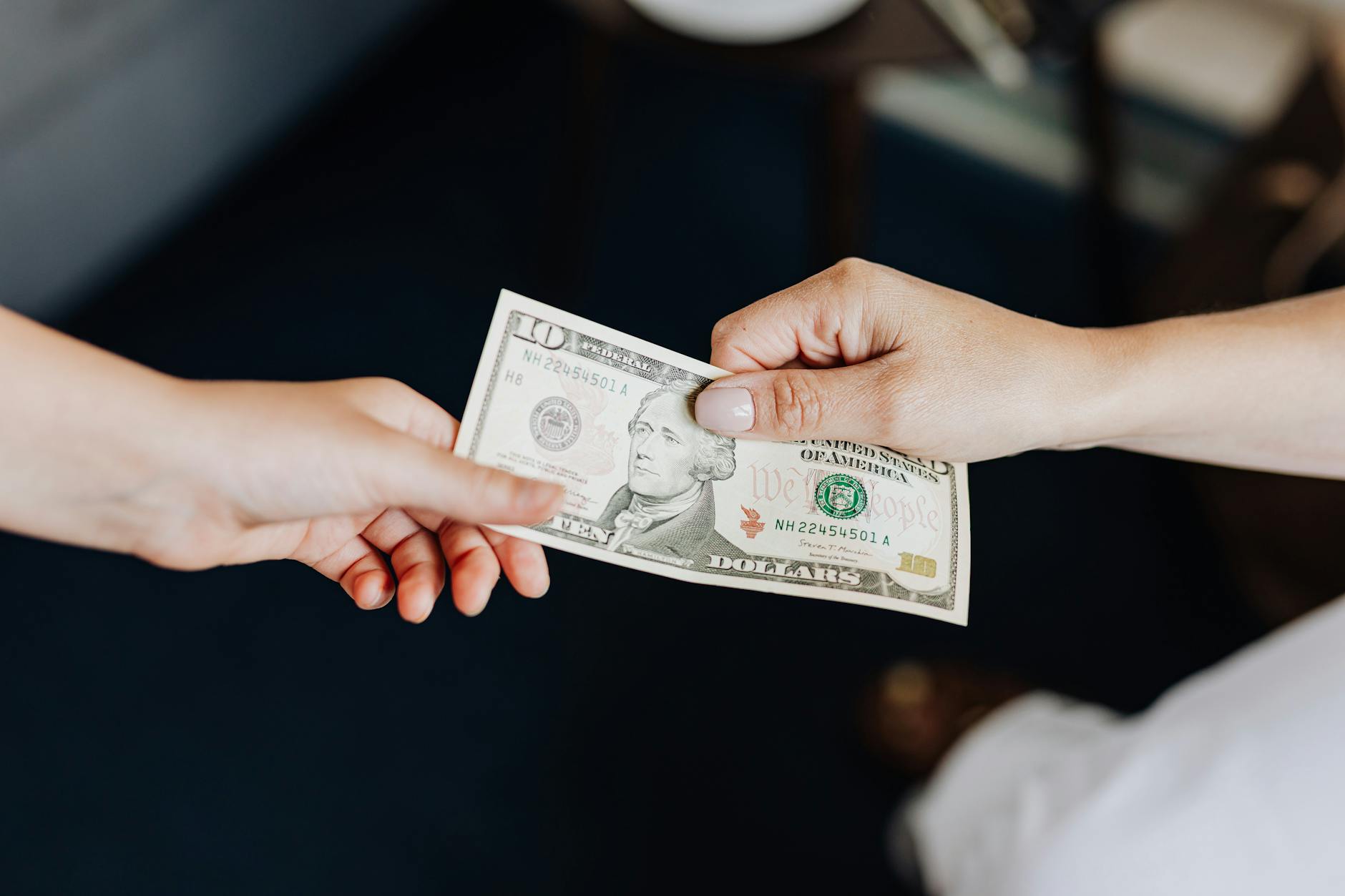
Restaurant Tipping
Tip 5-10 percent of the bill, or round up to the nearest euro. German service is generally good but not subsidized by tips — wait staff are paid a real wage. State the rounded amount when paying:
- €15 bill → tip to €17 (‘Machen wir 17’) = 13% tip
- €25 bill → tip to €28 = 12% tip
- €50 bill → tip to €55 = 10% tip
- €100 bill → tip to €110 = 10% tip
- ‘Stimmt so’ means ‘keep the change’ — common for small differences
- Cash tips strongly preferred over card tips
- Tip when paying, not after
Bar and Beer Hall Tipping
- Round up to the nearest euro for small drinks (€5 beer → €5).
- Larger bills (€30 dinner with drinks) — 5-10 percent tip.
- Cocktail bars — €1-€2 per cocktail to bartender or 10 percent for table service.
- Beer halls — 10 percent of bill standard.
- Coffee shops — Round up the change.
- Quick takeaway — No tip required.
Hotel Tipping
- Bellhop with luggage — €1-€2 per bag.
- Concierge for substantial help — €5-€10.
- Housekeeping — €2-€3 per day.
- Room service — €1-€3 depending on order size.
- Doorman calling a taxi — €1.
- Front desk — No tip expected.
Taxi Tipping
- Round up to the nearest euro on small fares.
- 5-10 percent on longer trips.
- €14.20 fare → €15
- €68 fare → €72 or €75
- State rounded total when paying
Other Tipping
- Tour guides — €8-€15 per person for tip-based tours; €3-€5 for paid tours.
- Hairdressers and beauticians — 10 percent.
- Mass transit workers — No tipping.
- Restroom attendants — €0.50 in attended public restrooms.
- Coat-check attendants — €1-€2.
- Tipping is never required — Don’t tip if service was poor.
For the rest of the words you need at the table and the till, see our essential German phrases for Munich.
Currency Considerations for Non-Eurozone Visitors
Visitors from the US, UK, Canada, Australia, etc. face currency conversion costs. Strategies to minimize:
- Use a card with no foreign transaction fees — Chase Sapphire, Capital One Venture, and others.
- Use Wise, Revolut, or Charles Schwab debit cards — Real exchange rates with low fees.
- Travel credit cards with rewards points — Compensate for any conversion costs.
- Avoid dynamic currency conversion — When card terminals offer your home currency, decline; pay in euros for the bank’s rate.
- Use ATMs with bank partnerships — Some banks waive ATM fees abroad.
- Notify your bank before traveling — Avoid fraud flags on foreign transactions.
- Carry a backup card — In case the primary card has issues.
Specific ATM Locations in Munich
- Sparkasse Marienplatz — Centrally located; free ATM access.
- Sparkasse Hauptbahnhof — Inside the train station.
- Deutsche Bank at Karlsplatz/Stachus — Major central branch.
- HypoVereinsbank Marienplatz — Local bank with extensive ATM network.
- Sparkasse at the Olympiazentrum — For BMW Welt visitors.
- Postbank inside the Hauptbahnhof — Often less crowded.
- Sparkasse Sendlinger Tor — U-Bahn hub.
- Multiple Sparkasse and HypoVereinsbank ATMs in residential neighborhoods
- Avoid: Euronet, Cardpoint, ICE Cash ATMs — high fees and poor rates.
Bank Card Withdrawal Fees Comparison
| Card Type | ATM Fee | Exchange Rate Markup | Best For |
|---|---|---|---|
| Chase Sapphire (US) | No fee | ~1% | US travelers |
| Capital One Venture (US) | No fee | ~1% | US travelers |
| Schwab Bank (US) | No fee + refunds | ~1% | Best for US travelers |
| Wise debit card | Real exchange rate | 0% markup | Multi-currency travelers |
| Revolut Premium | Real exchange rate | 0% markup | Frequent international travelers |
| Charles Schwab debit | Refunds international fees | 1% markup | Excellent for non-EU travelers |
| Standard EU bank card | Free at home bank ATMs | 0% markup | EU travelers |
| Standard US/UK bank card | €3-€10 + 3-5% markup | Plus exchange spread | Expensive option |
Specific Tipping Scenarios
Oktoberfest Tipping
Beer-tent servers receive 10-15 percent tips. Service is hard work; generous tipping is appreciated. €15 Maß + service → €17. €50 dinner → €55-€57. Cash strongly preferred. Bringing exact change for tips speeds up the transaction.
Beer Hall Tipping
Round up small amounts. €5.50 Maß → €6. €25 dinner with drinks → €27-€28. Wait staff carry 6-8 Maß at a time — tipping appropriately reflects the physical effort involved.
Cocktail Bar Tipping
€12 cocktail → €14. €40 small bill → €45. Bartenders in Munich earn real wages; tips are appreciation rather than livelihood. Generous Munich tipping ranges 10-15 percent.
Daily Spending in Munich
Sample Daily Cash and Card Budget
- Hotel breakfast (card) — €15-€25
- U-Bahn day ticket (card) — €10.10
- Coffee at café (card or cash) — €4
- Museum entry (card) — €10
- Lunch at Mittagstisch restaurant (card) — €18
- Snack at Viktualienmarkt (cash) — €5
- Dinner at beer hall (cash strongly preferred) — €25 + €3 tip
- Drink at cocktail bar (card) — €15
- Total per day — €100-€120; split roughly 60% card / 40% cash
For a fuller breakdown of what a frugal Munich trip costs, see our guide to Munich on a budget.
Currency Tips by Visitor Type
Casual Visitors (1-3 day trip)
Bring €100-€150 cash. Withdraw at the airport Sparkasse ATM on arrival. Use your home card for major purchases and hotel bills. Cash for beer halls, Christmas markets, and tipping. Total transit/card setup: 15-30 minutes.
Multi-Week Visitors
Open a Wise or Revolut account before traveling. Top up with home currency at real exchange rates. Withdraw cash at Munich Sparkasse ATMs. Use Wise card for all purchases — saves 2-5 percent on exchange compared to home credit cards.
Business Travelers
Major credit cards work universally for business expenses. Expense reports require receipts (Quittungen); ask explicitly at restaurants and taxis. Per-diem cash for meals at smaller venues. Track foreign transaction fees with your accountant.
Euro Banknotes and Coins
Banknotes
- €5 — gray; smaller older notes still in circulation.
- €10 — red; ubiquitous in daily use.
- €20 — blue; the dominant ATM denomination.
- €50 — orange; commonly used for larger purchases.
- €100 — green; less common but accepted at most large vendors.
- €200 — yellow-brown; rare in circulation.
- €500 — purple; no longer issued; rarely accepted in practice.
Coins
- €2 — bicolor coin; main coin denomination.
- €1 — bicolor coin.
- 50 cents — gold-colored.
- 20 cents — gold-colored.
- 10 cents — gold-colored.
- 5 cents — copper-colored.
- 2 cents — copper-colored.
- 1 cent — copper-colored; still legal tender.
Carry a small change purse for coins. Munich’s vending machines, parking meters, and public restrooms all require coins. €1 and €2 coins are especially useful for €2-€3 transit and small fees.
Currency Risks to Avoid
- Dynamic currency conversion (DCC) — When card terminals offer your home currency, decline; let the merchant’s bank convert. DCC charges 4-10% more than direct euro charges.
- Foreign transaction fees on credit cards — 1-3% per transaction; use cards without foreign fees.
- ATM fees from standalone operators — Euronet and Cardpoint charge €3-€8 per transaction.
- Currency exchange at airports — Worst rates by far.
- Cash advance fees on credit cards — Use debit cards for ATM withdrawals.
- Counterfeit currency — Rare in Germany; check for the watermark, holographic strip, and feel.
- Tipping in dollars/pounds — Service staff prefer euros; conversion fees and effort make non-euro tips less appreciated.
- Exchange rate apps showing favorable rates — These are usually mid-market; actual transactions include 1-3% markup.
Tipping in Specific Situations
Group Dining
Larger group dinners (10+ people) sometimes include a ‘Bedienung’ service charge of 5-10 percent automatically. Check the bill carefully. If service charge is added, no additional tip required; if it isn’t, 10 percent tip standard. Split the bill among diners; each adds their tip portion.
Business Meals
Tipping in business contexts follows the same conventions. Round up small bills; 10 percent on substantial meals. Ask for an itemized receipt (Quittung) at the table; the server will return with a separate slip showing tip if needed for expense tracking.
Group Tours and Guides
Tip-based walking tours (Sandeman’s, free Munich tours): €8-€15 per person at the end. Paid private tours: €3-€8 per person additional tip. Group tours (Bavarian Castles, day-trip coaches): €5-€10 per person. Cash strongly preferred.
Cleaning Staff
Hotel housekeeping: €2-€3 per day at the start of your stay or daily. Leave on the pillow with a ‘Danke’ note. Long-stay apartment cleaners (weekly): €15-€25.
Currency Safety
- Don’t display large cash amounts in public.
- Carry cash in multiple locations on your person — not all in one wallet.
- Use hotel safes for documents and excess cash.
- Notify your bank before traveling to avoid fraud flags.
- Photograph credit cards (front only); carry photo separately from physical card.
- Pin codes — Don’t write them down; memorize.
- Watch for skimming devices at ATMs; use bank-branch ATMs preferentially.
- Cover your PIN entry at all ATMs and card terminals.
- Don’t accept currency-exchange offers from strangers on the street.
- Be alert at tourist sites — common pickpocketing areas around Marienplatz and the Hofbräuhaus.
Currency Conversion Quick Reference
Approximate exchange rates as of late 2025-2026:
USD: €1 ≈ $1.07-$1.10. A €100 bill = roughly $107-$110.
GBP: €1 ≈ £0.85-£0.87. A €100 bill = roughly £85-£87.
CAD: €1 ≈ $1.45-$1.52. A €100 bill = roughly $145-$152.
AUD: €1 ≈ $1.60-$1.65. A €100 bill = roughly $160-$165.
JPY: €1 ≈ ¥162-¥168. A €100 bill = roughly ¥16,200-¥16,800.
CHF: €1 ≈ CHF 0.95-0.98. A €100 bill = roughly CHF 95-98.
Rates fluctuate daily. Use Wise or XE for real-time conversions.
Cost Comparison: Munich vs Major Cities
Daily spending typical for a moderate traveler (3-star hotel, mid-range meals, transit):
Munich: €130-€180 per person per day.
Berlin: €100-€140.
Vienna: €120-€170.
Zurich: €200-€280.
Stockholm: €170-€230.
Paris: €140-€200.
London: €160-€230 (in GBP).
Amsterdam: €130-€180.
Prague: €60-€90.
Lisbon: €80-€120.
Munich is mid-priced for Western European travel; cheaper than Swiss or Scandinavian cities; more expensive than Eastern European capitals.
Frequently Asked Questions
How much cash should I withdraw at a time?
€300-€500 typically covers several days of cash-heavy spending. Larger withdrawals reduce per-transaction ATM fees. Most banks allow up to €1,000 per withdrawal; check your home bank’s limits before traveling.
Are American Express cards accepted?
Less widely than Visa/Mastercard. Major chain hotels and shops accept Amex; smaller restaurants and Bavarian beer halls often do not. Bring a Visa or Mastercard as your primary card.
Should I use my home credit card or a German prepaid card?
Home credit card with no foreign transaction fees is usually best. Wise or Revolut prepaid debit cards offer real exchange rates with lower fees, especially for longer stays. German prepaid SIMs sometimes include data and SMS but rarely include card services.
Is tipping mandatory?
No. Service is included in German prices; tipping is voluntary appreciation. Bad service deserves no tip; great service deserves 10-15 percent. The Bavarian convention is rounding up to the nearest euro or 5-10 percent of the bill.
Can I use credit cards at Oktoberfest?
Increasingly yes at major beer tents and food stalls; still cash strongly preferred for smaller transactions. Bring €50-€100 cash per person per evening for Oktoberfest. ATMs are available on the Wiesn grounds.
What if my card doesn’t work?
Contact your card issuer’s emergency line. Many international cards have 24/7 customer service. The Hauptbahnhof has multiple bank ATMs accepting various card networks. Carry a backup card. Cash is widely accepted as backup.
Should I exchange currency at the airport?
Generally no. Airport currency exchange offers poor rates (4-8% above market) plus high fees. Use an ATM (Geldautomat) for better rates. Wise or Revolut cards offer the best non-bank rates.
Are there contactless payment options?
Universal. Apple Pay, Google Pay, and contactless cards work at all major Munich vendors. Even small businesses increasingly accept contactless. Watch for the contactless symbol on payment terminals.
How do I handle currency for Oktoberfest specifically?
Bring €100-€200 per evening per person to Oktoberfest. Cash strongly preferred at beer tents; some accept cards but cash is faster. ATMs are available on the Wiesn grounds. Bring small bills for tipping (€1-€2 per drink for waitresses).
Should I bring euros from home?
Some yes — €100-€200 cash for arrival expenses. ATM withdrawal in Munich is generally cheaper than home-country currency exchange. Don’t bring more than €500 cash; ATMs in Munich are reliable and Lower-fee than home exchange.
Is Germany moving cashless?
Slowly. The pandemic accelerated card acceptance significantly. Traditional Bavarian beer halls and small businesses retain cash preference. Modern restaurants and chain stores are fully card-friendly. Cash culture persists but card-only future is plausible in 5-10 years.
Is German currency safe from inflation concerns?
The euro is one of the world’s most stable currencies, backed by the European Central Bank. Inflation in 2024-2026 stabilized after 2022-2023 pressures. For most travelers, currency stability is not a concern; budget €100-€150 per day for moderate Munich travel.
Are there specific Bavarian banking customs?
Yes. Sparkasse and HypoVereinsbank are the local Bavarian banks; both have extensive ATM networks. Account opening for non-residents is complex but not impossible. Casual cash deposit at branches is uncommon; most German banking is now app-based.
Are there any tipping cultural differences for Bavaria?
Bavaria’s tipping culture is consistent with broader German conventions. Round up small bills; 5-10 percent for larger ones. The Bavarian beer-hall tradition emphasizes cash tips delivered when paying — the server returns immediately with change after stating the rounded amount.
Should I tip 20 percent like in the US?
No. German service is paid via wages, not tips. 20 percent is excessive and not expected. 10-15 percent is appreciated; 5-10 percent is standard; rounding up is acceptable for small bills.
Where can I get the best exchange rate?
Use Wise or Revolut multi-currency cards funded with your home currency at real exchange rates. Withdraw cash at major Munich bank ATMs (Sparkasse, Deutsche Bank, HypoVereinsbank). Avoid: airport currency exchange, tourist-area exchange counters, standalone Euronet/Cardpoint ATMs.
Can I use Apple Pay or Google Pay?
Yes universally. Apple Pay and Google Pay work at all major Munich vendors accepting contactless cards. Some small Bavarian restaurants may not have NFC terminals but most chains and modern venues support contactless payment.
Final money advice?
Carry €50-€100 cash for daily Bavarian transactions. Use a no-foreign-fee credit card for major expenses. Withdraw cash at major bank ATMs in batches of €200-€500 to minimize fees. Tip modestly (5-10%) cash to service workers. Don’t worry; Munich is genuinely tourist-friendly for currency handling.
What if I need cash in an emergency?
Munich has 24-hour ATMs at major Sparkasse and Deutsche Bank branches. Wells Fargo, Western Union, and MoneyGram offer cash-wire services for emergencies. Hotel front desks can sometimes assist with currency exchange in emergencies.