Munich Visa and Entry Requirements (2026)
Complete Munich visa and entry requirements guide. Schengen rules, ETIAS, visa-exempt countries, documents and border procedures.
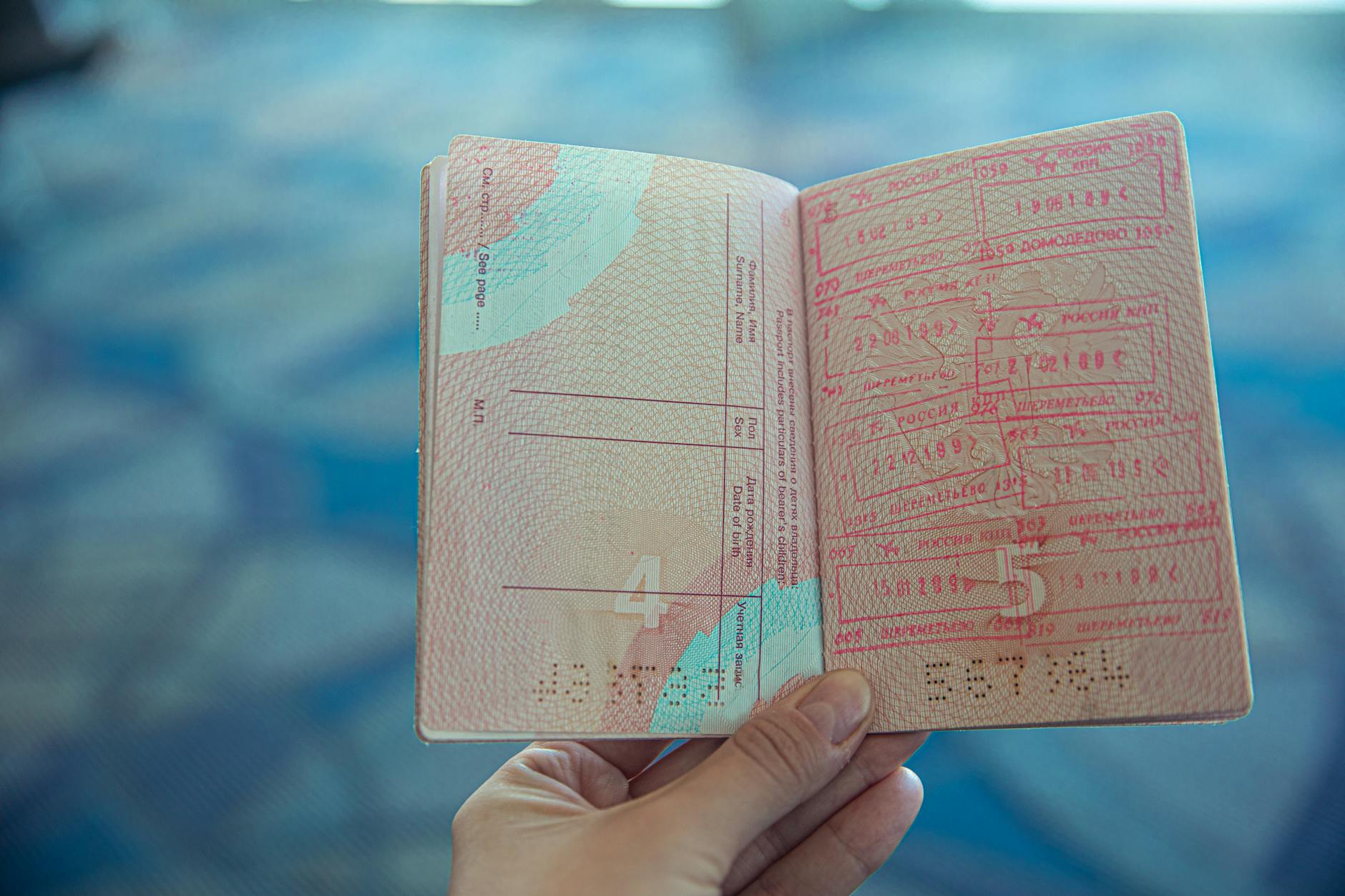
Munich visa requirements are governed by the Schengen Area rules that apply to all of Germany. For most visitors — those from the US, UK, Canada, Australia, EU nations, and dozens of other visa-exempt countries — entering Germany requires only a valid passport. For travelers from visa-requiring countries, a Schengen visa must be obtained in advance from a German consulate or another Schengen member state’s consulate. This guide breaks down the current 2026 rules: who needs a visa, who doesn’t, what documents you need, ETIAS (the new pre-travel authorization for visa-exempt visitors), Schengen day limits, common pitfalls, and what happens at the Munich Airport border.
Munich Visa Requirements Quick Reference
| Visitor Type | Visa Needed? | Stay Limit | Additional Steps |
|---|---|---|---|
| EU/EEA/Swiss citizens | No | Unlimited (within EU) | ID card or passport |
| US, UK, Canada, Australia, NZ, Japan, Korea visitors | No (visa-exempt) | 90 days in any 180 | None yet; ETIAS will apply once it launches (no start date set) |
| Visa-required countries (most of Africa, Asia, parts of South America) | Yes — Schengen visa | Up to 90 days | Apply at German consulate; processing 15+ days |
| Long-stay (90+ days) | Yes — National (D) visa | Over 90 days; length set by the authorities in Germany | Apply at German consulate |
| Family reunion / work / study | Yes — special national visa | Varies | Specific paperwork required |
| Transit through Munich Airport (international) | Usually no | No published time limit | Stay airside; some nationalities need an airport transit visa (check auswaertiges-amt.de) |
| Refugee / asylum | Yes — specific process | Varies | Federal Office for Migration |
Understanding the Schengen Area
Germany is part of the Schengen Area — a group of 29 European countries (most of the EU plus Norway, Switzerland, Iceland, and Liechtenstein) with shared visa rules and largely open internal borders. A visa for any Schengen country allows travel to all other Schengen countries. The 90/180 rule applies to all visa-exempt visitors: you can spend up to 90 days in any rolling 180-day period within the Schengen Area. This is cumulative — visits to Germany, France, Italy, Spain, etc. all count toward your 90 days.
Note that the EU and Schengen are different things. Ireland and Cyprus are EU but not Schengen — Schengen rules don’t apply to them. Switzerland, Norway, and Iceland are Schengen but not EU. Bulgaria and Romania joined Schengen for air and sea travel on 31 March 2024; their land borders followed on 1 January 2025.
Who Doesn’t Need a Visa
Visa-exempt countries can enter Germany for tourism, business meetings, transit, family visits, and short-term study without a visa, up to 90 days in any 180-day period. The largest visa-exempt groups for Munich tourism include:
- All EU and EEA citizens (Germany, France, Italy, Spain, etc.)
- United States, Canada, United Kingdom, Australia, New Zealand
- Japan, South Korea, Singapore, Hong Kong (SAR passport), Taiwan
- Brazil, Argentina, Chile, Uruguay, Costa Rica, Israel
- United Arab Emirates
- Most Caribbean nations
- Numerous others; full list at the European Commission’s visa policy website
ETIAS: The New Pre-Travel Authorization

Once ETIAS (European Travel Information and Authorisation System) launches, visa-exempt visitors to the Schengen Area will need to register through it before traveling. It is not in operation yet and no start date has been set; the EU will announce the date several months before launch. Similar to the US ESTA, ETIAS is an online pre-authorization and will cost €20 for adults (free for under-18s and over-70s). It is valid for 3 years or until your passport expires, whichever comes first.
- Apply online at the official EU ETIAS website. Avoid third-party sites that charge inflated fees.
- Processing time has not been published yet; the EU will set out the official rules before the system opens.
- Cost: €20 per adult application.
- Validity: 3 years or until passport expiry.
- Multiple entries: Yes; ETIAS is multi-entry within its validity period.
- Requirements: the passport and document rules for ETIAS will be confirmed on the official EU site ahead of launch, so trust that over third-party checklists.
- When to apply: there is nothing to apply for until ETIAS opens, and the recommended lead time will come with the launch announcement.
ETIAS is not in operation yet, and no applications are being collected. Check the official EU website close to your travel date for current implementation status. The rollout has been delayed multiple times and no start date is set; the EU has promised to announce it several months before launch, so you will not be caught out by a sudden switch-on.
Applying for a Schengen Visa

Visitors from countries that require a Schengen visa must apply in advance. For trips primarily to Germany, apply at the German consulate in your country. For trips covering multiple Schengen countries, apply at the consulate of your primary destination (the country where you’ll spend the most time). The process:
- Book an appointment at the relevant consulate — waits vary by consulate and season, so check its booking page early.
- Gather documents: passport with 3+ months validity beyond return date, travel insurance covering Schengen Area (€30,000+ medical coverage minimum), hotel reservations or invitation letter, return ticket, proof of funds, and a signed visa application form.
- Visa fee: €90 for adults, €45 for children 6 to 12, free under 6.
- Submit biometrics: fingerprints and photo at the consulate. Fingerprints can often be reused for a later application within about five years; confirm with the consulate.
- Wait for processing: typically 15 calendar days; can extend to up to 45 days in individual cases.
- Pick up the passport with visa at the consulate.
- Multiple-entry visas: Available for frequent travelers; first-time applicants typically receive single-entry visas.
Documents to Bring to Munich
Even visa-exempt visitors should travel with the following documents accessible:
- Valid passport with at least 3 months validity beyond your planned exit date (some countries enforce 6 months).
- ETIAS approval (for visa-exempt visitors once the system launches; not required yet).
- Return or onward ticket — Border control occasionally asks for proof.
- Accommodation booking — Hotel reservation or address of friends/family.
- Travel insurance proof — Required for Schengen visa applicants; recommended for everyone (€30,000+ medical coverage).
- Sufficient funds — Border officials may ask for proof of sufficient funds, such as a bank statement or credit card.
- Driver’s license — If renting a car; International Driving Permit recommended for non-EU.
- Vaccination records — Generally not required; check current health requirements.
- Customs declaration — For goods exceeding EU duty-free limits.
- Print and digital copies — Keep digital photos of all key documents in case of loss.
What Happens at Munich Airport Border Control
Arriving at Munich Airport (MUC), all visitors pass through Bundespolizei (Federal Police) immigration control. The process is straightforward:
- Queue at the appropriate counter — ‘EU/EEA/Swiss’ counter or ‘All Passports’ counter.
- Hand over your passport — Be ready to remove sunglasses and hat.
- Brief questions: ‘How long will you stay?’ ‘What is the purpose of your visit?’ ‘Where will you stay?’ Answer honestly and briefly.
- Stamp — Your passport receives a Schengen entry stamp showing date and location.
- Possible follow-up: Secondary screening occurs rarely; visitors are interviewed by a senior officer if concerns arise. This is procedural; cooperate fully.
- Customs: After immigration, the green/red customs lane separates declaration-required from nothing-to-declare travelers.
Common Pitfalls and Mistakes
- Passport about to expire — Many travelers forget the 3-to-6-month validity requirement and are turned away.
- Exceeding the 90/180 day limit — Counting only days in Germany; the limit covers the entire Schengen Area.
- Not declaring goods — Bringing back gourmet food, fine wines, or expensive electronics without declaring can result in confiscation and fines.
- Booking ETIAS through a third-party site — Pay inflated fees; book only at the official EU website.
- Lacking travel insurance — Required for Schengen visa applicants; recommended for everyone.
- Wrong consulate — Applying at the consulate of the wrong country can lead to visa refusal.
- Insufficient funds proof — Bank statements showing balance below the threshold can cause delays.
- Incomplete forms — Visa applications with missing details are often refused.
- Not bringing return ticket proof — Border officers occasionally require it.
- Working on a tourist visa — Strictly prohibited; work requires separate visa.
Special Cases
Children
Children need their own passport. Children traveling without one parent may require additional documentation: a notarized consent letter from the non-accompanying parent. German custody-document expectations are strict; bring proof of relationship if asked.
Pets
Cats and dogs entering Germany need an EU pet passport, microchip, valid rabies vaccination, and (for dogs) an Echinococcus treatment. Outside-EU pets need additional health certificates. Order matters: microchip first, then the rabies jab at least 21 days before travel. The EU’s pet travel page has the full rules.
Cash and Goods
EU rules require declaration of cash over €10,000. Goods purchased outside the EU exceeding €430 in value (excluding personal items, gifts, and travel necessities) require declaration. Wine and spirits subject to duty above the personal allowance.
Working While Visiting
Tourist visas and ETIAS do not permit work. Remote work for a non-EU employer during a tourist visit is in a legal gray zone; technically not work, but immigration officers can interpret it strictly. For a working visit, apply for a specific work visa (Blue Card, Chancenkarte, or others).
Studying
Short-term study (under 90 days, like a language course or summer school) falls under the Schengen short-stay rules, so check them for your nationality. Long-term study at LMU or TUM requires a National D Visa for Study; apply at the German consulate as early as possible, since waits vary by consulate.
Border Considerations for Specific Nationalities
US Citizens
Visa-exempt for 90 days; ETIAS will be required once it launches, but it is not running yet. No specific issues. Bring travel insurance; medical bills without insurance can be substantial.
UK Citizens (Post-Brexit)
Visa-exempt for 90 days. No ETIAS needed yet, as the EU has not set a start date. Bring a passport with 3+ months validity beyond exit. Working in Germany requires the same paperwork as any other non-EU national.
Canadian Citizens
Visa-exempt for 90 days. ETIAS is not live yet; the EU will announce its launch date months in advance. A Working Holiday Visa is available for young Canadians; confirm the age limits on the Auswärtiges Amt page.
Indian Citizens
Visa required for any visit. Apply at the German consulate in India as early as you can, within six months of travel. Processing typically 15 days. Long-term work and student visas have specific processes.
Chinese Citizens
Visa required. Application through China-based visa centers. Processing times vary, so apply well ahead and check the embassy’s page for current timings. Tour-group applications can be faster; individual applications more documentation-heavy.
90/180 Day Rule: Understanding the Calculation
The Schengen 90/180 rule confuses many visitors. Here’s how it actually works: on any given day, count back 180 days. Within that window, you cannot have spent more than 90 days in the Schengen Area. The clock resets continuously; this is a rolling calculation, not a calendar year. After a trip from January to March (89 days), those days start dropping out of the window from about late June or early July, so you can return then. The European Commission’s short-stay calculator does the sums for you.
| Scenario | Result |
|---|---|
| 89 days in Germany, then leave for 91 days, return | Allowed if cumulative under 90 in latest 180 |
| 45 days in Germany, then 30 days in Italy | 75 days used; 15 remaining |
| 90 consecutive days starting January 1 | Must leave by March 31; cannot return until late June (180 days from January 1) |
| Multiple short trips of 5-10 days over 12 months | Calculate cumulative; usually fine |
| Day trip from Germany to Switzerland (also Schengen) | Still counts as Schengen days |
| Day trip from Germany to UK (non-Schengen) | UK days don’t count toward Schengen total |
The European Commission provides an official online Schengen calculator. Use it before booking long stays. Border officers have access to this calculator and will check your stamps.
Working in Germany: Brief Overview
Beyond tourism, several visa categories exist for working in Germany:
- EU Blue Card — For highly qualified non-EU workers earning above a salary threshold, which is reset each year; the German embassy and Make it in Germany pages give the current amount. Easier process than the standard work visa.
- Chancenkarte (Opportunity Card) — Since June 2024, lets qualified non-EU citizens look for work in Germany for up to 12 months; the older job-seeker visa ran for 6.
- Skilled Worker Visa — For non-EU workers with vocational training and a job offer.
- Working Holiday Visa — For young people from a limited set of countries; eligibility and age limits depend on your nationality, so confirm yours before you apply.
- Self-Employment Visa — For non-EU citizens establishing a business or professional practice.
- Au Pair Visa — For young women and men working as au pairs with German families.
- ICT Card (Intra-Company Transfer) — For executives transferred to a German subsidiary.
Each requires substantial paperwork and processing, and how long that takes varies by embassy, so start early. Specialty immigration lawyers in Munich (a list at the German Bar Association website) can help navigate the process.
Studying at Munich Universities
LMU München and TUM are among the most prestigious German universities. International students require specific paperwork:
- Acceptance letter from a German university.
- Proof of financial resources — typically a German blocked account covering one academic year; the required sum changes, so check the German embassy or Make it in Germany page.
- Health insurance — German student health insurance is required.
- Language proof — TestDaF, DSH, or equivalent for German-language programs; IELTS or TOEFL for English-language programs.
- Residence permit — Register your address (Anmeldung) within 14 days; when you apply to the Ausländerbehörde in Munich depends on your visa type.
- Visa: National D Visa for Study; validity varies by embassy; convert to residence permit on arrival.
Crossing Borders Within Schengen
Internal Schengen borders are typically open with no passport check. Trains from Munich to Salzburg, Vienna, or Zurich rarely have border control. That said, temporary border controls can be in place on some routes, including between Germany and Austria. Always carry your passport for ID checks and any unexpected control points. Train conductors may also ask for ID.
Travel Insurance: A Practical Note
Travel insurance for Schengen visa applicants must meet specific criteria: minimum €30,000 medical coverage, valid throughout the Schengen Area, and covering the full duration of stay including emergency repatriation. Major providers include Allianz Travel, Mondial Assistance, Generali Global Assistance, and World Nomads. Premiums vary by insurer and by how much cover you want. Buy insurance at the time of booking; many policies don’t cover pre-existing conditions if purchased after travel begins.
- EU citizens: An EHIC card provides coverage equivalent to a German resident — no separate insurance needed.
- UK citizens (post-Brexit): A GHIC card (Global Health Insurance Card) provides similar coverage to the old EHIC.
- Swiss citizens: Reciprocal arrangements similar to EHIC.
- US, Canadian, Australian, etc.: No reciprocal coverage; private insurance essential.
- Health condition coverage: Discuss specific conditions with insurers before purchasing; pre-existing condition waivers often available.
Customs Allowances When Entering and Leaving Germany
Entering Germany from non-EU
- Goods up to €430 (€300 by land/sea) duty-free per adult — includes gifts and personal items.
- Alcohol: 4L of wine + 1L of spirits OR 2L of fortified wine, plus 16L of beer.
- Tobacco: 200 cigarettes OR 100 cigarillos OR 50 cigars OR 250g of tobacco.
- Cash: Declare if carrying €10,000 or more.
- Food: Personal-use packaged products generally allowed; fresh meat and dairy heavily restricted.
- Medicines: Personal prescriptions allowed with documentation.
Leaving Germany with Goods
Most EU-bound goods travel freely. Non-EU exports (US, UK, Canada, Australia, etc.) face arrival-country customs allowances. Wine and spirits are subject to specific duty rates; declare on arrival. Major purchases may qualify for VAT refunds (Tax Free Shopping; zoll.de sets out the minimum amount) — get the Tax Free form at purchase and validate at customs before departure.
Sample Visa Timeline: From Decision to Boarding
For a Schengen visa applicant, here’s a realistic timeline:
- 12 weeks before travel: Decide on dates, gather initial documents, book consulate appointment.
- 8 weeks before: Finalize itinerary, book flights (refundable in case of delay), purchase travel insurance.
- 6 weeks before: Submit visa application at the consulate appointment.
- 2 to 4 weeks before: Visa is approved and returned with your passport.
- 1 week before: Confirm accommodation, print all documents.
- Day of travel: Carry passport, visa, return ticket, hotel proof, travel insurance, and ETIAS if applicable.
For visa-exempt visitors, the timeline is much shorter — book flights, complete ETIAS (when required), and travel. The buffer of 4 to 6 weeks before travel is recommended only to handle any unexpected issues.
Add connectivity to the checklist — the Munich SIM card and WiFi guide covers eSIMs you can activate before departure.
Frequently Asked Questions
Can I extend my stay in Germany?
Extensions of a tourist stay beyond 90 days are rarely granted, so plan to leave the Schengen Area in time. Some categories (work, study, family reunion) allow conversion to a residence permit, but this requires a specific national visa application before or shortly after arrival, not a casual extension.
What if my passport is lost or stolen in Munich?
Report immediately to the Munich police (+49 89 2910) and to your embassy. Embassies in Berlin can issue emergency travel documents, though how fast varies by country. Carry photocopies and digital photos of your passport; the embassy will need them.
Are there penalties for overstaying the 90/180 limit?
Yes. Overstayers can face a fine, an entry ban and a record that affects future Schengen visa applications. Always exit before your 90 days end. The 90/180 rule is rolling; track carefully.
Do I need travel insurance for Munich?
Required for Schengen visa applicants (€30,000+ medical coverage); strongly recommended for everyone. Medical care in Germany is excellent but expensive for uninsured non-EU visitors. EU citizens with EHIC cards are covered under reciprocal arrangements.
How current is this information?
Schengen rules change. The information here reflects 2026 status; ETIAS, in particular, has had multiple rollout delays. For current details, check the official European Commission visa policy page, the German Federal Foreign Office (Auswärtiges Amt), or the German consulate in your country before traveling.
Can I use my US driver’s license to drive in Germany?
Yes, for visits up to 6 months. After 6 months, you need a German license. The conversion process from US to German license varies by US state — some states have agreements that simplify the process. Rental car companies are increasingly relaxed about the International Driving Permit (IDP), though it’s officially recommended.
What if I’m denied entry at Munich Airport?
Rare but possible. Common reasons: passport too close to expiry, lack of return ticket, insufficient funds, prior Schengen overstay, or specific security concerns. Denied visitors typically return on the next available flight at their own expense. Carry travel insurance covering trip cancellation; some policies cover entry denial.
Are vaccination records required?
Generally no. There are no mandatory vaccinations for entry to Germany. Recommended vaccinations remain standard (MMR, hepatitis, tetanus); tick-borne encephalitis (TBE) is recommended if hiking in Alpine forests.
Where can I get visa help in Munich after arrival?
The Munich Ausländerbehörde (Foreigners’ Office) handles visa renewals, residence permits, and visa-related questions. Located at Ruppertstraße 19, +49 89 233-96000. Appointments must be booked online. For complex issues, immigration lawyers offer paid consultations; fees vary, so ask for a quote first.
Plan Your Munich Trip
- Munich Trip Planning Guide — the master overview
- Munich Airport to City Centre — what happens after immigration
- How Much a Munich Trip Costs — budget planning
- Munich Safety Guide — including emergency contacts
- Munich Solo Travel Guide — practical solo travel logistics