How Much Does a Munich Trip Cost?
Munich trip cost in 2026 broken down by category and travel style — backpacker, mid-range, comfort, luxury. Hotels, food, transit, attractions, day trips, hidden costs, and money-saving tips.
How much does a Munich trip cost? The honest answer: anywhere from €72 to €392 per person per day, depending on how you travel. Munich is one of Germany’s more expensive cities — a top-five EU capital for cost of living — but it’s also one of the easiest to budget for, with predictable transit, transparent menus, and well-organized free attractions. This 2026 guide breaks down Munich trip costs by category (hotels, food, transit, sights, day trips, beer, shopping) and travel style (backpacker, mid-range, comfort, luxury), so you can plan a realistic daily budget and a no-surprises total trip cost.
Munich Trip Cost at a Glance: Three Travel Styles
| Category | Backpacker | Mid-range | Comfort |
|---|---|---|---|
| Accommodation (per night) | €20–€45 (hostel) | €110–€170 (3-star) | €220–€320 (4-star) |
| Food (per day) | €15–€25 | €40–€60 | €75–€110 |
| Transit (per day) | €10.10 (day pass) | €10.10 (day pass) | Hotel pickup / taxis €30–€60 |
| Attractions (per day) | €0–€15 | €15–€30 | €30–€60 |
| Beer / drinks (per day) | €8–€15 | €18–€30 | €35–€60 |
| Daily total | €72–€110 | €168–€235 | €392–€500+ |
| 7-day trip | €500–€770 | €1,180–€1,650 | €2,750–€3,500 |
Hotel and Accommodation Costs
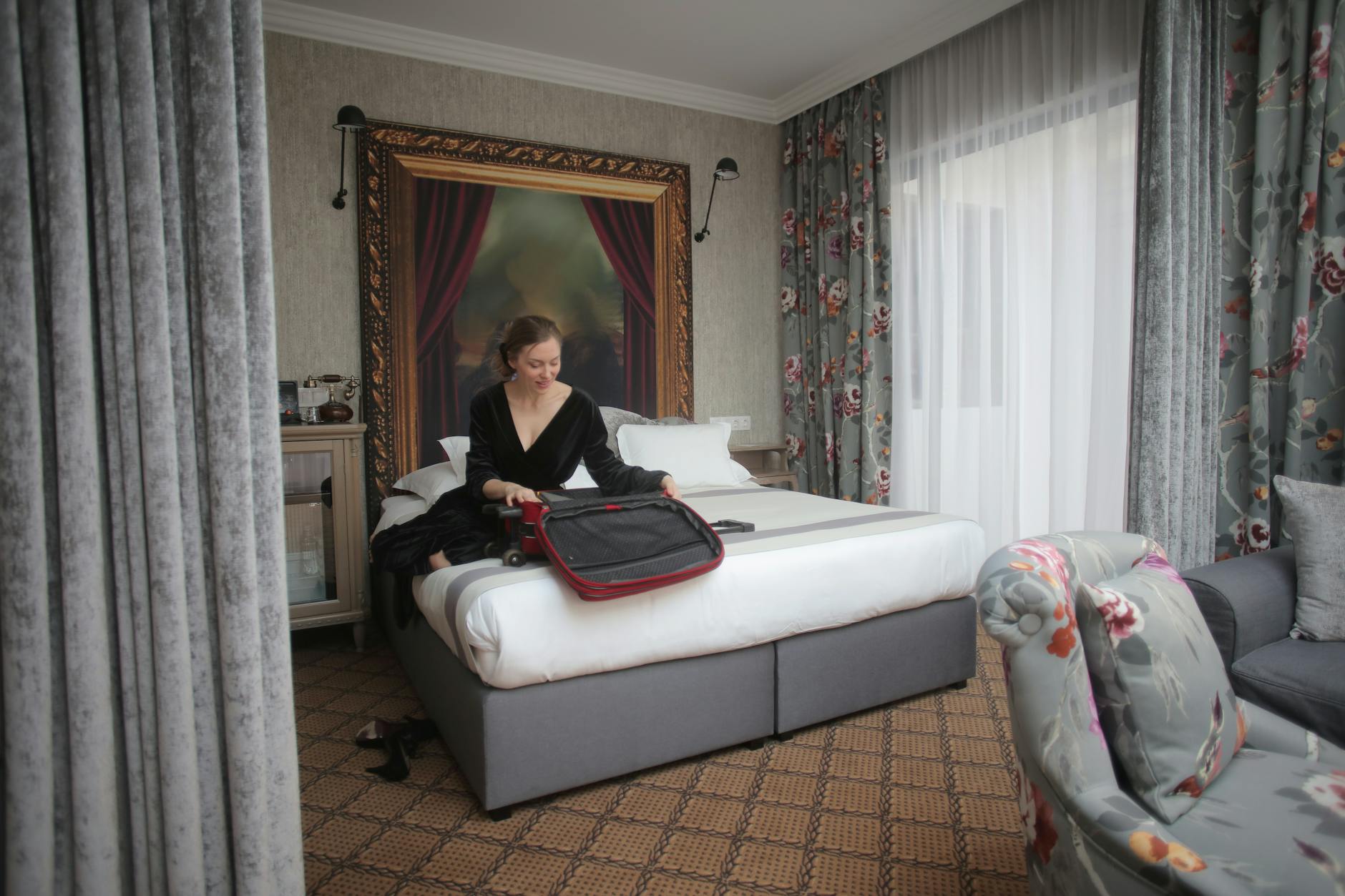
Lodging is by far the biggest line item in any Munich budget. Prices vary dramatically by season — Oktoberfest mid-September to early October sees 50–150% premiums, and Christmas markets (late November through December) push 30–60% higher. Off-season values appear in February, early March, and most of November. See our full where-to-stay guide for booking strategy.
Hostels (€20–€45 per night)
- Wombat’s City Hostel — central Hauptbahnhof; from €25 (dorm), €70 (private)
- Euro Youth Hostel — between Hbf and Karlsplatz; from €22 (dorm), €65 (private)
- Meininger Munich Olympiapark — slightly out of center; from €20 (dorm), €60 (private)
- The 4you Hostel — bohemian, sensibly priced; €25–€40 (dorm)
Budget Hotels (€80–€130 per night)
- Motel One Sendlinger Tor / Ostbahnhof — design-forward chain, very reliable
- Premier Inn Munich City Centre — UK chain, central, modern
- Adina Apartment Hotel — kitchenette rooms, family-friendly
- Eurostars Book Hotel — quirky concept, central
Mid-Range (€130–€220 per night)
- Hotel Torbräu — Munich’s oldest hotel (1490), Altstadt — €170–€220
- Platzl Hotel — across from the Hofbräuhaus — €180–€240
- Cortiina Hotel — design boutique, near Marienplatz — €160–€220
- NH Collection München Bavaria — modern, near Hbf — €130–€180
Luxury (€280–€700+ per night)
- Bayerischer Hof — historic 5-star with rooftop pool — €350–€600
- Mandarin Oriental Munich — discreet luxury, rooftop bar — €450–€800
- Vier Jahreszeiten Kempinski — grand traditional 5-star — €380–€650
- Rosewood Munich — newest entry, ultra-luxury — €600–€1,200
Apartment Rentals
Airbnb and Booking.com apartments run €90–€220 per night for studios in central neighborhoods. Munich has stricter short-term rental rules than most German cities — many “hotels” called Apartments-Plus offer the apartment experience legally.
Food and Drink Costs
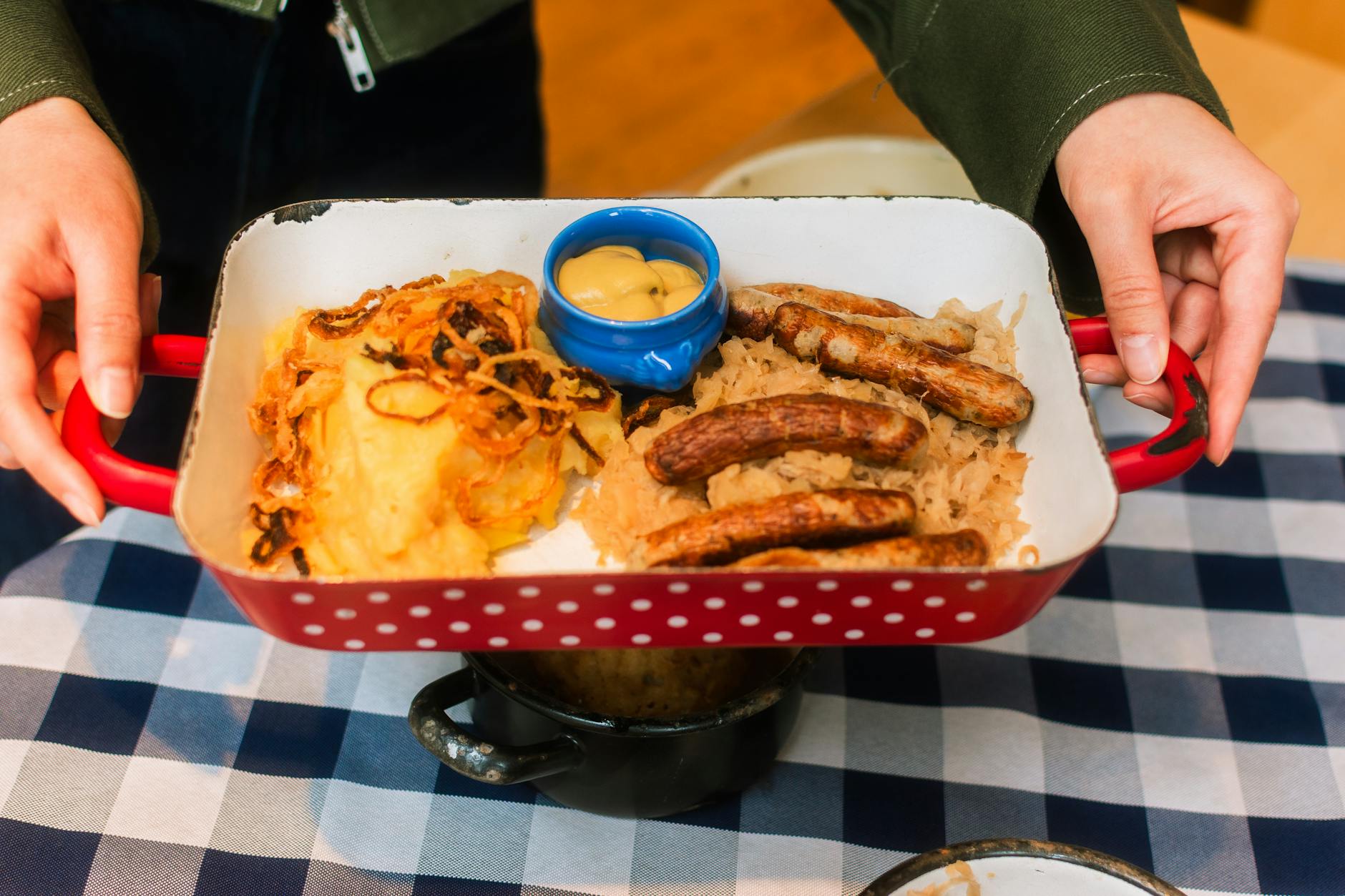
Daily Food Budgets
| Style | Breakfast | Lunch | Dinner | Daily Total |
|---|---|---|---|---|
| Self-cater + market | Free (hotel) or €4 bakery | €6 (Edeka picnic) | €12 (Currywurst + beer) | €18–€25 |
| Casual cafés | €8 hotel buffet | €12 lunch special | €20 traditional dinner | €40–€55 |
| Mid-range restaurant | €12 | €18 | €35 with wine | €65–€80 |
| Fine dining once + casual | €12 | €18 | €80–€120 (1-star) | €110–€150 |
What Things Cost in 2026
- Currywurst from a stand: €5–€7
- Leberkäs Semmel (Viktualienmarkt classic): €4.50–€6.50
- Pretzel (Brez’n): €1.50–€3
- Cappuccino at a café: €4.20–€5.50
- Schnitzel with sides at a Wirtshaus: €18–€26
- Schweinsbraten (roast pork) plate: €19–€28
- Maß of beer (1 liter): €11–€13 in beer gardens; €15+ at Oktoberfest
- Halbe (0.5 L beer): €5–€7
- Glass of house wine: €5.50–€9
- Espresso bar shot: €1.80–€2.50
- Bottle of water from a kiosk: €2–€3
- Three-course mid-range dinner with drinks: €35–€55
- Michelin 1-star tasting menu: €110–€180
Save big: The Viktualienmarkt and any Edeka/Rewe sells fantastic picnic supplies — bread, cheese, charcuterie, and a beer for under €10. Munich’s beer gardens explicitly allow you to bring your own food (see our beer gardens guide), so you can enjoy a full beer-garden experience for under €15 per person.
Public Transport Costs
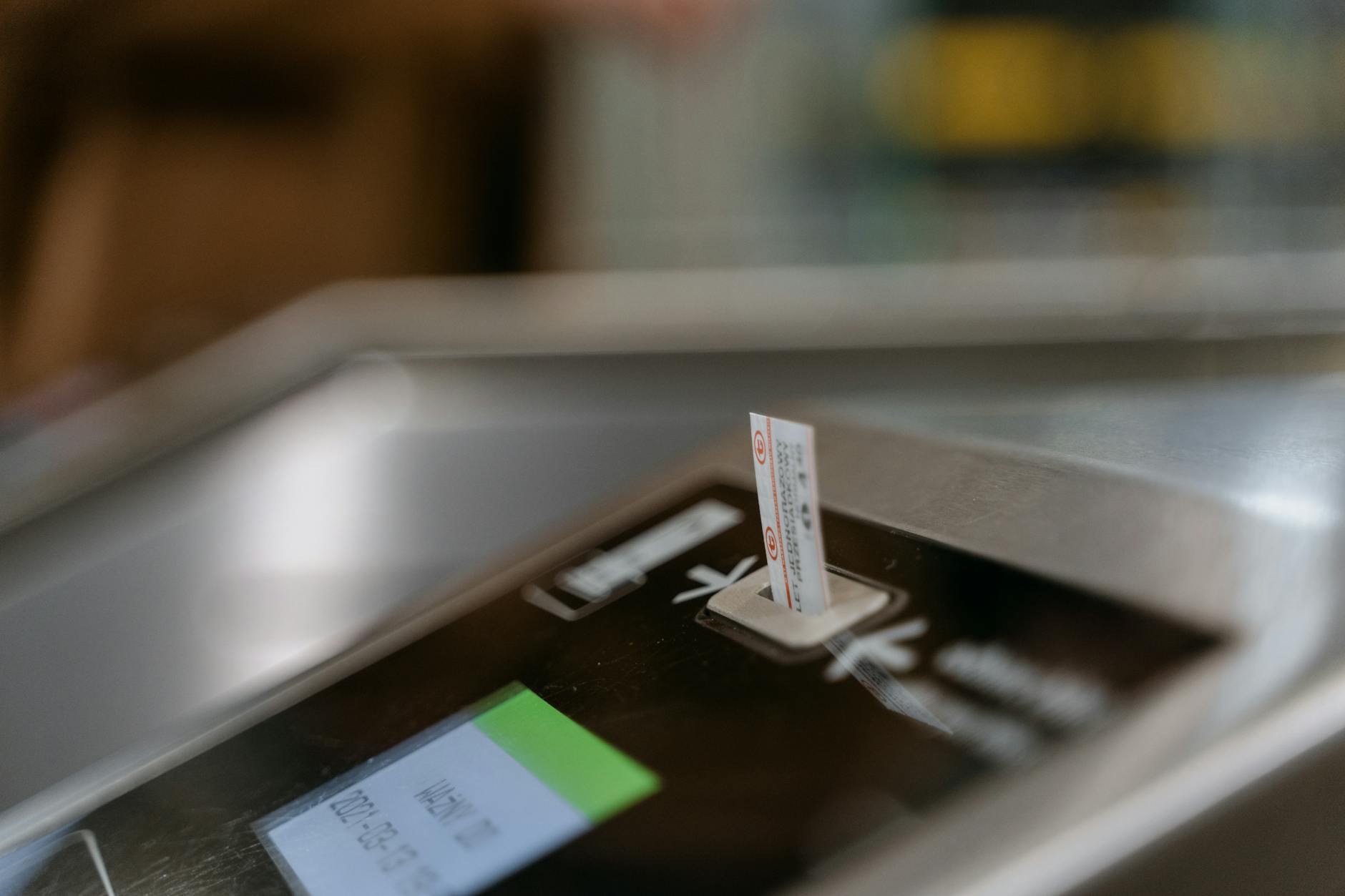
Munich’s MVV public transit (U-Bahn + S-Bahn + tram + bus) is excellent and exceptional value. Single tickets are pricey, so most visitors should buy passes.
MVV Ticket Options for 2026
| Ticket | Price | Validity | Best For |
|---|---|---|---|
| Single (zone M) | €4.20 | 1 trip, 2 hours | Single point-to-point ride |
| Streifenkarte (10 strips) | €20.10 | Each trip = 2 strips for adults | Light users, multi-day |
| Tageskarte Single (zone M) | €10.10 (€10.80 from January 2027) | All day until 6 a.m. | Most visitors |
| Tageskarte Group (up to 5) | €19.70 | All day until 6 a.m. | Families & groups of 2+ |
| IsarCard 7 (weekly) | €23.80 | 7 days zone M | Stay 5+ days |
| Munich Card (1 day, single) | €16.90 | Transit + 30+ discounts | Sightseeing-heavy days |
| Munich City Pass | €41.90+ | Transit + 45 free attractions | Ambitious museum agendas |
Best deal for 2 travelers: The Group Day Pass at €19.70 — pays for itself in three rides per couple. For 5+ days: The IsarCard 7 weekly pass at €23.80 is unbeatable per-day. Skip the Munich City Pass unless you’re seriously museum-hopping.
Attraction and Sightseeing Costs
Free Attractions
Surprisingly much of central Munich is free or near-free:
- Marienplatz, Glockenspiel, all squares — free
- Frauenkirche, Asamkirche, Theatinerkirche, Peterskirche, Michaelskirche — all free entry
- English Garden + Chinese Tower — free
- Olympic Park (grounds) — free
- Viktualienmarkt — free entry
- Hofgarten and Residenz courtyards — free
- Free walking tours from Marienplatz — daily, tip-based
Paid Attractions
| Attraction | Adult | Reduced |
|---|---|---|
| Munich Residenz (museum + treasury combo) | €15 | €13 |
| Nymphenburg Palace (full ticket) | €12 | €10 |
| Frauenkirche tower | €7.50 | — |
| St. Peter’s tower | €5 | €3 |
| Pinakothek der Moderne | €10 | €7 |
| Alte Pinakothek | €9 | €6 |
| Glyptothek / State Antiquities | €6 each | €4 |
| Deutsches Museum | €16 | €9 |
| BMW Museum | €10 | €7 |
| Allianz Arena tour | €19 | €10 |
| NS-Dokumentationszentrum | Free | Free |
Magic Sunday rule: All Bavarian state museums are €1 on Sundays — Alte Pinakothek, Glyptothek, State Antiquities Collections, Schackgalerie. A €5 Sunday lets you visit five world-class collections.
Day Trip and Excursion Costs
| Day Trip | DIY Cost (per person) | Organized Tour Cost |
|---|---|---|
| Neuschwanstein | €55–€75 | €55–€95 |
| Linderhof + Wieskirche + Oberammergau combo | €80–€110 (DIY w/ rental) | €95–€135 |
| Salzburg, Austria (3 h train) | €55 (Bayern-Ticket+Salzburg) | €90–€130 |
| Dachau Memorial | €18 (transit only; entry free) | €32–€45 incl. guide |
| Berchtesgaden / Eagle’s Nest | €55 (Bayern-Ticket) | €85–€120 |
| Zugspitze (highest German peak) | €70–€85 (DIY) | €110–€155 |
See our complete day trips guide for itineraries.
Beer, Wine, and Nightlife Costs
- Maß (1 L beer) at a beer garden: €11–€13
- Cocktail at a mid-range bar: €11–€16
- Cocktail at a high-end bar (Schumann’s, Falk’s, Bar Centrale): €15–€22
- Bottle of wine at a Wirtshaus: €30–€55
- Nightclub cover charge: €5–€20
- Live music venue cover: €0 (small bars) to €40 (big concerts)
- Oktoberfest evening (a Maß + half-chicken + ride): ~€45
Shopping and Souvenir Costs
- Bavarian dirndl (department store quality): €100–€250
- Lederhosen (mid-range): €150–€300
- Hand-painted ceramic beer stein: €15–€60
- Hofbräuhaus souvenir glass mug: €15–€25
- Bavarian gingerbread heart (Lebkuchen): €5–€15
- Quality cuckoo clock: €120–€500
- Weihnachtsmarkt mug deposit (refundable): €4–€6
- Glühwein at a Christmas market: €4–€6 (drink) + €4 deposit
Hidden and Often-Missed Costs
- Tourist tax: €3 per person per night (since 2025); your hotel adds it automatically
- Luggage storage at Hbf: €5–€7 per piece per day
- Restaurant bottle water: €3–€5 (tap water rarely served)
- WC fees at major sights and stations: €0.50–€1
- Service in restaurants: Round up 5–10% (already baked in legally — but appreciated)
- SIM card / data: €15–€30 for 5–10GB (Aldi Talk, congstar, O2 prepaid)
- Travel insurance: €25–€50 for 1 week
- Round-trip airport transfer: €24–€180 depending on method (see our airport guide)
Sample Total Trip Costs
3-Day Backpacker Weekend (1 person)
- Hostel dorm × 3 nights: €75
- Food (Edeka + 1 Wirtshaus dinner): €60
- Transit (3-day Group Pass): €18.80
- Attractions (3 paid + free walking): €25
- Beer & evenings: €40
- Airport: €24 (round-trip Lufthansa Bus)
- Total: ~€243 (excl. flight)
4-Day Mid-Range Trip (2 people)
- 3-star hotel × 4 nights: €620 (€155/night)
- Restaurant meals: €380
- MVV Group Day Passes × 4: €75.20
- Major attractions (Residenz, Nymphenburg, BMW): €68
- Beer gardens & evenings: €240
- Day trip Neuschwanstein (DIY): €130
- Airport (S-Bahn round trip): €36
- Tourist tax: €24
- Total: ~€1,573 for two (excl. flights)
5-Day Luxury Trip (couple)
- Bayerischer Hof × 5 nights: €2,500
- Restaurants (incl. 1 Michelin dinner): €1,100
- Taxis instead of transit: €280
- Premium attractions, museums, BMW Welt drive: €240
- Bar/cocktails: €380
- Day trip Neuschwanstein with private guide: €450
- Airport (private transfer round trip): €180
- Tourist tax: €30
- Total: ~€5,160 for two (excl. flights)
Money-Saving Tips for Munich
- Buy a Group Day Pass if traveling with at least one other person — instant 50% transit savings
- Visit Bavarian state museums on Sundays — €1 admission to multiple world-class collections
- Pack a Brotzeit picnic for one beer-garden meal — beer is the only thing you must buy
- Skip the central Hofbräuhaus for the Augustiner-Großgaststätte — same price, better beer, locals’ choice
- Use the Bayern-Ticket for any day trip — €34 for one, €44 for two covers all regional trains and local transit at the destination
- Avoid Oktoberfest dates for hotel costs — same room is 50–150% cheaper a week earlier or later
- Eat lunch as your main meal — most Wirtshäuser offer €10–€14 daily lunch specials (Mittagsmenü)
- Skip restaurant bottled water — tap water (Leitungswasser) is excellent and free if you ask explicitly
- Travel in February or November — same Munich, 30% lower hotel prices
- Free walking tours from Marienplatz are excellent — tip €5–€10 per person
Munich vs. Other European Cities: A Cost Reality Check
“Is Munich expensive?” only means something in comparison, so here’s how the city’s everyday traveller costs line up against the European cities you might visit instead. The short version: Munich is firmly mid-to-upper for Germany, pricier than Berlin and far cheaper than Zurich, with beer the one line where it quietly beats almost everyone on value.
| City | Hostel dorm | Mid-range hotel | 0.5L beer | Day transit pass | 3-course dinner |
|---|---|---|---|---|---|
| Munich | €30–45 | €130–180 | €4.80–5.50 | €10.10 | €35–50 |
| Berlin | €25–40 | €100–150 | €4–5 | €9.90 | €30–45 |
| Vienna | €25–40 | €110–160 | €4.50–5.50 | €8.00 | €35–50 |
| Amsterdam | €40–60 | €160–220 | €5.50–7 | €9.50 | €40–60 |
| Prague | €15–25 | €70–110 | €2–2.50 | ~€5 | €18–30 |
| Zurich | €45–65 | €200–300+ | €8–10 | €9–10 | €60–90 |
The takeaway: a half-litre of excellent beer in a Munich beer garden costs less than a bottle of water in some Zurich restaurants, and barely more than a soft drink. Accommodation is where Munich bites — driven up by trade fairs and Oktoberfest rather than baseline demand — so if you’re cost-sensitive, the room is the line to optimise. Our guide to budget hotels and hostels shows where the genuine savings hide.
How Costs Swing by Season
The single biggest variable in a Munich budget isn’t your travel style — it’s the week you pick. The same hostel bed and the same hotel room can cost two or three times more depending on what’s happening in the city, and almost all of that swing lands on accommodation rather than food or transport.
Oktoberfest is the obvious peak: across the roughly 16 to 18 days from mid-September to the first Sunday in October (19 September–4 October in 2026), hotel rates double or triple, minimum-stay rules appear, and the cheapest beds sell out months in advance. December’s Christmas-market weekends add a softer premium, and — the trap most visitors miss — the Messe München trade-fair calendar spikes mid-week rates throughout the year as tens of thousands of business travellers fill the budget and mid-range tiers. The cheap windows are just as reliable: November between the festivals, and January into February after Epiphany, are when both rooms and flights bottom out. Shifting a trip from early October to mid-November can cut your accommodation bill by half for an almost identical city — the markets aside, the museums, beer halls, and palaces don’t change. Time it deliberately using our guide to the best time to visit Munich, and the savings compound across every night you stay.
Paying in Munich: Cash, Cards, and Deposits
Germany’s reputation as a cash country is fading but not gone, and Munich sits in the middle of that shift. Hotels, larger restaurants, department stores, and supermarkets take international Visa and Mastercard without blinking, and contactless — including Apple Pay and Google Pay — is normal in any chain. But bakeries, market stalls, kiosks, some beer gardens, the smaller Gaststätten, and almost every Christmas-market hut still run on cash or the German Girocard. Carry €50–100 in notes and you’ll never be caught out; a card alone will occasionally leave you stuck at exactly the stand selling the pretzel you want.
Two money mechanics surprise first-time visitors. The first is Pfand, the deposit baked into the price of most bottles and cans — eight cents on a beer bottle, twenty-five on a plastic one — which you reclaim by feeding the empties into the reverse-vending machine at any supermarket for a voucher. Beer gardens charge a few euros’ deposit on the heavy glass Maß too, refunded when you return it. The second is tipping: it isn’t obligatory, but rounding up by 5–10 percent is customary and done out loud — you tell the server the total you want to pay as you hand over cash or card (a simple “stimmt so” means “keep the change”), rather than leaving coins on the table. One firm warning on ATMs: withdraw from bank-branded machines like Stadtsparkasse München, Deutsche Bank, or HypoVereinsbank, and steer clear of the blue Euronet machines, whose dynamic currency conversion quietly skims a poor exchange rate — always choose to be charged in euros, never your home currency. Since Germany is in the eurozone, you never need an exchange bureau; skip the airport Travelex entirely. Stretch the cash further with our cheap eats guide, the free and €1-Sunday museums, and the right ticket from our travel passes and city card comparison.
Build Your Own Munich Budget in Three Lines
The sample trips above give you anchor numbers, but every traveller’s mix is different. Here’s a quick formula that turns the costs in this guide into your number in about two minutes — no spreadsheet required.
Line one — fixed costs: your nightly room multiplied by the number of nights, plus the return airport transfer, plus any day-trip train tickets. The S-Bahn from the airport costs €15.10 each way, so a couple’s return is roughly €60, versus €70-plus for a single taxi — the kind of swing our airport-to-city guide helps you avoid. Line two — daily spend per person: pick a food tier (around €25 thrifty, €50 comfortable, €90 indulgent), add a transport day pass at about €10.10 (cheaper still on a multi-day ticket), and budget €10–15 for one paid attraction. Line three — a buffer: add 12–15 percent on top for the costs that always sneak in — bottle deposits, tips, the extra beer garden round, an umbrella when the Alps send rain.
Worked through for two people over four mid-range nights, that’s roughly €600 for the room, €60 for airport trips, and about €71 per person per day across food, transport, and a sight — landing near €1,400 all in, or about €175 per person per day. Run your own numbers and they’ll usually settle within ten percent of the sample-trip figures above, which is close enough to book with confidence. For the bigger picture of sequencing your days, the trip-planning guide ties the budget to an actual itinerary.
Budgeting for Families and Groups
Munich quietly rewards travelling in numbers, and a family budget rarely scales the way you’d fear. On the MVV transport network, children under six ride free, and the group day ticket — the Gruppen-Tageskarte — covers up to five people of any age for a flat price barely higher than a single adult fare, so two parents and three kids pay roughly what one solo traveller would. It’s the most reliable saving in the whole city.
The same logic carries into sights and day trips. Most state museums, including the Pinakotheken and the Residenz, are free for under-18s, and the famous €1 Sunday admission applies to everyone. For excursions beyond the city, the regional Bayern-Ticket is the family secret weapon: around €34 for the first traveller plus roughly €10 for each additional person up to five, it covers a full day of regional trains and local transport across the whole state — turning a group run to Neuschwanstein, Nuremberg, or the lakes into a few euros a head. Plan those around our day trips from Munich guide, and pair the right ticket from our travel passes rundown. The upshot: a family of four often spends less per person than a couple, exactly the opposite of how most European city breaks work.
There are ways to bend these numbers downward. Our list of Munich travel hacks collects the tricks that reliably cut what a trip costs.
Frequently Asked Questions
How much does a typical Munich trip cost per day?
A typical mid-range traveler spends about €168 per day in 2026. Backpackers can manage on €72–€110, while comfort travelers easily spend €230–€300+, and luxury travelers €392–€500+.
Is Munich more expensive than Berlin?
Yes — Munich is roughly 15–25% more expensive than Berlin across hotels, restaurants, and rents. Public transit and museum prices are similar. For value, Berlin wins; for compactness and quality, Munich wins.
How much should I budget for food per day in Munich?
Backpackers €15–€25 (mostly self-cater + one casual meal); mid-range €40–€60 (cafés + one Wirtshaus); comfort travelers €75–€110 (mostly restaurants + occasional finer meal); luxury €150+.
How much do hotels cost in Munich in 2026?
Hostel dorms €20–€45; budget hotels €80–€130; 3-star €110–€170; 4-star €180–€280; 5-star €350–€700+. Add 30–60% during Christmas markets and 50–150% during Oktoberfest.
How much does a meal at the Hofbräuhaus cost?
A traditional half-chicken with sides + a Maß of beer runs ~€32. Schweinsbraten + beer ~€38. Add a pretzel and dessert and a single dinner there is comfortably €40–€55 per person.
How much is the airport transfer to Munich city center?
S-Bahn €15.10; Lufthansa Express Bus €12.00; taxi €96 fixed fare to the Hauptbahnhof zone; Uber €55–€75. See our full airport transport guide.
Is Munich cash or card?
Card is widely accepted for hotels, restaurants, public transit, and most shops. Many smaller cafés, beer gardens (especially the self-service side), market vendors, and tip jars still prefer cash. Carry €30–€60 in cash for incidentals.
Plan the Rest of Your Trip
Hold this budget against the rest of your planning: our Munich on a budget guide goes deeper on saving strategies, our where to stay guide picks accommodation by neighborhood, and our trip planner covers visas, packing, and timing. For free attractions, see our things to do guide.