Munich Food Shopping: Delis, Specialty Markets and Gourmet Stores
Best Munich food shopping. Dallmayr, Käfer, cheese shops, butchers, wine merchants and farmers' markets.

Munich food shopping is one of the city’s most underrated experiences. Beyond the Viktualienmarkt that every visitor passes through, Munich hosts world-class delis (Dallmayr, Käfer), specialty cheese shops, traditional butchers, wine merchants, gourmet bakeries, and farmers’ markets that supply locals with regional produce. For travelers who like to cook or who want to bring home Bavarian specialty foods, knowing where to shop transforms a Munich trip. This guide covers the must-visit gourmet shops, what’s worth buying, how prices compare to supermarkets, and how to bring food safely home through customs.
Munich Food Shopping Quick Reference
| Shop Type | Examples | Best For |
|---|---|---|
| Gourmet deli | Dallmayr, Käfer, Oberpollinger Food Hall | Iconic Munich gifts, coffee, charcuterie, wine |
| Specialty cheese | Käsehaus Naumann, Käse King, Beck cheese counter | Bavarian alpine cheese, raw-milk varieties |
| Traditional butcher | Vinzenzmurr, Magnusson, Metzgerei Münchner | Weisswurst, Leberkäse, sausage |
| Wine merchants | Trinkstube am Tegernsee, Münchner Weinkultur | Bavarian and German wines |
| Bakery | Hofpfisterei, Rischart, Café Frischhut | Sourdough, pretzels, Auszogne |
| Farmers’ market | Viktualienmarkt, Wiener Platz, Goetheplatz | Regional produce, eggs, honey |
| Supermarket (premium) | Rewe City, Edeka Center, Tegut | Everyday quality groceries |
| Supermarket (budget) | Aldi, Lidl, Netto | Everyday essentials at low cost |
| Health food | Denn’s Biomarkt, Vollcorner | Organic and specialty diets |
| International foods | Asia-Markt am Hauptbahnhof, Galeria Kaufhof basement | Asian, Middle Eastern, Italian specialties |
Dallmayr: Munich’s Most Famous Deli
Founded in 1700, Dallmayr is one of Europe’s oldest delicatessens. The flagship store on Dienerstraße, just off Marienplatz, occupies a three-story building with a basement wine cellar. Munich’s iconic coffee, pâtés, smoked salmon, hand-formed chocolates, hand-cured charcuterie, and a thousand other specialties fill the counters. The fish counter alone draws lunchtime crowds; the upstairs restaurant (€) serves a full Bavarian and continental menu. Even if you don’t buy, the architecture and the displays are worth a 30-minute visit. Souvenirs: Dallmayr Prodomo coffee (€10 to €18 per tin), house-made chocolates (€8 to €25 per box), gourmet mustards (€5 to €12). Open Mon to Sat 10:00 to 19:00.
Käfer: The Other Munich Deli
On Prinzregentenstraße in Bogenhausen, Käfer is the other landmark Munich gourmet shop, founded in 1930. Slightly smaller than Dallmayr but with an even stronger reputation for catering — Käfer supplies the Bundestag and the Oktoberfest VIP tents. The store includes a deli counter, wine cellar, bakery, and ready-to-eat foods. The upstairs Käfer-Schänke restaurant is a Munich institution. Best buys: Käfer mustards (€5 to €12), house-cured ham (€8 to €25 per 100g), regional cheese selection (€8 to €30). Open Mon to Sat 10:00 to 19:00.
Oberpollinger Food Hall
Newest of the three major Munich food halls, fully renovated in 2020 in the basement of the Oberpollinger department store on Neuhauser Straße. Oyster bar, sushi counter, wine cellar, and a meticulously curated selection of Bavarian artisan products. Less famous than Dallmayr or Käfer but arguably the best curation of Bavarian small-batch suppliers in the city. Open Mon to Sat 10:00 to 20:00.
For the rest of the building and its rivals, see Munich department stores and shopping malls.
Specialty Cheese Shops
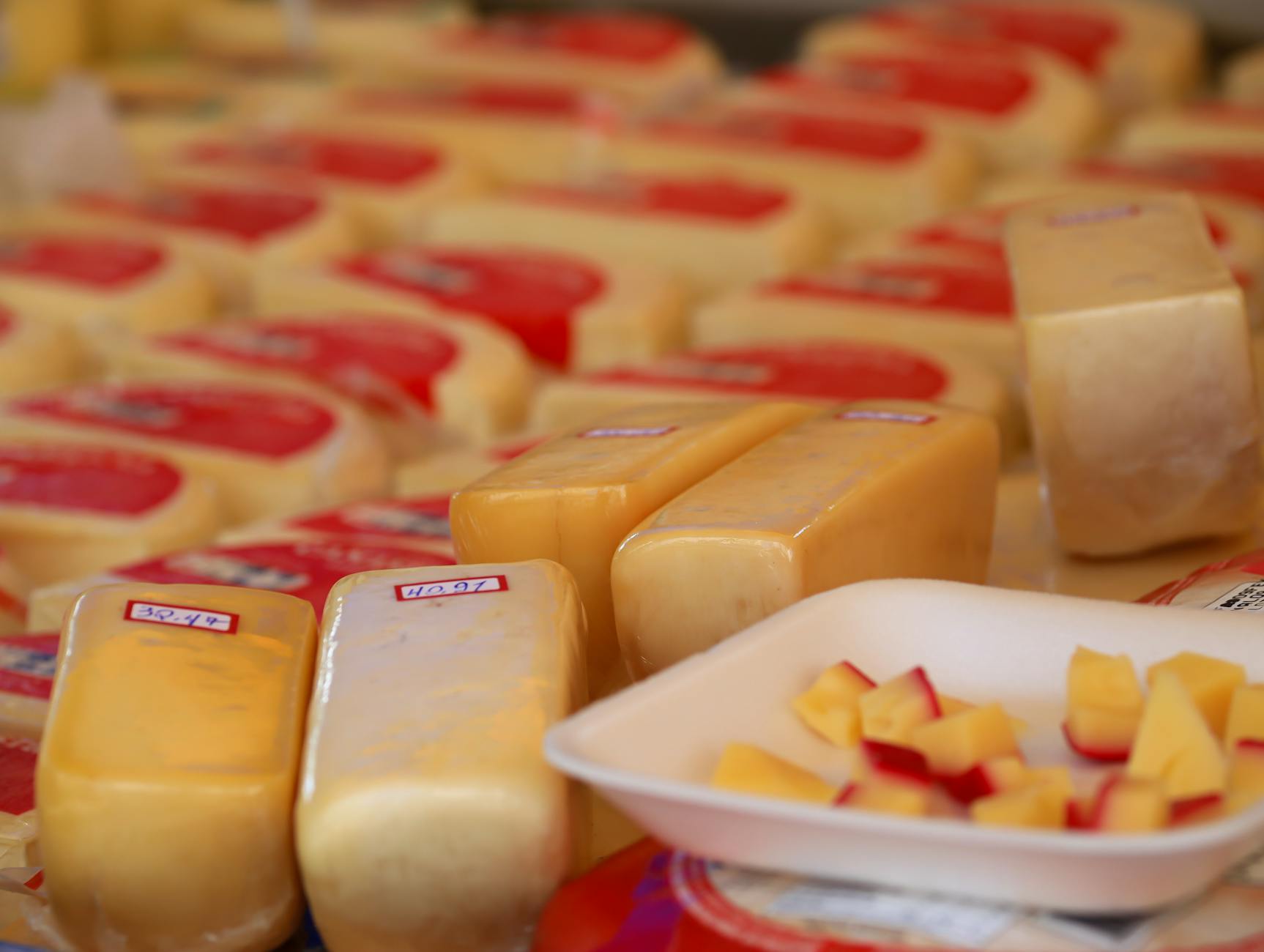
- Käsehaus Naumann (Viktualienmarkt) — Most respected cheese counter in central Munich. Strong Bavarian alpine and German farmhouse selection.
- Käse King (Wiener Platz) — Smaller, more local, with broad Bavarian and Austrian selection.
- Beck (Marienplatz) — Inside the Beck department store; reliable cheese counter.
- Käseliebe (Schwabing) — Specialty shop with rotating seasonal Bavarian cheeses.
- Boucherie Christophe (Maxvorstadt) — French cheese specialist for non-German varieties.
- Käserie Munich (Multiple locations) — Reliable artisan cheese chain.
Bavarian cheese specialties to seek out: Allgäuer Bergkäse (alpine hard cheese), Obatzda (soft cheese spread with paprika), Romadur (washed-rind soft cheese), and Limburger (the famously pungent Bavarian variety). Most counter staff cut to order and vacuum-seal for travel. Bavarian cheeses travel well in checked luggage; declare them at customs on arrival.
Wine Merchants and Specialty Drink Shops
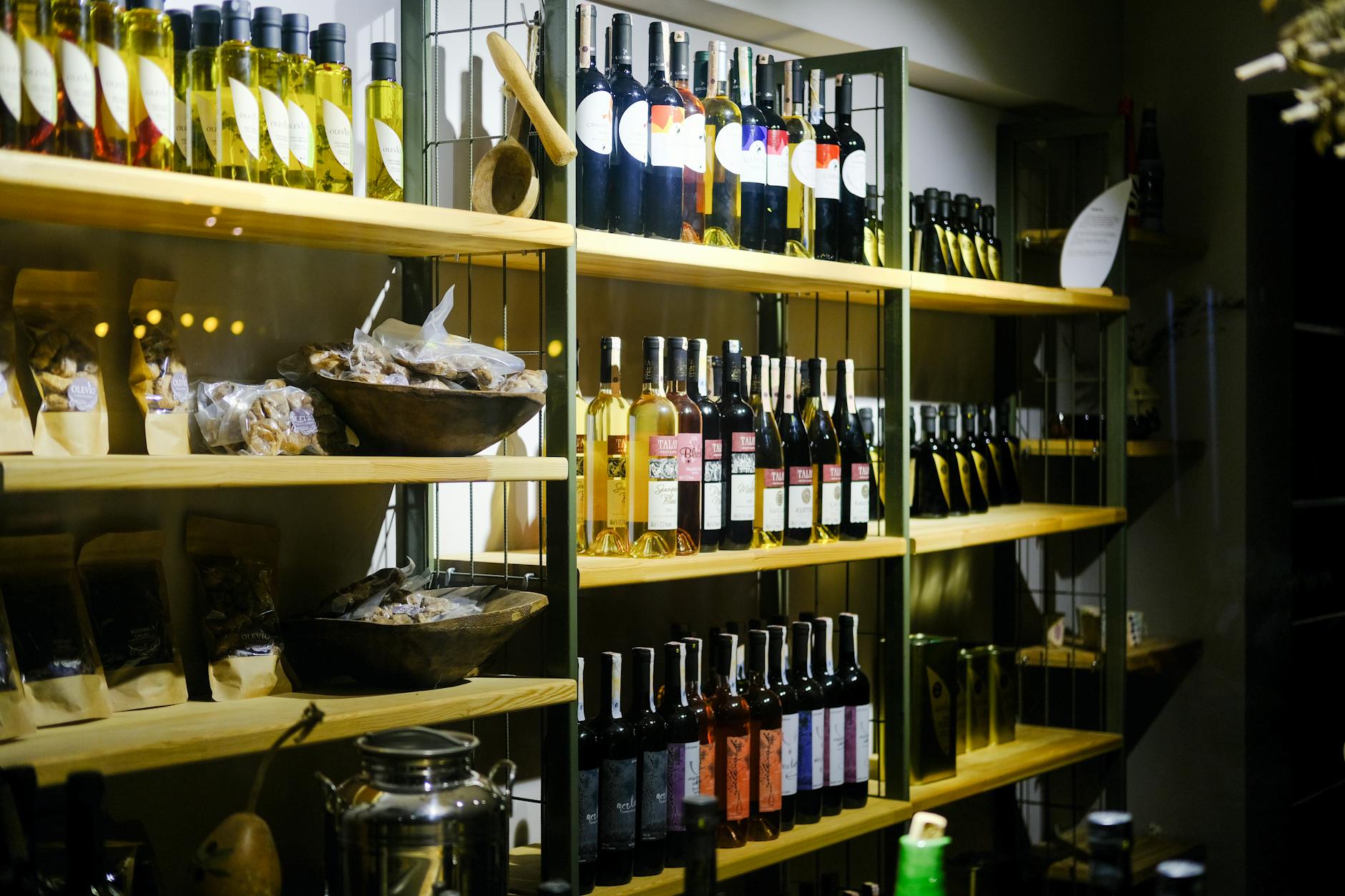
- Trinkstube am Tegernsee (Maximilianstraße) — Specialty Bavarian and Austrian wines.
- Münchner Weinkultur (Türkenstraße) — Strong on natural wine and small producers.
- Weinkeller im Tal (Tal 30) — Broad selection of German wines.
- Vinothek Geisel (Anna Hotel) — Curated selection from a respected hotel-restaurant family.
- The wine cellars at Dallmayr, Käfer, and Oberpollinger — All offer professional wine selection alongside the deli.
- Schalander (Adalbertstraße) — Wine bar and shop combo with weekly tastings.
- Wine & Co (Tal 30) — Smaller specialty merchant with rotating selection.
Wine specialties to consider: Franconian Silvaner in the distinctive Bocksbeutel bottle, Bavarian Müller-Thurgau (light, aromatic), Pfalz Riesling, and from neighboring regions Austrian Grüner Veltliner and South Tyrolean Lagrein. Bottles run €8 to €25 for everyday quality; €30 to €80 for premium German wines. Bring no more than 4 to 6 bottles in checked luggage to avoid customs scrutiny.
Traditional Butchers and Sausage Shops
- Vinzenzmurr — Munich’s most famous butcher chain, with multiple central locations. Weisswurst, Leberkäse, Bratwurst, Schweinshaxe, and an excellent prepared-foods counter.
- Magnusson — Smaller artisan butcher in Maxvorstadt; serious craft.
- Metzgerei Münchner (Viktualienmarkt) — Traditional counter with Bavarian specialties.
- Schweinwurst — Specialty Wiesn-style sausages.
- Würstl & Co (Schwabing) — Multiple craft sausage varieties.
Sausage specialties: Weisswurst (traditionally eaten before noon with sweet mustard), Leberkäse (Bavarian meatloaf, sold by weight), Bratwurst (Nürnberger and other varieties), Krakauer (smoked Polish-style), Schinkenwurst (ham sausage). Vacuum-packed sausages travel well in checked luggage; freshly-made varieties last 2 to 5 days unrefrigerated.
Bakeries and Pretzel Shops
- Hofpfisterei — Munich’s most respected sourdough bakery. Multiple locations.
- Rischart — Marienplatz institution since 1883. Excellent pretzels and cakes.
- Café Frischhut — Famous for the Auszogne (Bavarian doughnut).
- Bäckerei Riedmair — Schwabing artisan with strong Bavarian breads.
- Schmid’s (multiple locations) — Reliable everyday bakery chain.
- Wimmer Bakery (Marienplatz) — Traditional pretzels and Bavarian breads.
Munich’s Farmers’ Markets

- Viktualienmarkt — Daily; Munich’s biggest and best-known. Mon-Sat from 8:00. Produce, cheese, meat, fish, flowers, beer garden.
- Wiener Platz — Mon-Sat morning; smaller, more local. Permanent wooden stalls.
- Goetheplatz — Tue and Fri morning; regional produce, less tourist-priced.
- Pasinger Bauernmarkt — Sat morning; western Munich.
- Elisabethmarkt — Mon-Sat morning; Schwabing.
- Markthalle Schwabing (Westarkaden) — Mon-Sat all day; covered market.
- Sankt-Jakobs-Platz — Fri morning; small but quality.
Markets typically open 06:00 to 18:00, with most stalls operational by 09:00. Cash is preferred at smaller stalls; some accept cards at larger operators. Prices are competitive with quality supermarkets; the value is in the variety of regional and small-producer goods, not in cheap groceries.
Munich Supermarkets: Premium vs Budget
Munich has the full spectrum of grocery shopping. For everyday cooking during a longer stay or for picnic supplies during a short visit:
- Rewe — Central locations, broad selection. Good quality, slightly above-average prices.
- Edeka and Edeka Center — Similar to Rewe; some stores have premium Edeka selection.
- Tegut — Slightly more premium; strong organic.
- Aldi Süd — Discount; basic items at 30 percent below mainstream supermarket pricing.
- Lidl — Similar to Aldi; sometimes better fresh produce.
- Netto — Cheapest of the budget chains.
- Denn’s Biomarkt — Organic-focused; pricier but strong selection.
- Vollcorner — Munich-based organic chain.
- DM and Rossmann — Drugstore chains; cheaper for baby food, toiletries, packaged snacks.
Bringing Food Home
What you can bring home depends on your destination’s customs rules. General guidelines for non-EU travelers from Munich:
- Packaged products (chocolate, coffee, cookies, mustards, honey) — Generally permitted in any quantity for personal use.
- Vacuum-sealed cheese and charcuterie — Permitted to most destinations except US (which restricts soft cheeses).
- Fresh meat and dairy — Heavily restricted; check destination country’s rules.
- Wine and spirits — Subject to duty limits; 1 to 4 bottles is the typical duty-free allowance.
- Honey and jam — Generally permitted; check liquid restrictions in carry-on.
- Bread, pretzels, pastries — Permitted but lose freshness within 2 to 3 days.
- Pet food — Restricted; check specific rules.
- Declare on your customs form — When in doubt, declare. Honest declarations are routinely waved through; undeclared items can result in confiscation and fines.
Best Edible Souvenirs to Bring Home
- Dallmayr Prodomo coffee — €10 to €18 per tin; the Munich classic.
- Käfer mustards — €5 to €12; sweet Bavarian and gourmet variations.
- Nürnberger Lebkuchen tin — €15 to €35; lasts 6+ months.
- Dresdner Stollen — €15 to €25; Christmas-themed; ages 2 to 4 weeks.
- Bavarian forest honey — €8 to €15; distinctive flavor.
- Spanferkel or smoked sausage — €8 to €20; vacuum-packed travels well.
- Allgäuer Bergkäse — €15 to €30 per kilo; alpine hard cheese.
- Bavarian schnapps — €20 to €45; Williams pear or Marillen apricot.
- Glühwein spice mix — €5 to €10; make your own at home.
- Schwarzwälder Kirschwasser — €25 to €45 per bottle; cherry brandy.
- Loretta marzipan — €15 to €30 per box; the Bavarian-Italian specialty.
- Hand-roasted Bavarian almonds and pralines — €15 to €30 per box.
Frequently Asked Questions
Where do locals actually shop?
For everyday groceries, locals use Aldi, Lidl, Rewe, and Edeka. For weekly farmers’ market shopping, Wiener Platz, Goetheplatz, and Elisabethmarkt see strong local turnout. For special occasions, Dallmayr and Käfer remain the gold standard. The Viktualienmarkt is a mix of locals and tourists; locals shop on weekday mornings, tourists in the afternoon.
Can I find international foods in Munich?
Yes. Asia-Markt am Hauptbahnhof has strong East Asian selection. Galeria Kaufhof and Oberpollinger food halls carry premium Italian and French specialties. Aldi and Lidl run weekly themed international promotions. Specialty shops on Türkenstraße sell Middle Eastern foods. Most major supermarkets stock basic international ingredients.
Are markets cheaper than supermarkets?
Not necessarily. Markets are competitive with quality supermarkets on fresh produce; significantly cheaper on regional specialties (Bavarian honey, alpine cheese); more expensive on basics (bread, dairy). The value of markets is variety and provenance, not headline pricing.
Do shops accept cards?
Most major supermarkets and chain shops yes. Smaller market stalls and traditional shops sometimes cash-only. Bring €30 to €50 cash for a market shopping trip.
Visiting Dallmayr: A Walking Tour
Dallmayr is large enough that first-time visitors miss the best sections. A suggested 30-minute walkthrough:
- Coffee counter (ground floor) — Watch beans being weighed and ground; the Prodomo blend in its signature blue tin is the souvenir to buy.
- Charcuterie counter — House-cured hams from across Europe; ask for tasting samples.
- Cheese counter — Strong selection of European and Bavarian cheeses; vacuum-sealing on request.
- Fish counter — Smoked salmon, caviar, and seasonal Bavarian fish.
- Bakery section — Hand-formed breads and Christmas Stollen (December).
- Wine cellar (basement) — Curated by an in-house sommelier.
- Chocolate counter — Hand-formed pralines and chocolate bars from the Dallmayr workshop.
- Restaurant upstairs — Sit-down meals with the deli’s products.
Käfer-Schänke Restaurant: The Upstairs Bonus
Käfer’s upstairs restaurant is one of Munich’s most iconic dining experiences. The decor is over-the-top Bavarian-meets-art-nouveau; the menu draws on the deli below. Expect to pay €25 to €45 for mains, with a serious wine list. Lunch is more affordable than dinner. Reservations essential — Käfer-Schänke is booked weeks ahead on weekends. The deli below remains drop-in-friendly; the restaurant is the splurge experience.
Market Etiquette and Tips
- Don’t touch the produce at smaller market stalls. Point to what you want; the stallholder selects and weighs.
- Bring a bag for purchases. Markets don’t generally provide free plastic bags.
- Cash is preferred at smaller stalls; bring euros in small bills.
- Sample before you buy — most cheese, charcuterie, and produce stalls offer samples on request.
- Ask for vacuum sealing on cheese or charcuterie if you’ll travel. Most counter staff can do this.
- Check the season — Bavarian produce is seasonal; asparagus in May, strawberries in June, pumpkins in October.
- Saturday morning is the busiest; Tuesday/Wednesday are quieter.
Bavarian Specialty Foods to Know
| Specialty | What It Is | Where to Buy |
|---|---|---|
| Weisswurst | White veal sausage, eaten before noon | Vinzenzmurr, Viktualienmarkt |
| Leberkäse | Bavarian meatloaf, sliced | Vinzenzmurr, supermarkets |
| Obatzda | Soft Camembert-based cheese spread | Käsehaus Naumann, supermarkets |
| Allgäuer Bergkäse | Aged alpine hard cheese | Cheese shops, Dallmayr |
| Pumpernickel | Dense rye bread | Bakeries, supermarkets |
| Brezn (pretzels) | Bavarian-style soft pretzels | Bakeries everywhere |
| Lebkuchen | Spiced gingerbread cookies | Christmas markets, Dallmayr |
| Stollen | Christmas fruit bread with marzipan | Bakeries, Käfer, Dallmayr (Dec) |
| Bavarian honey | Forest, chestnut, or alpine flower | Markets, specialty shops |
| Bavarian schnapps | Williams pear or apricot brandy | Wine merchants, specialty shops |
Frequently Asked Questions
Can I find vegan and vegetarian specialty options?
Yes, and growing. Denn’s Biomarkt and Vollcorner both stock excellent vegan and vegetarian selections. Most major supermarkets have dedicated vegan sections. Specialty vegan shops include VeGameln in the Glockenbachviertel and Vegelangelo on Augustenstraße for vegetarian Italian. Dallmayr’s deli has expanded its vegan and vegetarian offerings significantly in recent years.
Are there gluten-free options?
Yes. Major supermarkets stock gluten-free pastas, breads, and snacks. Specialty bakeries like Bio-Bäckerei Wagner make gluten-free pretzels and rolls. The Hofpfisterei chain offers some gluten-free varieties. Restaurants increasingly mark gluten-free options on menus.
Where do food enthusiasts shop on a budget?
Wiener Platz, Goetheplatz, and Elisabethmarkt offer excellent value on local produce. Aldi and Lidl run weekly specialty promotions (sometimes including Bavarian regional products). The Tegut and Edeka Center stores carry premium items at competitive prices.
Can I bring back specialty meats and cheeses to the US?
Hard cheeses (Bergkäse, aged Gouda, Parmesan) yes. Soft cheeses (Camembert, Brie, Obatzda) restricted by USDA. Cured and dried meats vary widely; vacuum-sealed prosciutto often permitted, fresh sausages restricted. Always declare on your customs form. Check current USDA APHIS guidelines before traveling.
Seasonal Munich Food Shopping
Spring (March to May)
Spargelzeit (asparagus season) dominates from mid-April to late June. Markets fill with white and green Bavarian asparagus; restaurants run dedicated Spargel menus. Bavarian morels appear in May. Strawberry season starts late May. Bavarian pretzel and Weisswurst remain year-round.
Summer (June to August)
Berries dominate — strawberries, raspberries, blueberries, currants. Stone fruit (peaches, apricots, cherries) appears from mid-June. Bavarian beer-garden food is at its peak; Wiesn season previews begin in late August. Mushroom hunters return with chanterelles.
Autumn (September to November)
Apples and pears arrive in late August; Bavarian Quitten (quince) follows in September. Oktoberfest brings massive volumes of Wiesn beer and roast meats. Pumpkins, squash, and root vegetables fill autumn markets. Game (deer, boar) appears in restaurants and on butcher counters. Federweisser (new wine) is briefly available.
Winter (December to February)
Christmas market season transforms food shopping in December. Stollen, Lebkuchen, gebrannte Mandeln (sugared almonds), and Glühwein dominate. Roast goose (Weihnachtsgans) is the traditional Christmas main. January sees Karpfen (carp) at New Year’s. Bavarian beer-hall food remains the year-round constant.
Munich’s Best Cooking Classes
If you’d rather learn to cook Bavarian specialties than just buy them, several Munich operators offer English-language classes:
- Eat the World Munich — Bavarian cooking classes with market tours.
- Cooking Munich — Hands-on classes covering Bavarian classics like Schweinebraten and dumplings.
- Käfer’s culinary academy — Premium classes from the famous deli.
- Munich Greeter cooking experiences — Volunteer-led cooking in private homes.
- Wirtshaus in der Au cooking class — Specifically the dumpling-focused class is famous.
Frequently Asked Questions
Are there guided food tours?
Yes. Eat the World Munich runs guided Bavarian food walking tours (€45 to €65 per person, 3 hours) covering the Viktualienmarkt and surrounding shops. Munich Food Tours and Foodie Walks also operate similar programmes. Most tours include multiple food stops and end with a Bavarian beer.
Can I get Bavarian specialty ingredients online to ship home?
Yes. Dallmayr, Käfer, and most major specialty shops ship internationally. Käthe Wohlfahrt ships Christmas-themed edibles. Specialty wine merchants ship within the EU; outside-EU shipping is more complex and often requires duty/customs paperwork. Plan to order before you leave Munich if you’d like items waiting at home.
What’s the best food souvenir for a non-foodie?
Dallmayr Prodomo coffee in its iconic blue tin. €10 to €18, instantly recognizable, travels well, and even non-coffee-drinkers appreciate the elegant packaging. The Käfer mustard set in its small Bavarian-themed jars is a similarly easy choice.
Munich Food Shopping by Neighborhood
Altstadt / Marienplatz Area
Dallmayr on Dienerstraße, Viktualienmarkt, Rischart on Marienplatz, and the Oberpollinger Food Hall — Munich’s deepest concentration of food shopping. Easy walking radius, expensive but world-class selection.
Haidhausen and Wiener Platz
Local-feeling market on Wiener Platz with permanent wooden stalls. Smaller deli counters, cheese specialists, and the Hofbräukeller beer-garden food connection. Cheaper than central Munich.
Maxvorstadt and Schwabing
Elisabethmarkt for produce; specialty vegan and organic shops on Türkenstraße; multiple smaller artisan bakeries. Student-friendly pricing on basics.
Bogenhausen
Käfer on Prinzregentenstraße anchors this upscale district. Premium supermarkets (Tegut, Edeka Center). Higher prices reflective of the neighborhood.
Glockenbachviertel
Smaller specialty shops — natural-wine bars, vegan delis, specialty coffee. Less traditional food shopping; more 21st-century artisan.
Money-Saving Food Shopping Tips
- Wochenmarkt (weekly market) prices are typically 10-20 percent below specialty shops for the same produce.
- Aldi and Lidl for staples save 30 to 40 percent over Rewe and Edeka.
- Bakery-end-of-day discounts from 17:00 to 18:00 at Hofpfisterei and Rischart, 30 to 50 percent off.
- Bring your own bags — most shops charge €0.10 to €0.25 per plastic bag.
- Check the weekend Wochenmarkt closing — many close at 13:00 Saturday and produce prices drop by 20 to 40 percent in the final hour.
- Shopping at Aldi or Lidl for picnic supplies dramatically beats restaurant pricing for active days.
- Bavarian cheese counter samples are free and let you taste before buying.
- Loyalty cards (Payback, Edeka Card) offer 1 to 5 percent rebates for longer stays.
Are food shops open on Sundays?
Mostly no. Bavarian law closes most retail on Sundays. Exceptions: train station mini-marts (Hauptbahnhof’s REWE To Go, for example), airport shops, bakeries (limited Sunday morning hours, typically 7:00 to 12:00), and the four ‘open Sundays’ the city declares each year. Plan main grocery shopping Monday through Saturday.
Are there Sunday brunch options or food deliveries to make up for closed shops?
Yes. Most cafés and restaurants remain open Sundays. Delivery apps (Lieferando, Wolt, Uber Eats) cover most central Munich neighborhoods. Many hotels offer Sunday breakfast/brunch options. The Hauptbahnhof REWE To Go and bakery chains provide Sunday morning groceries for emergencies.
Plan Your Munich Trip
- Munich Shopping Guide — overview of all categories
- Best Munich Souvenirs — broader gift ideas
- Traditional Bavarian Food — what to eat in Munich
- Viktualienmarkt Guide — the famous market deep dive
- Cheap Eats Munich — budget-friendly food shopping included