Bavarian Alps Day Trips from Munich
Complete 2026 guide to Bavarian Alps day trips from Munich — Zugspitze, Eibsee, Garmisch-Partenkirchen, Mittenwald, Tegernsee, Walchensee, Berchtesgaden. Train, tickets, itineraries.
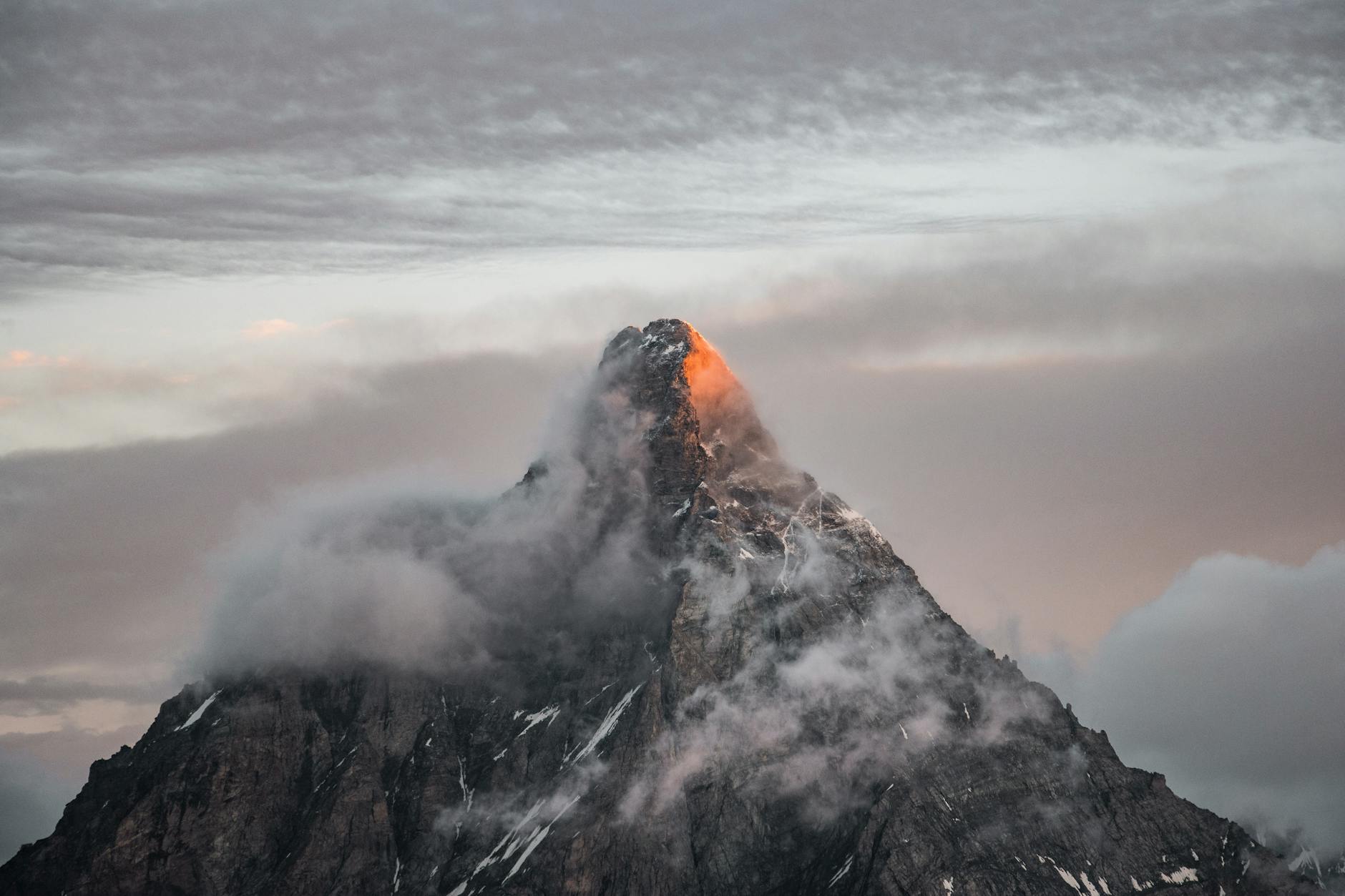
Few European cities offer as many Bavarian Alps day trips as Munich. The first Alpine peaks rise within a 60-minute train ride south of the city, and within 90 minutes you can be on top of Germany’s highest mountain (Zugspitze, 2,962 m), kayaking on a turquoise glacial lake (Eibsee), hiking gorges in Garmisch-Partenkirchen, or skiing in winter. Munich’s S-Bahn and regional rail make all of this accessible without a car, and the Bayern-Ticket makes it remarkably affordable. This complete 2026 Bavarian Alps day trip guide covers the 8 best Alpine destinations within reach of Munich, the cheapest way to get there, the best summer and winter activities, and how to plan a perfect day.
Bavarian Alps Day Trips at a Glance
| Destination | Distance | Travel Time | Best For | Cost Estimate |
|---|---|---|---|---|
| Zugspitze + Garmisch | 95 km | 1.5 h train + cable car | Germany’s highest peak | €88 combo ticket |
| Eibsee | 100 km | 1.5–2 h | Turquoise lake, easy hike | Bayern-Ticket €34 |
| Garmisch-Partenkirchen | 95 km | 1.5 h train | Charming village, base for hikes | Bayern-Ticket €34 |
| Mittenwald | 100 km | 1.75 h train | Painted Lüftlmalerei houses | Bayern-Ticket €34 |
| Tegernsee | 55 km | 1 h train | Lake, mountain, brewery | Bayern-Ticket €34 |
| Schliersee | 65 km | 1 h train | Quieter alternative to Tegernsee | Bayern-Ticket €34 |
| Kochelsee + Walchensee | 75 km | 1.25 h train + bus | Two stunning lakes | Bayern-Ticket €34 |
| Berchtesgaden + Königssee | 180 km | 2.5–3 h train | Eagle’s Nest, alpine lake | Bayern-Ticket €34 |
1. Zugspitze — Germany’s Highest Peak
At 2,962 meters, the Zugspitze is the highest point in Germany — and one of the easiest 3,000-meter-class summits in the Alps to reach. From central Munich you can be on the top in 3 hours via the train + cable car combination. The summit terrace offers 360° views of four countries (Germany, Austria, Switzerland, Italy) on clear days. There’s a small museum, two restaurants, a ski area in winter, and the highest-altitude church in Germany.
How to Get There
- Train: RB6/RB60/RB61 from Munich Hauptbahnhof to Garmisch-Partenkirchen (~1.5 h)
- Then: Zugspitzebahn cogwheel train + Eibsee cable car, OR direct Eibsee-Seilbahn aerial tram
- Total transit: ~3 hours each way
- Best ticket: DB Zugspitze Combo Ticket (~€88 in summer, €72 in winter) — covers Munich-Garmisch round-trip rail + all mountain transit
- Alternative: Bayern-Ticket (€34/€44 for 2) + separate Zugspitze cable car ticket (€72)
What to Do on Zugspitze
- Summit terrace with 360° viewing platform and cross
- The glacier (Schneeferner) — Germany’s only glacier, shrinking; the small ski area runs year-round on the snow
- Restaurants and beer — yes, you can drink a Maß at 2,962 m
- Crystal-floor viewing platform looking down 1,000+ meters
- Small museum on Alpine geology and the history of the summit
- Cross-border walk to the Austrian summit (Zugspitze straddles the German-Austrian border)
2. Eibsee — The Maldives of Bavaria

At the foot of Zugspitze sits Eibsee — a 4-km-long lake whose almost surreal turquoise color comes from glacial sediment. The 7-km loop walking trail around the lake takes 2–3 hours and is one of the prettiest easy hikes in Bavaria. Rent a stand-up paddleboard, rowing boat, or pedal boat in summer (€10–€20/hour). Restaurant Eibsee Pavilion serves Bavarian classics with the lake view.
- How to get there: train to Garmisch then Bus 9840 (or rent a car at Garmisch — €40 day rental)
- Best time: early morning for calm water and reflection photos; afternoon for swimming (water is COLD — alpine snowmelt)
- Combine: with Zugspitze ascent (Eibsee is the lower cable-car station)
3. Garmisch-Partenkirchen
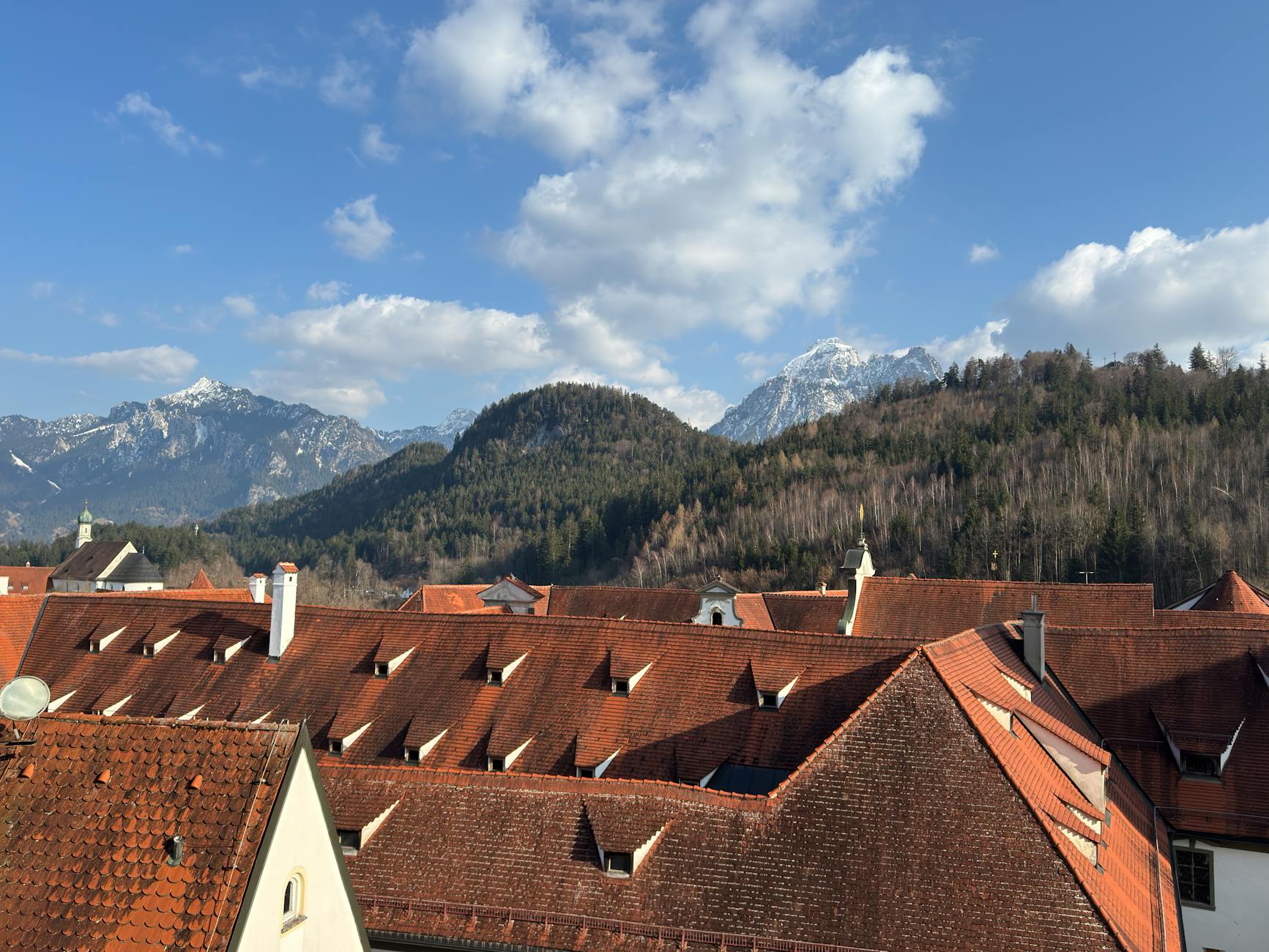
The painted twin villages of Garmisch and Partenkirchen (formally united in 1935 for the Olympics) form Germany’s most famous alpine resort. Beyond the cable cars to Zugspitze and Alpspitze, the town itself is worth a half-day: Ludwigstraße in old Partenkirchen has beautifully preserved Lüftlmalerei (painted Bavarian house facades), and the Partnachklamm gorge is one of Bavaria’s most dramatic 20-minute walking attractions — a deep narrow gorge with raging water and ice formations in winter.
- How to get there: direct train from Munich Hbf, 1.5 hours, hourly
- Top attractions: Partnachklamm gorge (€7), Ludwigstraße painted houses, Olympic stadium and ski jump, Alpspix viewing platform
- Eat: Restaurant Reindl’s, Café Schmölz
Linderhof Palace and the woodcarving village of Oberammergau lie in the neighbouring Ammergau Alps; our Linderhof day trip guide covers how to get there and how to combine the two.
4. Mittenwald
South of Garmisch toward the Austrian border, Mittenwald is a UNESCO-recognized painted-house village known for violin-making (since the 17th century, founded by Mathias Klotz). The Karwendel cable car runs to a 2,244-meter summit with the famous “Bavarian Window” viewing structure. Buy a hand-crafted violin (or violin-maker’s tools) at the workshop museum. Less crowded than Garmisch.
- How to get there: train to Garmisch, change to RB6 to Mittenwald (~30 more min)
- Highlights: Violin Museum, Karwendel viewpoint, painted houses on Obermarkt
5. Tegernsee
A short hour from Munich, Tegernsee is one of Bavaria’s most beloved lakes — clean, alpine, surrounded by mountains. The town of Tegernsee on the eastern shore has the famous Bräustüberl monastery brewery beer hall (cheapest Maß you’ll find — €4), the Schloss Tegernsee (former monastery, now Bavaria’s oldest brewery, founded 746 AD), and lakeside promenade walks. The lake itself is swimmable in summer (water around 21°C in July–August).
- How to get there: BOB train direct from Munich Hbf, 1 hour, hourly
- Activities: Bräustüberl beer hall, lake swimming, lakeside cycle path, ferry boat tour, Wallberg cable car
- Special tip: the ferry runs between Tegernsee, Bad Wiessee, Rottach-Egern, and Gmund — buy a day pass €15
6. Schliersee
Tegernsee’s quieter neighbor 8 km east — a smaller, more rural lake with the lovely village of Schliersee on its shore. The Bayrischzell ski area is at the south end of the valley. Bring a swimsuit in summer; bring boots in winter.
- How to get there: BOB train direct, 1 hour
- Highlights: Schliersee lake walk, swimming, Spitzingsee cable car, Bayrischzell
7. Kochelsee and Walchensee — Two Lakes One Day
South of Munich, Kochelsee (lower lake) and Walchensee (higher alpine lake) sit just 6 km apart. The drive or bus between them passes the famous Kesselbergstraße — Bavaria’s most scenic 8-km drive, climbing a steep pass with a view straight down to Walchensee’s stunning blue. Walchensee is the largest alpine lake in Germany, popular for windsurfing. The Herzogstand cable car offers a panoramic mountain summit accessible to non-hikers.
- How to get there: BOB train to Kochel (~1 hour), then bus 9608 to Walchensee (~20 min)
- Highlights: Kesselbergstraße viewpoint, Herzogstand summit, swimming in Walchensee, Franz-Marc-Museum in Kochel (he lived here)
For Bavaria’s largest lake and Ludwig II’s island palace, see Chiemsee and Herrenchiemsee.
8. Berchtesgaden and the Königssee
In the far southeast corner of Bavaria, near Salzburg, Berchtesgaden is the most dramatic alpine area accessible from Munich. The Königssee is a fjord-like alpine lake; the electric boats are silent except when they blow a trumpet against the cliffs (the famous echo). The Eagle’s Nest (Kehlsteinhaus) — Hitler’s mountaintop retreat — is now a restaurant and historical site, reached by bus and elevator from May–October. Tighter as a day trip — 2.5–3 hours each way — but possible with an early start.
- How to get there: BOB/DB train from Munich Hbf to Berchtesgaden (~2.5–3 hours with changes)
- Highlights: Königssee boat tour (€22), Eagle’s Nest (€28 incl. bus and elevator), Salt Mine tour (€20)
- Alternative: Stay overnight in Berchtesgaden or combine with our Salzburg day trip (30 min north)
Best Tickets for Bavarian Alps Day Trips
The Bayern-Ticket — Best for Solo and Couple Travel
- Cost: €34 first person + €10 each additional (max 5 people = €74 total)
- Validity: Weekdays from 09:00; weekends and holidays from 00:00
- Covers: all DB regional trains in Bavaria + MVV Munich transit + local transit at the destination
- Note: Does NOT cover ICE or EuroCity trains; valid for the Meridian route to Salzburg (special bilateral exception)
- Where to buy: Munich Hbf vending machines, DB Navigator app, station counter
Zugspitze Combo Ticket
- Cost: ~€88 in summer; ~€72 in winter
- Covers: round-trip Munich-Garmisch DB rail + ALL mountain transit (Zugspitzbahn, Eibsee cable car, summit gondolas)
- When it makes sense: You’re going to summit Zugspitze in one day. Better deal than buying Bayern-Ticket + cable car separately
Deutschlandticket
The €58/month German nationwide regional-rail pass. Excellent value if you’ll do 2+ day trips. Includes all MVV transit, all DB regional trains nationwide. Valid through 2026.
Best Time of Year

- Summer (June–September): optimal weather for hiking, swimming, cable cars; warmer temperatures
- Late October: spectacular fall colors; alpine huts close late October
- December–February: skiing season; clear cold days with stunning snow vistas; some cable cars and trails closed
- March–April: spring snow conditions; thinning crowds; some attractions still in winter mode
- May: alpine wildflowers; some trails still snowy at altitude
- Best month: September — warm enough for swimming, clear enough for mountain views, falling crowds
Practical Tips
- Start early — 07:00 train from Munich gives you arrival by 08:30 and maximum daylight
- Bring layers — alpine weather changes fast; bring warm jacket even in July
- Mountain shoes — even on the cable cars, alpine summits have slippery wet rock
- Sun protection — UV at altitude is fierce; sunscreen + sunglasses essential
- Water — alpine restaurants charge €4 for a bottle; bring your own
- Check cable car schedules — last trips often run 16:00 or earlier
- Mobile data — alpine signal is patchy; download offline maps
- Cash + card — most alpine huts now accept card, but some smaller stops are cash only
- Children — most cable cars allow strollers; trails vary in difficulty. Family-friendly options: Eibsee loop, Tegernsee promenade, Zugspitze (cable car only)
Alpine Hiking Notes
Beyond the cable-car summits, the Bavarian Alps offer thousands of hiking trails. Munich’s Deutscher Alpenverein (DAV) maintains trails and huts; AlpinTour app is excellent for German-language route planning. Komoot works in English.
- Easy: Eibsee loop (7 km, 2 h, flat); Partnachklamm gorge (~1 h round trip)
- Moderate: Kreuzeck-Alpspitze (~6 h, 600 m elevation)
- Strenuous: Zugspitze ascent via Reintal route (~8 h, 2,200 m elevation)
- Always: download offline maps, bring water, check the weather forecast (DAV Weather), tell someone your route
The most demanding of these deserves its own plan. Our guide to the Berchtesgaden and Eagle’s Nest day trip covers timings, bus connections and whether it works in a single day.
Frequently Asked Questions
What’s the best Bavarian Alps day trip from Munich?
Zugspitze for the iconic experience (Germany’s highest peak in a day). Eibsee for the most photogenic single destination. Tegernsee for the easiest with the most relaxation. Berchtesgaden/Königssee for the most dramatic alpine scenery (but tight as a day trip).
How long is the train from Munich to Garmisch?
1.5 hours on direct RB6, RB60, or RB61 trains from Munich Hauptbahnhof. Trains run hourly throughout the day.
Can I visit Zugspitze in a day from Munich?
Yes — easily. Total transit time is ~3 hours each way; aim for an 08:00 departure from Munich and you’ll be on top by 11:00, back in Munich for dinner. The Zugspitze Combo Ticket (€88) is the best value if you commit to the full summit.
Is the Bayern-Ticket valid in the Alps?
Yes — it covers all DB regional trains in Bavaria, including the alpine lines to Garmisch, Tegernsee, Schliersee, Kochel, Berchtesgaden, etc. Plus local transit in Munich and at the destination. Excellent value: €34 first person, €10 each additional.
When is the best time to do a Bavarian Alps day trip?
September for the best combination of weather, lighter crowds, and open trails. June and July for full alpine wildflower season. December–February for skiing and snow scenery. Avoid late October–early December: trails and many cable cars close, snow not yet established.
Can I swim in the Bavarian alpine lakes?
Yes in summer. Eibsee, Walchensee, Tegernsee, Schliersee, and Kochelsee are all clean and swimmable July–early September. Water temperatures range from 16°C (Eibsee, glacier-fed) to 21°C (Tegernsee). Bring a swimsuit; small towel optional.
Bavarian Alps Hiking Routes by Difficulty
Day trips from Munich to the Bavarian Alps include excellent hiking options spanning every difficulty level. For visitors comfortable with paved paths and cable car access, the Eibsee loop is the universal recommendation — a 7-kilometer flat circuit around the famous turquoise lake with breathtaking views of the Zugspitze rising above. The trail is wheelchair-accessible for most of its length and takes 2–3 hours at a comfortable pace. Bring a swimsuit in summer for a swim in the cold but clean glacial water. The Partnachklamm gorge in Garmisch-Partenkirchen is another easy option — a one-hour walk through a dramatic narrow canyon with raging glacial meltwater below, accessible from May to October (closed in winter for ice safety). The Eisbachklamm in Bad Reichenhall and the Höllentalklamm near Garmisch are similar gorge walks worth knowing.
For moderate hikers willing to climb 600–800 meters of elevation, the Kreuzeck–Alpspitze tour from Garmisch is excellent — 6 hours total including cable car descent, with mid-elevation views of the Wetterstein range. The Tegelberg ridge walk near Schwangau (Neuschwanstein region) is another moderate option with stunning castle views from above. The Heuberg above Tegernsee, the Wendelstein near Bayrischzell, and the Brauneck above Lenggries all offer cable-car-assisted moderate hikes. For experienced mountain hikers, the full Zugspitze ascent via the Reintal route is an 8-hour expedition gaining 2,200 meters — start at 04:00, finish at the cable car for the descent. The Watzmann massif near Berchtesgaden offers similar serious mountaineering.
All hikers should download offline maps before leaving Munich. Komoot is the most popular German hiking app and works in English; the Deutscher Alpenverein (DAV) Weather app provides reliable mountain weather forecasts that change rapidly. Bring layers — alpine temperatures can drop 15°C in an hour. Sun protection is essential at altitude. Tell someone your route. Carry water and snacks.
Alpine Weather Reality Check
Many day trips to the Bavarian Alps disappoint because visitors don’t understand the unique alpine weather pattern. The first rule: mountain weather changes faster than weather in the city. A clear morning in Munich does not predict clear conditions at 2,000 meters — orographic clouds (forced upward by mountain ridges) form throughout the day, often blanketing summits by early afternoon. Best practice: leave Munich at 06:30–07:00, arrive at the cable car by 08:30–09:00, summit before 11:00, and descend before afternoon clouds form. In summer, afternoon thunderstorms are common, sometimes severe; in winter, fog can blanket entire valleys for days. Cable car operators close cables in high winds (typically above 70 km/h), in lightning, and in heavy snow. The Zugspitze cable cars stop running for short periods on more than half of all winter days. The Eibsee cable car has slightly better operational reliability but still closes occasionally.
The DAV (Deutscher Alpenverein) Weather app and the German DWD weather service both provide alpine-specific forecasts that account for elevation. Most cable cars publish their operational status on their websites in real-time — check the morning of your trip. In winter, conditions at 2,500 meters can be hurricane-strength even on apparently calm valley days. The Föhn wind effect — warm dry air falling from the Alps into Munich — produces unusually clear and warm winter conditions; this also makes for spectacular alpine visibility but signals stronger-than-usual winds at altitude.

Driving to the Bavarian Alps: When the Car Beats the Train
Everything above assumes the train, and for a single destination on a rail line — Garmisch, Mittenwald, Tegernsee — the train almost always wins. But some of the best alpine days are awkward or impossible by rail, and that’s when a rental car earns its keep: linking two lakes in an afternoon, reaching a trailhead the bus serves twice a day, or starting up a summit at 7am before the cable-car crowds.
| Factor | Train (Bayern-Ticket) | Rental car |
|---|---|---|
| Cost, two people | From €29 for the whole day | €40–€70/day rental + fuel + parking |
| Best for | One lake or peak with a station — Garmisch, Mittenwald, Tegernsee, Schliersee | Linking several stops, remote trailheads, Walchensee, early summit starts |
| Parking | None to worry about | Paid car parks at the Eibsee and most valley cable-car stations |
| The catch | Fixed timetable; last trains back are early | Austrian vignette if you cross the border; heavy traffic on warm Sundays |
Two driving specifics catch Munich visitors out. First, if your route dips into Austria — approaching the Zugspitze from Ehrwald on the Tyrolean side, or carrying on to the Achensee — you need the Austrian motorway Vignette, a sticker (or digital pass) sold at border petrol stations; the German side of the Zugspitze and the Eibsee need no such thing. Second, the Deutsche Alpenstraße, the German Alpine Road, threads the whole range from the Tegernsee toward Berchtesgaden on toll-free country roads — slower than the Autobahn but the reason to drive in the first place. If you’d rather leave the wheel alone, weigh a rail day pass instead; our Munich travel passes guide compares the Bayern-Ticket and the Deutschlandticket for exactly these trips, and the wider day trips from Munich guide flags which destinations genuinely reward a car.
Before you book a rental, driving in Munich explains the Umweltzone sticker, city parking costs and what pickup actually involves.
Refuelling in the Mountains: Hütten, Gasthöfe, and What to Order
A Bavarian alpine day is built around two meals, and knowing where to take them changes the day. Up high, you eat at a Hütte — a staffed mountain hut, usually open roughly May to October, often cash-only, with a sun terrace and a view that the prices reflect not at all. Down in the valley, you eat at a Gasthof, the village inn, where the same dishes come with a roof and a beer garden. Both run on the same Bavarian rhythm: a hearty mid-morning Brotzeit, then something substantial after the descent.
What to order changes the climb. A Brotzeit board — Obatzda (a paprika-spiked soft cheese), a Breze, radishes, cold cuts — travels well and fuels a morning for around €9–€14. Weisswurst, the white veal sausage with sweet mustard and a pretzel, is a true Bavarian breakfast, but the old rule still holds in the mountains: eat it before noon. At the top, the classics are sweet and serious — Kaiserschmarrn, the shredded, sugar-dusted pancake with apple sauce, and Germknödel, a steamed yeast dumpling under vanilla sauce, each big enough to share at €8–€12. Order a Radler (lager cut with lemonade) rather than a full Maß if you still have a cable car or a drive ahead.
The lakeside towns reward the long lunch most of all. Tegernsee and Schliersee both have shoreline beer gardens where a Bavarian plate and a cold half-litre come with the water lapping a few metres away — the same culture you’ll find back in the city’s best beer gardens, just with an alpine backdrop. For a primer on the dishes themselves before you go, our Bavarian food guide covers everything from Schweinsbraten to the right way to handle a Weisswurst.
Plan Your Munich Trip
This Bavarian Alps guide is part of our deeper Munich day trips guide. For other day trips see our Neuschwanstein guide and Salzburg day trip guide. For Munich trip planning see our things to do guide and trip planner.