Nuremberg Day Trip from Munich: Complete History and Food Guide
Explore Nuremberg's Imperial Castle, Christmas market, and famous bratwurst on a day trip from Munich.
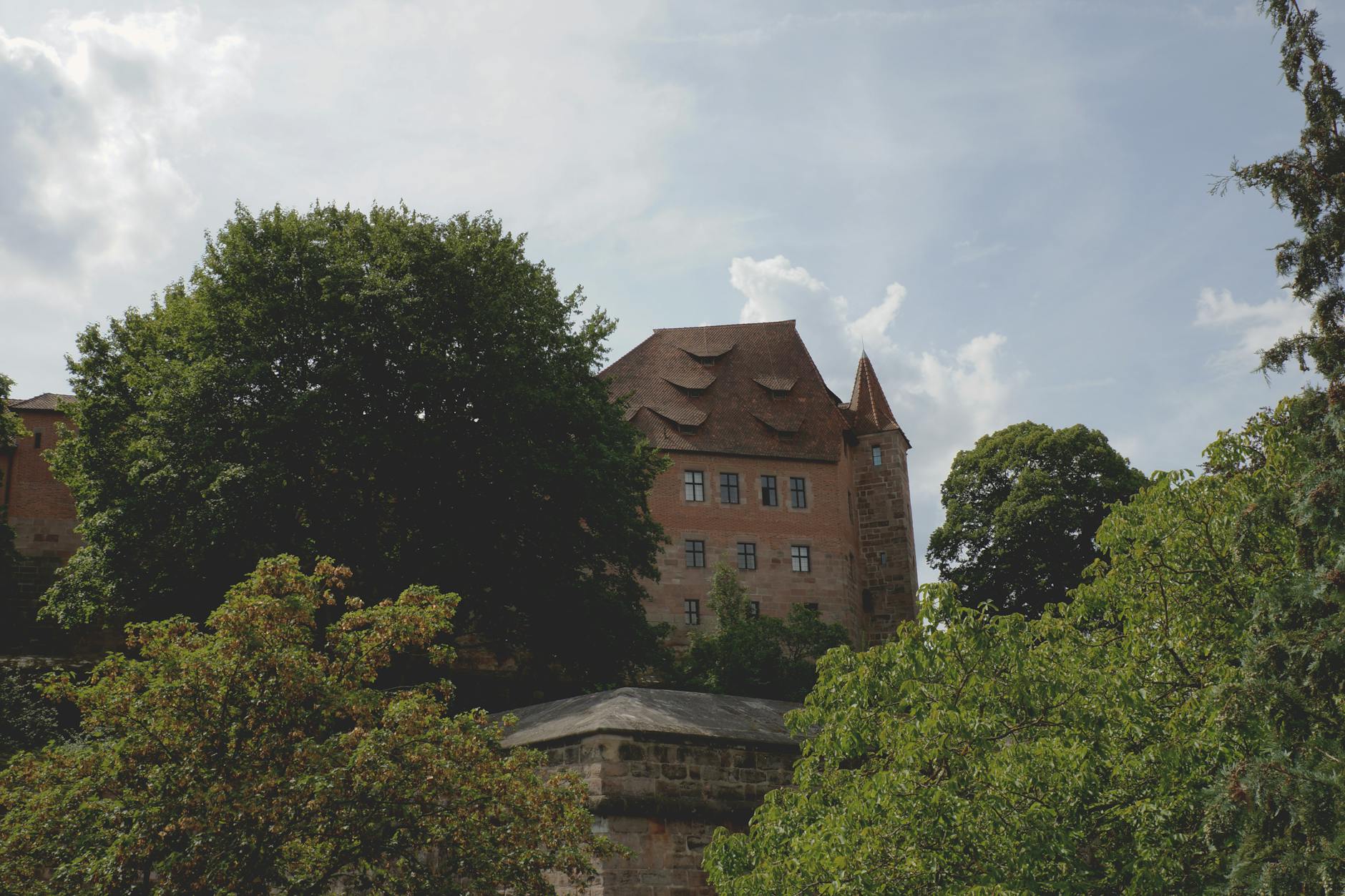
Nuremberg day trip Munich is one of Bavaria’s most rewarding short excursions — 90 minutes north by ICE train brings you to a city of medieval ramparts, the Imperial Castle that hosted German emperors, the world’s most famous Christmas market, finger-sized Nürnberger bratwurst grilled over beechwood, and the courtroom where the Nazi war crimes trials concluded the Third Reich. Despite enormous WWII damage, Nuremberg’s reconstructed old town remains one of Germany’s most atmospheric historic centres. This guide covers a complete Nuremberg day trip from Munich: how to get there, the must-see sights, what to eat, when to visit, and how to combine the medieval, royal, and 20th-century history threads into a single day.
Nuremberg Day Trip at a Glance
| Detail | Information |
|---|---|
| Distance from Munich | 170 km north |
| ICE train time | 1 hour 5 minutes (direct) |
| RE train time | 1 hour 50 minutes (regional) |
| Drive time | 1 hour 50 minutes via A9 |
| Train station | Nürnberg Hauptbahnhof |
| Walk station to old town | 5 minutes through the Königstor gate |
| Best time on site | 9–10 hours including travel |
| Top sight | Imperial Castle (Kaiserburg) |
| Iconic food | 3 Nürnberger Bratwurst in a bread roll, €5 |
| Famous market | Christkindlesmarkt (late November–24 December) |
| Cost (round-trip family of 4 Bayern-Ticket) | €69 |
| Cost (round-trip ICE solo) | €80–€120 advance / €120–€150 same-day |
Getting from Munich to Nuremberg
ICE Train (Fastest)
Deutsche Bahn’s ICE high-speed trains run hourly from Munich Hauptbahnhof to Nuremberg Hauptbahnhof. Travel time 1 hour 5 minutes; trains are modern, with reclining seats, dining car, and Wi-Fi. Standard adult fare €80 to €120 each way booked on the day; €30 to €55 with Sparpreis advance tickets booked 3+ weeks ahead. First class adds €15 to €30.
Regional Train + Bayern-Ticket
The Bayern-Ticket (€34 first adult + €10 each additional adult up to 5, children free) covers regional RE trains; the journey takes 1 hour 50 minutes with one change. Cheapest option for groups and families. Valid 09:00 to 03:00 next day weekdays, all day weekends.
Driving
1 hour 50 minutes via the A9 motorway. Parking is paid (€20 to €30 daily at central garages). Faster than regional train but slower than ICE. Not recommended unless combining with onward Romantic Road travel.
FlixBus
€8 to €18 one-way; 2 hours 30 minutes. Cheaper than the train but slower. Suitable for budget travelers; less comfortable than the train for a day trip.
Must-See Nuremberg Sights
Imperial Castle (Kaiserburg)
The dominant feature on Nuremberg’s skyline, the Kaiserburg sat on a sandstone outcrop above the old town for 500 years as one of the residences of the Holy Roman Emperors. The current complex dates from the 11th to 16th centuries. Highlights include the Romanesque Palas, the Imperial Apartments, the deep well, the Sinwell Tower viewpoint, and the museum within. €7 adult, €6 reduced, under 18 free. Allow 90 minutes to 2 hours. Walk uphill from the train station; allow 20 minutes.
Old Town and the City Walls
Nuremberg’s old town is encircled by partially intact medieval walls and gates. The Königstor gate at the train station entrance, the Frauentor and the Hallertor anchor the southern walls; the tower-and-gate system extends nearly 4 km around the historic centre. Walk a section atop the walls for a view of the rooftops and the Kaiserburg. Free; open during daylight hours.
Hauptmarkt and the Schöner Brunnen
Nuremberg’s central square is the heart of daily life and the site of the famous Christkindlesmarkt. The 14th-century Gothic Schöner Brunnen (Beautiful Fountain) on its southwest corner is a 19-metre stone spire decorated with 40 figures. Touch the small golden ring set into the wrought-iron grille for luck — a centuries-old tradition. Free.
St Sebald and St Lawrence Churches
Two great Gothic churches anchor Nuremberg’s old town. St Sebald (1230–1379) holds Veit Stoss’s spectacular ‘Tobias and the Angel’ carving and the bronze tomb of St Sebaldus. St Lawrence (1250–1477) houses Veit Stoss’s ‘Angel Salutation’ suspended from the ceiling — one of late medieval Germany’s finest sculptures. Both free; donations welcomed.
Albrecht Dürer’s House
Renaissance master Albrecht Dürer (1471–1528) lived and worked in the half-timbered house on Albrecht-Dürer-Platz from 1509 until his death. The house museum reconstructs Dürer’s living quarters and workshop, with engravings, woodcuts, and panels on his life. €7 adult, €2.50 child. Allow 60 minutes.
Documentation Centre Nazi Party Rally Grounds
Nuremberg was the propaganda capital of the Third Reich — the Nazi Party Rally Grounds (Reichsparteitagsgelände) at the city’s southeastern edge hosted the annual mass rallies that became fascist iconography. The Documentation Centre, housed in the unfinished Congress Hall designed by Albert Speer, presents a sobering history of Nazi rise and atrocities. €6 adult, €1.50 child. Allow 2 hours. Tram 8 or 9 from the Hauptbahnhof.
Memorium Nuremberg Trials
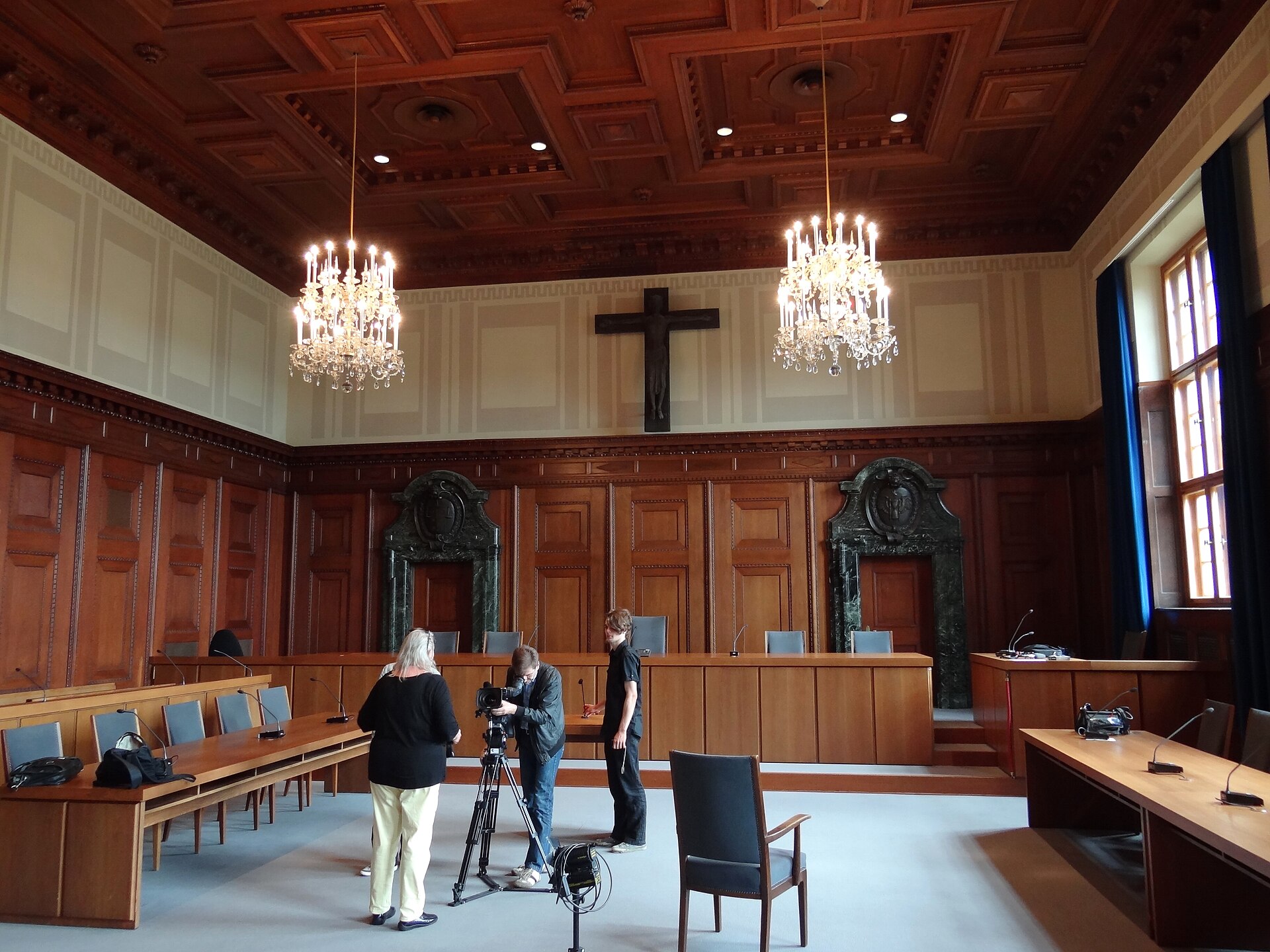
Courtroom 600 of the Palace of Justice hosted the post-WWII trials of major Nazi war criminals (1945–1946). The Memorium preserves the courtroom and documents the proceedings with English-language audio guide. €6 adult, €1.50 child. Allow 90 minutes. U-Bahn U1 from the Hauptbahnhof to Bärenschanze.
German National Museum (Germanisches Nationalmuseum)
The largest museum of German art and culture, with 1.3 million objects spanning prehistory to the modern era. Highlights include Albrecht Dürer paintings, a complete late-Gothic interior, and the world’s largest collection of medieval German art. €10 adult, €5 reduced, under 18 free. Allow 2 to 3 hours.
What to Eat in Nuremberg
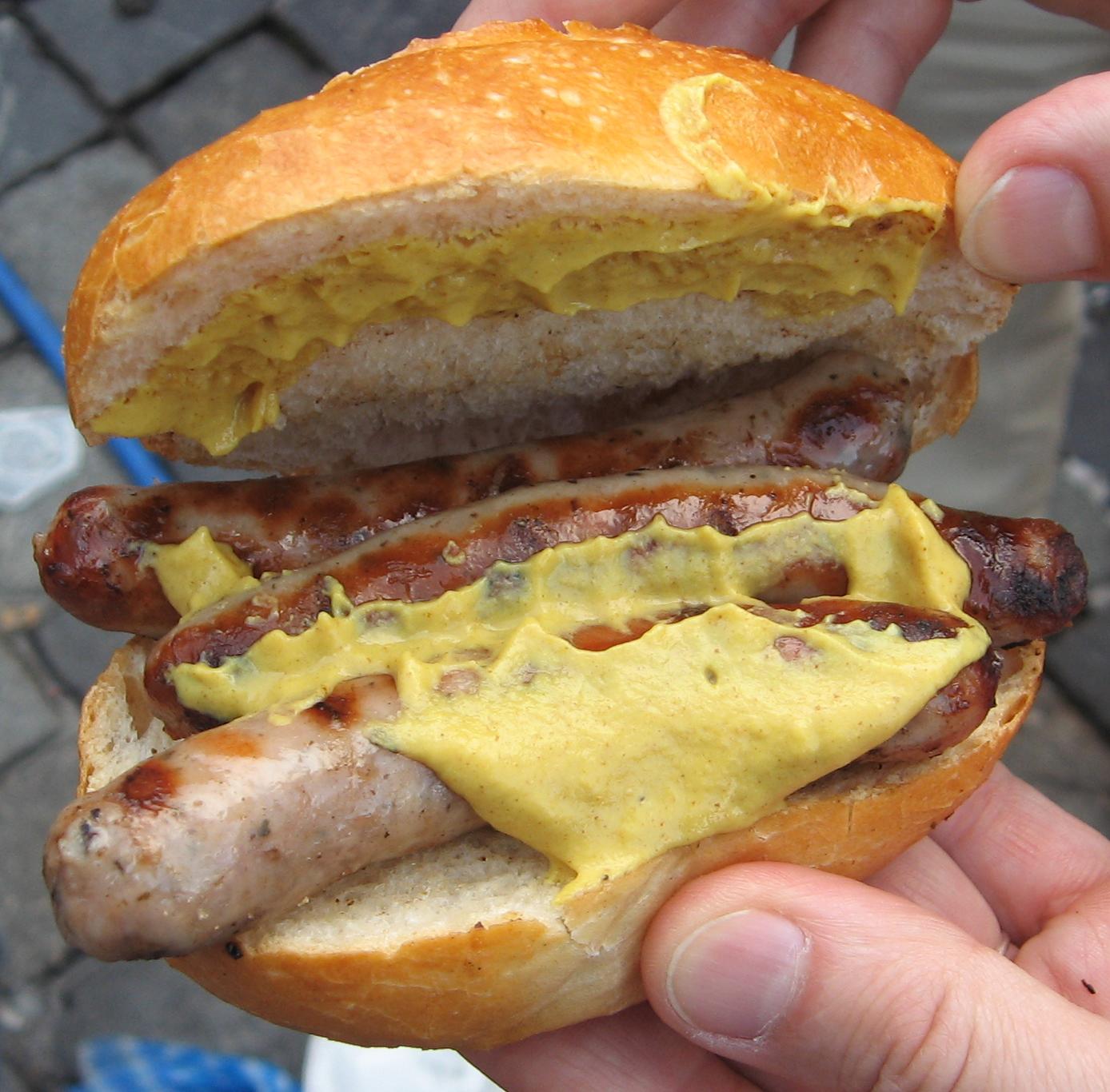
Nuremberg’s culinary identity is built on two iconic products: Nürnberger Rostbratwurst (the slim, finger-sized grilled sausage protected by EU origin certification) and Nürnberger Lebkuchen (the spiced gingerbread originally made by monasteries for monks during fasting periods).
- Nürnberger Rostbratwurst — Always grilled over beechwood. Order three in a Brötchen with sweet mustard (€5 to €6) or six on a tin plate with sauerkraut and bread (€10 to €13).
- Schäuferla — Roasted pork shoulder with crackling skin, served with knödel and dark gravy. €15 to €20.
- Nuremberg Lebkuchen — Round soft gingerbread, often coated in chocolate or icing. €15 to €35 per tin (12 to 24 pieces). Iconic gift to bring home.
- Sauerbraten — Marinated roast beef with raisin sauce. €18 to €25.
- Karpfen blau — Steamed carp; winter specialty. €18 to €26.
- Drei im Weckla — Local name for ‘three in a bread roll’ Bratwurst.
Best Places to Eat
- Bratwursthäusle bei St Sebald — Most famous Bratwurst restaurant; communal tables, grilled to order. Albrecht-Dürer-Platz 1.
- Bratwurst-Röslein — Self-proclaimed largest Bratwurst restaurant in the world. Rathausplatz 6.
- Goldenes Posthorn — One of Germany’s oldest restaurants (open since 1498). Traditional Franconian.
- Sebald — Modern Bavarian-Franconian; popular with locals. Weinmarkt 14.
- Café am Trödelmarkt — Riverside café with old town views.
- Heilig-Geist-Spital — Restaurant inside the historic Holy Spirit Hospital; bridges over the river.
Nuremberg Christmas Market
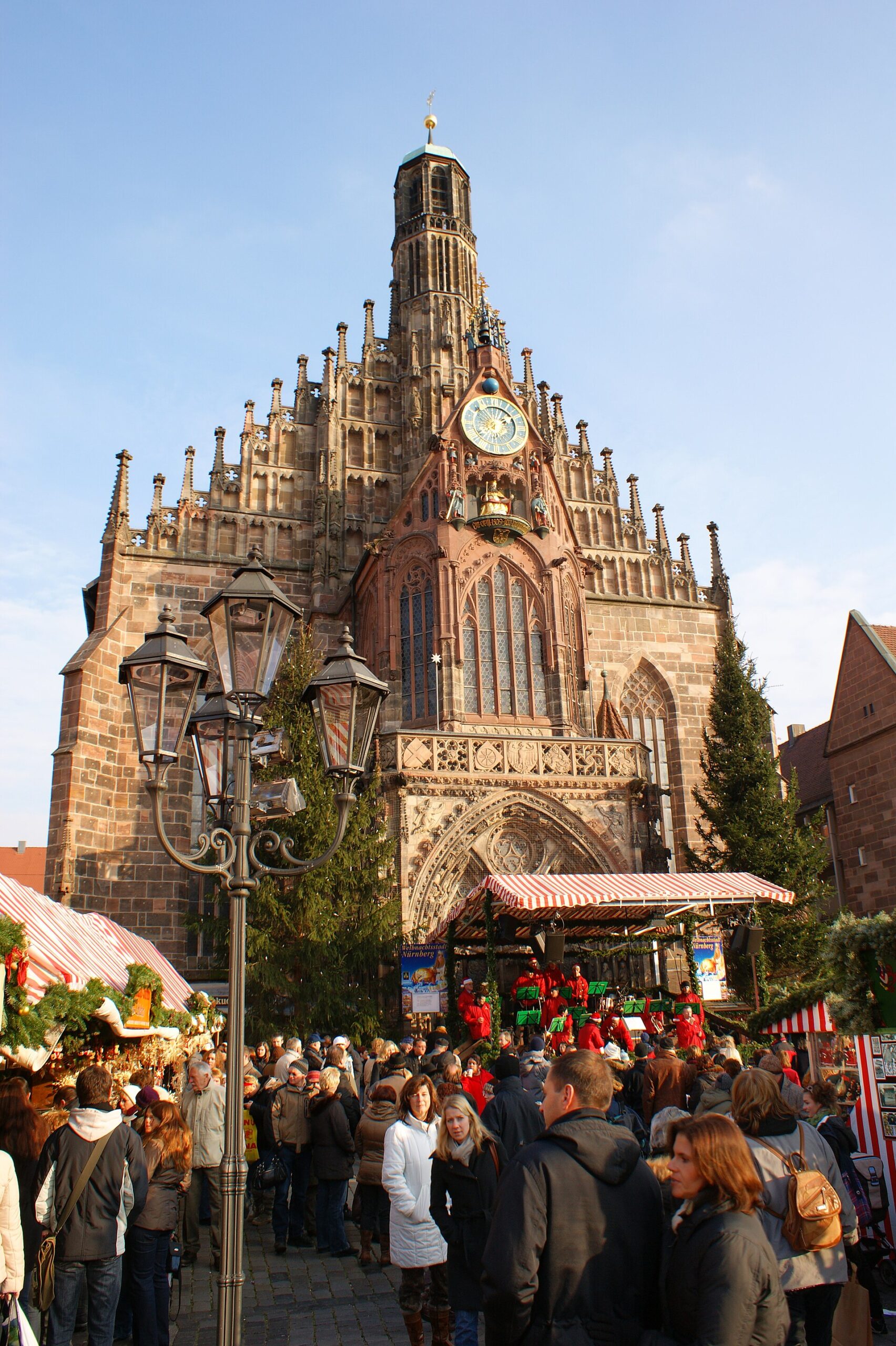
The Christkindlesmarkt on Hauptmarkt is one of the world’s most famous Christmas markets, attracting two million visitors over a four-week run from late November to 24 December. Roughly 180 wooden stalls sell Nuremberg Lebkuchen, mulled wine (Glühwein), gebrannte Mandeln, hand-painted glass ornaments, Erzgebirge wooden Christmas figures, and the famous Zwetschgenmännle — small figurines made of dried plums. The market opens with a ceremonial speech from the Christkind (a young woman in golden robes representing the Christ Child) on the Friday before the first Advent Sunday.
Open daily from late November to 24 December, 10:00 to 21:00 (closes at 14:00 on Christmas Eve). Combining Munich’s and Nuremberg’s Christmas markets is a popular two-city December trip. Note: the Nuremberg market is the most crowded German Christmas market — expect serious crowds, especially on weekends and evenings in mid-December.
Sample Nuremberg Day Itinerary
- 08:00 — Depart Munich Hauptbahnhof on ICE train.
- 09:05 — Arrive Nuremberg Hauptbahnhof; walk to Königstor and through the old town walls.
- 09:30 — Hauptmarkt and Schöner Brunnen; Christkindlesmarkt in December.
- 10:00 — Walk uphill to Imperial Castle (Kaiserburg).
- 10:20 — Castle tour and Sinwell Tower viewpoint.
- 12:00 — Lunch at Bratwursthäusle bei St Sebald: three Nürnberger in a Brötchen with sweet mustard.
- 13:00 — St Sebald church; walk to Albrecht Dürer’s House.
- 14:00 — Cross river to Heilig-Geist-Spital; St Lawrence church.
- 15:00 — German National Museum or Tram 8 to Documentation Centre Nazi Party Rally Grounds.
- 17:30 — Coffee and Lebkuchen at a Hauptmarkt café.
- 18:30 — Walk back to Hauptbahnhof; buy Lebkuchen tins for the train ride home.
- 19:00 — Train back to Munich.
- 20:05 — Arrive Munich.
When to Visit Nuremberg
| Season | Pros | Cons |
|---|---|---|
| Spring (Apr–May) | Mild weather, blooming gardens, fewer tourists | Castle tower exposed to wind |
| Summer (Jun–Aug) | Long days, outdoor café culture, beer-garden season | Crowded; some street performance noise |
| Autumn (Sep–Oct) | Golden trees, harvest menus, comfortable | Approaching Christmas-market chaos |
| Late Nov–24 Dec | Christkindlesmarkt magic | Enormous crowds, especially weekends |
| Jan–Mar | Quiet, cheap, atmospheric in snow | Reduced hours at some sights |
Practical Tips
- Buy ICE tickets 3+ weeks in advance for €30–€55 each way — half the on-the-day price.
- Bring cash for smaller market stalls and family-run restaurants.
- Wear flat shoes — the cobblestone streets are uneven.
- Allow extra time for the uphill walk to the castle — there’s no shuttle.
- Buy Lebkuchen tins from the Hauptmarkt rather than the train station — better quality, similar prices.
- Combine with the Documentation Centre only if you have a full day; both castle and centre in one day is tight.
- Tram and U-Bahn day ticket €10 covers the city if you’re seeing the Nazi Party Rally Grounds.
- Train back to Munich runs until 22:30; some travelers add dinner at Heilig-Geist-Spital before returning.
Nuremberg’s Hidden Sights Worth Knowing
Hangman’s Bridge (Henkersteg)
A covered wooden footbridge crossing the Pegnitz river to the small island where Nuremberg’s executioners lived during the medieval period — society shunned them so completely they had to be physically separated from the city. The bridge and the tower-house remain intact; visit by walking across from Trödelmarkt. A few minutes; free.
Toy Museum (Spielzeugmuseum)
Nuremberg has been Europe’s toy-making capital since the 14th century. The Toy Museum holds 12,000 historical toys from across the city’s manufacturing past. €7 adult, €4 child. Children love it; adults find it surprisingly poignant. Allow 90 minutes.
Underground Beer Cellars
Beneath Nuremberg’s sandstone hill runs a network of medieval beer cellars — 4 km of vaulted underground chambers carved over centuries. Guided tours (€10 adult, 75 minutes) descend into the cellars to explain their role in beer storage, WWII air-raid shelter use, and current preservation. Cool year-round at 8°C; bring a jacket.
Albrecht Dürer’s Footprints
Beyond Dürer’s house, footprint plaques throughout the old town mark locations Dürer painted or visited. A self-guided ‘Dürer Trail’ connects them; tourist-information offices provide free maps.
Walk the Old Town Walls
Sections of the medieval walls are walkable. The route along the Vestnertor and Tiergärtnertor offers excellent views over the rooftops and the Imperial Castle. Free; open during daylight hours.
Nuremberg vs Munich: A Comparison
| Aspect | Munich | Nuremberg |
|---|---|---|
| Population | 1.5 million | 520,000 |
| Walking-friendly old town | Compact 1 km radius | Larger 1.5 km radius walled centre |
| Royal heritage | Wittelsbach dynasty (Residenz, Nymphenburg) | Holy Roman Emperors (Kaiserburg) |
| Famous food | Weisswurst, Schweinshaxe, Pretzeln | Nürnberger Bratwurst, Lebkuchen |
| Christmas market | Marienplatz (huge, polished) | Christkindlesmarkt (most famous, even bigger) |
| WWII history | Documentation Centre | Documentation Centre + Trials Memorium |
| Tourist crowds | Steady year-round | Most concentrated in December |
| Beer culture | Beer halls (Hofbräuhaus, Augustiner) | Smaller breweries; Franconian Rotbier |
| Skiing access | Easy day trip to Garmisch | Less direct |
If You Stay Overnight: Best Hotels in Nuremberg
- Le Méridien Grand Hotel Nürnberg — Historic 5-star opposite the Hauptbahnhof. Doubles €180 to €280.
- Hotel Drei Raben — Boutique design hotel in the old town. Doubles €140 to €220.
- Hotel Elch — Half-timbered building near the castle. Doubles €110 to €170.
- Burghotel — At the foot of the Imperial Castle. Doubles €120 to €190.
- Five Reasons Hostel — Modern hostel in the old town. Dorm €25 to €45.
- MEININGER Hotel Nürnberg — Family rooms; hostel-hotel hybrid. Doubles €85 to €130.
- Hotel Victoria — Reliable 3-star near the Hauptbahnhof. Doubles €100 to €145.
Combining Nuremberg with Other Bavarian Cities
Two-Day Bavarian History Trip
Day 1: Munich Documentation Centre and Munich Residenz history floor. Day 2: ICE to Nuremberg early; full day combining old town, Imperial Castle, and Documentation Centre Nazi Party Rally Grounds. Return to Munich evening. The two-day combo gives a comprehensive Bavarian 20th-century history immersion.
Romantic Road Loop
Munich → Nuremberg (ICE 1h) → Rothenburg ob der Tauber (2h) → Dinkelsbühl (1h) → Nördlingen (45m) → Augsburg (1h) → Munich (40m). A 5-day, 5-city loop covering the most iconic Bavarian medieval and royal heritage. Bayern-Ticket day-by-day works for cost-conscious travelers.
Christmas Market Tour
Two-day December trip with Munich Christmas markets on Day 1 and Nuremberg Christkindlesmarkt on Day 2. ICE travel between cities; book accommodations and ICE seats in advance for December. Many travelers describe this combo as their best Bavarian Christmas experience.
Frequently Asked Questions
Is Nuremberg worth visiting from Munich?
Absolutely. The combination of medieval old town, Imperial Castle, Dürer connection, world-famous Christmas market, and substantial 20th-century history makes Nuremberg one of Bavaria’s most rewarding cities. A full day is the minimum; overnight stays let you slow down.
Is the Christkindlesmarkt really worth the crowds?
Yes, but choose your timing. Weekday mornings (10:00 to 12:00) are the calmest. Weekend afternoons and evenings are extremely crowded. Visit on a Tuesday or Wednesday for the most enjoyable experience.
Can I combine Nuremberg with Rothenburg in one day?
Possible but tight. Both cities deserve full days; combining them means a quick highlights tour of each. If you must combine, take an early train to Rothenburg (2h 50m via Treuchtlingen and Steinach), spend the morning there, train to Nuremberg in the afternoon, and return to Munich in the evening.
Is the Documentation Centre too heavy for a casual day trip?
Depending on temperament. The content is deeply sobering. Visitors interested in 20th-century history find it essential; visitors focused on lighter sightseeing may find it overwhelming for a day-trip itinerary. Consider visiting on a separate Nuremberg overnight if you want the medieval old town to feel its own.
What’s the cheapest way to do Nuremberg from Munich?
Bayern-Ticket (€34 solo / €74 group of 5) covers regional trains plus Munich and Nuremberg transit. Bring food from a Munich supermarket; €10 to €15 for lunch at a market stall; total day cost around €60 to €80 per person for a budget-conscious trip.
Is Nuremberg good with kids?
Yes. The Imperial Castle is genuinely exciting for ages 6+; the Toy Museum captivates younger children; the Bratwurst restaurants are family-friendly. The Documentation Centre and Trials Memorium are not recommended for under-12s but the older medieval sights work well for all ages.
How crowded is the train back to Munich on a Sunday?
Sunday afternoons can be busy; reserve seats on the ICE if traveling at peak times. Regional trains have unreserved seating and can be standing-room-only on busy days; consider a slightly earlier or later train. Bayern-Ticket-holders should travel mid-afternoon for the most comfortable trip.
Are there guided Nuremberg tours in English?
Yes. Sandeman’s New Europe runs a free walking tour daily at 11:00 from the Hauptmarkt (tip-based). The Nuremberg Tourist Office offers 90-minute paid guided tours in English at €12 per person. Specialized Third Reich tours focus on the Documentation Centre and Trials Memorium for €30 to €45.
Is there a Munich-style beer hall in Nuremberg?
Yes, in scale. Bratwurst-Röslein near the Hauptmarkt seats around 1,000 in a beer-hall format. Hausbrauerei Altstadthof has a smaller traditional brewery feel. Both serve Bratwurst, Schäuferla, and Franconian beer with the same communal-table tradition as Munich’s beer halls.
Can I see Nuremberg in three hours?
Tight but possible. A three-hour visit: Hauptmarkt, Schöner Brunnen, brief castle exterior view, lunch at Bratwursthäusle, ICE back. You’ll miss the castle interior, the Documentation Centre, and the Trials Memorium, but you’ll catch the spirit of the place. Not recommended on a first visit.
Is Nuremberg safe?
Yes. Similar safety profile to Munich. The area around the Hauptbahnhof at night can feel slightly grittier than the old town, but the old town itself is comfortably safe day and night. Standard urban awareness applies.
How expensive is Nuremberg compared to Munich?
10 to 20 percent cheaper across hotels, restaurants, and museum entries. The old town has a similar price level for tourist food (Bratwurst at central restaurants), but accommodation and most services run noticeably below Munich pricing. Worth considering as an alternative base for Bavarian visits.
Are there outdoor activities near Nuremberg?
Yes. The Nuremberg Castle area is set in landscaped parks; the Pegnitz river offers riverside walks; and the broader Nuremberg countryside has cycling routes. Nuremberg’s parks (Hesperidengärten, Burggraben) provide pleasant outdoor breaks within the city. The nearby Franconian Switzerland (Fränkische Schweiz) region offers hiking 30 to 60 minutes east of the city.
What’s the deal with the Nürnberger Bratwurst size?
Nürnberger Rostbratwurst is famously small — finger-sized rather than the longer ‘normal’ Bratwurst. The size is protected by EU origin certification and has been a Nuremberg specialty since at least the 16th century. Legend has it that ‘three in a Brötchen’ originated as a way to slip small sausages through the night window of locked-up taverns to passing nobles. The slim shape means they cook to a juicy crispness in under 8 minutes over beechwood fires.
Is Nuremberg part of the Christmas Market ‘Christmas Capital’ rivalry with Munich?
Yes, indirectly. Both cities claim some of Germany’s most famous Christmas markets. Nuremberg’s Christkindlesmarkt is older and more world-renowned; Munich’s Marienplatz Christkindlmarkt is bigger by sheer venue area. Locals from both cities argue the merits; most visitors find both worth visiting on a longer December Bavarian trip.
Plan Your Munich Trip
- Best Day Trips from Munich — master overview
- Rothenburg ob der Tauber Day Trip — Nuremberg’s medieval cousin
- Munich Christmas Markets — Munich’s home market
- Munich Tickets and Travel Passes — cheapest regional pass
- Munich History Museums — for further WWII history
Photo Credits
Drei im Weggla: Drei im Weggla by Jarlhelm, CC BY-SA 3.0, via Wikimedia Commons.
Courtroom 600 in Nuremberg: Interior of Courtroom 600 – Where Nazi Leaders Were Tried – With Documentary Filmmakers Setting Up – Palace of Justice – Nuremberg-Nurnberg – Germany by Adam Jones, Ph.D., CC BY-SA 3.0, via Wikimedia Commons.
Nuremberg’s Christkindlesmarkt: Christkindlesmarkt 2008 – panoramio by jorabo, CC BY 3.0, via Wikimedia Commons.