Oktoberfest 2027 Dates, Hours & Schedule
Oktoberfest 2027 runs September 18 to October 3. Get the official dates, plus the 2026 opening hours, key events (Mayor's Tapping, Trachtenumzug parade, Italian Weekend, Family Days), tent schedules, and practical timing tips.
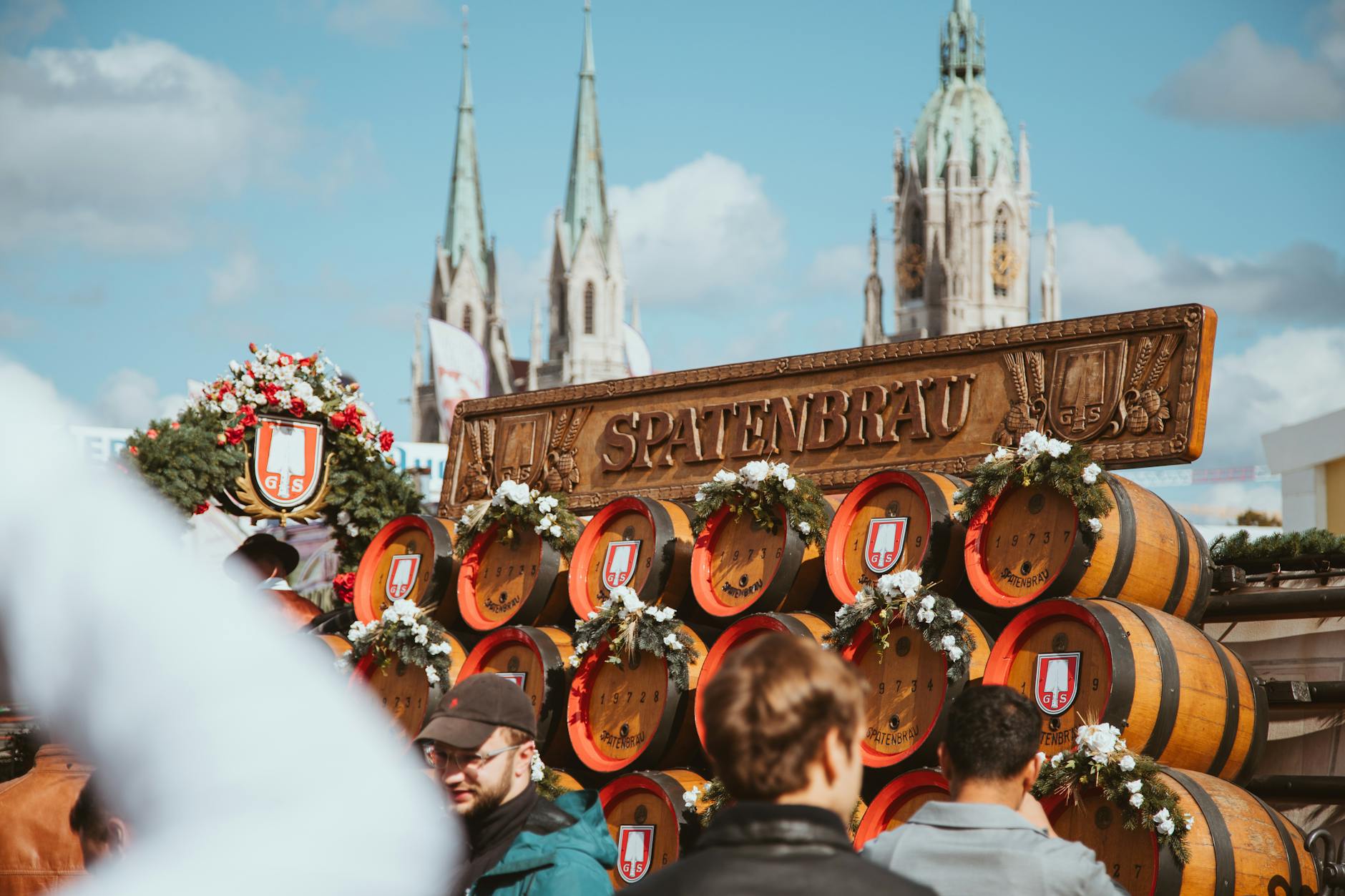
Oktoberfest 2026 dates were Saturday, September 19 to Sunday, October 4, and that 191st Wiesn is now over. The next one is already fixed: the 192nd edition of the world’s largest folk festival runs from Saturday, September 18, 2027 to Sunday, October 3, 2027 — 16 full days on the Theresienwiese in Munich, closing on German Unity Day. The 2027 programme has not been published yet, so this guide keeps the official 2026 calendar day by day, clearly labelled, alongside the daily opening hours, key event days (the Mayor’s Tapping, the Trachten- und Schützenzug parade, the Italian Weekend, the Family Days, the closing Böllerschießen), the 2026 tent-by-tent beer prices, the Oide Wiesn’s separate hours, and practical timing tips — so you can plan when to arrive, when to enter a tent, and which days to choose for the experience you want. Dates, hours and prices below were checked against oktoberfest.de and the City of Munich’s official figures in October 2026; hours, prices and programme details are 2026’s until the 2027 ones are out.
Oktoberfest 2026 Dates at a Glance
| Detail | Date / Time |
|---|---|
| First day | Saturday, September 18, 2027 |
| Last day | Sunday, October 3, 2027 |
| Duration | 16 days |
| Mayor’s Tapping (O’zapft is!) | Saturday, September 18, 2027, traditionally at 12:00 noon in the Schottenhamel tent |
| Costume & Riflemen Parade | 2027 date and time not yet published (2026: Sunday, September 20, around 10:00) |
| Italian Weekend | Second weekend of the run; 2027 programme not yet published (2026: September 25–27) |
| Family Days (Familientage) | Not yet announced for 2027 (in 2026: the festival’s Tuesdays, reduced prices until 19:00) |
| Day of German Unity | Sunday, October 3, 2027 (public holiday and closing day) |
| Last call (closing) | Sunday, October 3, 2027 (22:30 in 2026) |
| Edition number | 192nd Oktoberfest |
Why These Specific Dates? A Brief Note on the Calendar
The first Oktoberfest was held on October 12, 1810 to celebrate the marriage of Crown Prince Ludwig (future King Ludwig I) and Princess Therese of Saxe-Hildburghausen. The festival proved so popular that it was repeated the following year and has run almost annually since (with cancellations only for cholera, world wars, and the 2020–21 COVID-19 pandemic). From 1872 the dates moved forward into September to take advantage of warmer weather, and the festival traditionally starts on the Saturday after September 15 and usually runs until the first Sunday in October.
Two rules set the dates. The festival opens on the Saturday after 15 September, and it closes on the first Sunday in October — unless that Sunday falls on 1 or 2 October, in which case the run is extended to 3 October so that it ends on the Tag der Deutschen Einheit (German Unity Day). Those extended years run 17 or 18 days rather than the usual 16, and they are the only ones that finish on a weekday instead of a Sunday. In 2026 the first Sunday is 4 October, no extension applies, and the run is exactly 16 days.
Daily Opening Hours: When Tents Open and Close in 2026
Opening hours during Oktoberfest are largely standard, but vary by day type and by tent. The figures below match the official schedule published by the City of Munich for 2026:
Big Festival Tents (Festzelte)
- Opening day (Saturday, September 18, 2027): In 2026 the tents opened at 09:00 and beer flowed only after the 12:00 tapping; the 2027 times have not been published yet
- Weekdays (Mon–Fri): Tents open at 10:00; last beer at 22:30; music ends 22:30; tents close 23:30
- Weekends and October 3 holiday: Tents open at 09:00; last beer at 22:30; close 23:30
- Closing day (Sunday, October 3, 2027): Falls on German Unity Day; in 2026 the final last call came at 22:30
Small Tents, Snack Pavilions, and Cafés
- Opening times vary by operator, so check the stall or café itself
- Last beer and music at 23:00 — half an hour later than big tents
Late-Night Exceptions
- Käfer Wiesn-Schänke: open until 01:00; last drink 00:30
- Kufflers Weinzelt (wine tent): open until 01:00; last drink 00:30
The Funfair (Rides, Stalls, Games)
- Monday to Thursday: 10:00–23:30
- Friday: 10:00–24:00 (2026 hours)
- Saturday: 09:00–24:00
- Sunday and 3 October: 09:00–23:30
- Opening Saturday, 18 September 2027: rides do not start until 12:00; in 2026 they then ran to 24:00
- Some food stalls stay open a little later than the rides themselves
Day-by-Day: Key Events of Oktoberfest 2026
Saturday, September 19 — Opening Day
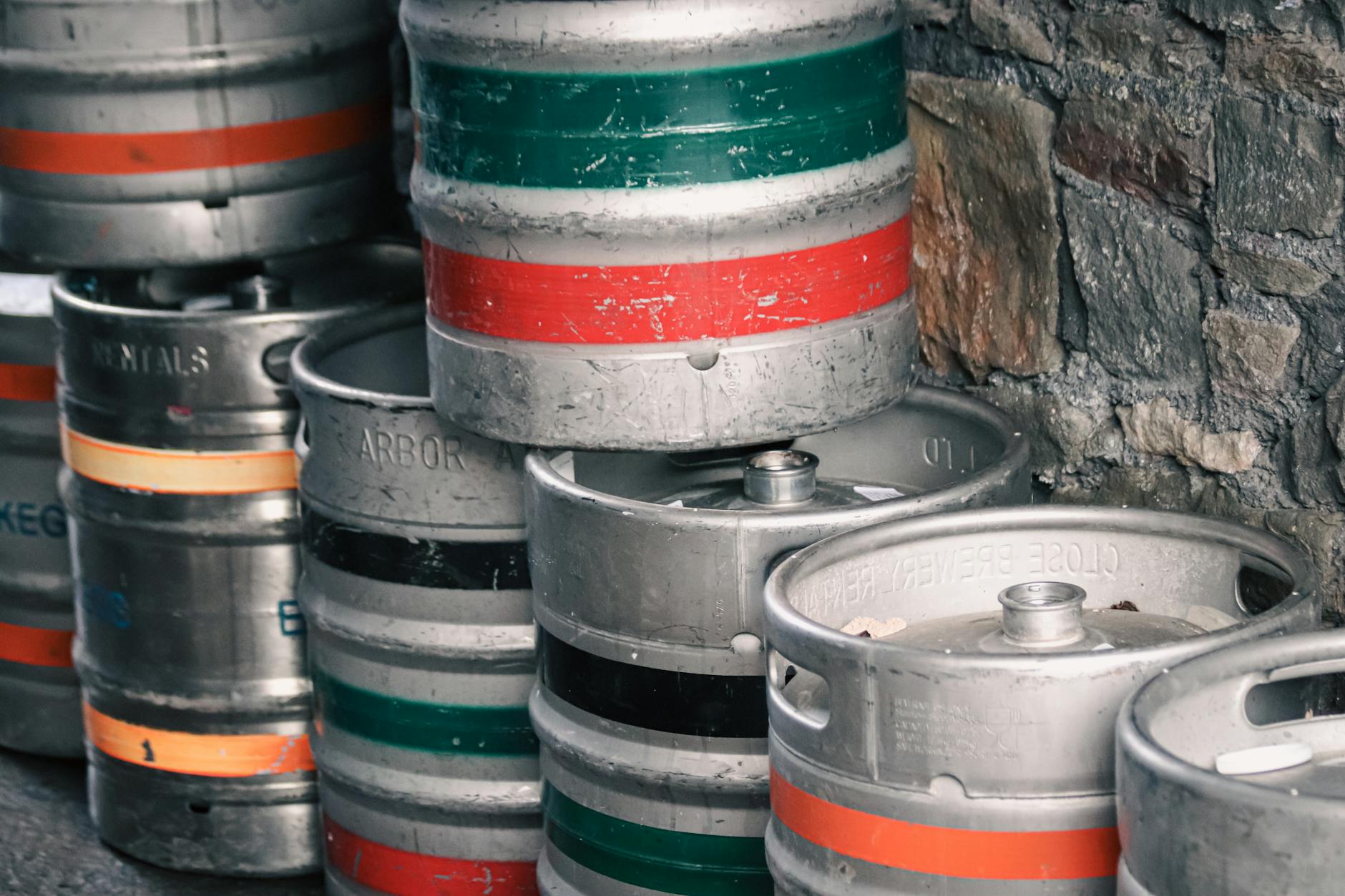
The next opening day is Saturday, 18 September 2027. In 2026 the festival officially began with the Wiesn-Einzug der Wiesnwirte, a parade of festival hosts, brewery wagons, marching bands, and waitresses that left Sonnenstraße at 10:45 and arrived at the Theresienwiese around 11:30. At exactly 12:00 noon, Munich’s Lord Mayor traditionally steps inside the Schottenhamel tent and taps the first keg with as few hammer blows as possible, then shouts “O’zapft is!” (“It is tapped!”) — the official start of the festival. Twelve cannon shots from the steps of the Bavaria statue follow, signaling the other 13 big tents to start serving. The first litre of beer goes to the Bavarian Minister-President. On the 2026 opening day the tents opened at 09:00 and served food and soft drinks from 10:00, but no beer is poured anywhere on the Theresienwiese before the tapping — and the funfair rides stay still until 12:00 as well. If you want to be inside a tent for the moment itself, you need to be queuing well before the doors open.
Sunday, September 20 — Costume and Riflemen’s Parade
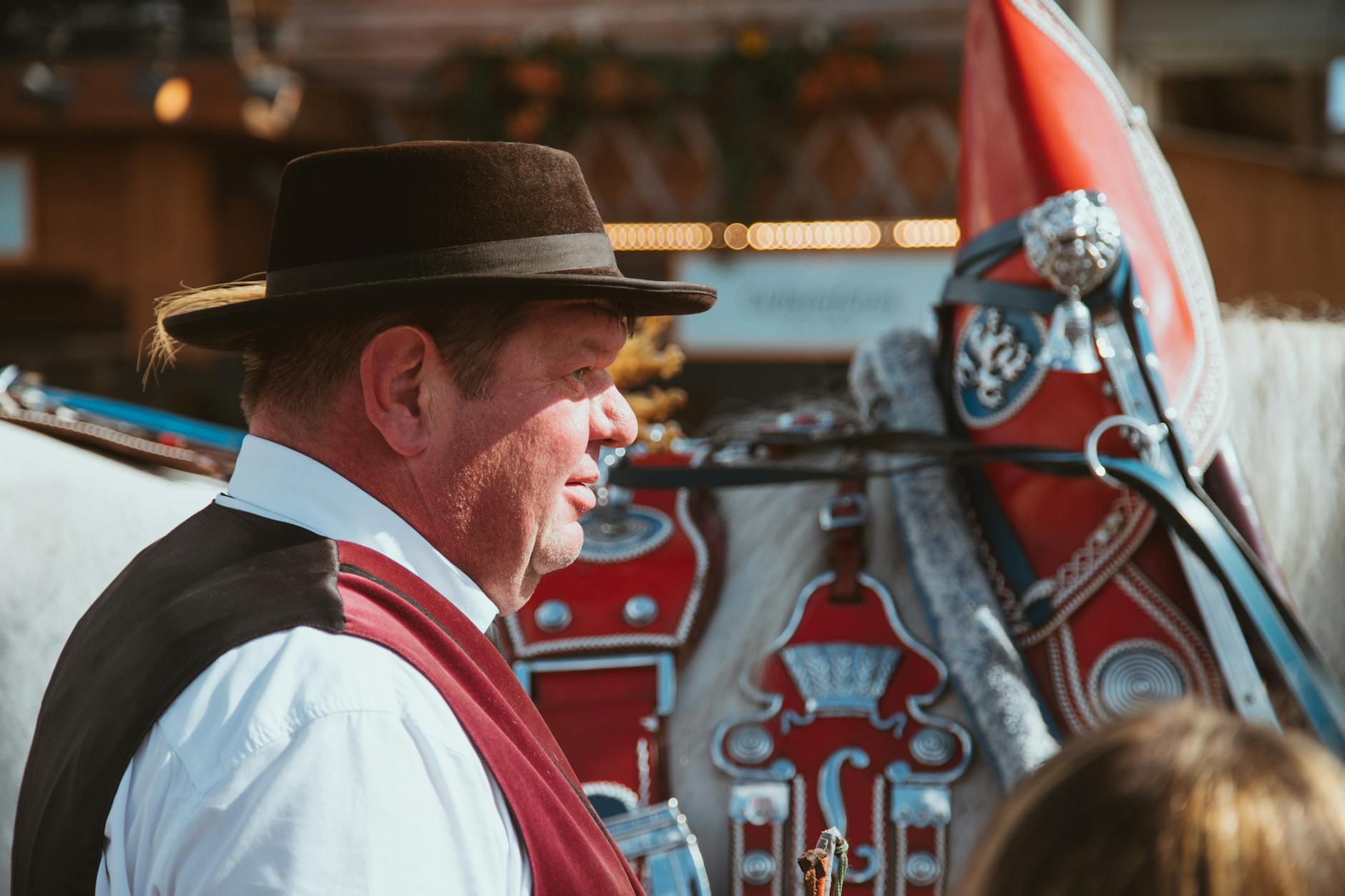
On the first Sunday, the Trachten- und Schützenzug — one of the largest traditional parades in the world — winds 7 km through the city from Maximilianstraße to the Theresienwiese, starting around 10:00. About 9,000 participants in regional Bavarian, Tyrolean, Swabian, Hessian, and other historical costumes march alongside marching bands, riflemen’s guilds, alpine herdsmen, and brewery teams. The procession takes about three hours to pass any single point. Best public viewing spots: along Residenzstraße, Odeonsplatz, and Sonnenstraße. Free and unticketed.
Tuesday, September 22 — First Family Day
In 2026 both Tuesdays of the run — 22 and 29 September — were official Familientage (Family Days). Rides, sideshows and snack stalls charged reduced prices until 19:00, and many tents ran cheap lunch menus until 15:00. The Hofbräu-Festzelt kept roughly 600 seats free for families between 11:00 and 15:00 on those days. Note that the discount is set by each operator rather than fixed at a flat rate, so it varies from stall to stall. The 2027 Family Days have not been announced yet. These are comfortably the calmest days of the festival and the ones to build a family visit around — our Oktoberfest with kids guide covers the rest.
Thursday, September 24 — Wiesngottesdienst
The ecumenical festival service is held in the Marstall tent on the first Thursday, before the day’s serving begins. It is short, open to anyone, conducted mostly in German, and a genuinely odd and lovely thing to have seen — a beer tent full of people singing hymns to the same brass band that will be playing drinking songs eight hours later. No ticket, no reservation; just turn up.
September 25–27 — Italian Weekend
The second weekend of the run is known as the Italian Weekend, because tens of thousands of Italian visitors traditionally drive up from Lombardy, Veneto and South Tyrol for it. Tents fill faster than on any other weekend: reservations are effectively required, and unreserved seating is usually gone by 09:30. If you want a calmer weekend, the closing one (2–4 October) is the better bet — though bear in mind that Saturday 3 October is a national holiday, so it is busy in its own right. Sunday 4 October is the softest of the three weekend days.
Sunday, September 27 — Wiesn Open-Air Concert
At 11:00 on the second Sunday, the bands from the festival tents combine for the Standkonzert der Wiesnwirte (also billed as the Platzkonzert) — around 300 musicians playing together on the steps beneath the Bavaria statue. It is free, unticketed, genuinely moving, and the best photograph of the whole festival if you get there by 10:30 for a spot on the slope.
Saturday, October 3 — Day of German Unity
Germany’s national holiday fell inside the festival in 2026, making it one of the busiest days of the run, with tents open from 09:00. The 2027 calendar moves it to the very end: Sunday 3 October is both German Unity Day and closing day. Expect peak crowds — book a table or arrive at opening if you want to enter a big tent.
Sunday, October 4 — Closing Day
The last day has two distinct halves. At 12:00 noon the Böllerschießen takes place at the foot of the Bavaria statue: massed riflemen of the Bavarian Riflemen’s Association fire a salute that echoes across the whole Theresienwiese, and it is free to watch. Then, late that night (22:30 in 2026), beer service ends with the traditional dimming of the lights, the farewell songs, and sparklers held up in the dark across the tents. By midnight the Theresienwiese is emptying for another year.
The Full 16-Day Oktoberfest 2026 Calendar
Here is the whole run on one screen: every date, when the big tents open that morning, what is happening, and how hard the day will be to walk into without a reservation. Big tents stop serving beer and music at 22:30 and close at 23:30 on every single day, including the last — that part never varies, so the opening time is the only one worth memorising.
| Date | What’s on | Big tents open | Notes | Crowds |
|---|---|---|---|---|
| Sat 19 Sep | Opening day | 09:00 (beer from 12:00) | Wirteeinzug 10:45 · Anstich 12:00 · rides from 12:00 | Extreme |
| Sun 20 Sep | Trachten- und Schützenzug | 09:00 | Costume and riflemen’s parade from 10:00 | Very busy |
| Mon 21 Sep | Quiet Monday | 10:00 | The easiest walk-in day of the whole run | Quiet |
| Tue 22 Sep | Familientag | 10:00 | Reduced ride prices until 19:00 · cheap tent lunches to 15:00 | Quiet |
| Wed 23 Sep | Midweek | 10:00 | Walk-in tables into the early afternoon | Quiet |
| Thu 24 Sep | Wiesngottesdienst | 10:00 | Ecumenical festival service in the Marstall tent | Moderate |
| Fri 25 Sep | Italian Weekend begins | 10:00 | Rides run to 24:00 · tents fill from late afternoon | Busy |
| Sat 26 Sep | Italian Weekend | 09:00 | The single hardest day to get a tent seat without a booking | Extreme |
| Sun 27 Sep | Standkonzert der Wiesnwirte | 09:00 | ~300 musicians at the Bavaria statue, 11:00 | Busy |
| Mon 28 Sep | Quiet Monday | 10:00 | The connoisseur’s day — second-week Monday | Quiet |
| Tue 29 Sep | Familientag | 10:00 | Second family day, same reductions until 19:00 | Quiet |
| Wed 30 Sep | Midweek | 10:00 | Last genuinely easy day before the closing stretch | Quiet |
| Thu 1 Oct | October begins | 10:00 | Crowds start building ahead of the long weekend | Moderate |
| Fri 2 Oct | Holiday eve | 10:00 | Rides to 24:00 · effectively a weekend night | Busy |
| Sat 3 Oct | Tag der Deutschen Einheit | 09:00 | National holiday inside the run — peak crowds | Extreme |
| Sun 4 Oct | Closing day | 09:00 | Böllerschießen 12:00 · last beer 22:30 · sparklers at close | Busy |
Read down the “Crowds” column and the shape of the festival becomes obvious. The two Mondays and the two Tuesdays are the days you can turn up at lunchtime and still find a bench; the three Saturdays and the closing weekend are the days you cannot. If your dates are flexible at all, Monday 28 September to Wednesday 30 September is the sweet spot of the entire 2026 run — the staff have hit their stride, the weather has not yet turned properly autumnal, and the tents are reachable on a whim.
Tent-by-Tent Hours and Reservation Rules
Most rules above apply to all 14 big tents and 21 small tents at Oktoberfest 2026, but a few worth noting:
- Schottenhamel hosts the official tapping at 12:00 on opening day, and the tent is packed long before it — don’t count on walking in that morning
- Hofbräu Festzelt, Augustiner-Festhalle, Hacker-Festzelt, Paulaner Festzelt, Löwenbräu-Festzelt, Schützen-Festzelt are six of the big tents
- Käferzelt and Weinzelt are the only ones open until 01:00 and tend to be celebrity hangouts after 22:30
- Two big tents (Käfer Wiesn-Schänke and Kufflers Weinzelt) are exempt from the walk-in rule; the other 12 of the 14 big tents must keep a quarter of their seats unreserved, rising to 40% on weekends and holidays until 15:00
- Reservations for 2026 are over, and there is no central booking for 2027: each tent opens its own, mostly by spring and at the latest in April or May 2027, and announces it on the tent’s website. Tents take bookings by the whole table of 8–10, not by the seat, and each seat carries a minimum food-and-drink spend. You do not need a reservation to visit; most big tents must keep a quarter of their seating free for walk-ins (40% on weekends and holidays until 15:00). See our Oktoberfest reservations guide for how the system works and how to be ready when the 2027 bookings open
Best Times of Day to Visit Oktoberfest 2026
If You Want Guaranteed Tent Entry
Weekday mornings (10:00–11:30) are the easiest time to walk into any big tent without a reservation. Even on weekends, arriving by 09:00 (when doors open at 09:00) usually guarantees seating somewhere. By 11:00 on a Saturday, big-tent doormen typically begin turning people away when tents reach capacity.
If You Want a Peak-Energy Atmosphere
Friday and Saturday evenings 18:00–22:00 are when the famous “on-the-bench” singing happens — the band typically transitions from Bavarian folk into Schlager hits and English rock around 19:00. Get a seat earlier in the day and stay; you cannot reliably enter a big tent after 18:00 on a weekend.
If You Want the Funfair Experience
The fairground (rides, games, food stalls) is best during late afternoon weekdays and in the evening when the lights come on (around 19:30 in mid-September, earlier in October). The 50-meter-tall Ferris wheel offers the best photo angle of the entire grounds.

If You’re Bringing Kids
Tuesdays (Family Days) for the funfair, and weekday afternoons before 17:00 in the tents — by city regulation, children under 6 are not allowed in the big tents after 20:00. See our Oktoberfest with kids guide, or Munich with kids for the rest of the trip.
What’s Different About Oktoberfest 2026?
The 191st Wiesn keeps the standard programme, but a handful of things genuinely change for 2026 — and the city has now published the figures that were still estimates earlier in the year:
- Beer prices are confirmed. A Maß costs €14.80 to €15.90 depending on the tent, averaging €15.61 — a 2.4% rise on 2025’s €15.25 average, and a gentler increase than the last few years
- Three new rides arrive on the Theresienwiese: Shake & Roll (a reworking of the Break Dance ride), Chaos Pendel, and Fisherman’s, a three-storey walkthrough attraction with water and 3D effects
- Two tents are new or rebuilt. Bartls Flößerstadl takes the Münchner Stubn’s pitch with around 400 seats and a regional, fair-trade and organic-leaning menu, and Bodos Cafézelt has replaced its old aluminium structure with a timber-built tent with a gallery
- The music rule has loosened. Except on opening day, big tents may play from 11:00 on weekdays and 10:00 at weekends — but only traditional brass until 12:00. The 22:30 cut-off for music and beer is unchanged
- Cashless payment keeps spreading, though more slowly than the headlines suggest: a little over half of the stalls and rides now take cards, including Apple Pay and Google Pay. Carry cash anyway — for the stalls that don’t, and for tipping your server, which is still a cash transaction in practice
- The Oide Wiesn is back. The Zentral-Landwirtschaftsfest, the agricultural show that takes over the southern corner every four years and displaces the Oide Wiesn when it does, was cancelled for 2026 — so the historic section runs as normal
- Bag rules are unchanged and strictly enforced: nothing over 3 litres in volume (roughly 20×15×10 cm), so no backpacks, large handbags or roller bags anywhere on the Theresienwiese. There is a paid left-luggage office at the grounds and lockers at the Hauptbahnhof
What a Maß Costs in 2026 (Official Prices)
The City of Munich publishes the tent-by-tent beer price list every year before the festival, and the 2026 figures are confirmed. A Maß — one litre of Wiesn-Märzen, brewed to around 6% ABV by the six Munich breweries — costs between €14.80 and €15.90, with an average across all tents of €15.61. That is a 2.4% rise on the 2025 average of €15.25, and the smallest year-on-year increase in some time.
| Where | Maß, 2026 |
|---|---|
| Cheapest anywhere on the Wiesn (Museumszelt and Familienplatzl) | €14.80 |
| Cheapest big tent (Augustiner-Festhalle) | €14.90 |
| Wirtshaus im Schichtl | €14.90 |
| Most big tents (Hofbräu, Paulaner, Hacker, Schottenhamel, Marstall, Ochsenbraterei, Käfer, Schützen) | €15.80 |
| Dearest big tents (Armbrustschützen, Bräurosl, Löwenbräu) | €15.90 |
| Average across the whole festival | €15.61 |
Two things surprise first-timers. The first is that a litre of water is not the cheap option — table water runs €8.00 to €15.33 per litre depending on the tent, and in Kufflers Weinzelt it genuinely costs more than beer does elsewhere. The second is that the price on the list is not the price you pay: a tip of 10%, or a euro or two per Maß, is expected and handed to the server when you settle. Budget around €17 per litre all-in. Our Oktoberfest cost breakdown runs the numbers for a full day, and the Oktoberfest beer guide explains what each of the six breweries actually pours.
The Oide Wiesn: Different Hours, and the Only Ticket You’ll Buy
The Oide Wiesn — the historic quarter at the southern end of the Theresienwiese, with restored century-old rides, traditional brass instead of pop covers, and a great deal more room to breathe — is on the city’s listing for the 2027 Oktoberfest, 18 September to 3 October. That is worth stating plainly, because it does not run every year: it shares its ground with the Zentral-Landwirtschaftsfest, the Bavarian agricultural show held every four years, and steps aside when the ZLF is on. In 2026 the ZLF was cancelled, so the Oide Wiesn took its usual space and drew about 447,000 visitors.
It is the one part of Oktoberfest with an admission charge, and it keeps its own hours:
- Entry: €4 for adults. Children up to 14 go free, and entry is free for everyone after 21:00
- Hours: Sunday to Thursday 10:00–23:30; Friday and Saturday 10:00–24:00
- Beer is cheaper here. In 2026 the Museumszelt poured the cheapest Maß on the entire Theresienwiese at €14.80, with the Volkssängerzelt at €14.90 and the Musikantenzelt at €15.30; Festzelt Tradition, at €15.80, sat just above the €15.61 festival average. The city announces the 2027 prices shortly before the Wiesn
- Rides are a flat €1.50 on most of the historic attractions, which makes it far and away the best value on the grounds for families
If your only free day is one of the three Saturdays, this is where to spend it. Four euros buys you a version of the festival that still has seats at 15:00 on a Saturday afternoon, which no big tent on the main Wiesn can offer.
Practical Timing Tips for Your 2026 Visit
- Book accommodation 6+ months ahead. Hotels in Ludwigsvorstadt and Schwanthalerhöhe (closest to the Theresienwiese) sell out by early summer. See our main Oktoberfest guide and where to stay guide
- Arrive at the Theresienwiese on foot. Walk 10 minutes from the Hauptbahnhof, or take the U4/U5 to Theresienwiese, the U3/U6 to Goetheplatz or the S-Bahn to Hackerbrücke. Driving and ride-hailing pickups are close to impossible during the festival — our guide to getting to Oktoberfest has the station-by-station detail
- The first 90 minutes after a tent opens is your best window for an unreserved table
- Order food when the table is busy. Bavarian classics (half chicken, pork knuckle, Käsespätzle) can take a while to arrive at peak hours, so order before you’re hungry
- One Maß is one liter — about 6% alcohol. Hydrate, eat heavy, and pace yourself. The famous “Bierleichen” (beer corpses) sleeping under tables are a real phenomenon
- Last U-Bahn from Theresienwiese: check the night’s timetable on MVG’s site before you leave the tent; night trams take over afterward
Oktoberfest Dates Through 2030: Reading the Calendar Ahead
If you missed the booking window this year, or you’re already plotting a return, here’s the reassuring part: Oktoberfest’s dates follow a fixed formula rather than anyone’s whim. The festival opens on the Saturday after 15 September and usually runs 16 days to the first Sunday in October. The single wrinkle is the holiday rule — when that first Sunday lands on the 1st or 2nd, the Wiesn stretches to 3 October so it closes on the Tag der Deutschen Einheit, German Unity Day. That’s why a few years run a generous 17 or 18 days instead of the usual 16.
| Year | Festival dates | Length | Worth knowing |
|---|---|---|---|
| 2026 | Sat 19 Sep – Sun 4 Oct | 16 days | The 191st Oktoberfest, now over |
| 2027 | Sat 18 Sep – Sun 3 Oct | 16 days | The next one, the 192nd; closes on German Unity Day |
| 2028 | Sat 16 Sep – Tue 3 Oct | 18 days | Extended to 3 Oct — the long edition |
| 2029 | Sat 22 Sep – Sun 7 Oct | 16 days | The latest start the formula allows |
| 2030 | Sat 21 Sep – Sun 6 Oct | 16 days | Falls almost entirely in October |
Insider tip: the date formula matters for your wallet as much as your diary. Munich hotel rates often double or more across all 16 days of the 2027 run (18 September to 3 October) and stay high on the nights either side, and the cheapest beds go first. Six to nine months out is the sweet spot for booking; by midsummer the central districts near the festival grounds are largely gone. To set the Wiesn against the rest of the year, our guide to the best time to visit Munich lays out the trade-offs.
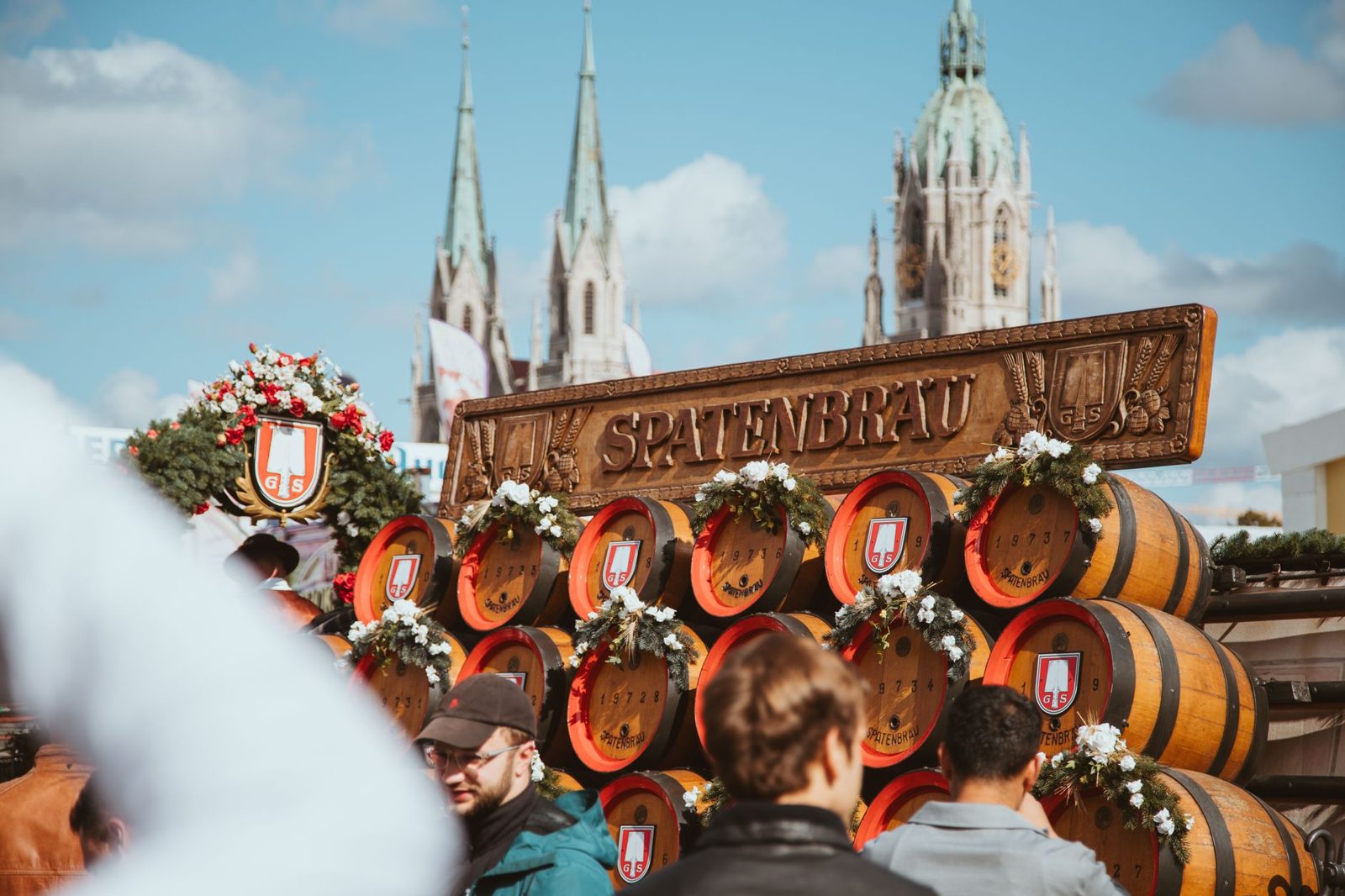
How Many Days Do You Actually Need on the Wiesn?
Oktoberfest runs more than two weeks, but almost nobody attends for two weeks. The real question is how many days to carve out of a Munich trip, and the honest answer depends on what you came for.
One evening is enough to say you’ve done it, provided you set expectations. Arrive by late afternoon on a weekday, find a bench before the tables fill, and you’ll get the brass band, the swaying, and the litre Maß without queuing at the gate for an hour. What a single evening won’t give you is the daytime Wiesn — the funfair, the quieter family hours, the wander between tents — because by 6 or 7 pm the big halls are full and the doors start closing to all but reservation-holders.
A full day is the classic dose and what most visitors should aim for. Start mid-morning with a Weißwurst-and-Brez’n breakfast, walk the Schausteller funfair while your head is still clear, take a turn on the antique Krinoline carousel or ride the Riesenrad big wheel for the view across the whole Theresienwiese, then settle into a tent by mid-afternoon as the band warms up. That arc — laid out tent by tent in our guide to the Oktoberfest beer tents — is the festival as Münchner themselves do it.
Two days buys you range. Spend the first inside one of the big-name tents for the full roar, and the second on the Oide Wiesn — the calmer, historic southern corner with old-fashioned rides, a separate few-euro ticket, and traditional brass instead of pop covers — or working through a couple of the smaller tents you’d otherwise never see. Two days also lets you split a rowdy Saturday from a gentle Tuesday, which is the difference between surviving Oktoberfest and enjoying it. Either way, base yourself somewhere you can walk or take a short U-Bahn home: our roundup of hotels near Marienplatz keeps you a handful of stops from the gates.
And if a litre of strong beer at 11 am isn’t your idea of a holiday, remember the Wiesn is one event in a city full of them. A half-day on the funfair followed by an afternoon among Munich’s museums and landmarks is a perfectly respectable way to “do” Oktoberfest without surrendering your whole trip to it.
Early Wiesn vs. Late Wiesn: Weather and Crowds, Week by Week
The 16 days are not interchangeable. Because the festival straddles the turn from September into October, both the weather and the mood shift noticeably from the opening weekend to the last, and choosing the right window can change your whole experience.
The opening weekend is the warmest and the wildest. Late-September Munich can still touch the low 20s Celsius — locals call a bright Wiesn day Kaiserwetter — so the open-air tables in front of the tents come into play and the whole Theresienwiese feels like summer’s last party. It’s also one of the most crowded stretches and among the hardest times to get a tent seat without a reservation, so on opening Saturday and parade Sunday aim to be at the door when it opens.
The middle weekdays — above all the Monday to Wednesday of the second week — are the connoisseur’s choice. Daytime temperatures are usually mild, the big tents are reachable without a booking if you arrive by early afternoon, and the staff have found their rhythm. This is when families come for the discounted Tuesday afternoons and when you can actually hear your tablemates over the oompah. On a sunny midweek lunchtime the open-air beer-garden instinct still works beautifully.
The closing days belong to October, and October in Munich means a real chance of single-digit temperatures and steady rain. The outdoor tables empty, everyone packs inside, and the tents take on a cosy, end-of-season warmth — sparklers come out on the final night, the bands lean sentimental, and a noon gun salute under the Bavaria statue sends the festival off. Pack for it: a proper jacket over your Tracht is the difference between a magical last night and a cold, damp one. Our Munich weather and packing guide breaks down the swing, and if you’re still assembling an outfit, what to wear to Oktoberfest covers staying warm in a dirndl or Lederhosen once the temperature drops.
Oktoberfest 2026 FAQs
When does Oktoberfest 2026 start and end?
Oktoberfest 2026 ran from Saturday, September 19 to Sunday, October 4, 2026 and is over. The next one, the 192nd, runs from Saturday, September 18 to Sunday, October 3, 2027 — 16 full days, ending on German Unity Day. It starts with the Mayor’s Tapping, traditionally at 12:00 noon in the Schottenhamel tent, on September 18.
What time do tents open at Oktoberfest 2026?
Big tents open at 10:00 on weekdays and 09:00 on Saturdays, Sundays and 3 October. On the 2026 opening day, 19 September, they opened at 09:00 but poured no beer until the tapping at 12:00 noon; the 2027 opening day is Saturday, 18 September, and its times are not out yet. Last call is 22:30 in the big tents and 23:00 in the small ones; Käfer Wiesn-Schänke and Kufflers Weinzelt run to 01:00 with last drinks at 00:30.
Is Oktoberfest free to enter?
Yes. Entry to the Theresienwiese and to all tents (with available seating) is free. You only pay for beer, food, rides, and games. Reservations cost a deposit but are not required.
Which days are busiest at Oktoberfest 2026?
In 2026 the busiest days were opening day (September 19), all three Saturdays (September 19 and 26, October 3), the Italian Weekend (September 25–27) and the closing weekend, which took in German Unity Day (October 3). For 2027, the opening Saturday is September 18 and the run ends on German Unity Day itself, Sunday, October 3. Weekdays are noticeably calmer.
What is the Italian Weekend 2026?
The second weekend of the run is informally called the Italian Weekend because tens of thousands of Italian visitors drive up from northern Italy for it. In 2026 it fell on 25–27 September; the 2027 programme, Italian Weekend included, has not been published yet. Tents fill very fast — hold a reservation or arrive at opening.
How early should I arrive to enter a tent without a reservation?
Weekdays: arrive 10:00–11:00. Weekends: arrive at 09:00 sharp; you’ll usually find seats. After 11:30 on weekends, big tents typically reach capacity and turn people away at the door.
How much does a beer cost at Oktoberfest 2026?
A Maß (one litre) costs between €14.80 and €15.90 depending on the tent, averaging €15.61 across the festival — a 2.4% increase on 2025. The Augustiner-Festhalle is the cheapest of the big tents at €14.90; the Armbrustschützen-Festzelt, Bräurosl and Löwenbräu-Festzelt are dearest at €15.90. Add a tip of roughly 10% on top.
What time does Oktoberfest close each night?
Big tents stop serving beer and music at 22:30 and close their doors at 23:30, every day of the run. Small and mid-size tents serve until 23:00. The two exceptions are Käfer Wiesn-Schänke and Kufflers Weinzelt, which stay open until 01:00 with last drinks at 00:30. Funfair rides run to 23:30 Sunday to Thursday and to midnight on Friday and Saturday.
Is the Oide Wiesn open in 2026?
Yes, it ran in 2026. The Oide Wiesn is displaced every fourth year by the Zentral-Landwirtschaftsfest, but the 2026 ZLF was cancelled, so the historic section stayed open for the full 16 days and drew about 447,000 visitors. The city lists it again for the 2027 Oktoberfest, 18 September to 3 October. In 2026 entry was €4 for adults, free for under-14s and free for everyone after 21:00.
Which is the quietest day of Oktoberfest 2026?
In 2026 it was Monday 28 September, followed closely by Monday 21 September and the two Family Day Tuesdays (22 and 29 September). On any of those you could arrive at lunchtime without a reservation and expect to find a seat in a big tent, while Saturday 26 September and Saturday 3 October were the two hardest days of the run. Plan the 2027 festival (18 September to 3 October) the same way: aim for its Mondays and Tuesdays and steer clear of its Saturdays.
Do I need a reservation for Oktoberfest 2026?
No. Tents are required to keep a large share of their seating unreserved, so walking in is always possible — the question is only what time you have to arrive. On a weekday, 10:00 to early afternoon is comfortable. On a Saturday, be at the door for 09:00. If you do want a table in 2027, there is no central booking: each tent opens its own reservations, mostly by spring and at the latest in April or May 2027, and posts the details on its website.
When is the parade in Oktoberfest 2026?
In 2026 there were two parades: the opening procession (Wiesn-Einzug der Wiesnwirte) on Saturday, September 19 at 10:45 from Sonnenstraße to the Theresienwiese; and the much larger Trachten- und Schützenzug (Costume and Riflemen’s Parade) on Sunday, September 20 at 10:00, with around 9,000 participants and a 7 km route. The 2027 parade dates and times have not been published yet; the festival itself opens on Saturday, September 18, 2027.
Plan the Rest of Your Oktoberfest Trip
This dates-and-schedule guide is part of our complete Oktoberfest Munich guide. Once you have your dates fixed, the practical next steps are these: work out how to get to the Theresienwiese, read up on how tent reservations work, pick a base from our where to stay during Oktoberfest guide, and budget with the Oktoberfest cost breakdown. Before you go, our 30 first-timer tips covers the etiquette nobody tells you, what to wear handles the Tracht question, and the food guide and beer guide tell you what to order once you are on a bench. For the city beyond the Wiesn, see things to do in Munich, our transport guide, the 2026 festivals and events calendar, and the overall trip planner.