Munich Fruhlingsfest: The Spring Oktoberfest
The Frühlingsfest is Oktoberfest without the siege conditions: two tents, free entry, April hotel rates and a Maß that costs the same. Dates, prices, the four days worth planning around, and the honest case against.
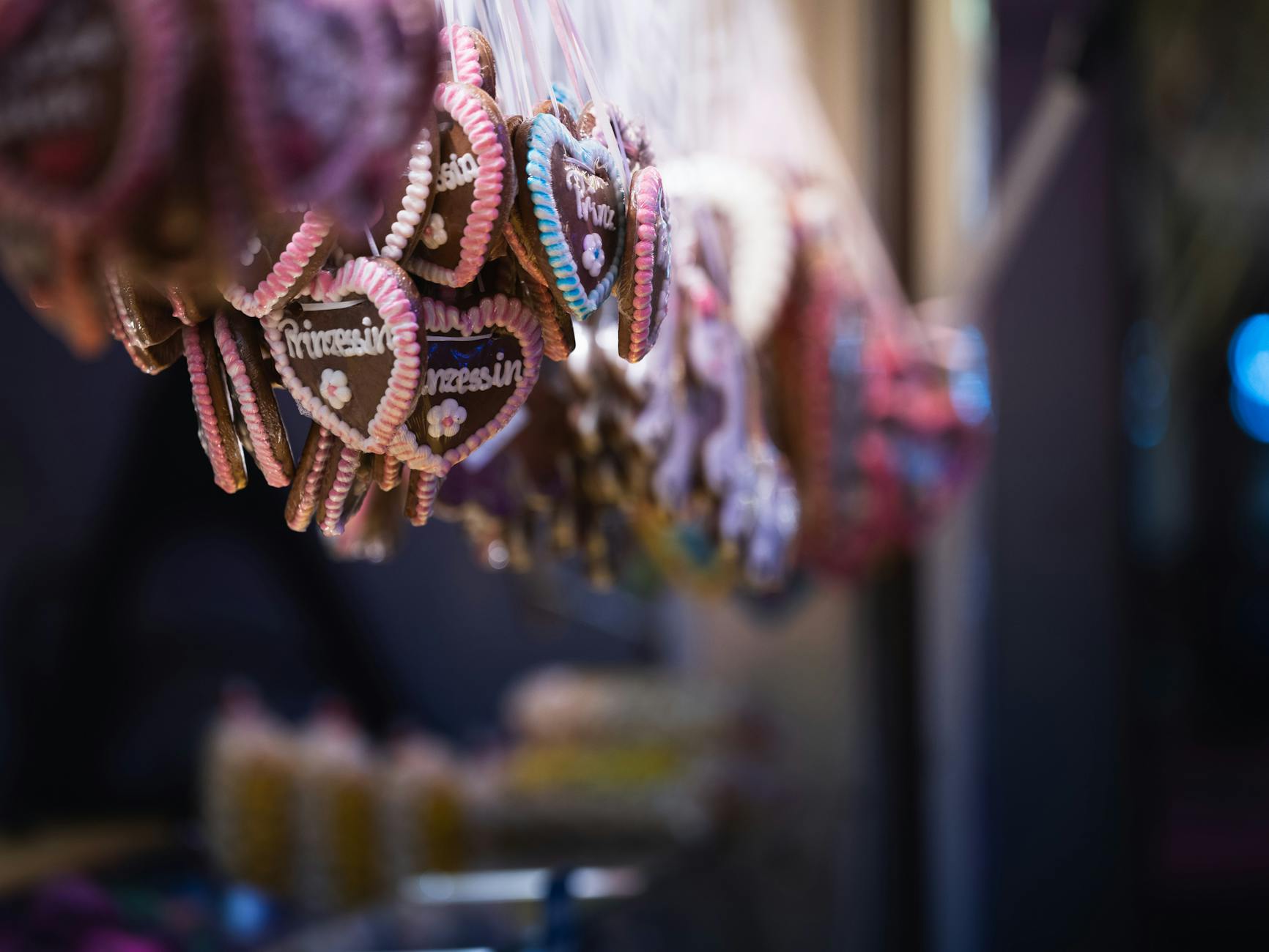
The Frühlingsfest is Oktoberfest without the siege conditions. Same ground, same dray horses, same litre glasses — two tents instead of seventeen, and you can walk in on a Friday night in April and sit down. That is the case for going, and it is a strong one.
Munich has run this festival on the Theresienwiese since 1965, and the city calls it the kleine Wiesn — the small Wiesn. Small is relative. There are over a hundred showmen, a Ferris wheel, a ghost train, an 80,000 m² flea market and two firework nights. What there is not is the tourist machinery of September, which is precisely the point.
Here is when it runs, what a Maß costs, which four days are worth planning a trip around, and the honest reasons some visitors leave disappointed.
Frühlingsfest at a glance
TOKEN_HERO| Dates 2027 | 16 April – 2 May (61st edition) |
| Where | Theresienwiese — the northern portion only |
| Entry | Free. You pay for beer, food and rides. |
| Tents | Two: Festhalle Bayernland and the Hippodrom |
| Beer | €13.50–€14.50 per Maß (2026 prices) |
| Opening tapping | 16:00 on the first Friday, after the procession |
| Flea market | First Saturday, ~80,000 m², Bavarian Red Cross |
| Fireworks | Two Fridays, 22:00 |
| Classic cars | First Sunday, roughly 10:00–14:00 |
| Family afternoons | Tuesdays — reduced ride prices |
| Getting there | U4/U5 Theresienwiese; U3/U6 Goetheplatz; S-Bahn Hackerbrücke |
| Reservations | Sensible for a Friday or Saturday evening. Not needed midweek. |
When it runs, and why the dates move
The 2027 Frühlingsfest runs 16 April to 2 May. That is the 61st edition and a normal-length one at just over two weeks.
Do not use 2026 as your model. The 60th anniversary edition ran 17 April to 10 May 2026 — more than three weeks, a one-off stretch for the round number. The standard shape is a Friday opening, two weekends, and a closing Sunday.
The dates move because the festival always falls after Easter. Easter is a moving feast, so a late Easter pushes the Frühlingsfest towards the end of April and a March Easter pulls it forward. If you are booking flights six months out, plan for the second half of April and confirm the exact dates in January, when the city publishes them.
Insider tip: April is the single best-value month to be in Munich. Hotel rates are at their annual floor, the beer gardens have reopened, the Alps still have snow on them for the photographs, and the Frühlingsfest is free to walk into. Compare that with the triple-rate hotel market of late September and the arithmetic makes itself. Our guide to the best time to visit Munich works through the same trade-off month by month.
The two tents, and which one to pick
TOKEN_TENTTwo tents. That is the whole tent scene, and after Oktoberfest’s fourteen large halls it takes a moment to adjust.
The Festhalle Bayernland pours Augustiner, which for a great many Munich drinkers ends the argument on the spot. It is the more traditional room of the two — brass bands early, oldies and singalong material later, long communal tables, and the kind of food the Bavarian quality seals get attached to. The Hippodrom is the louder, younger, more music-driven tent, pouring a Spaten Frühlingswiesn beer.
One caution worth stating plainly: tent and brewery pairings at this festival have shifted over the years, and published accounts do not always agree on which brewery is in which hall for a given edition. Check the festival’s own site in the spring rather than trusting a guide written three years ago — this one included.
Outside the two halls there is a wheat-beer garden and a small open-air Pils bar built into a carousel, which is exactly as silly as it sounds and pleasant on a warm evening.
What it costs
| Item | Price | Note |
|---|---|---|
| Entry to the fairground | Free | No ticket, no wristband, no bag fee |
| Maß — Festhalle Bayernland | €13.50 | 2026 price |
| Maß — Hippodrom | €14.50 | 2026 price |
| Half a roast chicken | ~€15 | Tent kitchens; varies by operator |
| Rides | ~€5–€10 each | Cash and card both usually accepted |
| Family Tuesday rides | Reduced | The reason to bring children on a Tuesday |
| Table reservation | Free to book, minimum spend applies | Usually bundled beer-and-food vouchers |
Note the number that surprises people: the beer is not cheaper than Oktoberfest. It has not been for several years. The tents charge Wiesn money for a Wiesn litre, and anyone arriving expecting a discount because the festival is smaller will be disappointed at the first table.
What you save is everything around the beer — the hotel, the flight, the queue, the reservation scramble that starts the previous autumn. A weekend built around the Frühlingsfest costs a fraction of the same weekend in September. Our Oktoberfest cost breakdown sets out what the September version actually runs to, and the gap is not close.
The four days worth planning around
Most of the festival is the same on any given evening. Four dates are not, and if you have any flexibility you should aim at one of them.
The first Saturday: the flea market
The Bavarian Red Cross takes over roughly 80,000 square metres of the Theresienwiese for a single Saturday and runs one of the largest flea markets in Bavaria on it. Thousands of private sellers, no professional dealers dominating the aisles, and prices that reflect people clearing out cellars rather than trading.
Go early — serious buyers are on the ground before 07:00 and the good porcelain, tools and vintage Trachten are gone by mid-morning. Bring cash and a bag. It is the one day of the Frühlingsfest that is worth setting an alarm for, and it stands comfortably alongside the city’s regular vintage and flea markets.
The first Sunday: the classic cars
A morning classic-car meet, roughly 10:00 to 14:00, spread across the fairground before the festival wakes up properly. Free to walk through. If you have any interest in the machinery, pair it with the BMW Museum and BMW Welt the same weekend and you have an unusually good two-day run for a car enthusiast.
If you have no interest in cars, this is a normal Sunday morning with more chrome in it. Do not rearrange a trip for it.
Two Fridays: the fireworks
Fireworks at 22:00 on two of the Fridays, fired over the southern end of the Theresienwiese. The second is synchronised to a music broadcast with a local radio station, which sounds gimmicky and works better than it should when several thousand people are standing on the grass with the same soundtrack.
These are the two busiest nights of the festival. If you want a tent table on a fireworks Friday, reserve. If you only want to watch, you do not need a table at all — the slope below the Bavaria statue at the western edge gives you height, distance and room to stand.
Tuesdays: the family afternoons
Ride prices drop on family afternoons, which fall on Tuesdays. With two children and a Ferris wheel habit this is not a marginal saving. The fairground is also at its emptiest midweek, so the queues are short and nobody is being jostled. Our guide to Oktoberfest with kids applies almost unchanged here, minus the crowd-management anxiety that makes September hard work with a pushchair.
The opening Friday, and the rides
The festival opens with a procession — brewery dray horses in harness, showmen’s decorated floats, brass bands — and the first barrel is tapped at 16:00. It is a miniature of the Oktoberfest tapping, performed for a crowd of a few thousand rather than a televised city, and it is far easier to actually see. Stand near the tent entrance from about 15:30 and you will have a view.
What follows is the part of the Frühlingsfest that most guides underweight. This is, first and foremost, a funfair. Over a hundred showmen bring rides and stalls, and the line-up is close to the Oktoberfest standard: a Ferris wheel, a ghost train, the swing carousels, the spinning machines that make teenagers scream, and a slide billed as the longest mobile slide in Europe. The difference is the queue. Rides that take forty minutes to board on an Oktoberfest Saturday take five here on an April Tuesday.
The showmen’s stalls are worth a slow walk in their own right. This is a trade that runs in families across generations, and the painted fronts, hand-lettered signage and organ facades on the older machines are a genuine folk-art tradition that Munich takes more seriously than most cities. You will see the same names and the same paintwork on the Theresienwiese in September and at the smaller festivals around Bavaria all summer.
Insider tip: ride the Ferris wheel at dusk rather than after dark. From the top you get the whole Theresienwiese, the Bavaria statue in silhouette, the Ludwigsvorstadt rooftops and — on a clear April evening after rain — the Alps on the southern horizon, seventy kilometres away and still white. That view is the single best thing about the festival and it lasts about twenty minutes a night. More on where else to find it in our guide to Munich viewpoints and photo spots.
There is also a heritage day, running since 2011, given over to Volksmusik, folk dancing and traditional Trachten groups. It is unapologetically for locals rather than visitors, which is exactly why it is worth catching if the date lands in your trip — see our piece on Bavarian traditions for what you are actually looking at.
Frühlingsfest vs Oktoberfest: an honest comparison
| Frühlingsfest | Oktoberfest | |
|---|---|---|
| Length | ~2 weeks, April | 16 days, mid-Sept to early Oct |
| Large tents | 2 | 14 |
| Ground used | Northern portion of the Wiesn | The entire Theresienwiese |
| Maß price | €13.50–€14.50 | €14.80–€15.90 — about a euro more |
| Walk-in on a Friday night | Usually yes | Effectively no |
| Reservations | Weeks ahead, if at all | Months ahead, often a lottery |
| Hotel rates | Munich’s annual low | Roughly triple |
| International crowd | Thin — mostly Bavarians | Global |
| Weather | Genuinely unreliable | Usually settled |
| Costumes | Common but not universal | Near-universal |
The unflattering half of the comparison deserves saying out loud. The Frühlingsfest is not a substitute for Oktoberfest, and if you have travelled to Munich specifically for a beer festival you may find it thin. Two tents is two tents. There is no equivalent of the Schottenhamel tapping, no Hacker-Festzelt ceiling, no procession of costumed regional groups filling the city centre on the first Sunday. On a wet Wednesday in April with a half-empty Hippodrom, it is a regional funfair with beer.
Read the other way round, that is the recommendation. If you are already coming to Munich in April, the Frühlingsfest is a superb free evening and one of the easiest ways to see the city enjoying itself without performing for anybody. If you are choosing a month because of a beer festival, our complete Oktoberfest guide is the honest place to start, and the tent-by-tent breakdown explains what the September scale actually buys you.
Getting to the Theresienwiese
TOKEN_BAVARIA| Route | Stop | Walk |
|---|---|---|
| U4 / U5 | Theresienwiese | Exits onto the ground |
| U3 / U6 | Goetheplatz or Poccistraße | 5–8 min |
| S-Bahn (all lines) | Hackerbrücke | ~10 min |
| On foot from Marienplatz | — | ~20 min |
| On foot from the Hauptbahnhof | — | ~12 min |
A Zone M day ticket costs €10.10 and runs until 06:00 the following morning, which covers both the outbound trip and whatever hour you leave at. If there are two or more of you, buy the group day ticket instead — it covers up to five adults for roughly double the single price, so a pair should never buy two singles. The mechanics of all this are in our guide to the Munich U-Bahn and S-Bahn.
Do not drive. The Theresienwiese car park is given over to the festival, the surrounding Ludwigsvorstadt streets are resident-permit only, and you will be drinking. That last one is not a soft recommendation in Germany.
What to eat, and what to skip
Tent food at the Frühlingsfest is the standard Bavarian festival repertoire and it is competently done: half a roast chicken, Schweinshaxe, Obatzda with a pretzel the size of a hubcap, Kaiserschmarrn if you have somehow left room. The Festhalle Bayernland makes a point of its regional sourcing and organic certification, and the difference is noticeable in the chicken.
Outside the tents, the stalls sell the things fairgrounds everywhere sell — candied almonds, Steckerlfisch, Lebkuchenherzen printed with slogans, chocolate fruit on sticks. The Steckerlfisch, a whole mackerel grilled on a stake over charcoal, is the one to spend money on. The chocolate-covered fruit is decoration; buy it for the photograph and expect nothing else.
If you would rather eat properly and drink at the festival afterwards, the Ludwigsvorstadt and Isarvorstadt streets between the Hauptbahnhof and the Wiesn are dense with good, unglamorous kitchens. Our roundups of traditional Bavarian food and cheap eats in Munich both cover the neighbourhood, and the Munich food and beer guide sets the wider context.
What to wear
Tracht is common at the Frühlingsfest but nothing like universal. Perhaps a third of the tent on a Saturday night, closer to a tenth on a Tuesday. Nobody will look at you twice in jeans, and — unlike Oktoberfest — nobody will look at you twice in a badly chosen dirndl either, because the audience is local and largely uninterested. If you want to buy Tracht properly rather than as a costume, our guides to buying a dirndl or Lederhosen and what to wear to Oktoberfest cover the same ground.
The real clothing question in April is temperature. Munich in the second half of April can deliver 24°C and shirtsleeves or 6°C with sleet, sometimes in the same week. The tents are warm; the walk back to the U-Bahn at midnight is not. Bring a proper jacket and expect to want it. Our Munich weather and packing guide has the monthly figures.
Building a trip around it
The Frühlingsfest is an evening, not a holiday. Three or four hours covers it comfortably, and there is no version of this festival that fills a weekend on its own.
The obvious build is a normal Munich city break with one Frühlingsfest night bolted on — ideally a Friday, so you catch either the opening or a fireworks display. April is also when the Alps become properly usable again after the ski season, which makes the day-trip options unusually good: our Bavarian Alps from Munich pillar and the Zugspitze day trip both work from late April, though the summit is still deep in snow.
For the city itself, the Munich itineraries hub lays out the standard shapes, and one day in Munich is the compressed version if the festival has eaten one of your evenings. For where to base yourself, Ludwigsvorstadt puts you a ten-minute walk from the Wiesn gates and a similar walk from the Hauptbahnhof — see where to stay in Munich for the neighbourhood-by-neighbourhood breakdown.
Frequently Asked Questions
When is Fruhlingsfest Munich 2027?
16 April to 2 May 2027, on the Theresienwiese. It is the 61st edition. The festival always opens on a Friday in mid or late April, always after Easter, and normally runs a little over two weeks.
Is the Frühlingsfest free to enter?
Yes. There is no admission charge to the fairground or to either tent. You pay only for what you consume and for rides. A person who walks the ground, watches the fireworks and buys nothing spends nothing.
Do I need a table reservation?
For a Friday or Saturday evening, and especially on a fireworks Friday, reserve. Both tents take bookings through their own websites and the reservation itself is free — you commit to a minimum spend, usually issued as beer and food vouchers. On any weekday, and on most Sundays, walking in and finding a bench is straightforward. This is the opposite of the Oktoberfest situation.
Is the beer cheaper than at Oktoberfest?
No, and this is the most common misconception about the festival. In 2026 a Maß cost €13.50 in the Festhalle Bayernland and €14.50 in the Hippodrom, against €14.80 to €15.90 at Oktoberfest — roughly a euro a litre in it, not the discount people imagine. The real savings from choosing April over September are in accommodation and flights, not in the glass.
Is the Frühlingsfest good for children?
Better than Oktoberfest, straightforwardly. The ground is smaller, the crowds are thinner, the rides are the same standard of fairground machinery, and the Tuesday family afternoons cut ride prices. Daytime and early evening are calm; after about 20:00 the tents become an adult environment and the fairground gets loud. Our Munich with kids guide covers the rest of the city.
How big is the Frühlingsfest flea market?
Around 80,000 square metres, held by the Bavarian Red Cross on the first Saturday of the festival. It is one of the biggest single-day flea markets in Bavaria and it is dominated by private sellers rather than dealers. Arrive before 08:00 if you are shopping seriously.
Which tent should I choose?
The Festhalle Bayernland for Augustiner, brass bands and a more traditional room; the Hippodrom for a louder, more music-led evening. Neither is a bad choice and both are on the same patch of grass, so you can move between them in three minutes. Verify which brewery is pouring where in the current year — the pairings have changed before.
What else is on the Theresienwiese during the year?
A great deal. Oktoberfest in September, the Tollwood winter festival and the Winter Tollwood market in December, the Auer Dult fairs elsewhere in the city three times a year, and the Starkbierzeit strong-beer season in February and March. The full year is set out in our Munich events calendar and the wider Munich festivals and events guide.
Where to go next
If April is fixed and you are building the rest of the trip around it, start with the events calendar to see what else falls in the same fortnight, then the itineraries hub for the days either side. If you are still choosing between April and September, weigh the Oktoberfest guide against the hotel arithmetic in Munich on a budget — for most visitors the spring version wins on everything except spectacle, and loses badly on that one.
Related Guides
- Munich Events Calendar: What’s On Month by Month — the cluster hub
- Starkbierfest: Munich’s Strong Beer Season — March gap in the calendar with beer-cluster crossover
- Fasching and Easter in Munich — February to April gap with a distinctive Bavarian tradition angle