Deutsches Museum: Complete Visitor Guide
Complete 2026 visitor guide to the Deutsches Museum Munich — the world's largest science and technology museum. Tickets, hours, top exhibits, accessibility, dining, and itineraries.
The Deutsches Museum in Munich is the world’s largest museum of science and technology — and one of the most rewarding museum experiences in Europe for adults and children alike. With 20 permanent galleries on its iconic Isar Island home, the museum hands you full-size historic aircraft, original moon rocks, a working mining tunnel, an enormous Foucault pendulum, the world’s first diesel engine, a 4-meter sailing yacht you can climb on, and dozens of buttons and levers you can press. This complete Deutsches Museum Munich visitor guide covers tickets, hours, must-see exhibits, accessibility, dining, where to start, and how much time to allow.
Quick Facts: Deutsches Museum at a Glance
| Detail | Information |
|---|---|
| Founded | 1903 (current building: 1925) |
| Annual visitors | ~1.5 million |
| Exhibit space (main museum) | ~20,000 m² (~215,000 ft²) — recently reopened after major renovation |
| Permanent exhibitions (2026) | 20 galleries |
| Recommended visit time | Half-day minimum; full day for families |
| Hours | Daily 09:00–17:00 (last entry 16:30) |
| Adult ticket (2026) | €16 |
| Reduced (students, seniors) | €9 |
| Family ticket (2 adults + kids) | €33 |
| Children under 6 | Free |
| Closest U-Bahn | Fraunhoferstraße (5 min walk) |
| Closest S-Bahn | Isartor (5 min walk) |
| Address | Museumsinsel 1, 80538 München |
How to Get to the Deutsches Museum
The museum sits on its own island — the Museumsinsel — in the middle of the Isar river, about 12 minutes’ walk southeast of Marienplatz.
By Public Transit
- S-Bahn: Any line to Isartor station, then 5-min walk south across the Ludwigsbrücke (you literally see the museum from the platform exit)
- U-Bahn: U1/U2 to Fraunhoferstraße, then 5-min walk east
- Tram: Lines 16 and 18 stop at Deutsches Museum directly outside
- Bus: Lines 132 and 152 stop at Boschbrücke
- From Marienplatz on foot: 12 minutes south through the Tal and over the Ludwigsbrücke
By Car
Limited parking — the small museum lot fills by 10 a.m. on weekends. The Eckl multi-story garage on Müllerstraße (€3.50/hour, €18/day max) is the closest reliable option, ~5-min walk away. Public transit is faster and easier; only drive if combining the visit with a longer outing.
2026 Tickets and Hours
Ticket Prices
| Ticket | Price |
|---|---|
| Adult day ticket | €16 |
| Reduced (students, seniors 65+, disabled) | €9 |
| Family ticket (2 adults + own children up to 17) | €33 |
| Children under 6 | Free |
| Annual pass (Deutsches Museum + branches) | €90 adult / €145 family |
| Combined ticket with Verkehrszentrum (transport branch) | €20 |
| Combined ticket with Flugwerft Schleißheim (aviation branch) | €20 |
How to buy: Online at deutsches-museum.de or at the on-site ticket office. Advance online booking is recommended on weekends and during school holidays — the queue at the door can stretch 30+ minutes on busy days. The museum is included in the Munich Card and Munich City Pass.
Opening Hours
- Daily: 09:00 – 17:00
- Last admission: 16:30
- Closed: January 1, Carnival Tuesday (variable date), May 1, May Day, June 17 (varies), November 1, December 24, 25, and 31
- Pro tip: Tuesday and Wednesday mornings are noticeably quieter than weekends; school holidays (Pfingsten, summer break, Christmas weeks) are the busiest stretches
The Big Renovation: What’s New
The Deutsches Museum completed the first phase of its biggest-ever renovation in 2022, with a massive reopening of the central building featuring 19 modernized galleries. Phase 2 reopens additional galleries through 2028, including the historic Mining Hall (gradually returning to public access). The new exhibits emphasize hands-on interactivity — most exhibits now have buttons, levers, video stations, or staff demonstrations on a regular schedule. 2026 update: the new Astronautics & Space gallery and a redesigned Aviation Hall are the standout reasons to visit.
Top 12 Highlights of the Deutsches Museum
1. The Aviation Hall
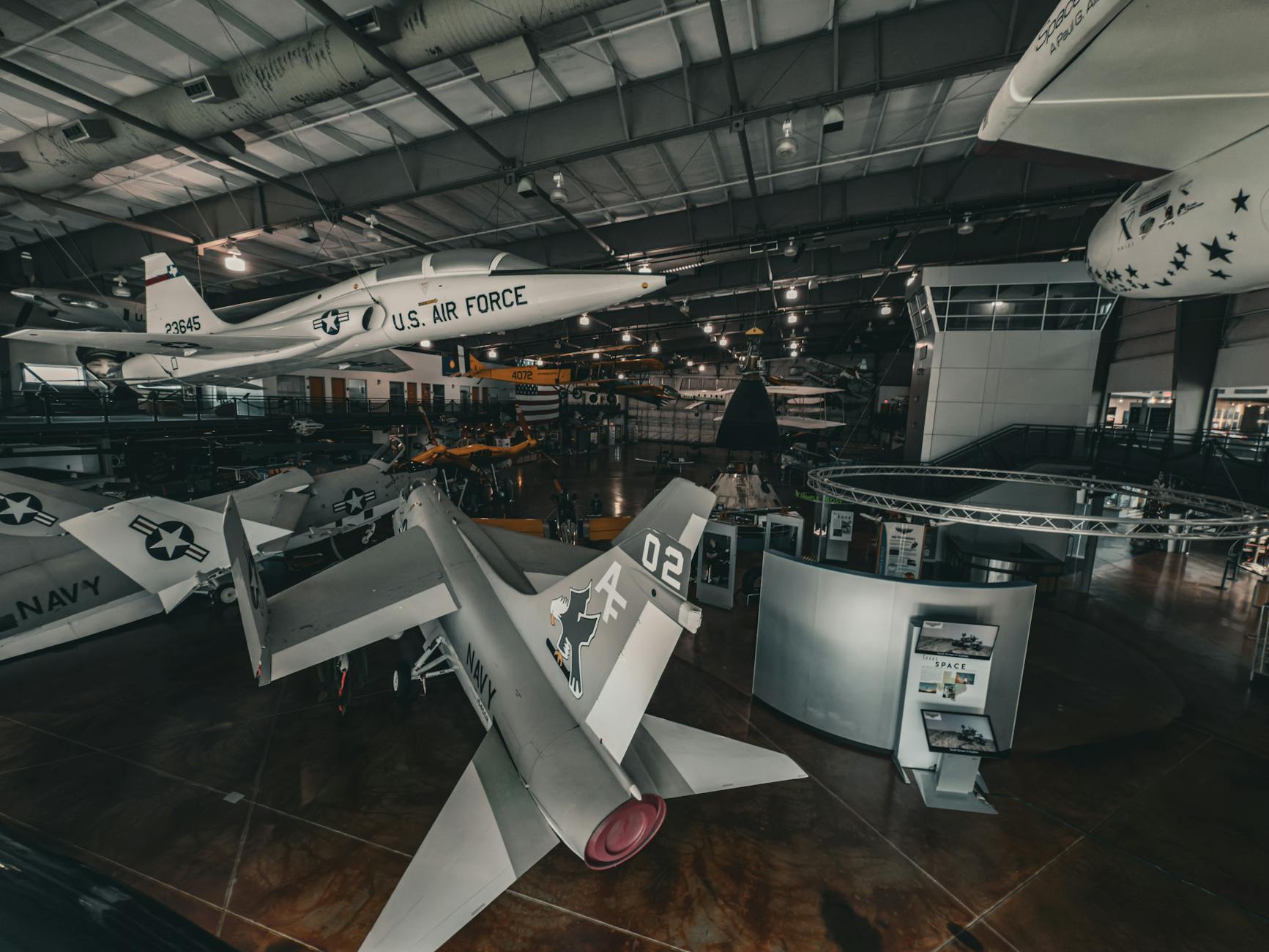
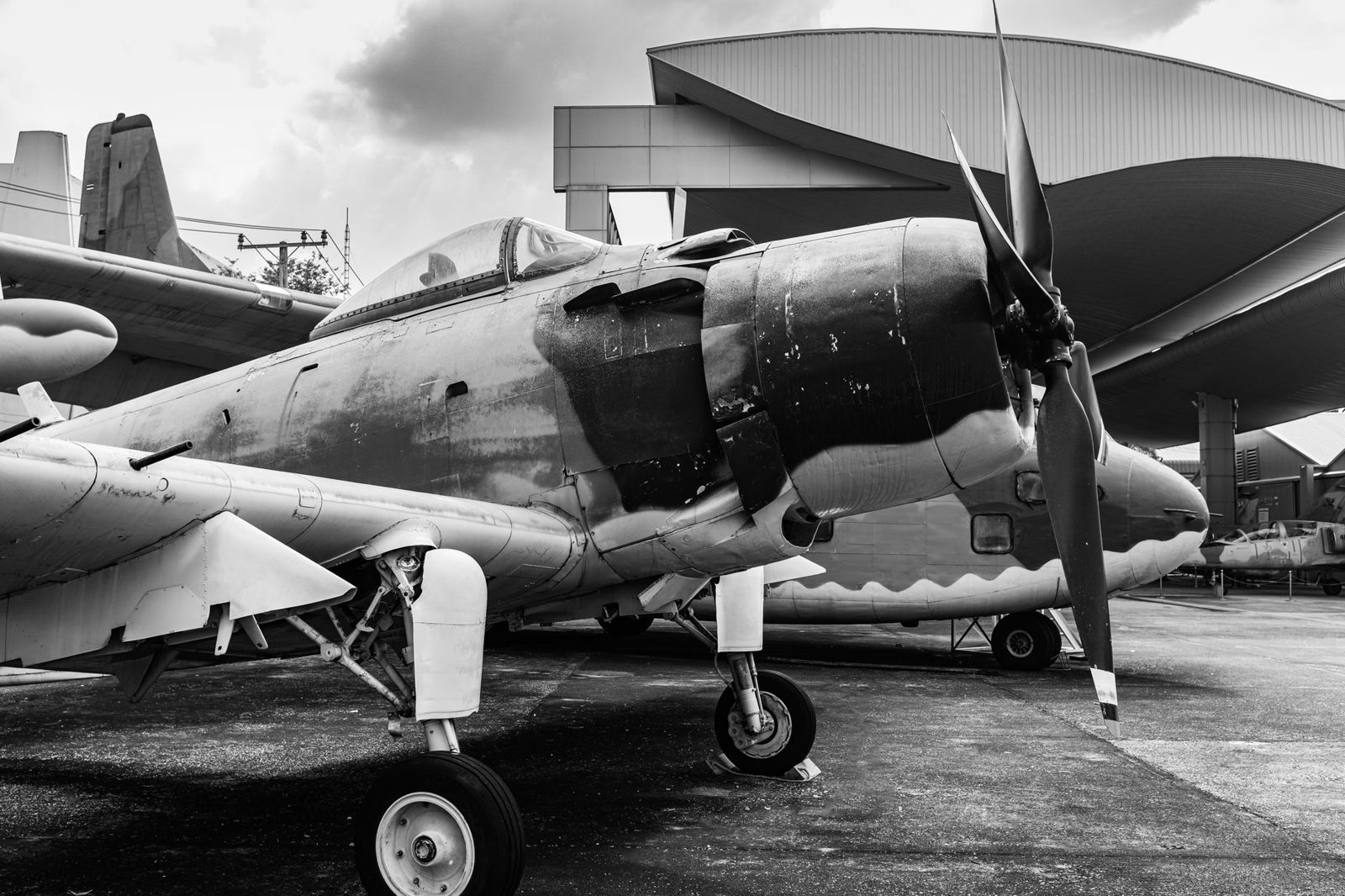
Newly reopened with a striking suspended-aircraft display, the Aviation gallery contains over 50 full-size historic aircraft including a Junkers Ju-52, an early Zeppelin gondola, the Wright brothers replica glider, and a hands-on flight simulator. The signature piece is Otto Lilienthal’s 1894 biplane glider — one of the first heavier-than-air flying machines in history.
2. Astronautics and Space
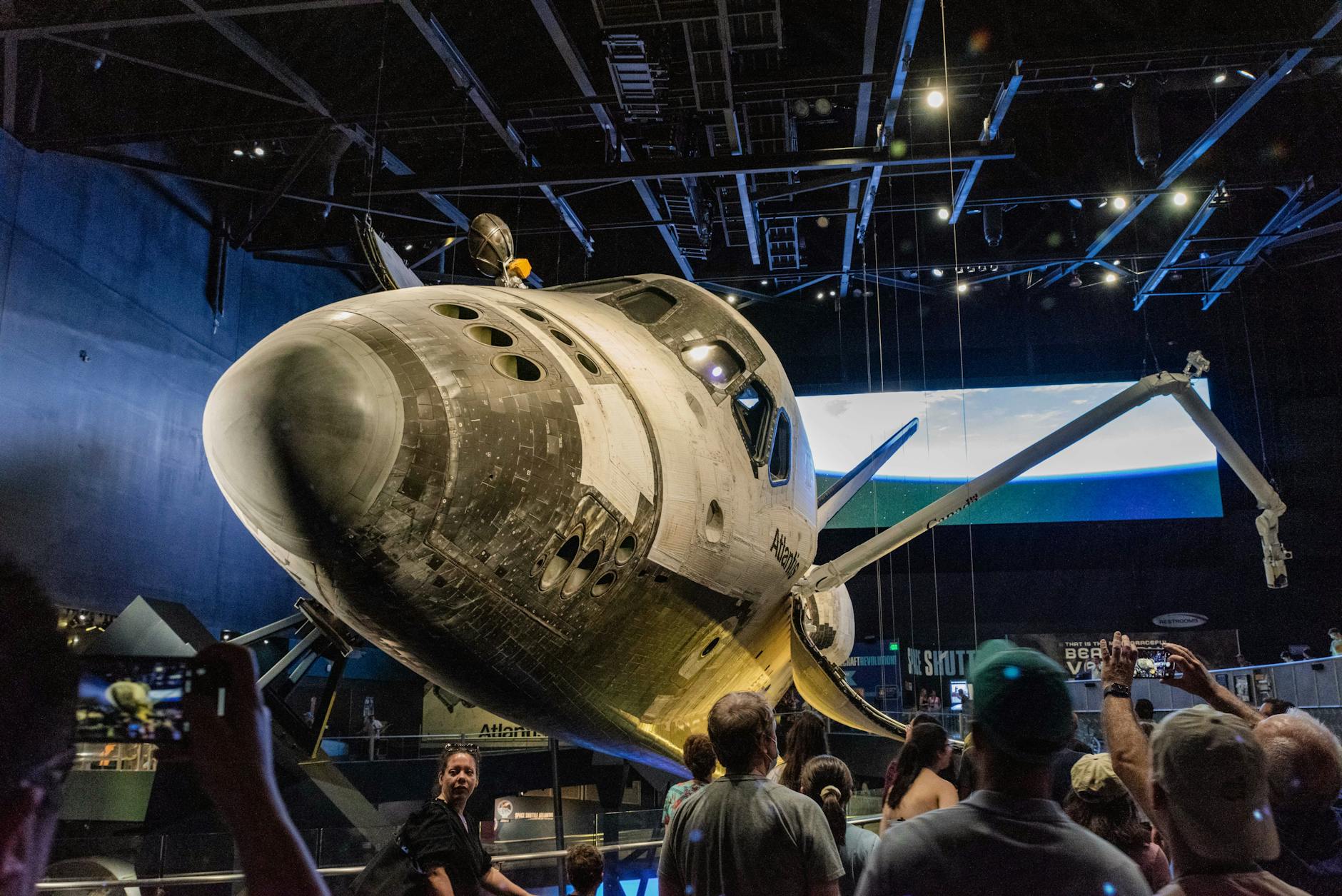
Real moon rocks (on loan from NASA) sit alongside a full-scale Apollo lunar lander mockup, a Soviet Lunokhod rover, an authentic Apollo 13 capsule heat shield, and the European Spacelab module that flew on the Space Shuttle. The interactive Mars rover station lets kids drive a small replica via tablet.
3. The Mining Tunnel
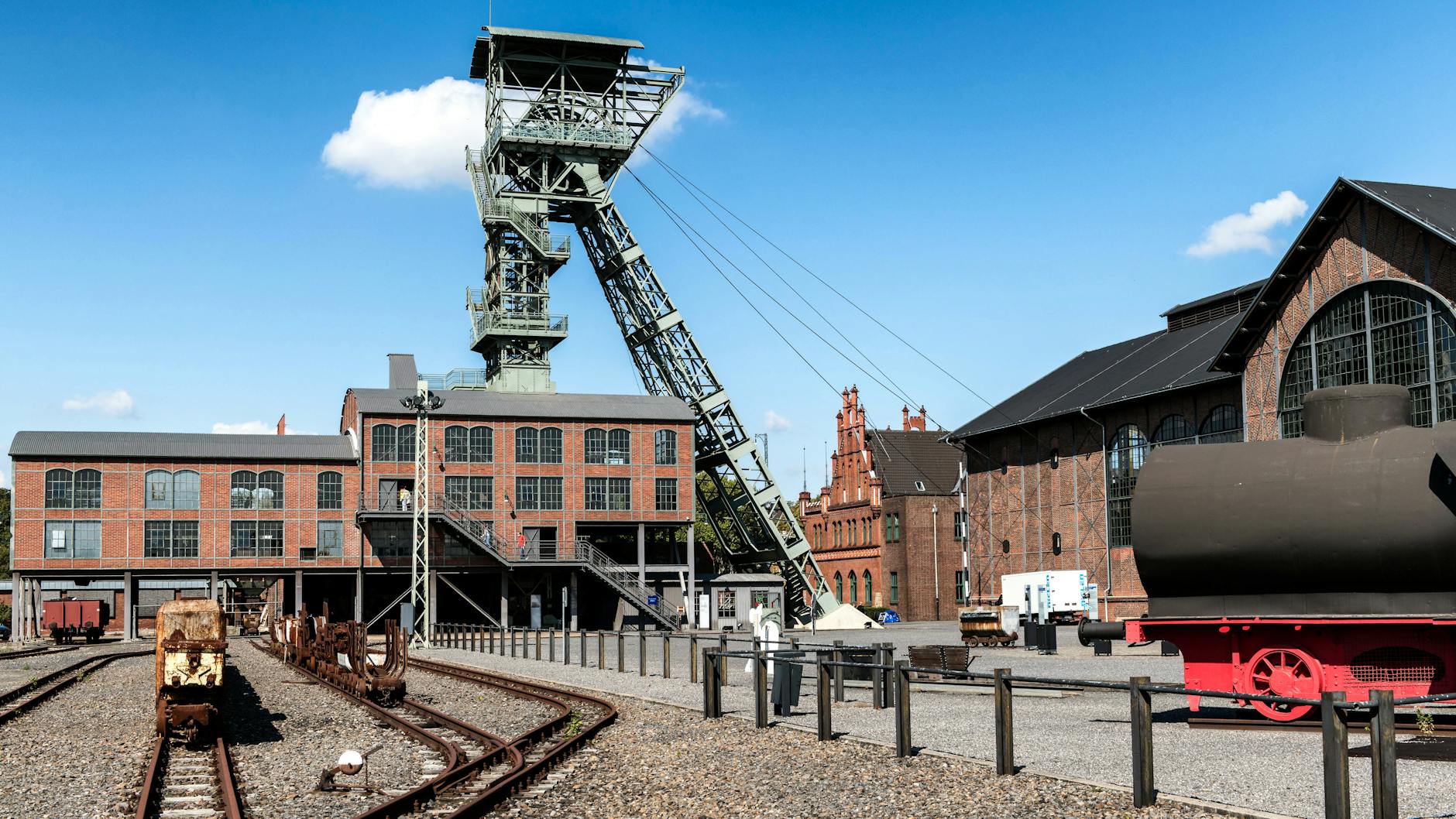
Munich’s most beloved exhibit: a 1:1 walk-through reconstruction of historical mining environments — rock salt, coal, and iron — over hundreds of meters of tunnels with original equipment, mannequins, and atmospheric lighting. The Mining Hall is gradually reopening through 2026–28 as part of phase 2 renovation; check the website for current access.
4. Energy and Power
The world’s first diesel engine (1893), the original Wright brothers wind tunnel, the famous 5-meter Foucault pendulum, and one of the first AEG transformers. The high-voltage demonstration room features twice-daily live shows where staff create 250,000-volt lightning arcs from a Tesla coil.
5. Robotics
Reopened in 2022, the new Robotics gallery covers everything from Honda’s first ASIMO bipedal robot to industrial production lines and contemporary AI-driven prototypes. Interactive stations let visitors program a small robot arm to draw or pick blocks.
6. Astronomy and Planetarium
Centerpiece: the original Zeiss Mark II planetarium projector (1925) — the second one ever built and still functional. The current planetarium offers 30-minute shows in German and English several times daily (€2 supplement). The astronomy gallery covers the history of telescopes, the Hubble Space Telescope, and contemporary cosmology.
7. Chemistry and the Famous “Nuclear Fission Table”
In the corner of the chemistry gallery sits the actual workbench where Otto Hahn and Fritz Strassmann performed the December 1938 experiment that discovered nuclear fission — arguably the most historically consequential physical object in the museum. The chemistry hall also has live experiment demonstrations several times a day.
8. Musical Instruments
A staggering collection of 600+ historic instruments including the original Stradivarius and Amati violins, an 18th-century glass armonica, and a working organ where staff perform mini concerts on weekends. One of the museum’s quieter, calmer galleries — perfect for a mid-visit reset.
9. The Kids’ Kingdom
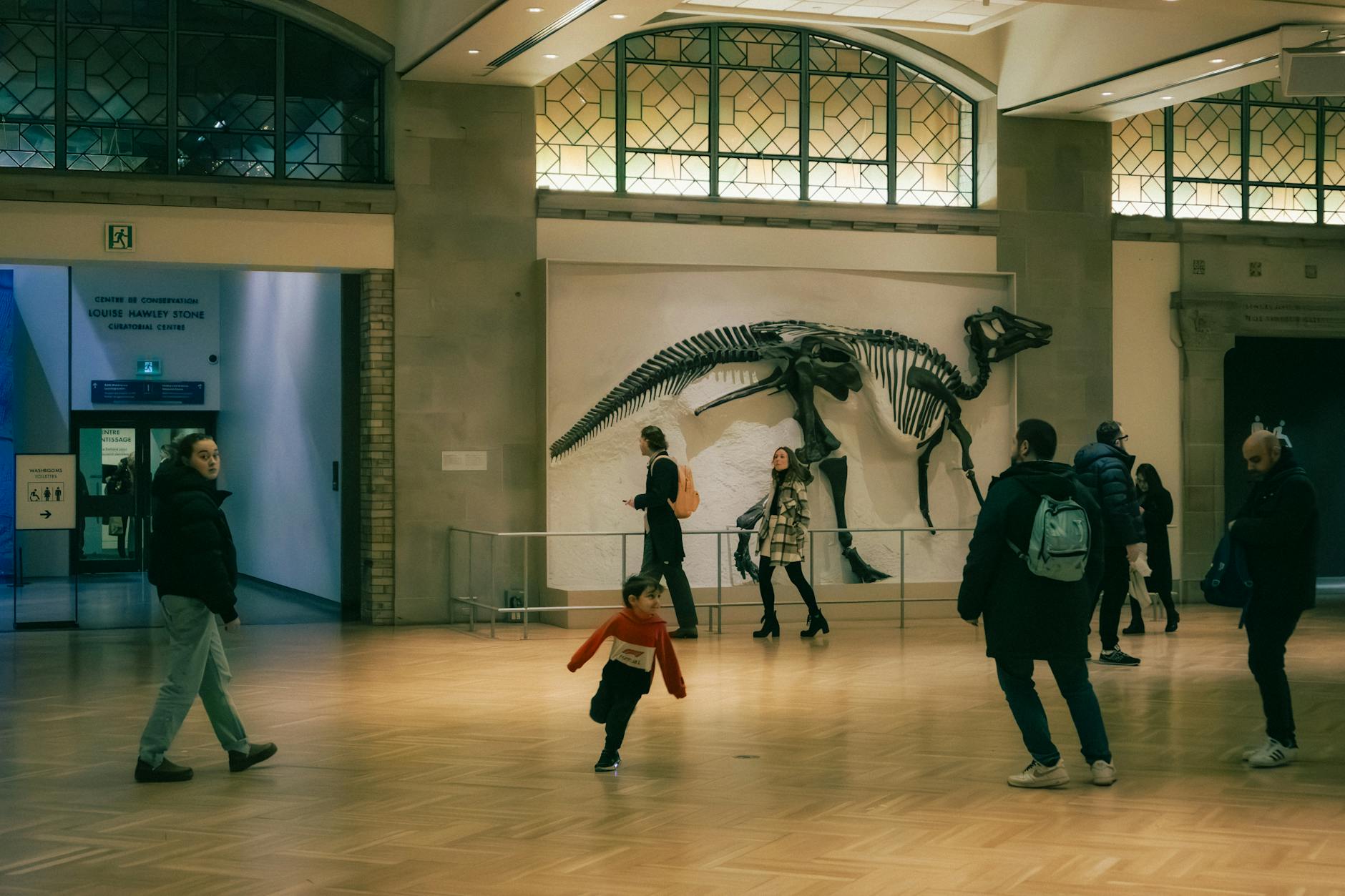
Designed for ages 3–8: a giant interactive sound and water gallery with a hand-crank river system, a wooden ship to climb, sand-pit construction zones, a giant guitar string you can pluck, and a baby-and-toddler corner. Kids will spend 60–90 minutes here easily. See our family travel guide.
10. The U1 Submarine
A real WWI-era German U-Boat (U1) sits in the basement, with a glass-covered cross-section showing the entire interior. You can also climb up onto the deck.
11. Photography and Film
From the camera obscura to early cinema, this gallery includes Werner Bischof’s original Leica, a working stereoscope, and the world’s first 16 mm film projector. A small dedicated cinema runs short historic films.
12. The Faraday Cage Demo
Twice daily in the main hall, museum staff perform a high-voltage Faraday cage demonstration — a brave volunteer steps inside a 5-meter steel cage as 100,000 volts of artificial lightning crash around them. One of the most memorable 20 minutes anyone spends in the museum.
Suggested Itineraries
Half-Day (3 hours)
Aviation Hall → Space → Energy/Power (with the high-voltage demo) → Chemistry (the nuclear fission table) → Robotics. Skip the smaller technical galleries. Lunch at the rooftop café ‘Frau im Mond.’
Full Day (5–7 hours)
Add: Mining Tunnel, Submarine, Astronomy + planetarium show, Musical Instruments, and at least one Kids’ Kingdom visit if traveling with children. Plan a sit-down lunch at the rooftop café and a coffee break around 15:00.
Family Visit
Skip the long history-of-electricity sections; head straight to: Kids’ Kingdom (90 min) → Aviation → Space → Mining Tunnel → high-voltage demo. Allow plenty of unstructured exploring time — kids love finding the interactive levers.
Food and Coffee
The museum has expanded its dining options as part of the renovation:
- Frau im Mond — new rooftop restaurant with a terrace overlooking the Isar; daily 11:30–17:00; reservations recommended on weekends
- Café Tessloff — casual ground-floor café for coffee and quick snacks; open all day
- Picnic option — bring your own food and eat in the Hofgarten or along the Isar; the museum has a small outdoor picnic area on the south side
Beyond the museum: walk 5 minutes to the Viktualienmarkt for an enormous variety of casual lunch options, or to Glockenbachviertel for trendy cafés and natural-wine bars.
Practical Tips
- Allow at least half a day — even tightly focused visitors need 3 hours for the highlights
- Buy tickets online if visiting on a weekend or school holiday; saves 20–30 minutes in line
- Free coat check and lockers at the entrance — recommended for backpacks and oversize coats
- Strollers welcome throughout; elevators reach every floor
- Wheelchair accessibility is excellent; the website has a detailed accessibility map and audio descriptions on request
- Photography is allowed without flash in all permanent exhibits; tripods only with permit
- Audio guides available in 10 languages, €4 supplement
- Free WiFi throughout; most exhibits have QR codes linking to deeper online content
- Tuesday and Wednesday mornings are the quietest visit times
- Last entry is 16:30 — galleries start clearing visitors out at 16:45
- Combine with a quick walk along the Isar after closing — a beautiful 15-minute riverside stroll back to Marienplatz
Other Deutsches Museum Branches
If the main museum doesn’t satisfy, two satellite branches in the Munich area offer dedicated focus:
- Verkehrszentrum (Transport Center) at the Theresienhöhe — three exhibition halls of cars, motorbikes, trains, ships, and trams. €8, daily 09:00–17:00. Excellent in 2 hours.
- Flugwerft Schleißheim — historic aviation in the original 1912 flying field hangar, 30 minutes north of central Munich. €8, real WWI/WWII aircraft. Best by car.
- Combo tickets save €4–€8 if you’ll visit two branches in one trip
Deutsches Museum vs Munich’s Other Major Museums
The Deutsches Museum is the one to prioritise if you have time for a single big museum — nowhere else in the city lets you walk through a mining tunnel, stand under real aircraft and watch artificial lightning crack across a hall. But Munich’s other heavyweights pull in different directions, and if you are planning two or three museum visits it helps to see what each one is actually for. The table sets them side by side.
| Museum | Focus | Time needed | Best for |
|---|---|---|---|
| Deutsches Museum | Science and technology | 3–5 hours | Hands-on exhibits, families, anyone curious how things work |
| Pinakotheken | Art, old masters to modern | 2–3 hours each | Painting and sculpture across three linked galleries |
| BMW Museum & Welt | Cars, motorcycles, design | 2–3 hours | Engineering and design fans; the Welt is free |
| Residenz | Royal palace and treasury | 2–4 hours | Wittelsbach history and sheer opulence |
For art, the three Pinakothek museums sit together in the Kunstareal and reward a half-day; for cars and design, the BMW Museum and BMW Welt pair a paid museum with a free showroom; and the Munich Residenz is the place for royal history. If budget is the deciding factor, several of these run reduced or free entry on certain days — our guide to free museums in Munich lists the Sunday deals and the state collections worth timing your visit around.
The Kunstareal guide covers the art-quarter alternatives if science is not your priority.
The Live Demonstrations You Shouldn’t Miss
What sets the Deutsches Museum apart from a glass-case collection is that staff fire things up in front of you, several times a day. The crowd-puller is the high-voltage demonstration: a presenter steps into a Faraday cage while artificial lightning — hundreds of thousands of volts — leaps and cracks around them, proving the cage keeps its occupant safe. It is loud, it smells of ozone, and children talk about it for the rest of the trip. It runs at set times in the electrical power hall, so check the board at the entrance the moment you arrive and plan your route around it.
The high-voltage show is not the only live demo. In the glass-technology area a craftsperson blows and shapes molten glass at the furnace, and the historic liquid-air demonstration freezes everyday objects brittle in seconds. Demonstration times are posted daily and printed on the floor plan you pick up with your ticket — the staff give most talks in German but will switch to English when there are visitors who need it. Build your visit so you catch at least the high-voltage show; arriving for the first slot after opening means a smaller crowd around the cage.
When to Go: Beating the Crowds
The Deutsches Museum is Munich’s default rainy-day plan, which is exactly the problem — the moment the forecast turns wet, every family in the city heads for the same halls. If you can, save it for a dry day and let everyone else have the umbrellas. Bavarian school holidays (the Pfingstferien around Whitsun and the long summer break) and weekend afternoons are the busiest stretches, with queues at the high-voltage demo and the Kids’ Kingdom.
The quietest window is a weekday morning right at the 9am opening, when you can have the aviation hall almost to yourself before the school groups arrive around 10. Failing that, arrive after 2pm — many morning visitors are flagging by then, and you still have three hours before close. Whatever you do, do not start at 4pm expecting to see much; the museum is genuinely vast, and even a focused visit needs three hours. For families, our Munich with kids guide pairs the museum with the rest of a child-friendly itinerary.
Making a Day of It: The Museum, the Isar, and Lehel
The Deutsches Museum has one of the best settings of any museum in the city — it occupies the Museumsinsel, its own island in the middle of the Isar, reached by bridge from either bank. That makes it easy to fold a riverside walk into the day. Step out onto the Boschbrücke for the view back at the museum’s clock tower, then follow the gravel paths along the Isar; in summer the banks below fill with locals sunbathing on the stones, and you can walk upstream to the Jugendstil Müllersches Volksbad in a few minutes.
Cross the western footbridge and you are at the edge of Altstadt-Lehel, ten minutes’ walk from the Viktualienmarkt and the old town — an easy way to combine a morning of science with an afternoon of beer-hall lunch and sightseeing. The Gasteig cultural complex sits just across the river on the Haidhausen side. For more ideas on stitching the museum into a wider plan, see our overview of things to do in Munich and the full Munich museums and culture guide, which maps every collection in the city.
A Short History of the Museum and Its Island
The Deutsches Museum was the idea of Oskar von Miller, the electrical engineer behind much of Bavaria’s early power network, who founded it in 1903 with a then-radical principle: visitors should learn by doing, not by reading labels behind glass. That is why, more than a century later, you still push buttons, turn cranks and watch live demonstrations rather than filing past roped-off cases — the hands-on philosophy was baked in from the start.
The purpose-built museum opened on the Isar island — once a flood-prone gravel bank known as the Kohleninsel, or Coal Island — on 7 May 1925, timed to von Miller’s 70th birthday. The tall riverside tower you see today was fitted with meteorological and astronomical instruments, and the observatory and planetarium still sit at the top. Allied bombing in the Second World War gutted large parts of the complex, and the museum reopened in stages through the 1950s as Munich rebuilt around it. Knowing that backstory makes the place read differently: the walk-through mine, the full-size aircraft and the lightning shows are all expressions of the same century-old conviction that the best way to understand a machine is to stand inside it.
Frequently Asked Questions
How much time do I need at the Deutsches Museum?
A focused half-day (3 hours) covers the main highlights. A full day (5–7 hours) lets you explore most galleries thoroughly and is worth it for science enthusiasts. Families with kids should plan 4–5 hours minimum, much of it in the Kids’ Kingdom and the high-voltage demo room.
Is the Deutsches Museum suitable for kids?
Excellent for kids — particularly ages 4–14. The dedicated Kids’ Kingdom gallery is built for ages 3–8, while older children love the aviation/space/robotics galleries and the high-voltage demos. Strollers are welcome throughout.
How much does the Deutsches Museum cost in 2026?
€16 for adults, €9 reduced (students/seniors), €33 for a family ticket (2 adults + their children up to 17), and free for children under 6. Annual passes are €90 individual, €145 family.
How do I get to the Deutsches Museum?
S-Bahn to Isartor (5-min walk), U-Bahn to Fraunhoferstraße (5-min walk), or trams 16/18 stop directly outside. From Marienplatz, the museum is a 12-minute walk south through the Tal and over the Ludwigsbrücke.
Are there English audio guides?
Yes — audio guides are available in 10 languages including English, French, Spanish, Italian, Mandarin, Japanese, and Russian. €4 supplement. Most exhibits also have English text panels.
What’s the best part of the Deutsches Museum?
Different visitors love different things. Most-cited highlights: the Aviation Hall, the high-voltage Faraday cage demonstration, the working Foucault pendulum, the moon rocks, the U-Boat, and the Mining Tunnel (when fully reopened). For families, the Kids’ Kingdom is unbeatable.
Is the Deutsches Museum still open during renovation?
Yes. Phase 1 reopened in 2022 with 19 modernized galleries — the museum has been fully open since. Phase 2 continues through 2028, gradually returning more galleries (notably parts of the Mining Hall) to public access. The current visitor experience is excellent and won’t feel diminished.
More Munich Museums and Culture
This Deutsches Museum guide is part of our deeper Munich museums and culture guide, which covers the Pinakothek galleries, the Glyptothek, the BMW Museum, the NS-Dokumentationszentrum, and more. For broader trip context, see our things to do guide, our family travel guide, and our trip planner.