Nymphenburg Palace Munich: Complete Visitor Guide (2026)
Complete Nymphenburg Palace visitor guide. History, tickets, must-see rooms, the four park pavilions, Marstallmuseum and gardens.
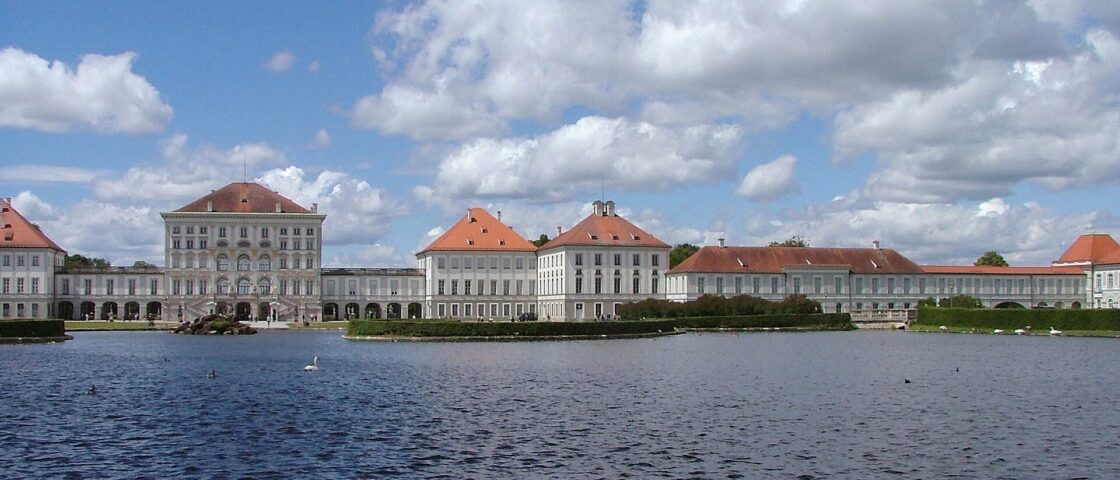
Nymphenburg Palace Munich is the Wittelsbach summer residence, a sprawling baroque country estate built between 1664 and 1726 just outside the city, now embedded in Munich’s western neighbourhoods. The palace and its 200-hectare park are arguably the city’s best half-day visit — easier to navigate than the Residenz, less crowded than Neuschwanstein, and beautifully balanced between palace rooms, museum collections, and gardens. This Nymphenburg Palace visitor guide covers history, tickets, what to see in the main palace and the four pavilions, the Marstallmuseum and Porcelain Manufactory, the gardens, when to visit, and how to combine Nymphenburg with the rest of Munich.
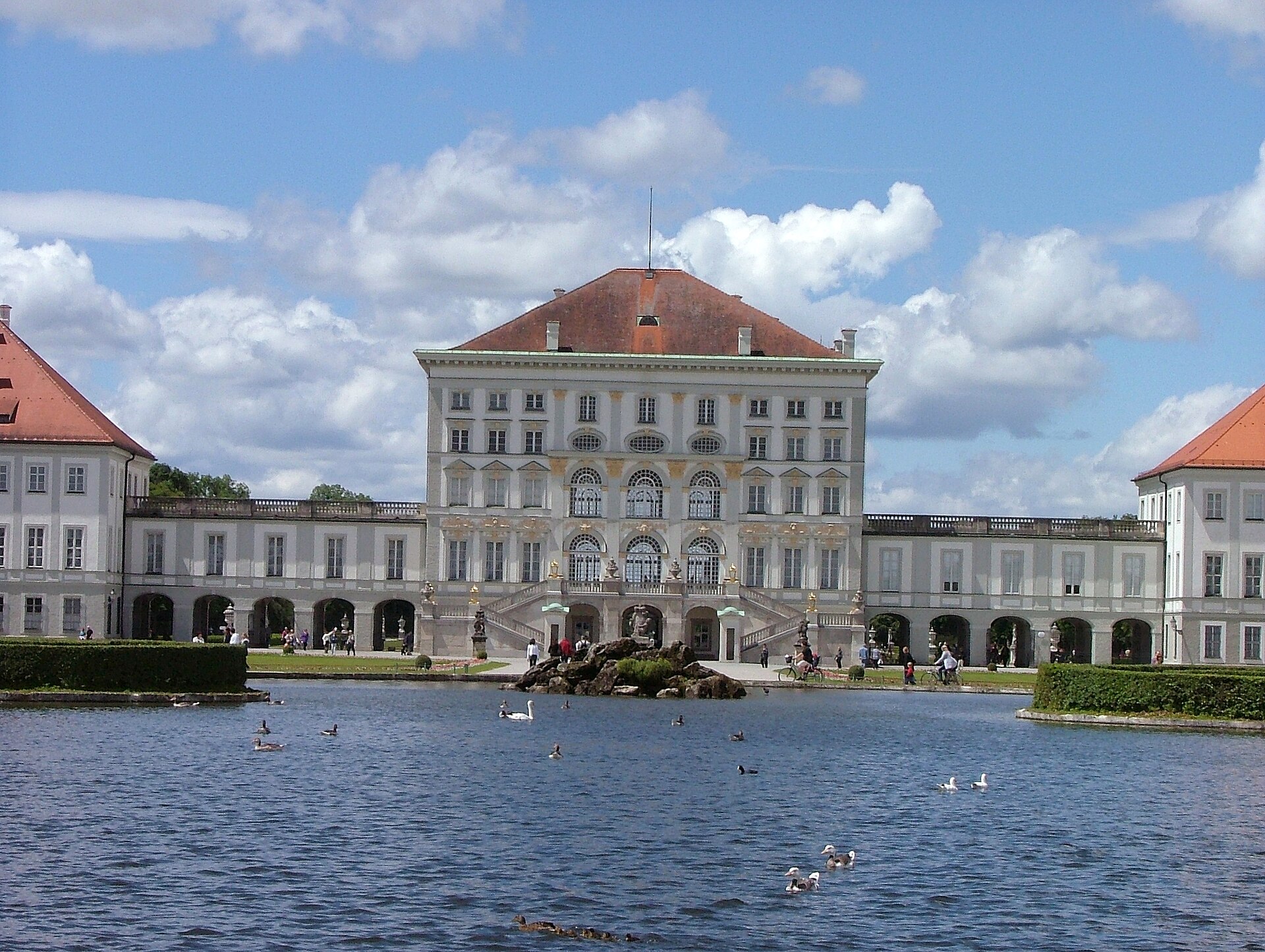
Nymphenburg Palace at a Glance
| Detail | Information |
|---|---|
| Address | Schloß Nymphenburg 1, 80638 München |
| Nearest tram | 17 — direction Amalienburgstraße, stop Schloss Nymphenburg |
| Travel time from Marienplatz | 20 minutes by tram |
| Opening hours (Apr–Oct) | Daily 9:00 to 18:00 |
| Opening hours (Nov–Mar) | Daily 10:00 to 16:00 |
| Main palace ticket | €8 adult, €7 reduced, under 18 free |
| Combination ticket (palace + Marstallmuseum + pavilions) | €15 adult |
| 14-day Bavarian palace pass | €35 (covers Residenz too) |
| Garden access | Free, year-round |
| Suggested visit length | 3 to 5 hours for everything |
| Wheelchair accessibility | Main palace partially accessible; pavilions limited |
| Cafés on site | Schlosscafé in the Palmenhaus; Schwaige Beer Garden |
History: A Birth Present That Grew Into a Palace
Nymphenburg began as a gift from Elector Ferdinand Maria to his wife Henriette Adelaide of Savoy in 1664 to celebrate the birth of their heir, Max Emanuel. The original villa was a modest five-bay Italian-inspired building set in farmland west of Munich. Max Emanuel inherited the property in 1679 and spent the next half-century transforming it. He commissioned the central pavilion’s flanking wings (1701–1704), the cour d’honneur (forecourt), and the original baroque garden, turning a country house into a serious palace.
His son, Charles VII (the Wittelsbach Holy Roman Emperor, 1742–1745), added the elegant rococo finishings inside the main palace. His grandson Max III Joseph (reigned 1745–1777) commissioned the four garden pavilions — Amalienburg, Badenburg, Pagodenburg, and Magdalenenklause — that remain the park’s hidden gems. King Ludwig I, who reigned 1825–1848, added the Gallery of Beauties and reorganised the gardens in the English landscape style now visible. Each generation of Wittelsbachs left a layer; the resulting complex feels less monumental than the Residenz but warmer and more domestic.
The Main Palace: Must-See Rooms
Great Hall (Steinerner Saal)
The ceremonial heart of the palace: a vast double-height baroque ballroom with frescoes by Johann Baptist Zimmermann (1756) depicting the goddess Flora and the play of nymphs that gave the palace its name (Nymphenburg literally means ‘Nymphs’ Castle’). Look up at the ceiling for at least 5 minutes — the trompe-l’œil perspective requires study to fully appreciate. The hall is occasionally used today for state dinners and classical concerts; check the calendar at the gates.
Queen’s Apartments
The southern wing’s queen’s apartments preserve 18th-century domestic life: small ante-rooms with painted silk wall coverings, a chinoiserie boudoir with painted lacquer panels, and the queen’s bedchamber with its delicate rococo plasterwork. King Ludwig II was born in this bedchamber on 25 August 1845; a small plaque marks the spot. The intimacy of these rooms contrasts beautifully with the public grandeur of the Great Hall.
Gallery of Beauties (Schönheitengalerie)
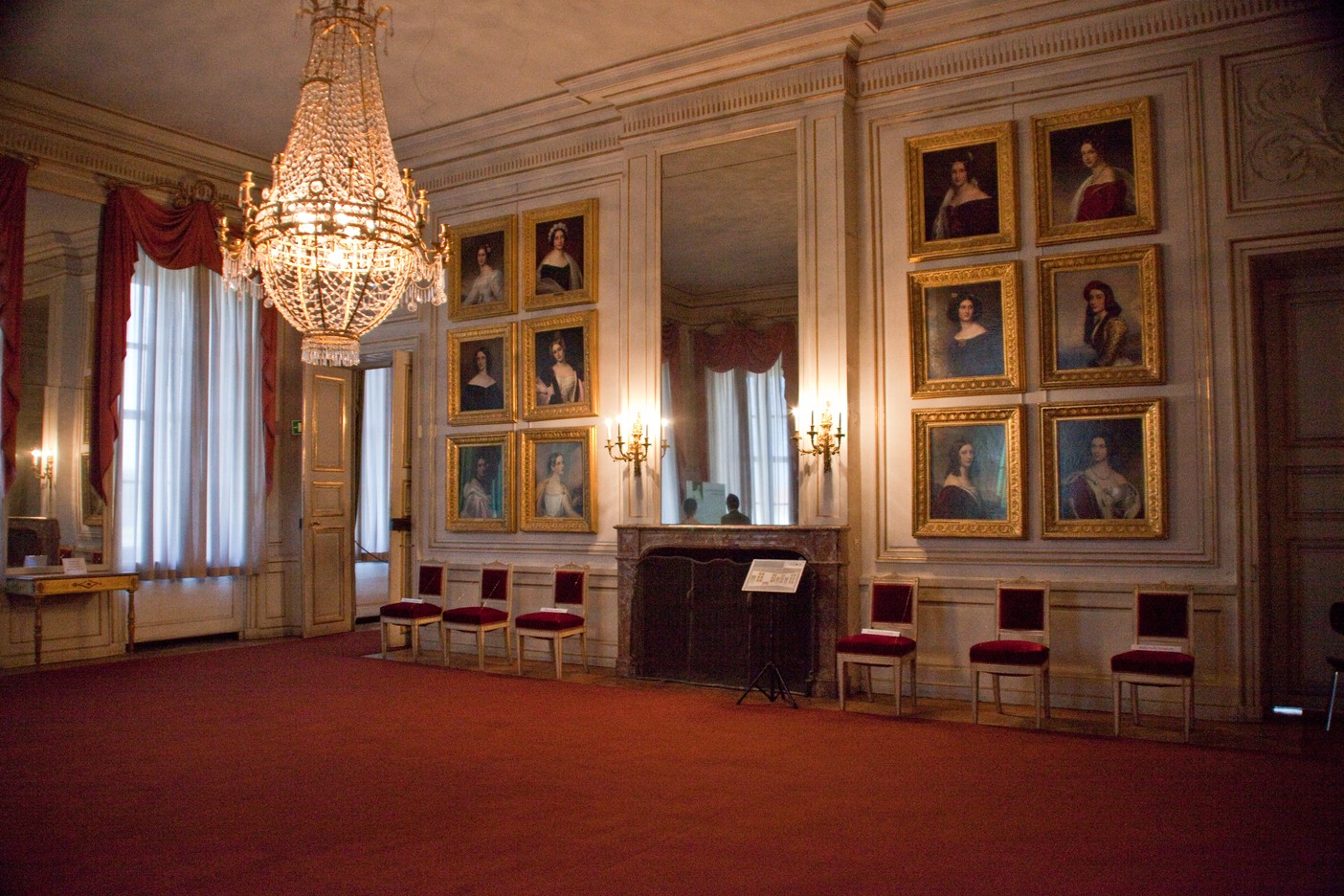
Ludwig I’s most charming personal project: a long gallery with 36 portraits of beautiful women from Munich (commissioned 1827–1850) painted by court artist Joseph Karl Stieler. The subjects range from princesses to a butcher’s daughter; Ludwig I selected each personally and the gallery became Munich gossip in its day. Some of the portraits are extraordinary — particularly that of Lola Montez, the dancer whose affair with the king triggered his 1848 abdication. Allow 20–30 minutes here; the portraits reward slow inspection.
King’s Apartments and Audience Rooms
The northern wing’s king’s apartments, less photographed than the queen’s, contain the elector’s audience chamber, conference room, and bedroom, all richly furnished in late baroque style. Look for the Chinese Lacquer Cabinet with imported East Asian panels — a luxury that signalled global trade reach in the 1730s. The state bedchamber has been carefully restored after war damage.
The Park Pavilions: Four Royal Escapes
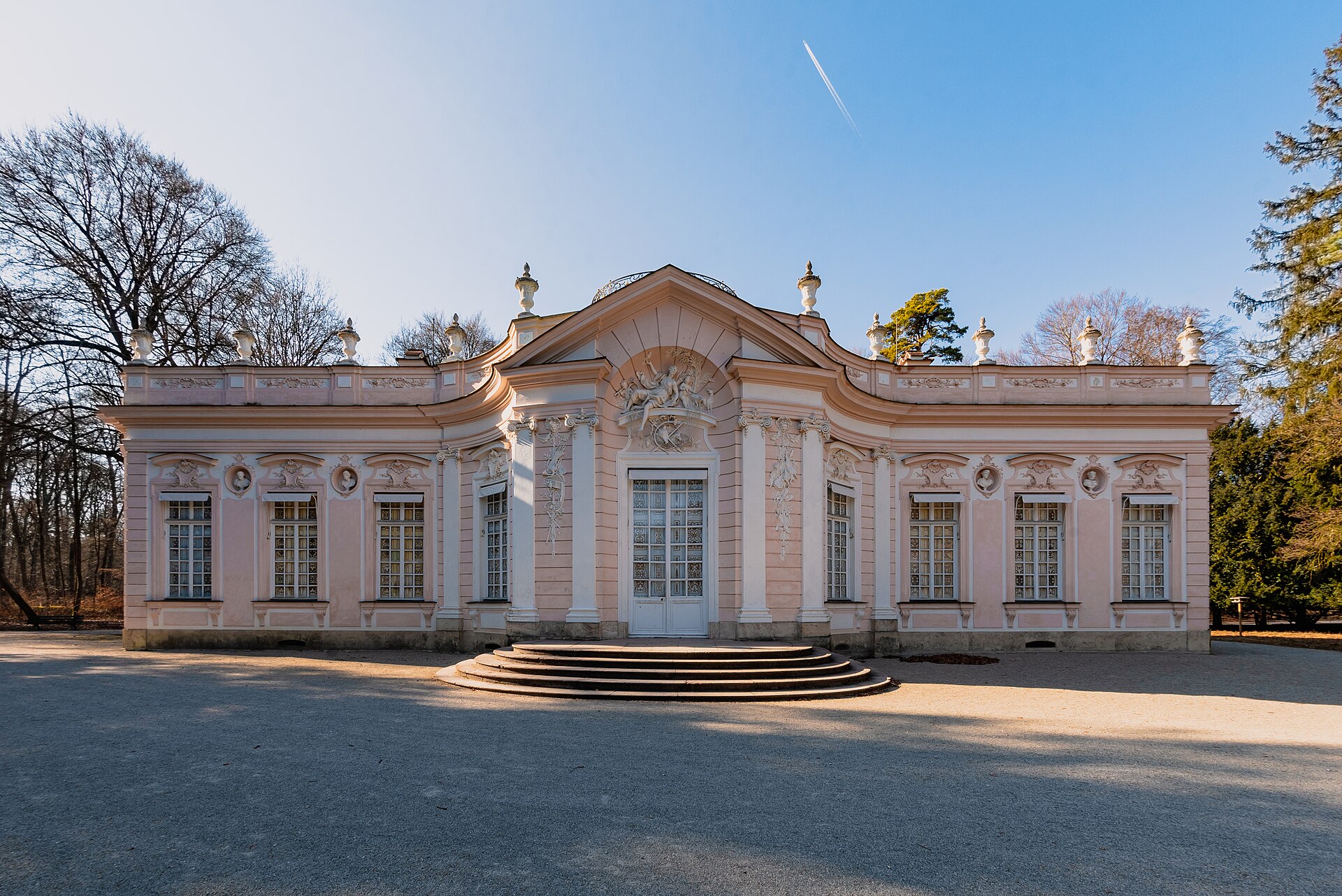
Four small pavilions dot the park, each built as a different fantasy of royal escape. All four open mid-April through mid-October only; in winter you can walk past them but cannot enter.
Amalienburg
The most famous of the four, built 1734–1739 by François de Cuvilliés for Electress Maria Amalia. A small hunting lodge with the most dazzling rococo interior in Germany: a circular Hall of Mirrors with silver gilded plasterwork, a Pheasant Room, a hunters’ kitchen with original Delft tiles, and a kennel for the queen’s dogs. The hall alone is worth the trip to Nymphenburg. 15 to 20 minutes inside.
Badenburg
Built 1718–1721 as Europe’s first heated outdoor swimming pool, complete with a marble bathing hall and tiled bath the size of a small swimming pool. Max Emanuel and his court used it for elaborate bathing parties; the technology was revolutionary for its era. The ground-floor bathing hall is the highlight.
Pagodenburg
A small octagonal pavilion built 1716–1719 for taking tea in a chinoiserie style. The ground floor is tiled with hand-painted Delftware imitating Chinese porcelain; the upper floor features actual Chinese lacquer panels. Tiny but precious. 10 to 15 minutes inside.
Magdalenenklause
The most unusual: a fake ruin built 1725–1728 as a hermitage where Max Emanuel could retreat to contemplate piety. Designed to look like crumbling brickwork (it was new!), it includes a chapel modelled on the Grotto of Mary Magdalene at Sainte-Baume. A genuine baroque-era folly.
Marstallmuseum and Porcelain Manufactory
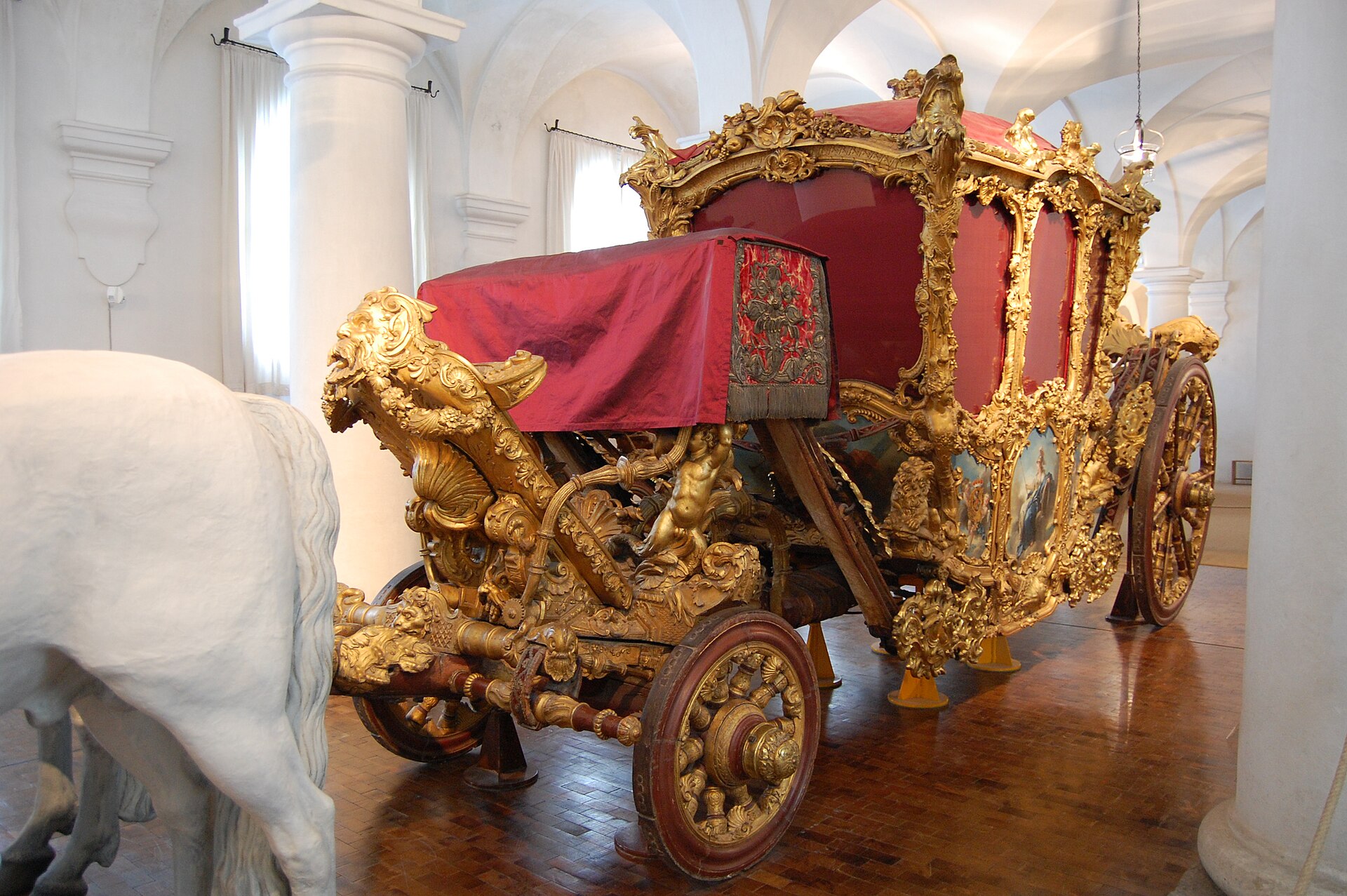
Two more attractions sit in the palace’s southern wing. The Marstallmuseum (Royal Stables Museum) is one of Europe’s best carriage collections — 40 royal coaches, sleighs, and sedan chairs, including the breathtaking coronation coach of Charles VII (1742) and Ludwig II’s fairytale ‘Cinderella’ sleigh, gilded and dripping with cherubs. Plan 45 to 60 minutes. The same building houses the Museum of Nymphenburg Porcelain, with 18th to 20th century porcelain made on the palace grounds — still produced today at the working factory at the western edge of the park. Highlights include the ‘Italian Comedy’ figurines by Franz Anton Bustelli (1760s), considered among the world’s finest porcelain sculpture. 30 to 45 minutes.
The Gardens: Free and Often Overlooked
The 200-hectare park is one of Munich’s best free spaces. Originally laid out in formal baroque style (you can still see the central avenues and the Great Cascade fountain), the park was largely converted to the English landscape style in the early 1800s and now feels more like a forested park than a formal garden. Key features:
- The Great Cascade directly behind the palace — formal water staircase with bronze gods.
- The Grand Canal stretching east-west for over a kilometre — Munich locals ice-skate on it in cold winters.
- The Iron House — an 1865 plant house, still in use.
- The Apollo Temple on a small island in the south of the park.
- The Hofgarten lake with rental rowing boats in summer (€10–€15/hour).
- Several small streams and bridges connecting the park’s quieter corners.
- Cycling allowed on the designated paths; running and walking everywhere.
Suggested Itineraries
Two-Hour Highlights Visit
- 0:00 — Arrive at the palace, buy combination ticket
- 0:10 — Main palace: Great Hall (15 min)
- 0:25 — King’s and Queen’s Apartments (25 min)
- 0:50 — Gallery of Beauties (20 min)
- 1:10 — Walk to Amalienburg in the park (10 min)
- 1:20 — Amalienburg interior (20 min)
- 1:40 — Walk back through the Great Cascade and gardens
- 2:00 — Exit, take tram 17 back to centre
Full Half-Day Experience (4 hours)
- 0:00 — Main palace, full route with all apartments and galleries (90 min)
- 1:30 — Marstallmuseum and Porcelain Museum (75 min)
- 2:45 — Walk through the gardens to Amalienburg (15 min)
- 3:00 — Amalienburg, Badenburg, Pagodenburg, Magdalenenklause loop (60 min)
- 4:00 — Coffee at the Palmenhaus Schlosscafé or beer at the Schwaige beer garden
Practical Tips
- Buy the combination ticket (€15) unless you’re certain you won’t visit the pavilions or Marstallmuseum.
- Visit weekday mornings for the lowest crowds; weekends and August are busiest.
- The pavilions close November–March — winter visits get only the main palace and the gardens.
- Pack a picnic; you can eat in the gardens but not inside the palace.
- Wheelchair access is partial; the pavilions and the Magdalenenklause have steps.
- Photography is allowed without flash inside the palace; tripods not permitted.
- The Schlosscafé inside the Palmenhaus is one of Munich’s most atmospheric coffee stops.
- Tram 17 runs every 7 to 10 minutes from Hauptbahnhof and Karlsplatz directly to the palace gates.
- Children’s audio guide is available free in English at the ticket desk and is genuinely well done.
- Plan extra time in summer for outdoor pavilion queues, especially Amalienburg.
How Nymphenburg Compares to the Residenz
| Feature | Nymphenburg | Residenz |
|---|---|---|
| Period feel | Baroque summer escape, gardens dominate | Layered medieval to neoclassical, indoor only |
| Location | West of city, tram ride away | Heart of old town |
| Outdoor experience | Excellent — 200 ha park, free | Hofgarten only, small formal garden |
| Best room | Amalienburg Hall of Mirrors | Antiquarium |
| Treasure highlights | Marstallmuseum coaches, porcelain | Crown jewels in Schatzkammer |
| Time needed | 3 to 5 hours | 3 to 4 hours |
| Best for first-timers | Strong second visit choice | Strong first-time choice |
| Combined ticket | €15 combination | €17 combination |
| Wheelchair accessibility | Partial | Good |
The Nymphenburg Porcelain Manufactory: Still Working After 275 Years
At the western edge of the park, in the original 1761 buildings, the Nymphenburg Porcelain Manufactory still produces handmade porcelain by traditional methods. Established by Max III Joseph in 1747 and moved to its current site in 1761, it is one of the oldest continuously operating porcelain houses in the world. The factory has produced everything from royal dinner services for the Wittelsbach court to contemporary collaborations with designers like Hella Jongerius and Konstantin Grcic. The factory shop is open Monday to Friday 10:00 to 17:00 and Saturday 10:00 to 14:00 — figures start at €120 for small bird sculptures and rise into the thousands for elaborate Bustelli-style Italian Comedy figurines. Even if you don’t buy, the shop is worth a visit for the craftsmanship on display. The factory itself offers guided tours by appointment (€20 per person, 90 minutes, Tuesday and Thursday afternoons) — book through the website at least two weeks ahead.
Hidden Corners: Nymphenburg Beyond the Headlines
The Botanical Garden
Just north of the palace grounds, the Munich Botanical Garden (Botanischer Garten München-Nymphenburg) is one of Europe’s most important botanical institutions. 14,000 plant species across 22 hectares, including a Mediterranean house, an Alpine garden, a fern grotto, and the famous Victoria water lilies in the heated greenhouse. €5.50 adult, under 18 free. Easily combined with a Nymphenburg visit — the entrance is a 10-minute walk north of the palace’s main gate.
The Schwaige Beer Garden
Hidden at the eastern edge of the palace grounds near the Iron House, the Schwaige Restaurant and beer garden is a Munich institution since 1857. Set in a historic Bavarian farmhouse with a chestnut-shaded beer garden seating 1,200, it serves the full Bavarian beer-hall menu plus a strong wine list. Reservations recommended for the main restaurant; the beer garden is first-come-first-served. Maß prices €5.50 to €6.50. A perfect lunch stop on a Nymphenburg visit.
The Hofgarten Lake (Großer See)
The largest body of water in the park, surrounded by woodland, with rental rowing boats in summer (€10 to €15 per hour). On warm days the lake is busy with families; in winter it sometimes freezes solid enough for ice-skating — a Munich tradition, though check ice conditions before stepping on. The lake’s island holds the Apollo Temple, a small classical structure designed by Friedrich Ludwig Sckell in 1812 in keeping with Ludwig I’s English-garden makeover.
Best Times to Photograph Nymphenburg
- Sunrise (April–September) — Soft golden light on the eastern facade. The forecourt is empty at 6:30 AM.
- Late afternoon (3 PM in winter, 6 PM in summer) — Light angles into the Great Hall windows beautifully.
- Autumn afternoons (mid-October) — Foliage in the gardens at peak colour against the cream baroque facade.
- Snowy winter morning — A snow-dusted Nymphenburg is a postcard photograph; bring waterproof shoes.
- Avoid mid-day summer — Harsh shadows and large crowds.
- The Great Cascade fountain — Best photographed in low side light morning or late afternoon, never against the sun.
- Amalienburg interior — Bring a fast lens; light is low and tripods aren’t allowed.
Combining Nymphenburg with the Rest of West Munich
Nymphenburg sits in west Munich and pairs well with several other neighborhoods if you want to make a full day of the area. A walk or short tram ride brings you to Neuhausen-Nymphenburg’s residential streets, lined with art-nouveau apartment buildings and small cafés. The BMW Welt and BMW Museum are 15 minutes north by tram or U-Bahn. The Botanical Garden is directly adjacent. Olympia Park lies further north and connects naturally for visitors interested in 20th-century Munich. Allow a full day to combine Nymphenburg and either BMW Welt or Olympia Park.
Sample West Munich Day
- 09:00 — Tram 17 from Marienplatz to Schloss Nymphenburg
- 09:30 — Main palace, full route (90 minutes)
- 11:00 — Marstallmuseum and Porcelain Museum (75 minutes)
- 12:15 — Lunch at Schwaige Beer Garden or Restaurant Schlosswirtschaft
- 13:30 — Park walk to Amalienburg and Badenburg pavilions
- 14:45 — Walk to the Botanical Garden’s tropical greenhouses
- 15:45 — Tram 17 north to BMW Welt and the BMW Museum
- 18:00 — Tram or U-Bahn back to central Munich
Nymphenburg Through the Seasons
Spring
April brings magnolias and tulips to the formal beds; May fills the chestnut avenues with white blossom. Pavilions reopen mid-April. Weekday mornings are quiet; weekends fill up from 10:30 onward.
Summer
Peak season. Long daylight, full pavilion schedule, the Schwaige beer garden in full swing. Expect modest queues for Amalienburg. The Great Cascade is in full flow.
Autumn
Arguably the best season. Crowds thin from mid-September, October paints the park in gold, and the pavilions remain open until mid-October. The light is dramatically lower-angled and beautiful for photography.
Winter
Pavilions are closed November to March, but the main palace, Marstallmuseum, and gardens remain open. A snow-dusted Nymphenburg is one of Munich’s most magical sights. Bundle up — the park is large and exposed. The Christmas Manor (Christkindlmarkt vor dem Schloss) operates on weekends in December with mulled wine and crafts in the forecourt.
Cycling and Running at Nymphenburg
The park’s marked cycle paths run for several kilometres and connect to Munich’s broader Isar-Würm cycling network. The flat ground and quiet paths make it one of the most pleasant cycling spots in Munich; locals use the park for daily runs and weekend training rides. For a hire bike, MyRadl, the MVV rental system that replaced MVG Rad, is the one to look for; check its map for the nearest station to the palace. Wheelchairs and prams roll easily on the gravel main paths but struggle off the marked routes.
Where can I eat near Nymphenburg?
Schwaige Restaurant and Beer Garden inside the park, Restaurant Schlosswirtschaft just outside the southern gate, Café Schlosspark in the gardens, and a clutch of small cafés on Romanstraße and Notburgastraße a five-minute walk south of the palace. For more substantial options, walk 10 minutes east to Restaurant Maro on Hubertusstraße or 12 minutes north to the BMW Welt’s rooftop café for spectacular views.
Are there guided tours of Nymphenburg in English?
Yes. Public English-language tours run weekdays at 11:00 and 14:00 from April to October (€5 supplement above admission, 60 minutes). Private guides can be booked through the Bavarian Palace Administration for €70 per group for up to two hours. The included audio guide is excellent and free; many visitors find it sufficient.
Is Nymphenburg busy on Sundays?
More than weekdays but less than peak summer weekends. Many Munich families visit Sunday afternoons. Arriving at opening (09:00 April-October, 10:00 November-March) is your best defense.
Frequently Asked Questions
Is Nymphenburg worth visiting if I’ve seen the Residenz?
Absolutely. The two palaces complement each other rather than overlap. The Residenz is layered indoor history; Nymphenburg is baroque country leisure with vast gardens. Most multi-day Munich itineraries reserve a half-day for each.
Can I visit Nymphenburg with kids?
Yes. The gardens are excellent for under-10s (running room, ducks, the Cascade fountain to watch), the Marstallmuseum’s carriages and sleighs delight all ages, and the children’s audio guide makes the main palace child-friendly. Under-18s enter free.
How long does the tram from the city centre take?
Tram 17 takes 20 minutes from Hauptbahnhof or Karlsplatz to the Schloss Nymphenburg stop. Every 7 to 10 minutes during the day.
Is there parking at Nymphenburg?
Limited paid parking is available at the western edge of the park (Bonner Platz). On weekends in summer it fills up by 11:00. The tram is faster, cheaper, and more reliable.
Can I see Nymphenburg in just an hour?
Yes, but you’d be skipping a lot. A single-hour visit gives you the Great Hall and one wing of apartments. Save Nymphenburg for at least 2.5 hours; ideally 4.
Is the Marstallmuseum suitable for children?
Excellent. Forty royal carriages — including King Ludwig II’s fairytale ‘Cinderella’ sleigh and a coronation coach with full gilding — kept most kids fully engaged for 45 to 60 minutes. The free children’s audio guide is genuinely well done.
How do I get to Nymphenburg from Munich Airport?
S1 or S8 S-Bahn to Marienplatz, then tram 17 directly to the palace. Allow 90 minutes door-to-door. Direct taxi from the airport runs €70 to €90.
Are the pavilions worth the extra ticket?
Yes if you’re visiting April through mid-October — Amalienburg’s Hall of Mirrors alone justifies the upgrade. In winter (November to March) the pavilions are closed and the basic palace ticket is enough.
Plan Your Munich Trip
- Munich Residenz: Royal Palace Guide — the city-centre palace companion
- Munich Museums and Culture — the master overview
- Neuschwanstein Castle Day Trip — Neuschwanstein and beyond
- Munich Trip Planning Guide — fitting Nymphenburg in
- Wittelsbach Dynasty — the family behind the palace
Photo Credits
Nymphenburg Palace across the water: 07.06.2009. München Sch.Nymphenburg – panoramio – Sandor Bordas (1) by Sandor Bordas (Panoramio), CC BY-SA 3.0, via Wikimedia Commons.
Nymphenburg’s central pavilion: 07.06.2009. München Sch.Nymphenburg – panoramio – Sandor Bordas (3) by Sandor Bordas (Panoramio), CC BY-SA 3.0, via Wikimedia Commons.
Amalienburg in Nymphenburg Palace Park: 20230209 Amalienburg Nymphenburg by Flocci Nivis, CC BY 4.0, via Wikimedia Commons.
The Gallery of Beauties: Nimfenburg 078 by Fvz, CC BY-SA 3.0, via Wikimedia Commons.
A gilded coach in the Marstallmuseum: Marstallmuseum Nymphenburg 06 by Massimop, CC BY-SA 3.0, via Wikimedia Commons.