Live Music Venues and Jazz Bars
Munich's complete 2026 live music guide — Jazzclub Unterfahrt, Bayerische Staatsoper, Munich Philharmonic, Strom indie, Backstage rock, plus 15 more venues across jazz, classical & indie.
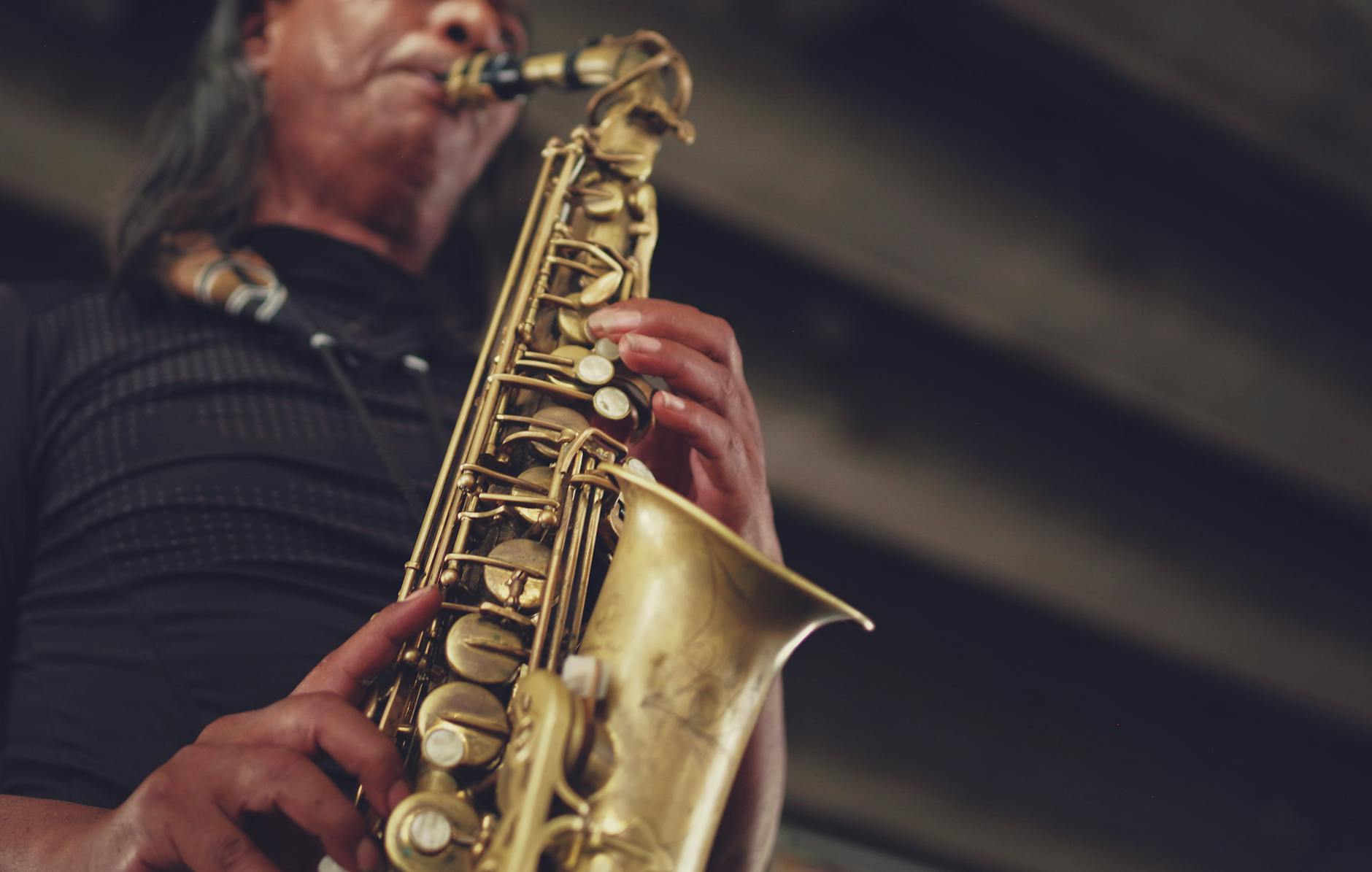
Munich’s live music scene is more sophisticated than its reputation suggests. The city houses one of Europe’s most respected jazz scenes outside Paris, several world-class classical concert halls, intimate acoustic venues, and a thriving indie-rock circuit. From the legendary Jazzclub Unterfahrt to the Munich Philharmonic at Gasteig HP8, the Werkstattkino’s atmospheric concerts to the Strom indie venue’s live program, this complete Munich live music guide for 2026 maps the city’s 20+ best venues with what they program, ticket pricing, and how to find good shows. Whether you’re after a Sunday afternoon jazz brunch, an evening at the symphony, or a sweaty indie show, Munich has it.
Munich’s Top Live Music Venues at a Glance
| Venue | Style | Capacity | Best For | Cover/Tickets |
|---|---|---|---|---|
| Jazzclub Unterfahrt | Jazz | 120 | Top international jazz | €20–€45 |
| Jazzbar Vogler | Jazz, blues | 50 | Intimate basement jazz | €10–€18 |
| Mr. B’s Jazzclub | Jazz, soul | 80 | Modern jazz, weekly programs | €15–€25 |
| Bayerische Staatsoper | Opera, classical | 2,100 | World-class opera | €10–€280 |
| Munich Philharmonic at Gasteig HP8 | Classical | 2,400 | Symphony | €15–€95 |
| Herkulessaal at Residenz | Classical, chamber | 1,300 | BR Symphony Orchestra | €20–€90 |
| Olympiapark Concerts | Pop, rock, electronic | 70,000+ | Major touring acts | €60–€180 |
| Munich Stadium concerts | Rock, pop | ~75,000 | Mega-stars | €80–€350 |
| Strom | Indie, alternative | 600 | Live indie + electronic | €8–€25 |
| Backstage Munich | Rock, metal, alt | 1,500+ | Underground alt | €15–€45 |
| Milla Club | Indie experimental | 200 | Indie + DJ | €8–€20 |
| Muffathalle | Multi-genre | 1,300 | Touring concerts | €20–€60 |
| Tonhalle Munich | Multi-genre | 1,000 | Touring concerts | €20–€55 |
| Werkstattkino | Acoustic, art | 100 | Intimate alternative | €8–€20 |
| Schwere Reiter | Jazz, experimental, indie | 300 | Adventurous bookings | €10–€25 |
| Substanz | Indie, alternative | 200 | Long-running venue | €10–€20 |
| Andechs am Dom (occasional) | Folk | 150 | Bavarian folk Sunday | Free–€10 |
| Hofbräuhaus oompah band | Bavarian folk | 3,000 | Live every evening | Drinks only |
Jazz Scene — Munich’s Hidden Strength
Jazzclub Unterfahrt — The Crown Jewel
On Einsteinstraße in Haidhausen, Jazzclub Unterfahrt is Munich’s most respected jazz venue and one of Europe’s most consistently excellent jazz clubs. Founded in 1978 in the basement of a former World War II air-raid bunker, the club has hosted virtually every important contemporary jazz musician — Chick Corea, Pat Metheny, Brad Mehldau, Esperanza Spalding, Wynton Marsalis, Joshua Redman, the Bad Plus, and many more. The Stage is intimate (120 seats), the acoustics are excellent (helped by the bunker’s concrete construction), and the booking philosophy emphasizes serious jazz over mainstream crossover. Nightly concerts at 21:00; €20–€45 per ticket; book 1-2 weeks ahead for major international names. The club has a small restaurant and bar; arriving 30-45 minutes before show time for dinner is standard.
Jazzbar Vogler — Intimate and Affordable
In Glockenbachviertel on Rumfordstraße, Jazzbar Vogler is Munich’s most popular small jazz bar — 50 seats in a basement with live music nightly. The booking leans toward modern jazz, blues, and bossa nova; tickets €10-€18 cover small but excellent local and touring acts. Easier to walk in than Unterfahrt; cheaper drinks; more casual atmosphere. Live music typically starts 21:00; arrive 20:30 for seats. The bar runs continuously through Tuesday-Saturday with a Sunday-only weekly jazz brunch (€18 buffet + concert).
Mr. B’s Jazzclub
On Herzog-Heinrich-Straße near the Hauptbahnhof, Mr. B’s is the newer addition to Munich’s jazz scene — opened 2014 with a strong programming focus on contemporary jazz, soul, and adjacent genres. 80 seats; tickets €15-€25. The bar is full-service; food is good. Weekly programs include themed nights (Wednesday Bossa Nova, Thursday Jazz Quartet, Saturday Big Band).
Other Jazz Spots
- Schumann’s Bar on Odeonsplatz — occasional jazz sessions on Sunday afternoons
- Hofbräukeller Jazz Brunch — Sunday morning jazz brunch tradition
- Theaterabteilung im Künstlerhaus — quarterly experimental jazz festivals
- Café Trichter on Maxvorstadt — Saturday afternoon jazz café
- Pasinger Fabrik — periodic touring jazz programs in suburban Munich
Classical Music — Munich’s World-Class Tradition

Bayerische Staatsoper — World-Class Opera
The Bayerische Staatsoper at the National Theater on Max-Joseph-Platz is Germany’s most prestigious opera house — and one of Europe’s best, alongside the Royal Opera House London, Wiener Staatsoper, and La Scala Milan. The 2,100-seat National Theater (rebuilt 1963 after WWII destruction) is itself a beautiful classical building. The opera season runs September through July with 250+ performances annually. The repertoire includes everything from Mozart to contemporary commissions. Star conductors and singers regularly appear. Ticket prices range from €10 standing-room (buy at box office 90 minutes before curtain) to €280 premium evening tickets. The standing-room option is exceptional value for first-timers; bring opera glasses since you’re at the back.
Munich Philharmonic at Gasteig HP8
The Munich Philharmonic is one of Germany’s elite symphony orchestras. Currently performing at the temporary Gasteig HP8 venue (a former generator hall in Sendling) while the original Gasteig is renovated through 2027. The HP8 venue, designed by gmp Architekten, has excellent acoustics and a casual hipness that contrasts with traditional concert halls. The Philharmonic plays roughly 100 concerts per year — symphonic programs, chamber music, occasional pop and crossover. Tickets €15-€95 depending on program and seat. The 2026-27 season program is published in March 2026.
Herkulessaal — Bavarian Radio Symphony Orchestra
Inside the Residenz palace, the Herkulessaal is the home of the Bavarian Radio Symphony Orchestra (BR-Symphonieorchester) — another of Germany’s elite ensembles. The 1,300-seat hall (rebuilt after WWII) has warm acoustics and intimate scale. Programs lean classical and modern classical. Tickets €20-€90.
Other Classical Venues
- Cuvilliés-Theater inside the Residenz — exquisite Rococo theater; chamber concerts; €30-€80
- Carl-Orff-Saal at Gasteig HP8 — smaller hall for chamber music; €15-€55
- Asamkirche — occasional Sunday afternoon concerts in this Rococo gem
- Allerheiligen-Hofkirche in the Residenz — wedding-style concerts
- Stadtsaal Pasing — community concerts in suburban Munich
- Various church concerts — Frauenkirche, Theatinerkirche, Michaelskirche have regular Sunday afternoon programs
Indie and Alternative Rock Venues
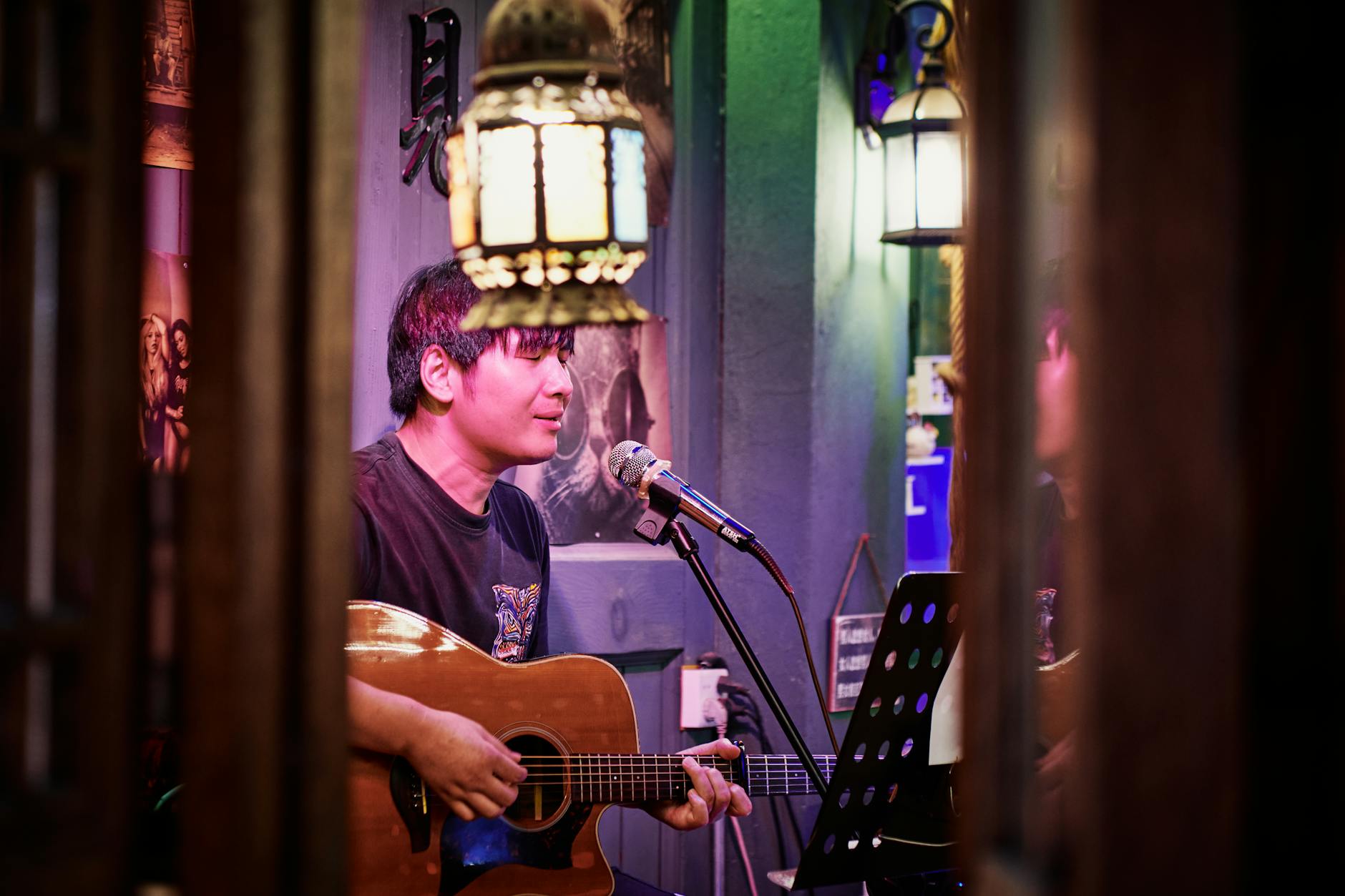
Strom — Munich’s Premier Indie Venue
South of the Hauptbahnhof, Strom is the institutional indie-rock and alternative-electronic venue. The main floor hosts touring indie bands; the Roter Salon side room hosts smaller experimental acts. Touring artists range from indie-rock revival bands to electronic acts and rotating DJ programming. Capacity 600. Tickets €8-€25 depending on the act. The venue’s program is published 2-3 months ahead on its website (strommuc.de).
Milla Club — Smaller, More Experimental
In Glockenbachviertel on Holzstraße, Milla Club is Munich’s most consistently interesting smaller indie venue. 200 capacity; live experimental and alternative music nightly, with DJ sets typically following at midnight. Cover €8-€20. Particularly known for booking unsigned and emerging acts. The bar runs casual atmosphere with the live music as anchor.
Backstage Munich — Underground Rock and Metal
In west Munich on Reitknechtstraße, Backstage is the city’s largest dedicated rock/metal/alternative venue — three stages plus a beer garden. Capacity 1,500+ across the venues. Touring metal, hardcore, indie, and underground rock acts perform multiple nights per week. The crowd skews older (30-50) and dedicated to the music. Tickets €15-€45.
Other Indie/Alternative Spots
- Substanz on Ruppertstraße — long-running indie venue; smaller capacity
- Muffathalle on Zellstraße — large-format touring concerts (1,300 capacity)
- Tonhalle Munich on Grafinger Straße — varied tour programming
- Werkstattkino on Fraunhoferstraße — intimate experimental + film
- Schwere Reiter in Maxvorstadt — adventurous bookings
- Olympiapark Olympic Stadium — major touring stadium acts (Madonna, U2, Taylor Swift)
- Olympiahalle — indoor 12,000-capacity for bigger touring acts
Bavarian Folk and Oompah Music
For traditional Bavarian live music — the brass-band style oompah associated with beer halls and Oktoberfest — Munich offers several reliable venues:
- Hofbräuhaus — daily live oompah from 11:00 to closing; admission free with drink purchase
- Hofbräukeller am Wiener Platz — live music several evenings per week
- Augustiner-Großgaststätte — occasional brass-band performances
- Andechs am Dom — Bavarian folk Sundays
- Various beer gardens in summer — Chinesischer Turm, Hirschgarten, Paulaner am Nockherberg
- Oktoberfest tents — see our tent guide for the festival music scene
How to Find Munich Live Music Listings
- Mucbook (mucbook.de) — Munich-focused culture magazine; comprehensive concert listings
- München Ticket (muenchenticket.de) — venue ticket aggregator
- Songkick and Bandsintown — international apps showing Munich shows of artists you follow
- Jazzclub Unterfahrt website — month-by-month jazz schedule
- Bayerische Staatsoper website — opera season program
- Munich Philharmonic website — symphony program
- Eventbrite and Resident Advisor — electronic and club nights
- Facebook events — particularly active for indie and underground shows
Ticket Strategy
- Opera and major classical: book 4-8 weeks ahead for popular productions; standing-room available at the door 90 minutes before curtain
- Major touring concerts at Olympic Stadium: book the day tickets go on sale (often 6+ months ahead)
- Jazzclub Unterfahrt: 1-2 weeks ahead for international names; walk-in often possible for less-known acts
- Indie venues: 1-3 weeks ahead for popular acts; walk-in often possible
- Cover charges at jazz bars and clubs: cash preferred
- Avoid third-party resellers: book direct from venues whenever possible
- Last-minute Munich Ticket sometimes has surprise availability

Tickets, Dress Code, and Timing by Venue Type
Munich’s music venues run on very different rhythms — what you wear, when you turn up, and how far ahead you book all depend on which scene you are diving into. The table sorts the essentials before you set out.
| Venue type | Typical ticket | Dress | Booking | Doors / start |
|---|---|---|---|---|
| Jazz club (Unterfahrt, Vogler) | €15–28 | Smart casual | A few days ahead | Sets ~20:30–21:00 |
| Opera & classical (Staatsoper, Philharmonie) | €15–250 | Neat; no formal rule | Weeks ahead; returns at the box office | Curtain 19:00–20:00 |
| Indie / rock (Strom, Backstage) | €15–40 | Anything goes | Days to weeks; big acts sell out | Doors ~20:00 |
| Folk / oompah (Hofbräuhaus, beer halls) | Free entry | Casual; Tracht welcome | Walk-in | Bands from ~18:00–19:00 |
Two myths worth busting. First, the Bayerische Staatsoper is not a black-tie crowd — neat clothes are plenty, and standing-room tickets at the back start around €15 if you queue early. Second, you do not need German to enjoy any of it: jazz and classical are languages of their own, and the beer-hall brass bands only ask that you sway along and lift your stein on cue. For the wider after-dark picture, our Munich nightlife hub and the rundown of the best bars in Munich set the scene around the venues.
A Music Lover’s Night Out: Pairing Venues with Dinner
The trick to a great music night in Munich is matching the venue to its neighbourhood. For jazz, make an evening of Haidhausen: dinner at one of the trattorias around Weissenburger Platz, then the short walk to Unterfahrt for the 21:00 set. The district’s nickname — the “French Quarter,” for its Paris-style radiating streets — fits the smoky-room mood exactly.
For opera or a Philharmonie concert, stay in the Altstadt: an early dinner near the Nationaltheater, curtain at 19:00, and a nightcap afterwards in the courtyards of the Fünf Höfe. Indie and alternative nights belong to the south of the centre — pair a show at a smaller club with the bars of the Glockenbachviertel or student-leaning Schwabing, both walkable home zones with late kitchens. And if your “live music” is really an excuse for a great Bavarian evening, the brass bands and shared benches of the historic halls deliver — our guide to Munich’s beer halls after dark maps the liveliest. Whatever you choose, the U-Bahn runs until roughly 01:00 on weeknights and all night on Friday and Saturday, so note the last train or budget for a taxi home.
How to hear world-class music in Munich on a budget
Munich’s grandest stages are more affordable than they look if you know the tricks. The Bayerische Staatsoper releases a block of cheap standing-room and restricted-view tickets, and students under 30 can grab unsold seats for around €15 at the box office shortly before curtain. The Munich Philharmonic and the Bavarian Radio Symphony both run discounted last-minute and under-30 schemes. Free lunchtime organ recitals echo through the Frauenkirche and St. Michael’s on selected weekdays, and the Hochschule für Musik und Theater — the city conservatory near the Königsplatz — stages free or near-free student concerts most weeks during term, often at a startlingly high level. Check München Ticket and each venue’s own site rather than resale platforms, where Munich concert tickets carry steep markups.
Frequently Asked Questions
Where can I see live jazz in Munich?
Jazzclub Unterfahrt in Haidhausen is Munich’s premier jazz venue with nightly international acts. Jazzbar Vogler in Glockenbachviertel is the most popular small jazz bar. Mr. B’s Jazzclub near the Hauptbahnhof offers contemporary jazz with weekly themed nights.
How much do Munich opera tickets cost?
Bayerische Staatsoper tickets range from €10 standing-room (buy 90 minutes before curtain at the box office) to €280 premium evening seats. Most middle-tier seats run €40-€120. For first-timers, the standing-room option is excellent value.
What’s the best classical concert venue in Munich?
The Bayerische Staatsoper (National Theater) for opera. The Gasteig HP8 for the Munich Philharmonic. The Herkulessaal at the Residenz for the BR-Symphonieorchester. The Cuvilliés-Theater for intimate Baroque-set chamber music.
Where can I see indie rock concerts in Munich?
Strom is the major indie venue; Milla Club for smaller experimental shows; Backstage Munich for rock/metal/alternative; Muffathalle for larger touring acts.
Munich’s Music Scene by Genre and History
Understanding Munich’s music landscape requires recognizing it as a historically classical city that has overlaid jazz, rock, and electronic scenes onto a foundational classical-music identity. The Munich Philharmonic dates to 1893; the Bayerische Staatsoper opened in 1818; the Bavarian Radio Symphony Orchestra was founded in 1949. These institutions employ hundreds of professional musicians and have created a deep classical-music labor pool. By the 1960s-1970s, jazz arrived through American military bases, Munich-based musicians like Karl Schäfer, and the founding of Jazzclub Unterfahrt (1978). Rock and electronic music emerged later — Munich’s electronic music history begins with Giorgio Moroder’s Music Land Studios in the 1970s (producing Donna Summer’s “I Feel Love”), gained underground status in the 1990s with venues like the late Patrona Bavariae, and matured into today’s serious techno scene; Blitz, which opened in 2017, has since closed. Each generation built on rather than replaced the previous one — meaning Munich today has unusual depth across multiple musical genres.
The city’s classical-music infrastructure remains its most distinguishing feature internationally. The Bayerische Staatsoper alone produces 250+ opera performances per year; the Munich Philharmonic plays 100+ symphonic concerts; the BR Symphony Orchestra hosts 50+ programs at the Herkulessaal. Add the Munich Chamber Orchestra, the Akademie für Alte Musik (early music), several university orchestras, and dozens of chamber-music programs at smaller venues, and a serious classical music listener could attend a high-quality concert every night for a year without repeating venues. This depth of programming is comparable to Vienna, Paris, and London — and exceeds most American cities. Tickets remain remarkably affordable: standing-room opera tickets at €10, full evening symphonic seats at €15-€95, chamber music at €15-€40.
Hidden Munich Music Venues Worth Knowing
Beyond the major institutions, Munich has dozens of smaller venues that reward exploration. Café Trichter on Maxvorstadt hosts Saturday afternoon jazz brunches with rotating local musicians; tickets €8 with brunch. Schwere Reiter in Maxvorstadt hosts experimental jazz, electronic, and theater performances; €10-€25. Werkstattkino in Glockenbachviertel combines independent cinema with acoustic concerts; €8-€20. Carl-Orff-Saal at Gasteig HP8 is the smaller chamber venue alongside the main Philharmonic stage; €15-€55. Allerheiligen-Hofkirche in the Residenz Palace hosts intimate Sunday concerts in a reconstructed 19th-century space; €30-€80. Heuvelmann-Studio is a Schwabing recording-studio-turned-jazz-venue; small, atmospheric, advance booking essential. Substanz on Ruppertstraße hosts touring indie and experimental rock acts in a basement venue; €10-€20. The Cuvilliés-Theater inside the Residenz hosts occasional chamber concerts in the world’s most beautiful Baroque theater interior; €30-€80; the experience justifies the price.
Munich’s Music Festival Calendar
Munich’s music festival calendar includes several internationally significant events. Münchner Opernfestspiele (Munich Opera Festival, July) is the Bayerische Staatsoper’s summer festival — five weeks of opera, ballet, and chamber concerts, with major touring directors and singers. The festival was founded in 1875 and remains one of Europe’s most prestigious opera events. Tollwood Summer Festival (19 June to 19 July in 2026) at Olympiapark — about four weeks of free outdoor world music, jazz, electronic, and theater plus ticketed major touring concerts. The 2026 program is published in March. Münchner Klaviersommer (Munich Piano Summer, July) hosts international piano recitals. Aufgemischt jazz festival rotates Munich venues each September. The BR Symphonieorchester Sommerkonzerte at the Königsplatz outdoor stage (selected summer weekends) is one of Munich’s loveliest free concert experiences. Bayerische Klavierfestival (Bavarian Piano Festival) tours regional venues each spring. Various small festivals — the Maximilians-Brunnen organ concerts, the Frauenkirche organ recitals, the Westend Cultural Festival — fill gaps in the calendar.
How to Find Munich Concert Information
Several resources help navigate Munich’s music programming. Mucbook (mucbook.de) is the Munich-focused culture magazine with comprehensive concert listings — particularly strong on indie and electronic. München Ticket (muenchenticket.de) is the major ticket aggregator covering opera, symphony, theater, and concerts. Bayerische Staatsoper website publishes the opera season programs; Munich Philharmonic website the symphony schedule. Resident Advisor (residentadvisor.net) covers electronic music programming. Songkick and Bandsintown track international touring artists in Munich. Eventbrite covers smaller indie and experimental shows. For dedicated jazz listeners, Jazzclub Unterfahrt website publishes the most respected monthly jazz schedule. For comprehensive coverage, follow social media accounts of specific venues you find interesting — most venues post upcoming shows 4-8 weeks in advance.
Free and Outdoor Live Music in Munich
Not all of Munich’s best music costs the price of a concert ticket — and in summer, much of it happens outdoors. The English Garden is the city’s informal stage: drum circles and buskers gather near the Chinese Tower on warm afternoons, and the beer garden there often has a brass band working through Bavarian standards from the bandstand while you drink. Down at the Eisbach, impromptu guitar sessions break out on the lawns whenever the sun holds.
The seasonal festivals are where free music goes big. Tollwood, twice a year on the Olympiapark and Theresienwiese grounds, programmes world music and pop on free outdoor stages alongside its ticketed tent shows. The Streetlife Festival closes Ludwigstraße to traffic and fills it with bands; the Stadtgründungsfest each June stages free concerts across Marienplatz and the Altstadt. And on one Sunday morning in July, the Kocherlball draws hundreds of costumed dancers to the Chinese Tower for traditional music at 6 a.m. — one of the city’s great free spectacles, and proof Munich takes its music seriously even before breakfast. For the green spaces where much of this unfolds, see our Munich parks and gardens guide, and time your visit using the best time to visit Munich month-by-month breakdown.
Plan Your Munich Night Out
This live music guide is part of our deeper Munich nightlife guide. For cocktail bars and clubs see our best bars guide and best nightclubs guide. For broader trip planning see our things to do guide.