Best Nightclubs in Munich
Munich's best nightclubs for 2026 - Harry Klein, Bahnwärter Thiel, Strom, Pacha, P1, Rote Sonne. With sound, door policy, location, and best night for each.
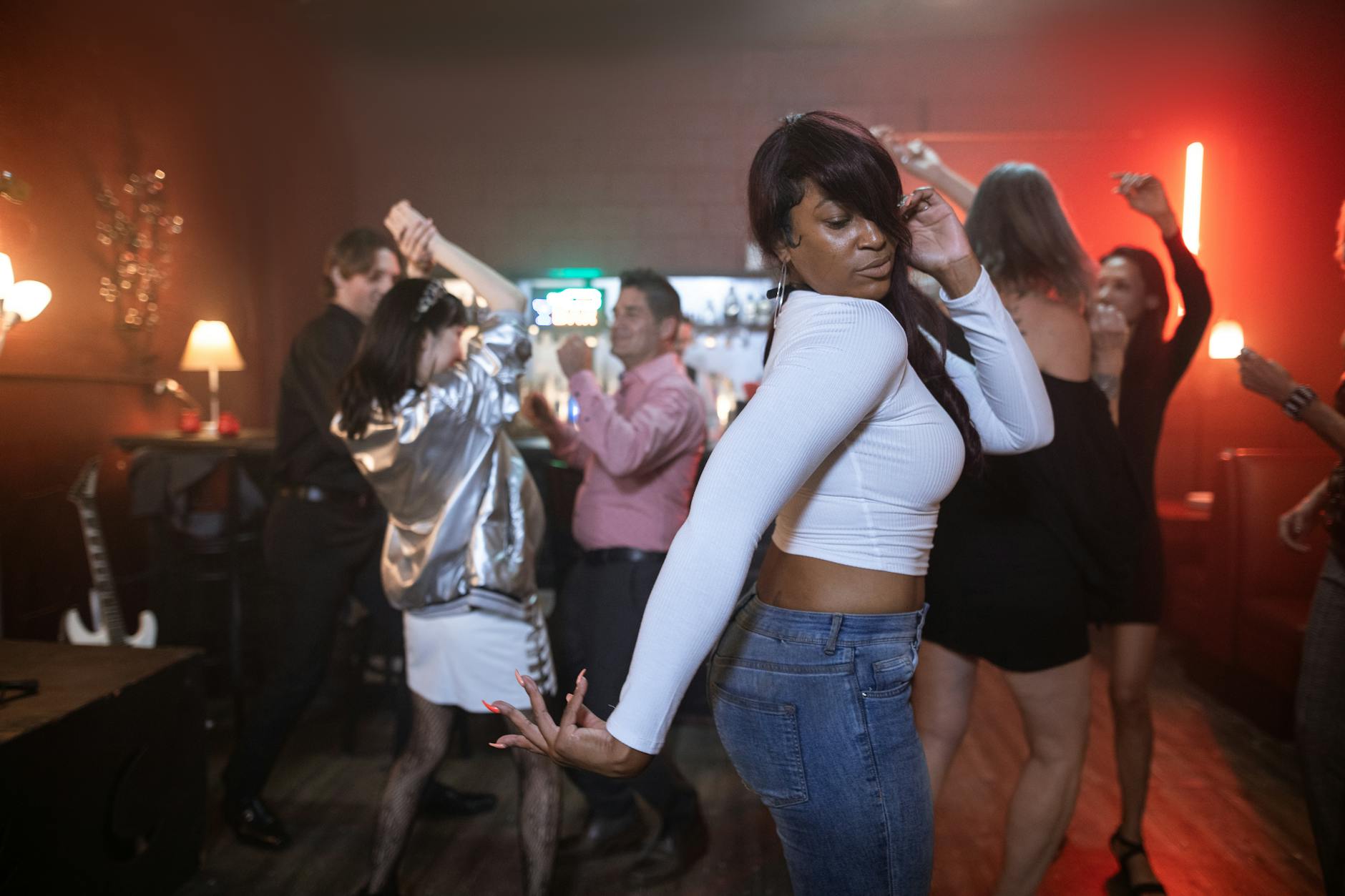
Berlin gets all the international attention for German techno, but Munich’s club scene has its own loyal following — and on a Saturday night, the best Munich clubs match anything you’ll find in Friedrichshain. From the converted railway tunnels of Bahnwärter Thiel to the underground basement of Harry Klein and the indie-rock institution Strom, Munich offers serious dance floors across techno, house, hip-hop, indie, and electronic. This 2026 Munich clubs guide reviews the city’s 15 best nightclubs — with their sound, door policy, location, opening hours, and what to expect on different nights of the week.
Munich Clubs at a Glance
| Club | Style | Capacity | Vibe | Best Night |
|---|---|---|---|---|
| Harry Klein | Techno, electronic | 300 | Underground, intimate | Friday + Saturday |
| Bahnwärter Thiel | Multi-genre | 1,000+ | Railway tunnels, eclectic | Saturday |
| Pacha Munich | Big-room house | 1,400 | Mainstream + glam | Saturday |
| Strom | Indie, alternative, rock | 600 | Live music + DJ | Friday + Saturday |
| Roter Salon Strom | Indie, electronic | 200 | Smaller side room of Strom | Various |
| P1 | Hip-hop, mainstream | 1,000 | Celebrity-magnet, dressy | Saturday |
| Crystal Club | Hip-hop, R&B | 700 | Mid-luxe, tight door | Friday |
| MMA Club (Mixed Munich Arts) | Multi-genre, queer-friendly | 600 | Inclusive, eclectic | Various |
| NY Club | House, electro | 800 | Long-running, mid-luxe | Saturday |
| Heart Club | Hip-hop, R&B | 500 | Glam, mainstream | Friday + Saturday |
| Rote Sonne | Techno, dark electronic | 500 | Hardcore, vinyl-driven | Saturday |
| Milla Club | Indie, experimental | 200 | Live + DJ, alternative | Various |
| Schwere Reiter | Indie, electronic, jazz | 300 | Multi-purpose cultural | Various |
| Backstage Munich | Rock, metal, alt | 1,500+ | Multiple stages, all-ages | Various |
Top Clubs in Detail
1. Blitz — The Techno Bunker That Closed in August 2026
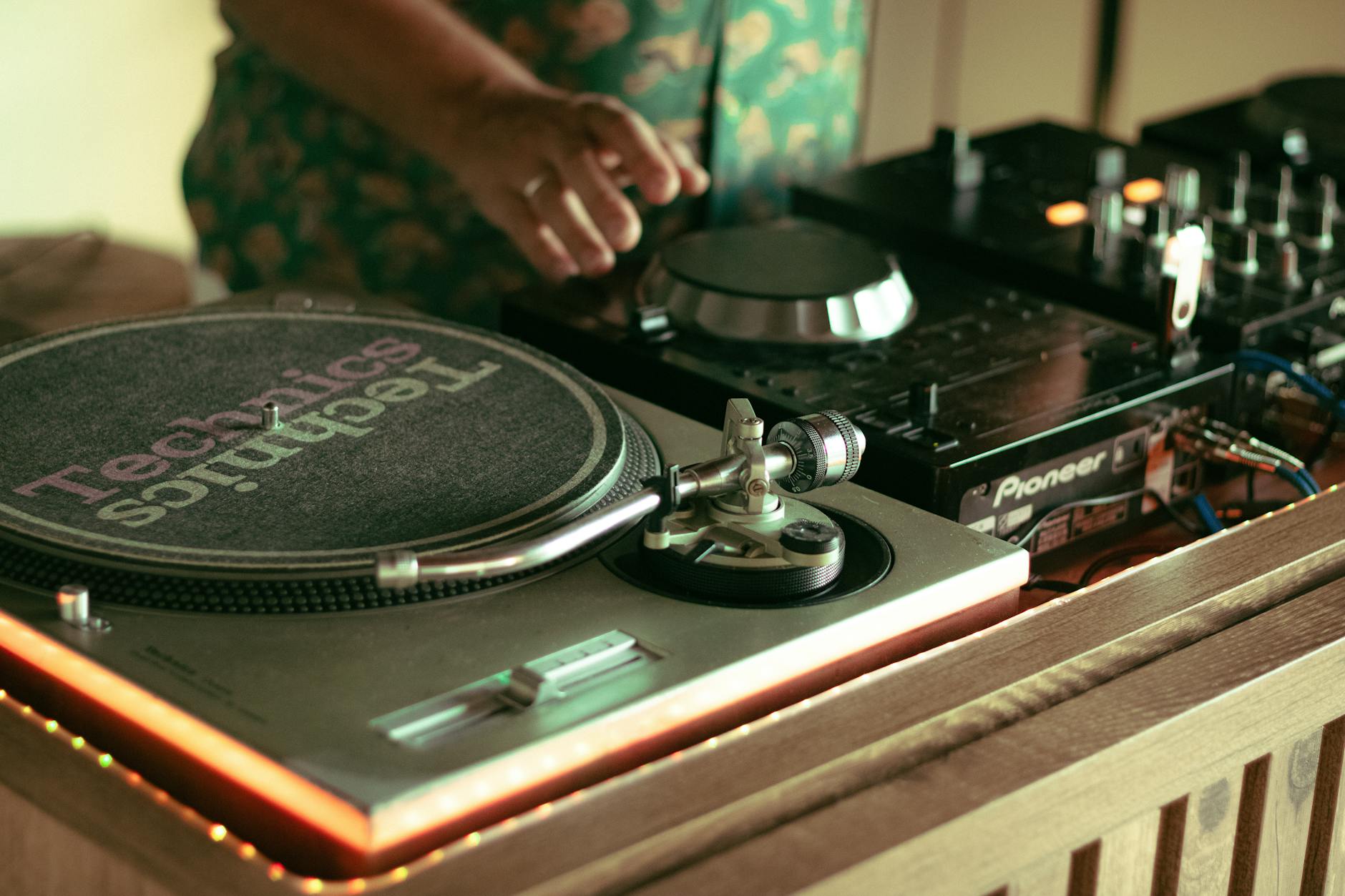
Opened in 2017 in a converted bunker on the Museumsinsel, Blitz earned world-class status fast. The Funktion-One sound system was widely considered one of the five best club PAs in Europe, the small main floor was intense, and international touring techno DJs (Marcel Dettmann, Dixon, DJ Hell) were regulars. That run ended in August 2026, when Blitz closed its Museumsinsel venue; the club is looking for a new location, so watch its own channels rather than turning up at the old bunker. Until it reopens, Harry Klein and Rote Sonne carry Munich’s serious techno nights.
2. Harry Klein
Munich’s longest-running serious techno club (since 2003) — a small underground basement room with a cult following, decorated with rotating video installations and 360° projections. Capacity 300; intimate; the sound is excellent. Vinyl-leaning DJs. Friday and Saturday from 23:30. €13–€18 cover.
3. Bahnwärter Thiel
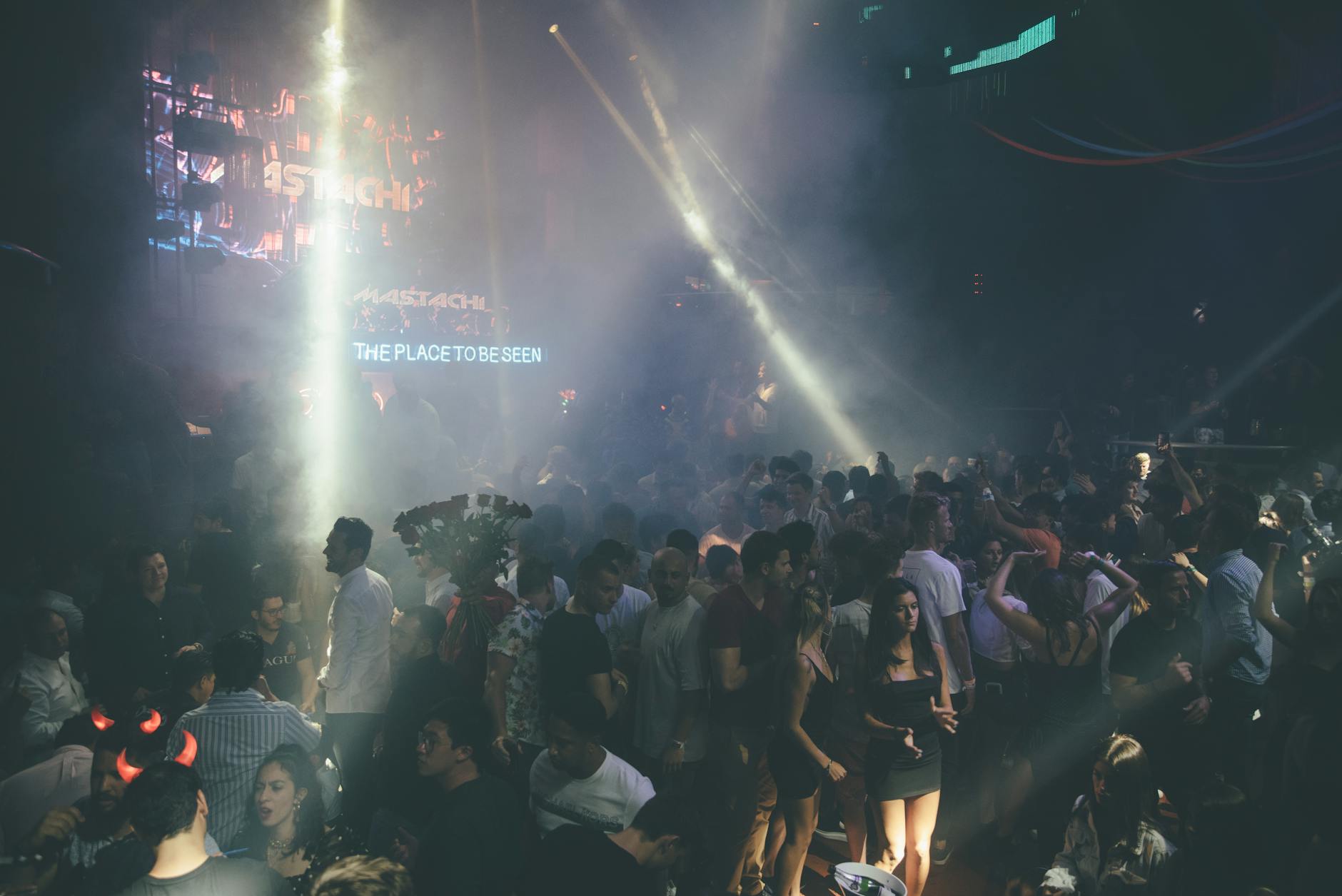
In converted railway tunnels and shipping containers in Sendling, Bahnwärter Thiel is Munich’s most adventurous and eclectic venue. Multiple stages running simultaneously cover techno, house, drum-and-bass, world music, hip-hop, and queer parties on different nights. The outdoor courtyard stays open all year (heated in winter). €10–€20 cover depending on the event. Best on Saturdays for the multi-floor experience.
4. Pacha Munich
The Munich franchise of the famous Ibiza club. Big-room house and EDM, more glam than underground, drawing a slightly younger and more dressy crowd. Capacity 1,400; bottle service prominent. €20–€30 cover; reservations recommended for tables. Saturday is the main night.
5. Strom
Indie-rock and alternative-electronic institution south of the Hauptbahnhof. Multi-room: the main floor hosts live shows (rock, indie, electronic) early evening then DJ sets after midnight; the Roter Salon side room runs smaller alternative parties. Capacity 600. Friday and Saturday cover €8–€15.
6. P1
Munich’s iconic celebrity-magnet club, near the Haus der Kunst in Lehel. Tight dress code (no sneakers, no shorts), tight door, mainstream hip-hop and R&B, table service the norm. €25–€35 cover. The Saturday night for FC Bayern players, Bavarian celebrities, and the Munich social scene.
7. Rote Sonne
Hardcore techno club near Karlsplatz with one of the best vinyl-driven programs in Munich. Capacity 500; serious heads only; the music is dark, fast, and uncompromising. Saturday nights start late (00:30) and go until 09:00. €13–€18.
8. Milla Club
Small alternative-music venue in Glockenbachviertel. Live indie, experimental, and electronic acts most nights, with DJ sets after the live show. Capacity 200; intimate; €8–€20 depending on the act. The most consistently interesting indie booking in Munich.
9. NY Club
Long-running house and electro club north of the Hauptbahnhof. Mid-luxe atmosphere, bottle service available, better than Pacha for tracks. €15–€25 cover.
10. Crystal Club
Hip-hop and R&B club in central Munich; tight door, dressy crowd, big bottle-service business. €20–€30 cover. Friday is the main night.
11. MMA Club (Mixed Munich Arts)
In the converted Hopfenposthof, MMA Club hosts a rotating program of techno, queer parties, drag shows, art events, and weekly themed nights. Inclusive, eclectic, friendly. €10–€15 cover.
12. Heart Club
Mainstream hip-hop and R&B near Sendlinger Tor. Tight door, polished crowd, table service. €20–€25 cover.
13. Backstage Munich
A massive multi-venue rock/metal/alternative complex in west Munich with three stages and a beer garden. Live shows, club nights, festivals, all-ages allowed at certain events. The biggest alternative venue in Munich.
14. Schwere Reiter
Multi-purpose cultural venue in Maxvorstadt that hosts experimental theater, jazz, and electronic music. Smaller, artier, less crowded than the dedicated dance clubs. Worth checking for adventurous bookings.
15. Mixed Indoor / Outdoor Summer Spots
In summer (June–September), several Munich venues open outdoor terraces with DJ sets — particularly The Flushing Meadows rooftop, Roof Garden Lebensgeister, and the Bahnwärter Thiel outdoor stage. Free entry at most; cocktail prices apply.
Munich Club Culture: Practical Notes
Door Policy and Dress Code
- Techno clubs (Harry Klein, Rote Sonne): door is selective but not cult-like. Wear black, look like you’re going to dance, smile but don’t try too hard. Group of 4+ men may face longer scrutiny
- Big-room clubs (Pacha, P1, Heart, Crystal): dress code is real — no sneakers, no shorts, no sports clothing, no flip-flops. Smart-casual minimum
- Indie venues (Strom, Milla, Backstage): anything goes within reason; flannel and band T-shirts are fine
- Bahnwärter Thiel: depends on the night — techno nights more selective, queer parties more permissive
- Always bring ID — driving license or passport. Minimum age 18 at most clubs (16 for some live shows with parental consent)
Hours
- Most clubs open: 23:00 weekdays, 23:30 Friday, 22:00–23:00 Saturday
- Peak hours: 02:00–04:00 — when the dance floor reaches capacity
- Closing: 06:00–09:00 weekend mornings (techno clubs); 04:00–05:00 mainstream
- Last U-Bahn: ~01:00 Sunday to Thursday; on Friday, Saturday and pre-holiday nights it runs all night, every 30 minutes. Night buses + trams continue. Many clubs are walking distance to the Hauptbahnhof
Pricing
- Cover: €10–€30 typical; €5 for early entry before midnight
- Beer: €5–€7
- Cocktail: €11–€16
- Bottle service: €120+ for spirit + mixers (table for 4–6 people)
- Coat check: €2–€3 — required at most clubs in winter
Best Nights of the Week
- Wednesday and Thursday: smaller club crowds; Strom and Bahnwärter Thiel have weeknight programs
- Friday: peak for younger crowd; Strom, Crystal, and Heart Club fill
- Saturday: peak for techno and big-room; Bahnwärter Thiel and Pacha at capacity by 02:00
- Sunday: Sunday afternoon parties (“Sonntagsverpackt”) at MMA, Bahnwärter Thiel, and several other clubs — outdoor in summer; very Berlin-style
- Monday and Tuesday: most major clubs closed
Club Districts: Where Munich Nightlife Clusters
- Glockenbachviertel — bars and small clubs (Milla, Pacha, Heart) — see our neighborhoods guide
- Hauptbahnhof / Sonnenstraße — Strom, NY Club, Crystal — close to transit
- Sendling / Bahnwärter Thiel area — adventurous multi-genre venues
- Lehel / Haus der Kunst area — P1, the cocktail-bar Goldene Bar (see our bars guide)
- Schwabing — fewer dedicated clubs but great late-night cocktail bars (see Schwabing guide)
LGBTQ+ nightlife in Munich covers the queer club nights and community venues that sit alongside these districts.
Munich vs. Berlin Club Culture
- Berlin has 5–10× the number of techno clubs and a more international scene; long Sunday parties are standard
- Munich has fewer but very high-quality venues; until its bunker shut in 2026, Blitz arguably matched anything in Berlin for sound and bookings
- Door policies: Berlin Berghain-type clubs are notoriously selective and refusal-heavy. Munich doors are generally easier; less cult-like
- Crowd: Munich crowd skews wealthier, slightly older, more polished
- Closing times: Berlin closes Monday morning; Munich closes Sunday morning
- Verdict: Munich’s techno scene is real but smaller. If you only have one weekend in Germany for clubbing, Berlin wins on volume; Munich wins on quality + safety + ease
Practical Tips
- Don’t arrive before 23:00 — Munich clubs are empty before midnight
- Bring cash — many clubs only take cash for entry, though most bars now accept card
- Photography: most clubs ban photos to protect privacy. Keep your phone away unless you check first
- Drugs: illegal substances are exactly that — illegal. Door staff and bouncers are vigilant
- Stay aware of your drink — date-rape drug incidents are rare but happen; never accept a drink from someone you don’t know
- Going home: at weekends the U-Bahn never stops (a train every 30 minutes through Friday and Saturday nights), and night trams + buses cover until ~04:30. Taxis from any club to central Munich are ~€15–€25
- Cloakroom etiquette: claim your coat in person at the end; tipping €1 is appropriate
- Save your ticket / wristband: many clubs allow re-entry within a 2-hour grace period
A long night out runs more smoothly with some groundwork. Our guide to nightlife safety in Munich covers late transit, drink awareness and door policies.
Frequently Asked Questions
What’s the best nightclub in Munich?
Harry Klein for techno, now that Blitz has closed its Museumsinsel bunker. Bahnwärter Thiel for the most adventurous multi-genre experience. Strom for indie/alternative. P1 for celebrity-spotting glam.
What time do Munich clubs close?
Techno clubs (Harry Klein, Rote Sonne) close 06:00–09:00 weekend mornings. Mainstream clubs close 04:00–05:00. Almost everything closes earlier on weekdays.
Do Munich clubs have a dress code?
Mainstream clubs (P1, Heart, Crystal, Pacha) require smart-casual — no sneakers, no shorts, no sports clothing. Techno clubs such as Harry Klein are casual but selective on attitude. Indie venues (Strom, Milla) are anything-goes.
How much is club entry in Munich?
€10–€30 typical cover. Live concert venues vary by act (€15–€80). Bottle service runs €120+ for a table of 4–6.
Is Munich’s club scene as good as Berlin’s?
Smaller — Berlin has 5–10x the venues and a more international scene. But the top Munich clubs match anything in Berlin for sound quality and bookings. If you have multiple nights in Germany for clubbing, Berlin wins on volume; Munich wins on quality + safety + ease of doors.
Can I get into Munich clubs as a tourist?
Yes, generally. Door policies are less selective than Berlin. Smart-casual dress, a small group (ideally 2–4 people), and a polite demeanor will get you into most venues. Single-nationality groups of 4+ men sometimes face longer waits at techno clubs.
Munich’s Underground Music Heritage
Munich has played an unexpectedly important role in electronic music history, despite Berlin’s dominance in international perception. The legendary Music Land Studios in Munich produced Donna Summer’s “I Feel Love” in 1977 — the track that effectively invented modern electronic dance music. Producer Giorgio Moroder, who worked at Music Land, helped define disco as a global genre and later produced for Daft Punk and David Guetta. Munich’s club Patrona Bavariae (later transformed into other venues) hosted the city’s first techno parties in the late 1980s; Pacha Munich (originally on Maximilianstraße before relocating) imported the Balearic club tradition. The current generation of Munich techno clubs — Harry Klein, Rote Sonne and, until it lost its Museumsinsel home, Blitz — descend from this lineage.
The Blitz Club, opened in 2017 in a converted bunker on the Museumsinsel, marked the peak of Munich’s club ambition until it closed that venue in August 2026; it is now looking for a new home. Its Funktion-One sound system was the same brand used by Berghain and Fabric, and the bunker’s concrete arguably gave Blitz better acoustic isolation than either. International DJ bookings rivalled anything in Berlin: Marcel Dettmann, Dixon, DJ Hell, Helena Hauff, Avalon Emerson all played regularly. The door policy was selective without being cultish — fewer rejections than Berghain, more selectivity than Berlin’s average. Blitz’s adjacent vegetarian/vegan restaurant became a destination in its own right, drawing diners who never entered the club.
The Munich Door Policy — How It Works
Munich’s nightclub door policies are less cultish than Berlin’s but more selective than most international cities. Understanding the criteria helps you get in:
At techno clubs (Harry Klein, Rote Sonne, Bahnwärter Thiel), bouncers consider: (1) Look — Black clothing reads as committed to the music; vacation-style fashion reads as tourist passing through. (2) Group composition — pairs and small mixed-gender groups get in easiest; groups of 5+ men face longer scrutiny; large bachelor parties are typically refused. (3) Attitude — quiet patience, looking at the bouncer when they speak, and avoiding aggressive entitlement all help. (4) Age — strict 18+ enforcement; ID essential. (5) Sobriety — visible intoxication results in immediate refusal. (6) Music familiarity — at top techno clubs, naming the headliner DJ or knowing the night’s program helps.
At mainstream clubs (P1, Pacha, Heart, Crystal), the criteria shift: smart-casual dress is strictly enforced (no sneakers, no shorts, no athletic wear, no flip-flops), and the door is faster but stricter on the dress code. Smartcasual minimum means button-down shirt + chinos or jeans for men, smart-casual dress for women. Avoid Crocs, sport jackets with logos, and casual streetwear. Bottle-service reservations get you direct entry. Mainstream clubs also have higher tolerance for tourist groups but stricter age and sobriety checking.
Munich’s Late-Night Logistics — Getting Home
Successful nightclub visits require planning the journey home. On Friday, Saturday and pre-holiday nights that is easy: the U-Bahn runs all night, every 30 minutes. Sunday to Thursday it stops around 01:00, exactly when many clubs are beginning their peak hours, and the night-bus and night-tram network covers the gap until 04:30, with services every 30–60 minutes. Useful night routes: NachtBus N40 shuttles between Münchner Freiheit and Kieferngarten on weekend nights, N76 serves the north-west, and NachtTram N17 and N19 cover the inner ring. From any central club (Strom, NY Club), walking to a night-bus stop is 5-10 minutes. Schedules are posted at stops. Pay the same MVV ticket as during the day.
Taxis are easily available at any hour throughout the night. The main concentration of taxis hovers around the Hauptbahnhof, where most clubbers eventually return. A taxi from any central club to any central hotel runs €15–€25 typically; €25–€40 from the more outlying clubs (Bahnwärter Thiel, MMA, Rote Sonne) to central hotels. Cash is preferred for taxi rides; many drivers don’t have card readers. Uber and FreeNow operate in Munich from approximately 05:00–23:00 — after 23:00 reduced availability often makes traditional taxis faster. Rideshare prices roughly match taxi prices. Ride-sharing services don’t have surge pricing as severely as London or New York. Late-night safety in central Munich is excellent — the city is one of Europe’s safest big cities even at 04:00.
Still hungry on the way? Late night eats in Munich maps what is still serving after midnight.
Finding What’s On: Lineups, Listings, and Tickets
Munich clubs live and die by their bookings, and the good nights are not the default — they’re the specific Friday a respected DJ is playing. The single most useful tool is Resident Advisor (ra.co), which lists the week’s electronic events for Harry Klein, Rote Sonne, and Pacha, often with advance tickets. For everything else, follow the clubs directly on Instagram; in Munich, that’s where door times, themed nights, and last-minute cancellations actually get posted.
The old-school print routes still work too. The free in München magazine, stacked by the door at most bars and cafés, runs a full event calendar, and city blogs like Mucbook flag the offbeat warehouse and collective parties that never make the glossy listings. For bigger names, presale through München Ticket or the club’s own site is worth it — a marquee techno night can sell out days ahead, and turning up at midnight hoping for a door ticket is how you end up at a Backstage indie night instead (not the worst backup, but not the plan).
Insider tip: Munich’s scene runs late, not early. Checking listings the afternoon of is normal here — locals decide where to go over dinner, not days in advance. If you want a warm-up before the clubs open properly around 23:00, start with our best bars in Munich guide or a beer hall in the evening, then move on. For the wider picture of after-dark options, the Munich nightlife hub ties the bars, clubs, and live venues together.
| If you want… | Head to | The vibe |
|---|---|---|
| Serious techno & house | Harry Klein, Rote Sonne | Dark rooms, real sound systems, no phones on the floor |
| Indie, electro & mixed crowds | Milla, Strom | Smaller, friendlier, music-nerd energy |
| Chart hits & bottle service | Pacha, NY Club, P1 | Dressed-up, pricier, see-and-be-seen |
| Hip-hop & R&B | Crystal, Heart | Central, lively, easy door |
| Live bands then dancing | Backstage, Feierwerk | Alternative, unpretentious, all ages of crowd |
| Open-air, summer only | Bahnwärter Thiel | Container art-club with an outdoor courtyard |
Free and Outdoor: Munich’s Summer Music Season
From late May, a good chunk of Munich’s nightlife simply moves outdoors, and a surprising amount of it is free. The standout is the Theatron festival at the Olympiapark, where a floating stage on the Olympiasee hosts two weeks of free concerts at Pentecost and a longer run in August — you bring a blanket, buy a beer from the stand, and watch the sun set behind the 1972 stadium roof. It’s the most Munich way imaginable to spend a warm evening, and it costs nothing.
Down in Sendling, the Feierwerk cultural complex on Hansastraße runs club nights, live shows, and a sprawling beer-garden-style yard all summer, with a young, alternative crowd and prices a fraction of the city-center clubs. Bahnwärter Thiel, the container-and-tram art-club in the old Viehhof cattle yards, throws open its outdoor area once the weather turns, blurring the line between beer garden and techno party.
Then there’s the unofficial scene: on summer nights the Isar riverbanks near the Reichenbachbrücke and the Flaucher fill with groups drinking, grilling, and playing music until the small hours. It’s tolerated rather than organized, so pack out your bottles and keep the bluetooth speaker reasonable. To get home afterward, lean on the night-bus and night-tram network — our U-Bahn and S-Bahn guide covers how Munich’s late-night transport actually works, and timing a trip for this season is easy with our best time to visit breakdown.
Plan Your Munich Night Out
This clubs guide is part of our deeper Munich nightlife guide. For pre-club drinks see our best bars guide. For the broader trip see our neighborhoods guide, our transport guide, and our where to stay guide.