Best Day Trips from Munich: Complete Guide
Best day trips from Munich for 2026. Neuschwanstein, Salzburg, Dachau, Alps, Chiemsee, Rothenburg, and more, with transport and planning tips.
Munich sits at the center of one of Europe’s richest travel regions. Within 90 minutes by direct train, you can reach fairy-tale castles, Austria’s most beautiful city, the highest peaks of the German Alps, medieval walled towns untouched by time, and some of the most moving historical sites on the continent. A well-chosen day trip adds a completely different dimension to any Munich itinerary, and for trips longer than three days it’s almost essential. This complete guide to the best day trips from Munich ranks every option by travel time, experience type, and logistics, with detailed advice on transport, timing, and which destinations are worth repeat visits.
Whether you’re drawn by castles, lakes, mountains, history, or simply the chance to experience a slower pace of Bavarian life, this guide will help you pick the right destination for your interests, dates, and travel style. We’ve organized it by theme and travel time so you can plan in minutes rather than hours, and we’ve added our honest assessment of which trips are genuinely worth the full-day commitment versus which you can skip.
Munich Day Trips at a Glance
Munich is the best base in southern Germany for a reason: castles, lakes, mountains, and two foreign-feeling cities all sit within a couple of hours of the Hauptbahnhof. Before the detailed write-ups below, here is the whole menu in one view — how long each trip takes one way, whether you can reach it by train alone, and the kind of traveler it suits. Pick two or three that match your interests, then read their full sections.
| Destination | Travel time (one way) | Reachable by train? | Best for |
|---|---|---|---|
| Neuschwanstein Castle | ~2 hrs (train + bus) | Yes (train to Füssen, then bus) | First-timers, the fairy-tale castle photo |
| Salzburg, Austria | ~1 hr 30 min | Yes (direct hourly) | A second city, Mozart, baroque old town |
| Dachau Memorial | ~25 min + short bus | Yes (S2 + bus) | WWII history, a sobering half-day |
| Garmisch & Zugspitze | ~1 hr 20 min | Yes (direct), plus cog railway | Mountains, Germany’s highest peak |
| Berchtesgaden & Eagle’s Nest | ~2 hr 30 min | Yes (train + bus) | Alpine scenery, Königssee, history |
| Lake Chiemsee | ~1 hr | Yes (direct to Prien) | Lake palace, boat trips, relaxed pace |
| Nuremberg | ~1 hr 10 min | Yes (direct ICE) | Imperial history, old town, WWII sites |
| Rothenburg ob der Tauber | ~3 hrs (with changes) | Yes, but slower (2 changes) | Medieval walls, a car or tour helps |
Quick Answer: The Best Day Trips from Munich
If you only have time to read one paragraph, here’s the condensed version. The single most popular day trip is Neuschwanstein Castle, and for good reason — it’s visually spectacular and reachable in under 3 hours. Salzburg (90 minutes by train) is the best city-to-city option, offering a completely different Austrian-Alpine experience. Dachau Memorial (20 minutes by S-Bahn) is the most historically essential. For nature, Lake Chiemsee, Berchtesgaden, and Garmisch-Partenkirchen are all outstanding. For old-town charm, Regensburg, Rothenburg ob der Tauber, and Nuremberg are all excellent.
For specific itineraries with exact train times, ticket prices, walking routes, and restaurant picks for each destination, see our linked specialist guides throughout this pillar. For a deep dive on all rail-accessible day trips including lesser-known spots, see our day trips from Munich by train guide.
How to Get Around: The Bayern-Ticket and Deutsche Bahn
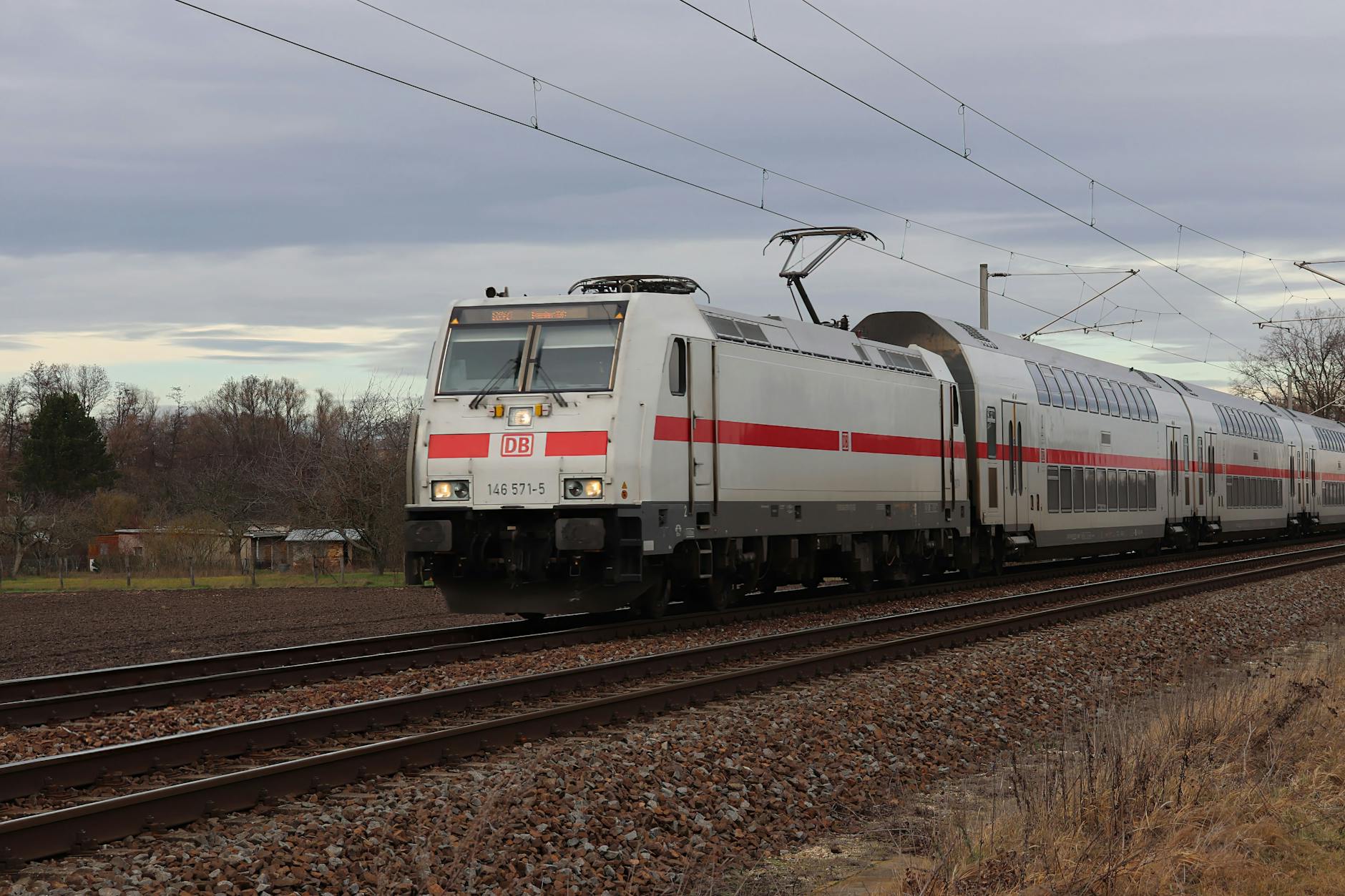
Before we get to the destinations, a critical piece of logistics. The single most important ticket for Munich day-trippers is the Bayern-Ticket — a flat-rate day pass that covers unlimited regional train, bus, and tram travel anywhere in Bavaria (plus onward to Salzburg) for one entire day. For 2026, prices start around €29 for one person and scale up to about €53 for five people traveling together. It’s valid Monday through Friday from 9 a.m. to 3 a.m. the next morning, and all day on weekends and public holidays.
The Bayern-Ticket is the cheapest way to reach almost every destination in this guide. The only time it doesn’t apply is when you want to take a high-speed ICE or faster IC train, which require separate Deutsche Bahn tickets and can be significantly more expensive. For shorter trips (Dachau, Augsburg) the Bayern-Ticket math is obvious; for longer trips (Salzburg, Rothenburg) it still saves you money 90% of the time.
Buy Bayern-Tickets from DB ticket machines at Hauptbahnhof, online via the DB Navigator app, or at most station ticket counters. Always validate the ticket at a platform stamping machine before boarding. Also note that the MVV city transit ticket does not extend to day-trip distances; for anything outside greater Munich, you need the Bayern-Ticket or a specific DB ticket.
Munich tickets and travel passes explains how regional tickets interact with city transport, and getting around Munich covers the journey to the station.
Neuschwanstein Castle: The Most Iconic Day Trip
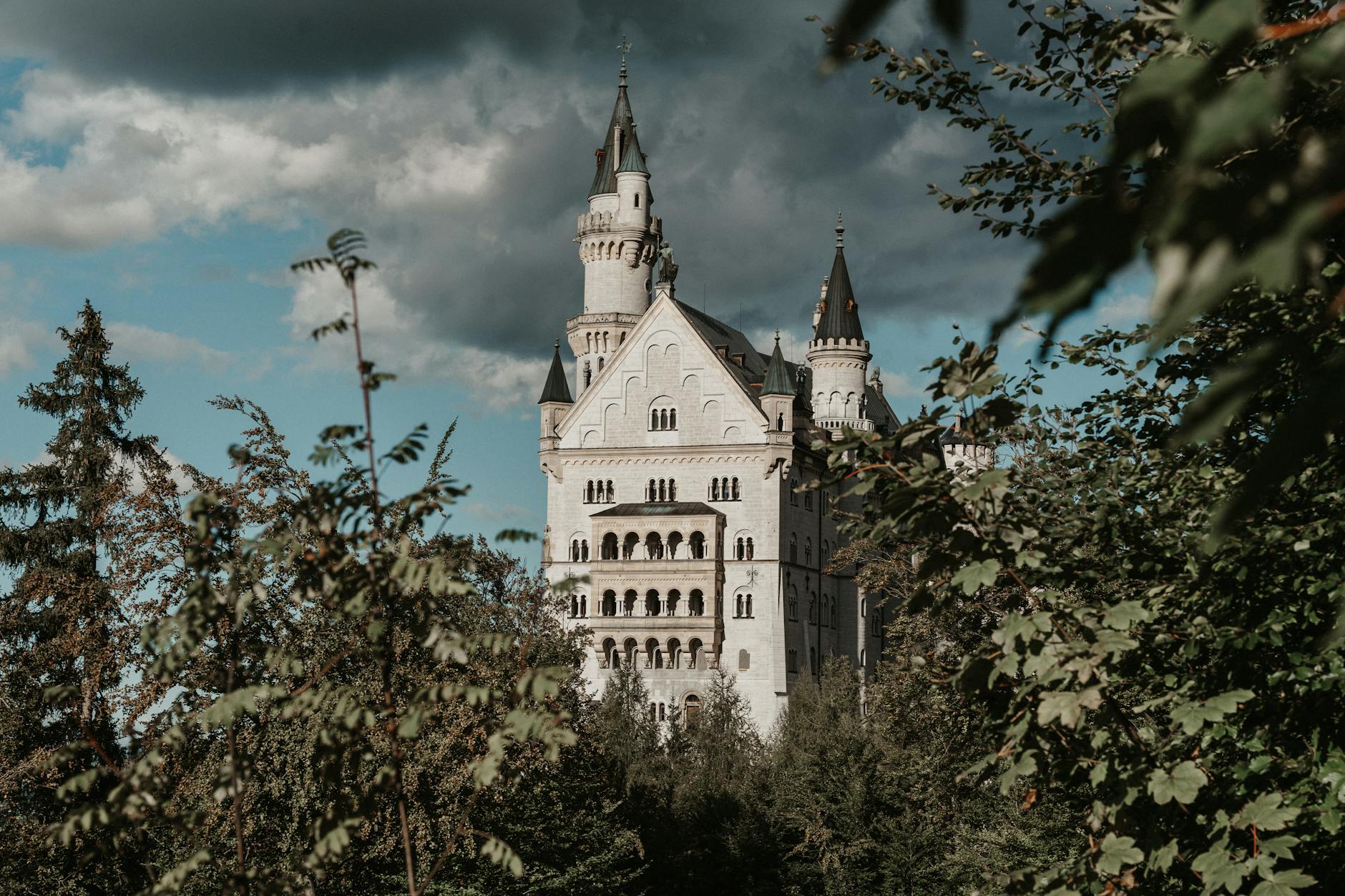
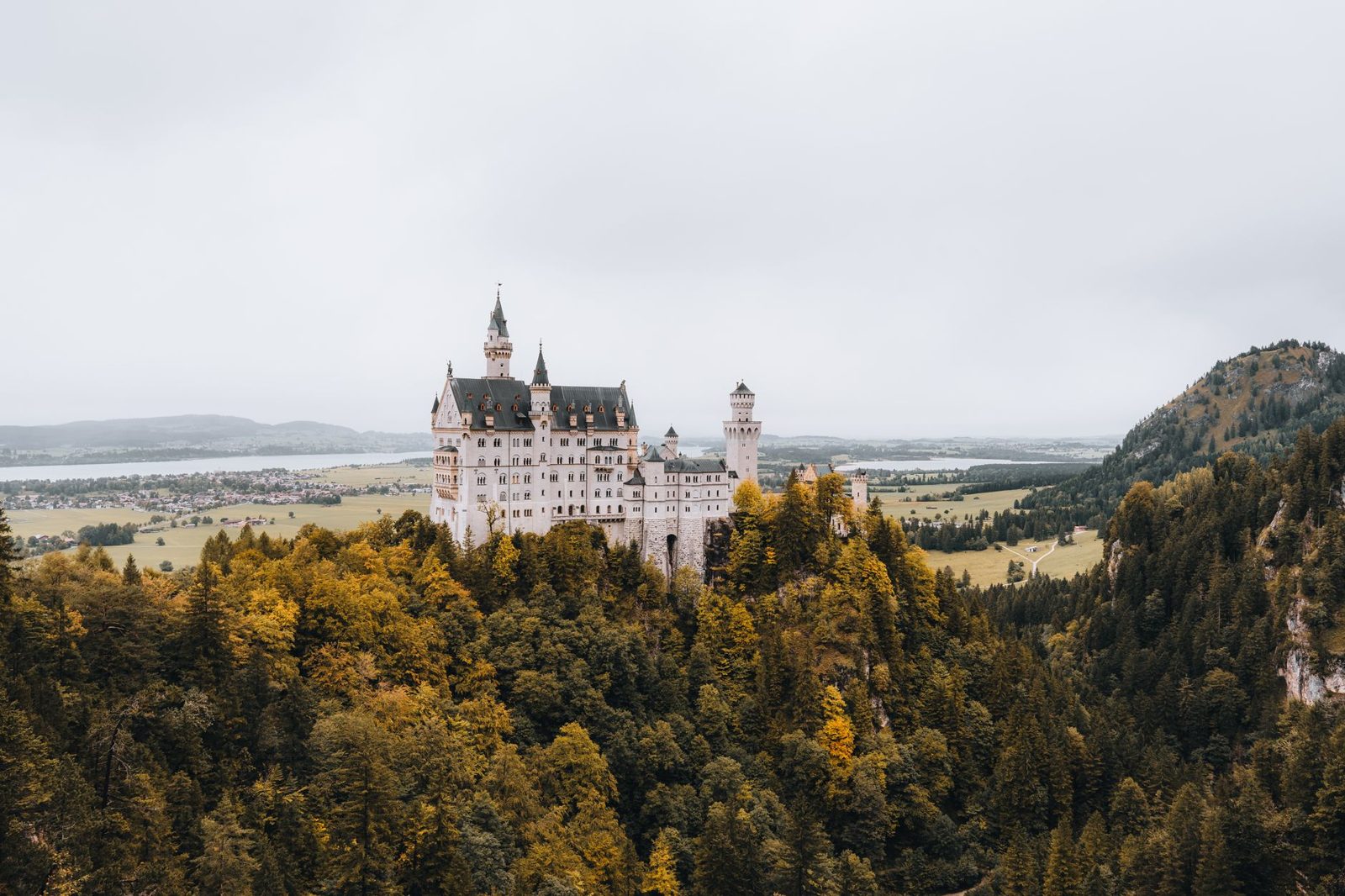
Neuschwanstein Castle is the 19th-century fantasy built by Bavaria’s “Mad” King Ludwig II, and the inspiration for Disney’s Sleeping Beauty Castle. It sits dramatically on a forested hilltop above the village of Hohenschwangau, about 130 km southwest of Munich. More than 1.5 million visitors make the pilgrimage annually, and it’s comfortably the most-visited site in Bavaria after Oktoberfest itself.
Getting there by public transport takes about 2.5 to 3 hours each way: a 2-hour direct Deutsche Bahn regional train from Munich Hauptbahnhof to Füssen, then bus 73 or 78 to Hohenschwangau village (about 10 minutes). From the village you can walk up to the castle (30-40 minutes uphill), take a shuttle bus (15 minutes), or ride a horse-drawn carriage (25 minutes, more atmospheric). The castle entry is by timed ticket only — book online weeks in advance during peak season, as same-day tickets routinely sell out.
Plan to spend about 30 minutes touring the interior (guided only, English tours hourly) and considerably more time around the grounds. The Marienbrücke bridge a short walk above the castle offers the famous postcard view; it’s the only place you can photograph Neuschwanstein with the full panorama behind it. Weather matters: on a grey day the castle loses some of its magic, so check forecasts before committing a day. Combine it with Hohenschwangau Castle (Ludwig’s childhood home, in the same village) or with nearby Linderhof Palace for a fuller royal day. See our complete Neuschwanstein day trip guide for ticketing, timing, and transport details.
Salzburg: The Austrian Escape
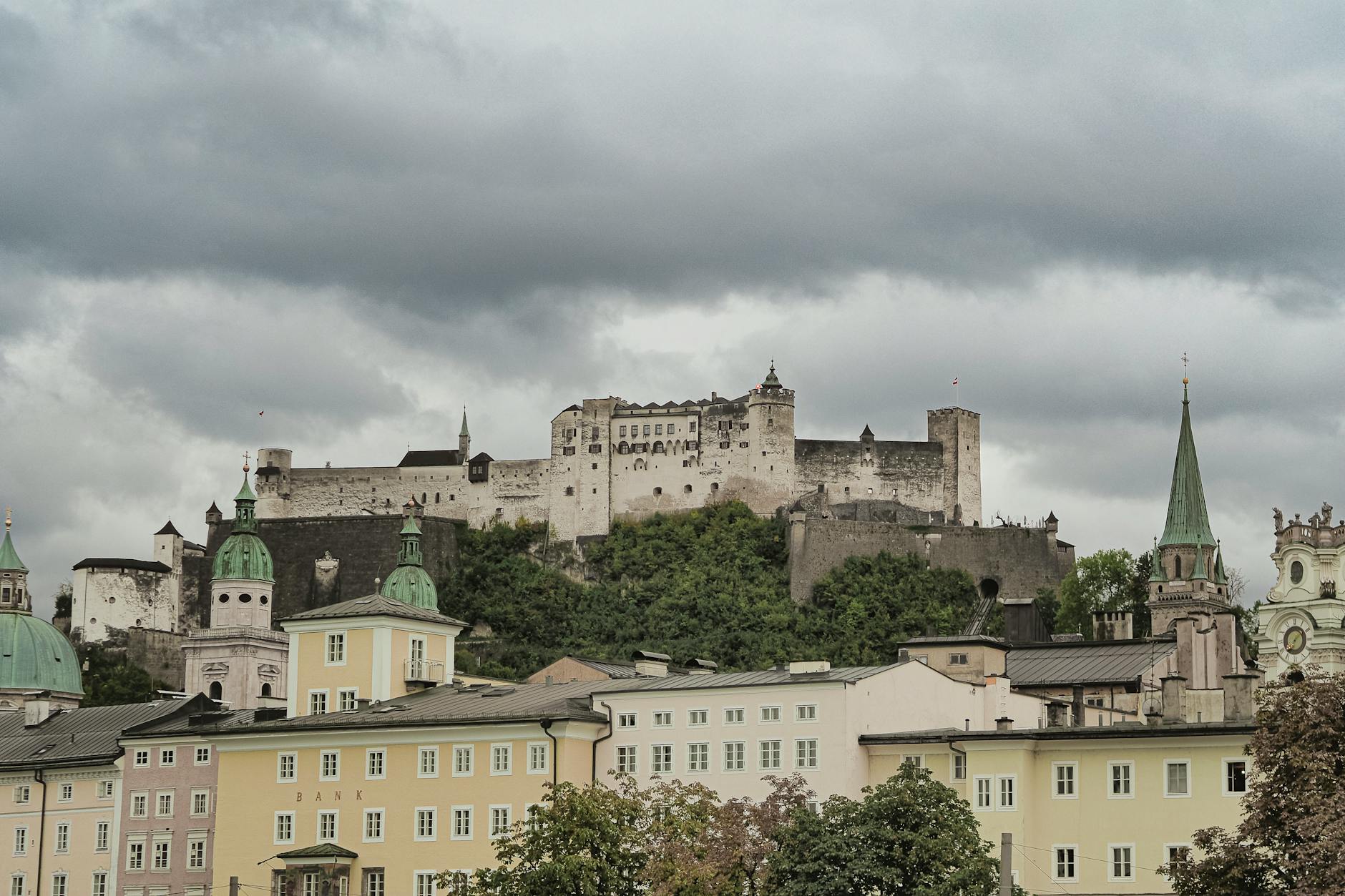
Salzburg is the single best full-day city trip from Munich. Just 90 minutes by direct train, the UNESCO-listed Austrian old town packs Mozart’s birthplace, the baroque Mirabell Palace and gardens (of Sound of Music fame), the imposing Hohensalzburg Fortress perched on the hill above town, Austria’s most atmospheric Christmas market in winter, and a compact riverside old town you can comfortably walk in 3-4 hours. The Bayern-Ticket covers the journey in both directions if you take the regional train; if you’re in a hurry, the faster EC train takes about 90 minutes but requires a separate ticket.
A typical Salzburg day looks like this: arrive around 10 a.m., walk through the old town to Mozart’s birthplace and Residenzplatz, have an early lunch at St. Peter Stiftskeller (Europe’s oldest restaurant, founded 803 AD), take the funicular up to the fortress for panoramic views, descend through the Nonnberg Abbey gardens, and make the afternoon train home. If you’re a Sound of Music fan, add a private tour to the key filming locations; Mirabell Palace and Schloss Hellbrunn are both reachable on foot or by short bus. See our Salzburg day trip guide for more.
Dachau Memorial: The Essential Historical Visit
The Dachau Concentration Camp Memorial sits just outside the town of Dachau, 20 minutes from central Munich by S-Bahn (line S2). It was the first Nazi concentration camp, established in 1933, and served as a model for the camps that followed. Today it operates as a memorial site and educational institution dedicated to remembering the victims and ensuring the history is never forgotten.
This is not a pleasant day trip, and it shouldn’t be. It is, however, one of the most important and meaningful experiences a visitor to Munich can have. Admission is free. English-language audio guides and guided tours are available. Plan for 3-4 hours on site and allow time for reflection. The memorial closes at 5 p.m. daily and is closed December 24 only. For families, the site recommends children be 14 or older for a meaningful visit. See our Dachau Memorial day trip guide for visit logistics, guided tour options, and advice for preparing emotionally for the experience.
The Bavarian Alps: Garmisch-Partenkirchen, Zugspitze, and Mittenwald
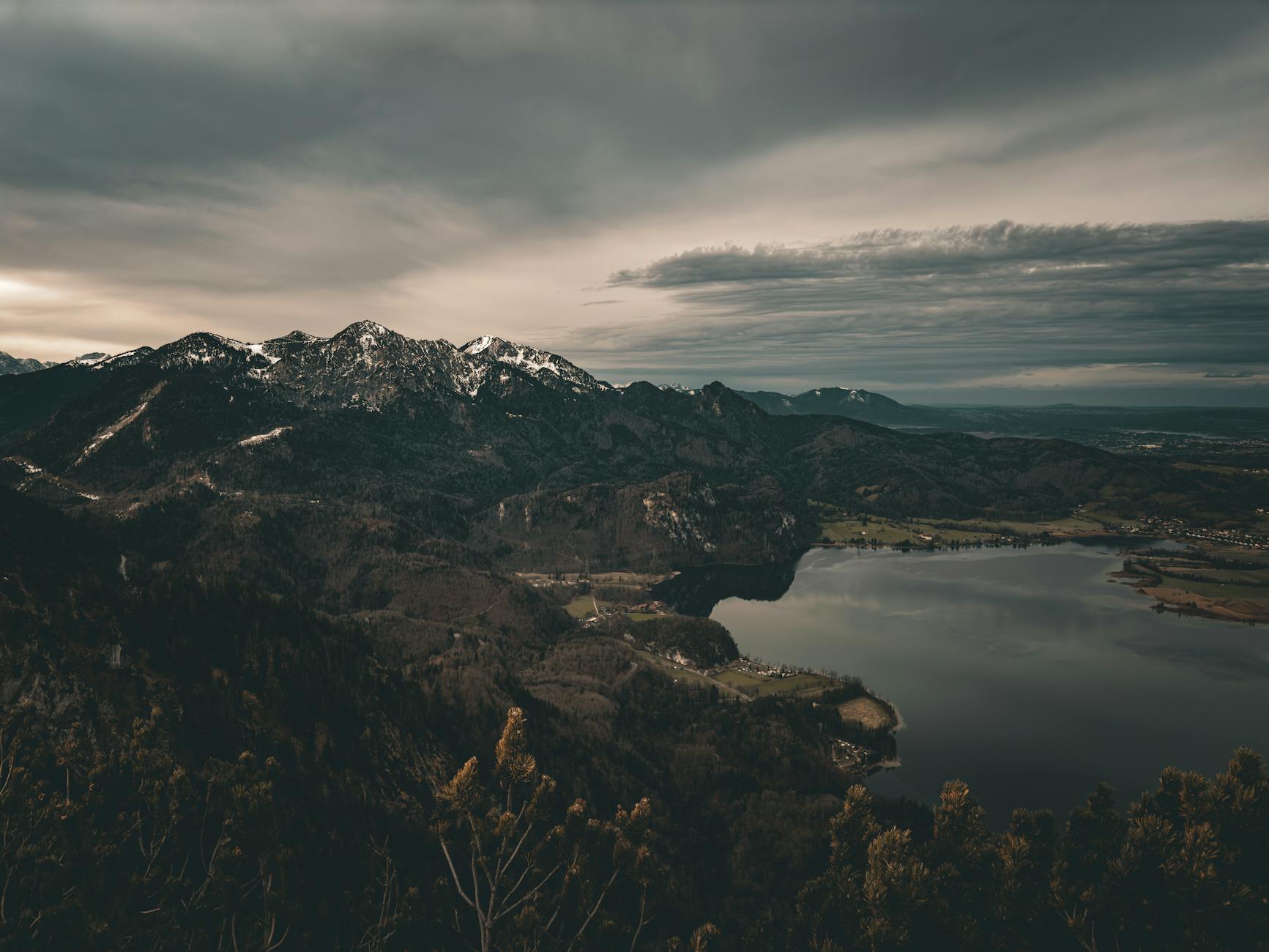
The Bavarian Alps begin just 80 km south of Munich and offer day trips that change with every season. Garmisch-Partenkirchen (90 minutes by direct train) is the classic base: a picturesque Alpine resort town with painted facades, traditional Gasthäuser, and direct access to the Zugspitze — Germany’s highest peak at 2,962 meters, reachable by cog railway and cable car. Summit views on clear days stretch across four countries. Budget about €70 for the full Zugspitze experience including the train up and cable car down, and plan a full day.
Less-visited but equally beautiful: Mittenwald, a tiny Alpine village famous for painted house facades and violin making (Antonio Stradivari’s students built the local tradition in the 17th century); Oberammergau, which hosts the world-famous Passion Play every ten years (next in 2030) and has year-round painted houses, woodcarvers, and Alpine scenery; and the Wendelstein, a less-crowded peak reachable by cogwheel train from Bayrischzell. For hiking-focused day trips, the Partnachklamm gorge at Garmisch and the Eibsee at the base of the Zugspitze are both spectacular. See our Bavarian Alps day trips guide.
Berchtesgaden and the Eagle’s Nest
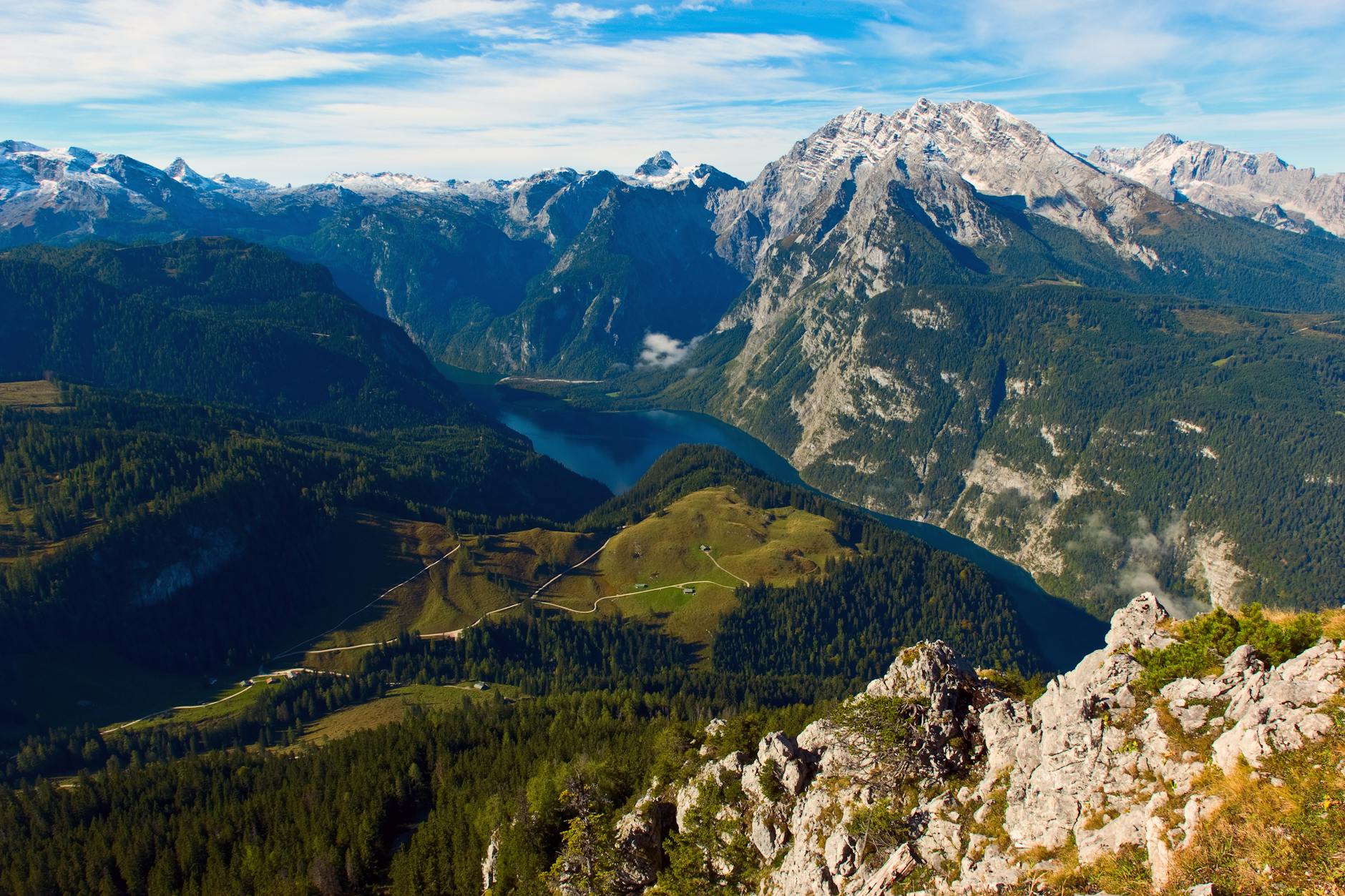
Berchtesgaden sits in a dramatic Alpine corner of southeastern Bavaria, right up against the Austrian border. It’s reachable by direct train from Munich in about 2.5 hours, and the full day involves three distinct experiences: the Alpine town itself with its salt mines and baroque church, the Königssee (Germany’s cleanest lake, reached by boat from a lakeside village), and the Kehlsteinhaus or “Eagle’s Nest” — the mountain retreat built for Hitler’s 50th birthday and now a restaurant and viewpoint reachable only via a specialized bus up a restricted mountain road and an elevator tunneled through the rock.
The Eagle’s Nest is usually open only from May to late October, weather dependent. The Königssee boat tours run year-round. The full Berchtesgaden-plus-Eagle’s-Nest experience is best done on an organized tour (several depart daily from Munich) or with your own car; the bus connections from Berchtesgaden rail station to the various sites are feasible but require tight timing. Plan 10+ hours door-to-door. See our Berchtesgaden and Eagle’s Nest guide.
Lake Chiemsee and Herrenchiemsee Palace
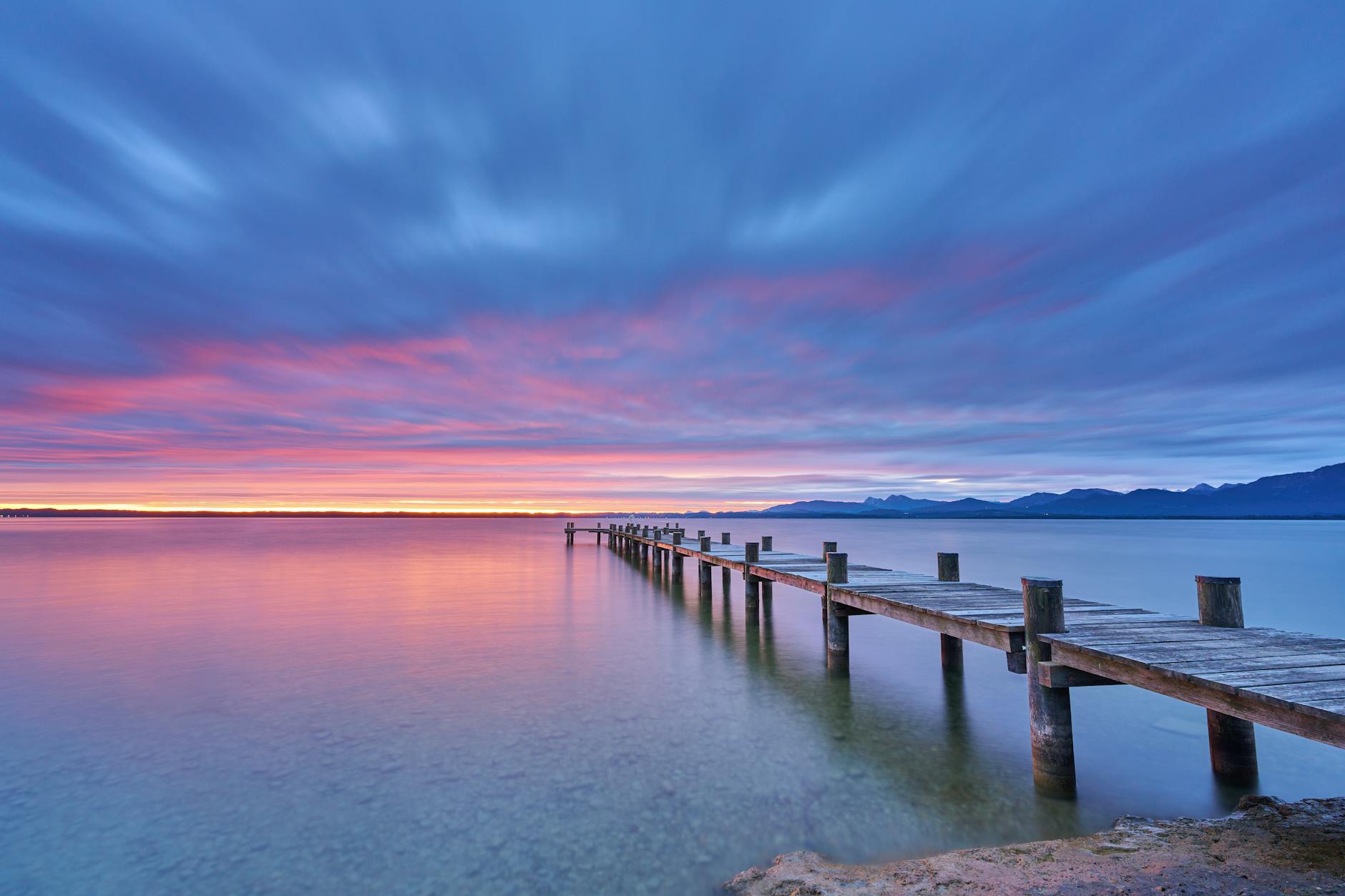
Lake Chiemsee is Bavaria’s largest lake, nicknamed the “Bavarian Sea.” A direct train from Munich to Prien am Chiemsee takes 55 minutes, from which a historic steam-powered paddle wheel takes you to the two islands at the center of the lake. Herreninsel holds the Herrenchiemsee Palace — another of Mad King Ludwig’s creations, modeled on Versailles and featuring a breathtaking Hall of Mirrors longer than the French original. Fraueninsel is smaller, with a working 8th-century nunnery, a tiny fishing village, and some of the best smoked fish in Bavaria.
A full Chiemsee day combines the palace visit (1-2 hours), a wander around Herreninsel (an hour more), the ferry to Fraueninsel for lunch, and an afternoon swim or paddle at a lakeside beach if the weather cooperates. The entire experience is remarkably relaxing — the opposite of the structured castle tours you’d do at Neuschwanstein. See our Lake Chiemsee and Herrenchiemsee guide.
Nuremberg: Imperial History and WWII Memory
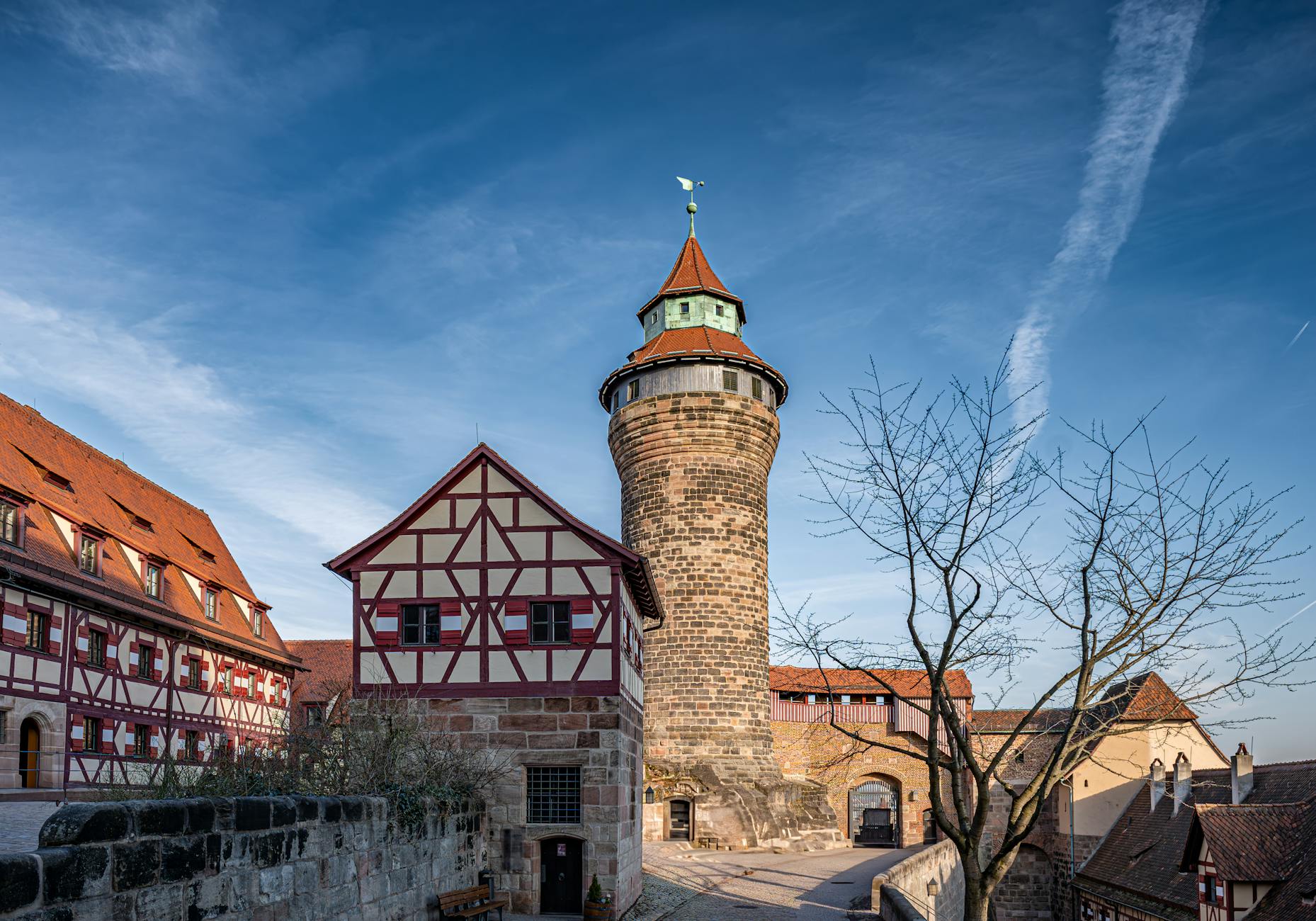
Nuremberg is Bavaria’s second-largest city and a worthwhile full-day trip from Munich. ICE trains make the journey in as little as 1 hour; regional trains on the Bayern-Ticket take about 2 hours. The city combines a beautifully restored medieval old town (dominated by the Kaiserburg imperial castle), the home and workshop of Albrecht Dürer, the Germanisches Nationalmuseum (one of Germany’s largest cultural history museums), and powerful 20th-century history.
The Documentation Center Nazi Party Rally Grounds at the former Zeppelin Field and the adjacent Congress Hall complex is one of Germany’s most important Holocaust-era historical sites. The Courtroom 600, where the Nuremberg Trials were held, is now a small museum. Both sites are accessible by local tram and should be combined with an old-town morning for a balanced day. In December, Nuremberg hosts one of Europe’s most famous Christmas markets. See our Nuremberg day trip guide.
Rothenburg ob der Tauber: Medieval Fairy Tale
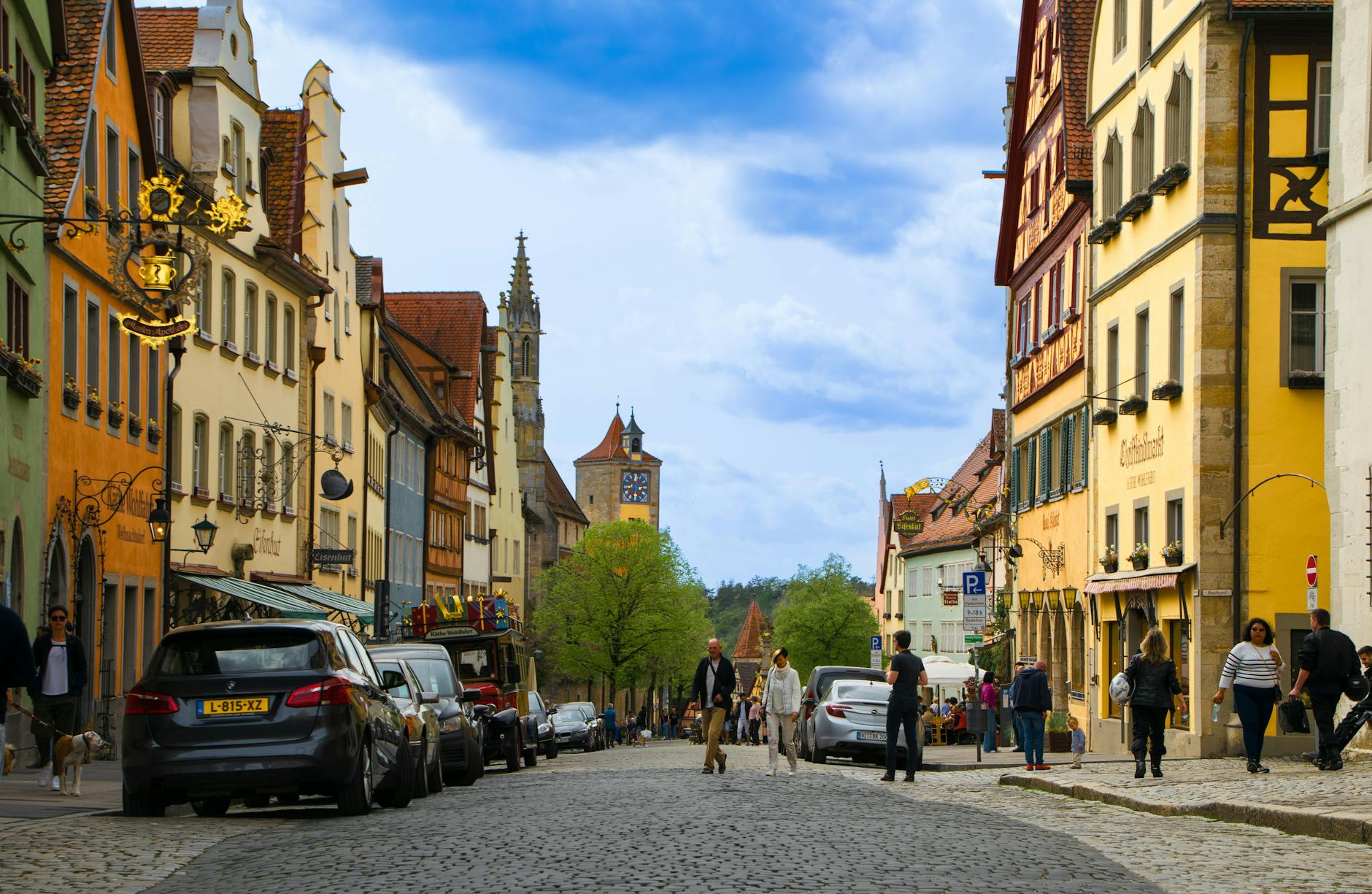
Rothenburg ob der Tauber is the most picturesque medieval walled town in Germany and a highlight of the Romantic Road. Its perfectly preserved 14th-century walls still circle the town completely, and walking the full ramparts takes about an hour and delivers some of the most photogenic views in all of Bavaria. The cobblestone Plönlein corner is arguably the most photographed single intersection in Germany.
Travel to Rothenburg is less direct than other day trips — it requires two or three regional train transfers (Munich to Treuchtlingen to Steinach to Rothenburg), totaling about 3.5 hours each way. It’s a long day, and Rothenburg is often best done as an overnight or as part of a multi-day Romantic Road road trip. However, the town is small enough that even a 4-hour visit delivers the essential experience. See our Rothenburg day trip guide for the most efficient routing.
Linderhof Palace and Oberammergau
Linderhof is the smallest of Ludwig II’s three fantasy palaces, but it’s the one he actually completed and the one he loved most. Tucked in a remote Alpine valley west of Oberammergau, it features a sumptuous rococo interior, the magnificent Venus Grotto (an artificial cave with an underground lake), and formal gardens on multiple terraces. It’s less famous than Neuschwanstein but, to many visitors, more enjoyable — far less crowded and arguably more revealing of Ludwig’s personal obsessions.
The most practical way to visit is by organized bus tour from Munich, which combines Linderhof with Neuschwanstein in a single day. By public transport, take the train to Oberammergau (1.5 hours via Murnau) and a short bus to the palace. Oberammergau itself is worth half a day — painted Lüftlmalerei facades, traditional woodcarvers’ workshops, and the famous Passionsspielhaus theatre. See our Linderhof Palace and Oberammergau guide.
Quick Day Trips (Under 1 Hour Each Way)
Not every day trip needs a full day. These destinations are all within 60 minutes of Munich and work well as half-day trips or late-afternoon escapes:
- Dachau: 20 minutes. Concentration camp memorial plus a charming medieval old town above it that few visitors see.
- Augsburg: 40 minutes. Germany’s third-oldest city, with a beautifully preserved Renaissance old town, the Fuggerei (the world’s oldest social housing complex, founded 1521), and less than a third of Munich’s tourist density.
- Starnberg: 25 minutes. Lakeside town on the edge of Lake Starnberg with swimming, boat rides, and Alpine views.
- Freising: 35 minutes. Home to the Weihenstephan brewery (the world’s oldest continuously operating brewery, founded 1040), a baroque cathedral, and rolling hop-country scenery.
- Ammersee: 45 minutes. Quieter and less developed than Lake Starnberg, with lakeside villages, monasteries, and excellent cycling.
- Landshut: 45 minutes. Gothic old town with a dramatic castle on the hill and every four years the legendary Landshuter Hochzeit medieval reenactment.
Any of these can be combined with a morning of Munich sightseeing or an afternoon in a beer garden for a fuller day without committing to a full out-of-town trip.
If all you want is a swim and a beer garden by the water, our guide to the best lakes near Munich covers the ten best, with train times, beaches and water temperatures.
Longer Day Trips (2.5-3 Hours Each Way)
These destinations are farther afield and require early starts, but they deliver experiences Munich itself can’t offer:
- Regensburg: 90 minutes by direct train. UNESCO-listed old town, medieval stone bridge, and arguably the best preserved Roman and medieval urban fabric in Germany. A strong contender for best under-rated Bavarian old town.
- Bamberg: 2 hours. UNESCO-listed medieval town famous for smoked beer (Rauchbier) and a perfectly preserved old town set across nine hills.
- Würzburg: 2 hours. Baroque Residenz palace (a UNESCO World Heritage site) and the gateway to Franconian wine country.
- Lake Constance (Bodensee): 3-4 hours. The three-country lake (Germany, Austria, Switzerland) with island towns, flower gardens, and ferry connections.
- Innsbruck, Austria: 2 hours. Another Alpine Austrian capital, with Habsburg palaces and spectacular surrounding mountains.
Some places are too far to do justice in a day; for trains, buses and road trips to Prague, Vienna and beyond, see our guide to travelling on from Munich.
Ludwig II’s Three Castles: A Royal Day-Trip Theme
Many Munich day-trippers fall down the “Mad King Ludwig” rabbit hole, and it’s a delightful theme to build a few days around. Ludwig II commissioned three fantastical palaces in the second half of the 19th century, and each one is visitable as a day trip from Munich. Neuschwanstein, the most famous, is the Wagner-inspired cliff-top fortress that nearly bankrupted Bavaria. Linderhof is the intimate rococo retreat with the Venus Grotto. Herrenchiemsee, on the island in Lake Chiemsee, is the unfinished Versailles homage with a Hall of Mirrors longer than the original. Together they tell the story of a dreamer king whose obsessions built three of Europe’s most extraordinary buildings — and whose mysterious death in Lake Starnberg at age 40 remains one of 19th-century Europe’s great unsolved mysteries.
Visiting all three in one trip requires about three days: one for Neuschwanstein plus Hohenschwangau, one for Linderhof plus Oberammergau, and one for Herrenchiemsee via Chiemsee. If you only have time for one, most visitors pick Neuschwanstein for the postcard value and the famous Marienbrücke photo. But we’d argue Linderhof is actually the most revealing — it’s the palace Ludwig actually lived in, and its eccentricity and scale give you a much clearer sense of the man himself.
Combining Two Day Trips in One Outing
If your time in Bavaria is short, a few of these destinations pair naturally into a single big day — provided you start early and rent a car for the ones the trains do not stitch together. These are the combinations that actually work without leaving you exhausted.
Neuschwanstein and Linderhof (Ludwig’s castles by car). The two most famous of King Ludwig II’s palaces sit about an hour apart in the foothills, and no public-transport route links them efficiently. With a rental car or an organized “Royal Castles” tour, you can tour Neuschwanstein in the morning, drive across to Linderhof and the painted village of Oberammergau in the afternoon, and be back in Munich by evening. It is a long but hugely rewarding day — see our full Neuschwanstein day trip guide for timing the castle slot.
Salzburg and Berchtesgaden. These two sit close together near the Austrian border, so drivers often combine a morning in Salzburg’s baroque old town with an afternoon at Berchtesgaden’s Königssee or the Eagle’s Nest. By train it is harder to do both in a day, so this one rewards a car — but each works beautifully as a standalone trip too, and our Salzburg day trip guide covers the city on its own.
Dachau plus an afternoon back in Munich. The Dachau Concentration Camp Memorial is emotionally heavy and takes only a half-day, so many visitors pair a morning there with an afternoon back in the city rather than another excursion — it sits on the S2 line just 25 minutes out. Give the memorial the quiet morning it deserves, then return to lighter sightseeing; our Dachau memorial guide and the wider Munich WWII history guide help you make sense of what you have seen.
Insider tip: Do not try to combine two full-day Alpine trips. Garmisch and Berchtesgaden are each a long day on their own, and stacking them means spending more time in transit than at either. One mountain day, done unhurried, beats two done at a sprint.
Organized Tours vs. Self-Guided Trips
Many visitors ask whether they should book an organized day tour or do it themselves by train. The answer depends on the destination. For Neuschwanstein + Linderhof, Berchtesgaden + Eagle’s Nest, and similar multi-stop itineraries, an organized tour saves genuine time and effort — these trips require three or four transport changes each way that simply don’t work with rigid train schedules, and a tour bus solves the problem.
For Salzburg, Nuremberg, Dachau, Regensburg, and most single-destination trips, the train is strictly better. You go at your own pace, save money, and often see more because you’re not constrained by a coach group’s schedule. Operators like Viator, GetYourGuide, and Gray Line Munich all run reliable tours; expect €60-€120 per person for a full-day multi-stop tour including transport and, usually, some entrance fees.
Day Trips for Special Interests
If you know what kind of experience you want, these themed clusters make the choice easier.
For photographers: Neuschwanstein from the Marienbrücke at golden hour, the Plönlein corner in Rothenburg, the Königssee from the St. Bartholomew church peninsula, the Zugspitze summit on a clear morning, and the Salzburg old town from the fortress ramparts at sunset are five of the most photogenic single frames in all of Bavaria and Austria.
For families: The pirate-themed Europa-Park day (90 minutes to Rust by train, bring kids prepared for a full amusement park), the Chiemsee boat-and-palace combination, Garmisch-Partenkirchen’s traditional Alpine village atmosphere plus a cog railway ride, or the gentle cycling-friendly Starnberg and Ammersee lakes all work beautifully for kids aged 5 and up.
For history buffs: Dachau (WWII/Holocaust), Nuremberg (Nazi Rally Grounds, Courtroom 600, medieval imperial history), Regensburg (Roman ruins, medieval merchant wealth), Augsburg (Fuggerei social housing, Renaissance Augsburg Confession), and Eagle’s Nest (Third Reich mountain retreat) together give you a remarkably complete arc of Germany’s complicated modern and medieval past.
For foodies: Bamberg for smoked Rauchbier, Freising for the world’s oldest brewery (Weihenstephan), Würzburg for Franconian wines, Salzburg for Mozart-era cafés, and any Chiemsee island for smoked fish straight from the lake.
Travelling as a family? The best day trips from Munich with kids ranks the same destinations by travel time, stroller-friendliness and where to break the journey without a meltdown.
Seasonal Considerations
Different times of year transform which day trips are most rewarding. Spring (April-May) is ideal for castles and old towns — mild weather, full blooms, manageable crowds. Summer (June-August) is the lake season and the best time for Alps hiking; swim in Chiemsee or Starnberg, or ride the Zugspitze cog railway on a clear day. Fall (September-October) delivers spectacular color in the Alps and relatively quiet castle visits once German school holidays end.
Winter (December-March) opens an entirely different menu. Salzburg’s Christmas market is arguably Europe’s most atmospheric. Nuremberg’s Christkindlesmarkt is one of the oldest. Neuschwanstein dusted with snow is iconic. And Garmisch-Partenkirchen transforms into Germany’s premier ski resort, with day skiing trips entirely feasible from Munich for travelers who bring gear. The Eagle’s Nest is closed in winter, but everything else is open with shorter daily hours.
Best time to visit Munich compares the months for weather, daylight and crowds — all of which change which day trips are worth doing.
Day Trip Planning Tips That Save Time
A few practical habits separate smooth day trips from frustrating ones. Buy train tickets the night before and have them saved on your phone; queues at Munich Hauptbahnhof ticket machines are slow during peak hours. Check platform numbers on the DB Navigator app rather than guessing from the main board — regional train platforms change frequently. Always take the slightly earlier train than your schedule requires; if you miss it, the next one is typically 30 to 60 minutes away, and your day budget evaporates fast.
Pack light but smart: a small daypack with water bottle, layers (Bavarian weather changes quickly), comfortable walking shoes, a fully charged phone, a portable charger, and your hotel key. Eat breakfast in Munich before you go; dining car options on regional trains are minimal. Carry some cash: small-town cafés and rural transport sometimes still don’t take cards. Screenshot your return train times before you lose mobile signal in Alpine valleys.
Finally, leave buffer time at the end of the day. If your last train home is at 8 p.m., plan to be at the station by 7:15 p.m. Trains occasionally run late, stations can be confusing in darkness, and a missed final connection can mean a surprise overnight hotel bill. Budget for the worst case and you’ll never actually need the buffer.
Day Trip Budget Guide
Realistic budget expectations for day-tripping from Munich, per person:
- Bayern-Ticket (solo): €29 (€34 for two, €40 for three, €48 for four, €53 for five)
- Castle/palace entry fees: €18-€25 per site
- Lunch at a Gasthaus: €18-€30
- Coffee, cake, and incidentals: €10-€15
- Typical full day DIY (Salzburg, Regensburg, Nuremberg): €55-€80 per person
- Neuschwanstein DIY: €70-€90 per person
- Organized tours: €60-€120 per person (often including entries)
Munich on a budget shows how day trips fit against accommodation and food across a whole trip.
Frequently Asked Questions
What’s the best day trip from Munich?
For first-time visitors with only one day to spare, Neuschwanstein Castle is the iconic choice. For pure city-sightseeing, Salzburg is the best option. For something profoundly meaningful, Dachau Memorial. For Alpine scenery, Garmisch-Partenkirchen or Berchtesgaden.
Is Salzburg worth a day trip from Munich?
Absolutely. Salzburg is only 90 minutes by train, the old town is compact enough to explore in a day, and it offers a completely different Austrian atmosphere. Many visitors find a Salzburg day more fulfilling than more elaborate castle trips.
Do I need to book Neuschwanstein tickets in advance?
Yes, especially during peak season (April-October). Same-day tickets frequently sell out by mid-morning. Book online at the official Hohenschwangau ticket site at least two weeks in advance, ideally more.
Can I visit multiple castles in one day?
Yes — the classic combination is Neuschwanstein + Hohenschwangau (both in the same village) or Neuschwanstein + Linderhof (which requires a tour bus or private car). Trying to do more than two castles in a day leaves insufficient time for actual enjoyment.
What’s the Bayern-Ticket and is it worth it?
The Bayern-Ticket is a flat-rate day pass covering unlimited regional train, bus, and tram travel across Bavaria. Starting at €29 for one person and scaling down per-person for groups, it’s almost always the cheapest way to day-trip. See the opening transport section for full details.
How early do I need to leave Munich for a full day trip?
For destinations over 1.5 hours away, depart Munich Hauptbahnhof by 8 a.m. to maximize time at the destination. For nearer spots like Dachau or Augsburg, 9-9:30 a.m. is fine. Later afternoons are always less crowded at castles and museums.
Can I do day trips from Munich without a car?
Yes — most of the best ones. Salzburg, Nuremberg, Garmisch, Lake Chiemsee, and Dachau all have direct or near-direct train connections, and Neuschwanstein is an easy train-plus-bus combination to Füssen. German and Austrian trains are punctual, comfortable, and frequent, and the regional Bayern-Ticket makes a full day of rail travel cheap, especially for groups. The only trips that genuinely benefit from a rental car are the ones that combine two rural sights, such as Neuschwanstein with Linderhof, or Salzburg with Berchtesgaden. For getting to and from the station and around the city beforehand, see our getting around Munich guide.
Which day trip is best in winter versus summer?
Season changes the answer. In summer, the lakes and mountains shine — Chiemsee for boat trips, Garmisch and the Zugspitze for hiking and clear Alpine views, and the Königssee near Berchtesgaden at its bluest. In winter, lean toward the cities and indoor sights: Salzburg and Nuremberg are magical around their Christmas markets, and Neuschwanstein looks its fairy-tale best dusted with snow, though some mountain roads and trails close. Dachau and the castles run year-round. Our best time to visit Munich guide breaks down the seasons in more detail.
Is it better to take a guided tour or go on my own?
It depends on the destination and how much you value logistics over flexibility. For the rural castles — Neuschwanstein, Linderhof — an organized tour removes the headache of connecting trains, buses, and timed-entry tickets, and often bundles several sights into one day. For the well-connected cities like Salzburg and Nuremberg, going independently by train is cheaper, just as easy, and lets you set your own pace. The Bavarian Alps work well either way; our Bavarian Alps day trips guide covers both approaches, and the broader things to do in Munich list helps you balance day trips against time in the city itself.
Sample Multi-Day Day-Trip Itineraries
For visitors combining multiple day trips across a week-long Munich stay, here are balanced itineraries that deliver variety without repetition:
4-day classic: Day 1 Neuschwanstein, Day 2 Salzburg, Day 3 Dachau + Augsburg, Day 4 Chiemsee.
4-day Alpine-focused: Day 1 Garmisch-Partenkirchen + Zugspitze, Day 2 Berchtesgaden + Eagle’s Nest, Day 3 Chiemsee + Herrenchiemsee, Day 4 Linderhof + Oberammergau.
4-day culture-focused: Day 1 Nuremberg, Day 2 Salzburg, Day 3 Regensburg, Day 4 Rothenburg (long day).
Start Planning Your Day Trip
Day trips are where a good Munich trip becomes a great one. Even a single well-chosen excursion adds variety, perspective, and often some of the most lasting memories of the entire visit. The castles give you Bavaria’s most spectacular storybook moments. The Alps give you the landscapes that shaped Bavarian culture. The historical sites give you perspective. And the old towns — Salzburg, Regensburg, Rothenburg, Nuremberg — each offer their own distinct flavor of European urban life.
Pick based on what you care about most, book tickets in advance for anything popular, buy a Bayern-Ticket on the morning of departure, and leave Munich early. You’ll return that evening with stories, photos, and the particular satisfaction of having genuinely explored a region rather than just a city. Pair this guide with our things to do in Munich pillar for in-city planning, and our Munich itinerary guide for day-by-day scheduling help. Safe travels, and enjoy the Bavarian countryside — it’s some of Europe’s most beautiful, and Munich is the perfect base for exploring every corner of it. Wherever you end up, you’ll return to Munich in the evening knowing more about Bavaria than the vast majority of visitors ever bother to learn, and that knowledge will make the rest of your trip deeper and richer too. A day trip may seem like a detour; in practice, it’s often the part of a Munich holiday you remember most vividly years later. The combination of regional variety, exceptional rail infrastructure, and Munich’s central location means you’re within easy reach of destinations that would take days to visit from almost anywhere else in Europe. Use that privilege. Pick one castle, one city, one mountain, and one lake across your Munich stay — and you’ll leave not just having seen Munich but having understood the Bavaria that surrounds and shaped it. That’s the fuller picture, and it’s the one that keeps travelers coming back to southern Germany and Austria year after year. Whichever day trip you choose first, go light, go early, and give yourself a full hour at the end to linger with a coffee, a pretzel, or a glass of Franconian wine before heading back. Those unhurried final hours, watching the Bavarian countryside roll past the train window as the sun drops behind the Alps, are what make a great day trip great in the end. They’re the quiet, unrepeatable moments that pair perfectly with the bigger sights you’ll have already checked off earlier in the day — and they’re why we think day-tripping from Munich is one of the most rewarding things a traveler can do anywhere in Europe right now. Enjoy every minute of it, and come back to Munich in the evening ready to share your stories across a shared beer-garden table. That, ultimately, is what Bavarian travel is really about. One more thought to close on: don’t overplan. Many of Bavaria’s best travel memories come from serendipity — a random bakery in Füssen selling the best plum cake you’ve ever tasted, a ferry captain on Chiemsee who tells you which island church has the better choir, a chance late-afternoon stop in Bad Tölz because the train happened to pass and it looked charming from the window. Leave room for these moments. Plan the big anchors — Neuschwanstein, Salzburg, Dachau — but don’t schedule every hour. Bavaria is a region where wandering genuinely pays off, and the rail network makes improvising easier than almost anywhere else in Europe. Some of your best photos and stories will come from stops you never meant to make, and that freedom is one of the quiet luxuries of basing yourself in Munich for a week or two. Take advantage of it, relax into the slower Bavarian rhythm that begins the moment your train leaves the city, and you’ll come home from your day trips with the sort of travel stories that make people want to plan their own Bavaria trip. Safe travels — and enjoy the ride.
Further Official Resources
For real-time updates, pricing, and booking details beyond this guide, we recommend cross-referencing with the MVV regional transit site, Deutsche Bahn, Neuschwanstein Castle on Wikipedia. These authoritative sources maintain current information and are the original primary sources for much of the data used throughout this guide.
We update this day trips from Munich guide regularly to reflect seasonal changes, new venues, and reader feedback — bookmark it and check back before your trip. For related planning, explore the rest of our Munich travel guides linked throughout this article.