Complete Guide to Oktoberfest Beer Tents
All 14 big Oktoberfest beer tents reviewed ahead of the 2027 festival — Hofbräu, Augustiner, Paulaner, Hacker, Käfer & more. Capacity, beer, music, food, and atmosphere of every tent plus reservation tips and walk-in strategy.
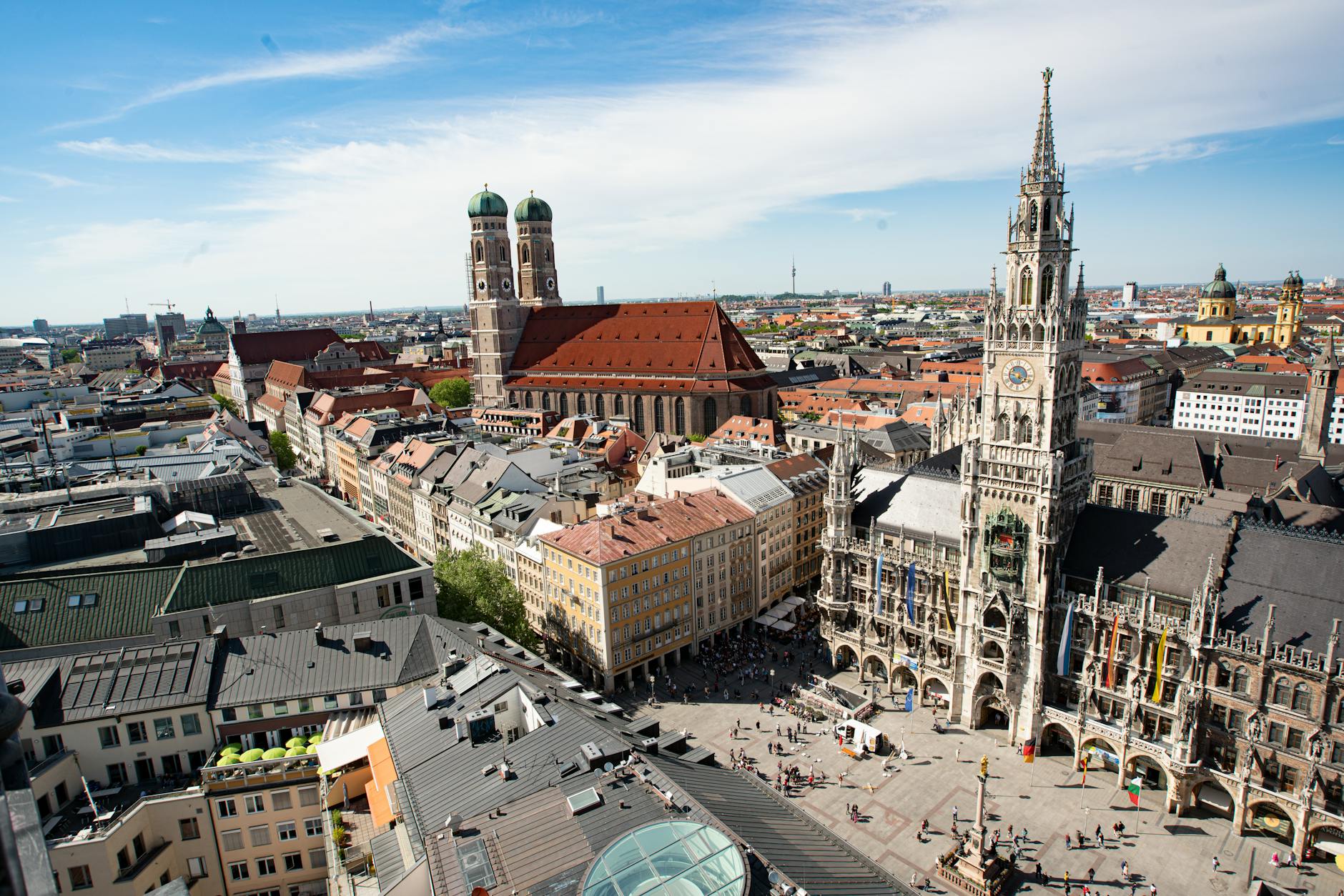
Choosing the right Oktoberfest beer tent is the single most important decision of your Wiesn visit. The 2026 festival had 14 big tents and 21 small tents, each with its own atmosphere, brewery, music style, food menu, and clientele — from the rowdy international energy of Hofbräu to the locals-only feel of Augustiner, the celebrity-magnet Käfer Wiesn-Schänke, and the family-friendly Schützen-Festzelt. This complete Oktoberfest beer tents guide reviews all 14 big tents and the most important small ones ahead of Oktoberfest 2027 (18 September – 3 October), with capacity, beer, music, food, atmosphere, and exactly when each one peaks.
All 14 Big Tents at a Glance
| Tent | Brewery | Capacity | Vibe | Best For |
|---|---|---|---|---|
| Schottenhamel-Festhalle | Spaten | 6,288 + 2,742 outside | Iconic — Mayor’s Tapping happens here | Opening day |
| Hofbräu-Festzelt | Hofbräu | ~10,000 incl. standing (9,040 seats) | Loudest, most international | First-time tourists |
| Paulaner-Festzelt | Paulaner | 6,385 + 1,980 outside | Lively, balanced | Most travelers |
| Augustiner-Festhalle | Augustiner | 6,000 | Most local, beer purists | Wood-barrel beer lovers |
| Hacker-Festzelt | Hacker-Pschorr | 6,838 + 2,540 outside | Bavaria sky ceiling, heavenly | Atmosphere seekers |
| Löwenbräu-Festzelt | Löwenbräu | 5,700 | Big lion mascot, rowdy | Group celebrations |
| Schützen-Festzelt | Löwenbräu | 4,923 + 1,235 outside | More tourists, family-leaning | Families, calmer vibe |
| Pschorr-Bräurosl | Hacker-Pschorr | 8,250 | Yodelers, classic Bavarian | Traditional Wiesn experience |
| Marstall | Spaten | 3,200 | Refined, equestrian theme | Reservation-only sit-down |
| Ochsenbraterei | Spaten | 5,900 | Whole-roasted ox specialty | Carnivores |
| Armbrustschützen-Festzelt | Paulaner | 5,820 + 1,600 outside | Crossbow shooting tournaments | Tradition lovers |
| Käfer Wiesn-Schänke | Paulaner | 1,500 + 2,022 outside | Celebrity hangout, late hours | After-dark visitors |
| Kufflers Weinzelt | Wine! | 1,540 + 540 outside | Wine and Sekt instead of beer | Non-beer drinkers |
| Fischer-Vroni | Augustiner | ~3,000 + ~700 outside | Smaller, fish-focused menu | Quieter sit-down |
The Big Tents in Detail
1. Schottenhamel-Festhalle (Spaten)
Where Munich’s Lord Mayor taps the first keg at noon on opening day with the cry of O’zapft is! — making this the symbolic heart of Oktoberfest. The interior is grand, the music classic, and the tent fills early on every weekend. Capacity: about 9,000 (6,288 inside, 2,742 outside; one of the largest). Best for: opening day pilgrims; classic Oktoberfest atmosphere.
2. Hofbräu-Festzelt
The loudest and most internationally famous tent, and the second-largest — room for around 10,000 people, with a designated standing area in front of the band that’s the closest you’ll get to a Wiesn nightclub. Heavy English-speaking crowd; the band leans into international singalongs. Capacity: 9,040 seats (6,018 inside, 3,022 outside) plus roughly 1,000 standing. Best for: first-time tourists, big group energy, English speakers.
3. Paulaner-Festzelt
One of the most balanced big tents — large enough for serious atmosphere, small enough to feel manageable. The Paulaner Wiesn beer is excellent, the band is reliably good, and the food (especially the Hähnchen, half chicken) is a classic. Capacity: 6,385 inside + 1,980 outside = about 8,365 total. Best for: most travelers; very good middle-ground.
4. Augustiner-Festhalle
The unanimous local favorite, for one specific reason: Augustiner is the only major brewery that still serves Oktoberfest beer from wooden barrels, hand-tapped (rather than from steel kegs under pressure). Beer purists swear by this. The atmosphere is calmer than Hofbräu but no less Bavarian — locals dominate, particularly during weekday afternoons. Capacity: 6,000. Best for: beer purists, locals’ atmosphere.
5. Hacker-Festzelt
Often called “Himmel der Bayern” (“Bavaria’s Heaven”) for its painted blue-and-white-cloud ceiling — one of the most beautiful tent interiors. The atmosphere is consistently great; the music is good; the food is reliably above average. Capacity: 6,838 inside, plus 2,540 outside. Best for: visitors who want the prettiest tent interior.
6. Löwenbräu-Festzelt
Recognizable from the giant 4.5-meter-tall mechanical lion at the entrance that roars regularly. Energetic, loud, lots of singing. The tent is mid-large, which means you can get in midweek but weekend nights are very busy. Capacity: 5,700. Best for: group celebrations; loud party atmosphere.
7. Schützen-Festzelt
A surprise top choice for many: the Schützen-Festzelt (“Riflemen’s Festival Tent”) leans more traditional, with shooting demonstrations and a slightly more grown-up atmosphere. Excellent for families during weekday afternoons (under-6s have to be out by 20:00 by city regulation). Capacity: 4,923 inside plus 120 standing, and 1,235 outside. Best for: families; calmer vibe; older crowd.
8. Pschorr-Bräurosl
Famous for its yodelers — yes, real Tyrolean yodelers performing live throughout the day. The atmosphere is strongly traditional Bavarian; the music is heavily Volksmusik-leaning. A favorite of Münchners who want the most authentic feel. Capacity: 8,250. Best for: traditional Bavarian Wiesn experience.
9. Marstall
A smaller, more refined tent with an equestrian theme — horse murals, cleaner lines, and a strong emphasis on sit-down food service. Reservations are essentially required; walk-in seating is limited. Capacity: 3,200. Best for: reservation-only sit-down dinners; quieter atmosphere.
10. Ochsenbraterei (Spaten-Lehnerbräu)
The signature dish is in the name — Ochsenbraten, ox roasted whole on a giant rotating spit visible from the tent. A live counter shows the carving in progress. Carnivores love it. Capacity: 5,900. Best for: serious meat eaters; foodies.
11. Armbrustschützen-Festzelt
Hosts the historic crossbow (Armbrust) shooting tournaments; you’ll see traditional shooters in costume during the day. The atmosphere is one of the most family-friendly and slightly older-skewing. Paulaner Wiesn beer. Capacity: 5,820 inside, 1,600 outside. Best for: tradition lovers; calmer vibe.
12. Käfer Wiesn-Schänke
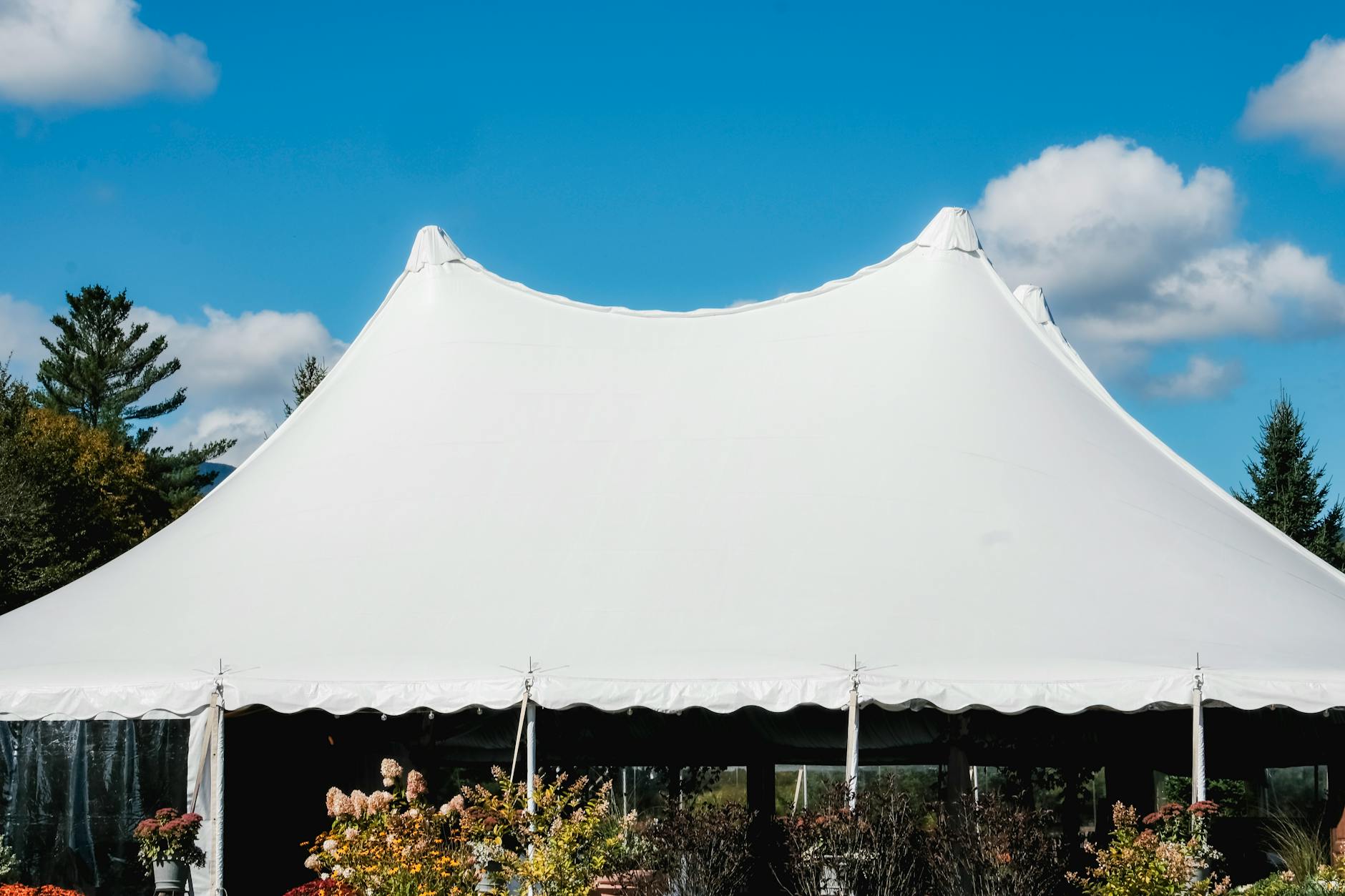
The most exclusive of the big tents — open until 01:00 (vs. 22:30/23:30 for most others), serving food into the late night, and the regular hangout for Munich celebrities, footballers, and German A-listers during Oktoberfest. The food is genuinely the best on the Wiesn (Käfer is one of Munich’s premier delis). Reservations essential — booking opens months ahead. Capacity: about 3,500 (1,500 inside, 2,022 in the beer garden and bars). Best for: after-dark visitors; people-watching; foodies.
13. Kufflers Weinzelt (Wine Tent)
Not a beer tent! The Weinzelt pours wine, Crémant, Prosecco and Champagne, and the wine-averse get Paulaner Weissbier from the barrel until 21:00 (no Festbier here). Open until 01:00 like Käfer. Younger, hipper crowd; live music leans modern. Capacity: 1,540 inside, 540 outside. Best for: non-beer drinkers; late nights.
14. Fischer-Vroni
Smaller traditional tent specializing in Steckerlfisch — whole mackerel grilled on sticks over an open fire, a Bavarian classic. Augustiner beer. Quieter atmosphere; good for sit-down eating midweek. Capacity: about 3,000 inside, roughly 700 outside. Best for: fish lovers; quieter sit-down.
Notable Small Tents (Out of 21)
Beyond the 14 big tents, the 21 small tents offer more intimate experiences and shorter waits. Highlights:
- Café Kaiserschmarrn — the famous Bavarian sweet pancake; great for an afternoon coffee and dessert break
- Glöckle Wirt — small, traditional, excellent menu
- Münchner Knödelei — dedicated to Bavarian dumplings (Knödel)
- Heimer Hähnchenbraterei — quality-roasted half chickens
- Wein- und Schampuszelt — wine and Champagne smaller alternative to Kufflers Weinzelt
- Volkssängerzelt Schützenlisl — focuses on classic Bavarian Volkssänger (folk singers)
- Münchner Stubn — premium small tent with refined menu
How to Get Into a Tent
Without a Reservation
- Weekday mornings: Your best shot at any tent — doors open at 10:00, and a quarter of every big tent’s seats can’t be reserved
- Weekday afternoons: Usually workable — hunt for gaps at the unreserved tables
- Weekday evenings: The hardest weekday slot; popular tents like Hofbräu and Augustiner can shut their doors once full
- Saturday opening (09:00): Arrive 8:30 to guarantee weekend entry
- Saturdays: Expect the big tents to fill soon after the 09:00 opening, even though 40% of seats stay unreserved until 15:00
- Italian Weekend: Oktoberfest 2027 runs 18 September – 3 October, and the Italian Weekend’s dates are still to come; in 2026 it fell on the second weekend (25–27 September) and the tents filled very early
With a Reservation
- Reservations require a complete table of 8–10 people
- Cost: typically a voucher for 2 Maß + 1/2 chicken per person (about €45–€50 per person at 2026 prices, so €450–€500 for a table of 10); boxes and galleries add an €18 food voucher
- Booking opens: for 2027 there is no central booking; each tent opens its own by spring (April or May at the latest) and announces it on its website
- Tents with significant unreserved seating: 12 of the 14 big tents must keep a quarter of their seats unreserved (40% on weekends and holidays until 15:00); only Käfer and Kufflers Weinzelt are exempt
- Tents with mostly reserved seating: Marstall, Käfer Wiesn-Schänke, Kufflers Weinzelt
What to Order: Beer and Food
Beer
Each tent serves only one brewery’s Wiesnbier — a stronger, deeper, malt-forward version of the brewery’s standard Helles, ~6% abv (vs. 5% for the standard year-round product). Served exclusively in the 1-liter Maß glass stein. The city’s official 2026 list runs €14.80–€15.90 per Maß, averaging €15.61.
- Spaten (Schottenhamel, Marstall, Ochsenbraterei) — classic dry Munich Helles
- Hofbräu (Hofbräu-Festzelt) — slightly sweeter, easy-drinking
- Paulaner (Paulaner, Armbrustschützen, Käfer) — full, malty
- Augustiner (Augustiner, Fischer-Vroni) — purest, most balanced; from wooden barrels
- Hacker-Pschorr (Hacker, Bräurosl) — slightly bitter, classic
- Löwenbräu (Löwenbräu, Schützen) — robust
Food
- Halbes Hendl (half rotisserie chicken) — the universal Wiesn dish, €15–€17.50 in 2026
- Schweinshaxe (pork knuckle) — ~€26
- Schweinsbraten mit Knödel (roast pork with dumpling) — ~€22
- Steckerlfisch (grilled mackerel on a stick) — the Fischer-Vroni speciality
- Käsespätzle (cheese egg-noodles) — the vegetarian classic
- Brez’n (giant pretzel) — €7–€8 in 2026
- Obatzda (cheese spread) with bread
- Ochsenbraten at Ochsenbraterei — the whole-roasted ox specialty
- Kaiserschmarrn (sweet shredded pancake) at Café Kaiserschmarrn
Tent Atmosphere by Time of Day
Morning (10:00–13:00)
Calmest period. Many tents have empty tables, the band plays mellower folk-style sets, food service is fast, and you can actually have a conversation. Older Bavarian regulars dominate the Augustiner and Pschorr-Bräurosl tents during these hours.
Afternoon (13:00–17:00)
The energy gradually builds. Tents fill on weekends but are still manageable midweek, and the kitchens are in full swing as the bands warm up.
Late Afternoon to Evening (17:00–22:30)
Peak Oktoberfest atmosphere. The bands lean into Schlager and English-language pop, and the benches fill with people singing along. The most fun period; also the hardest to enter without a reservation.
Closing Hours
Last beer 22:30 in big tents; music ends 22:30; tents fully cleared 23:30. Käfer Wiesn-Schänke and Kufflers Weinzelt remain open until 01:00 — the only late-night options.
Tents for Specific Travelers
First-Time Tourists
Hofbräu-Festzelt for the loud international experience, or Paulaner for a more balanced introduction. Both reliably entertaining.
Beer Purists
Augustiner-Festhalle (wooden barrels) or Fischer-Vroni (also Augustiner).
Families with Kids
Schützen-Festzelt and Armbrustschützen-Festzelt during weekday afternoons. Kids under 6 must leave by 20:00 by city regulation. See our family travel guide.
Foodies
Käfer Wiesn-Schänke (best food on the Wiesn) or Ochsenbraterei (whole-roasted ox specialty).
Late-Night Owls
Käfer Wiesn-Schänke or Kufflers Weinzelt — the only tents open until 01:00.
Non-Beer Drinkers
Kufflers Weinzelt for wine, Sekt, and Champagne. Many big tents also serve wine, Spezi (cola + orange), and AlcoholFree Helles, but the wine tent is the only one specifically built for non-beer service.
Practical Tips
- Cash + card: All tents accept card and contactless payments now, but staff prefer cash for tips
- Tipping: About 10%, or €1–€2 per Maß, handed to your server when you pay
- Bag size limits: Bags larger than 20×15×10 cm are not permitted on the Theresienwiese; free locker storage at the perimeter
- Phone signal: Patchy at peak times — agree on a meeting point if separating
- Smoking: Banned inside tents; small smoking corners outside
- Children: Under-6s must leave the big tents by 20:00; older children can stay
- Last U-Bahn from Theresienwiese: check the night’s last departures on MVG’s site before your final Maß; night trams afterward
- Toilets: All tents have free toilets, but lines build during peak hours
- Get to a tent early: be at the door when it opens — 09:00 on weekends and holidays, opening day included, and 10:00 on weekdays
- Don’t tent-hop on weekend evenings: once you have a seat, keep it, because most big tents are full and turning people away by then
The Six Breweries Behind the Beer
For all the talk of which tent has the best band, every drop of beer on the Theresienwiese comes from just six breweries — and that exclusivity is the festival’s oldest rule. To pour at Oktoberfest, a beer must be brewed inside Munich’s city limits and meet both the Munich Purity Law of 1487, older than Bavaria’s famous 1516 law, and the German Purity Law, which permits only water, malt, hops and yeast. Six houses qualify: Augustiner, Hacker-Pschorr, Hofbräu, Löwenbräu, Paulaner and Spaten. No outside brand, however famous, ever gets a tap.
What they brew for the occasion isn’t their everyday Helles. Wiesnbier is a special golden Märzen, brewed a little stronger — around 6% alcohol against the roughly 5% of a normal Munich lager, with a higher original gravity — which is precisely why a litre lands harder than its easy, bright colour suggests. Pace yourself accordingly: the Maß is a marathon, not a sprint.
| Brewery | Founded | Their Wiesn tent(s) | Worth knowing |
|---|---|---|---|
| Augustiner | 1328 | Augustiner-Festhalle | Munich’s oldest brewery and many locals’ favourite; still served from wooden barrels |
| Spaten | 1397 | Schottenhamel, Ochsenbraterei | Brews the very keg the mayor taps to open the festival |
| Hacker-Pschorr | 1417 | Hacker-Festzelt, Bräurosl | The Hacker tent’s painted sky-blue ceiling is billed as the “Heaven of the Bavarians” |
| Hofbräu | 1589 | Hofbräu-Festzelt | The former royal court brewery, sibling to the famous Hofbräuhaus downtown |
| Löwenbräu | c. 1383 (claimed origins) | Löwenbräu-Festzelt, Schützen | The giant lion above the door roars “Löööwenbräu” over the crowd |
| Paulaner | 1634 | Paulaner-Festzelt (Winzerer Fähndl) | Also brews the Salvator doppelbock tapped during Lent’s strong-beer season |
If the brewery rabbit hole appeals, you can drink most of the six in their home halls and gardens any week of the year — our guides to Munich’s beer halls and breweries and the best beer gardens in Munich map exactly where each one pours.
The Oide Wiesn: Oktoberfest’s Quieter, Historic Half
Tucked into the southern end of the Theresienwiese, behind its own fence and a small entrance fee — around €4, with under-14s free — sits the Oide Wiesn, the “Old Wiesn.” It’s the antidote to the big-tent roar, and most first-time visitors walk straight past it without realising it’s there.
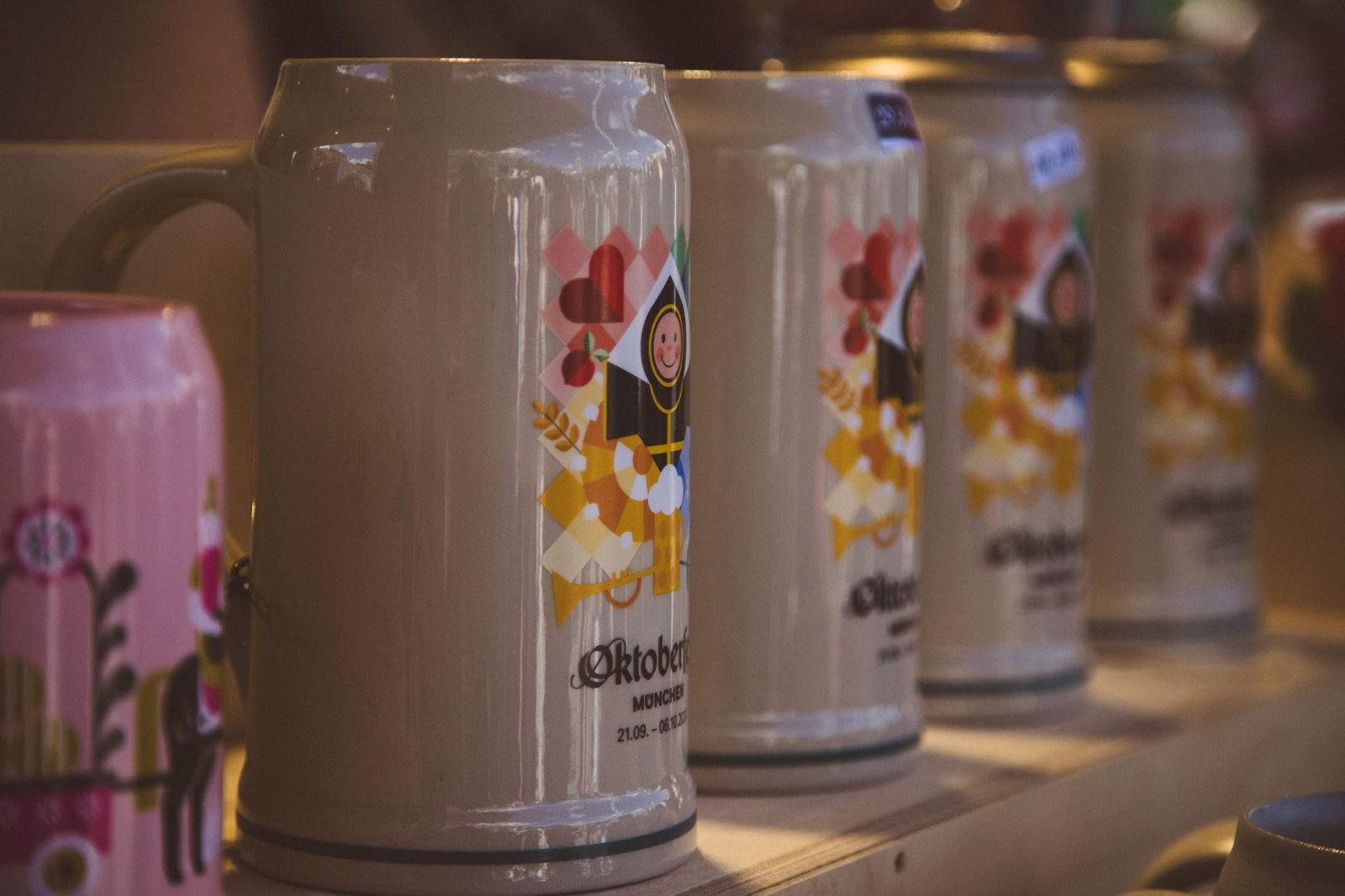
This is Oktoberfest as it looked before the 1980s pop-cover era. Inside you’ll find historic tents — the Festzelt Tradition, the marionette-theatre Herzkasperlzelt, and a museum tent — where the music is genuine Bavarian brass and folk rather than chart singalongs, the beer arrives in traditional stoneware, and there’s actually room to sit and talk. The rides are antiques: a velodrome where cyclists race a steep wooden track, a steam-driven carousel, a chain swing, and the famous Krinoline with its live band playing as it slowly turns. The atmosphere is gentler, the enclosure shuts earlier, and the crowd skews to families and locals.
Insider tip: the Oide Wiesn is the single best corner of the festival for families and for anyone who remembers when a fairground was a fairground. Fold it into the calmer daytime hours and it makes a genuinely lovely afternoon — our complete Oktoberfest guide works it into a wider plan, and the Oktoberfest dates and daily schedule tell you when the gates open. One caveat: in the years the quadrennial Zentral-Landwirtschaftsfest agricultural fair borrows the same southern ground, the Oide Wiesn pauses, so it’s worth a quick check before you count on it.
Tent Etiquette: The Unwritten Rules of the Wiesn
The tents run on customs that no sign explains, and getting them right is the difference between being a welcome guest and the table’s problem child. None of it is hard.
Toast properly. When the band strikes up “Ein Prosit der Gemütlichkeit” — and it will, roughly every fifteen minutes — you stand, raise your Maß, and clink with everyone in reach. Look each person in the eye as the glasses meet; Bavarians half-seriously hold that breaking eye contact during a Prost brings bad luck. Clink at the thick base of the mug rather than the rim, unless you fancy buying replacements.
Benches yes, tables no. Standing and dancing on the benches is not just tolerated but expected once the evening warms up. Climbing onto the table itself, though, is the one move that gets you walked out by security — that wooden surface is for Maßkrüge, not boots.
Tip the Bedienung. Your server hauls ten or twelve full litres at a time and keeps your table in her head for hours; she’s also how you pay, in cash, at the bench rather than at any till. Round up generously — a euro or two on each Maß, more across a long session — and you’ll earn faster service and warmer treatment for the rest of the night. Cards remain patchy inside the tents, so carry more cash than you think you’ll need.
Share the table, and dress the part. Communal benches mean you’ll be elbow to elbow with strangers within minutes; a “Grüß Gott” and a shared toast turns them into the best part of the evening. Slipping into a dirndl or Lederhosen is half the fun and never read as fancy dress here — our guide to what to wear to Oktoberfest covers doing it properly, and if you want a guaranteed seat for the whole performance, how to get an Oktoberfest reservation walks through the booking maze. Line the stomach first, too: the tents’ roast chickens and pork knuckles, and the wider world of traditional Bavarian food, exist precisely to keep that stronger beer in check.
Reaching your tent on time is its own challenge. Our guide to getting to Oktoberfest covers the U-Bahn crush, the walking routes and when to set off.
Frequently Asked Questions
How many beer tents are at Oktoberfest?
In 2026 the Theresienwiese held 14 big tents and 21 small tents — 35 beer service venues in total.
Which is the best Oktoberfest tent?
Depends on what you want. Hofbräu for loud international energy. Augustiner for the best beer (from wooden barrels). Käfer for the best food. Paulaner for a balanced classic experience. Schützen for a calmer, family-leaning vibe.
Are Oktoberfest tents free to enter?
Yes — entry to all tents is free. You only pay for beer, food, and souvenirs. Reservations come with a voucher for 2 Maß + half-chicken per person, about €45–€50 at 2026 prices.
Do Oktoberfest tents take walk-ins?
Yes, mostly — in 12 of the 14 big tents, city rules hold back a quarter of the seats for walk-ins, rising to 40% on weekends and holidays until 15:00. Two tents (Käfer Wiesn-Schänke, Kufflers Weinzelt) are exempt and essentially reservation-only. To get walk-in seating, arrive when the tent opens (10:00 weekdays / 09:00 weekends/holidays).
How much does beer cost at Oktoberfest 2026?
A 1-liter Maß costs €14.80–€15.90 in 2026 on the city’s official list, averaging €15.61 — up 2.38% on the 2025 average of €15.25. The cheapest big tent is the Augustiner-Festhalle at €14.90; Armbrustschützen, Bräurosl and Löwenbräu top the list at €15.90.
Which tent is open the latest?
Käfer Wiesn-Schänke and Kufflers Weinzelt are the only tents open until 01:00 (last drink 00:30). All other big tents close at 23:30 with last beer at 22:30.
Can I switch tents during the night?
Yes, but it’s risky. Once you leave a busy big tent on a weekend night, you may not get back in. Stick with your tent for an evening; tent-hop in the afternoon.
Plan Your Oktoberfest Trip
This tent guide is part of our deeper complete Oktoberfest Munich guide. For the dates, hours, and schedule, see our Oktoberfest 2027 dates guide. For accommodation, our where to stay guide covers Oktoberfest-specific neighborhoods. For broader trip planning, see our trip planner.