Oktoberfest Food Guide: What to Eat at the Wiesn (2026)
Complete Oktoberfest food guide for 2026. 25 must-try dishes, prices, where to find them in each tent, vegetarian and budget options.
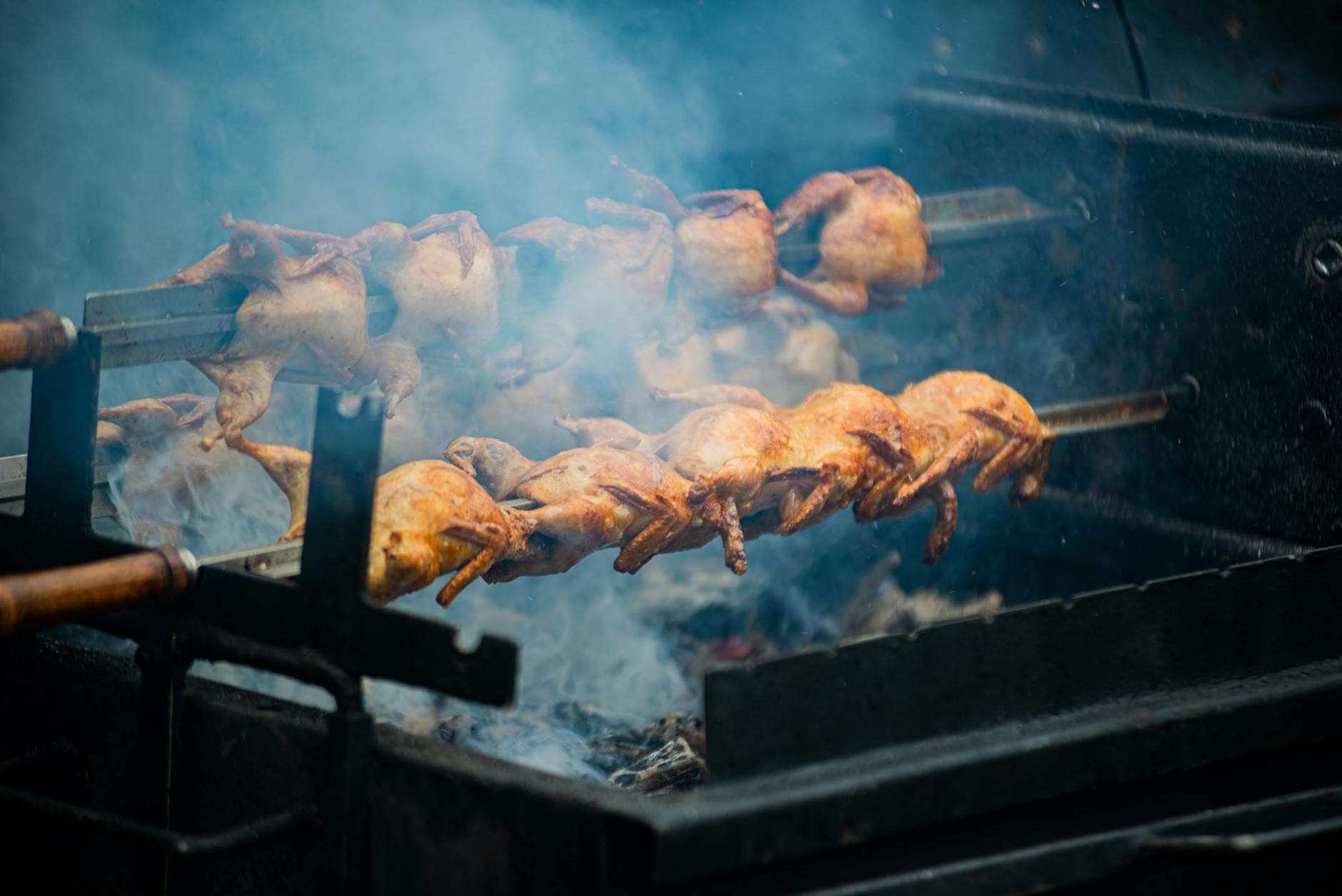
The Hendl gets the headlines, but Oktoberfest food is far more than a roast chicken. Across 16 days at the Theresienwiese, the 14 main beer tents and dozens of food stalls serve a parade of Bavarian classics — pork knuckle, half-roast duck, ox on a spit, dumplings the size of tennis balls, pretzels you wear over your wrist. Some are iconic and worth ordering twice; some are theatre dishes you eat for the experience; some you genuinely shouldn’t miss. This Oktoberfest food guide walks you through 25 dishes worth tasting in 2026, what they cost, which tent does each one best, and the vegetarian, halal and kid-friendly options that are easy to overlook.
Oktoberfest Food at a Glance (2026)
| Detail | 2026 Fact |
|---|---|
| Dates | September 19 – October 4, 2026 |
| Half-chicken (Hendl) | €15–€18 |
| Schweinshaxe (pork knuckle) | €19–€26 |
| Half-ox plate at Ochsenbraterei | €26–€32 |
| Maß (1L beer) | €14.80–€15.90 (€15.61 average) |
| Vegetarian Käsespätzle | €14–€18 |
| Brez’n (pretzel) | €4–€7 |
| Lebkuchenherz | €8–€20+ |
| Card payment? | Most tents yes; small stalls cash only |
| Tipping | 10% rounded up, in cash to server |
The 25 Best Oktoberfest Foods to Try
Proteins and main plates
- Hendl (Wiesn-Hendl, half-roast chicken) — the icon. A 750-gram half-chicken, rotisserie-roasted with salt, rosemary and paprika, eaten with your hands. Best version: Hühner- und Entenbraterei Ammer. €15–€18.
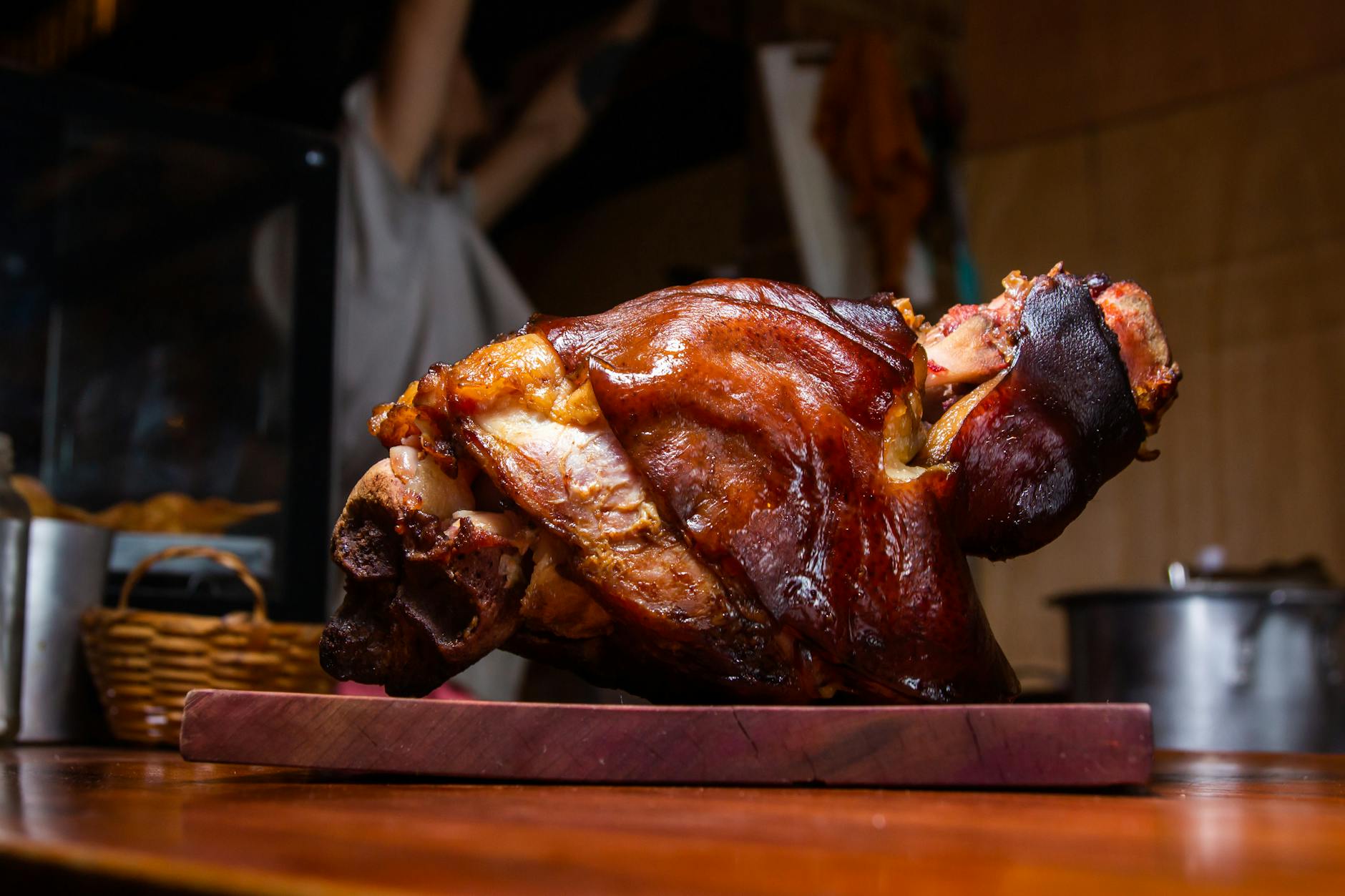
- Schweinshaxe (pork knuckle) — slow-roasted hind pork knuckle, crackling skin, fork-tender meat, dunkel-beer gravy. Best: Hofbräu-Festzelt, Augustiner-Festhalle. €19–€26.
- Schweinebraten (roast pork shoulder) — sliced with crackling, gravy, Knödel and Bayrischkraut. The classic Sunday-lunch dish.
- Ente (half-roast duck) — Wiesn-style duck, with red cabbage and a Semmelknödel. Best: Schottenhamel and Hippodrom.
- Ente vom Drehspieß — spit-roasted version, Schottenhamel’s specialty.
- Ochs am Spieß (whole ox on the spit) — Ochsenbraterei tent’s signature: an entire ox roasted over open fire all day. A naming-board records how many oxen have been served (~110 per Wiesn). €26–€32.
- Steckerlfisch (skewered grilled fish) — usually mackerel or trout, marinated, grilled on a stick over open fire. Best eaten standing, with lemon. The Fischer-Vroni tent specialises.
- Wiesn-Wurst varieties — Nürnberger (small, finger-length), Münchner (white, breakfast only), Thüringer (long, smoky). €6–€9.
- Currywurst — classic German pork sausage with curry-tomato sauce. Wiesn standalone stands rather than tents.
- Leberkäse Semmel — Bavarian meatloaf hot in a Brötchen with mustard. €5–€7. The classic stand snack.
- Tellersülze (jellied pork) — a brave traditional cold dish; mostly for grandmothers.
Sides and dumplings
- Semmelknödel (bread dumpling) — a fist-sized roll of soaked bread, herbs, egg. Soaks gravy magnificently.
- Kartoffelknödel (potato dumpling) — slightly denser, paler. Goes with duck or roast pork.
- Sauerkraut and Bayrischkraut — the latter is sweeter, cabbage with apple and caraway.
- Kartoffelsalat (Bavarian potato salad) — warm, vinegar-based, with broth and onions; not American mayonnaise style.
- Brez’n (Bavarian pretzel) — the giant table-top variety served whole, often pre-buttered. €4–€7.
Vegetarian and side dishes
- Käsespätzle (Bavarian mac-and-cheese) — egg noodles in molten Bergkäse cheese topped with fried onions. The vegetarian champion. €14–€18.
- Champignonpfanne (mushroom pan) — sautéed mushrooms in cream sauce.
- Reiberdatschi / Kartoffelpuffer — potato pancakes with apple sauce. From standalone stands rather than inside tents.
Sweets and snacks
- Gebrannte Mandeln (candied almonds) — the smell that defines Wiesn after dark. Sold by the bagful. €5–€8.
- Schmalznudeln / Auszogne — Bavarian deep-fried doughnuts, dusted with sugar. Best at Cafe Frischhut in town or at Wiesn stands.
- Lebkuchenherz — the giant gingerbread heart with iced slogans (“Du bist mein Schatzi”). Eat-or-keep. €8–€20+.
- Schokofrüchte — strawberries and bananas dipped in dark or white chocolate, on sticks.
- Apfelstrudel — best inside the Käfer Wiesn-Schänke.
- Krapfen / Quarkbällchen — small fried doughs sold by the bag.
Which Tent for Which Oktoberfest Food
- Ochsenbraterei (Spaten): whole-ox specialty — the place for Ochs am Spieß
- Schottenhamel: spit-roasted duck; ceremonial opening day
- Hofbräu-Festzelt: chicken plus very high-energy crowd
- Augustiner-Festhalle: wood-tapped Augustiner, excellent pork
- Hacker-Pschorr-Festzelt: Brez’n and roast chicken
- Käfer Wiesn-Schänke: the upscale tent — small dishes, game, fish, Apfelstrudel
- Marstall Festzelt: refined Bavarian gourmet
- Fischer-Vroni: Steckerlfisch specialists
- Hühner- und Entenbraterei Ammer: the chicken-and-duck specialist tent
- Bräurosl (Hacker-Pschorr): generous portion sizes, family-friendly
- Hippodrom: international touches and showmanship
Vegetarian, Vegan, Halal, Gluten-Free

Every major tent now offers vegetarian options. The strongest performers are Käfer (multiple options), Bräurosl, and Marstall. Vegan options exist but are limited — Käsespätzle is usually NOT vegan (heavy cheese, eggs in pasta), but plain Brez’n with mustard, Obatzda is dairy-heavy so check, Reiberdatschi with apple sauce, fried potatoes, and seasonal salads work. Halal dining is limited; some chicken stands claim Halal preparation but verify each year. Gluten-free is challenging because so much rests on Knödel and bread. Plain grilled chicken, sausage, sauerkraut, salads and potatoes are your safest path.
Oide Wiesn — The Old-Style Food Annex
The Oide Wiesn (Old Wiesn) is a separate ticketed (€4 entry) area within Theresienwiese with smaller, calmer tents focused on Bavarian heritage food. The Festzelt Tradition tent and the Herzkasperl-Festzelt both offer simpler, regional dishes that often outshine the main tents for quality. Excellent for families or anyone preferring quiet over party.
Outside the Tents: The Stalls
The Wirtsbudenstraße (the food-stall lane) is where you eat cheaply and quickly. Snacks here run €4–€12: Bratwurst-Semmel, Currywurst, Reiberdatschi, Fish-Brötchen, Käsespätzle to-go boxes, Maroni (roasted chestnuts), Lebkuchen, candied almonds, ice cream and crepes. Cash speeds the queue; most stalls do take card. Outside food is not allowed inside the tents.
Portion Sizes and Pacing
A Hendl is half a chicken — about 750 g of meat. A Schweinshaxe weighs 1 kg with bone. Combined with a Maß of 6% beer, one Wiesn meal is a serious lunch. Locals tend to either share-plate-style (one main between two), or order modular: a Brez’n with Obatzda, a Schweinsbraten with one Knödel, then sweets at a stall later. Tourists most often order full mains they can’t finish.
Kids’ Menus
Most tents offer simplified kids’ portions — Würstchen, Pommes, plain Brez’n, mini-Hendl, plain Schnitzel. Käfer and Bräurosl are strongest on family options. Children are allowed in all tents until 8 pm; after that it’s 16+ in some tents and 18+ in the late hours of others.
Tipping, Payment and Etiquette
- Tip 10% rounded up to whole euros, in cash, into your server’s hand
- Cash and card both work at most tents in 2026; small stalls outside often cash-only
- Order from your assigned Bedienung (server) at the table — don’t go to the bar
- Wave your napkin or raise a hand; the server will come over
- Don’t take outside food into a tent
- Don’t ask for a doggy bag — finishing isn’t expected, but takeaway boxes aren’t standard
Common Oktoberfest Food Mistakes
- Filling up on table Brez’n before your main arrives
- Refusing the Knödel — they’re the best sauce-mop in German cuisine
- Ignoring the Oide Wiesn quality alternative
- Ordering Weißwurst at Oktoberfest — they’re a breakfast item served before noon at the city’s beer halls, not a Wiesn dish
- Skipping snacks at the stalls in favour of only-tent dining
- Not asking your server for the special of the day
Oktoberfest Food FAQs
What is the most famous Oktoberfest food?
Wiesn-Hendl — half-roast chicken. More than 500,000 are sold each year across the Wiesn.
Are there vegetarian options at Oktoberfest?
Yes. Käsespätzle, Champignonpfanne (mushrooms), Obatzda with Brez’n, Reiberdatschi (potato pancakes), Knödel with mushroom sauce and various salads are on every tent menu.
How much should I budget for food per day?
Allow €40–€70 per adult per day for food alone, before beer. A main plus a couple of stall snacks and you’re at the upper end.
What’s the most iconic Oktoberfest dish to try once?
Schweinshaxe at Augustiner-Festhalle. The crackling-to-meat ratio is unmatched and the tent’s wood-tapped Augustiner beer is the perfect pairing.
Can I bring my own food?
Not inside the tents. The outdoor benches and the area between tents allow outside food in moderation, but it’s a custom rather than a right.
Bavarian Beer Pairings for Oktoberfest Food
Every Oktoberfest food on the menu has a Bavarian beer that’s meant to go with it. Hendl pairs with Helles — the bright, slightly malty light lager that defines Munich. The Hofbräu, Augustiner, Spaten and Paulaner Festbiere served at the festival are stronger versions (around 6% ABV) of each brewery’s Helles. Schweinshaxe deserves a Dunkel — the dark Bavarian lager with caramel and chocolate notes; Hacker-Pschorr Dunkel is excellent. Steckerlfisch goes with Weißbier — the wheat beer; ask for a Schneider Tap 7 or Erdinger if available. Game dishes (Rehragout, Wildgulasch at Käfer) call for stronger malts — try a Bock or Doppelbock if a special is on. Tellersülze (jellied pork) and lighter snacks suit Radler — beer mixed with lemonade — popular with locals on hot afternoons.
Each Tent’s Food Specialty in Depth
Hofbräu-Festzelt
10,000-capacity tent, the loudest. The Hendl is solid but it’s the atmosphere that makes the food memorable. Hofbräu’s Hendl is brushed with butter just before serving — slightly more rich than the average Wiesn chicken. Standing-room area along the perimeter is where international visitors typically congregate.
Augustiner-Festhalle
The locals’ favourite tent. Augustiner is the only Munich brewery that still uses wooden kegs at the festival, which gives the beer a slight earthy note. The Schweinshaxe is the standout — slow-roasted for six hours, served with potato dumpling and dark gravy. Order it with a Mass of Augustiner Edelstoff.
Ochsenbraterei (Spaten)
The whole-ox tent. An entire ox is spit-roasted over open fire all day; portions of Ochs am Spieß are served with a peppercorn sauce, dumplings and red cabbage. The board outside tracks how many oxen have been served at the festival (around 110 per year). The roasted ox is one of the most distinctive Oktoberfest food experiences.
Schottenhamel
The ceremonial opening tent — the Bürgermeister taps the first keg here on opening Saturday at noon. Specialty: spit-roasted duck (Ente vom Drehspieß) with chestnut stuffing. Younger Munich crowd; reservations harder to get for opening weekend.
Käfer Wiesn-Schänke
The upscale boutique tent — Münchner-Feinkost-Käfer family operation. Smaller portions, refined Bavarian cuisine, the only tent serving game dishes (Wildgulasch, Rehragout), wood-fire pizza, fresh fish. Stays open until 1 am with reservation. The Oktoberfest food bills here run two to three times the standard tents but the kitchen genuinely earns its premium.
Marstall Festzelt
The smallest of the major tents. Horse-themed decor (it’s named after the royal stables). Excellent for refined Bavarian cooking — Schweinebraten, Ente, suckling pig. Less party energy than Hofbräu, more dinner-restaurant feel.
Hühner- und Entenbraterei Ammer
The smaller specialised tent that does chicken and duck better than the larger neighbours. Family-run since the 1930s. Quieter atmosphere; a good escape on a busy weekend.
Fischer-Vroni
The fish tent. Steckerlfisch (skewered grilled fish — mackerel, trout, occasionally salmon) is the signature. Less beer-focused, more food-focused. Family-friendly atmosphere.
Bräurosl (Pschorr-Bräurosl)
Hacker-Pschorr’s tent. Generous portions, family-friendly atmosphere, the festival’s only LGBT-friendly Gay Sunday event on the first Sunday. Strong vegetarian Oktoberfest food selection — particularly good Käsespätzle.
Oide Wiesn Food (the Old Wiesn Annex)
The Oide Wiesn (Old Wiesn) is a separately ticketed area (€4 adult entry) within the festival grounds. It runs as a more traditional alternative, with calmer tents and food that often outshines the main tents. The Festzelt Tradition, Herzkasperl-Festzelt and Schützen-Festzelt all serve Bavarian heritage food: Schweinsbraten with crackling, Boazn-style snacks like Obatzda with Brez’n, Tellersülze, Wammerl (pork belly), Rinderbraten (beef pot roast), regional cheeses, classic Bavarian Brez’n with bigger thickness. The Oide Wiesn is the answer to the question “where do locals eat at Oktoberfest?”
Time-of-Day Eating Strategy
Each tent operates on a rhythm. Morning (9–11 am): only the Bräurosl, Schottenhamel and the family-friendly tents are calm — perfect for a proper sit-down meal of Weißwurst breakfast or roast chicken. Midday (11 am–2 pm): all tents are open and most have free table space without reservation. This is the best window for first-timers. Afternoon (2–6 pm): tents fill, brass bands play, full meals are still served. Evening (6 pm onward): reservations dominate; food service slows; drink service is the focus. Late evening (after 9 pm): few tents serve full meals; outside the tents the Wirtsbudenstraße food stalls are the answer.
Beyond the Tents: Late-Night and Recovery
Tents close at 22:30–23:30. Käfer Wiesn-Schänke and Weinzelt stay open until 1 am with reservation only. After the tents close, the Wirtsbudenstraße stalls keep selling for another hour. For full meals after midnight, the Hauptbahnhof neighbourhood has 24-hour Turkish kebab shops, the Café Frischhut for fresh Schmalznudel, and Augustiner Stammhaus serves until 1 am. The classic Munich Oktoberfest food recovery is Weißwurst breakfast — white veal sausage with sweet mustard, eaten before noon at the city’s traditional beer halls (Hofbräuhaus, Augustiner Stammhaus, Andechser am Dom). Pair with a Weißbier (it’s tradition to drink beer with this breakfast).
What’s New at Oktoberfest 2026
The 2026 Wiesn runs September 19 – October 4 — slightly later than 2025. The city’s official Mass price runs €14.80–€15.90 across the six main breweries, averaging €15.61 — up 2.38% on 2025. The Oide Wiesn runs in 2026: it is displaced only every fourth year by the Zentral-Landwirtschaftsfest, and the 2026 ZLF was cancelled. New for 2026: stricter card payment requirements for tent stalls (cash still works); the bag-size limit remains 3 litres / 20 cm; security checks at all entry points remain.
Where to Eat Oktoberfest Food Year-Round in Munich
- Hendl: Wirtshaus in der Au, Augustiner Stammhaus year-round
- Schweinshaxe: Hofbräuhaus, Augustiner Stammhaus, Wirtshaus Ayingers
- Schweinsbraten: Spatenhaus an der Oper, Augustiner Klosterwirt
- Weißwurst: Münchner Suppenküche, Schneider Bräuhaus, Café Frischhut
- Steckerlfisch: Wirtshaus in der Au, riverside Isar beer gardens summer
- Schmalznudel: Café Frischhut all year
- Lebkuchen: Café Kreutzkamm, Christmas markets, mail-order from Schmidt Nürnberg
- Gebrannte Mandeln: Viktualienmarkt year-round at the Wiesn-style stall
Cooking Oktoberfest Food at Home
The classic Wiesn dishes are surprisingly home-friendly. Hendl: a Bavarian-style spice rub (salt, paprika, dried marjoram, caraway, pepper) on a roast chicken, basted with butter, in a 200°C oven. Käsespätzle: hand-cut egg noodles tossed with Bergkäse and Emmental, topped with fried onions. Pretzel making from scratch requires lye-bath dipping — a serious project but worthwhile once for the technique. Schweinsbraten: pork shoulder rubbed with salt and caraway, slow-roasted at 160°C for four hours with a dark-beer braising liquid. Bavarian potato salad: warm potatoes with broth, vinegar, oil, onions, and chives — no mayo.
Allergy and Dietary Notes in Detail
Gluten-free: Bavarian Brez’n, Knödel, Spätzle, all sauces with roux, beer itself — all contain gluten. Plain grilled chicken, sauerkraut, roasted potatoes and most salads (without croutons) work. Dairy-free: Käsespätzle, Obatzda (Bavarian cheese-spread) and dumplings made with milk-soaked bread are out; chicken, sausage, fish, sauerkraut, fries, fruit-based desserts are fine. Nut allergies: Lebkuchen often contains hazelnut and almond; ask at every stall. Vegan: harder — Käsespätzle, eggs, butter, milk are pervasive. Plain Brez’n with mustard, roasted potatoes, sautéed mushrooms (Champignonpfanne — verify the cream sauce isn’t dairy), Reiberdatschi with apple sauce are the safest bets. Halal: confirmation difficult; some chicken stands claim Halal but verify annually. Pork is ubiquitous — vegetarians often find more options than Halal observers.
Oktoberfest Food History: Why These Dishes?
The dishes you eat at Oktoberfest aren’t arbitrary; they trace back to specific moments in Bavarian food history. The roasted Hendl became Wiesn-standard in the 1880s when industrial rotisserie ovens made bulk-cooking feasible — before that, beef was the Sunday roast and chicken was a peasant rarity. Schweinshaxe rose with the railroad: refrigerated cars meant pork from Bavarian farms could reach Munich kitchens in volume. Bavarian potato salad — vinegar and broth-based — predates the mayonnaise version by centuries and reflects a Bavarian tradition of not using cold-stored dairy in summer dishes. Lebkuchen has its roots in Nuremberg’s medieval spice trade — the Holy Roman Empire imported cinnamon, ginger, and clove through Nuremberg’s monasteries, and the gingerbread tradition spread south into Bavaria. The Bavarian Brez’n shape itself is centuries old, with a folk-legend origin attributing it to a 14th-century baker in Bad Tölz. None of this trivia is required at the tent, but it gives the meal a deeper texture.
Oktoberfest Food on a Budget
A full main course at a tent costs €18–€32; the average tent meal with a Maß (1L beer at €15+) is €35–€50 per person. Strategies to cut the bill: eat outside the tents at the stalls (Bratwurst-Semmel €6, Käsespätzle €10–€12, Reiberdatschi €5–€7); share a main between two people (most plates are huge); skip dessert at the tent and walk to the candied almonds and Lebkuchen stalls outside; visit the Oide Wiesn where some traditional dishes are 10–20% cheaper and the food quality is excellent. A frugal day at Wiesn — entry free, one outside snack, one Maß at lunch, one shared main, one almond bag — runs €30–€40 per person.
Tipping at Oktoberfest in Detail
Tipping at the Wiesn follows German conventions: 10% rounded up to whole euros, in cash, into the server’s hand or onto the bill plate. When you order, the server brings a portable card terminal — type your total amount including the tip on the terminal screen (some machines have a “Trinkgeld” button). Servers at Oktoberfest are seasonal workers paid a base wage plus tips — the tip culture is much more important here than in everyday Munich restaurants. A good server who serves your group all day at one table deserves €10–€20 cumulative over a full session; a one-Maß-and-leave interaction warrants €1–€2. Bad service is unusual but does happen; tip lower if so, but never zero.
Reservations and Oktoberfest Food
Most tents require a table reservation in the evening — and the reservation commits you to a food and drink minimum (typically 2 Maß plus a half-chicken per person, totalling around €60 per seat). The reservation is “free” in the sense you don’t pay in advance, but you must consume that minimum. Reservations open in March–April for the following September festival; the big tents sell out the same week. If you didn’t reserve, arrive before 11 am weekdays or before 9 am weekends; you’ll find unreserved tables and can stay until reserved guests arrive around 5 pm. Some tents reserve only the inner zone — outer tables, especially in the beer-garden sections, are always first-come first-served.
Plan Your Oktoberfest
This Oktoberfest food guide is part of our deeper Munich Oktoberfest pillar. For tent-by-tent atmosphere see our Oktoberfest beer tents guide; for newcomer essentials see Oktoberfest first-time tips; for booking strategy see where to stay during Oktoberfest; and for what to eat year-round see our traditional Bavarian food guide.