Best Cafés in Munich: 20 Coffee Shops & Café Culture Guide (2026)
Munich's best cafés ranked for 2026. Specialty coffee shops, Viennese-style Kaffeehäuser, brunch spots, neighborhood gems.
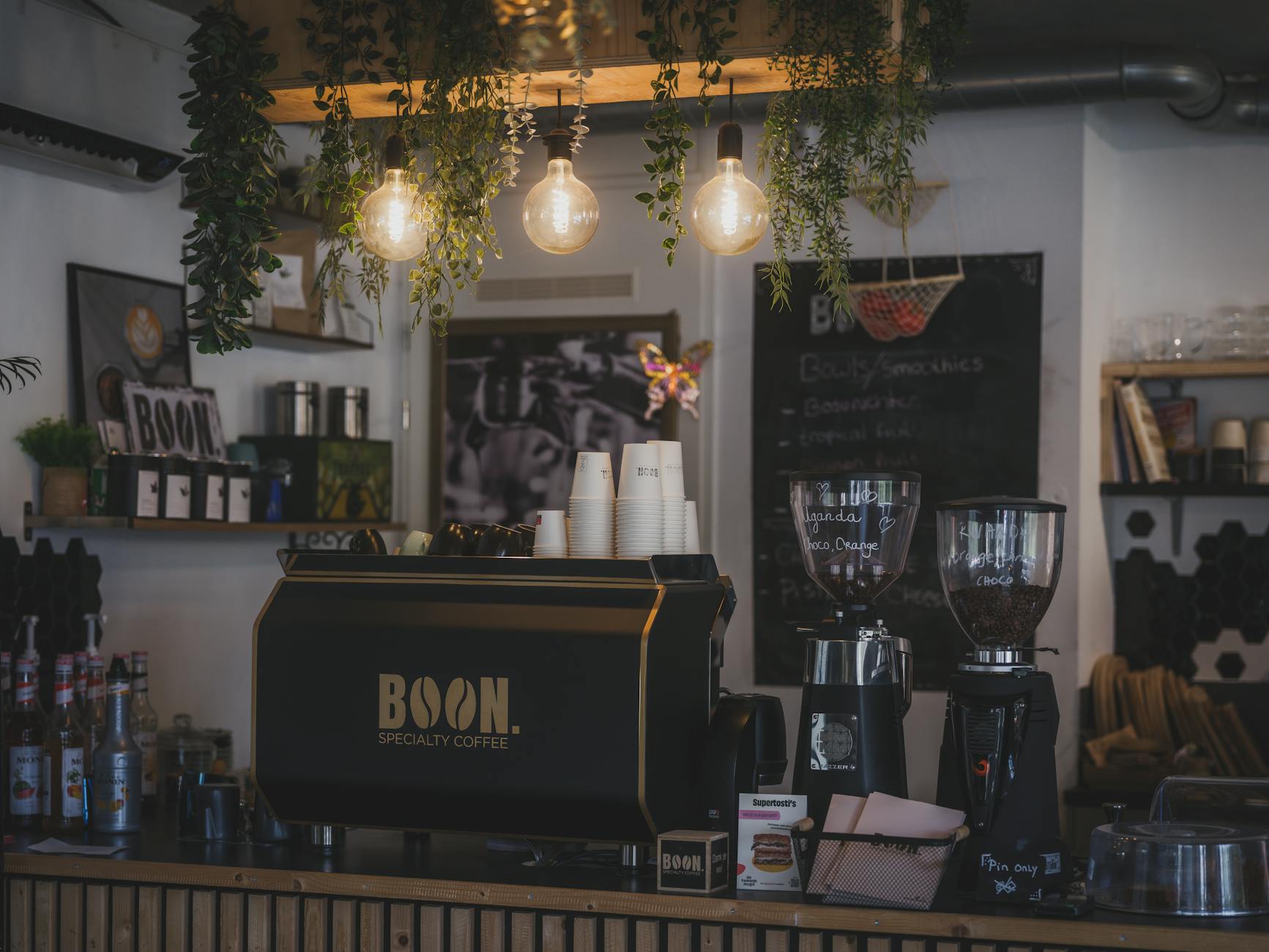
The best cafes Munich offers cover two distinct worlds. On one side: the century-old Viennese-style Konditorei-Cafés where regulars order Apfelstrudel mit Schlag and the cake-display window has not changed since the 1950s. On the other: a new wave of third-wave roasters and specialty bars where the espresso is a single-origin Ethiopian Heirloom and the flat white costs €4.80. Munich is one of the few European cities where you can experience both in a single afternoon — and this guide takes you to 20 cafés worth visiting in 2026, sorted by type and neighbourhood, with what to order, when to go and which to skip if you have one morning to spare.
Best Cafes Munich at a Glance
| Category | Pick |
|---|---|
| Best specialty roastery | Man versus Machine |
| Best traditional Kaffeehaus | Café Luitpold |
| Best brunch | Frühstücksvilla |
| Best for laptop work | Lost Weekend (small print: respect their no-laptop hours) |
| Most Instagrammable | Café im Vorhoelzer Forum (TUM rooftop) |
| Best Bavarian pastries | Cafe Frischhut (Schmalznudel) |
| Average flat-white price | €4.20–€4.80 |
| Cake slice | €4–€7 |
| Full brunch | €18–€28 |
| Tipping | Round up to nearest euro |
Traditional Kaffeehaus & Konditorei
1. Café Luitpold — Brienner Straße
Brienner Straße 11, 80333 · Mon–Sat 8:00–22:00, Sun 9:00–19:00
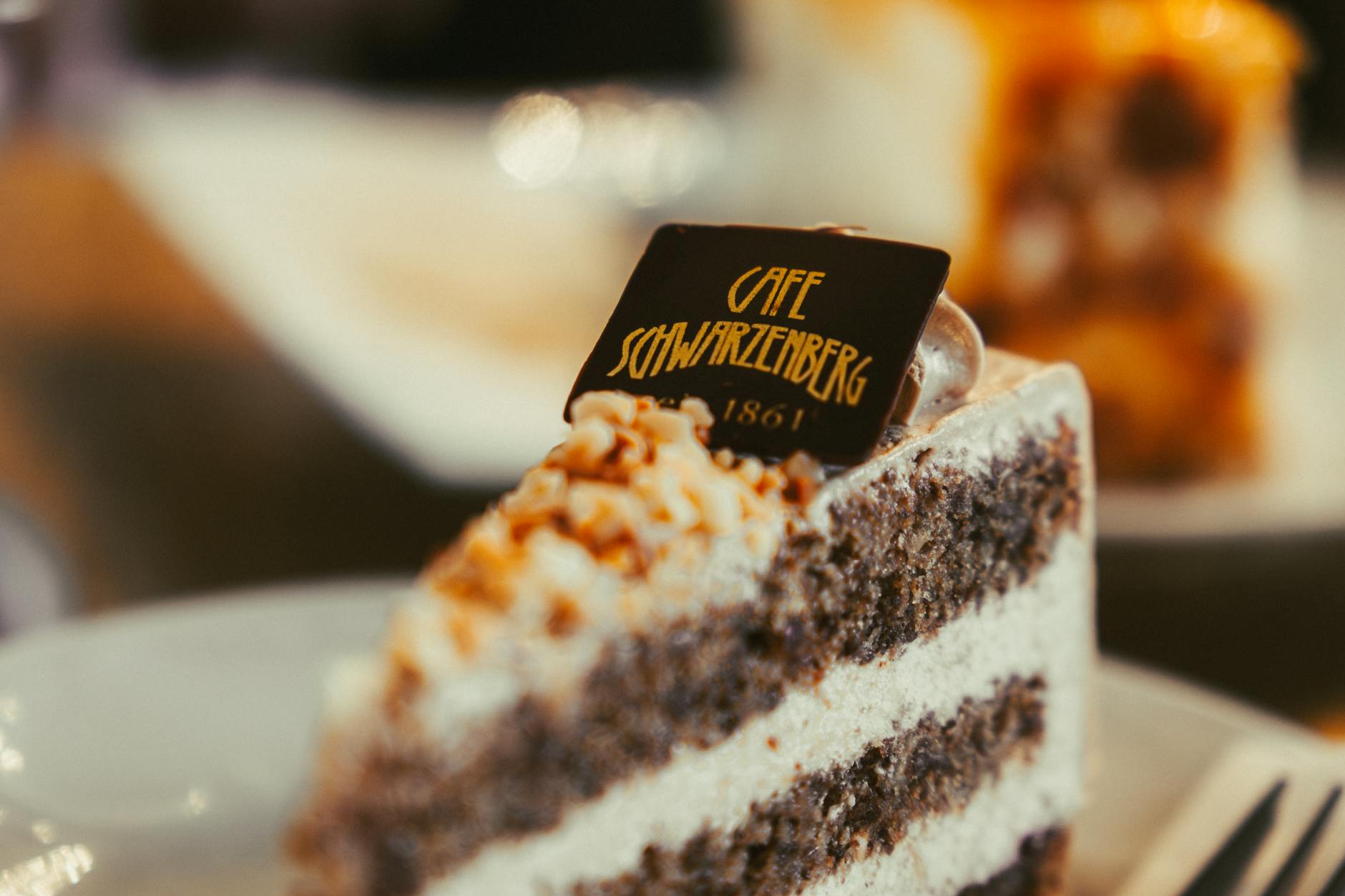
Founded 1888 — Munich’s grand Viennese-style Kaffeehaus. Order Prinzregententorte (chocolate-buttercream layer cake) and a Wiener Melange. Best at mid-afternoon when the cake-and-coffee tradition is in full flow.
2. Café Frischhut (Schmalznudel) — Prälat-Zistl-Straße
Prälat-Zistl-Straße 8, 80331 · Mon–Sat 6:30–18:00
The Schmalznudel — a deep-fried Bavarian doughnut dusted with sugar — is so famous it has lent the café its nickname. Standing-only counter, takes cash, fastest 7 am sugar hit in town. Best paired with a Milchkaffee.
3. Café Kreutzkamm — Maffeistraße
Maffeistraße 4, 80333 · Mon–Sat 9:00–19:00
Dresden-style Konditorei since 1825 — the Stollen at Christmas is shipped worldwide. Year-round, the Baumkuchen and the Frankfurter Kranz are exceptional.
4. Cafe Stenz — Alter Hof
Burgstraße 6, 80331
Quiet courtyard café at the medieval Alter Hof complex. Bavarian breakfasts, traditional cakes, fewer tourists than nearby Marienplatz.
Specialty / Third-Wave Coffee Shops
5. Man versus Machine Coffee Roasters — Müllerstraße + Adalbertstraße
Müllerstraße 23 (Glockenbach) + Adalbertstraße 53 (Schwabing)
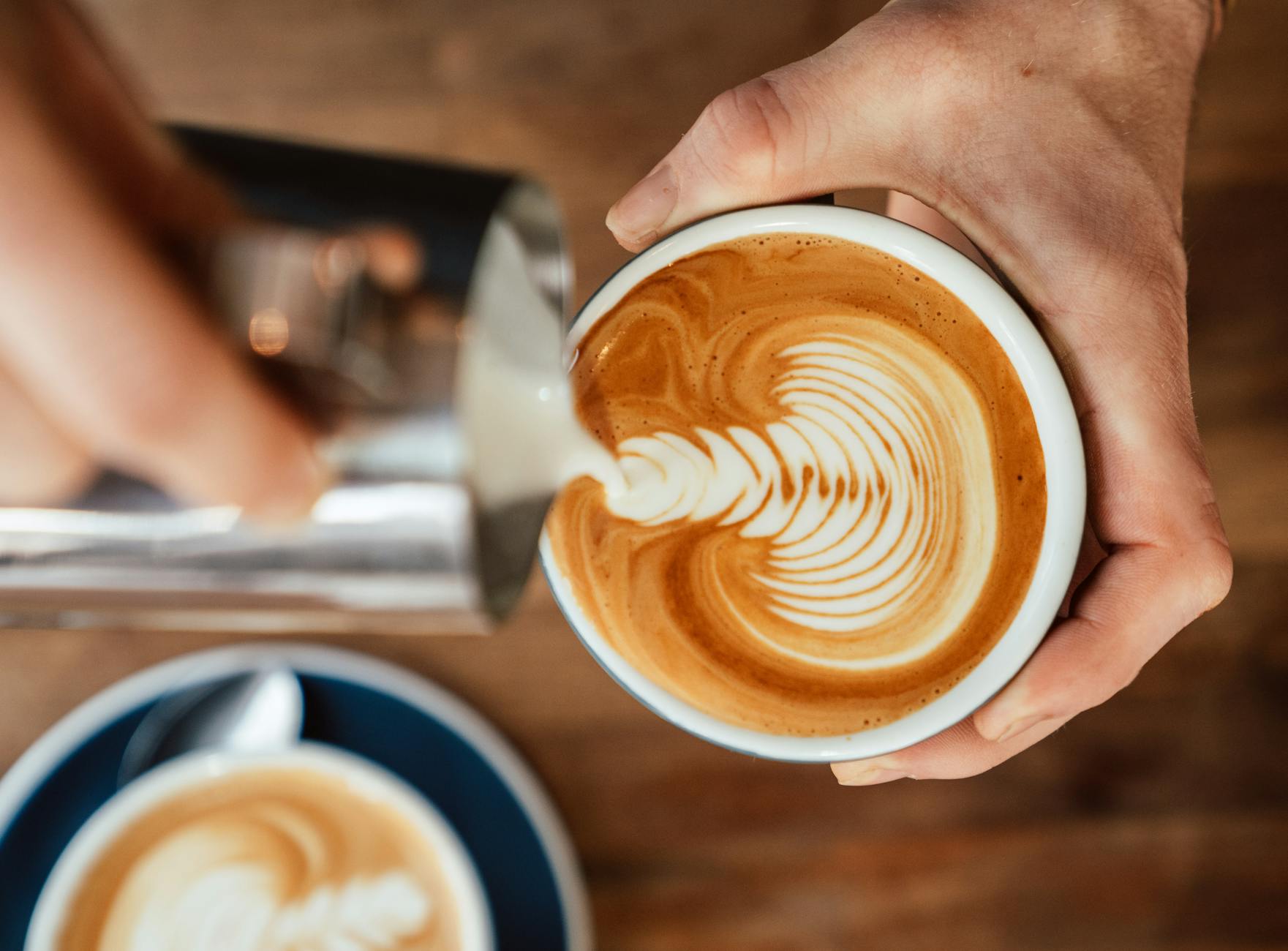
Munich’s leading micro-roastery, in business since 2013. Two cafés, plus their beans sold across Europe. The flat white is the bench-mark; pistachio croissants and cinnamon buns are the bakery hits.
6. Mahlefitz — Maxvorstadt
Maximilianstraße 36, 80539 (plus locations)
Half-roastery, half-café. Beans roasted in Sendling, served in a calm Maxvorstadt space. Good filter coffee programme.
7. Lost Weekend — Schellingstraße
Schellingstraße 3, 80799
University-Quarter café-bookshop hybrid since 2007. Solid coffee, vegan-leaning brunch menu, free wifi (with their no-laptop hours posted on the door — respect them). Best at 10 am weekdays.
8. Vits der Kaffee — Schwabing
Rumfordstraße 49, 80469
Small specialty roastery and café — one of the very first in Munich to take third-wave coffee seriously. Knowledgeable baristas, weekly changing single-origins.
9. Café Blá — Glockenbachviertel
Klenzestraße 71, 80469
Nordic-Icelandic-inspired specialty café. Roasts in-house, big focus on pastries, pet-friendly. Excellent Saturday brunch.
10. Sweet Spot Coffee — multiple locations
Reliable specialty stop with several outlets. Order a flat white and a cinnamon roll.
11. Kanso Coffee Lab — Schwabing
Hidden courtyard café with experimental brewing methods (V60, Aeropress, Chemex). For coffee-method curious.
12. Standl 20 — Elisabethmarkt, Schwabing
An outdoor specialty coffee stall right inside Viktualienmarkt. Take your flat white into the beer garden.
Brunch & Daytime Cafés
13. Frühstücksvilla — Maxvorstadt
Hands-down the city’s most generous brunch buffet — multiple plates of bread, cheese, cured meats, eggs your way, pastries. Book ahead at weekends.
14. Brunch & Stulle — Schwabing
Open-faced sandwiches (Stulle = open sandwich in German), strong coffee, friendly neighbourhood crowd.
15. Café Marais — Schwabing
French-Parisian-flair café-shop — second-hand finds for sale among the tables. Photographer-bait, surprisingly good food.
16. Bevanda — Maxvorstadt
Bevanda’s mix of Italian-style espresso and brunch plates makes it one of the most consistent picks for a slow Saturday.
View, Rooftop & Special Cafés
17. Café im Vorhoelzer Forum — TUM Rooftop
Arcisstraße 21, 80333 (TUM building, 6th floor)
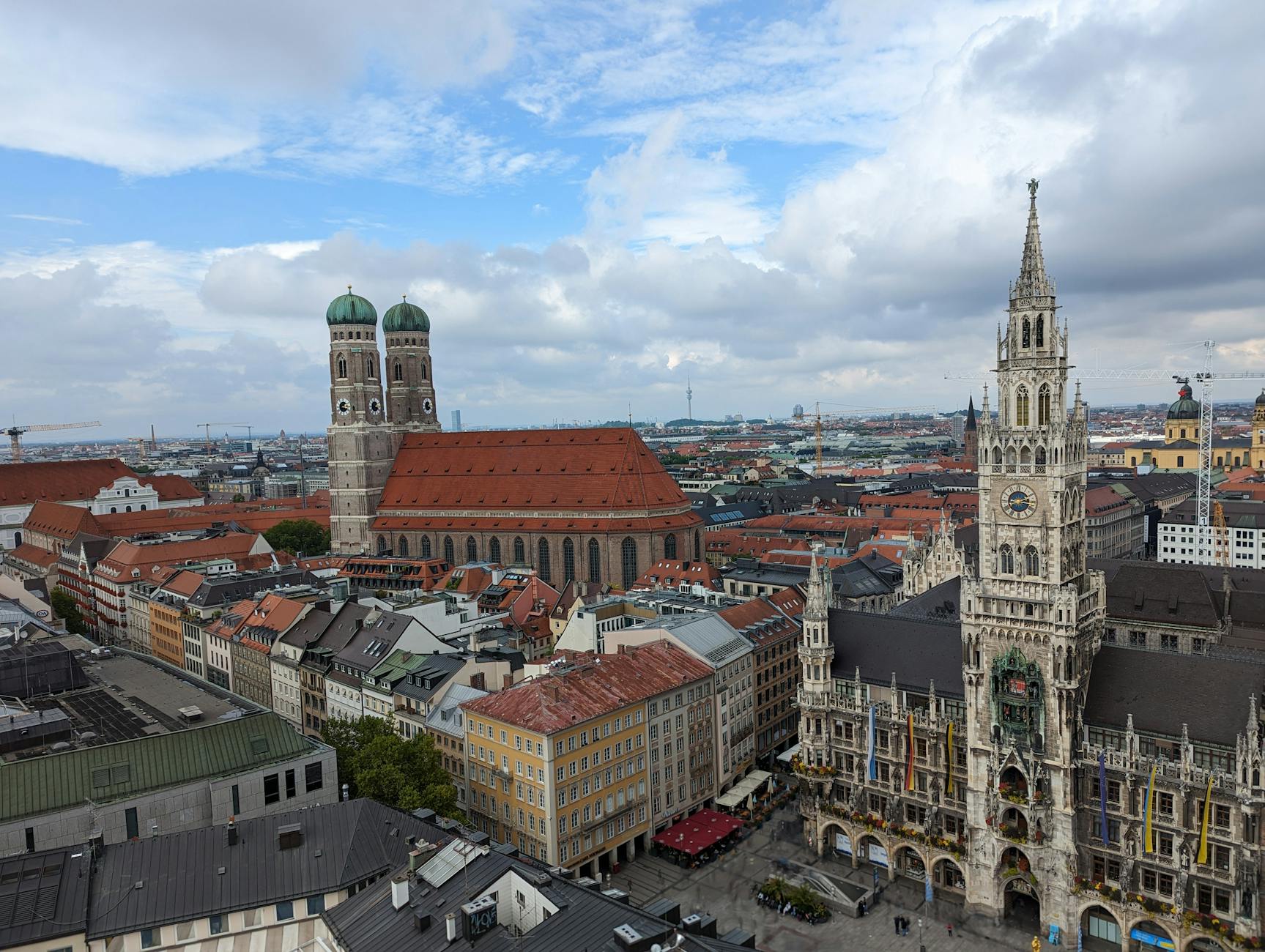
A panoramic rooftop café open to the public — one of Munich’s best-kept open secrets. Coffee is fine; the view of Frauenkirche and the central city is exceptional. Best for sunset coffee.
18. Cafe Reitschule — by Englischer Garten
Right at the edge of the English Garden, big tree-shaded terrace. Bavarian brunch, weekend crowd of locals.
19. Glockenbach Werkstatt
Community-driven café in Glockenbachviertel — vegetarian/vegan friendly, calm interior, fair trade focus.
20. Ludwig Beck Café Munich
Top-floor café inside the famous Marienplatz department store. Less destination, more break-stop with a window view over Marienplatz.
Best Cafes Munich by Neighbourhood
- Altstadt: Luitpold, Frischhut, Kreutzkamm, Stenz, Ludwig Beck
- Schwabing: Man versus Machine (Adalbertstr), Vits, Kanso, Brunch & Stulle, Café Marais, Reitschule, Standl 20 (Elisabethmarkt)
- Glockenbachviertel: Café Blá, Man versus Machine (Müllerstr), Glockenbach Werkstatt
- Maxvorstadt: Mahlefitz, Lost Weekend, Frühstücksvilla, Bevanda, Vorhoelzer Forum
Munich Café Culture: What to Know
Munich’s café culture sits on two roots. The first is the 19th-century Viennese Kaffeehaus tradition — leisurely, paper-and-cake-and-coffee, no rush. The second is Bavaria’s Kaffee-und-Kuchen ritual: a 3–5 pm sit-down with coffee and a slice of cake, often after a walk. Specialty (third-wave) coffee arrived later — Vits opened in 2009, Man versus Machine in 2013 — and has now matured into a city-wide network of roasters.
How to Order Coffee in German
- Espresso — single shot
- Cappuccino — standard cappuccino
- Milchkaffee — large milky coffee, equivalent of a latte
- Verlängerter — Austrian-style “long” espresso with hot water
- Flat White — said in English at specialty cafés
- Kännchen Kaffee — a small pot of filter coffee
- Mit Schlag — with whipped cream (usually on cake or hot chocolate)
Working from Cafés in Munich
Many Munich cafés are not laptop-friendly during peak hours. Lost Weekend, Bevanda and Café im Vorhoelzer Forum tolerate laptop work outside of meal rushes. Most specialty cafés prefer you don’t camp out — order another coffee every hour as a basic courtesy. If you need 4+ hours of working time, a co-working space is the right answer.
Tipping, Payment, Etiquette
- Tip by rounding up to the nearest euro — say the total amount when paying, including tip
- Card increasingly accepted but many small cafés are cash-only
- Munich cafés close earlier than US/UK norms — most by 19:00–20:00; very few after 22:00
- Dogs are welcome at many cafés — Café Blá and Lost Weekend explicitly
- Reservations not standard except for weekend brunch (book Frühstücksvilla)
Best Cafes Munich FAQs
What’s the best café in Munich?
For specialty coffee, Man versus Machine. For classic Viennese Kaffeehaus, Café Luitpold. For brunch, Frühstücksvilla. The right answer depends on whether you want third-wave coffee or traditional cake-and-coffee culture.
Best café for working in Munich?
Lost Weekend (during their laptop-friendly hours), Café im Vorhoelzer Forum, Bevanda. None of these welcome all-day laptop use; order coffee regularly.
Best traditional Kaffeehaus?
Café Luitpold — operating since 1888, with the city’s most beautiful cake counter.
Tipping etiquette?
Round up to the nearest euro. State the full amount when handing over cash or tapping the card terminal — the server will add the tip as you indicate.
Are there late-night cafés in Munich?
Few. Most close by 19:00–20:00. After that, bars take over. The very late-night dessert/coffee market is small in Munich.
Munich Coffee History: Why Specialty Came So Late
Munich’s coffee culture has two distinct historical layers. The Viennese-style Kaffeehaus arrived in the late 19th century with the same wave that built Café Luitpold (1888); these spaces blended Austrian leisurely-coffee tradition with Bavarian Kaffee-und-Kuchen culture — coffee was always with cake, always sit-down, always slow. The second wave — specialty third-wave coffee — arrived in Munich a full decade after Berlin, Hamburg and Vienna. Vits der Kaffee opened in 2009; Man versus Machine in 2013; serious roasters and cafés emerged in earnest only around 2015. Munich was conservative on coffee precisely because the Konditorei system worked so well; only when a younger generation insisted on quality espresso did the third wave take hold. Today, the best cafes Munich offers span the full range, often within a five-minute walk of each other.
Specialty Roasters: The Munich Scene
Munich has roughly twelve specialty roasteries producing for the local scene. The most important to know:
- Man versus Machine — the city’s leading micro-roastery; sells beans across Europe and operates two cafés in Glockenbach and Schwabing
- Vits der Kaffee — founded 2009 in Schwabing; the city’s pioneering specialty operation
- Mahlefitz — roastery and several cafés; consistent quality across locations
- Caraschoda — newer roastery focused on direct-trade origin
- JB Kaffee — sustainability-focused, primarily wholesale
- Suuapinga — minimalist café-roastery with multiple Munich locations
- Kanso Coffee Lab — experimental brewing focus
- Pure Caffè — Italian-leaning roastery
- Café Liebling — boutique roaster, Schwabing
- Café Faber — high-quality espresso programme
- Aroma Kaffeebar — Glockenbach pioneer
- Coffee Twins — community-vibe roastery-café
Most of these roasters serve coffee in their own cafés and also wholesale to cafés around the city. If you want to taste single-origin beans without committing to a full café visit, several supermarkets (especially Edeka and Vollcorner) now carry their bags.
Best Bavarian Pastries to Pair with Coffee
- Prinzregententorte — seven layers of sponge with chocolate buttercream, named after Prince Regent Luitpold of Bavaria. Café Luitpold’s version is canonical.
- Apfelstrudel — paper-thin pastry, apple-cinnamon-raisin filling, dusted with powdered sugar. Often served warm with vanilla sauce or whipped cream. Café Kreutzkamm and Café Frischhut both excel.
- Schmalznudel / Auszogne — Bavarian deep-fried doughnut. Café Frischhut at Viktualienmarkt is the destination.
- Baumkuchen — Dresden-style multilayer cake; Café Kreutzkamm imported the tradition.
- Frankfurter Kranz — buttercream-and-jam ring cake; classic at Kreutzkamm.
- Streusel — crumb cake, often with apple, plum or rhubarb. Best at neighbourhood Konditoreien.
- Mandelhörnchen — almond crescent dipped in chocolate. Excellent at Café Stenz.
- Brezn — yes, even for breakfast with butter. Universal.
- Stollen — Christmas-season bread with marzipan and dried fruit; Café Kreutzkamm’s is shipped worldwide.
- Cinnamon roll — the specialty-coffee café standard; Man versus Machine sets the bar.
- Pistachio croissant — specialty-café trend item; Man versus Machine’s version is the most-Instagrammed.
Sunday and Public-Holiday Café Strategy
Bavaria’s strict Ladenschluss law closes most retail on Sundays — but cafés are usually open, especially the traditional Konditoreien. Café Luitpold opens 9 am Sunday; Café Frischhut closed Sunday; Café Kreutzkamm closed Sunday. Specialty cafés vary — Man versus Machine opens 10 am Sunday at both branches; Lost Weekend opens 11 am; most Glockenbach cafés open 10 am. Bavarian public holidays (Pfingstmontag, Allerheiligen, Mariä Himmelfahrt) often close shops but most cafés open with normal Sunday hours. If you want to combine a Sunday brunch with a Pinakothek visit, Café im Vorhoelzer Forum (TUM rooftop) is open 11 am–6 pm Sundays — perfect for the after-museum slot.
Outdoor Terrace Café Season
Munich café terraces emerge in early April and stay open into late October weather-permitting. The best outdoor cafés:
- Cafe Reitschule — huge tree-shaded terrace at the English Garden’s edge
- Café Marais — small Schwabing courtyard
- Café im Vorhoelzer Forum — rooftop terrace with city panorama
- Café Glockenspiel — Marienplatz balcony view onto the New Town Hall
- Café Bla — pet-friendly small terrace
- Café Frühling am Gärtnerplatz — square-side seating
- Café Lotti — Glockenbach corner terrace
- Augustiner Café Stachus — café-restaurant hybrid; brunch terrace
Working from Cafés: Real Etiquette
The best cafes Munich offers for working are not the most central ones. Café Lost Weekend posts laptop hours on the door — read them. Bevanda is generally tolerant but never busy-brunch hours. Café im Vorhoelzer Forum allows laptop work during student hours. The unwritten rule: buy a coffee every 60–90 minutes, leave by 5 pm before the dinner rush, and never claim a four-top table for a single laptop. Free wifi exists in most specialty cafés but isn’t universally fast — the strongest are usually The Coffee Shed and Man versus Machine. If you need to work for 4+ hours, switch to a coworking space (WeWork, Spaces, or independent locations like Combinat56 in Werksviertel).
Tipping in German Cafés: The Detail
Tipping in Munich cafés follows German Trinkgeld rules. The basic principle: round up to the nearest euro for table service, or add 5–10% for a full meal. State the total amount you want to pay including the tip when handing over cash or tapping the card terminal — the server adds the tip immediately. Never leave coins on the table; that’s seen as inattentive. At a counter-service specialty café (where you order at the counter), a tip jar replaces the per-bill tip — €0.50–€1 on a €5 coffee. Service workers are paid a living wage in Germany — tips are appreciation, not income — so the lower-than-American percentage is the local norm.
Best Café for Each Use Case
- First-date coffee: Café im Vorhoelzer Forum — neutral, beautiful, easy exit
- Anniversary coffee: Café Luitpold for grand setting; Falk’s at Bayerischer Hof for showpiece
- Reading a book: Café Lotti or Lost Weekend
- Family stop with kids: Café Reitschule (terrace, space, playground proximity)
- Quick takeaway flat white: Man versus Machine or The Coffee Shed
- Photo for Instagram: Café Luitpold cake counter, Vorhoelzer Forum rooftop, Café Marais
- Sunday late breakfast: Café Reitschule, Frühstücksvilla
- Hangover recovery: Café Frischhut (Schmalznudel + Milchkaffee)
- Catch-up with old friend: Café Marais (Schwabing)
- Coffee after Pinakothek: Vorhoelzer Forum (10-min walk)
- Coffee after Hofbräuhaus brunch: Café Luitpold (8-min walk)
- Late afternoon Kaffee und Kuchen: Café Kreutzkamm
Hidden Cafés Per Neighbourhood
Altstadt hidden picks
Café Krax (small space behind the Frauenkirche, excellent cakes), Café Saiko Café & Bistro (Tal area, Asian-fusion brunch), Café Westend (off the tourist track entirely).
Glockenbachviertel hidden picks
Aroma Kaffeebar (specialty pioneer), Café Frühling am Gärtnerplatz (lovely square terrace), Café Lotti (small, photogenic).
Schwabing hidden picks
Café Liebling (specialty roastery), Standl 20 (the coffee stall at Elisabethmarkt), Café Lotti.
Maxvorstadt hidden picks
Café Endless Indulgence (cake destination), Café Falk (a quiet old-school option), Café Roecklplatz.
Munich Coffee Tours
If you want a structured introduction to the specialty scene, several walking-tour operators run 2–3-hour Munich coffee tours that combine 3–5 cafés with stories about the roasters, brewing methods, and Munich’s late-arriving third-wave history. Operator examples: Coffee Tours Munich, Munich Coffee Walk, occasional pop-ups via the European Coffee Trip network. Bookings typically €45–€65 including coffee samples at each stop.
Specialty Coffee in Munich: Origin and Brew Methods
Specialty cafés in Munich source from a relatively predictable set of origins. Ethiopian Heirloom (especially Yirgacheffe and Sidamo) is the standard high-end espresso bean, valued for its floral acidity and stonefruit notes. Colombian Caturra and Bourbon varieties (often from Huila, Tolima, Antioquia regions) form the body of most filter coffee menus. Brazilian Bourbon Santos is the common espresso blend base. Single-origin Kenyan AA and Panamanian Geisha appear seasonally at the higher-end roasters. Brewing methods you’ll encounter: V60 pour-over (Japanese paper-cone filter), Aeropress (immersion-and-press), Chemex (sand-filter, cleanest cup), batch brew (large-format filter), espresso (traditional Italian, 25–30 seconds, 18–20 grams in/36–40 grams out), and increasingly cold brew through the summer months. Most specialty baristas in Munich are happy to talk through the brew method and origin if you ask in English.
Roastery Cafés vs Cafés Serving Other Beans
Among the best cafes Munich offers, several roast their own beans on-site or in nearby Sendling/Westend roasting facilities — Man versus Machine, Vits, Mahlefitz, Suuapinga, Café Faber. Others source from a local roaster but don’t roast themselves — Lost Weekend (uses various roasters), Café Marais (varies), most chains. The first group typically offers the most direct connection to bean stories; the second group sometimes has a wider variety of origins through a single visit. If the roaster matters to you, look for the bag of beans on display — the date on the bag is “Geröstet am” (roasted on); a serious specialty café won’t sell beans roasted more than 4 weeks ago.
Café and Bookshop Hybrids
Munich has a small but loyal set of café-bookshop hybrids. The most famous: Lost Weekend in Schwabing combines a serious bookshop (English-language and German fiction, design books, magazines) with a full coffee service. Hugendubel’s main store at Marienplatz has a café on the upper floor — chain-style but pleasant for a break during shopping. Words Worth Books on Schellingstraße (Schwabing) has a café in the same building. Booklovers in Maxvorstadt is a smaller indie space. These work best for solo coffee plus reading — they’re not the spots for catching up with friends.
Best Cafes Munich for Solo Travellers
Solo travellers do well at cafés that allow comfortable single-table sitting without judgment. Lost Weekend, Café Liebling, Café im Vorhoelzer Forum, Café Marais and Standl 20 are all good single-coffee stops. Avoid the brunch-only places at weekends when single tables are precious. If you want to start a conversation, the specialty bar at Man versus Machine (limited counter seating) creates natural chat with the barista. The Kaffeehaus end (Café Luitpold, Café Kreutzkamm) is also welcoming to single guests — Viennese-style tradition treats the solo reader with the same respect as a group.
Coffee Souvenirs from Munich
If you want to take Munich coffee home, the cleanest souvenir is a bag of beans from one of the specialty roasters. Man versus Machine, Vits, Mahlefitz and Caraschoda all sell whole-bean bags in their cafés (€12–€18 for 250g). Pre-ground coffee is rarely a good idea — the freshness drops fast. Several local cafés also sell their own filter papers, mugs and brewing equipment as branded merchandise. The Konditorei equivalent: Stollen from Café Kreutzkamm (vacuum-packed, ships well, lasts months) or jars of Bavarian fruit preserves from Viktualienmarkt stalls. Avoid airport coffee — same Munich shops are stocked at twice the city price.
Munich Café Etiquette You Won’t See in Guidebooks
A few small conventions separate a comfortable visit from an awkward one. First: greet the room. When you walk into any Konditorei or specialty café, a quiet “Grüß Gott” or “Servus” to the barista is normal — even if you’re the only customer. Second: don’t expect to-go cups by default. Most Munich cafés will serve your coffee in a proper porcelain cup unless you specifically ask “zum Mitnehmen” (to take away). Third: water is rarely free. Asking for “ein Glas Wasser” usually means a €2.50 charge for a small bottle. Fourth: never seat yourself in a busier café — wait near the entrance for the host. Fifth: paying happens at the table, not at the counter — flag your server and say “Zahlen, bitte.” Sixth: dogs are common and welcome in most cafés but on a lead and quiet; if a dog barks or jumps, owners are expected to leave.
Plan Your Munich Coffee Crawl
This best cafes Munich guide is part of our deeper Munich food and beer pillar. For sit-down meals see best restaurants in Munich; for Bavarian classics see traditional Bavarian food; for market snacks see Viktualienmarkt guide; for neighbourhood context see Schwabing and Glockenbachviertel.