Munich Kunstareal: Complete Guide to the Art Quarter
18 museums and 40+ galleries in one neighborhood. Complete guide to Munich's Kunstareal art quarter with itineraries and tips.
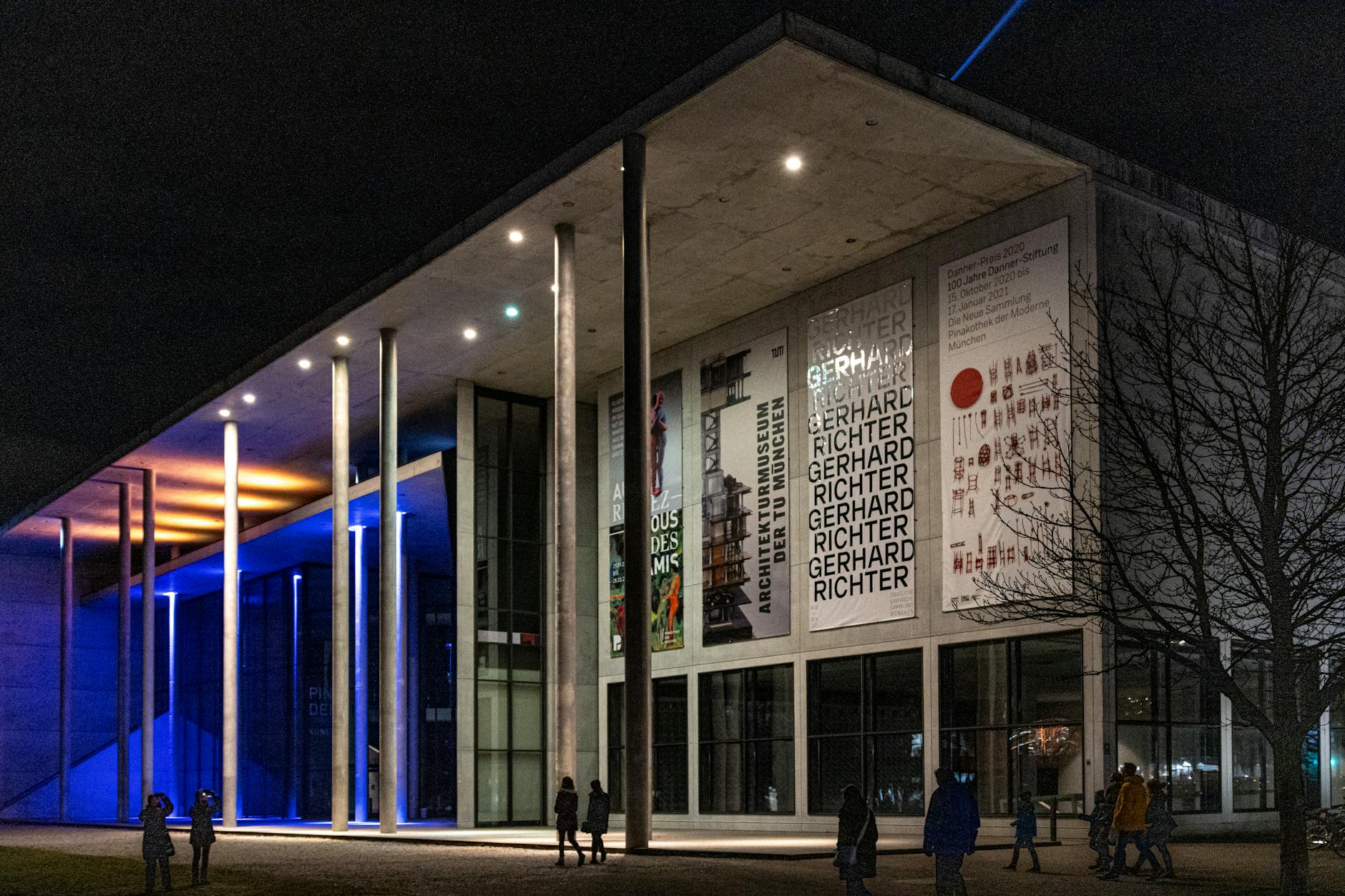
The Munich Kunstareal — Munich’s Art Quarter — is one of Europe’s densest concentrations of art museums, with 18 institutions and over 40 galleries within four walkable city blocks in Maxvorstadt. The three Pinakotheken, the Lenbachhaus, the Brandhorst, the Glyptothek, the Antikensammlungen, the Egyptian Museum, the Türkentor pavilion, and the Documentation Centre for the History of National Socialism all sit within 800 metres of each other. For art lovers, the Kunstareal alone justifies a Munich trip. This guide covers what each museum holds, how to plan a day or multi-day Kunstareal visit, ticket strategies, where to eat between galleries, and the lesser-known smaller museums that reward second and third visits.
Kunstareal at a Glance
| Detail | Information |
|---|---|
| Location | Maxvorstadt, north of Altstadt |
| Nearest U-Bahn | Königsplatz (U2), Theresienstraße (U2), Universität (U3/U6) |
| Number of museums | 18 institutions |
| Number of galleries (commercial and academic) | 40+ |
| Walking radius | 800 metres |
| Suggested visit length | 1 to 3 full days |
| Best museum for first-timers | Alte Pinakothek |
| Best museum for modernism | Pinakothek der Moderne |
| Best museum for the Blaue Reiter | Lenbachhaus |
| Cheapest day | Sundays — most state museums charge €1 |
The Three Pinakotheken: The Heart of the Kunstareal
Alte Pinakothek
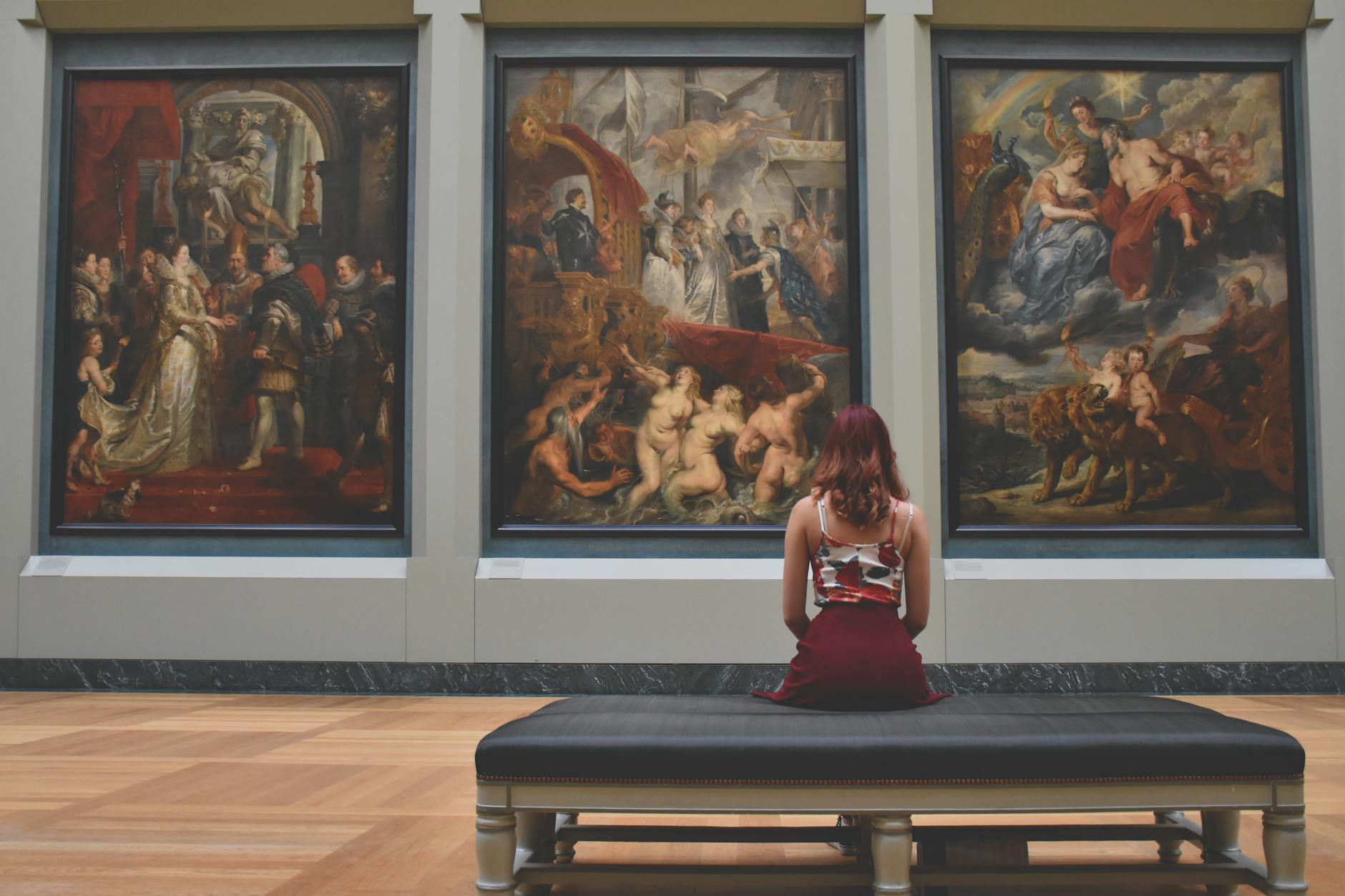
Built 1826–1836 by Leo von Klenze for King Ludwig I, the Alte Pinakothek holds one of the world’s most comprehensive Old Master collections — German, Italian, Flemish, Dutch, French, and Spanish painting from the 14th to the 18th centuries. Highlights include Albrecht Dürer’s Self-Portrait at 28, four Rubens altarpieces, Rembrandt’s Holy Family, Leonardo da Vinci’s Madonna of the Carnation, Titian’s Crown of Thorns, and Caravaggio’s Two-Card Cheats. €9 adult, €5 reduced, under 18 free; Sunday €1. Allow 2.5 to 3 hours.
Neue Pinakothek
The 19th-century collection — Caspar David Friedrich, Manet, Van Gogh, Klimt, Monet — is currently closed for renovation through 2029. Selected works are displayed across the Alte Pinakothek and the Sammlung Schack. Partial reopenings have been announced for late 2027; check the Bavarian State Painting Collections website for current updates.
Pinakothek der Moderne
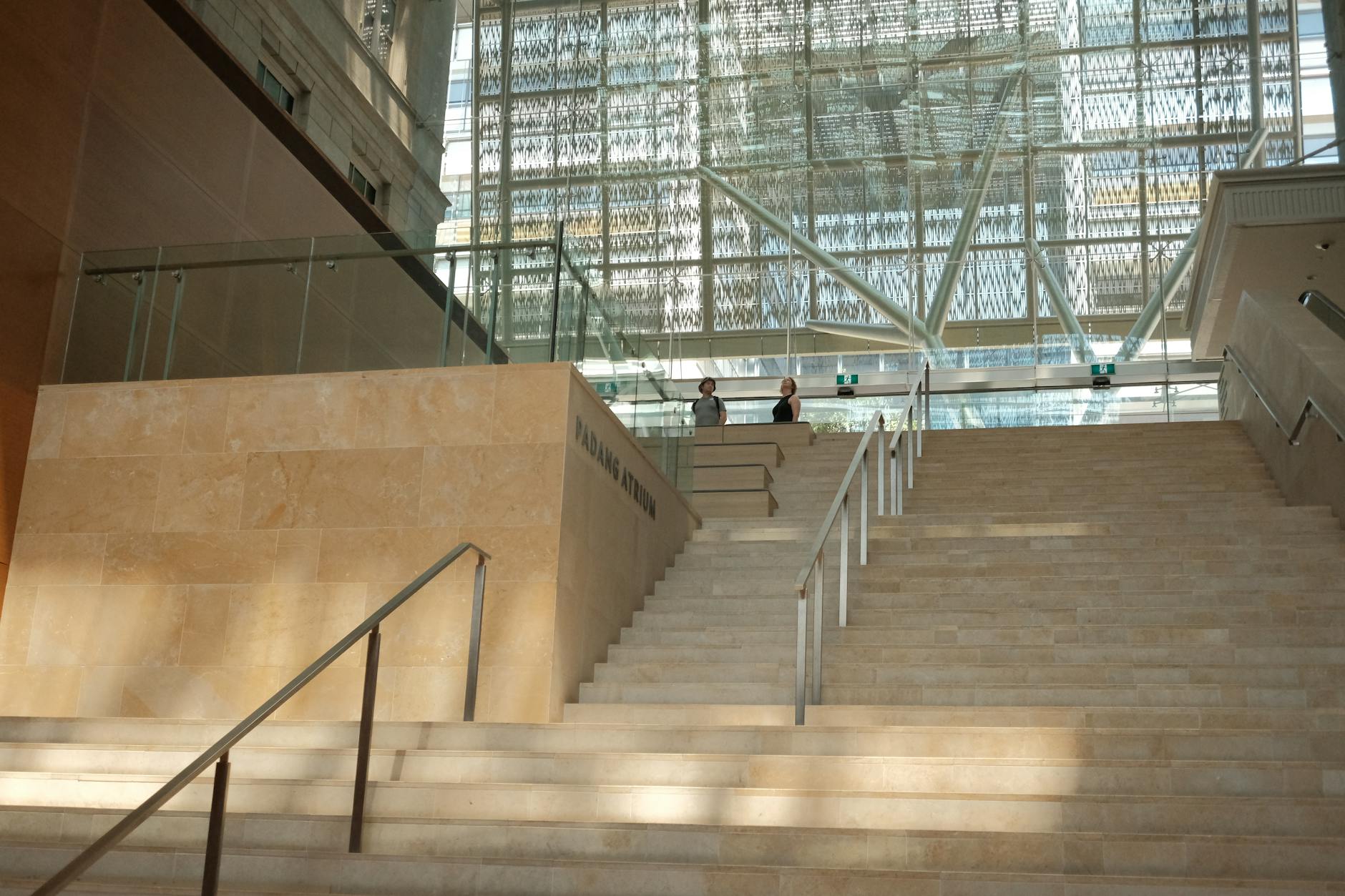
Opened in 2002, the Pinakothek der Moderne houses four collections under one roof: modern art (Picasso, Klee, Beckmann, Kandinsky), design (one of Europe’s most important design collections, including Bauhaus and contemporary work), works on paper, and architecture. The central rotunda by Stephan Braunfels is one of Munich’s most photographed museum spaces. €10 adult, €7 reduced; Sunday €1. Allow 2 to 3 hours.
The Major Supporting Museums
Museum Brandhorst
Opened in 2009 with private collector Anette and Udo Brandhorst’s 700-work gift of contemporary art. The collection is dominated by Andy Warhol (over 100 works), Cy Twombly (the world’s largest holding of his late paintings), Damien Hirst, Sigmar Polke, and Bruce Nauman. The striking striped facade by Sauerbruch Hutton is a Maxvorstadt landmark. €7 adult, €5 reduced; Sunday €1. 90 minutes.
Lenbachhaus
Painter Franz von Lenbach’s 1887 villa now contains the world’s most important Blaue Reiter collection: Kandinsky, Franz Marc, August Macke, Gabriele Münter, Paul Klee. Gabriele Münter donated 1,000 works to the museum in 1957, instantly making it the global Blaue Reiter centre. The Norman Foster wing (2013) added gallery space for contemporary art. €10 adult; Sunday €1. 90 minutes to 2 hours.
Glyptothek and Antikensammlungen
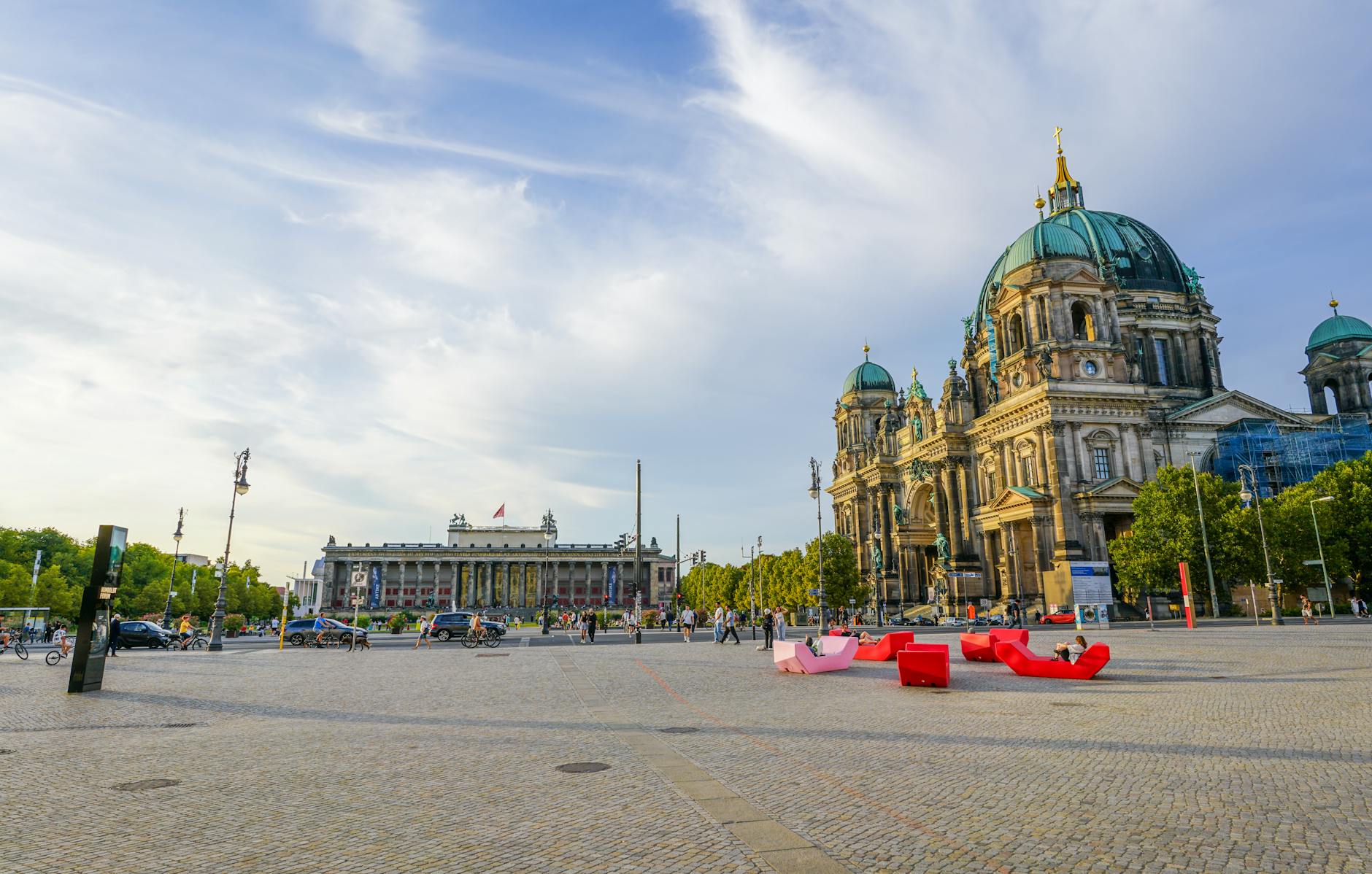
Twin museums flanking Königsplatz, both designed by Klenze. The Glyptothek (1816) houses Greek and Roman sculpture, including the legendary pediment sculptures from the Temple of Aphaia on Aegina. The Antikensammlungen (1838) holds Greek vases, Etruscan jewelry, and bronzes. Combined ticket €11; Sunday €1. 90 minutes total.
Egyptian Museum (Staatliches Museum Ägyptischer Kunst)
5,000 years of Egyptian art from the Pre-Dynastic period through Roman occupation. The museum’s striking underground architecture (opened 2013) makes for a particularly atmospheric visit. €7 adult; Sunday €1. 75 to 90 minutes. Especially good for visitors who’ve seen the Pinakotheken and want a different vibe.
Documentation Centre for the History of National Socialism
On Brienner Straße, the site of the former Nazi Party headquarters (the Brown House). Opened in 2015 in a stark white cube building, the centre documents Munich’s central role in the Nazi movement. Free entry. 90 minutes; emotionally heavy content. Not recommended for children under 12.
The Smaller Kunstareal Museums Worth Knowing
- Türkentor Pavilion — A single perfect Walter De Maria red granite sphere illuminated by skylight. 10-minute visit; free.
- Museum Reich der Kristalle — Mineralogy and crystals; €4. Family-friendly with strong geological collection.
- Paläontologisches Museum — Dinosaur fossils; free, in the university building.
- Geologisches Museum — Earth sciences; free.
- Sammlung Goetz — Contemporary photography, by appointment only. Free with booking.
- NS Documentation Centre Archive — Library and archive of the Documentation Centre.
- Akademie der Bildenden Künste — Munich’s main art academy, sometimes hosts exhibitions.
- Musical Instrument Museum — In the Stadtmuseum but accessible from the Kunstareal.
Ticket Strategies
Sunday €1 Days
Every Sunday, the major state-run Bavarian museums (Alte Pinakothek, Pinakothek der Moderne, Brandhorst, Lenbachhaus, Glyptothek, Antikensammlungen, Egyptian Museum) charge €1 per visitor. This is the cheapest serious-art Sunday in Europe. Expected to be crowded; arrive at opening (10:00) for shortest queues. Avoid the first Sunday of each month (the busiest).
Pinakothek 5-Day Card
€29 adult covers all three Pinakotheken plus Brandhorst and the Schack Collection within five consecutive days. Best value for serious art visitors with 2+ days in the area. Buy at any included museum.
Bavaria 14-Day Museum Pass
€35 covers all Bavarian state museums for 14 days, including most Kunstareal institutions plus the Bayerisches Nationalmuseum, the Glyptothek, and out-of-Munich sites like Nymphenburg, Schleißheim, and the Residenz. The clear winner for serious museum-focused multi-day visitors.
Munich City Card / CityTourCard
Both cards offer 10 to 25 percent discounts at Kunstareal museums; less powerful than the Bavaria Pass for serious gallery-goers but useful if you’re combining transit and broader sightseeing.
Suggested Itineraries
One-Day Kunstareal Highlights
- 09:30 — Breakfast at Café Jasmin or Cotidiano.
- 10:00 — Alte Pinakothek (2.5 hours).
- 12:30 — Lunch at Erste Liga on Türkenstraße.
- 13:30 — Pinakothek der Moderne (90 minutes).
- 15:00 — Coffee break at Café Cortado.
- 15:30 — Museum Brandhorst (60 minutes).
- 16:30 — Walk to Lenbachhaus.
- 17:00 — Lenbachhaus Blaue Reiter rooms (60 minutes).
- 18:00 — Aperitivo at Bar Centrale.
Two-Day Deep Dive
Day 1: Alte Pinakothek, Pinakothek der Moderne. Lunch in between. Day 2: Lenbachhaus, Brandhorst, Glyptothek and Antikensammlungen, Egyptian Museum. Two days lets you slow down and revisit favourite rooms.
Family-Friendly Kunstareal Day
- 10:00 — Pinakothek der Moderne — design floor, architecture toys, family workshops on weekends.
- 12:00 — Lunch.
- 13:30 — Museum Reich der Kristalle for crystals (especially with kids 6 to 12).
- 14:30 — Paläontologisches Museum for fossils.
- 16:00 — Coffee and Kaiserschmarrn at Café Stories.
- 16:30 — Türkentor red sphere (10-minute curiosity stop).
Where to Eat in the Kunstareal
- Pinakothek-Café (inside Pinakothek der Moderne) — Light meals and coffee, design-led seating.
- Pinakothek Restaurant (inside Alte Pinakothek) — Sit-down lunch with sandwiches and salads.
- Erste Liga (Türkenstraße) — Modern German bistro, popular with curators.
- Bar Centrale (Ledererstraße) — Italian aperitivo and lunch.
- Café Jasmin (Steinheilstraße) — 1920s-style coffeehouse, brunch.
- Café Cortado (Türkenstraße) — Specialty coffee.
- La Famiglia (Theresienstraße) — Hearty Italian, student crowd.
- Vegelangelo (Augustenstraße) — Vegetarian Italian.
- Mun Café (Türkenstraße) — Vegan brunch.
- Augustinerkeller (Arnulfstraße) — Traditional beer hall a 10-minute walk west.
Insider Tips for the Kunstareal
- Reserve a cloakroom locker at each museum; carrying bags between three institutions wears you out.
- Don’t try four major museums in one day. Two is comfortable; three is ambitious; four is exhausting.
- The Pinakothek der Moderne’s design floor rewards architects and product designers especially.
- Photography without flash is permitted at most museums; some special exhibitions ban photography.
- Cafés inside museums close 30 minutes before the museum; plan accordingly.
- Bring a water bottle — none of the museums have water fountains.
- Audio guides are free with admission at all major museums.
- Free guided tours in English are scheduled at most museums on weekend afternoons.
How the Kunstareal Came to Be
Maxvorstadt was developed as a planned grid neighborhood starting in 1808 under King Maximilian I Joseph. Ludwig I, his son and successor, used the area as a canvas for his cultural ambitions, commissioning Leo von Klenze to design the Glyptothek (1816), the Alte Pinakothek (1826–1836), the Antikensammlungen (1838), and the neoclassical layout of Königsplatz. The Bavarian state collections expanded across the 19th and 20th centuries. The cluster was given its current name ‘Kunstareal’ (Art Quarter) in 2006 as part of a coordinated branding initiative. The most recent additions — Museum Brandhorst (2009), the renovated Egyptian Museum (2013), the Lenbachhaus Foster wing (2013), the Documentation Centre (2015) — represent the area’s modernization. Today the Kunstareal continues to evolve with major renovations to the Neue Pinakothek (closed 2019, scheduled reopening late 2027–2029).
The Kunstareal is one corner of a much bigger city — see the Munich neighbourhoods guide for how it connects to Maxvorstadt, Schwabing and the Altstadt.
Frequently Asked Questions
How does the Kunstareal compare to similar quarters in other cities?
It’s one of the densest art-museum concentrations in Europe — comparable to Berlin’s Museum Island, London’s South Kensington, Vienna’s MuseumsQuartier, and Madrid’s Paseo del Prado. Where Berlin’s Museum Island specialises in archaeology and pre-modern art, Munich’s Kunstareal balances Old Masters, modernism, contemporary art, antiquity, and decorative arts. The compactness — everything within an 800 m radius — makes it more walkable than its European peers.
Is it worth visiting if the Neue Pinakothek is closed?
Absolutely. The remaining museums alone hold one of Europe’s finest art collections. Selected 19th-century highlights from the Neue Pinakothek are displayed in the Alte Pinakothek and Sammlung Schack during the renovation period.
Are the Kunstareal museums child-friendly?
Mostly yes. The Pinakothek der Moderne has the most active family programme. Under-18s enter free at the state-run museums. The Documentation Centre is not recommended for children under 12. The Museum Reich der Kristalle is particularly engaging for younger children.
Can I see special exhibitions with the regular ticket?
Some yes, some no. Major special exhibitions often charge a supplement (typically €3 to €5 on top of admission). Check the museum’s website for current exhibitions and pricing.
Highlight Works Worth Tracking Down
In the Alte Pinakothek
- Dürer’s Self-Portrait at 28 — One of the most famous self-portraits in art history, with Dürer rendered as a Christ-like figure.
- Rubens’s Great Last Judgment — A 12-metre-tall altarpiece commissioned for the Düsseldorf court chapel.
- Leonardo da Vinci’s Madonna of the Carnation — One of only ~15 surviving Leonardo paintings.
- Titian’s Crown of Thorns — Late Titian work, painted in his 90s.
- Caravaggio’s Two-Card Cheats — Munich’s most important Caravaggio.
- Rembrandt’s Holy Family — Among Munich’s most beloved 17th-century works.
- Hieronymus Bosch’s Last Judgment — His bizarre apocalyptic imagery on a manageable scale.
- Holbein’s Madonna with Burgomaster Meyer — A devotional masterpiece.
In the Pinakothek der Moderne
- Pablo Picasso, Sitting Harlequin — Blue Period.
- Beckmann, Self-Portrait in Tuxedo — Emblematic of his Weimar period.
- Klee, Senecio — Munich’s most beloved Klee.
- The Bauhaus design collection — Tube-steel chairs, Bauhaus housewares, original drawings.
- Architecture models — Daniel Libeskind, Norman Foster, Herzog & de Meuron.
- Joseph Beuys, Show Your Wound — A challenging installation.
In the Lenbachhaus
- Kandinsky, Murnau Landscape with Tower — Pre-abstract transition pieces.
- Franz Marc, The Blue Horse I — Iconic Blaue Reiter.
- Gabriele Münter, Listening — Often overlooked but exceptional.
- Paul Klee, Composition with B — Early Klee.
- August Macke, Lady in a Park — His Tunis period.
Special Exhibitions Calendar
The Kunstareal museums each run several major special exhibitions per year. Recent and upcoming highlights have included Cranach retrospectives at the Alte Pinakothek, contemporary photography surveys at the Brandhorst, and major Klee thematic shows at the Lenbachhaus. Check each museum’s website for current programming; the Alte Pinakothek and Pinakothek der Moderne are particularly worth checking before your visit, as special exhibitions sometimes sell out timed-entry tickets.
Photographing the Kunstareal
- Pinakothek der Moderne rotunda — Best in mid-afternoon when sunlight angles through the skylight.
- Brandhorst striped facade — Late afternoon for the strongest color saturation.
- Königsplatz Propyläen — Sunrise for monumental backlit silhouettes.
- Lenbachhaus garden — Spring afternoon for tulips and the museum’s mustard-yellow facade.
- Türkentor pavilion — Anytime — the red sphere always glows.
- Alte Pinakothek facade — Late afternoon when low sun lights the long western elevation.
- Photography inside museums — Permitted without flash; tripods generally not allowed.
Frequently Asked Questions
Can I do the Kunstareal as a half-day visit?
Yes, for a focused visit to one or two museums. Allow 3 to 4 hours for the Alte Pinakothek alone, or pair the Pinakothek der Moderne with one smaller museum in 4 hours. Genuine appreciation of the area requires at least a full day.
What’s the single best museum if I have only 2 hours?
Lenbachhaus — manageable scale, focused collection, and the Blaue Reiter rooms are unmissable. Alternatively, the Brandhorst for contemporary art lovers (also doable in 90 minutes).
Are the cafés inside the museums good?
Decent rather than destination-worthy. The Pinakothek der Moderne café is the most ambitious; the Alte Pinakothek restaurant works for a sit-down lunch but feels like museum food. For better meals, walk three blocks to Türkenstraße or Theresienstraße.
The Galleries Around the Museums
Beyond the official 18 museums, the Kunstareal hosts more than 40 commercial galleries and project spaces, often overlooked by visitors but rewarding for serious art lovers. Major addresses to explore:
- Maximiliansforum (Maximiliansplatz) — Cultural space with rotating contemporary projects.
- Galerie Klüser (Türkenstraße) — Long-standing space with strong contemporary roster.
- Walter Storms Galerie (Schellingstraße) — Established mid-career artists.
- Sabine Knust (Türkenstraße) — Editions and works on paper.
- Galerie Thomas (Schellingstraße) — Modern and contemporary masters.
- Galerie Tanit (Theresienstraße) — Conceptual and post-conceptual practices.
- Galerie Karin Sachs (Schellingstraße) — Photography focus.
- Akademie der Bildenden Künste exhibitions — Munich’s main art academy on Akademiestraße.
Many galleries are open Tuesday to Saturday afternoons. They are free to enter and often offer the most interesting current art conversations in Munich. The Munich Gallery Weekend in late spring opens dozens of galleries on a coordinated schedule with extended hours and openings.
Free Days, Discounts, and Sundays
- Sundays — €1 entry at all state museums. The biggest art bargain in Europe.
- Open Sunday afternoon free for under-18s at all state museums year-round.
- Lange Nacht der Münchner Museen (Long Night of Museums) — typically the second Saturday in October. €15 covers 90+ museums until 02:00.
- International Museum Day — Free entry to most state museums; second Sunday in May.
- European Heritage Day — Free entry to many cultural sites; second Sunday in September.
- Munich City Card — Discounts of 10 to 20 percent on most major museums.
- Press / student / senior discounts available with valid ID.
Accessibility
All Kunstareal museums offer elevator access to upper floors and accessible WCs on most levels. Wheelchairs are available to borrow free of charge at the main entrances of the Alte Pinakothek, Pinakothek der Moderne, Lenbachhaus, and Brandhorst — phone ahead during peak season. Audio guides include detailed visual descriptions useful for visually impaired visitors. Induction loops are installed at ticket desks. Most museums offer touch-tour experiences for visually impaired visitors with booking ahead.
Frequently Asked Questions
Is the Kunstareal busy on weekends?
Especially the Sunday €1 days, when major museums see queues at opening. Saturday afternoons are also crowded. Weekday mornings (Tuesday to Thursday) are the calmest visiting times.
Can I bring a coat or backpack?
Cloakrooms are free and well-staffed at every major museum. Large bags and backpacks must be checked; small day bags can usually be carried, sometimes worn on the front.
Are commercial galleries open to non-collectors?
Yes, absolutely. Walk in, browse, leave — no purchase or commercial interest required. Munich gallery staff are accustomed to art-curious visitors and are typically happy to discuss what’s on view.
Combining the Kunstareal with the Rest of Munich
The Kunstareal sits on Munich’s central axis. A natural full-day rhythm: morning in the Kunstareal, lunch on Türkenstraße or Theresienstraße, afternoon in the English Garden (the southern entrance is a 5-minute walk east), evening drinks in the Glockenbachviertel. Visitors heading to Marienplatz can walk south through the pedestrian arcade in 15 minutes. The Documentation Centre and Königsplatz pair naturally with a visit to the Olympiapark via U-Bahn after.
Is one full day enough?
For an overview yes; for genuine immersion no. Most serious art visitors plan two to three Kunstareal days across a weeklong Munich stay. The €35 Bavaria Pass makes this viable even on a budget — three days of Kunstareal museum visits across a week pays back the pass in the first day.
Are there special workshops or events for children?
Yes. The Pinakothek der Moderne runs weekend workshops for children 6 to 14; the Lenbachhaus offers themed family days; the Brandhorst has occasional kids’ contemporary-art activities. Booking ahead is recommended. Many museums offer free guided family tours during school holidays.
Can I attend a museum opening as a visitor?
Major museum openings (Vernissagen) are sometimes ticketed and sometimes invitation-only. Commercial gallery openings (Eröffnungen) on Thursday or Friday evenings are typically open to the public — wine and conversation, free to enter. The Munich Gallery Weekend in late spring opens dozens of galleries with coordinated openings.
What’s the deal with the underground architecture at the Egyptian Museum?
The 2013 Egyptian Museum building by Peter Böhm is mostly underground, with daylight filtered through a single dramatic ceiling slit. The architecture creates a hushed, almost-tomb-like atmosphere that suits the collection perfectly. It’s one of the most architecturally distinctive smaller museums in Munich and a strong example of how building design supports content. Worth visiting for the architecture alone if you’ve seen the major Pinakotheken on a previous visit.
How do I get to the Kunstareal?
Königsplatz station on U2 sits directly at the southern edge; Theresienstraße on U2 sits at the western edge; Universität on U3 and U6 is at the eastern edge. From Marienplatz it’s a 12-minute walk north. Trams 27 and 28 cross the area east-west.
Plan Your Munich Trip
- Munich Museums and Culture — the master pillar
- Pinakothek Museums Guide — deeper dive on the three Pinakotheken
- Munich Museums and Culture Guide — the Munich modernist collection
- Maxvorstadt Neighborhood Guide — the broader area
- Munich Residenz — the city’s other great art destination