Wellness Hotels in and Around Munich
The best wellness hotels in Munich and the Bavarian Alps: city spa hotels with real pools, and the lake and mountain retreats an hour or two away that do wellness properly.
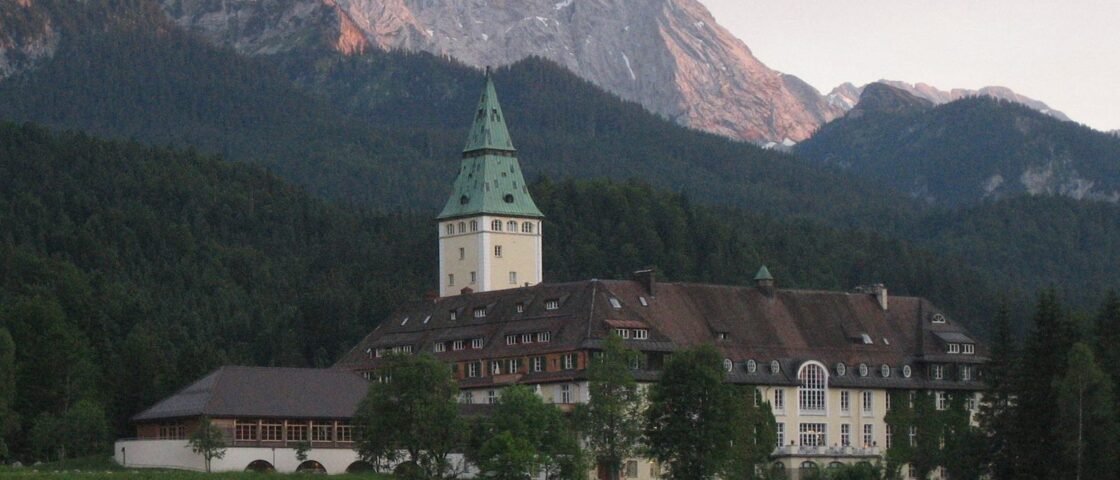
The best wellness hotels Munich has to offer are not actually in Munich. Inside the city, a handful of five-star hotels have good spas — the Rosewood’s Asaya Spa, the Sofitel Bayerpost‘s 574-square-metre spa by the main station, and the indoor pool at the Vier Jahreszeiten Kempinski — but they are hotel amenities, not destinations. For a proper wellness break, go an hour or two south, to Schloss Elmau, Das Kranzbach, Bachmair Weissach on the Tegernsee or Gut Ising on the Chiemsee.
That is the honest version, and it saves a lot of disappointment. A city spa is perfect for a swim and a sauna at the end of a day of museums, or a rainy afternoon. If what you want is a weekend of doing nothing, with mountain air, long saunas and a pool with a view, the city cannot give you that and the Bavarian Alps can. Both are covered below, with what each spa actually has, who it suits and how to get there.
Wellness hotels in and around Munich at a glance
| Hotel | Where | Spa highlights | Best for |
|---|---|---|---|
| Rosewood Munich | Old town | Asaya Spa with pool, sauna and steam bath; pool open 07:00–22:00 | The most complete spa in the centre |
| Sofitel Munich Bayerpost | By Hauptbahnhof | 574 m² spa, heated pool, sauna, steam bath, infrared cabin | Families and late arrivals |
| Vier Jahreszeiten Kempinski | Maximilianstraße | Heated indoor pool, sauna, steam room; Day Spa offered | A classic grand hotel |
| Mandarin Oriental | Old town | Rooftop pool in summer; sauna and steam bath | A summer stay |
| Schloss Elmau | Near Klais, about 1.5 h by train | Six spas, nine pools | The full luxury retreat |
| Das Kranzbach | Krün, near Klais | Pool house, ladies’ sauna, adults only | Couples and quiet |
| Bachmair Weissach | Tegernsee | Japanese-style Mizu Onsen Spa, Day Spa | A lake weekend |
| Gut Ising | Chiemsee | 2,500 m² spa with the hotel’s outdoor whirlpool | Countryside and space |
City or countryside: what you are actually buying
It is worth being clear about the difference before you spend the money. A city hotel with a spa gives you a pool, a sauna or two and a treatment menu, usually in a basement or on the roof, used mostly by business travellers in the early morning and evening. It is a pleasant extra, and on a cold February evening after a day at the Pinakotheken it is wonderful. It is not why you go.
A wellness hotel in the German sense — a Wellnesshotel — is built around the spa. The sauna area is large, often with several saunas at different temperatures, steam rooms, relaxation rooms with loungers and views, outdoor pools heated through the winter, and a programme of treatments, yoga and walks. Guests spend whole afternoons in bathrobes, and that is the point. Germany takes this seriously, and Bavaria, with its mountains and lakes, does it as well as anywhere.
The practical consequence: book a city spa hotel because it is a good hotel in the right place that also has a pool. Book a countryside wellness hotel because you want the spa to be the trip. Mixing the two up is where the disappointment comes from.
The best spa hotels in Munich itself
Rosewood Munich: Asaya Spa
The Rosewood, in a former bank building in the old town, has the most complete spa in central Munich. The Asaya Spa combines treatment rooms with a pool, sauna and steam bath. Treatments run daily from 09:00 to 21:00, and the pool, heat area and changing rooms are open daily from 07:00 to 22:00, which means you can swim before breakfast and sweat out the day before dinner. The hotel also sells Asaya memberships to locals, so expect to share the pool with Münchner who use it as their gym.
It is the choice if you want a city break where the spa genuinely matters, without leaving the centre. The hotel only opened in October 2023, and its rates sit firmly at the top of the city’s market. Our guide to luxury hotels in Munich sets it against the other five-stars.
Sofitel Munich Bayerpost
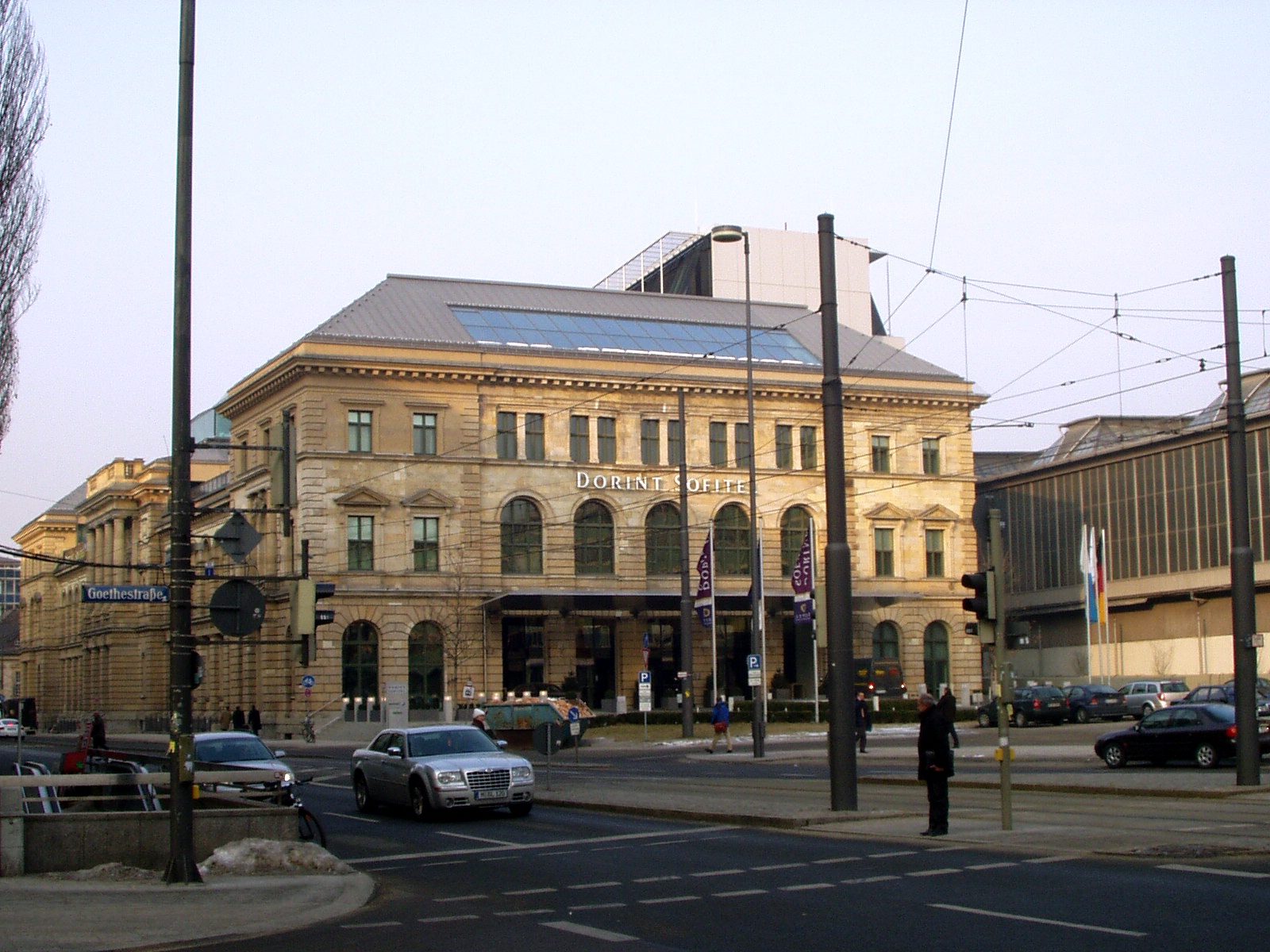
Next to Hauptbahnhof, in the former Bayerpost postal building, the Sofitel has a 574-square-metre spa with a heated pool, a steam bath, a sauna, an infrared cabin and a Kneipp basin for the cold-water foot bath that Bavarians swear by. It opens Monday to Friday 07:00–21:00 and from 08:00 at weekends and on public holidays.
Two things make it stand out. First, the location: if you arrive late by train, or leave early, there is no more convenient spa hotel in the city. Second, it is one of the few city spas that is open about children. Children can use the spa with an adult until 19:00, and there is a daily “Splash Hour” from 14:00 to 15:00 for families. The station area around it is busy and not Munich’s prettiest corner, but you will spend most of your time inside or on a train. See our guide to family hotels in Munich for more child-friendly options.
Hotel Vier Jahreszeiten Kempinski

The grand old lady of Maximilianstraße has a spa that matches its style: a heated indoor pool, a sauna, a steam room and a gym, plus a treatment menu. Usefully, the hotel offers a Day Spa, so even if you are not staying you can book a spa day; ask the hotel for current packages and prices. It is the most traditional of the city’s spa hotels, with the shopping of Maximilianstraße and the Residenz on the doorstep.
Mandarin Oriental Munich
The Mandarin Oriental’s famous asset is its heated rooftop pool, with views over the old town’s roofs and towers. The catch: it is open in the summer months only, and closed from autumn until spring. Indoors there is a Finnish sauna and a Turkish steam bath, a 24-hour gym, and treatments from an independent spa that also takes non-residents.
That makes it a superb summer choice and an ordinary winter one, as far as wellness goes. If the rooftop pool is the reason you are booking, check that it is open on your dates.
The Charles and the Bayerischer Hof
Two more five-stars belong on the list. The Charles Hotel, a Rocco Forte hotel on Sophienstraße beside the Old Botanical Garden, has a spa with a pool; check the hotel’s site for its current facilities and hours. The Hotel Bayerischer Hof on Promenadeplatz, home of the two-Michelin-starred Atelier, is the city’s best-known grand hotel and has its own spa. Both are excellent hotels in which the spa is a bonus rather than the reason to stay.
Insider tip: city hotel spas tend to be busiest early in the morning and in the evening, when business guests use them. In the middle of the afternoon, when everyone else is out sightseeing, you will often have the pool to yourself.
Wellness hotels outside Munich
This is where wellness in Bavaria comes into its own. All four of these are within reach of Munich by train or car, which makes them ideal for a long weekend or the last two nights of a longer trip.
Schloss Elmau
Schloss Elmau, in a high meadow valley between the Wetterstein and the Karwendel near Klais, is in a class of its own. The hotel describes six spas and nine pools, with three spas reserved for adults and two for families, so couples get their quiet and children get somewhere to splash. It also has its own concert programme, bookshop and restaurants, and it hosted the G7 summits of 2015 and 2022. Nothing else in Bavaria compares, and its prices reflect that.
Getting there is easy: the hotel gives about 1.5 hours by train from Munich via Garmisch-Partenkirchen to Klais station, and about 1.5 hours by car from Munich Airport. If you are going to splash out once on a Bavarian wellness weekend, this is the place. Combine it with a day in Garmisch-Partenkirchen or on the Zugspitze.
Das Kranzbach
Close to Elmau in the same corner of the Alps, Das Kranzbach is the quieter, more intimate alternative, and it is adults only. The original house, built in 1913 for Mary Isabel Portman as a private country residence, now stands alongside newer buildings, among them a Meditation House in the trees by the Japanese architect Kengo Kuma. The spa has a pool house with pools, a ladies’ sauna, Ayurveda and detox programmes, and the whole place is built around the idea of switching off. No children, no conference crowds: this is the couples’ choice.
Bachmair Weissach, Tegernsee
At the southern end of the Tegernsee in Rottach-Egern, Spa and Resort Bachmair Weissach has built its wellness around a Japanese theme: the Mizu Onsen Spa, inspired by Japanese bathing culture. It also runs a Day Spa for non-residents, which makes it a good way to add a spa afternoon to a day trip to the lake. Pair it with a boat on the lake and lunch at the Bräustüberl, and our guide to the Tegernsee and Schliersee has the rest of the day.
The Tegernsee is one of the closest of these destinations to Munich, with BRB regional trains from Hauptbahnhof every hour, so it works even for one night. Its spa hotels are popular with Münchner for exactly that reason, which means weekends book up early.
Gut Ising, Chiemsee
On the north-eastern shore of the Chiemsee, Gut Ising is a sprawling country estate with its own equestrian centre and riding school, a golf course and a 2,500-square-metre spa that opened in July 2011. The spa is open daily from 06:00 to 22:00, with the sauna area from 09:00, and the hotel claims Germany’s largest outdoor whirlpool. Check with the hotel whether spa access without an overnight stay is currently possible.
Gut Ising is less polished than Elmau and less romantic than Kranzbach, and that is part of its appeal: it is relaxed, spacious and good for a mixed group or a family. Add a boat trip to Herrenchiemsee from our Chiemsee guide.
When to go for a wellness break
Winter is the best season, and not by a small margin. A sauna means most when it is snowing outside, an outdoor pool is at its most magical with steam rising into cold air, and the mountain hotels are at their cosiest. From December to March, the Alpine wellness hotels combine the spa with skiing, winter walks and tobogganing; our guide to skiing near Munich covers the slopes nearby. The trade-off is price and demand: Christmas, New Year and the February school holidays are the most expensive and most heavily booked weeks of the year.
November and the weeks before Christmas are the sweet spot for value. The weather in Munich is grey, the days are short, and a weekend of saunas and long dinners is exactly what the season calls for. The Advent weekends, when many hotels add Christmas-market trips and seasonal menus, fill up first. Summer is a different experience: outdoor pools, lake swimming and mountain walks, with the spa as an evening treat rather than the main event. It is also the only season for the Mandarin Oriental’s rooftop pool.
A wellness weekend from Munich, without a car
You can reach the countryside hotels in this guide without your own car, and going by train is part of the unwinding. A simple plan for two nights:
- Friday afternoon: leave Munich after lunch, before the evening rush. For Elmau or Kranzbach, take the train towards Garmisch-Partenkirchen and on to Klais; for the Tegernsee, the BRB regional train from Hauptbahnhof; for Gut Ising, the train towards Salzburg to Traunstein, the nearest station on the hotel’s directions, then a taxi or bus. Ask your hotel about collecting you from the station; the mountain and countryside hotels are used to the request. Arrive in time for a swim and a sauna before dinner.
- Saturday: a slow breakfast, a walk or a treatment in the morning, the sauna in the afternoon, and dinner in the hotel. Resist the urge to plan a sightseeing day. The point is to do nothing.
- Sunday: a last swim, a late check-out if you can get one, and an afternoon train back to Munich.
Book the weekend well ahead, especially for winter and Advent, and check what the room rate includes: many German wellness hotels include half board and the use of the spa, while treatments are almost always extra. Our guide to day trips from Munich by train explains the regional tickets that make these journeys cheap.
How to read a German wellness package
Countryside wellness hotels sell most of their stays as packages — a Wellnesspauschale or an Arrangement — and the German small print repays a careful read. A handful of words come up on almost every booking page:
- Halbpension is half board, breakfast and dinner. Alpine hotels often upgrade it to a Verwöhnpension, which usually adds something in the afternoon — soup, a salad buffet, cake — between breakfast and a multi-course dinner. What it covers varies from hotel to hotel, so read the line rather than the label.
- Saunalandschaft is the sauna area as a whole, and Ruheraum the relaxation room. The size of the first and the number of loungers in the second tell you more about a wellness hotel than any number of photos of candles.
- Aufguss is the infusion: a sauna master pours water, often scented, over the hot stones and whirls the heat around the room with a towel. Larger spas post the day’s Aufguss times on a board by the sauna door. It is the high point of German sauna culture and worth planning an afternoon around.
- Anwendungen are treatments — massages, facials, wraps. A package may include one or two; anything beyond that is charged per treatment.
- Spa-Nutzung am An- und Abreisetag means you can use the spa on the day you arrive and the day you leave. Where a hotel allows it, arrive early and leave late, and two nights feel like three.
One more thing to ask: where the bathrobe lives. In a German wellness hotel there is usually a robe and slippers in the room, and guests pad down to the spa in them; some city hotels hand them out at the spa desk instead. It sounds trivial until you are standing in a corridor in a wet swimsuit.
Which wellness hotel should you choose?
| If you want… | Choose |
|---|---|
| A city break with a serious spa | Rosewood Munich |
| A spa hotel with children, by the station | Sofitel Bayerpost |
| A rooftop pool in summer | Mandarin Oriental |
| A spa day without staying | Kempinski Day Spa, or Bachmair Weissach’s Day Spa at the Tegernsee |
| The ultimate splurge | Schloss Elmau |
| Peace and quiet for two | Das Kranzbach (adults only) |
| A lake, close to Munich | Bachmair Weissach |
| Space, countryside and a group | Gut Ising |
For most visitors, the best plan is to split the trip: a few nights in the city at a hotel in the right location, whether or not it has a spa, then two nights at a wellness hotel in the mountains or by a lake at the end. You see Munich properly, and you go home rested rather than exhausted. Our guide to where to stay in Munich covers the city half.
A spa day without the hotel
You do not need to stay in a five-star hotel to spend a day in a Munich spa, and the alternatives are far cheaper.
- Hotel day spas: the Vier Jahreszeiten Kempinski and Bachmair Weissach both offer day-spa bookings. Ask about prices and availability directly; weekends go first.
- Therme Erding: the thermal baths north-east of Munich that bill themselves as the largest in the world, with 35 saunas. See our Therme Erding guide.
- The historic baths: Munich’s public baths, including the Art Nouveau Müller’sches Volksbad, have saunas at a fraction of hotel prices. Our guide to Munich’s historic baths covers them.
- Spa towns: Bad Tölz, Bad Reichenhall and the other Bavarian spa towns are built for exactly this. See Bavaria’s spa towns.
For an overview of every option, from hammams to floating saunas, start with our guide to spas and wellness in Munich.
German spa etiquette in hotels
The rules in a German hotel spa are the same as in any German sauna, and they surprise many visitors. Saunas are normally textile-free: you go in naked, sit or lie on a towel so that no skin touches the wood, and wear swimwear only in the pool area. Some hotel spas, especially in international city hotels, are more relaxed, and many have women-only sauna times or areas, as Das Kranzbach does with its ladies’ sauna. If in doubt, ask at the spa desk, and follow what other guests are doing.
Children are another variable. Some spas, like the Sofitel’s, set family hours; others, like Das Kranzbach, are adults-only throughout. Check the hotel’s rules before you book a family trip. Our full guide to German sauna etiquette explains the rest, from the shower before you go in to the cold plunge afterwards.
Frequently Asked Questions
What is the best wellness hotel in Munich?
In the city centre, the Rosewood’s Asaya Spa, with pool, sauna and steam bath, is the most complete. For a true wellness hotel, go out of town: Schloss Elmau is the leading choice, with six spas and nine pools.
Which Munich hotels have a swimming pool?
Among the city’s five-star hotels, the Rosewood, Sofitel Bayerpost, Vier Jahreszeiten Kempinski and The Charles have pools, and the Mandarin Oriental has a rooftop pool that opens only in summer.
Can I use a Munich hotel spa without staying there?
Sometimes. The Vier Jahreszeiten Kempinski offers a Day Spa, and the Rosewood and Sofitel sell spa memberships. Outside the city, Bachmair Weissach has a Day Spa. Ask each hotel about current prices.
Is the Mandarin Oriental rooftop pool open in winter?
No. The hotel opens its heated rooftop pool in the summer months only; it is closed from autumn to spring. The sauna and steam bath are available year-round.
Which wellness hotels near Munich are adults only?
Das Kranzbach, near Klais, is adults only. Schloss Elmau keeps three of its six spas for adults, with two family spas, so it works for both.
Can children use hotel spas in Munich?
It depends on the hotel. At the Sofitel Bayerpost, children can use the spa with an adult until 19:00, with a daily family “Splash Hour” from 14:00 to 15:00. Check each hotel’s rules before you book.
How do I get to Schloss Elmau from Munich?
By train via Garmisch-Partenkirchen to Klais station, which the hotel gives as about 1.5 hours from Munich, or by car, about 1.5 hours from Munich Airport.
Are saunas in German hotels textile-free?
Usually, yes: you sit on a towel without swimwear in the sauna, and wear swimwear in the pool. Some international hotel spas are more relaxed, so ask at the spa desk if you are unsure.
More ways to relax in Munich
For something more romantic than a spa, see our list of romantic things to do in Munich, and before you book any of these hotels, read our Munich hotel booking tips. If you would rather spend the money on character than on a pool, Munich’s boutique hotels are the place to start.
Photo Credits
Featured image: Schloss Elmau Sommer 2005 by Hilpert, public domain, via Wikimedia Commons.
Sofitel Bayerpost building: Dorint Sofitel München by Stephan Mosel, CC BY 2.0, via Wikimedia Commons.
Related Guides
- Spas and Wellness in Munich: Thermal Baths and Slow Days — the cluster hub
- Therme Erding: Europe’s Largest Thermal Spa Day Trip — Big untargeted term with genuine transport complexity we can solve better than anyone
- Munich’s Historic Baths: Müller’sches Volksbad and Dantebad — Architecture and wellness crossover; links to the history pillar
- German Sauna Etiquette: What Visitors Need to Know — High-anxiety query about the nudity rules, with strong dwell time and link potential
- Bad Tölz, Bad Wiessee and Bavaria’s Spa Towns — Extends wellness into day-trip territory