Munich Museum Pass and Discount Tickets: Complete 2026 Guide
Munich museum pass options compared. Free museums, €1 Sundays, combo tickets, when worth buying — save 30-60%.
A Munich museum pass isn’t actually one product — it’s a small constellation of cards, combo tickets, and one extraordinary loophole that range from a no-pass €1 Sunday hack to multi-day combo tickets that save 30–60%. The right answer depends entirely on which two or three museums you actually want to see, which days you’re in town, and whether you’re also visiting Bavarian palaces. This guide compares every legitimate Munich museum pass on the 2026 market — the Munich Card, the Munich City Pass, the Pinakothek Day Ticket, the Bavarian 14-Day Castle Pass, the €1 Sunday phenomenon, and the small combo tickets bundled by individual museums — against the museums you might actually visit, so you can stop guessing which card is the best museum discount Munich offers and start saving real money. It’s written by people who have used most of them, lost money on the wrong ones, and figured out which combinations win for which kinds of traveller.
Munich Museum Pass: Quick Facts
| Question | Answer |
|---|---|
| Pinakothek museums in Munich | 3 (Alte, Neue, Pinakothek der Moderne) + Brandhorst + Schack |
| Sunday admission to state museums | €1 per museum, all day |
| Free first Sunday at Deutsches Museum | No — Deutsches Museum is private-foundation; full price always applies |
| Bavarian 14-Day Castle Pass adult | €35 (some sources €55 — verify at counter; family pass ~€66) |
| Munich CityTourCard museum discount | 10–25% at select museums; transport included |
| Pinakothek Day Ticket | €12, valid same day across three Pinakotheks + Brandhorst + Schack |
| Munich Card vs City Pass | Card = discounts (cheaper); Pass = free entry (pricier, more value if 4+ museums) |
| Children under 18 at state museums | Free admission |
| BMW Welt entry | Free every day |
| Cheapest single-museum visit | €1 (any state museum on Sunday) |
That table is the entire argument compressed. The rest of this guide unpacks the calculations — because choosing the right Munich museum pass depends on which days you visit, which museums you prioritise, and whether you can move your visit to a Sunday.
The Major Museums in Munich and Who Owns Them
The most important thing to understand about a Munich museum pass is that Munich’s museums are owned by three different bodies, and almost every discount only works inside one of them. Knowing who owns what tells you which pass works where.
- Bavarian state museums (Freistaat Bayern). The Alte Pinakothek, Neue Pinakothek, Pinakothek der Moderne, Museum Brandhorst, Sammlung Schack, the Bavarian National Museum, the Glyptothek, the State Collection of Antiquities (Antikensammlungen), the Museum of Egyptian Art, Five Continents Museum, and the State Archaeological Collection. These are the museums that participate in €1 Sundays and where the Pinakothek Day Ticket applies.
- Bavarian Palace Administration (Bayerische Schlösserverwaltung). The Munich Residenz, Treasury, Cuvilliés Theatre, Schloss Nymphenburg, Schloss Schleißheim, Schloss Linderhof, Schloss Herrenchiemsee, and (with the Schwangau exception noted below) Schloss Neuschwanstein. These are covered by the 14-Day Bavarian Castle Pass, not by €1 Sundays.
- Private and foundation museums. Deutsches Museum (private foundation), BMW Museum, Jüdisches Museum (city), Munich Stadtmuseum (city, partial closure), the Lenbachhaus (city gallery, €10 with its own ticketing), NS-Dokumentationszentrum (city, free entry), and the FC Bayern Museum. These have their own ticketing and rarely participate in the €1 Sunday or Castle Pass schemes.
The most common mistake is assuming a single Munich museum pass covers all of these. None does. The Munich City Pass comes closest, but it costs enough that it only pays off with three to five museums in a tight window. The trick is mixing free and discounted tickets across the three categories above.
The Pass and Discount Options Compared
Below is a comparison of every reasonable way to save on a Munich museum ticket in 2026, from the genuinely free options down to the multi-day combo passes. Read all of them, then jump to the “which pass for which traveller” section for the verdict.
1. The €1 Sunday — the Best Deal in Europe
Every Sunday, almost every Bavarian state museum in Munich charges €1 admission. One Euro. For an Alte Pinakothek collection that normally costs €9, a Pinakothek der Moderne that normally costs €10, or a Bavarian National Museum that normally costs €7. Participating museums include the three Pinakotheken (Alte, Neue, Moderne), Museum Brandhorst, Sammlung Schack, the Bavarian National Museum, the Glyptothek, the Antikensammlungen, the State Museum of Egyptian Art and the Five Continents Museum. The Lenbachhaus, a city gallery, sits outside the scheme. Children under 18 are already free every day.
The catch: everyone in Munich knows. Sunday queues at the Alte Pinakothek and Pinakothek der Moderne stretch around the block between 11 am and 3 pm. The strategy is simple: arrive at opening (10 am) and you’ll walk in within five minutes; or come after 4 pm, when most of the crowd has left and you still have two hours of museum time. The galleries themselves get crowded too — expect a more lively atmosphere than a quiet midweek afternoon, but for the price difference, it’s still the most extraordinary museum discount Munich has on offer.
What €1 Sundays do not include: the Deutsches Museum (separate private foundation), the BMW Museum (private), the Residenz and other palace administration sites, and most special exhibitions (separate ticket). They are also subject to small annual adjustments — confirm with the museum on the day if you’re planning around them.
2. Free First Sunday at the Deutsches Museum (Verify Before You Plan)
The Deutsches Museum has experimented with free or reduced first-Sunday admission over the years; the current status (as of 2026) is that the museum runs occasional free-entry days tied to renovations or anniversaries rather than a monthly programme. Treat the “free first Sunday” rumour as a maybe — always check the official Deutsches Museum website the week before you go. Standard adult admission is €16, reduced €9, family ticket €33, and children under 6 free. There is no €1 Sunday here — the museum is not state-owned.
3. Munich Card — the Discount Card
The Munich Card is the cheaper of the two official guest cards. It’s a discount card, not a free-entry card: you pay reduced admission (typically 10–33% off) at over a hundred attractions, restaurants, tours and museums. The biggest savings are on the Alte Pinakothek (33%), Botanical Garden Nymphenburg (30%), Deutsches Museum (~17%), and the FC Bayern Museum (16%). It also includes MVV public transport across the inner city zone, which by itself usually justifies the price for a multi-day stay. Durations run 1–5 days, single and group versions, and you can add the city’s outer zones if you’re flying in via the airport.
4. Munich City Pass — the All-Inclusive Card
The Munich City Pass is the bigger sibling: it gives you free admission (rather than a discount) at over 45 attractions including the Neue Pinakothek and Pinakothek der Moderne, the Glyptothek, the State Museum of Egyptian Art, the Five Continents Museum, the Bavarian National Museum, the Brandhorst, Nymphenburg Palace, the Botanical Gardens, the Residenz and its Treasury, the Lenbachhaus, the Stadtmuseum, the Jewish Museum, and the Deutsches Museum. It comes with or without public transport (the without-transport version is new in 2026 and useful if you already have a Deutschland-Ticket or are walking). For four-museum days, it usually beats buying individually. For one or two museums it doesn’t — do the maths.
5. Munich CityTourCard — Transport Plus Bonus Discounts
The Munich CityTourCard is the third commonly-confused product. Despite the similar name, it’s a different card from a different operator (MVV branded for tourists). It’s primarily a transport ticket with discounts bolted on — around 80 partner attractions offering 10–25% off, including the Nymphenburg Palace ticket, the FC Bayern Museum, Sea Life, TimeRide Munich, and several walking-tour operators. Museum discounts here are thinner than the Munich Card; if museums are your main aim, the Munich Card is the better tool. If transport plus a couple of activities is the goal, the CityTourCard is usually slightly cheaper.
6. Bavarian 14-Day Castle Pass — the Palace Pass
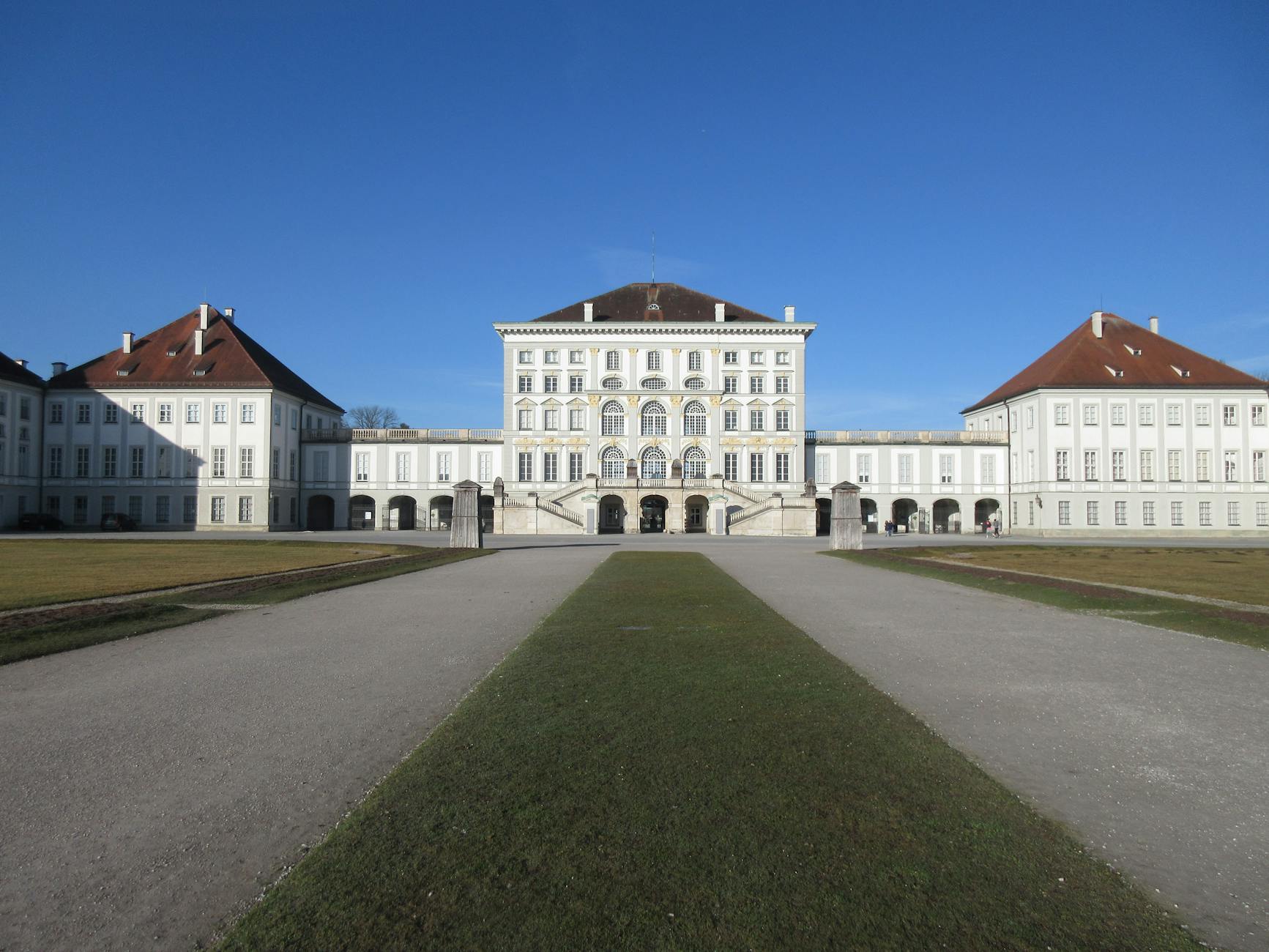
The Bavarian Palace Administration runs its own pass — the 14-Day Ticket (Mehrtagesticket) — covering all palaces, residences and gardens it manages. For 2026 the prices are roughly €35 single (some sources price the current edition at €55 — verify at the ticket desk, as this product has had recent price adjustments) and around €66 family (two adults + up to five children). It covers more than forty sights including the Munich Residenz, Treasury, Schloss Nymphenburg, Schloss Schleißheim, Schloss Linderhof, Schloss Herrenchiemsee, Schloss Neuschwanstein (the palace administration portion), the Residences at Würzburg and Bayreuth, and most of the historic Bavarian gardens. Hohenschwangau is not included — it’s privately administered by the Wittelsbach Compensation Fund.
The Castle Pass is by far the most under-used Munich museum pass for tourists who are doing the classic Bavaria itinerary. Two adults visiting just the Residenz (€9 each), Nymphenburg (€8 each), Linderhof (€11 each) and Neuschwanstein (€21 each) already pay around €98 — the €80 two-partner 14-day ticket covers both of you and saves €18. Even without Neuschwanstein, the Residenz + Nymphenburg + Schleißheim combination tilts the maths in the pass’s favour. Available at any palace ticket desk and at the Infopoint Museen & Schlösser in Bayern (Alter Hof 1, Munich).
7. Pinakothek Day Ticket — the Three-Museums-in-a-Day Hack
The Pinakothek Day Ticket (Tagesticket) is the most useful single combo ticket in Munich for art lovers. For €12 (regular admission elsewhere is €7–€10 per museum), it gives you same-day access to the Alte Pinakothek, the Pinakothek der Moderne, the Museum Brandhorst, and the Sammlung Schack. (The Neue Pinakothek itself remains under renovation through 2026; its highlights are displayed within the Alte Pinakothek for now.) If you’ve been planning to see two or more of these museums on the same day, this is the obvious move — it saves €7–€15 and you only stand in one ticket queue.
The five-museum Pinakothek/Brandhorst/Schack quarter is one continuous walkable cluster in Maxvorstadt — you can do all four current museums in a single intense day with a coffee break. But art fatigue is real. Most visitors do better with two museums in the morning and a long Café Luitpold lunch break.
8. Individual Combo Tickets
A handful of museums offer their own combination tickets that don’t require any wider pass:
- Residenz + Treasury + Cuvilliés Theatre. Combined ticket €20 adult, €16 reduced. Individually the three would be €28+.
- Schloss Nymphenburg combination ticket. Palace + Marstallmuseum + Porcelain Museum + park palaces (Amalienburg, Badenburg, Pagodenburg, Magdalenenklause). €11.50 summer (1 April – 15 October), €8.50 winter (park palaces closed in winter).
- Deutsches Museum annual ticket. €50 (reduced €25) for unlimited entry to all three Munich branches (main museum on Museumsinsel, Verkehrszentrum, Flugwerft Schleißheim) plus the Bonn branch. Pays off from the fourth visit.
- Five state-museums day ticket. Some seasonal joint tickets bundle the Bavarian National Museum with one or two other state museums — ask at the ticket desk on the day.
When a Munich Museum Pass Is Worth It
The honest answer is “rarely, but when it works it really works.” A Munich museum pass pays off in three specific scenarios:
- You’re doing three or more paid museums in three to four days. A Munich City Pass usually beats individual tickets at this volume, especially if at least one of them is a high-priced one like the Deutsches Museum or Nymphenburg. Sample maths: Deutsches Museum (€16) + Pinakothek der Moderne (€10) + Residenz (€9) + Bavarian National Museum (€7) = €42 separately. A 2-day Munich City Pass at around €42–52 breaks even — plus you get unlimited transport.
- You’re visiting two or more Bavarian palaces. The 14-Day Castle Pass is the clearest winner of any Munich-region pass. Residenz + Nymphenburg + Linderhof + Neuschwanstein at full price is €49; the pass is €40. Add Herrenchiemsee or Würzburg and the pass pulls clearly ahead.
- You’re a family of four or five. Children under 18 are already free at almost every Munich museum. The family Castle Pass at €80 covers two adults and up to five children for 14 days — unbeatable if you’re doing any palace circuit.
When a Munich Museum Pass Is Not Worth It
A pass becomes a poor choice in any of these situations:
- You’re only doing one or two museums. Pay individually. No pass justifies its price for two-museum trips.
- Deutsches Museum is your only target. The Deutsches Museum offers no participation in €1 Sundays, only modest discounts via the Munich Card and Munich City Pass. If it’s your single goal, buy the €16 ticket online and skip the pass.
- You’re in town only on a Sunday. Just use the €1 Sundays directly. A €4 day at Alte Pinakothek + Pinakothek der Moderne + Bavarian National Museum + Glyptothek (four museums for €4) beats any pass on the market.
- You already have a transit ticket. The Munich Card and CityTourCard’s transport element is roughly half their value. If you’re holding a Deutschland-Ticket (€63/month in 2026, €66.80 from January 2027) or an IsarCard, you only need the discount layer — and individual museum savings rarely add up to the cost of the pass.
The €1 Sunday Hack in Detail
For most visitors who can plan around it, the €1 Sunday is the cheapest museum card alternative in Munich — because no card is needed at all. Walk to the ticket desk, pay one euro, get a ticket. Here’s the operating manual:
- Participating museums. Alte Pinakothek, Pinakothek der Moderne (currently includes Neue Pinakothek loan rooms), Museum Brandhorst, Sammlung Schack, Glyptothek, Staatliche Antikensammlungen (Greek and Roman antiquities), State Museum of Egyptian Art, Five Continents Museum, Bavarian National Museum, Lenbachhaus, State Archaeological Collection, plus most state museum branches in the wider city.
- Not participating. Deutsches Museum, BMW Museum, the Residenz and other Palace Administration sites, NS-Dokumentationszentrum (already free), Jewish Museum (separate city ticketing), and most special temporary exhibitions (charged separately).
- Hours. Full Sunday opening hours, typically 10 am to 6 pm (varies). Special exhibitions inside a museum often charge a higher fee separately even on Sundays.
- Crowds. Honest reality: the Pinakotheken between 11 am and 3 pm are the busiest moment of the entire week. Galleries are packed, audio guides have queues, and major paintings have small crowds in front of them. Two strategies fix this entirely.
- Strategy A: arrive at opening. Be at the door at 9:55 am. You walk in immediately; the galleries are nearly empty for the first ninety minutes.
- Strategy B: arrive late. 4 pm onwards is dramatically quieter. You get two hours of museum (plenty for one collection) and you don’t lose the morning.
- Best museums to do on Sunday. If you can only manage one, make it the Alte Pinakothek — Rubens’s Großes Jüngstes Gericht, Dürer’s Self-Portrait at 28, Altdorfer’s Battle of Alexander, all for a euro. After that, Bavarian National Museum (huge collection, often quietest of the €1 Sunday set). The Lenbachhaus and its Blue Rider collection (Kandinsky, Marc, Münter) sit outside the scheme: €10 normally, but free from 18:00 to 22:00 on the first Thursday of each month.
- Skip on Sundays. Deutsches Museum (no discount, but crowded with families); BMW Museum (always €17, no Sunday change); Residenz (full price, often closed Sunday afternoon — verify).
Done correctly, a €1 Sunday is the most extreme cheap museum tickets Munich hack in Europe: five museums for five euros, no card to buy, no expiry to worry about.
The Pinakothek Day Ticket in Detail
The Pinakothek Day Ticket is the next-cheapest move after the €1 Sundays — and the cleanest Munich combination ticket in town if you’re not visiting on a Sunday. Cost: €12 (reduced €8) for same-day access to the Alte Pinakothek, Pinakothek der Moderne, Museum Brandhorst, and Sammlung Schack. The Neue Pinakothek itself is undergoing major renovation through 2026 — its highlights are temporarily housed inside the Alte Pinakothek’s special-exhibition wing, so you don’t miss out.
The geography helps: Alte Pinakothek, Pinakothek der Moderne, and Brandhorst sit within five minutes of each other on Barer Straße. Sammlung Schack is a 20-minute walk east across the Englischer Garten edge — fewer visitors make it that far, which is part of its quiet charm. A typical day-ticket itinerary: Alte Pinakothek 10:00–12:30, lunch on Türkenstraße, Pinakothek der Moderne 13:30–15:30, Brandhorst 15:45–16:45.
Five-day Pinakothek ticket: some seasons the museum offers a five-day combo at around €29, splitting the four museums across multiple visits without exhausting yourself in a single push. Confirm availability at the desk; it appears in their summer programme but isn’t always advertised online.
The Bavarian 14-Day Castle Pass in Detail
If you’re doing the classic Bavaria itinerary — Munich for two days, then Neuschwanstein and Linderhof — the 14-Day Castle Pass is the single highest-value Munich museum pass you can buy. The official prices for 2026:
- 14-day single adult: €40.
- 14-day family/partner pass: €80 (two adults + up to five children under 18).
- Annual pass single: €55 (worth it if you live in or visit Bavaria more than once a year).
- Annual pass family: €100.
Sites included: the Munich Residenz, Treasury, Cuvilliés Theatre, Schloss Nymphenburg complex, Schloss Schleißheim, Schloss Linderhof, Schloss Herrenchiemsee, Schloss Neuschwanstein (palace administration portion only), the Residences at Würzburg, Bamberg and Bayreuth, the Ehrenburg in Coburg, Aschaffenburg’s Schloss Johannisburg, plus dozens of gardens, fortifications and historic interiors across Bavaria. Roughly forty sites total. Hohenschwangau is administered separately and is not included.
For a couple visiting Munich + Neuschwanstein in a week, the maths look like this: Residenz (€9 each = €18) + Nymphenburg (€8 each = €16) + Linderhof (€11 each = €22) + Neuschwanstein (€21 each = €42) = €98. Two single 14-day passes at €40 each = €80. Net saving: €18 plus you’ve still got Schleißheim, Herrenchiemsee, and the Würzburg Residenz inside the same fortnight if you extend the trip.
Buy at any palace ticket desk; the Infopoint Museen & Schlösser at Alter Hof 1 in central Munich sells all variants and is the easiest place if you’re starting in the city.
Which Pass for Which Traveller
The decision tree gets clearer once you know who you are and what you actually want to see. Below are six common traveller profiles and the optimal Munich museum pass strategy for each.
The Tight-Budget Backpacker
Pass: none. Strategy: arrive Saturday, do free things on Saturday (BMW Welt, the Residenz Hofgarten, the English Garden, the NS-Dokumentationszentrum, the Asamkirche, the Frauenkirche), do four to five €1 Sunday museums on Sunday, leave Monday. Total museum spend: €5. The cheapest weekend of culture in Europe.
The 48-Hour First-Timer
Pass: Pinakothek Day Ticket (€12) + Residenz combo (€15). Strategy: Day 1 morning, Marienplatz + Residenz combo ticket. Day 1 afternoon, Marienplatz walking tour and food. Day 2 morning, three Pinakotheks on one day ticket. Day 2 afternoon, Englischer Garten and a beer garden. Total museum spend: €27 for five major museums and one palace. No card faff.
The Culture-Heavy Four-Day Visit
Pass: Munich City Pass 4-day with transport (€75–€95 depending on options) + plan a €1 Sunday on top. Strategy: City Pass for Deutsches Museum, Nymphenburg, Residenz, Bavarian National, Brandhorst, Lenbachhaus across four weekdays. Use the €1 Sunday for one extra museum on the way out. This is the only case where the City Pass clearly wins.
The Castle Enthusiast
Pass: Bavarian 14-Day Castle Pass (€40). Strategy: Residenz + Nymphenburg in Munich, then a day trip to Schloss Schleißheim, then the classic two-day loop to Linderhof + Neuschwanstein, then if time allows Herrenchiemsee. Six sites, €40 instead of around €100. The single best Bavaria-wide investment.
The Family of Four
Pass: Bavarian 14-Day Castle Pass family (€80). Strategy: kids under 18 are already free at almost every Munich state museum, so don’t pay for any kids’ museum tickets you can avoid. For Bavarian palaces, the family Castle Pass is the obvious move. For Munich-only museum days, do them on Sunday and pay €1 per adult. The Munich Card group version makes sense if you’re also using a lot of public transport.
The Repeat Visitor / Local
Pass: Deutsches Museum annual ticket (€50) + Bavarian Annual Pass (€50). Strategy: if you live in Munich or visit four or more times a year, both annual passes pay for themselves quickly. The Deutsches Museum annual covers all three Munich branches plus Bonn; the annual Castle Pass covers everything the 14-day pass covers, all year.
Buying Tickets: Online, At the Desk, Smartphone
Logistics of every kind of Munich museum ticket:
- Buy at the museum desk. All passes and tickets are sold at the door. The Pinakothek and Residenz desks accept cards (no German-card-only mythology in 2026) and cash; smaller museums (Sammlung Schack, Glyptothek) sometimes prefer cash for the €1 Sunday entry. Allow five minutes at midweek, twenty at peak Sunday.
- Buy online to skip the queue. The Pinakothek website, the Bayerische Schlösserverwaltung shop (bsv-shop.bayern.de), and the Munich City Pass / Card sites all sell digital tickets. The Deutsches Museum strongly recommends online booking for timed entry — day-of tickets can sell out at peak times.
- Smartphone tickets. Accepted at all major Munich museums in 2026. The Pinakothek, Deutsches Museum, Lenbachhaus, Residenz and Nymphenburg all scan QR codes directly from your phone. The 14-Day Castle Pass is normally a printed/laminated card, not a phone wallet item — confirm with the ticket desk.
- Children under 18. Free at almost every Munich museum. Bring proof of age if asked (passport, school ID).
- EU students with valid ID. Reduced rate at every state museum (Alte Pinakothek €6, Pinakothek der Moderne €7, etc.). Bring the card; bring a backup photo of it on your phone.
- Disabled visitors. Reduced or free admission at state museums with a Schwerbehindertenausweis or international equivalent; accompanying carers usually free.
Free Every Day in Munich
Before you buy any pass, run through the genuinely free attractions in Munich. Many travellers fail to do this and end up paying for a card that doesn’t add value. Free at all times:
- BMW Welt. The brand experience next to the BMW Museum — free entry, current model showroom, sometimes free guided tours of the Welt. Easy half-hour or two-hour visit. The Museum next door costs €17 separately.
- NS-Dokumentationszentrum. Free admission permanently. Munich’s serious modern history museum — the rise of National Socialism in Munich — is one of the most important museum visits in the city and costs nothing.
- Residenz Hofgarten. The walled palace garden is free to enter year-round; the bandstand draws weekend swing dancers in summer.
- Olympiapark grounds. Free to enter and walk; the Olympia Tower is closed until its expected reopening during 2027. The lake, the stadium exterior, the BMW Welt sit on the same precinct.
- Major churches. Frauenkirche, Theatinerkirche, Asamkirche, Peterskirche (church entry free — the Peterskirche tower charges €5). Architecturally astonishing.
- Englischer Garten. The 4 km2 park, Eisbach surfers, Monopteros, Chinese Tower beer garden, Kleinhesseloher See — all free to walk. Beer and pretzels of course cost separately.
- Marienplatz Glockenspiel. 11 am and noon daily (5 pm March–October). The famous mechanical clock is a free open-air show.
- Viktualienmarkt. The open-air food market is free to wander; you pay for anything you eat.
- Olympic Park outdoor sites, the Old Town wall remnants, all the major bridges over the Isar. Free.
Build a full free day from this list and you’ve already saved any reasonable single-day Munich Card price.
Discount Cards Compared Side by Side
| Card | Type | Transport | Museums | Best for |
|---|---|---|---|---|
| Munich Card | Discount card | MVV inner zone included | 10–33% off at 100+ partners | 2–3 museums + transport |
| Munich City Pass | Free-entry pass | Optional add-on | Free at 45+ attractions | 4+ museums in 2–3 days |
| Munich CityTourCard | Transport-first card | MVV included | 10–25% partners (lighter) | Transport + tours over museums |
| Pinakothek Day Ticket | Combo ticket | None | 4 Pinakothek-cluster museums same day | Single art-heavy day |
| 14-Day Castle Pass | Region-wide pass | None | 40+ palaces, residences, gardens | Bavarian palace circuits |
| ISIC / EU student card | Discount ID | None | Reduced rate at every state museum | Anyone under 30 with valid student ID |
| No card + €1 Sunday | Strategy | Buy ticket separately | 5 state museums for €5 | Budget travellers who can move days |
Common Mistakes to Avoid
- Buying a CityTourCard just for transit. If you only need a transport ticket, the MVV Tageskarte (€10.10 inner zone) or the IsarCard (multi-day) is usually cheaper. The CityTourCard makes sense only if you’ll use several of the partner discounts.
- Skipping €1 Sundays out of habit. Many visitors avoid Sundays because everything else closes. In museums Sundays are open — and they’re the cheapest day of the entire week. Plan for them.
- Buying full-price tickets when the Pinakothek Day Ticket exists. Two Pinakotheks in the same day = €7 + €10 = €17 separately, versus €12 on the combo. Every visitor should at least be offered the day ticket; if you weren’t, ask.
- Buying a Bavarian Castle Pass for one castle. Single Neuschwanstein tickets are €21 at the gate. A 14-day pass is €40. If you’re only seeing one palace, just buy the ticket. The pass needs several palaces to break even.
- Assuming Munich City Pass covers Deutsches Museum unlimited. Most City Pass packages cover one Deutsches Museum entry. Re-entry the next day usually isn’t included. Check the small print on the pass version you’re buying.
- Forgetting that special exhibitions are extra. Almost every major Munich museum charges separately for special exhibitions, even on €1 Sundays. The permanent collection is €1; the temporary Picasso show on top is €14.
- Buying a pass for kids who are already free. Children under 18 enter most Munich museums for free. Family passes are useful for palaces (where kids pay otherwise) but not always elsewhere.
- Buying a pass on arrival without planning. Decide first which 3–5 museums you’ll actually visit. Then compare. Many visitors buy a pass under shop-window pressure and use only one or two of its included sites.
Comparison Table: Pass vs No-Pass for Three Itineraries
| Itinerary | Full-price total | Best pass strategy | Saving |
|---|---|---|---|
| 2 days, Pinakotheks + Residenz | €10 + €7 + €9 = €26 | Pinakothek Day Ticket (€12) + Residenz combo (€15) = €27 (better quality) | Pay slightly more for more museums |
| 3 days, mixed museums + Nymphenburg | Deutsches (€16) + Alte Pinakothek (€9) + Pinakothek Moderne (€10) + Nymphenburg combo (€11.50) = €46.50 | Munich City Pass 3-day (~€55) — borderline; or pay individually and use Sunday discount | Pass roughly breaks even; Sunday saves ~€15 |
| Week, Munich + Neuschwanstein + Linderhof | Residenz (€9) + Nymphenburg (€11.50) + Linderhof (€11) + Neuschwanstein (€21) + Pinakothek Day (€12) = €64.50 | 14-Day Castle Pass (€40) + Pinakothek Day (€12) = €52 | ~€12.50 |
Family Pricing in Detail
Families travel cheaper than they think in Munich. The rule across the state museums and most city museums: children under 18 are free. Add the Bavarian Palace family Castle Pass (€80 covers two adults and up to five kids for 14 days), and a typical family-of-four trip costs almost nothing in museum admission.
- Deutsches Museum family ticket. €33 (two adults + own children up to 17). Pays off for any group with more than two adults paying separately.
- Pinakothek family Day Ticket. Most state museums offer family rates of around €17–20 for the cluster.
- BMW Museum family. €28 (two adults + up to three children under 18).
- Nymphenburg family. Roughly €25 in summer for the combination ticket; varies with park-palace season.
For larger groups, the Bayern-Ticket (€34 single, up to €74 for five) handles all the transport at once. Combined with free children’s museum admission, this can be the cheapest family culture week in any major German city.
Public Holidays and School Holidays
Two factors affect every museum card calculation: which days are public holidays, and which weeks are Bavarian school holidays.
- Public holidays. Bavaria has more public holidays than most German states (Catholic legacy). Many museums close on Christmas Eve, Christmas Day, New Year’s Day, Shrove Tuesday (some), Easter Sunday (some), and All Saints’ Day (1 November). Always check the specific museum’s calendar. The Pinakothek, Bavarian National Museum, and Residenz all post their annual closures online by January.
- School holidays. Bavarian school holidays run for about two weeks at Christmas, one week each at carnival, Easter and Whit, and six weeks in summer (typically late July to mid-September). Museum traffic surges; the Deutsches Museum can sell out timed-entry slots two days ahead. Book online if visiting during these windows.
- Mondays. Many major Munich museums close on Mondays. The Alte Pinakothek, Pinakothek der Moderne, and Brandhorst all close Monday. The Bavarian National Museum, the Lenbachhaus, and the Deutsches Museum (often) stay open. Plan Mondays as a city-walking, beer-garden, or palace day.
How to Use a Pass Once You Have It
- Show the pass at the ticket desk first. You don’t skip the queue automatically; you still need a paper or digital admission slip in most cases. The Munich City Pass shows up at the ticket desk; the staff scans the QR code and gives you a same-day admission ticket.
- Some museums offer pass-holder fast lanes. The Deutsches Museum and the Pinakothek often have a separate side desk for pass holders — ask the door staff.
- The Castle Pass is a printed card. Show it at every desk; staff stamp or note the date of first use. The 14 days run from the first stamp, not the day of purchase.
- Audio guides are usually extra. Most passes don’t include the audio guide rental (€3–5). Pinakothek audio guides are good; Residenz audio guides are excellent.
- Special exhibitions are usually extra. Worth repeating: a pass covering “the museum” almost never covers temporary blockbusters. Check the wording.
Digital Tickets and Refunds
Almost all 2026 Munich museum tickets are now smartphone-friendly. The QR code in a digital wallet is scanned at the gate. Three exceptions worth knowing:
- 14-Day Castle Pass. Usually a physical printed card; verify before you leave the desk that you’ve been given a valid stamped pass.
- Some smaller museums. The Stadtmuseum and a few specialty museums still occasionally require printed tickets — download the PDF and use airport printers if needed.
- Group passes. Family and group cards sometimes require the lead name on the card to match a passport — keep ID handy.
Refund policies vary. Pinakothek tickets bought online are generally refundable up to 24 hours before; Deutsches Museum timed-entry tickets are typically non-refundable but can be rescheduled. The City Pass and Castle Pass are non-refundable once activated. Always read the policy on the operator’s checkout page — third-party resellers add their own conditions on top.
Romantic Road Tours That Include Passes
Several day-tour operators run Munich-to-Neuschwanstein bus packages that bundle the Bavarian Castle Pass or its individual palace tickets into the trip price. A typical full-day tour costs €55–80 per person and usually includes return coach, a guide, and Neuschwanstein entry; some upgrade to include Linderhof, Hohenschwangau, or Oberammergau village. If you’re going to do one castle day this way, the bundled price is usually fair — but if you’re already going to spend €40 on a Castle Pass for personal use, you’re double-paying. Pick one approach: bundled tour or independent pass, not both.
For a deeper look at the palace circuit, see our dedicated Munich Residenz guide and the Deutsches Museum guide.
FAQs: Munich Museum Pass
Is a Munich museum pass worth it?
It depends entirely on which museums you visit. For three or more paid museums in a tight window the Munich City Pass usually pays off. For two or fewer museums it doesn’t. The single best-value pass is the 14-Day Bavarian Castle Pass for anyone visiting two or more palaces. If you can move your visit to include a Sunday, the €1 Sunday hack beats every pass on the market.
What’s the cheapest way to see Munich’s museums?
Four state museums on a single Sunday for a total of €4. Alte Pinakothek + Pinakothek der Moderne + Bavarian National Museum + Glyptothek, all €1 each on Sunday, all walkable within Maxvorstadt and the Altstadt. Add free-every-day museums like the NS-Dokumentationszentrum and BMW Welt and you have a full cultural day under €10.
Are Sundays really €1 at Munich state museums?
Yes — the Bavarian state has run the €1 Sunday programme for years and it’s confirmed in place for 2026. It applies to all participating Bavarian state museums in Munich (the three Pinakotheks, Brandhorst, Schack, Bavarian National Museum, Glyptothek, Antikensammlungen, Egyptian, Five Continents) plus the Lenbachhaus. It does not apply to the Deutsches Museum, the BMW Museum, or the Residenz. Special exhibitions inside the museums normally still cost their full charge.
Is the Bavarian Castle Pass worth it?
For anyone visiting two or more Bavarian palaces inside the same 14-day window, yes — it’s the highest-value single pass in the region. At €40 it covers more than forty sites including Neuschwanstein, Linderhof, the Munich Residenz, Schloss Nymphenburg, Schloss Schleißheim, Schloss Herrenchiemsee, and the Würzburg Residenz. For one castle only, pay individually — the pass needs several palaces to break even and the full circuit to be a great deal.
What Munich museums are completely free?
BMW Welt (the brand showroom next to the BMW Museum), the NS-Dokumentationszentrum (Munich’s serious modern history museum), the Residenz Hofgarten (the walled palace garden), the Englischer Garten, the major churches (Frauenkirche, Theatinerkirche, Asamkirche, Peterskirche), the Olympiapark grounds, and the Viktualienmarkt are all free year-round. For a full list see our free museums Munich guide.
Does the Munich City Pass include Neuschwanstein?
No. The Munich City Pass is a city-attractions card; Neuschwanstein lies 130 km away and is administered by the Bavarian Palace Administration, not by the Munich tourism board. For Neuschwanstein, you need either a separate timed-entry ticket bought through the Hohenschwangau ticket office or the 14-Day Bavarian Castle Pass, which covers the palace’s admission (but not the shuttle bus or the horse-carriage to the gate).
Can I use a Munich museum pass on a Sunday?
You can, but you usually shouldn’t — the state museums are €1 on Sundays regardless of any pass. A Munich City Pass “activated” on a Sunday gets you free entry, but you only saved €1 per museum compared to walking up to the desk. Use your pass on weekdays for the maximum saving; use Sundays for €1 entries without burning a pass day.
Where do I buy a Munich museum pass?
Online via the official sites (munich.travel for the Munich Card and City Pass, bsv-shop.bayern.de for the Castle Pass, pinakothek.de for the Pinakothek Day Ticket), at any major museum desk for the corresponding pass, at the tourist information offices on Marienplatz and at the airport, or at the Infopoint Museen & Schlösser at Alter Hof 1 for any of the Bavarian state museum products including the Castle Pass.
Final Strategy
The honest answer to “which Munich museum pass should I buy?” is “a different one for almost every traveller, and often none at all.” The most consistently winning moves across our years of using these products: do at least one Sunday on a €1 ticket; buy the Pinakothek Day Ticket for any art-heavy day; buy the 14-Day Bavarian Castle Pass for any palace circuit beyond a single site; consider the Munich City Pass only for four-or-more-museum cultural binges; default to free attractions (BMW Welt, the NS-Dokumentationszentrum, the Englischer Garten, the major churches, the Residenz Hofgarten) when in doubt. Skip the CityTourCard unless you need it for transit. Don’t pay for kids’ tickets you don’t need to.
Plan the museum side of your visit with our parent Munich museums and culture hub, dive into the technology cathedral at the Deutsches Museum guide, walk through the art cluster with the Pinakothek museums guide, tour the royal seat in the Munich Residenz guide, see what’s free at the BMW Museum and Welt, find a no-cost day in our free museums Munich guide, and compare the city’s transit and tourist cards in the Munich city card comparison. Done right, Munich rewards thrifty culture lovers more than almost any other European capital. Pick the pass that matches the trip, not the trip that matches the pass.
Photo Credits
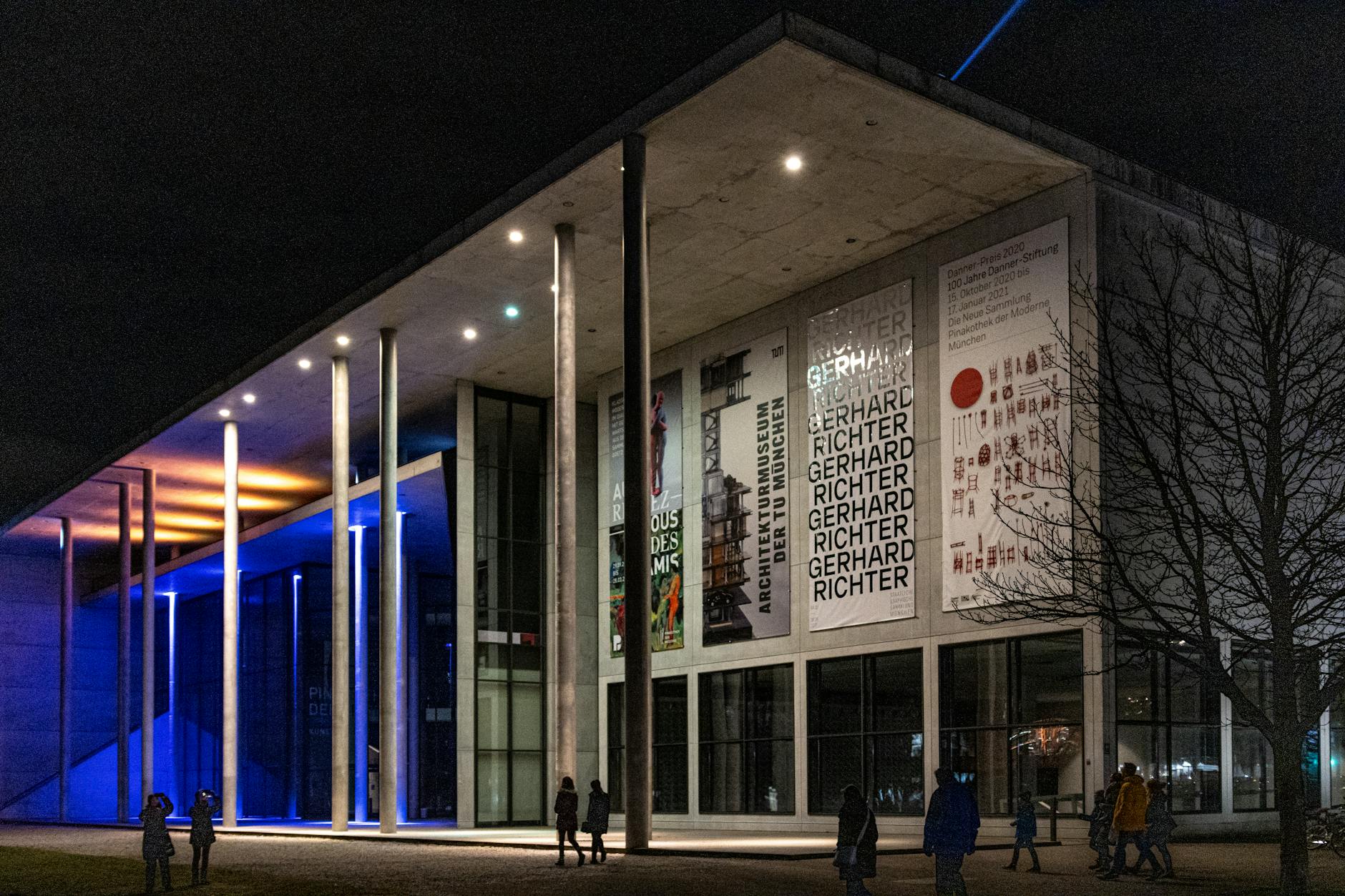
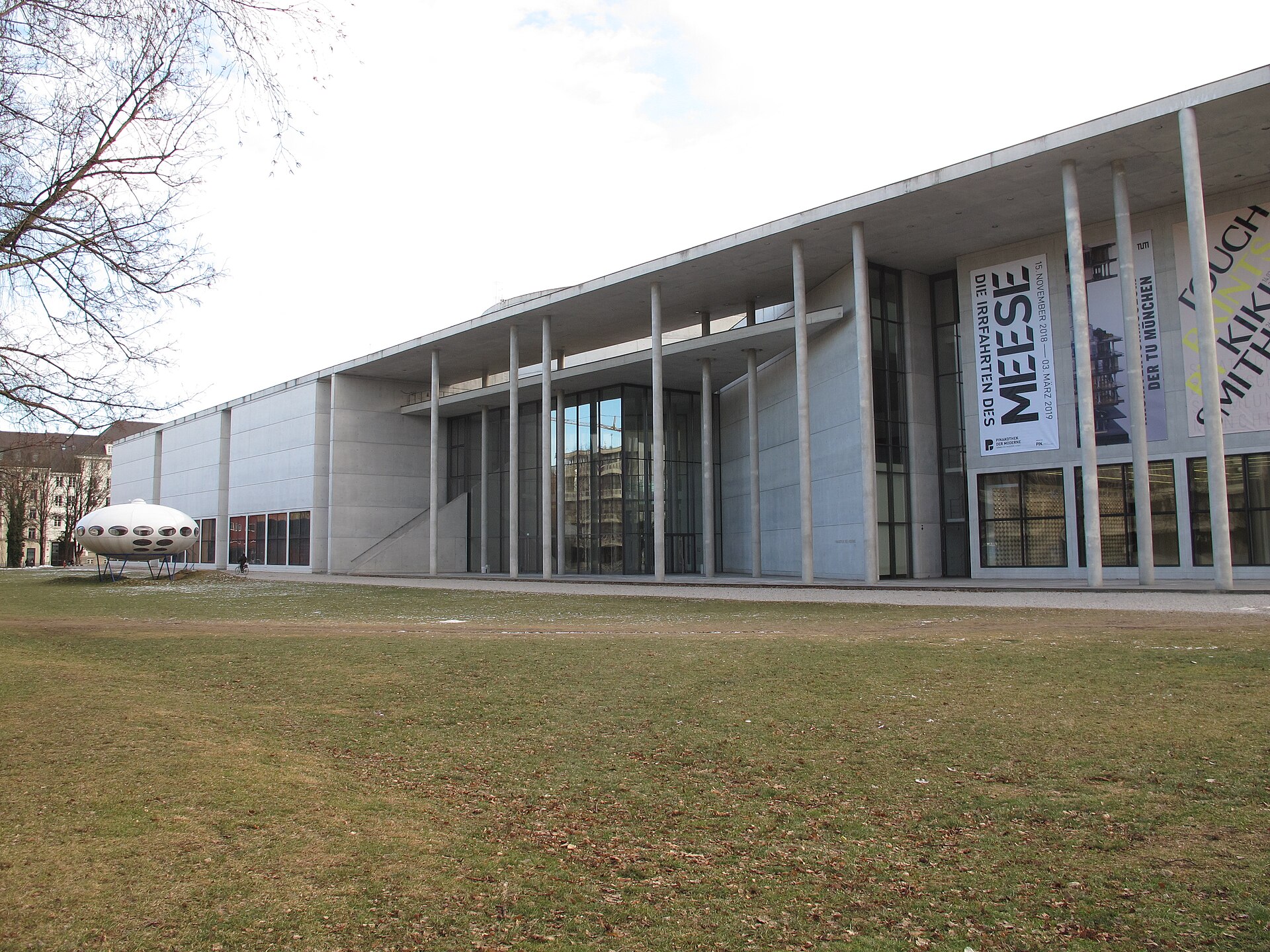
The Pinakothek der Moderne exterior: Munchen Pinakothek der Moderne by Andrzej Otrębski, CC BY-SA 4.0, via Wikimedia Commons.
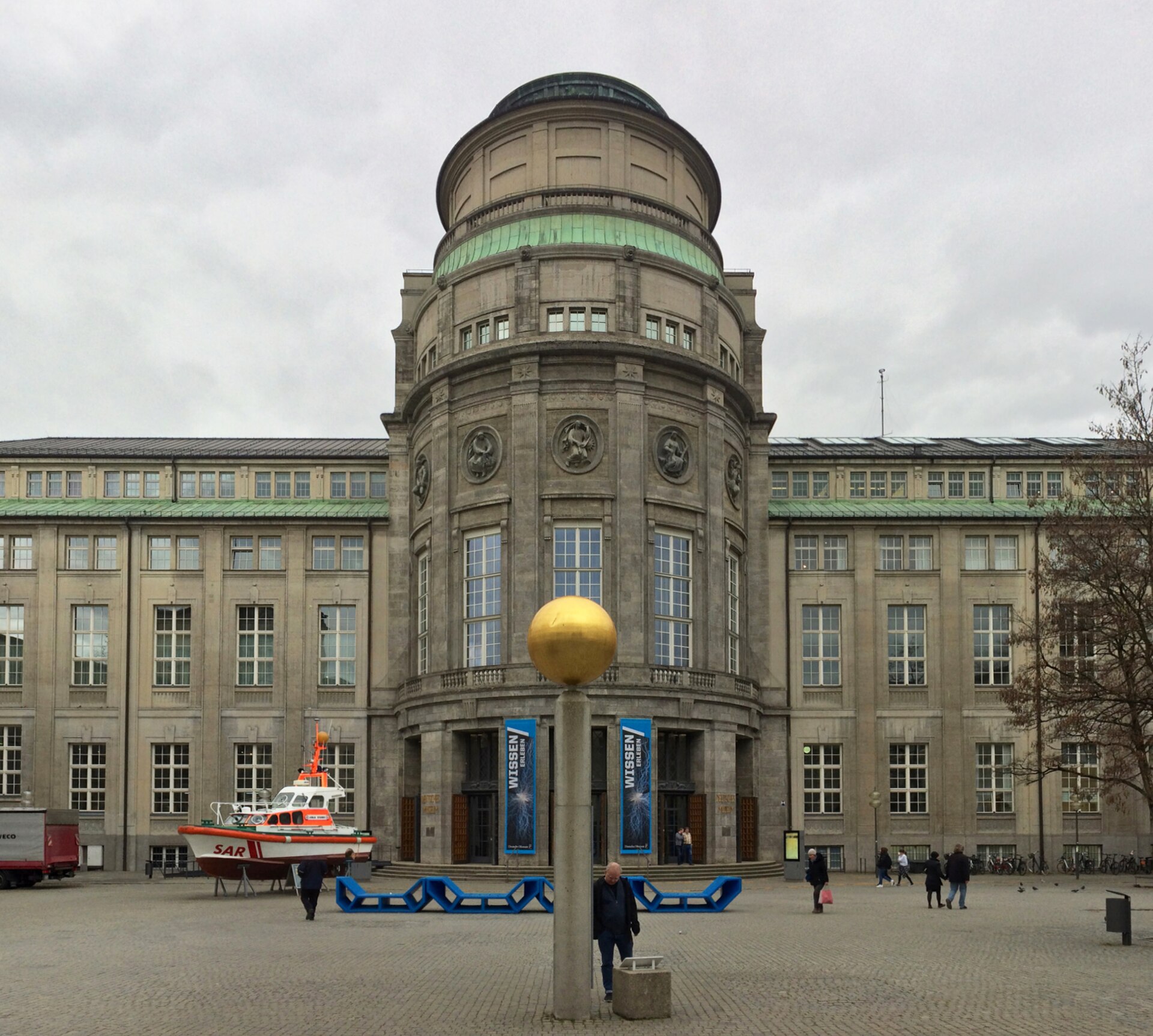
Deutsches Museum courtyard facade: 2019-03-04-Deutsches-Museum by Gunnar Klack, CC BY-SA 4.0, via Wikimedia Commons.