Munich Zoo (Hellabrunn) Guide
Complete 2026 visitor guide to Munich Zoo Hellabrunn — the world's first geo-zoo. Tickets, hours, top animals, suggested routes, family tips, accessibility, and feeding schedules.
Munich Zoo Hellabrunn — officially Tierpark Hellabrunn — is one of Europe’s most beautifully designed zoos and one of Munich’s most family-friendly attractions. Set across 40 hectares of wooded riverside parkland on the Isar, just 8 km south of the city center, Hellabrunn pioneered the “geo-zoo” concept in 1928 — organizing animals by continent and natural habitat rather than species, decades ahead of most international zoos. Today it is home to animals from around 500 species and remains one of the world’s most respected zoo institutions. This complete Munich Zoo Hellabrunn guide for 2026 covers tickets, hours, the best routes, top animals, dining, accessibility, and exactly when to visit.
Quick Facts: Munich Zoo at a Glance
| Detail | Information |
|---|---|
| Address | Tierparkstraße 30, 81543 München |
| Founded | 1911 |
| Size | 40 hectares (~99 acres) |
| Animals | Around 500 species |
| Annual visitors | ~2.2 million |
| Hours (April–September) | 09:00 – 18:00 daily (last entry 17:00) |
| Hours (October–March) | 09:00 – 17:00 daily (last entry 16:00) |
| Adult ticket (2026) | €19 |
| Child (4–14) | €9 |
| Family (2 adults + own children) | €51 |
| Closest U-Bahn | Thalkirchen (U3) |
| Recommended visit time | 3.5–5 hours; family with kids 5+ hours |
How to Get to Munich Zoo
- U-Bahn: U3 (orange line) to Thalkirchen — the zoo entrance is a 5-minute walk from the station, well-signed
- From Marienplatz: U3 takes 12 minutes; total door-to-door under 25 minutes
- Bicycle: a beautiful 8 km Isar-river bike path runs from central Munich south to the zoo; ~30 minutes ride
- Bus: lines 52, 135, and X30 stop at the zoo entrance
- By car: limited paid parking at the zoo entrance (€5/day); fills early on weekends
- Stroller / wheelchair access: the zoo paths are paved and step-free; loaner strollers available at the entrance
2026 Tickets and Pricing
| Ticket | Price |
|---|---|
| Adult (15+) | €19 |
| Reduced (students, seniors 65+, disabled) | €14 |
| Child (4–14) | €9 |
| Children under 4 | Free |
| Family (2 adults + own children aged 4–14) | €51 |
| 1-Adult-Family (1 adult + own children) | €26 |
| Annual pass (adult) | €85 |
| Combined ticket with Sea Life Munich | €38 |
How to buy: at the entrance ticket office (no queue Monday–Thursday; 10–15 minute queue weekends), online at hellabrunn.de for skip-the-line, or via the Munich City Pass which includes Hellabrunn entry. Online tickets save 5% and let you skip the box-office line.
The Geo-Zoo Concept: Why Hellabrunn Is Different
Hellabrunn pioneered the geo-zoo concept in 1928 under director Heinz Heck — organizing animals by their natural geographic and ecosystem origin rather than by species classification. So instead of a “big-cat house,” you walk through African Plains (lions, gazelles, ostriches, mongooses together), the Asian Forest (tigers, primates, monitor lizards), the Polar Region (polar bears, seals, penguins), and so on. The result feels less like a museum and more like a series of immersive walks through different parts of the world. Almost every modern “naturalistic” zoo design in the world traces directly to Hellabrunn’s 1928 model.
Top Sections to Visit
African Plain
Hellabrunn’s largest single area — a 5-hectare savannah where giraffes, zebras, ostriches, and antelopes share open ground that feels like a piece of Kenya. The signature panorama view from the wooden observation deck is one of the zoo’s most photographed.
Elephant Pavilion
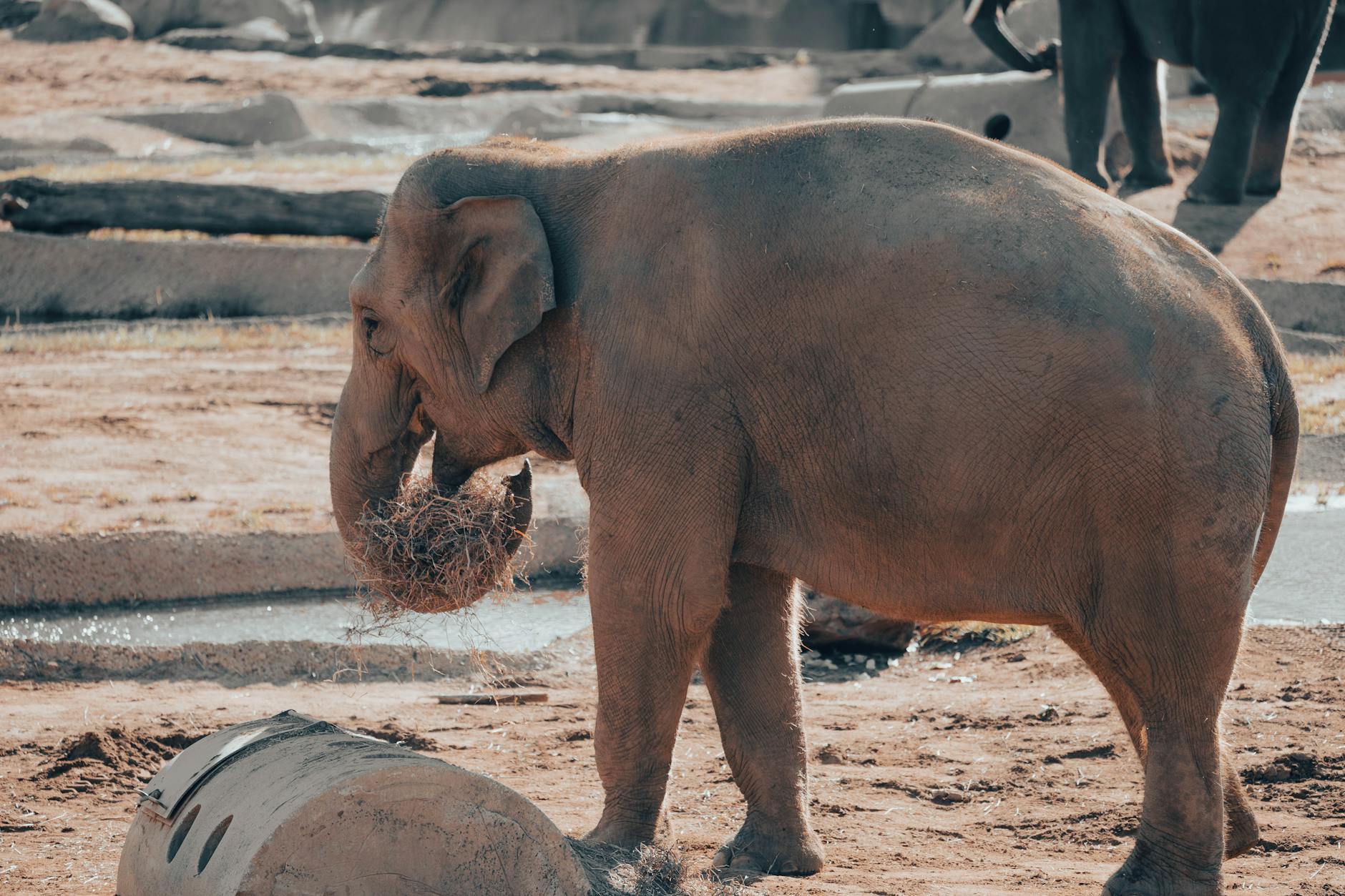
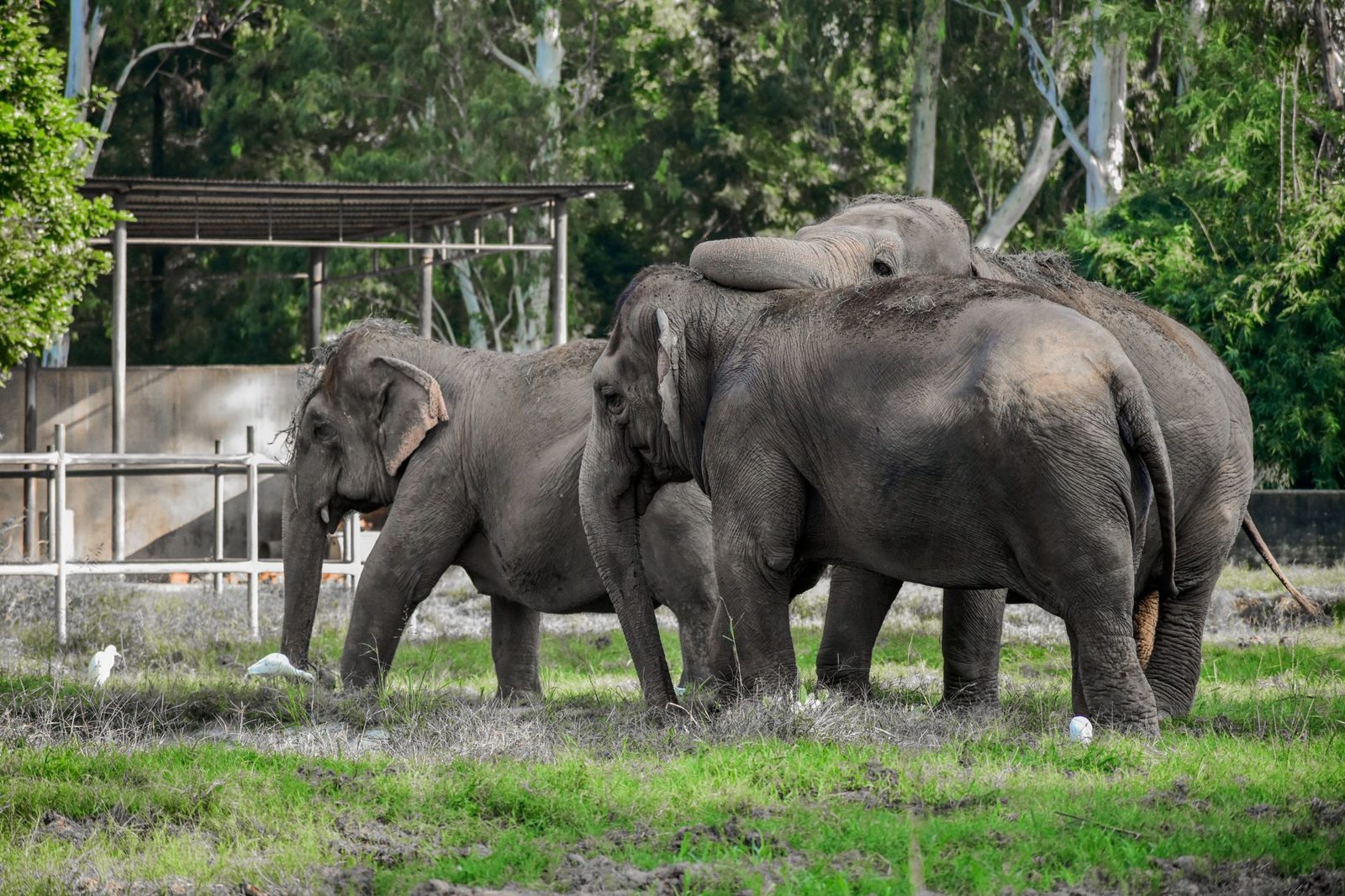
Newly modernized in 2024, the elephant pavilion is one of Europe’s largest indoor-outdoor elephant facilities. Six Asian elephants live here, with a heated indoor pool. The pavilion has a glass-roof viewing area where the family-group dynamics are visible up-close. Daily feeding demonstrations at 11:00 and 14:30.
Polar Region
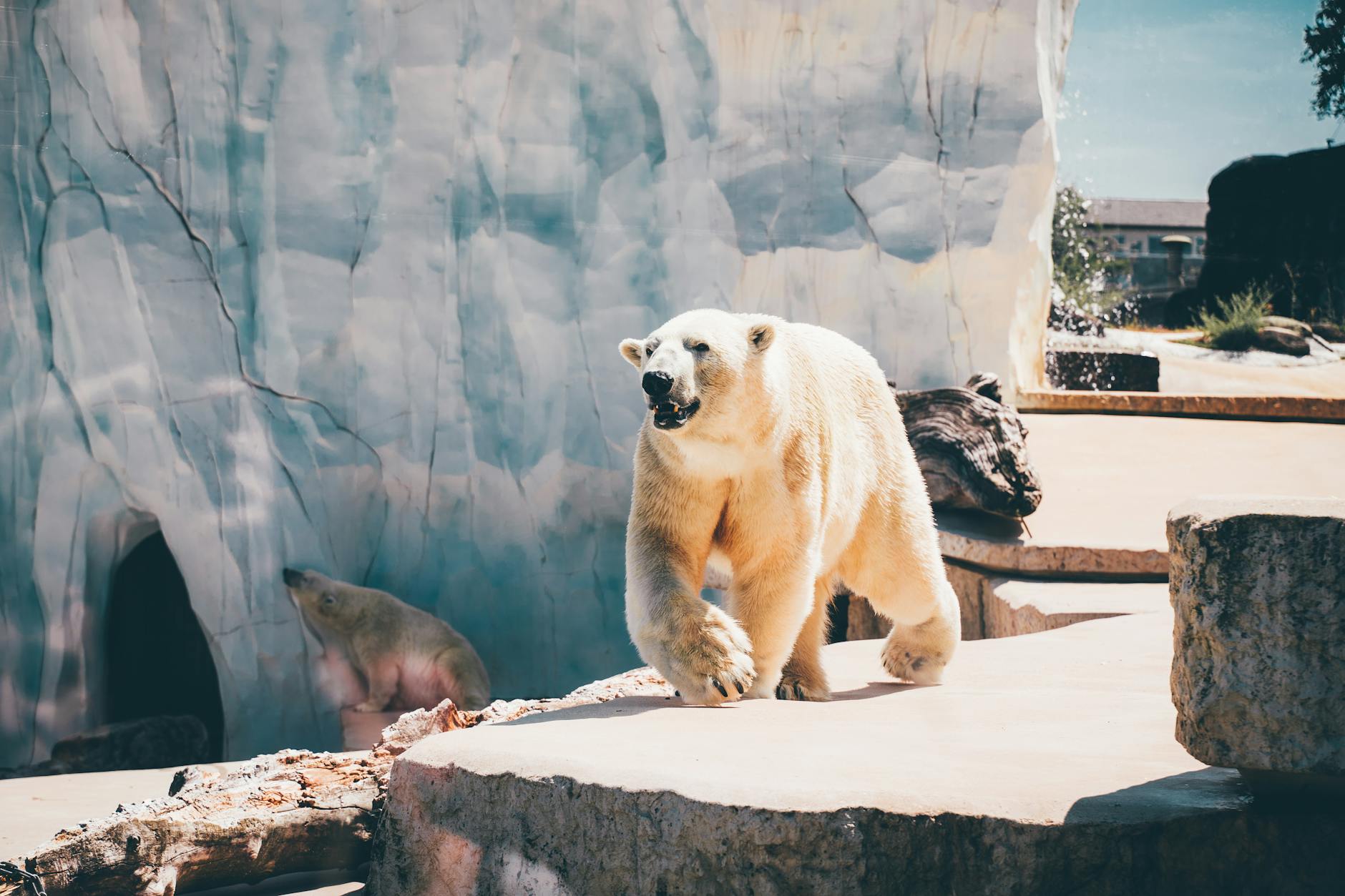
The most dramatic single enclosure. Polar bears swim past underwater viewing windows; harbor seals and gray seals share the adjacent pool with similar viewing. The complex was rebuilt in 2010 to extremely high welfare standards. Penguins are next door. Daily seal feeding shows draw crowds — get to the underwater viewing area 10 minutes before show time.
Asian Forest
Bengal tigers, snow leopards, Asian black bears, gibbons, orangutans, and a walk-through bamboo-grove section. The Sumatran orangutan family is a perennial favorite — the kids invariably end up watching them play.
Bird House and Tropical Hall
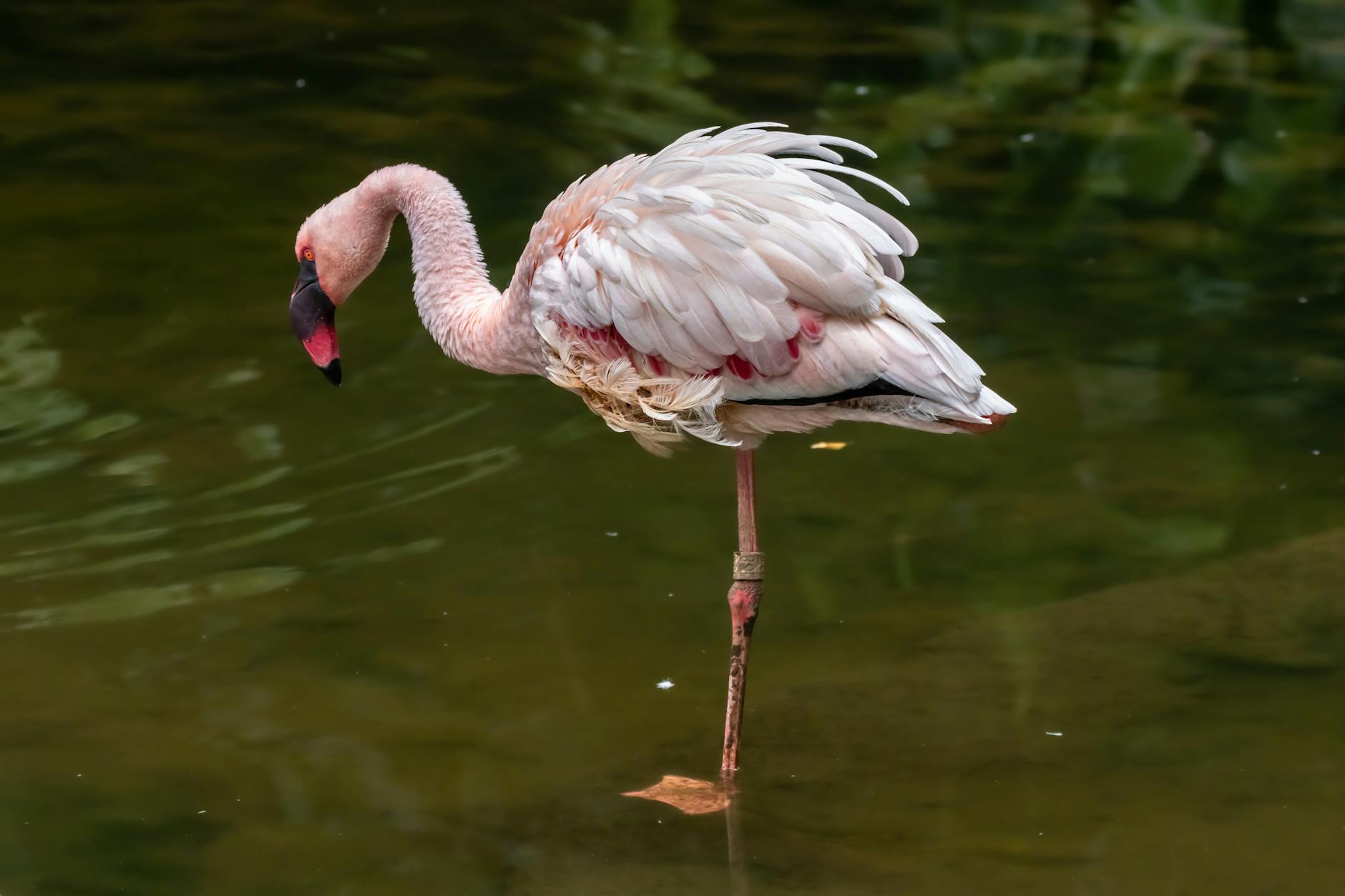
The 1971 tropical hall is a glass dome with free-flying tropical birds, hummingbirds, and small primates. Wonderful in winter — a 30°C tropical humid escape from a Munich January. Adjacent, the open-air flamingo pond hosts a flock of around 70 pink flamingos.
Rhino House
Hellabrunn has a major rhino-conservation program; the white rhinos and black rhinos here have produced multiple successful births. The viewing windows allow remarkably close encounters.
Children’s Zoo (Kinderbauernhof)
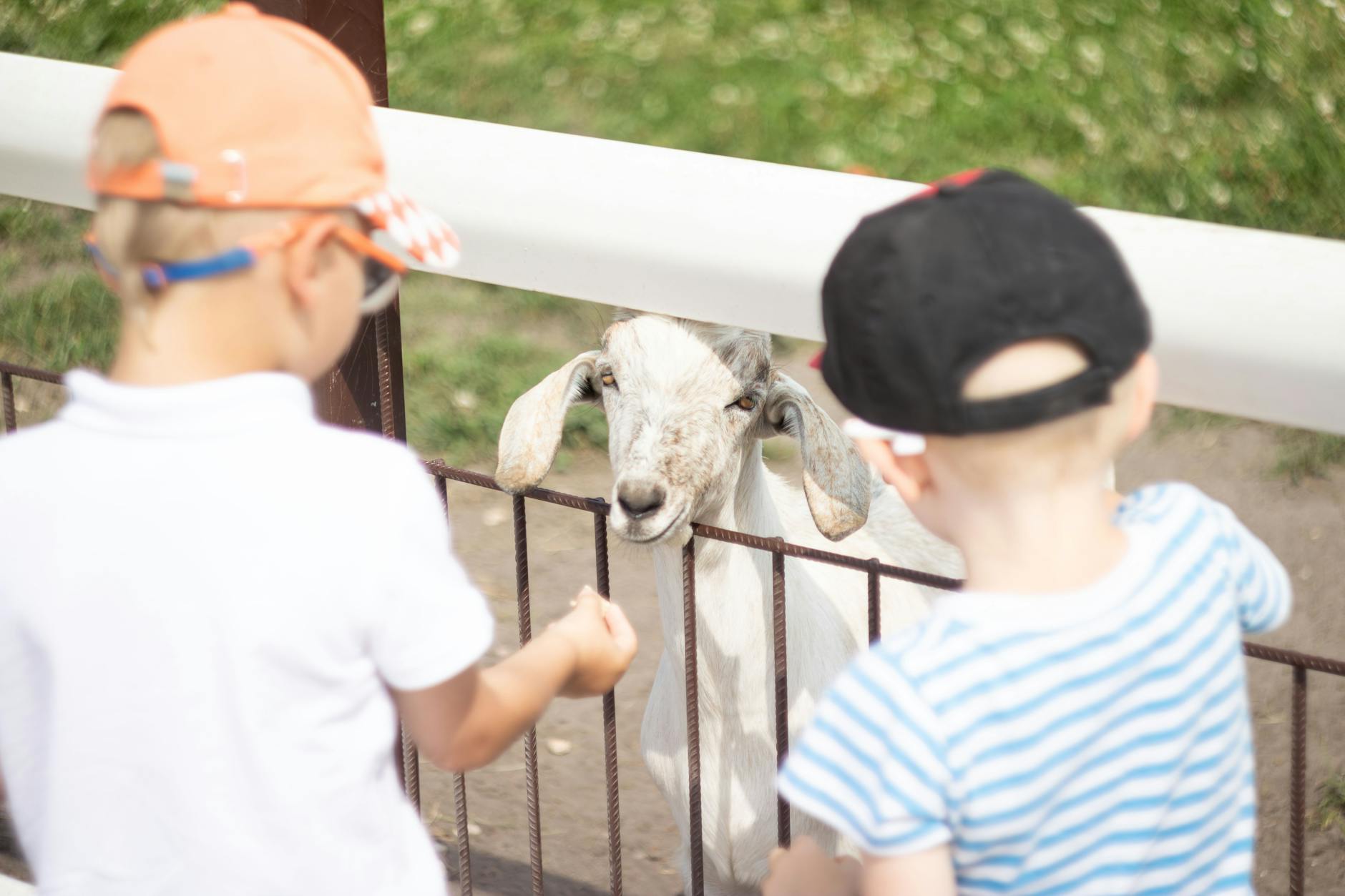
In the central area, the petting farm lets kids feed and pet goats, sheep, ponies, donkeys, and rabbits. Hand sanitizer stations everywhere; supervised but very accessible. Kids easily spend 60–90 minutes here. Free with zoo entry.
Aquarium and Reptile House
The Aquarium-Reptilarium complex (1965) houses freshwater and tropical fish, crocodiles, giant pythons, and the famous Komodo dragons (one of the few outside their native Indonesian range). The walk-through Mississippi-alligator section is a kid favorite.
Wolves, Bears, and European Wildlife
In the wooded area near the south entrance, Hellabrunn has European wolves, brown bears, lynx, and wisent (European bison) — easy to forget how dramatic native European wildlife is. Quieter section; great for late-afternoon visits.
Suggested Routes by Time Available
3-Hour Highlights Tour
- Start at North entrance (Thalkirchen U-Bahn)
- 09:30 — Polar Region (polar bears + seals)
- 10:15 — African Plain
- 11:00 — Elephant Pavilion (catch the 11:00 feeding)
- 11:45 — Asian Forest (tigers, orangutans)
- 12:30 — Lunch at the Tierpark restaurant
- 13:15 — Tropical Hall + flamingos
- 14:00 — Children’s Petting Zoo
- 14:45 — Wolf forest + brown bears
- 15:30 — Exit
Family Full Day (with kids)
Allow 5 hours. Add the playgrounds (multiple throughout the zoo), the free shuttle train (€2 extra; loops the perimeter), and longer time at the petting farm. Pack snacks and a water bottle. Bring strollers — the paths are stroller-friendly. Plan a 60-minute mid-day picnic break.
Food and Drink at the Zoo
- Tierpark-Restaurant — the main sit-down restaurant; mid-priced Bavarian (€11–€18), large outdoor terrace
- Mehlhof — the secondary restaurant, more casual, near the African Plain
- Several kiosks for ice cream, pretzels, currywurst, and drinks (€3–€8)
- Picnic option: bring your own; multiple picnic tables and benches throughout the grounds
- Café Hellabrunn at the entrance for pre/post coffee
Practical Tips
- Allow 4 hours minimum; 5 hours for families with young children
- Best months: April, May, June, September. July–August can be hot (animals less active midday). Winter still works for the indoor exhibits and polar/wolf sections
- Best time of day: animals are most active 09:00–11:00 and 15:00–17:00. Mid-day = lots of napping
- Avoid Saturday afternoons if you don’t like crowds — Sunday morning is calmer
- Buy online to skip the entrance queue on weekends
- Stroller access: excellent; loaner strollers €5
- Wheelchair access: excellent; loaner wheelchairs €5; all paths step-free
- Free WiFi throughout
- Photography: allowed everywhere except some indoor exhibits with flash restrictions
- Pets: dogs are NOT allowed at Hellabrunn; this is one of the few Munich attractions where dogs aren’t permitted
- Combine with Isar walk: the riverside path north toward the city is beautiful; walk back to the U-Bahn at the next stop
Special Programs and Events
- Daily feeding shows: penguins (10:30), seals (11:00 and 14:30), elephants (11:00 and 14:30), tigers (selected days)
- “Zoo at Night” tours: select Friday evenings May–September (€25 supplement)
- Easter and Christmas events: themed weekend programming for kids
- Birthday parties at the zoo can be booked (popular with Munich families)
- Educational programs: school groups; behind-the-scenes tours can be booked online
Conservation and Modern Welfare
Hellabrunn participates in over 50 European Endangered Species Programs (EEP) and runs major breeding-conservation projects for snow leopards, white rhinos, Asian elephants, and the European wisent. Recent enclosure rebuilds — particularly the 2024 elephant pavilion and the 2010 polar enclosure — set high welfare standards. The zoo is officially carbon-neutral as of 2023 and committed to sustainable food in restaurants.
When to Visit: Feeding Times, Keeper Talks and Crowds
A zoo is only as good as your timing, and at Hellabrunn the gap between a sleeping enclosure and a thrilling one is usually a keeper with a bucket. The park runs daily feedings and animal trainings — Tierfütterungen und Tiertrainings — across its headline species, and looping your visit loosely around two or three of them turns an aimless wander into a proper day out. Times shift with the season and the staff rota, so pick up the printed Tagesplan (daily plan) at the Isar or Flamingo entrance, or read the board beside each enclosure as you arrive.
| Keeper talk / feeding | Where to stand | Roughly when |
|---|---|---|
| Sea lion feeding & training | Sea lion pool, near the entrances | Late morning |
| Polar bears | Polar World (Polarwelt) | Around midday |
| Penguins | Polar World (Polarwelt) | Early afternoon |
| Elephants | The historic domed Elephant House | Early afternoon |
| Apes | The ape house | Afternoon |
Season matters as much as the hour. Hellabrunn opens 365 days a year, 9am to 6pm from April to October and 9am to 5pm from November to March, and winter is badly underrated: the polar bears, seals, snow leopards and shaggy Przewalski’s horses are at their liveliest in the cold, the paths are nearly empty, and the indoor houses make warm boltholes between sightings. In summer the trick is to arrive at the 9am opening — you beat both the crowds and the midday animal siesta, when everything sensibly dozes in the shade. Weekends and the Bavarian school holidays are the busiest by far; a weekday morning is the calmest the zoo ever gets. If you’re still choosing dates for the wider trip, our best time to visit Munich guide weighs the seasons against each other.
A Zoo in the Isar Floodplain
Hellabrunn has a setting no other major German zoo can touch: it sits entirely inside the Isarauen, the protected floodplain forest that trails the river south out of the city. The grounds — some 40 hectares — are themselves a designated landscape conservation area, threaded with mature oaks and willows where wild grey herons and cormorants nest in the canopy directly above the paid exhibits. You will routinely watch free-flying wild birds dropping in on the residents below, which is part of the place’s particular charm: the boundary between zoo and riverbank deliberately blurs.
That setting makes the zoo a natural pairing with a walk along the water. The Thalkirchen and Flaucher gravel banks just upstream are where Münchners swim, barbecue and laze through summer weekends, and a pre- or post-zoo stroll along the Isar is one of the city’s great free pleasures — we map it in our guide to Munich’s parks and gardens, and it slots neatly into a day of things to do in Munich away from the old town. Getting there is simple: the U3 to Thalkirchen leaves you a five-minute walk from the Flamingo entrance, and our U-Bahn and S-Bahn guide explains the ticket you’ll need for the ride out and back.
Visiting Hellabrunn With Little Kids
For families with toddlers and preschoolers, Hellabrunn is one of Munich’s most forgiving outings. The Kinderbauernhof (children’s farm) near the old Mühlendorf lets small children meet goats, rabbits and chickens at their own unhurried pace, and a large adventure playground is built into the grounds for the moment the animal-watching attention span finally snaps — escape valves the headline enclosures simply don’t provide. Strollers are a must rather than a maybe: the paths are flat and buggy-friendly, but 40 hectares is a genuine distance and a tired three-year-old will not walk it.
Insider tip: plan the day around the nap, not the map. Arrive at the 9am opening, knock out the must-see animals and one keeper talk before lunch, then let the playground or a snooze in the pram carry the quieter afternoon. The self-service restaurants inside are convenient but priced for a captive audience, so many local parents pack a picnic for the lawns and save the proper sit-down meal for afterwards — our roundup of Munich’s family-friendly restaurants has reliable options back along the line into town. For the bigger picture of a city break with children, lean on our Munich with kids guide and our pick of the city’s best playgrounds and parks for kids.
Frequently Asked Questions
How much is Munich Zoo Hellabrunn in 2026?
€19 adult, €9 child (4–14), free under 4, a large family ticket at €51 (2 adults + own children aged 4–14), €14 reduced (students/seniors). 5% online discount.
How long does it take to visit Munich Zoo?
3 hours minimum for highlights, 4–5 hours for a thorough visit, 5–7 hours for families with young children. The zoo is large and walkable but takes time.
Is Munich Zoo good for kids?
Excellent — particularly ages 3–14. The petting zoo, daily feeding shows, multiple playgrounds, the shuttle train, and the well-laid-out paths all cater to families. See our Munich with kids guide.
How do I get to Munich Zoo from Marienplatz?
U-Bahn U3 from Marienplatz to Thalkirchen takes 12 minutes; the zoo entrance is a 5-minute walk from the station, well-signed.
Are dogs allowed at Munich Zoo?
No — Hellabrunn does not permit dogs (with the exception of registered service animals). One of the few Munich attractions with this restriction.
Is Hellabrunn Zoo accessible?
Yes — fully wheelchair and stroller accessible. Loaner strollers and wheelchairs (€5 each) are available at the entrance. All paths are paved and step-free.
When is the best time to visit Munich Zoo?
April through June and September for comfortable weather and active animals. Weekday mornings are calmest. Avoid July–August midday (heat and crowds).
Hellabrunn’s Conservation Work in Depth
Beyond providing a beloved family attraction, Tierpark Hellabrunn participates in over 50 European Endangered Species Programs (EEP) — coordinated international breeding programs that maintain genetically viable populations of threatened species. Hellabrunn has been particularly successful with several flagship programs. The zoo’s Asian elephant herd has produced multiple successful births since the new pavilion opened in 2024 — significant because Asian elephants are critically endangered in the wild, with only 35,000–40,000 individuals remaining. The polar bear breeding program at Hellabrunn has contributed to maintaining the European captive population while wild polar bear numbers decline from climate change. The white rhino program produces calves nearly every year; the calves are sometimes transferred to other zoos as part of the EEP genetic management. The European bison (Wisent) program at Hellabrunn is part of a broader European-wide effort that has helped reintroduce wisents into wild Polish and Romanian forests; Munich’s contribution genetic stock has provided breeding bulls for these reintroduction projects.
Hellabrunn also runs significant conservation work for less glamorous species. The zoo participates in EEPs for the European green toad, the great bustard (Europe’s heaviest flying bird, now nearly extinct outside reintroduced populations), several species of vultures (Egyptian, bearded, griffon), and the Tegernsee mountain newt — a small amphibian endemic to nearby Bavarian lakes. The zoo’s scientific staff publish in peer-reviewed journals; ongoing PhD research at Hellabrunn focuses on stress hormones in captive elephants, behavioural enrichment for polar bears, and reproductive biology in white rhinos. Visitors can attend free “behind-the-scenes” tours that explain conservation work in real-time — these are advertised in the daily activities schedule and require advance booking on busy days.
Hellabrunn’s Animal Care Practices
Modern zoo welfare standards have evolved dramatically since Hellabrunn’s 1911 founding. The current enclosures are designed using the principles of “Zoo Geozoo” (the concept Hellabrunn pioneered in 1928) and updated for modern welfare science. The elephant pavilion (opened 2024) provides 6,000 square meters of indoor space and similar outdoor area — exceeding all current European zoo welfare minimums by significant margins. The polar bear enclosure was rebuilt in 2010 with a 50-meter swimming pool with underwater viewing windows, mimicking the aquatic dimension of natural polar bear behavior. The Asian Forest section provides multiple species (tigers, gibbons, orangutans, sun bears) with naturalistic environments that include climbing structures, water features, and shade-tree cover. The tropical bird hall maintains tropical humidity year-round; the polar exhibit maintains refrigerated conditions even in summer.
Hellabrunn’s daily care routines include veterinary checks, individualized nutrition plans, social management for highly social species (elephants, dolphins, primates), and enrichment activities. Enrichment — providing animals with stimulating problems to solve — is now considered fundamental to good welfare. At Hellabrunn, elephants get scattered food puzzles requiring extended foraging; tigers receive frozen blood blocks that take time to thaw and lick; primates have rotating tool challenges; even the smaller mammals get scent-based enrichment. Visitors sometimes glimpse enrichment activities during scheduled feeding shows — these are educational moments that demonstrate why the animals appear active and engaged rather than depressed.
Tierpark Hellabrunn’s Cultural Significance
Founded in 1911 by industrialist Carl Sebastian Mayer-Hellabrunn, the Hellabrunn zoo was Munich’s response to the broader European “reform zoo” movement of the early 20th century. The movement rejected the cramped iron-bar cages typical of 19th-century zoos in favor of more naturalistic enclosures. Hellabrunn was among the first European zoos to adopt this approach. The original 1911 design by architect Emanuel von Seidl emphasized garden-style landscaping with discrete animal habitats — the building style was Bavarian “Heimatstil” with stone walls and pitched roofs, blending the zoo into its natural setting. The 1928 reorganization by director Heinz Heck — implementing the world’s first “geo-zoo” concept of organizing animals by continent and habitat — was a fundamental departure that influenced every modern zoo design that followed.
Heck himself is a complicated historical figure. His scientific contributions to zoology were genuine — he led successful breeding programs for endangered European species and pioneered humane animal management. However, he also worked closely with the Nazi regime, particularly on “reconstruction” projects to selectively breed extinct European species (the so-called Heck cattle and Heck horses). His brother Lutz Heck, director of the Berlin Zoo, was directly involved in Nazi-era animal acquisitions from occupied territories. Tierpark Hellabrunn formally acknowledges this history; the zoo’s centennial publication addresses Heinz Heck’s relationship with the Nazi government honestly. Modern Hellabrunn maintains strong scientific and welfare standards while teaching visitors that responsible institutions must reckon with their complex histories.
Plan a Family Munich Trip
This zoo guide is part of our deeper Munich with kids guide. For more family options, see our playgrounds and parks guide and our Deutsches Museum guide (excellent for kids). For broader trip planning, see our things to do guide, where to stay guide, and trip planner.