Au and Isarvorstadt: Munich’s River Districts
Au and Isarvorstadt Munich guide. Gärtnerplatz, Paulaner Nockherberg, Auer Dult fairs, Isar swimming and authentic neighborhood life.

Au Munich district and Isarvorstadt are the city’s river-anchored southern neighborhoods — connected by the Isar, the Auer Dult tradition, the Paulaner brewery, and a creative neighborhood vibe that blends working-class roots with contemporary cafés. The Isarvorstadt (literally ‘Isar Suburb’) sits between Sendling and the Glockenbachviertel, technically merging with the latter as a single nightlife and cultural district. Au lies just across the Isar from Lehel and Haidhausen, retaining a quieter, more residential character. Together they offer some of Munich’s most authentic local experiences. This guide covers both neighborhoods: what to see, where to eat, key squares, the Paulaner Nockherberg, and how they fit into the Munich neighborhood map.
Au and Isarvorstadt at a Glance
| Detail | Information |
|---|---|
| Location | South-central Munich, both sides of the Isar |
| District (Au) | Au-Haidhausen (district 5) |
| District (Isarvorstadt) | Ludwigsvorstadt-Isarvorstadt (district 2) |
| Population (Isarvorstadt) | ~25,000 |
| Population (Au) | ~17,000 |
| U-Bahn stops | Fraunhoferstraße, Müllerstraße, Kolumbusplatz, Mariahilfplatz, Frauenhoferplatz |
| Major squares | Gärtnerplatz, Mariahilfplatz, Sendlinger Tor |
| Notable beer | Paulaner Nockherberg (the original Paulaner brewery) |
| Major festival | Auer Dult (3x per year) |
| Best for | Local feel, the Isar river, neighborhood walking, craft beer |
Gärtnerplatz: The Social Heart
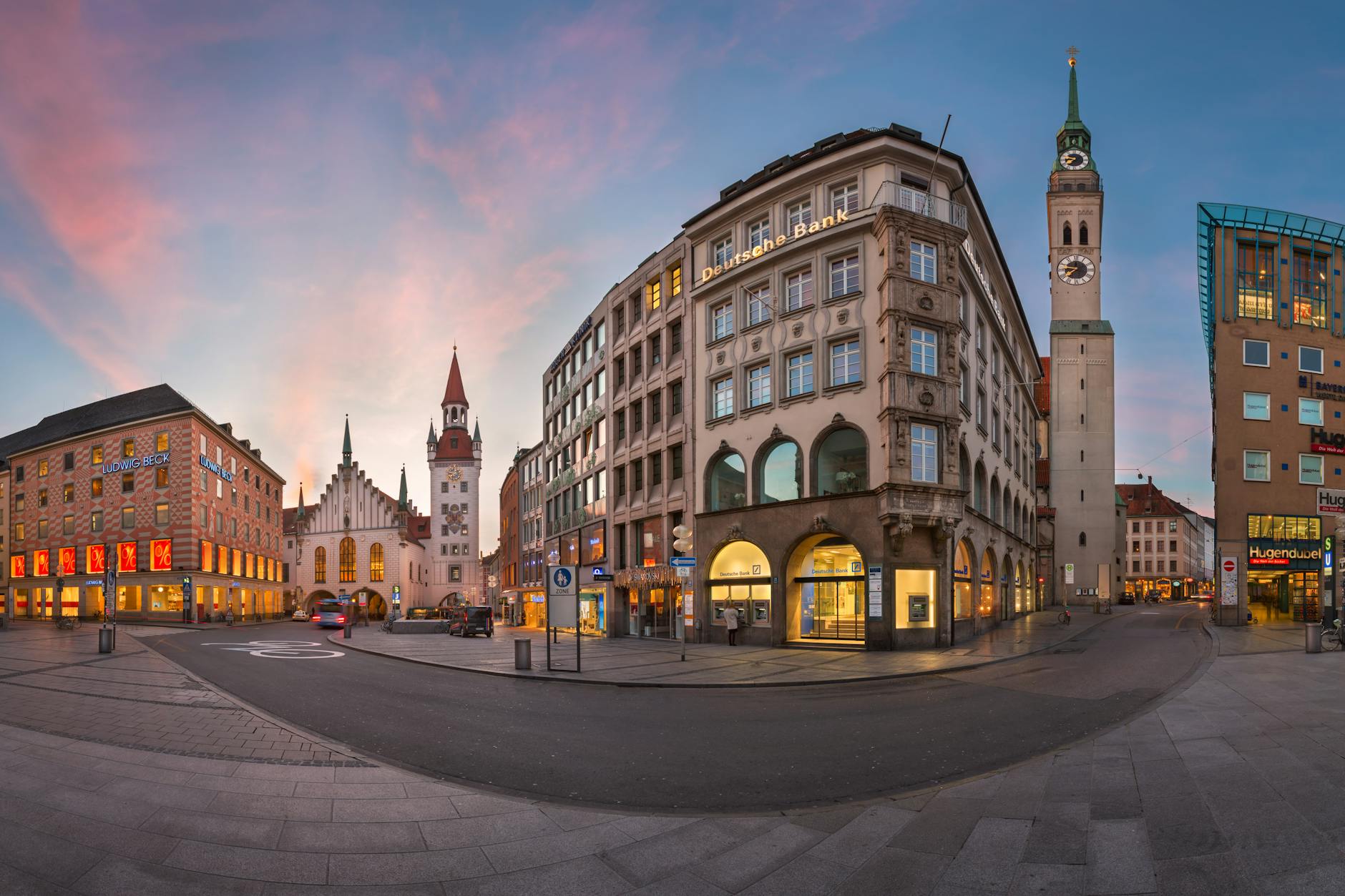
The circular plaza of Gärtnerplatz sits at the junction of Isarvorstadt and the Glockenbachviertel. Surrounded by 19th-century apartment buildings, cafés, the historic Gärtnerplatztheater, and small shops. Summer evenings see hundreds gather on the lawn to picnic and people-watch. The Gärtnerplatztheater (founded 1865) is one of Munich’s three major opera/theater houses, hosting operetta, musical, and contemporary musical theater. Free to wander; theater tickets €20-€80.
The Auer Dult Tradition
Three times a year — late April, late July, and mid-October — the Auer Mariahilfplatz hosts the Auer Dult, one of Munich’s oldest traditional fairs. The 9-day Volksfest features traditional rides, beer tents, market stalls (the famous ‘Häferlmarkt’ selling ceramics, kitchen goods, and household items), and a strong family-friendly atmosphere. Free to enter. Each Dult has its own character:
- Auer Maidult (late April-early May) — Opens the year’s outdoor season.
- Auer Jakobidult (late July) — Summer mid-festival.
- Auer Kirchweihdult (mid-October) — Most traditional; closes the year.
Paulaner Brewery (Nockherberg)
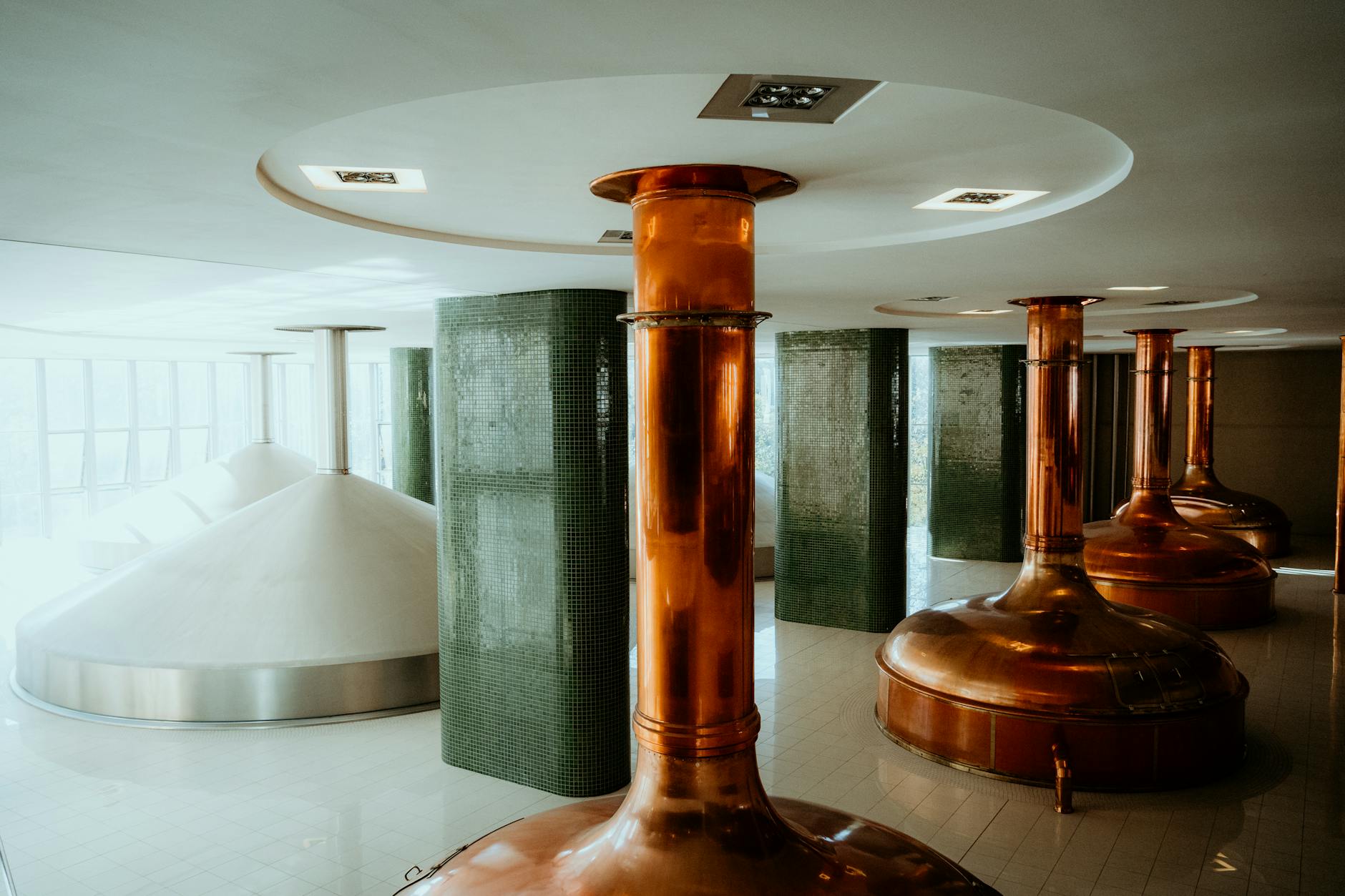
Paulaner’s original brewery sits on the Nockherberg hill in Au, founded 1634 by Paulaner monks. The brewery hosts the famous Starkbierzeit (strong-beer season) each spring: from Ash Wednesday through early April, Paulaner serves their famous Salvator doppelbock (8% ABV) with the annual Derblecken — a political satire event where Bavarian politicians are publicly roasted in front of 4,000 spectators. The Paulaner Nockherberg beer hall and beer garden seat 1,500 and 1,500 respectively. Maß prices €5.50-€6.50.
Au and Isarvorstadt Highlights
Mariahilfplatz
The square hosts the Auer Dult three times a year. Maria Hilf church (1844, neo-Gothic) anchors the square architecturally. Smaller weekly markets on quieter weeks. Surrounded by traditional Bavarian apartment buildings; one of Au’s most photogenic squares.
Wirtshaus in der Au
A 1901 corner Wirtshaus on Lilienstraße famous specifically for dumplings (Knödel) in every imaginable variety — semolina, bread, bacon, spinach, plum. Reservations recommended for dinner. Excellent for non-touristy traditional Bavarian dining. €18-€28 mains.
Müllersches Volksbad
Munich’s most beautiful indoor pool — 1901 art-nouveau swimming hall on Rosenheimer Platz. Marble columns, painted ceilings, Roman-style steam bath. €5.20 adult entry. The lobby alone is worth admiring even without swimming.
Isar River Beach (Flaucher)
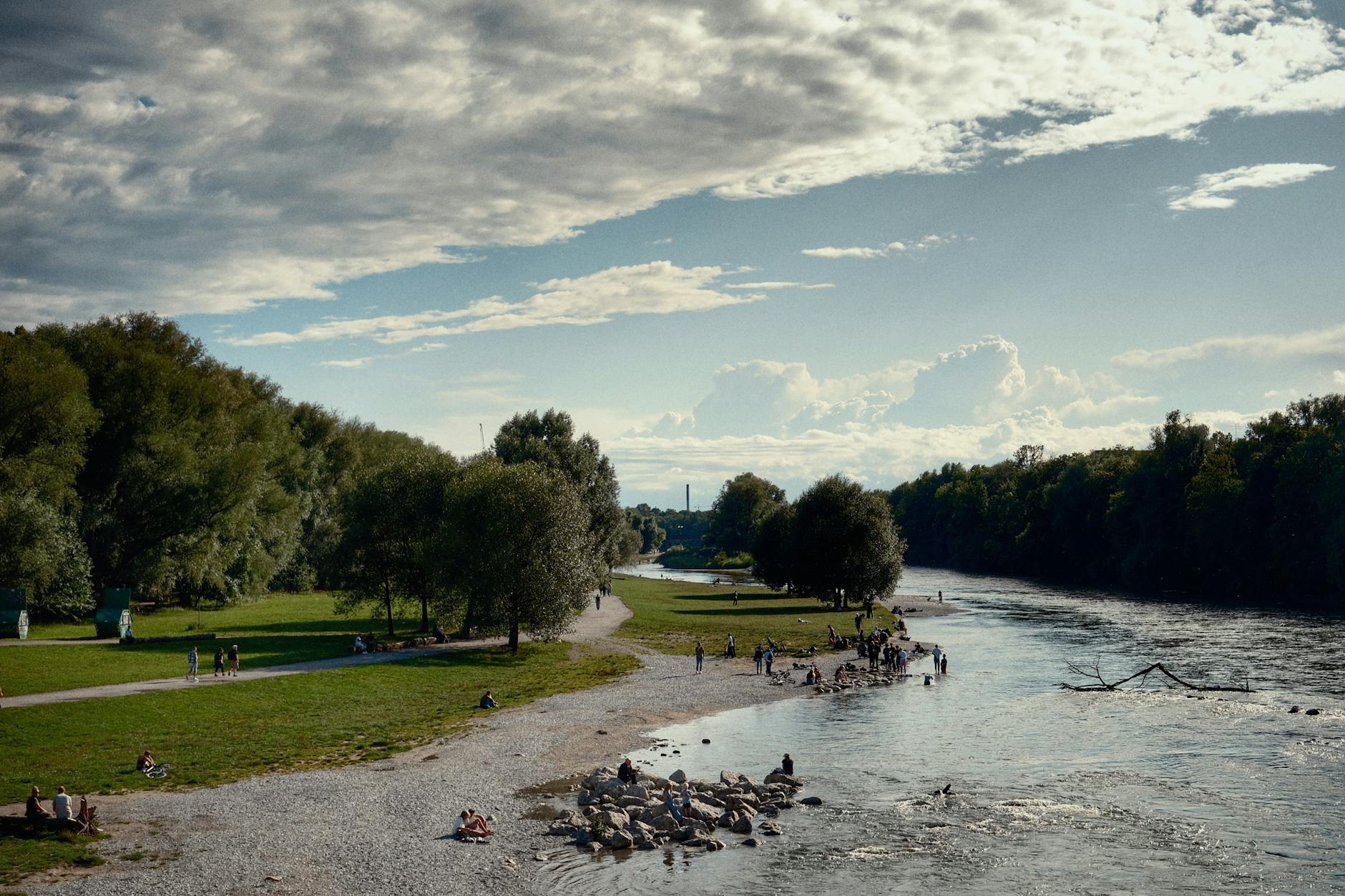
Flaucher’s gravel beaches and shallow river channels are Munich’s urban swimming spot. The famous Augustiner Flaucher beer garden (2,000 seats under chestnut trees) sits on the Isar bank — the iconic Munich beer-garden experience. Walking distance from U-Bahn Brudermühlstraße. Free; beer-garden meals €8-€20.
Tilmans Brauerei (Sendling Border)
Munich’s most respected craft brewery operates a small taproom. Wild-fermented lagers, Belgian-inspired ales, occasional barrel-aged specials. Closed Sunday; open until 22:00 weekdays. The serious craft-beer destination in the area.
Gärtnerplatztheater
Founded 1865 as Munich’s ‘people’s opera’. Today programmes operetta, musical, and contemporary musical theater. Tickets €20-€80. The theater itself is a charming small house seating 879. Worth attending as a contrast to the grand Bavarian State Opera.
Au and Isarvorstadt Food and Drink
- Augustiner Flaucher — Iconic riverside beer garden with chestnut shade.
- Wirtshaus in der Au — Dumpling specialist; Au tradition.
- Goldene Bar (Haus der Kunst) — Across the river but reachable; elegant cocktails.
- Paulaner Nockherberg — Iconic brewery beer hall.
- Café in der Aubinger Straße — Casual Au neighborhood café.
- Frischhut bakery branch — Bavarian doughnuts and pastries.
- Gärtnerplatz cafés and bars — Trendy crossing point with Glockenbach.
- Schäfflerei Giesinger Bräu — Award-winning craft brewery taproom.
- Tilmans Bräu Taproom — Munich’s most adventurous beer.
- Mariahilfplatz Sunday cafés — Quiet local breakfast spots.
Sample Au-Isarvorstadt Day
- 10:00 — Coffee at a Gärtnerplatz café; morning crowd-watching.
- 11:00 — Walk to Mariahilfplatz; explore the square.
- 11:30 — Walk along the Isar to the Müllersches Volksbad.
- 12:00 — Lunch at Wirtshaus in der Au (dumpling-focused).
- 13:30 — Walk south along the Isar river path to the Flaucher beach.
- 14:30 — Swim at the Flaucher; or beer at the Augustiner Flaucher beer garden.
- 16:30 — Walk back toward central Munich.
- 17:30 — Aperitivo at Bar Centrale or Glockenbach café.
- 19:00 — Dinner at Paulaner Nockherberg.
- 21:00 — Drinks at Tilmans Bräu Taproom or Gärtnerplatz bar.
Where to Stay in Au or Isarvorstadt
- Hotel Mariandl — Charming pension on Goethestraße. Doubles from €110.
- Hotel Schwaige — Family-run hotel near Goetheplatz. Doubles €100-€140.
- Hotel Pacific — Reliable 3-star south of Hauptbahnhof. Doubles €95-€145.
- Hotel Asam — Boutique near Sendlinger Tor. Doubles €130-€190.
- Cocoon Stachus — Design-led 3-star at Karlsplatz. Doubles €120-€170.
- Self-catering apartments on Müllerstraße, Holzstraße, and Sebastiansplatz. €100-€160 per night.
- The Tent Munich (summer only) — Budget tent accommodation near Nymphenburg; just across town.
Au and Isarvorstadt Compared to Other Munich Neighborhoods
- vs Glockenbachviertel: Isarvorstadt blends into Glockenbach; technically one combined nightlife district. Glockenbach feels more LGBTQ+-coded; Isarvorstadt more residential.
- vs Haidhausen: Haidhausen across the Isar has its own charm — French Quarter, Wiener Platz. Au is the quieter twin.
- vs Sendling: Sendling extends further south and west; Au-Isarvorstadt is more central.
- vs Schwabing: Schwabing has student energy; Au-Isarvorstadt has neighborhood quiet.
- vs Altstadt: Altstadt has tourist polish; Au-Isarvorstadt is local.
History of Au and Isarvorstadt
Both neighborhoods originated as agricultural and crafts villages outside medieval Munich’s walls. Au was originally a fishing and ferrying community on the Isar’s east bank; Isarvorstadt grew as a working-class district as Munich expanded south in the 19th century. Industrialization brought the Paulaner brewery (relocated 1799 to the Nockherberg hill), the Frischhut bakery tradition, and waves of skilled craftsmen. The 20th century saw both neighborhoods integrated into central Munich’s tram and U-Bahn networks. The Auer Dult fair tradition dates to 1310; the Paulaner Starkbierzeit dates to 1751.
The Auer Dult in Detail
Three times annually, the Mariahilfplatz transforms into a 9-day Volksfest. Each Dult has slightly different character but shares the core elements: traditional carnival rides, fair-style food (Lebkuchen hearts, sausage stands, Bratwurst, candy floss), the famous Häferlmarkt (ceramics, glass, kitchen goods, household items at fair prices), beer tents, brass-band music, and a celebratory neighborhood atmosphere. The Dult is genuinely local — Munich families plan around it. Free to enter; food and rides priced individually.
| Dult Edition | Approximate Dates | Character |
|---|---|---|
| Maidult | Last 9 days of April | Opens outdoor season; popular with locals |
| Jakobidult | Last week July to first days August | Mid-summer; coincides with summer holidays |
| Kirchweihdult | Mid-October weekends | Traditional Bavarian church-festival roots; quietest |
Starkbierzeit at Paulaner Nockherberg
From Ash Wednesday through early April, Paulaner runs the famous strong-beer season at the Nockherberg. The peak event is the Salvator launch (Salvator-Anstich) on the second Sunday before Easter, also known as the Derblecken — political satire performances where Bavarian politicians are publicly roasted. Tickets to the Derblecken are scarce and expensive; the broader Starkbierzeit beer-hall evenings are accessible. Salvator beer (8% ABV) is much stronger than regular Bavarian Helles; pace yourself. Maß prices €6-€7.
Lesser-Known Au and Isarvorstadt Spots
- Maria Hilf Church — 1844 neo-Gothic church anchoring Mariahilfplatz.
- Mariahilfkirche Belltower Climb — Limited public access; check schedule.
- Müllersches Volksbad lobby — Free to admire the art-nouveau interior without swimming.
- Gartnerplatztheater interior — Small charming opera house; €20-€80 to attend a performance.
- Maximilianeum and Maximilians-Anlagen Park — Bavarian parliament building with surrounding park; visit by guided tour.
- Alter Südfriedhof cemetery — One of Munich’s most atmospheric old cemeteries; free to walk.
- Frischhut’s Auszogne — The famous Bavarian doughnut shop has been on Prälat-Zistl-Straße since 1840.
- Anglo-American library at the Amerika-Haus — Free public reading room with English-language books and magazines.
- Pasinger Fabrik (a tram ride away) — Off-mainstream theater venue.
Au-Isarvorstadt Through the Seasons
Spring (April-May)
Auer Maidult opens the outdoor season in late April. Starkbierzeit at the Paulaner Nockherberg finishes early April. Beer gardens reopen. The Isar river warming up; swimming begins in May. Cherry blossoms in residential gardens.
Summer (June-August)
Peak season. Flaucher beach packed with locals. Augustiner Flaucher beer garden at full capacity. Long daylight makes evening walks pleasant. Auer Jakobidult in late July. The Isar river path crowded with cyclists and walkers.
Autumn (September-October)
Oktoberfest brings tourists but Au-Isarvorstadt remains relatively quiet — many locals avoid the Wiesn crush. Auer Kirchweihdult in mid-October. Golden autumn colors along the Isar. Comfortable temperatures for walking.
Winter (November-March)
Quieter season. Indoor culture dominates — Müllersches Volksbad swimming, Gärtnerplatztheater performances, Paulaner Nockherberg evenings. Small Christmas markets at Mariahilfplatz and Sebastiansplatz. Starkbierzeit returns Ash Wednesday.
Sample 2-Day Itinerary
Day 1: Isarvorstadt and Gärtnerplatz
- Morning: Coffee at Gärtnerplatz café.
- Late morning: Walk to Sendlinger Tor; Asamkirche visit.
- Lunch: Wirtshaus in der Au (dumpling-focused).
- Afternoon: Mariahilfplatz and Auer Dult if in season.
- Late afternoon: Müllersches Volksbad swim.
- Evening: Dinner at Paulaner Nockherberg.
- Late evening: Drinks in Glockenbachviertel.
Day 2: Flaucher and the Isar
- Morning: Walk along the Isar river south.
- Mid-morning: Tilmans Bräu Taproom (closes Sunday).
- Lunch: Picnic at Flaucher beach.
- Afternoon: Swimming at Flaucher; Augustiner Flaucher beer garden.
- Late afternoon: Walk back via Hellabrunn Zoo.
- Evening: Dinner at central Munich restaurant.
- Night: Concert at Gärtnerplatztheater.
Au and Isarvorstadt Local Tips
- Locals shop at Mariahilfplatz market on quieter weeks.
- Flaucher beach is busiest on hot Saturday afternoons; visit weekday mornings for fewer crowds.
- Tilmans Bräu Taproom closes Sunday — plan craft beer for other days.
- The Paulaner Nockherberg requires reservations during Starkbierzeit and Oktoberfest weekends.
- Müllersches Volksbad is busiest 16:00-19:00 weekdays; mornings are quietest.
- Walking from Marienplatz to Gärtnerplatz takes 8 minutes — easy day-trip starting point.
- The Auer Dult food is genuinely traditional; try the smoked sausage stand or the Lebkuchenherzen.
- Many cafés around Gärtnerplatz have free WiFi for laptop work.
- Free fountain water at Mariahilfplatz and along the Isar path.
- Watch for cyclists along the Isar path; bell-ringing and bike etiquette apply.
Architecture Walk in Au and Isarvorstadt
A 90-minute self-guided walk from Sendlinger Tor through Au and Isarvorstadt:
- Sendlinger Tor — 14th-century medieval city gate.
- Asamkirche — Spectacular baroque chapel on Sendlinger Straße.
- Walk south on Sebastian-Straße.
- Gärtnerplatz — Circular plaza with the historic Gärtnerplatztheater.
- Continue south through Reichenbachstraße to the Isar.
- Maximilians-Bridge over the Isar — Cross to Au; admire the Maximilianeum (Bavarian parliament).
- Walk south on the Isar east bank.
- Mariahilfplatz with Maria Hilf church.
- Walk to Paulaner Nockherberg via Lilienstraße and Auerstraße.
- End at Paulaner Nockherberg beer garden for refreshment.
Cycling Au and Isarvorstadt
Both neighborhoods are excellent for cycling, with the Isar river path providing the main cycling artery. MVG Rad and Lime bikes are widely available; rentals run €1 to €15 per day. Suggested cycle routes:
- The Isar cycle path north-south — From the Deutsches Museum south past Flaucher and the Tierpark to Grünwald (15 km). Flat, scenic, family-friendly.
- The Mariahilfplatz to Gärtnerplatz loop — 3 km neighborhood loop covering both squares.
- The Paulaner Nockherberg to Flaucher loop — 4 km via the Isar river path.
- Connect to Westpark via the Sendlinger Straße to Westpark route — 6 km.
- To the BMW Welt and Olympic Park via Schwabing — 9 km cross-Munich ride.
Au-Isarvorstadt Sights Beyond the Famous Ones
- Maximilianeum — Bavarian parliament; guided tours available with advance booking.
- Alter Südfriedhof — Munich’s most atmospheric old cemetery; free.
- Friedensengel (Angel of Peace) — Gilded statue on a hill above the Isar; sweeping views.
- Kammerspiele Maximilianstraße — Munich’s prestigious theater is just across the river.
- Müllersches Volksbad lobby — Free access to admire art-nouveau interior.
- Gärtnerplatztheater — Munich’s operetta house with €20-€80 tickets.
- Frauenkirche tower view — Across the river but reachable; €5.
- Weather House (Wetterhäuschen) at Mariahilfplatz — Charming small weather instrument in the square.
- Holzkirchner Bahnhof — Historic small train station; architectural curiosity.
- Sebastian Square — Small quieter plaza with seasonal flower stalls.
Frequently Asked Questions
Is Au-Isarvorstadt worth visiting if I have only 3 days?
Mostly skip. The Altstadt, Maxvorstadt, English Garden, and a beer hall already fill 3 days. For 4+ day visits or repeat travelers, Au-Isarvorstadt rewards exploration with a calmer, more local feel.
Are there family-friendly activities?
Yes. The Auer Dult fair (3 times per year) is the most family-friendly event in the area. Flaucher swimming for confident swimmers. The Müllersches Volksbad has a small pool suitable for kids. Several playgrounds at Mariahilfplatz and along the Isar.
Is the Isar safe for swimming?
In the shallow side-channels at Flaucher yes; in the main current no. The Isar’s main flow can be strong and cold even in summer. Stick to the small protected pools and supervise constantly. No lifeguards.
What’s the difference between Au and Isarvorstadt?
Au sits east of the Isar (between the river and Haidhausen). Isarvorstadt sits west of the Isar (between Sendling and the old town). Both share Bavarian neighborhood character; Au is quieter and more residential, Isarvorstadt more lively and connected to the Glockenbachviertel nightlife.
How safe is the area?
Very safe. Au and Isarvorstadt are among Munich’s safer neighborhoods. The Glockenbachviertel adjacent is also safe with active nightlife. The areas around Goetheplatz and Goethestraße at night attract a slightly grittier crowd but remain manageable. Standard urban awareness applies.
Is Au good for families?
Excellent. The Auer Dult fair brings traditional family programming. Flaucher swimming for confident swimmers. The Müllersches Volksbad pool. Wirtshaus in der Au accepts families. Many playgrounds along the Isar river path. Quieter residential streets ideal for stroller walks.
Can I cycle here?
Excellent cycling. The Isar river cycle path runs through both neighborhoods. MVG Rad and Lime bikes are widely available. Most streets are bike-friendly with dedicated lanes. Cycling from Marienplatz to Flaucher takes about 25 minutes.
Is Au-Isarvorstadt a good base hotel area?
Yes for second-time Munich visitors or families. Quieter and cheaper than the Altstadt; central enough to reach Marienplatz in 10-15 minutes. The Isar river adds a natural feel that the touristy old town lacks.
Is the Auer Dult worth scheduling around?
Yes if Bavarian culture interests you. The Dult is genuinely traditional, much less commercialized than Oktoberfest, and free to enter. Worth combining with a broader Munich visit during one of the three Dult periods.
Are there guided tours of the Paulaner Nockherberg?
Yes. The Paulaner Brewery offers brewery tours (€20 adult; 2 hours; includes tasting). Available Tuesday-Friday afternoons; book ahead. Special Starkbierzeit tours in March feature the doppelbock launch event.
Are there guided walking tours of Au or Isarvorstadt?
Limited. Sandeman’s New Munich occasional includes parts of Isarvorstadt in their walks. Munich Greeter volunteer-led walks sometimes cover these neighborhoods. Local guides offer customized neighborhood walks for €40-€80 per group.
Is the Glockenbachviertel really a separate neighborhood?
Technically yes but practically merged with Isarvorstadt. Glockenbachviertel sits between Sendlinger Tor and the Isar, broadly overlapping with northern Isarvorstadt. Locals use ‘Glockenbach’ for the Müllerstraße-Reichenbachstraße nightlife district and ‘Isarvorstadt’ for the broader official administrative area.
Is there a Sunday brunch tradition?
Yes. Gärtnerplatz and surrounding Glockenbachviertel cafés excel at Sunday brunch. Many cafés open 09:00 to 14:00 Sundays with substantial brunch menus. Stories, Café Klatsch, Café Cortado, and several Glockenbach spots run famous Sunday brunches. €15-€25 per person.
Are there any LGBTQ+ specific venues in Au-Isarvorstadt?
The Glockenbachviertel (which merges with Isarvorstadt) is Munich’s gay village. Café Klatsch, Bei Joanna, NY.Club, Prosecco, and several other LGBTQ+ venues sit within the broader Isarvorstadt-Glockenbach area. Sub München community centre is also nearby.
Final advice for Au-Isarvorstadt visitors?
Don’t expect to do Au-Isarvorstadt in a rush. The neighborhoods reward slow walking — the Isar river path, the small squares, the unhurried cafés. Plan a full half-day if you want to combine the major landmarks (Mariahilfplatz, Paulaner Nockherberg, Müllersches Volksbad, Flaucher) with proper time at each. Some of Munich’s most memorable local moments happen here — particularly during the Auer Dult fairs.
How does the area compare on price?
Roughly 15-25 percent cheaper than the central Altstadt for hotels, restaurants, and bars. The Augustiner Flaucher Maß is several euros below the Hofbräuhaus. Hotels in the area average €100-€150 per night versus €160-€250 in the old town. Excellent value for budget-conscious visitors.
Are there any festivals beyond the Auer Dult?
Yes. Starkbierzeit at the Paulaner Nockherberg runs Ash Wednesday through early April. The Sendlinger-Tor-Lauf running event in autumn. The Glockenbach Pride Week (June) overlaps. Pink Christmas Market in early December. Local neighborhood Christmas markets at Mariahilfplatz and Sebastiansplatz.
What’s the easiest way to reach Au-Isarvorstadt?
From Marienplatz, walk south through Sendlinger Tor — 10 minutes to Gärtnerplatz, 15 minutes to Mariahilfplatz. U-Bahn options: Sendlinger Tor (U1, U2, U3, U6), Fraunhoferstraße (U1, U2), Müllerstraße (tram), Mariahilfplatz via tram 16. The neighborhood is flat and walkable.
Are there any ‘must-do’ Au-Isarvorstadt experiences?
Three stand out: a Maß at the Augustiner Flaucher beer garden on a warm afternoon, a Knödel dinner at Wirtshaus in der Au, and the Auer Dult fair on Mariahilfplatz during one of its three annual editions. Each delivers a uniquely local Bavarian experience that polished central tourism cannot replicate.
Is the neighborhood worth a return visit?
For repeat Munich travelers, absolutely. Each Auer Dult brings new programming; Paulaner Starkbierzeit reinvents itself yearly; the Flaucher in different seasons changes character entirely. Many Münchners and returning visitors describe Au-Isarvorstadt as the neighborhood they grew to love.