Glockenbachviertel: Trendiest Neighborhood
Complete 2026 guide to Glockenbachviertel — Munich's trendiest neighborhood and LGBTQ+ welcoming creative quarter. Things to see, where to eat, drink and stay, walking tour & history.

Southwest of the Altstadt, just below Sendlinger Tor, the Glockenbachviertel is the trendiest neighborhood in central Munich — and the city’s nightlife and creative epicenter. Once a working-class red-light district at the turn of the 20th century, it has reinvented itself as Munich’s go-to neighborhood for independent restaurants, cocktail bars, speakeasies, vintage shops, art galleries, and design studios. It’s also Munich’s primary LGBTQ+ welcoming neighborhood. This complete Glockenbachviertel Munich guide for 2026 covers the neighborhood’s history, what to see, where to eat, drink, and party, and how to use it as a base or sightseeing target.
Glockenbachviertel at a Glance
| Detail | Information |
|---|---|
| Population | ~22,000 residents |
| Borough | Officially part of Ludwigsvorstadt-Isarvorstadt (Bezirk 2) |
| Vibe | Trendy, creative, lively, LGBTQ+ friendly |
| Best for | Nightlife, dining, café-culture, design shopping |
| Hotel range | €€–€€€ (limited compared to Altstadt) |
| Walk to Marienplatz | 12 minutes |
| Closest U-Bahn hubs | Sendlinger Tor, Fraunhoferstraße, Müllerstraße |
| Adjacent neighborhoods | Altstadt north, Isarvorstadt east, Schlachthofviertel south |
A Brief History
The Glockenbachviertel takes its name from the Glockenbach, a small stream (“Bell Brook”) that used to run through here before being channeled underground in the 19th century. Industrial in the 1800s, the area became a working-class red-light district by 1900 — and old Münchners still remember the “Deutsche Eiche” pub on Reichenbachstraße as a notorious dive bar that doubled as Gärtnerplatztheater canteen. The neighborhood’s gentrification began in the 1970s with the arrival of artists and the LGBTQ+ community, accelerated in the 1990s, and by the 2010s the Glockenbachviertel had become Munich’s most fashionable residential area for 25–40-year-olds.
What to See in Glockenbachviertel
1. Gärtnerplatz and the Gärtnerplatztheater
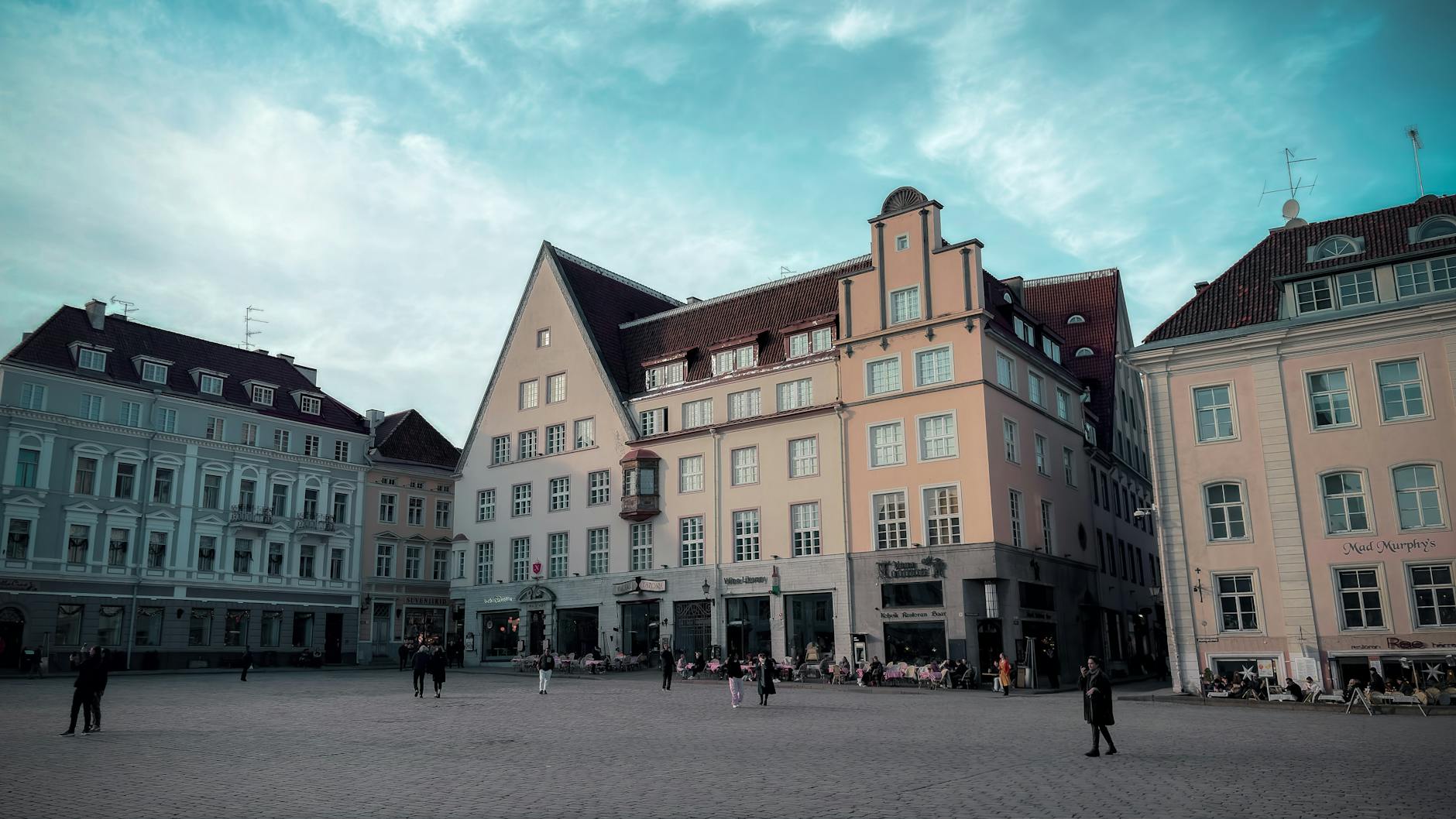
The circular Gärtnerplatz with its surrounding 19th-century Italianate facades is the social heart of the neighborhood. The Staatstheater am Gärtnerplatz (1865) — Munich’s second state opera house after the Bavarian State Opera — sits at its north side. Tickets €10–€80 for opera, operetta, and modern musical theater. The terraced cafés around the square are perfect for people-watching.
2. Reichenbachstraße
The neighborhood’s spine — a 700-meter east-west street lined with independent restaurants, vintage shops, design boutiques, cocktail bars, and galleries. Walk it slowly. Detour into side streets like Hans-Sachs-Straße and Müllerstraße for the densest LGBTQ+ scene and the best speakeasies.
3. Asamkirche
On Sendlinger Straße at the northern edge of the neighborhood, the Asamkirche (1733–1746) is the most concentrated Rococo interior in the world — just 22 meters long, completely free, and unforgettable. Step in for 10 minutes. See our things to do guide.
4. Deutsches Theater and Müllersches Volksbad
On the Isar river side, the Deutsches Theater on Schwanthaler Straße is Munich’s biggest commercial theater (musicals, big touring shows). Across the river bridge, the Müllersches Volksbad (1901) is one of the most beautiful Art Nouveau swimming pools in Europe — still operating; €5.80 for a swim. Worth visiting just to see the marble swim hall.
5. The Glockenbach Pride Scene

The neighborhood is Munich’s main LGBTQ+ district. Müllerstraße, Hans-Sachs-Straße, and the surrounding area host the city’s most welcoming bars and clubs. Munich Pride (CSD) in mid-July annually concentrates here with the main parade route. Pink Christmas Market in November/December — a queer Christmas market — is on Stephansplatz.
6. Westend Galerie / Art Galleries
Glockenbachviertel has Munich’s highest concentration of small contemporary art galleries — particularly along Müllerstraße, Reichenbachstraße, and Buttermelcherstraße. First Thursday evenings (“Galerie Hopping”) feature free openings with wine.
Where to Eat in Glockenbachviertel
Fine Dining (1+ Michelin Stars)
- Pageou (Michelin Plate) — modern Mediterranean by chef Ali Güngörmüş; menus about €109–€139; book 4 weeks ahead
- Mural by Mario Lohninger — modern fine dining
- Showroom — refined modern German with Michelin recognition; €80–€130
Mid-Range Restaurants
- Holy Home — vermouth-amaro bar with excellent small plates; €18–€35
- Forum Schau Schau — modern German bistro; €25–€45
- Mr. Pickle’s — Indian street food; thali €11–€14
- Habibi — Lebanese mezze and shawarma; €8–€14
- Mai Mai — Vietnamese contemporary; €12–€18
- Forno — pizza al taglio (by the slice); €3–€6
- 360° Pizza — €8–€12 whole pizzas
Cafés
- Café Münchner Stub’n — Bavarian café-restaurant
- Café Schwabinger 7 — third-wave coffee
- Bar Centrale (technically Altstadt edge) — Italian aperitivo classic
- Aroma Kaffeebar — Munich’s best independent coffee
- Café Vorhoelzer Forum — quiet, design-conscious
- Café Cord — design-savvy lunch spot
Where to Drink in Glockenbachviertel
Glockenbach is Munich’s bar capital — see our best bars guide:
Cocktail Bars
- Goldene Gans — Munich’s premier speakeasy; unmarked door; book ahead
- Zephyr Bar — artistic speakeasy with story-driven cocktails
- Zum Wolf — bourbon-and-Southern-American-themed
- Bar Sweet Pussycat — vinyl listening bar with highballs
- Pacific Times — modern cocktails with tiki riffs
- Holy Home — vermouth and amaro specialists (also a restaurant)
Wine and Natural Wine
- Pardi — Munich’s leading natural wine bar; Pet-Nat sparklings, biodynamic reds; small plates
- Schwabinger Wein — bistro wine bar
- Holy Home — excellent natural wine list alongside vermouth
Beer Halls and Casual Drinking
- Augustiner-Großgaststätte (technically just over in Altstadt) — Munich’s locals’ favorite beer hall
- Schneider Bräuhaus (Tal, north of Glockenbach) — classic Bavarian
- Various neighborhood pubs — Reichenbachstraße has half a dozen casual ones
LGBTQ+ Welcoming Venues
- NY Club (technically Hauptbahnhof side but Glockenbach-adjacent) — house and electro club
- Heart Club — mainstream hip-hop and R&B
- Mr. & Mrs. White (Schwabing) — cocktail bar with dance floor
- Pink Christmas Market (November–December) — queer Christmas market
- Bar Centrale and a dozen LGBTQ+ welcoming smaller cocktail bars throughout
For natural wine and independent brewing specifically, see Munich wine bars and craft beer spots.
Where to Stay in Glockenbachviertel
Glockenbachviertel has fewer big-name hotels than Altstadt, but is excellent for boutique and apartment stays:
- The Flushing Meadows — small design hotel with famous rooftop bar; €180–€280
- Hotel Cocoon Sendlinger Tor — quirky design budget; €85–€130
- Aparthotel Adagio Munich City — kitchenette suites; €100–€155
- Various boutique apartments on Reichenbachstraße and Hans-Sachs-Straße
- See our neighborhoods guide and where to stay guide for alternatives
Suggested Half-Day Glockenbach Walking Tour
- 10:00 — Start at Sendlinger Tor U-Bahn
- 10:15 — Walk south on Sendlinger Straße; visit the Asamkirche (free)
- 10:45 — Continue south on Reichenbachstraße; coffee at Aroma Kaffeebar
- 11:30 — Detour to Gärtnerplatz; admire the circular square
- 12:00 — Lunch at Mr. Pickle’s or Forum Schau Schau
- 13:30 — Walk Hans-Sachs-Straße + Müllerstraße for the LGBTQ+ heart of the area
- 14:30 — Browse vintage shops on Reichenbachstraße
- 16:00 — Aperitivo at Bar Centrale or Pardi
- 17:30 — Optional: catch a show at the Gärtnerplatztheater
Suggested Glockenbach Night Out
- 19:00 — Pre-dinner aperitivo at Bar Centrale or Holy Home
- 20:00 — Dinner at Pageou or Showroom
- 22:00 — Speakeasy: Goldene Gans (book ahead) or Zephyr Bar
- 00:00 — Late-night listening at Bar Sweet Pussycat or dancing at NY Club
Practical Tips
- Most central access: U-Bahn Sendlinger Tor (U1/U2/U3/U6) or Müllerstraße (U1/U2)
- Walking time to Marienplatz: 10–15 minutes
- Best months: May–September for outdoor café culture and Gärtnerplatz crowds
- Safety: very safe day and night; one of Munich’s safest residential areas
- Public WCs: Sendlinger Tor U-Bahn; restaurant patrons elsewhere
- Pickpockets: low risk; the bars get busy on weekend evenings but the scene is well-policed
- Glockenbach is gentrifying further: prices for rent and food are now among Munich’s highest. Plan for similar costs to Altstadt
Glockenbachviertel vs. Other Munich Districts
| District | Style | Best For |
|---|---|---|
| Altstadt | Tourist-heavy historic | Sightseeing, first trip |
| Glockenbachviertel | Trendy, creative, LGBTQ+ | Nightlife, dining, returning visitor |
| Schwabing | Bohemian, leafy, upmarket | Café culture, English Garden access |
| Haidhausen | Quaint residential | Quiet, French-Quarter charm |
| Maxvorstadt | University, museums | Art-focused, students |
| Lehel | Refined residential | Quiet, exclusive |
Cross south and the mood shifts again. Our guide to Au and Isarvorstadt covers Gärtnerplatz, the Auer Dult and the Nockherberg.
Frequently Asked Questions
What is Glockenbachviertel?
A neighborhood in central Munich (officially part of the Ludwigsvorstadt-Isarvorstadt district), southwest of the Altstadt. Named after the historic Glockenbach stream, it’s Munich’s main creative and LGBTQ+ neighborhood — full of independent restaurants, cocktail bars, vintage shops, and design studios.
Is Glockenbachviertel safe?
Yes — one of Munich’s safest residential areas. Day or night, well-lit, well-policed. The bar/nightlife scene is integrated with the residential character; no isolated red-light zones (despite the historical past).
Is Glockenbachviertel LGBTQ+ friendly?
Yes — Glockenbachviertel is Munich’s primary LGBTQ+ welcoming neighborhood. Munich Pride (CSD) in July centers here. The Pink Christmas Market in November/December is hosted here. Many bars, cafés, and shops have rainbow flags or explicit welcomes.
What’s the best restaurant in Glockenbachviertel?
Pageou (Michelin Plate, modern Mediterranean) is the most refined. Showroom is the best mid-range refined. Holy Home for casual-but-creative. Mr. Pickle’s for Indian street food. See our best restaurants guide.
How do I get to Glockenbachviertel?
U-Bahn U1, U2, U3, or U6 to Sendlinger Tor — 5-minute walk south. Or U1/U2 to Müllerstraße — drops you in the heart. From Marienplatz, 10–15 minutes on foot.
Should I stay in Glockenbachviertel or Altstadt?
Altstadt for a first-time, sightseeing-heavy trip — most landmarks within walking distance. Glockenbachviertel for returning visitors wanting Munich’s best food, nightlife, and a more local feel. Most Münchners under 40 prefer to actually live in Glockenbach over Altstadt.
Glockenbach’s Hidden Corners and Local Secrets
Beyond the obvious Gärtnerplatz and Reichenbachstraße, the Glockenbachviertel rewards slow exploration. Locals’ favorite spots most tourists miss:
- Auenstraße and Müllerstraße crosswalks — rainbow-painted at intersections; Munich’s permanent Pride installation
- Bahnwärter Thiel on the southern edge — converted railway tunnels and shipping containers; multi-genre nightlife venue with year-round outdoor courtyard
- The Reichenbach Bridge sunset — walk to the Isar and watch the city’s best free sunset
- Westend Galerie + Galerie Klewan — small contemporary art galleries on Buttermelcherstraße and Hans-Sachs-Straße
- Bar Mural on Reichenbachstraße — speakeasy hidden behind a vintage tailor’s storefront
- Holy Home and Pardi wine bars — Munich’s natural-wine scene HQ
- Erstes Münchner Schwulen- und Lesbenzentrum on Müllerstraße — community space with rotating exhibitions
- Stiglmaier Pizza — locals’ favorite Italian; cash only; family-run since 1968
- The Glockenbach Werkstatt — design and architecture cooperative with open Saturday studios
A Detailed Saturday in Glockenbach
Here’s how Münchners actually spend a Saturday in their favorite neighborhood:
- 09:00 — Coffee + house granola at Aroma Kaffeebar on Pestalozzistraße — Munich’s best third-wave coffee
- 10:30 — Browse vintage shops on Reichenbachstraße and Hans-Sachs-Straße. Favorites: Holy Fashion, Garments, and Apartment Sechzehn
- 12:00 — Brunch at Café Cord (Sonnenstraße) or Theresa Schwabing-2 outpost (book ahead)
- 14:00 — Walk to the Isar; sun yourself on the Wittelsbacherbrücke gravel banks (April–September) or coffee at Holy Home (year-round)
- 16:00 — Gallery hopping; first Saturday of each month features free openings with sparkling wine
- 17:30 — Aperitivo at Bar Centrale (Italian classic) or Pardi (natural wine)
- 19:30 — Dinner at Showroom (modern), Forum Schau Schau (German bistro), or Pageou (Michelin Plate, book ahead)
- 22:00 — Speakeasy: Goldene Gans (find the unmarked door)
- 00:00 — Late-night listening at Bar Sweet Pussycat or dancing at Bahnwärter Thiel
Glockenbach’s LGBTQ+ Scene in Depth
Munich’s main LGBTQ+ welcoming neighborhood has been the Glockenbachviertel since the 1970s. The scene blends quietly into the broader neighborhood — most cafés, restaurants, and bars are welcoming rather than exclusively gay — but there are concentrated venues:
Major LGBTQ+ Venues
- Bei Carla — Munich’s most established lesbian bar; €5 drinks, no cover
- Deutsche Eiche — historic LGBTQ+ pub and hotel since the 1930s; sauna; restaurant
- Sub München — community organization with bar, library, events
- Vor dem Brückenkopf — small queer-friendly bar with rotating DJ nights
- NY Club — house and electro club; mixed crowd
- Mr. & Mrs. White — cocktail bar with dance floor; Pride-supporting
- Pink Christmas Market on Stephansplatz — November–December queer Christmas market
Munich Pride (CSD) Annual Events
Christopher Street Day Munich takes place each year in mid-July, with the main parade winding through Glockenbachviertel and ending at Marienplatz. Expected dates for 2026: mid-July (third Saturday). Multi-day program includes:
- Parade Saturday — colorful procession of 200+ groups, ~50,000 marchers, 250,000+ spectators
- Pride Village on Marienplatz — community organization booths, concerts, food
- Friday-night and Saturday-evening parties at Glockenbach clubs
- Closing concert Sunday evening at the Marienplatz stage
Our full guide to LGBTQ+ nightlife in Munich maps the bars, clubs and community spaces across the whole city.
History of the Glockenbach in More Detail
The neighborhood was named after the Glockenbach — “Bell Brook” — a small stream that once powered foundry bells for nearby churches. The stream was channeled underground in the 1850s. Through the 19th century, this was Munich’s industrial belt: tanneries, slaughterhouses, foundries, and breweries lined the still-visible canal grid. Working-class housing crammed into the side streets; by 1900, the area had Munich’s densest population per hectare and a notorious red-light reputation. The Deutsche Eiche pub on Reichenbachstraße — still operating — was a famous early 20th-century dive bar and unofficial Gärtnerplatztheater performer canteen.
The neighborhood’s transformation began in the 1970s. Artists priced out of Schwabing moved south; the Gärtnerplatztheater’s revitalization brought theater workers and creative professionals; the LGBTQ+ community established a visible presence on Müllerstraße. By the 1980s the area was unmistakably bohemian. Gentrification accelerated sharply in the 2000s — partly driven by the same demographic that initially saved the area. Today’s Glockenbachviertel is Munich’s priciest creative district, but the deep-rooted independent culture has held more thoroughly than in many comparable European neighborhoods.
Where to Stay in Glockenbach (Detailed)
- The Flushing Meadows on Fraunhoferstraße — design hotel with the popular rooftop bar; 16 rooms; €180–€280/night; books up far ahead
- Hotel Cocoon Sendlinger Tor — quirky budget design hotel; €85–€130/night
- Eden Hotel Wolff — value 4-star at Hauptbahnhof edge; €130–€180
- Aparthotel Adagio Munich City — apartments with kitchenettes; €100–€155
- NH Munich Deutscher Kaiser — modern 4-star, near Hauptbahnhof; €130–€180
- Hotel Olympic on Hans-Sachs-Straße — small family-run, €100–€140
- Private apartments via Booking/Airbnb — €110–€220 for one-bed
Glockenbach Cafés Worth Detouring For
- Aroma Kaffeebar on Pestalozzistraße — Munich’s best third-wave coffee
- Cafezeria on Reichenbachstraße — coffee + Italian small plates
- Café Cord on Sonnenstraße — daytime brunch institution
- Café Vorhoelzer Forum on Klenzestraße — quiet design-conscious
- Brösel on Ickstattstraße — sister to Theresa; excellent brunch
- Schwabinger 7 Glockenbach branch — modern bistro
- Tushita Teehaus on Klenzestraße — peaceful tea house
Glockenbach Versus Other Munich Districts (Detailed)
How Glockenbachviertel compares with similar European creative neighborhoods:
- Like Berlin’s Kreuzberg, but smaller, wealthier, and significantly less gritty
- Like Paris’s Marais, in its mix of LGBTQ+ welcome and design retail
- Like London’s Shoreditch, in trendiness, but with more residential continuity
- Like Vienna’s Neubau, in its cafés and gallery density
- Like New York’s West Village, in atmosphere and pedestrian scale
- Like LA’s Silver Lake, in its café and bar density
Glockenbach’s Architecture and Street Layout
Glockenbachviertel’s distinctive urban character comes from a specific period of construction. Most of the neighborhood was built in two waves: late 19th-century working-class tenements (1860–1900) and early 20th-century mixed-use buildings (1900–1930). The 5-6 story Mietshaus apartment buildings are typically 25–35 meters wide with internal courtyards, allowing daylight to reach all units. The Münchner Stadtmuseum has detailed maps showing how the dense street grid evolved from informal alleys to the planned 1880s grid. Most buildings survived WWII bombing thanks to their interior location (away from the Hauptbahnhof bomb target zone). The neighborhood escaped the 1960s urban-renewal demolition that flattened similar districts in Frankfurt and Hannover — partly because Munich’s 1949 reconstruction policy prioritized historical preservation.
Walking Glockenbach today, you’ll notice particularly handsome details: ornate cast-iron balconies, decorative stucco facades, hand-painted door panels, antique street lamps converted to electric. The Wilhelminian-era facades (1888–1918) typically display restrained Neoclassical detailing; the early-20th-century buildings show Jugendstil influences with curving lines and floral motifs. The Gärtnerplatz itself is the neighborhood’s architectural set-piece — a perfectly circular Baroque square with the 1865 Gärtnerplatztheater anchoring its north side. The theater is one of Munich’s most beautiful 19th-century buildings, with Italianate detailing and a yellow-stucco facade. Late afternoon (16:00–18:00) is the best light for photographing the neighborhood’s architecture.
Shopping in Glockenbachviertel
Forget the chain-store crush of Kaufingerstraße — Glockenbach is where Munich shops small. The retail here is deliberately independent: Reichenbachstraße, Hans-Sachs-Straße and the lanes around Klenzestraße string together design boutiques, concept stores, niche perfumers and one-off labels you will not find on the pedestrian high street. Müllerstraße and its side streets lean vintage and secondhand — racks of 1970s Trachten jackets, worn-in Levi’s, mid-century homeware — while a couple of record shops keep crates of vinyl out for an afternoon’s digging.
Nothing opens early. The quarter’s shopkeepers keep café hours, so a Saturday from around noon is the moment to browse, ideally finishing two minutes north at the Viktualienmarkt with a Maß in the market garden. It is the precise opposite of the luxury strip, and the contrast is the point — for that other end of the spectrum see our Maximilianstraße shopping guide, and for the citywide picture our Munich shopping guide. Bargain-hunters should line a visit up with the nearby vintage flea markets, and anyone after a keepsake with actual meaning will do far better here than in the Marienplatz tourist shops — our Munich souvenirs guide spells out what is genuinely worth carrying home.
One scheduling rule overrides everything: in Bavaria almost all shops stay shut on Sundays under the Ladenschlussgesetz, and Glockenbach is no exception. That is less a loss than a change of personality — on Sundays the quarter drops retail entirely and gives itself over to long brunches, Gärtnerplatz lounging and slow walks along the Isar. Treat Saturday as your buying day and Sunday as your eating-and-strolling day, and the weekend organises itself. The lone exceptions are the bakeries, open Sunday mornings for fresh Brezn and coffee, and the odd kiosk for essentials.
Glockenbachviertel for Every Kind of Traveller
The Glockenbach wears different faces depending on who is visiting and when. After dark it is unambiguously Munich’s nightlife and LGBTQ+ core, but by daylight the same streets soften: parents wheel strollers across the Gärtnerplatz lawn, swimmers do laps beneath the frescoed Jugendstil ceilings of the 1901 Müller’sches Volksbad, and the Isar’s gravel banks — a five-minute walk east — fill with picnicking families all summer. The table below matches the quarter to the trip you are actually taking.
| Traveller | What Glockenbach offers them | Best time |
|---|---|---|
| Nightlife & LGBTQ+ | Bars around Gärtnerplatz and Müllerstraße — the city’s gay heart | Fri–Sat after 21:00 |
| Foodies | Gärtnerplatz fine dining plus the city’s best brunch scene | Sun midday, Thu–Sat dinner |
| Design & vintage lovers | Independent boutiques and concept stores on the side streets | Saturday afternoon |
| Couples | Canal-side strolls and candlelit natural-wine bars | Any evening |
| Families by day | Gärtnerplatz lawn, the Volksbad pool, the Isar banks | Summer daytime |
If the after-midnight scene is not your thing, the daytime quarter slots neatly into a family itinerary — see our Munich with kids guide. Music-first visitors should cross-reference our live music and jazz listings, and if you are neighbourhood-hopping, Schwabing makes the natural next stop within our wider Munich neighborhoods guide.
Continue Exploring Munich
This Glockenbachviertel guide is part of our deeper Munich neighborhoods guide, which covers Altstadt-Lehel, Schwabing, Maxvorstadt, Haidhausen, Bogenhausen and more. For specific recommendations see our best bars guide, best restaurants guide, and best nightclubs guide.