Munich U-Bahn and S-Bahn Guide
Complete 2026 guide to Munich's U-Bahn and S-Bahn — every line, fare zones, day passes, the MVV app, etiquette, and the mistakes first-time visitors make.
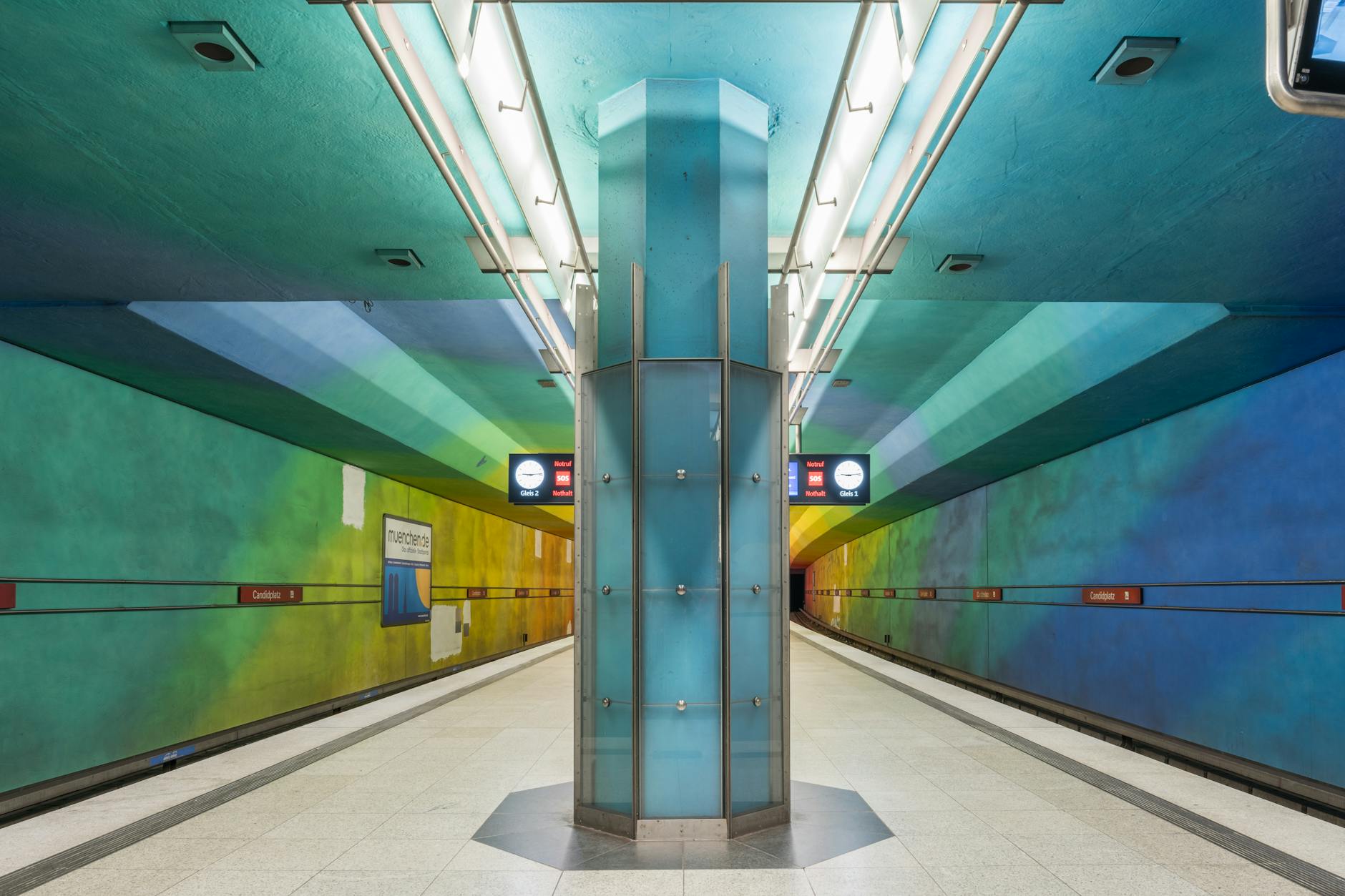
Munich’s U-Bahn and S-Bahn system is one of the cleanest, most reliable, and most punctual urban rail networks in Europe — and the single best way to get around the city. Together with the trams and buses, the integrated MVV network covers almost every corner of greater Munich, runs from before 5 a.m. to past 1 a.m. (with night services for the gap), and uses one ticket for everything. This complete Munich U-Bahn guide covers every line, every ticket type, every fare zone, station etiquette, the official MVV app, and the small handful of mistakes most first-time visitors make. By the end you’ll navigate Munich transit like a Münchner.
Munich’s Public Transport at a Glance
| Mode | Lines | Cars | Service Hours | Use For |
|---|---|---|---|---|
| U-Bahn (subway) | U1–U8 (8 lines) | Underground, modern | ~04:30 – 01:00 | Within central Munich |
| S-Bahn (regional rail) | S1–S8, S20 (9 lines) | Above ground commuter | ~04:00 – 01:30 | Airport, suburbs, day trips |
| Tram | 16 lines | Surface | ~04:30 – 01:30 | Inner city, gap-fillers |
| Bus | ~80 lines + night buses | Surface | Day + Night service | Last-mile and night travel |
| Night service | Night U-Bahn, night trams, night buses | — | 01:00 – 04:30 | Late nights |
The U-Bahn: 8 Lines Explained
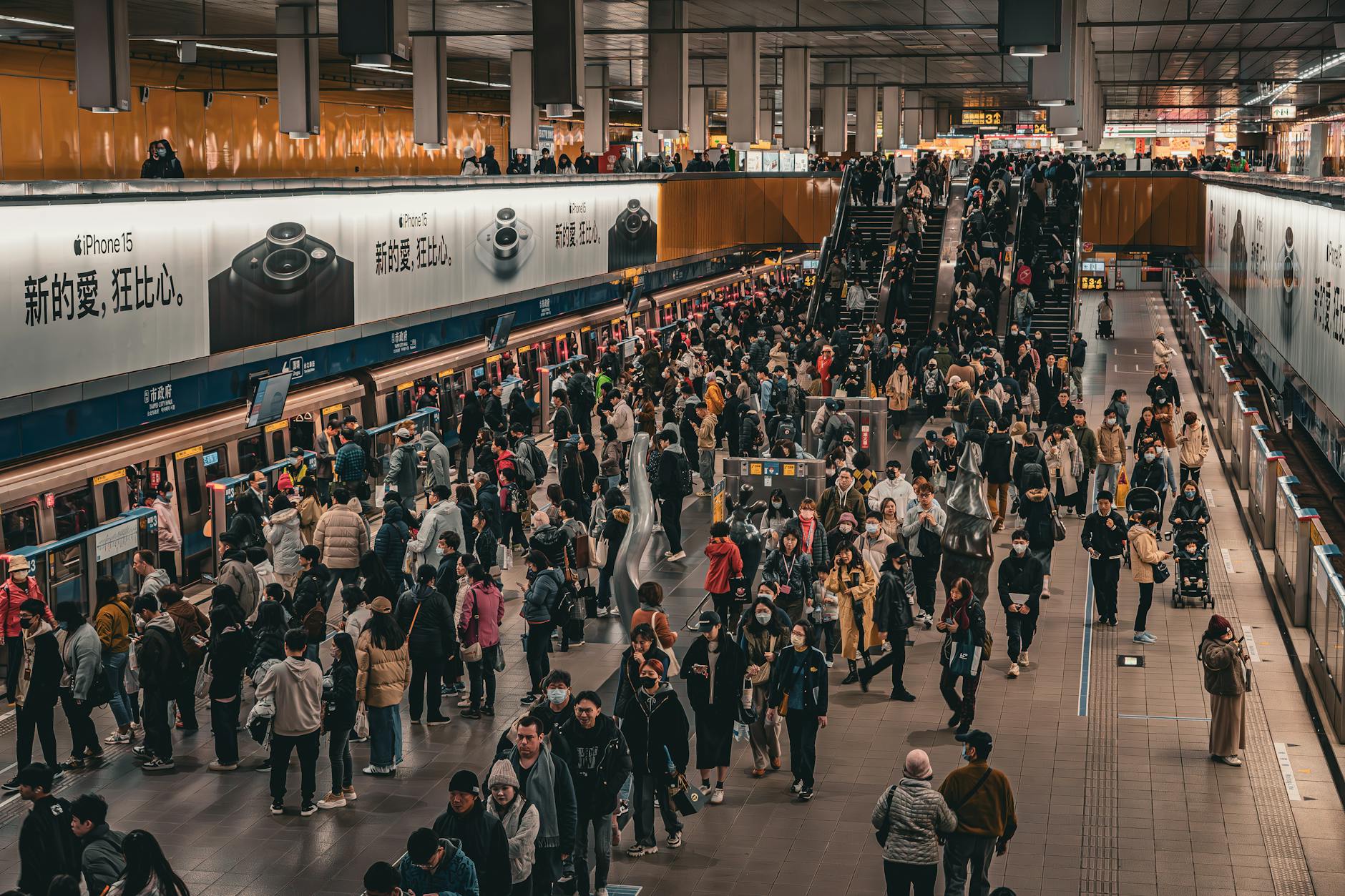
Munich’s underground (U-Bahn, short for Untergrundbahn) opened in 1971 and has 8 lines covering ~104 stations across 100 km of track. Trains every 5–10 minutes during the day, every 10–20 minutes evenings.
U-Bahn Line-by-Line
- U1 (red) — Olympia-Einkaufszentrum to Mangfallplatz; passes Olympiapark and Sendlinger Tor
- U2 (red) — Feldmoching to Messestadt-Ost; passes Hauptbahnhof and Sendlinger Tor
- U3 (orange) — Moosach to Fürstenried-West; passes Olympiazentrum, Marienplatz, Goetheplatz
- U4 (turquoise) — Westendstraße to Arabellapark; passes Hauptbahnhof, Karlsplatz, Odeonsplatz, Lehel
- U5 (yellow) — Laimer Platz to Neuperlach Süd; passes Hauptbahnhof, Karlsplatz, Odeonsplatz
- U6 (blue) — Garching-Forschungszentrum to Klinikum Großhadern; passes Münchner Freiheit, Marienplatz, Sendlinger Tor
- U7 (red) — peak-hour service; runs Olympiazentrum to Neuperlach Zentrum
- U8 (orange) — peak-hour service to Olympiapark
Key U-Bahn Hubs to Know
- Marienplatz (U3, U6) — central Old Town; busiest station in Munich
- Hauptbahnhof (U1, U2, U4, U5) — main rail hub; arrival from airport S-Bahn
- Karlsplatz/Stachus (U4, U5) — central; dense restaurants and shops
- Odeonsplatz (U3, U4, U5, U6) — Royal palace area
- Sendlinger Tor (U1, U2, U3, U6) — Glockenbachviertel access
- Münchner Freiheit (U3, U6) — Schwabing’s main hub
The S-Bahn: 8 Lines + One Express
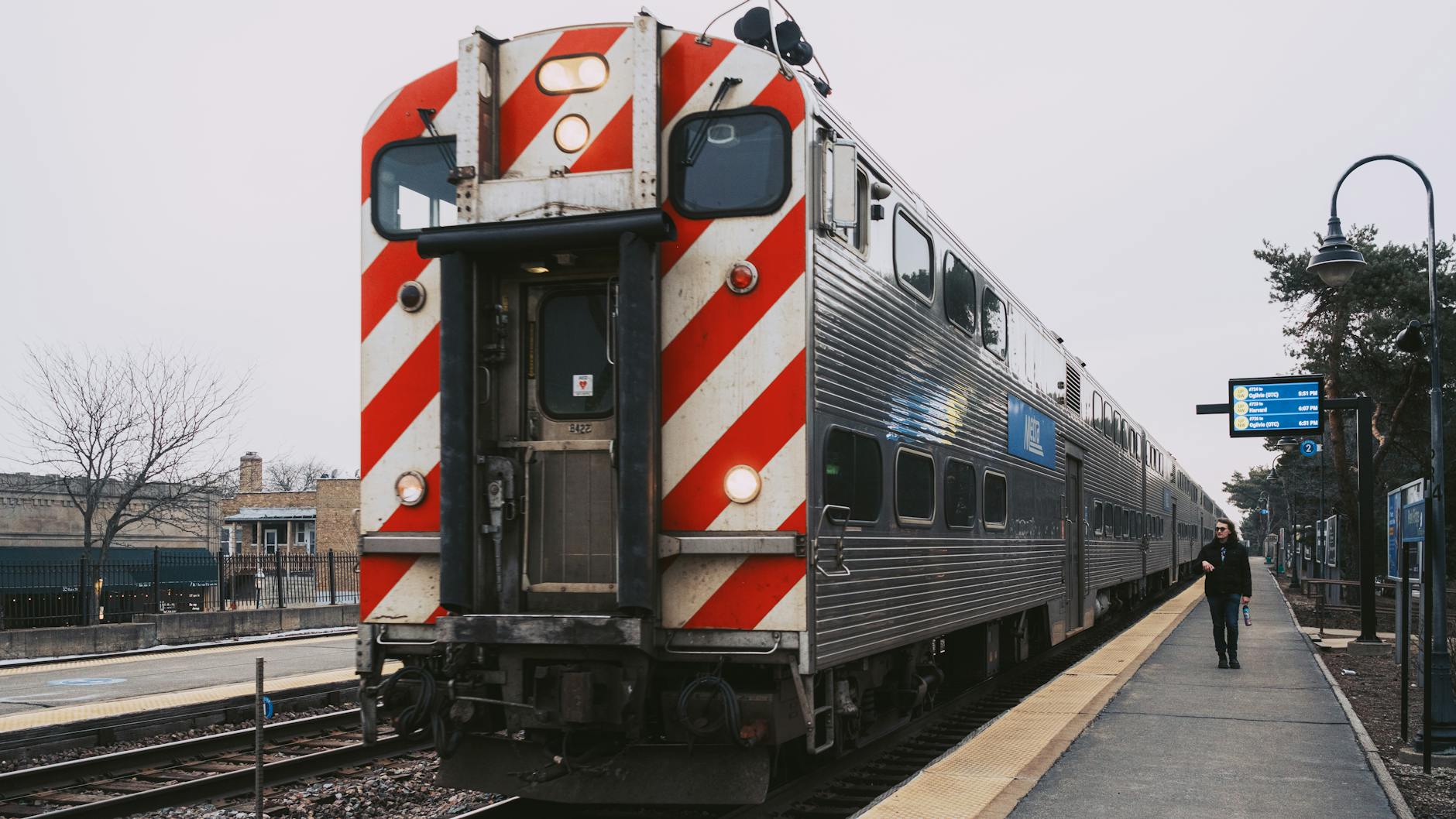
The S-Bahn (short for Stadtschnellbahn, “city rapid rail”) is the regional commuter network. 9 lines connect Munich with surrounding towns and the airport. Most lines share a central core that runs Pasing → Hauptbahnhof → Karlsplatz → Marienplatz → Isartor → Ostbahnhof, then split out to suburbs.
S-Bahn Line-by-Line
- S1 (lime green) — Munich Airport ⇄ Marienplatz ⇄ Freising; the western airport branch
- S2 (mid green) — Petershausen ⇄ Marienplatz ⇄ Erding; passes Dachau Memorial
- S3 (purple) — Mammendorf ⇄ Marienplatz ⇄ Holzkirchen
- S4 (red) — Geltendorf ⇄ Marienplatz ⇄ Ebersberg
- S6 (lime) — Tutzing ⇄ Marienplatz ⇄ Ebersberg
- S7 (brown) — Wolfratshausen ⇄ Marienplatz ⇄ Kreuzstraße; passes Großhesselohe
- S8 (cherry) — Munich Airport ⇄ Marienplatz ⇄ Herrsching; eastern airport branch
- S20 — peak-hour Pasing ⇄ Höllriegelskreuth shortcut
S-Bahn vs. U-Bahn — When to Use Which
- Use S-Bahn for: Munich Airport (S1 or S8), Dachau Memorial (S2), day trips, suburban hotels
- Use U-Bahn for: Inside central Munich; faster headways (5 min vs. 20 min on S-Bahn)
- The central spine (Hauptbahnhof–Karlsplatz–Marienplatz–Isartor–Ostbahnhof) carries every S-Bahn line — total trains every 2–3 minutes through this section
- Tip: Don’t memorize specific S-Bahn lines for central trips; just board the next train heading the right direction on the central spine
Tickets and Fares (2026)
Single Tickets
| Ticket | Price | Validity |
|---|---|---|
| Single ticket (Zone M) | €4.20 | 1 trip, 2 hours, no return |
| Single ticket (Zones M+1) | €7.30 | 1 trip, including some suburbs |
| Single ticket (M+5, includes airport) | €15.10 | 1 trip, including MUC airport |
| Short-distance (Kurzstrecke) | €2.00 | Max 4 stops on bus/tram, 2 stops S/U-Bahn |
| Streifenkarte (10 strips) | €20.10 | Each adult trip uses 2 strips |
Day Passes (Tageskarte) — The Best Deal for Most Visitors
| Ticket | Price | Best For |
|---|---|---|
| Tageskarte Single (Zone M) | €10.10 | 1 person, 1 day, central Munich |
| Tageskarte Single (M+1) | €11.70 | 1 person, 1 day, inner suburbs |
| Tageskarte Single (all zones / airport) | €17.50 | 1 person, 1 day incl. airport |
| Tageskarte Group (up to 5, Zone M) | €19.70 | Group, 1 day, central Munich |
| Tageskarte Group (up to 5, all zones) | €33.40 | Group, 1 day incl. airport |
| IsarCard 7 (weekly, Zone M) | €23.80 | 5+ days in Munich |
Best deal for 2 travelers: The Group Day Pass at €19.70 pays for itself after just three rides for two people. Best deal for 5+ days: the IsarCard 7 weekly pass at €23.80 — about €3.40/day.
Where to Buy Tickets
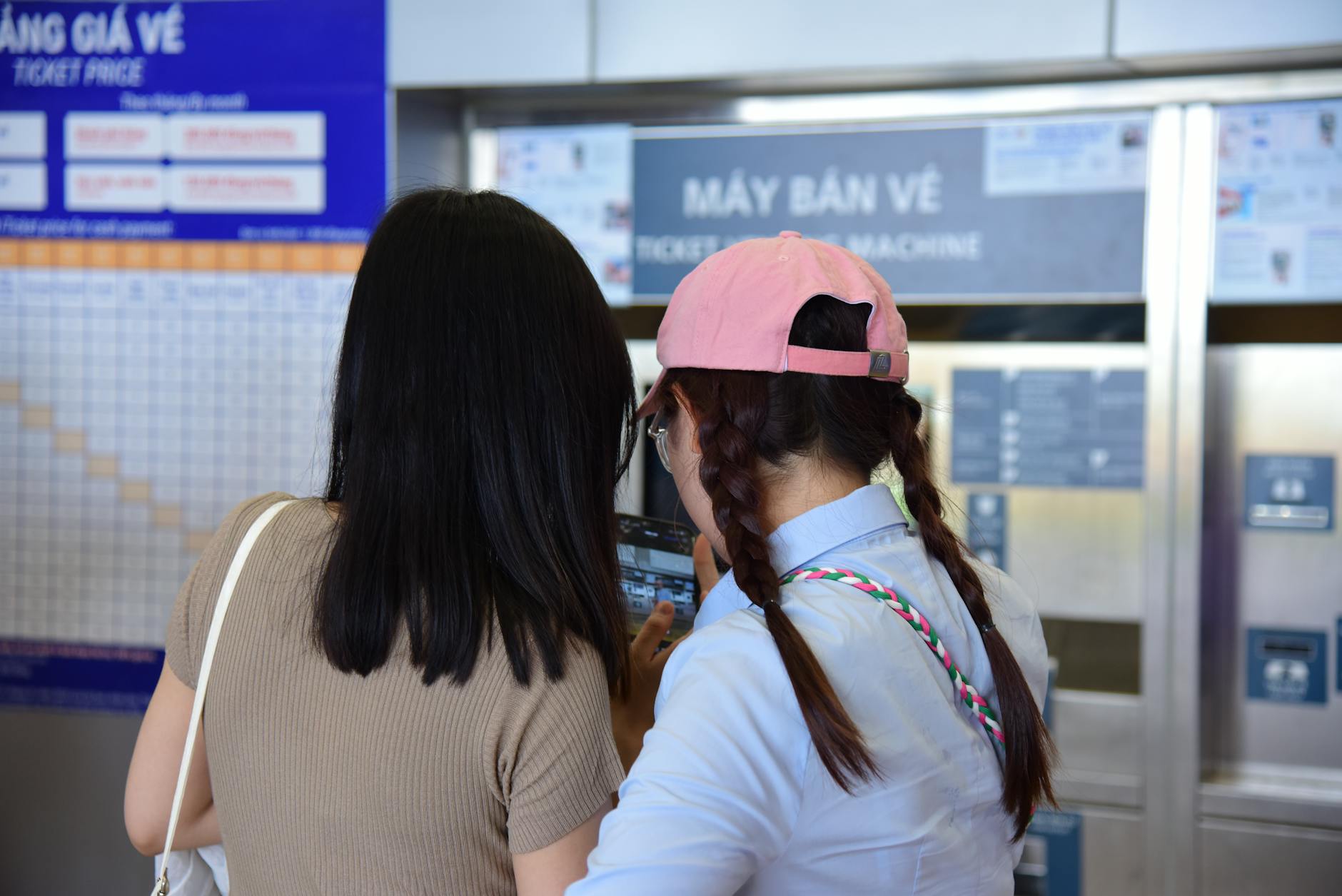
- Vending machines at every U-Bahn and S-Bahn platform (German/English/French/Italian); accept cash + cards including foreign credit cards
- MVV app (free, iOS/Android) — buy digital tickets, see real-time departures, plan routes
- DB Navigator app — also sells MVV tickets if you’re already using it for German Rail
- Ticket counters at Hauptbahnhof, Marienplatz, and several other major stations (no surcharge)
- Bus and tram drivers sell single tickets only; cash strongly preferred
Validation: Don’t Forget!
Paper tickets must be validated (“entwertet”) at the blue or red stamping pillars on the platform before boarding. Digital tickets in the MVV app are pre-validated. Inspectors patrol regularly in plain clothes and the fine for an unstamped or invalid ticket is €60 on the spot. The number-one mistake first-time visitors make.
Fare Zones: How They Work
Munich’s MVV uses a concentric-zone fare system, recently simplified (2019) into a clearer structure:
- Zone M (the inner zone) — covers all of central Munich including Olympiapark, Hirschgarten, Bogenhausen, Schwabing. 90% of visitor sights are in Zone M. Single €4.20, day pass €10.10
- Zone 1 — inner suburbs (e.g., Garching, Ottobrunn). Adds €0.40–€2 to most ticket types
- Zone 2–6 — outer suburbs and major destinations like the airport (zone 5)
- Specifically: Munich Airport is in zones 1+2+3+4+5 — buy any ticket showing “M+5” or “all zones”
Trams and Buses
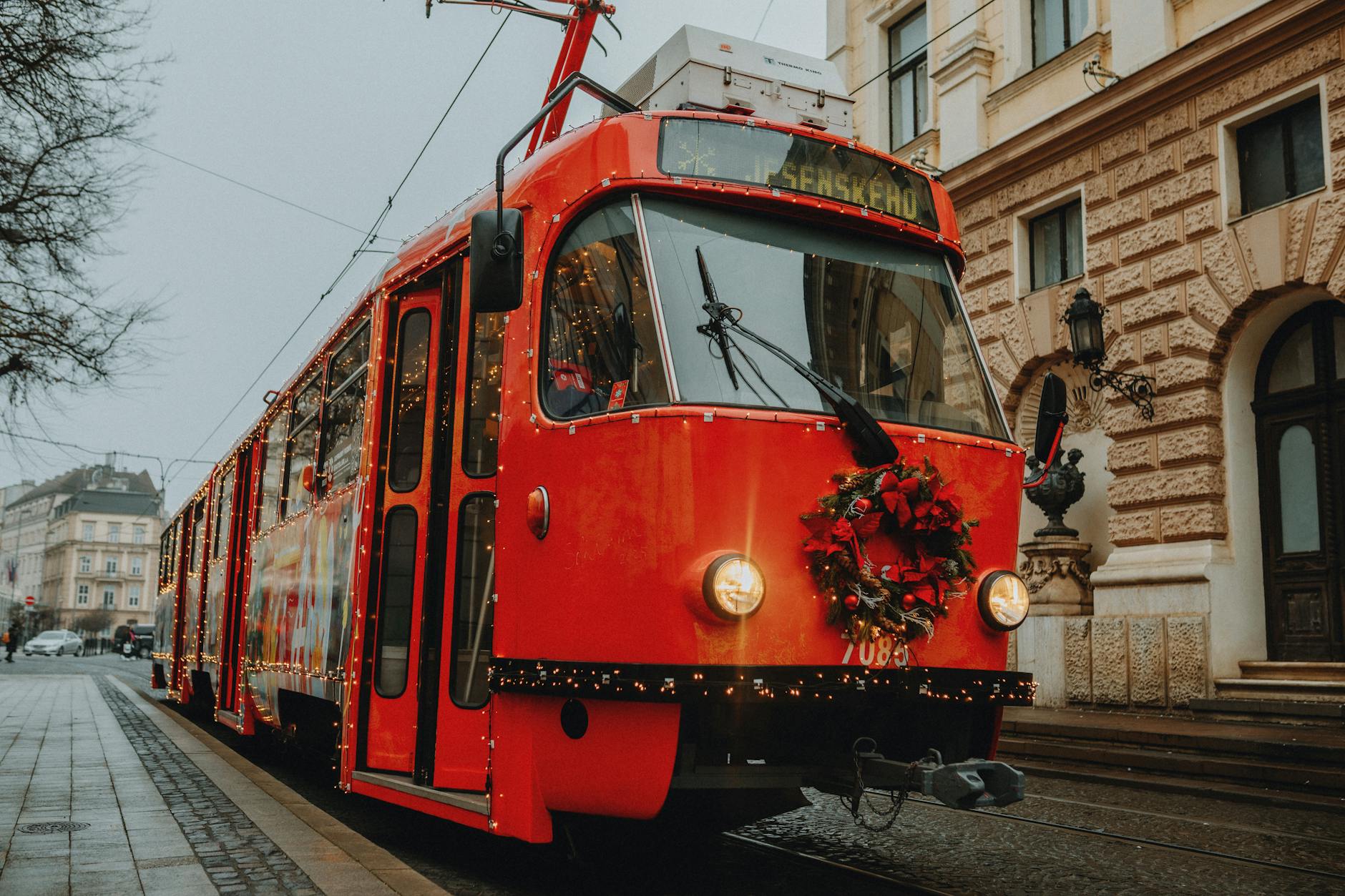
Munich’s tram network has 16 lines covering areas the U-Bahn doesn’t reach — particularly the inner-city neighborhoods east and south of Marienplatz. Trams are blue and white, run on dedicated tracks, and accept the same MVV tickets as U-Bahn and S-Bahn. Day passes work everywhere; tickets are universal.
- Tram 17 — to Nymphenburg Palace from the Hauptbahnhof
- Tram 19 / 21 — east along Maximilianstraße for luxury shopping
- Tram 16 / 18 — to Deutsches Museum on the Isar island
- Tram 25 — to Paulaner am Nockherberg beer garden
Buses fill the last-mile gaps and run extensive night service after 01:00 (when U-Bahn and S-Bahn stop). Same MVV tickets apply.
Night Service
After ~01:00, the U-Bahn and most S-Bahn lines stop. The MVV runs night buses (NachtBus) and night trams (NachtTram) to fill the gap, with services every 30–60 minutes throughout the central area. The most useful night lines:
- NachtTram N17, N19, N20, N21 — central core
- NachtBus N40, N41, N43, N44, N45, N76 — suburbs
- Same tickets apply — Tageskarte covers the night network
- Weekend U-Bahn: runs all night on Friday-Saturday and Saturday-Sunday nights, every 30 minutes
When the night buses do not line up, the Munich taxi guide covers fares, apps and typical waits.
MVV Apps and Trip Planning
- MVV-App (free) — best for ticket purchase + real-time departures + route planning
- MVG more (free) — owned by the Munich operator MVG; comparable functionality with bike-share integration
- DB Navigator (free) — covers all of Germany; useful if combining S-Bahn with regional rail
- Google Maps — public transit directions work well in Munich; lets you screenshot routes
- Apple Maps — also works in Munich; offline transit maps available
Etiquette and Practical Tips
- Stand right, walk left on escalators
- Let people exit before boarding — Münchners are strict about this
- Don’t sit in the priority seats (marked with a stroller, wheelchair, or elderly icon) unless you need to
- Bicycles allowed on U/S-Bahn except weekday peak hours (06:00–09:00 and 16:00–18:00)
- Eating and drinking are allowed but discouraged at peak hours
- Phone calls allowed but should be brief and quiet
- Pets: small dogs in carriers free; larger dogs require a child fare
- Strollers and wheelchairs use the elevator-equipped entrances; almost all stations are accessible
- Don’t ride without a ticket — €60 fine, no warnings
- Free WiFi on most newer trains and at many stations
- Battery charging: USB ports are appearing on newer rolling stock
Common Mistakes First-Time Visitors Make
- Forgetting to validate paper tickets — €60 fine
- Buying a single ticket every time — the day pass usually costs less after 2 rides
- Buying the wrong zone ticket for the airport — you need M+5 (or ‘All Zones’), not just M
- Trying to take 4 separate U-Bahn lines when one of them does the trip — use the MVV app’s route planner
- Boarding the slowest S-Bahn when an express version exists (e.g., S1 vs. S8 to airport — both work, but speeds differ)
- Confusing ‘M+5’ (all zones, includes airport) with ‘M’ (city only) on the vending machine
- Paying for separate group tickets when the Group Day Pass at €19.70 is cheaper for any 2+ travelers
Sample Itineraries Using Public Transit
Day in the Old Town
Buy a Tageskarte M (€10.10 single, €19.70 group). U-Bahn or S-Bahn to Marienplatz; walk between Frauenkirche, Viktualienmarkt, Residenz; tram 19 east along Maximilianstraße. See our things to do guide.
Munich Airport to Hotel
Take S1 or S8 from MUC airport ~40 min to Marienplatz. Single ticket all-zones €15.10, or full-day all-zones pass €17.50 if you’ll be sightseeing on arrival day. See our airport guide.
Day Trip Logistics
For the airport, Dachau, Olympiapark, etc., S-Bahn is fastest. For day trips out of Bavaria (e.g., Salzburg or Neuschwanstein), use a Bayern-Ticket — €34 first person + €10 each additional.
Frequently Asked Questions
How does the Munich U-Bahn work?
Munich’s U-Bahn is a fully underground subway with 8 lines and 104 stations. Trains run every 5–10 minutes during the day, ~04:30–01:00. Buy a ticket at the platform vending machine (or in the MVV app), validate paper tickets at the blue stamping pillars, and board any train heading the right direction.
Is Munich’s U-Bahn safe?
Yes — Munich is one of the safest big cities in Europe and the U-Bahn is consistently rated very safe even at night. Munich is well-lit and well-staffed; the only area with consistent low-level crime is the immediate streets around the Hauptbahnhof at night, not the U-Bahn itself.
How much is a day pass on the Munich U-Bahn?
Tageskarte Single (one person, central Zone M) is €10.10 (€10.80 from January 2027). Tageskarte Group (up to 5 people, Zone M) is €19.70. Both cover the U-Bahn, S-Bahn, tram, and bus until 6 a.m. the next morning.
What’s the difference between U-Bahn and S-Bahn?
The U-Bahn is Munich’s underground subway (8 lines, all underground in the city); the S-Bahn is the regional commuter rail (9 lines, mostly above-ground, longer routes including the airport and suburbs). Both use the same MVV tickets.
Do I need to buy separate tickets for the U-Bahn and tram?
No — one MVV ticket covers all U-Bahn, S-Bahn, tram, and bus services in the same fare zone. Day passes are particularly economical.
How late does the Munich U-Bahn run?
Last U-Bahn ~01:00 on weeknights; on Friday and Saturday nights the U-Bahn runs all night, every 30 minutes. Night trams and night buses fill the 01:00–04:30 gap with 30–60 minute headways.
Can I use my credit card on the Munich U-Bahn?
You can use any major credit card (including Apple/Google Pay) at the platform vending machines and in the MVV app. There is no contactless tap-to-ride at the gates yet — you must buy a ticket first.
MVV’s History and Modern Operation
The Münchner Verkehrs- und Tarifverbund (MVV) is one of the world’s oldest integrated transit networks, founded in 1972 to coordinate planning and ticketing across the U-Bahn, S-Bahn, trams, and buses in time for the Olympic Games. Before 1972, each transit mode operated independently — a Munich resident transferring from S-Bahn to tram needed separate tickets and could not transfer freely. The 1972 unification was a coordinated effort involving the Bavarian state government, Deutsche Bahn, the Stadtwerke München (city utilities), and the surrounding municipalities. The result: one ticket valid on all modes within zone validity, integrated maps and signage, and coordinated frequencies during peak hours. The MVV model influenced transit systems internationally, with cities including Hong Kong, Singapore, and Berlin adopting similar integration approaches.
The MVV today operates 8 U-Bahn lines, 9 S-Bahn lines, 16 tram lines, and 76 day-time bus routes plus 27 night-bus and night-tram routes — together moving roughly 1.5 million passengers daily within the Munich region. The system runs from approximately 04:30 to 01:00 weekdays, with night services filling the gap until 04:30. Munich’s U-Bahn is fully underground (no above-ground sections), making it operationally simpler than systems with mixed grade. Its average train age is 22 years; new C2-class trains entering service in 2024 will reduce this gradually. The system has an excellent on-time performance — 96.4% of trains run within 5 minutes of schedule in 2024 data, compared to roughly 80% for the New York subway and 70% for the London Underground.
Operational Tips Locals Know That Tourists Don’t
Munich locals use the MVV with subtle skills foreign visitors miss. Several useful tactics:
Use the Hauptbahnhof central spine for east-west travel. All S-Bahn lines (S1–S8) share the central tunnel running Pasing → Hauptbahnhof → Karlsplatz → Marienplatz → Isartor → Ostbahnhof. During the day this tunnel carries trains every 2–3 minutes (combined service). For travel within this corridor, don’t worry about which specific S-Bahn line; board the next train heading the right direction.
Avoid the U6 at peak hours if possible. The U6 is Munich’s most crowded line during morning rush (08:00–09:00) and evening commute (17:00–18:30), running Garching-Forschungszentrum → Klinikum Großhadern through Munich’s south. Universities and major employers along the route create severe crowding. If your destination is reachable via U3 or alternative routes, take those.
Buy the Group Day Pass for any 2+ travelers. The Tageskarte Group covers up to 5 people for €19.70 in Zone M. For two people that already undercuts two single day passes (€20.20), and for five it works out at under €4 a head. Children, students, seniors — anyone counts as one of the 5.
Validate tickets at the platform before boarding. Paper tickets MUST be stamped at the blue stamping pillars before boarding. Forgetting to validate produces an automatic €60 fine if checked, with no warnings. Inspectors check randomly throughout the day, particularly during rush hours.
The night network operates differently than day service. Night buses (N40 series) and night trams (N17, N19, etc.) run every 30–60 minutes rather than the day frequencies. Schedules are posted at major stops. The night network is generally safe but less reliable; budget extra time if you depend on it.
Munich Public Transit During Major Events
Munich’s transit system handles two unusual situations that visitors should understand: Oktoberfest crowds and post-event traffic. During Oktoberfest (September 19–October 4, 2026), the U-Bahn lines serving the Theresienwiese (U4, U5, U7) run at significantly increased frequency — peak service every 2-3 minutes. The Theresienwiese station handles roughly 250,000 passengers per day during the festival, making it temporarily the busiest U-Bahn station in Germany. Extra trains, additional platform staff, and increased police presence keep the system functioning, but tourist crowds can still be challenging. Pickpocketing is the main concern during peak Oktoberfest hours; locals know to keep wallets in front pockets and bags zipped.
During the Christmas markets (late November through December), the U-Bahn at Marienplatz handles dramatically increased weekend evening traffic. Saturday evening commutes between 17:00–20:00 can be extremely crowded. The S-Bahn at Marienplatz is sometimes more comfortable than the U-Bahn during peak Christmas market hours. After major football matches at the Allianz Arena (U-Bahn U6 to Fröttmaning), trains depart with substantial extra capacity — but the post-match crowds (50,000 fans leaving simultaneously) still create 20-minute waits. Major concert nights at the Olympic Stadium (U3 to Olympiazentrum) similarly increase load on the U3 line. New Year’s Eve transit is famously chaotic — many lines run free service through the night, but trains are extremely crowded; consider a different return time than midnight if possible.
Step-Free Travel: Lifts, Gaps, and Stations That Work
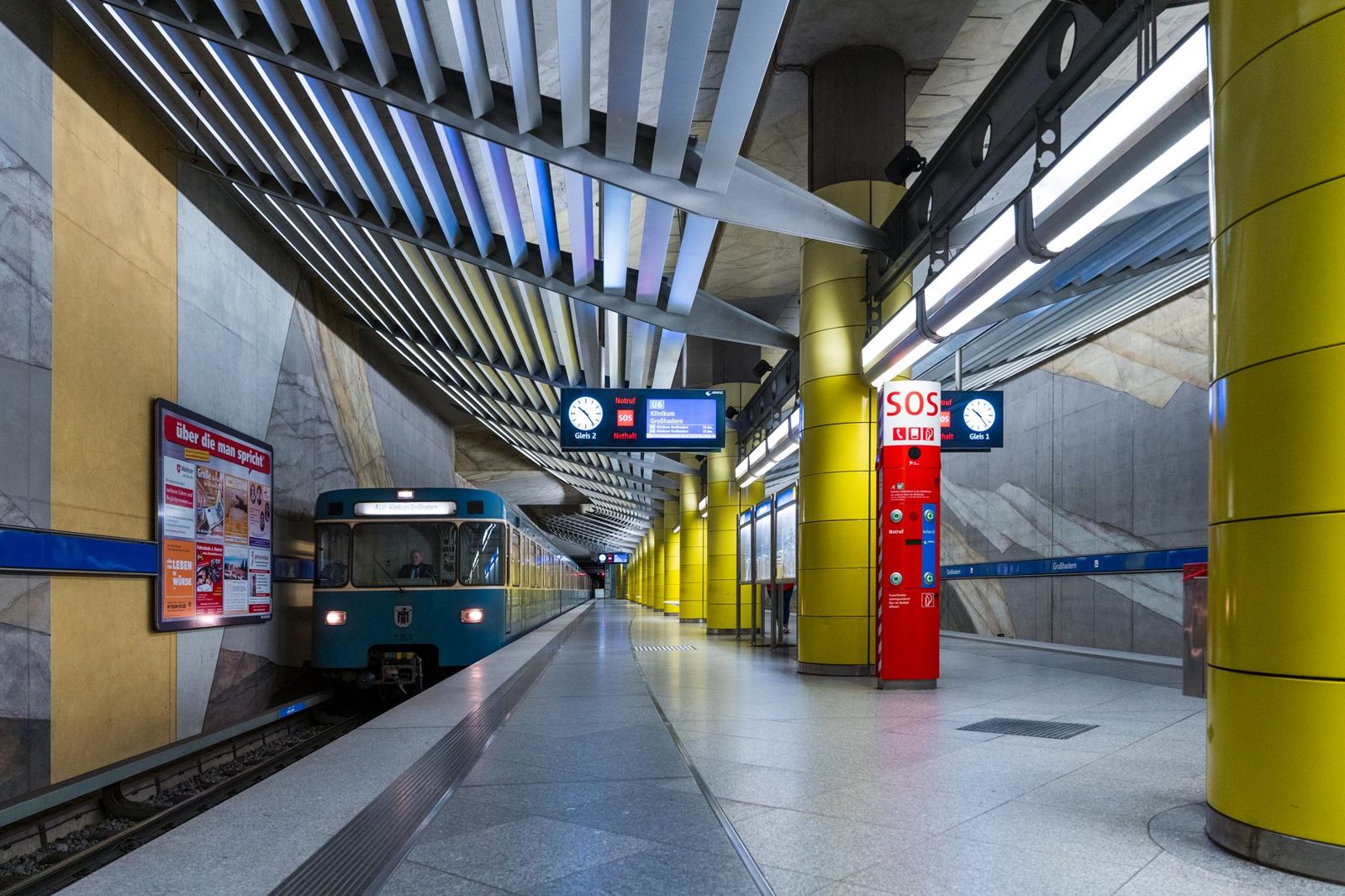
Munich’s network is largely, but not perfectly, step-free. Almost every U-Bahn station has at least one lift (Aufzug), and the MVG flags out-of-service ones live in its app and at mvg.de — worth a glance if you are travelling with a wheelchair or a heavy case, because a broken lift at a deep station like Marienplatz (its escalators are among the longest in the city) means a long detour. The gap and step between platform and train are small on the modern U-Bahn but can be a real lurch on older S-Bahn carriages, so look for the wider doors marked with a wheelchair pictogram, which open onto the flat multi-purpose area.
Insider tip: the central S-Bahn tunnel stations — Hauptbahnhof, Karlsplatz (Stachus), Marienplatz, Isartor, Ostbahnhof — all have lifts, so you can cross the city centre underground without stairs if you plan the interchange. Strollers and wheelchairs travel free, and a folded pram is no problem at any hour. Families juggling buggies and tired toddlers will find more ground-level detail in our guide to Munich with kids, and the wider picture of how the system fits together sits in the getting around Munich pillar.
Munich with a stroller applies the same information to travelling with small children.
Taking Bikes, Luggage, and Dogs on Board
You can carry a bicycle onto the U-Bahn and S-Bahn, but not during the weekday rush — bikes are banned Monday to Friday from 6 to 9 in the morning and 4 to 6 in the afternoon, and a bike needs its own Fahrrad-Tageskarte (around €3.60 for the day). Roll it into the multi-purpose carriage, keep it clear of the doors, and give way to wheelchairs and prams, who have priority over wheels. If you would rather pedal than ride the rails for part of your trip, our cycling in Munich guide maps the routes, including the flat run up to the English Garden and the city’s parks, where a bike beats the U-Bahn outright.
Luggage rides free, which makes the S1 and S8 the cheap way in from the airport — though both fill quickly, so board toward the front or rear of the platform where there is more room for a suitcase; the trade-offs of train versus Lufthansa Express Bus versus taxi are laid out in getting from the airport to the city. Dogs are welcome too: a small dog in a carrier travels free, while a larger dog needs a reduced (child-fare) ticket and must be leashed and muzzled. For most visitors the smartest single purchase remains the day pass — the full menu of options, including group day tickets, is compared in our guide to Munich travel passes.
Plan Your Munich Trip
This U-Bahn guide is part of our deeper Munich transport guide. For airport-specific info see our Munich airport to city guide. For broader trip planning see our things to do guide, our where to stay guide, and our trip planner.