Maximilianstrasse Luxury Shopping
Complete 2026 guide to Maximilianstrasse Munich — the luxury shopping boulevard. Every flagship (Hermès, Gucci, Chanel, Dior, Cartier), where to eat and stay, VAT refund logistics, and insider tips.
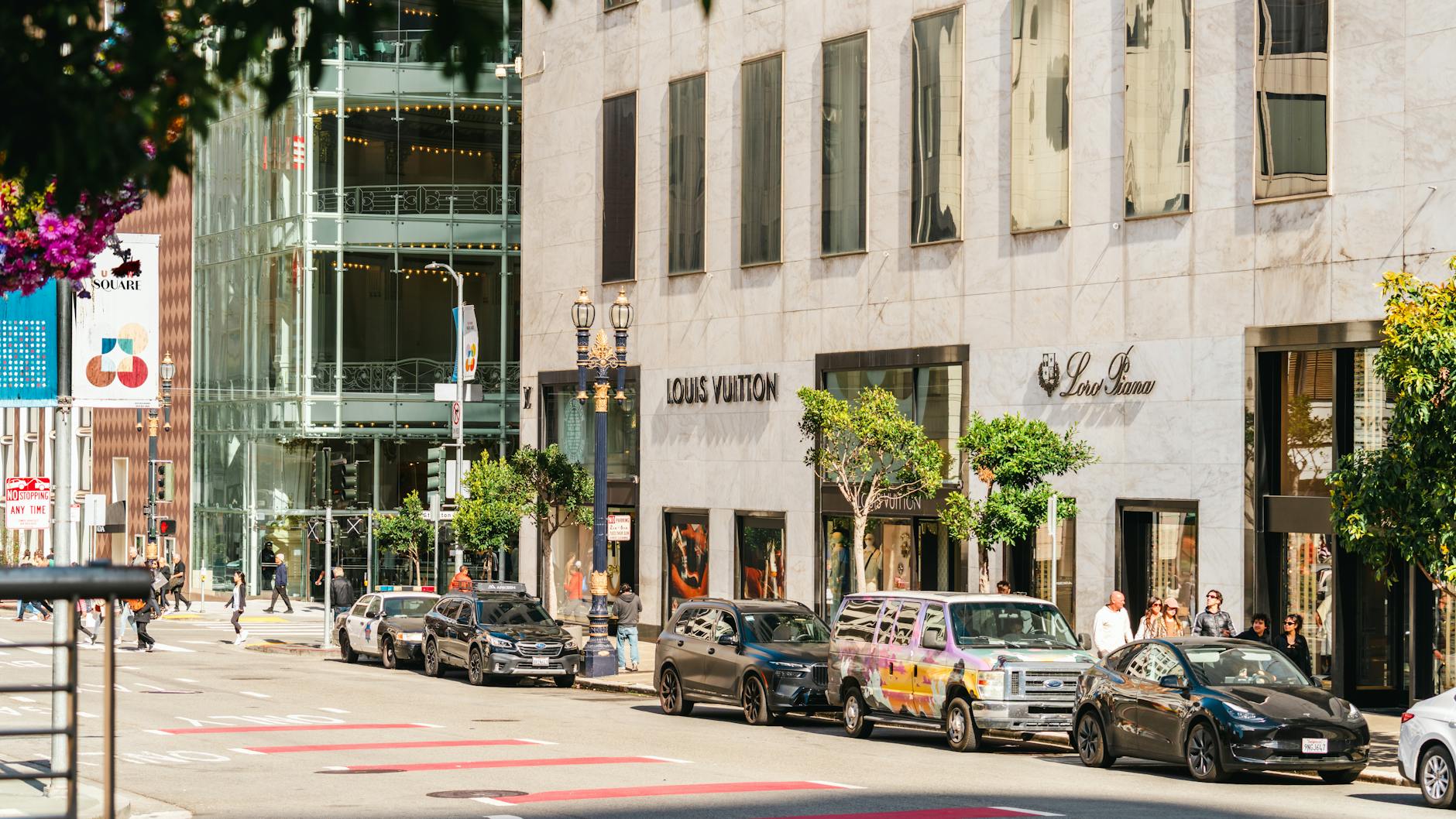
Maximilianstraße is Munich’s most exclusive shopping street and one of the four great German luxury boulevards (alongside Berlin’s Kurfürstendamm, Düsseldorf’s Königsallee, and Frankfurt’s Goethestraße). A kilometer-long ceremonial avenue laid out by King Maximilian II in the 1850s, it runs east from the Residenz Palace to the Maximilianeum (Bavarian Parliament) on the far bank of the Isar — and the entire western half is lined with the flagship boutiques of every major luxury house. Hermès, Bottega Veneta, Gucci, Chanel, Dior, Bvlgari, Prada, Valentino, Loro Piana, Cartier, and dozens more sit shoulder to shoulder. This 2026 guide covers Maximilianstraße Munich top to bottom — every flagship, the best cafés between stops, the buying-and-VAT-refund logistics, and how the street has evolved over its 175-year history.
Maximilianstraße at a Glance
| Detail | Information |
|---|---|
| Length | ~1 km (Residenz to Maximilianeum) |
| Built | 1850s under King Maximilian II |
| Designer | Friedrich Bürklein |
| Style | Maximilian style — Tudor-Gothic Renaissance hybrid |
| Luxury shopping section | Western 600 m (Residenz to Altstadtring) |
| Number of luxury flagships (2026) | 30+ |
| Typical opening hours | Mon–Sat 10:00–19:00; closed Sundays |
| Closest U/S-Bahn | Marienplatz, Odeonsplatz, Lehel |
| Pedestrian friendly? | Wide sidewalks but the road carries traffic |
| Parking | Multiple central garages (€3–€5/hour) |
A Brief History
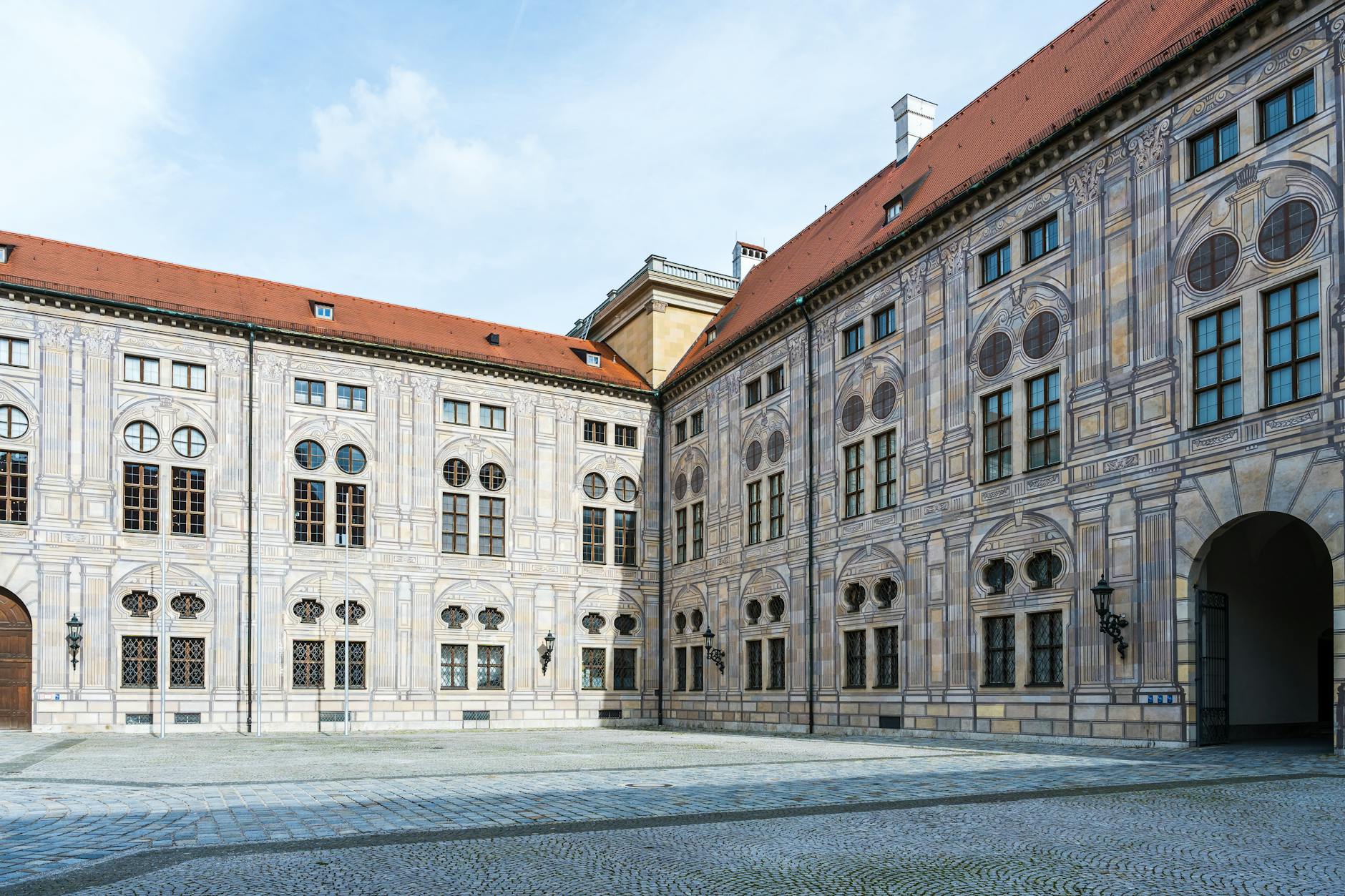
In 1850, King Maximilian II of Bavaria — son of Ludwig I, the king who built Königsplatz — wanted his own monumental Munich avenue. He commissioned the architect Friedrich Bürklein to design a kilometer-long ceremonial boulevard running east from the Residenz, through a wholly new urban quarter, to a grand parliamentary building on the far bank of the Isar (the Maximilianeum). Construction took twenty years (1852–1875) and produced what’s now called the Maximilian style — a distinctive blend of English Tudor-Gothic, Italian Renaissance, and Bavarian elements that you’ll see nowhere else in Europe. The pointed window arches, decorative brickwork, and crenellated rooflines give Maximilianstraße its instantly recognizable silhouette.
From the 1880s onward, the street attracted Munich’s grandest hotels — the Vier Jahreszeiten Kempinski opened in 1858 — and the city’s most established art galleries and antiquarians. The shift toward international luxury fashion happened gradually from the 1970s onward, with Hermès opening in 1979 and Gucci, Bottega Veneta, and Chanel following over the next decade. Today the western half of Maximilianstraße is one of the densest concentrations of luxury flagships in Europe, alongside Milan’s Via Montenapoleone and London’s New Bond Street.
The Major Flagships, West to East
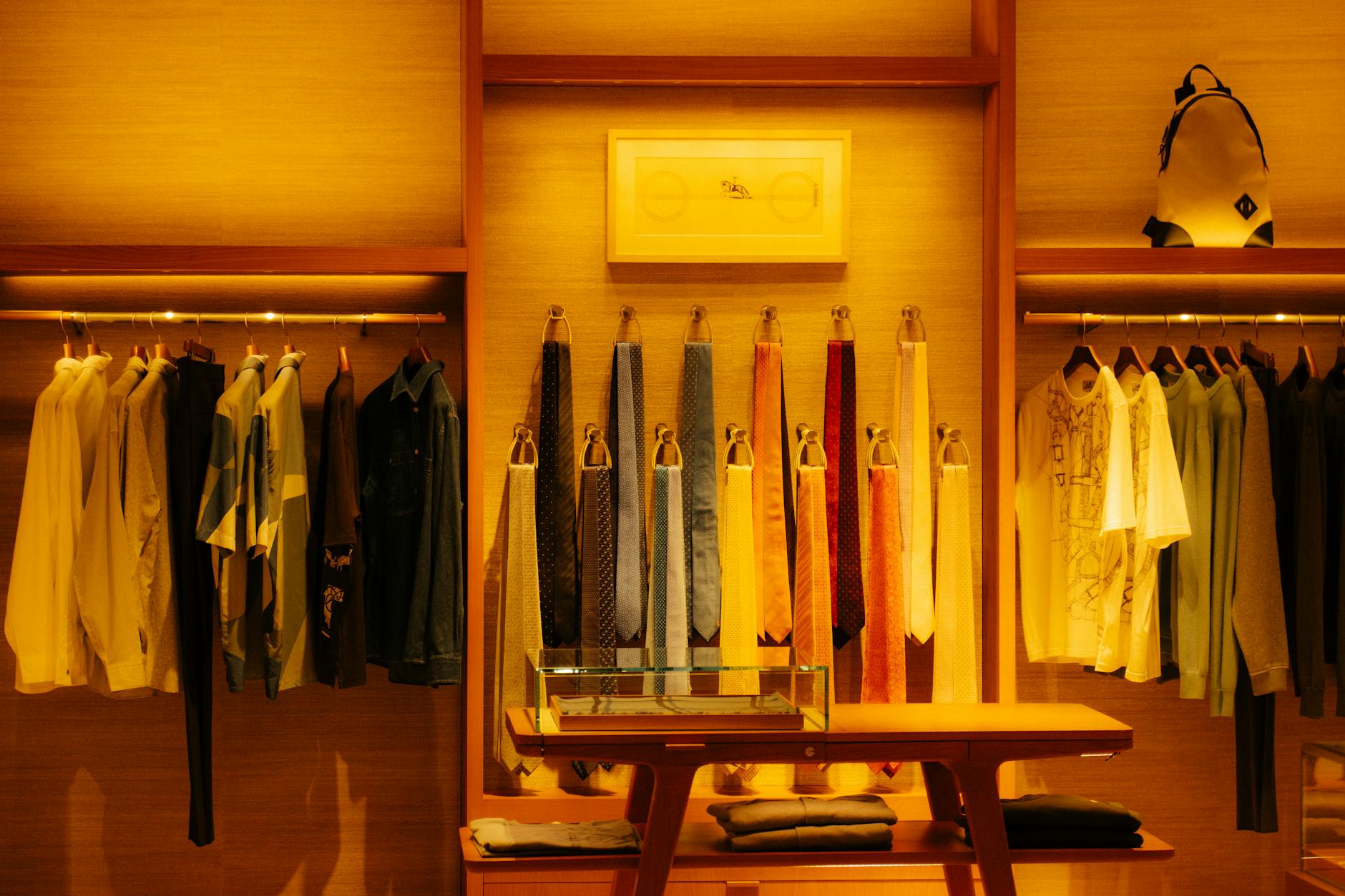
Below is a walking guide from Odeonsplatz/Residenz at the western end, working east. Most flagships are on the south (sunny) side of the street; the north side has fewer but larger stores.
Western Section (Residenz – Marstallplatz)
- Hermès — Maximilianstraße 22; the largest Hermès in Germany, two floors with full leather goods, scarves, perfume, watches, and home
- Bottega Veneta — Maximilianstraße 11; flagship intrecciato leather and ready-to-wear
- Cartier — Maximilianstraße 20; high jewelry and watches
- Bvlgari — Maximilianstraße 18
- Loro Piana — Maximilianstraße 7; the ultimate cashmere
- Tod’s — Maximilianstraße 9
- Loewe — Maximilianstraße 6
- Etro — Maximilianstraße 4
Central Section (Marstallplatz – Maximiliansplatz)
- Gucci — Maximilianstraße 31; large multi-floor flagship
- Dior — Maximilianstraße 35
- Chanel — Maximilianstraße 23–25
- Prada — Maximilianstraße 19
- Valentino — Maximilianstraße 17
- Saint Laurent — Maximilianstraße 13
- Fendi — Maximilianstraße 28
- Versace — Maximilianstraße 27
- Burberry — Maximilianstraße 12
- Gianvito Rossi — Maximilianstraße 24
- Brioni — Maximilianstraße 5; bespoke menswear since 1945
- Brunello Cucinelli — Maximilianstraße 14
- Tiffany & Co. — Maximilianstraße 12
Eastern Section (Maximiliansplatz – Altstadtring)
- Vuitton (Louis Vuitton) — historically on Residenzstraße next to Maximilianstraße
- Wempe — Maximilianstraße 5; high-end watches and jewelry
- Bucherer — corner of Maximilianstraße and Maffeistraße; Patek Philippe, Rolex, A. Lange & Söhne
- Beyer Watches & Jewelry — Maximilianstraße 26
- Chopard — Maximilianstraße 16
Beyond the Flagships: Notable Independent Shops
- Schuhhaus Goertz Premium — exceptional curated multi-brand shoe selection
- Geyer Galerie — Munich’s most respected antique-Asian-art gallery
- Galerie Klüser — contemporary art on Türkenstraße but worth the detour
- Antichita Lombardi — antique Italian furniture and decorative arts
- Gioielleria Buccellati — classic Italian high jewelry on Brienner Straße corner
Shopping Smart: Practical Tips
Hours and Booking
- Most flagships open Mon–Sat 10:00–19:00; closed Sundays (German law)
- By appointment — major boutiques (Chanel, Hermès, Loro Piana) often offer private appointments out-of-hours; ask politely or call ahead for VIP or large-purchase visits
- Tax-free shopping: see VAT refund section below
- Returning items: EU law requires 14-day returns for online; in-store returns vary by brand. Always keep the receipt
VAT Refund (Tax-Free Shopping for Non-EU Visitors)
Visitors from outside the EU can reclaim the 19% German VAT on purchases over €50.01. The process:
- Spend €50.01+ at a single store and ask for a tax-free shopping form (Global Blue or Planet)
- Show your passport at the till — the form is filled in for you
- On departure from the EU, present unused goods + form + receipt + passport to customs at your departure airport (or train border for non-EU rail)
- Get the form stamped by customs
- Submit the stamped form to a Global Blue / Planet refund desk in the airport for a cash or card refund (typical refund is 13–14% of purchase price after fees)
- Munich Airport: Terminal 2, ground level, before security; Terminal 1 has separate desks
- EU residents: you cannot reclaim VAT — sorry
Payment
- All major credit cards accepted (Visa, Mastercard, Amex)
- Apple Pay and Google Pay accepted at almost all flagships
- Cash: No issues — even for €5,000+ purchases
- Wire transfer / bank transfer available for high-value transactions; some boutiques have private VIP rooms with refreshments for prolonged shopping sessions
Non-EU visitors should read the Munich VAT refund guide before paying — the paperwork has to start at the till.
Where to Eat and Drink Between Stops
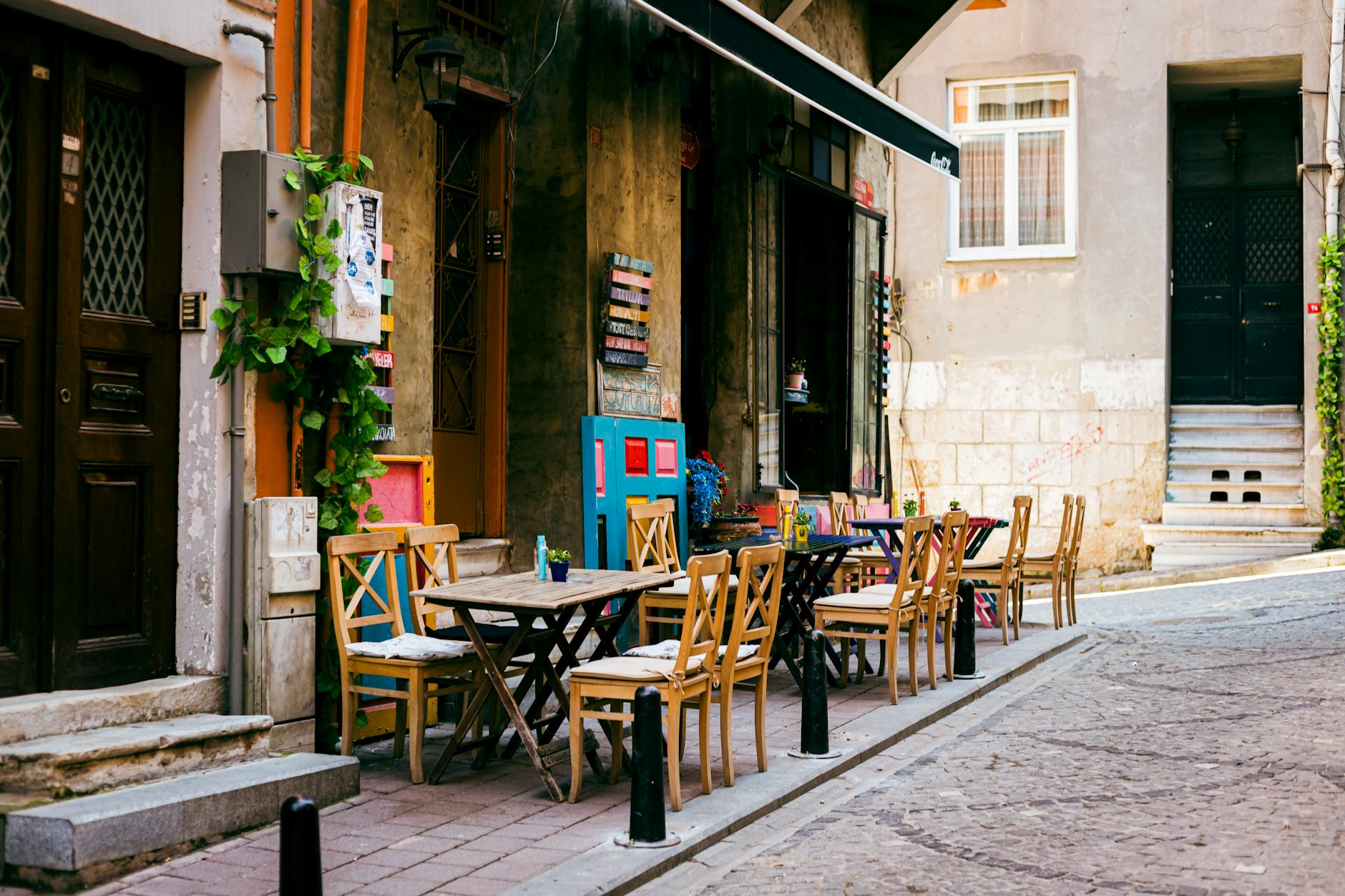
- Café Tambosi on Odeonsplatz — Munich’s oldest café (1775); perfect aperitivo or coffee break with a Sachertorte
- Schumann’s Bar on Odeonsplatz — Munich’s iconic cocktail bar, see our bars guide
- Bar Centrale on Ledererstraße — Italian aperitivo just off Maximilianstraße
- Garden Bar at the Bayerischer Hof — tropical lounge for a long lunch
- Restaurant Atelier at the Bayerischer Hof — 2-Michelin-star tasting menu
- Vinothek by Geisel — refined wine bar at the Königshof
- Spatenhaus an der Oper — refined Bavarian opposite the National Theatre, ideal end-of-day stop
- Café Luitpold on Brienner Straße — 1888 Wiener Kaffeehaus traditions
Where to Stay on Maximilianstraße
- Vier Jahreszeiten Kempinski — the grand 1858 hotel directly on Maximilianstraße; from €380/night
- Mandarin Oriental Munich — discreet luxury 5 minutes off Maximilianstraße; from €450
- Bayerischer Hof — the legendary Munich grand hotel one block north; from €350
- Rosewood Munich — newest entry, 5 minutes from the boulevard
- Cortiina Hotel — design boutique on Ledererstraße; from €180
- See our where to stay guide for more options
Maximilianstraße vs. Other Munich Shopping
| Street / Area | Style | Price Level |
|---|---|---|
| Maximilianstraße | Designer flagships, jewelry, antiques | Luxury (€€€€) |
| Theatinerstraße | Premium designer + Fünf Höfe arcade | High-end (€€€) |
| Maffeistraße | Designer + boutiques | High-end (€€€) |
| Brienner Straße | Antiques, jewelry, Café Luitpold | Luxury / Specialty |
| Kaufingerstraße / Neuhauser Straße | Mass-market (Zara, H&M, Galleria) | Affordable (€–€€) |
| Schwabing (Hohenzollernstraße) | Indie boutiques, vintage | Mid (€€) |
| Glockenbachviertel (Hans-Sachs-Straße) | Hip independent design, jewelry | Mid-high (€€–€€€) |
See our complete Munich shopping guide for the full city-wide breakdown.
For the big multi-floor alternatives, Munich department stores and shopping malls compares Oberpollinger, Ludwig Beck and Galeria.
Insider Tips for Maximilianstraße
- Sale season: Late June – early August (summer sale, up to 70% off) and late December – early February (winter sale). German sales are real — flagships discount aggressively
- Outlet store route: If you want luxury at outlet prices, take the train to Ingolstadt Village (45 min from Munich Hbf) — Bavaria’s luxury outlet has 110+ designer outlets at 30–70% off
- Personal shoppers: Most flagships will arrange a personal shopper if you call ahead, especially for high-end suit fittings (Brioni) or wedding jewelry (Cartier, Tiffany)
- Brunch nearby: Bar Centrale (Italian), Café Luitpold (Viennese), or the Bayerischer Hof (lavish) for a pre-shopping morning
- Opera and shopping: The Bayerische Staatsoper National Theater is at the western end of Maximilianstraße — combine an evening at the opera with a luxury shopping afternoon
- Photography: Most flagships discourage photography inside; the boulevard exterior is photogenic in any season
- Bring an empty suitcase — Bavarian VAT refund is real money if you spend big and bring goods home unused
- Quiet hours: Tuesday and Wednesday mornings are the calmest shopping hours; weekends are crowded with tourists, especially in summer
Who’s Who on Maximilianstraße: The Flagship Directory
The western half of the boulevard — the 400-metre stretch between the Residenz and Marstallplatz — is where the houses cluster three and four to a block, often facing each other across the tram tracks. Here’s a working map of who sits where, so you can plan a single pass rather than zig-zag back over the rails.
| Boutique | House origin | Come for | Where on the street |
|---|---|---|---|
| Hermès | France | Leather, silk carrés, the Birkin list | Western end, near the Residenz |
| Chanel | France | Tweed, fine jewellery, fragrance | Central, opposite the Kammerspiele |
| Dior | France | Ready-to-wear, salon-style fitting rooms | Central section |
| Bottega Veneta | Italy | Intrecciato woven leather | Western end |
| Gucci | Italy | Logo bags, ready-to-wear | Western end |
| Prada | Italy | Bags, footwear, eyewear | Central |
| Loro Piana | Italy | Cashmere and vicuña knitwear | Central |
| Bvlgari & Cartier | Italy / France | High jewellery and watches | Central “watch row” |
Insider tip: the houses on the sunny southern side of the street keep their most theatrical window displays facing the tram stop at Kammerspiele, where the No. 19 tram pauses — it’s the single best vantage point for a no-cost look at the season’s installations.
The Maximilian Style: Looking Up From the Shop Windows
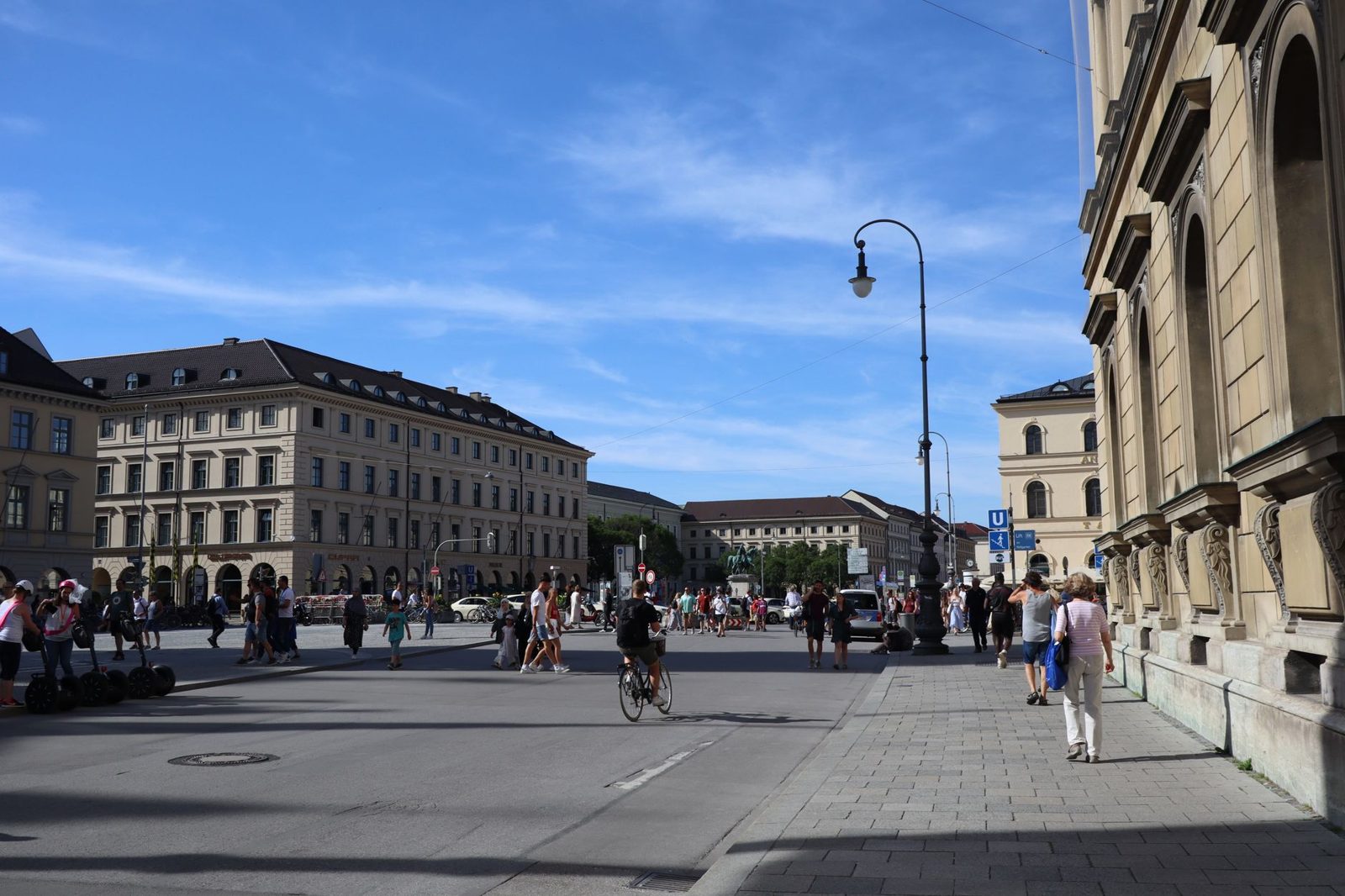
Most shoppers never lift their eyes above the ground-floor vitrines, which is a shame, because the architecture is the real luxury here. King Maximilian II laid out the avenue in the 1850s as a deliberate showpiece, and his court architect Friedrich Bürklein designed it in what became known as the “Maximilian style” — a pointed-arch hybrid of Gothic and Renaissance that the king championed personally against the heavy classicism then in fashion. The result is the arcaded façade line that shelters you from the rain as you browse.
Walk east, past the Altstadtring, and the boulevard widens into the so-called Forum, where two monumental arcaded blocks face each other. One now holds the Museum Fünf Kontinente, Germany’s oldest ethnology museum (it opened in 1862); the other houses the Regierung von Oberbayern, the seat of Upper Bavaria’s regional government. The whole composition aims at the Maximilianeum, finished in 1874 on the bluff across the Isar — today the working home of the Bavarian Landtag, the state parliament. Down the planted central median, bronze statues honour Bavarian statesmen, with Maximilian II himself presiding over the Forum.
Two more details reward a glance upward. At No. 26–28, the Münchner Kammerspiele conceals one of Europe’s last surviving Jugendstil (Art Nouveau) auditoriums behind its street frontage — worth a ticket on a non-shopping evening. And the Hotel Vier Jahreszeiten Kempinski, open continuously since 1858, was built expressly to lodge the king’s guests; its lobby bar still makes a civilised mid-shop pause. For the fuller story of how the Wittelsbachs shaped this quarter, the Residenz palace at the western end is the obvious next stop.
Maximilianstraße Through the Seasons
The price tags soften twice a year. Germany’s traditional end-of-season sales — the Winterschlussverkauf, which runs from late January into February, and the Sommerschlussverkauf in late July and August — are when even the flagship boutiques quietly mark down last season’s stock, though don’t expect the dramatic percentages of an American sale; on Maximilianstraße, 20–30 percent off is a strong cut.
December turns the avenue into a competition of window displays, the boutiques outdoing each other in warm light and seasonal installations while the No. 19 tram rattles past in the dark — one of the prettier free spectacles in the city, and an easy add-on to a Christmas market evening a few blocks west. August is the contrarian’s month: Munich empties for the summer holidays, some ateliers trim their hours, and a few smaller independents close for a fortnight, so call ahead if a specific shop is your reason for coming. Spring and early autumn give you the best light and the mildest pavement for the full walk — and unlike the city centre proper, Maximilianstraße stays relatively calm even during Oktoberfest, since the crowds gather two kilometres away at the Theresienwiese.
A Half-Day Plan: Pairing the Boutiques With the Old Town
Maximilianstraße rewards an hour or two, but it sits close enough to everything else in the Altstadt that you can fold it into a wider morning. Start at the Residenz, the former royal palace at the western mouth of the street, then walk the boutique gauntlet east toward the Forum, pausing for coffee in the Vier Jahreszeiten lobby or at one of the cafés on Marstallplatz.
If the luxury houses are more for looking than buying, you have options within a five-minute walk. The pedestrian high street of Kaufingerstraße and Neuhauser Straße — covered in full in our Munich shopping guide — runs the more affordable department stores and high-street labels. For things you can actually carry home, the best Munich souvenirs hide in the side streets, and the city’s vintage and flea markets turn up designer pieces at a fraction of boutique prices if your timing is right. Cap the morning with lunch at one of the city’s better restaurants in nearby Lehel, the quiet, embassy-lined quarter the street feeds into — the Altstadt-Lehel neighbourhood guide maps the rest of it. And if Maximilianstraße has you dreaming of a stay to match, the avenue’s grand hotels anchor our roundup of Munich’s luxury hotels.
What the Boulevard Actually Costs: Entry Points by House
You don’t need a five-figure budget to walk out of a Maximilianstraße flagship with a real bag carrying the house’s name. Every maison keeps an “entry” tier — the small leather goods, beauty counters, and fragrances that exist precisely so a first-time customer can buy in. Knowing where those start saves you the awkward guesswork at the counter.
At Hermès, the silk twillys and printed pocket squares open the range somewhere around €150–230, well below the leather goods. Loro Piana’s famous cashmere baseball cap is the cult “entry” piece, usually a few hundred euros for the softest hat you’ll ever own. Bottega Veneta’s woven intrecciato card holders and key pouches start in the low hundreds and show the craftsmanship without the four-figure commitment of a bag. The fashion houses — Chanel, Dior, Gucci — all run beauty and fragrance counters where a lipstick, nail colour, or signature scent gets you the box, the ribbon, and the bag for under €100. The jewellers are the steepest: at Cartier and Bvlgari, the genuine entry point is fine fragrance rather than the cases of gold, so set expectations before you walk in.
Insider tip: non-EU visitors should ask about tax-free shopping on any purchase over €50.01 — the VAT refund (covered in detail in the section above) effectively knocks the price down by up to 19 percent at the airport, which makes the entry-tier pieces an even better-value souvenir than they first appear.
One more thing worth knowing if you’re buying something significant: most flagships on Maximilianstraße take appointments, and several keep a personal-shopping or by-request service for visitors. Booking a slot a day ahead — easily done by phone or through the house’s website — means a sales associate has time set aside, can pull sizes and colours before you arrive, and can arrange the tax-free paperwork without a queue. It costs nothing, and on a busy Saturday in December it is the difference between a rushed transaction and an unhurried one. German retail etiquette also runs more formal than the American norm: a greeting on entry, browsing without being shadowed, and an unhurried pace are all expected, and a little of it goes a long way at this end of the market.
Getting There: Trams, U-Bahn, and the Walk
The single most useful fact for reaching the boulevard is that tram line 19 runs its entire length, with stops at Nationaltheater (western end, by the opera house), Kammerspiele (the central boutique cluster), Maxmonument, and Maximilianeum at the far Isar end — hop off wherever your shopping list points you. From the city’s transport hub at Marienplatz it’s barely a five-minute walk north-east; the U4 and U5 lines stop at Lehel, a short stroll from the eastern half. If you’re driving, the Operngarage beneath Max-Joseph-Platz puts you right at the western mouth of the street, though Munich’s congestion and parking charges make the tram the easier call. For the full ticketing picture — day passes, the airport run, and which zones you’ll cross — see our guide to getting around Munich, and time your visit using our advice on the best time to visit Munich.
Frequently Asked Questions
What is on Maximilianstraße in Munich?
Maximilianstraße is Munich’s primary luxury shopping street, with 30+ flagships including Hermès, Gucci, Chanel, Dior, Cartier, Bottega Veneta, and most major designers. The street also houses the Munich State Opera (Nationaltheater), several luxury hotels, and runs from the Residenz Palace east to the Bavarian Parliament.
Are Maximilianstraße shops open on Sundays?
No — German law closes most shops on Sundays year-round. Restaurants, cafés, museums, and a few smaller exempt stores remain open. Plan luxury shopping for Monday–Saturday.
Can tourists get a VAT refund on Munich purchases?
Yes, non-EU visitors can reclaim the 19% German VAT on purchases of €50.01+ at participating stores (most luxury flagships participate). The form must be stamped by customs at your EU departure airport, then submitted to a Global Blue or Planet refund desk.
Is Maximilianstraße more expensive than Theatinerstraße?
Yes, marginally — Maximilianstraße has the heaviest concentration of true luxury flagships (Hermès, Cartier, Bvlgari). Theatinerstraße and Maffeistraße carry premium designer brands at slightly lower price points (Stone Island, Acne, Comme des Garçons, Brunello Cucinelli).
How long does it take to walk Maximilianstraße?
The full kilometer takes 12–15 minutes at a steady pace. The luxury shopping section (western 600 m) takes 8–10 minutes to walk, but plan 2–4 hours for serious browsing.
Where can I park near Maximilianstraße?
The nearest paid parking garages are Max-Joseph-Platz (under the National Theater) and the Hofbräuhaus garage on Münzstraße. Both €3–€5/hour. Public transit is easier — Marienplatz S/U-Bahn is 5 minutes’ walk, Odeonsplatz U-Bahn 3 minutes.
Plan a Munich Luxury Trip
This Maximilianstraße guide is part of our deeper Munich shopping guide, which covers Theatinerstraße, the Fünf Höfe, Schwabing boutiques, and Glockenbachviertel design. For the rest of the trip, see our where to stay guide, our best bars guide, our museums and culture guide, and our overall trip planner.