Where to Stay in Munich: Complete Accommodation Guide
Complete guide to where to stay in Munich. Compare the best neighborhoods, hotels, boutique stays, family apartments, and Oktoberfest-friendly hotels with prices and insider tips.
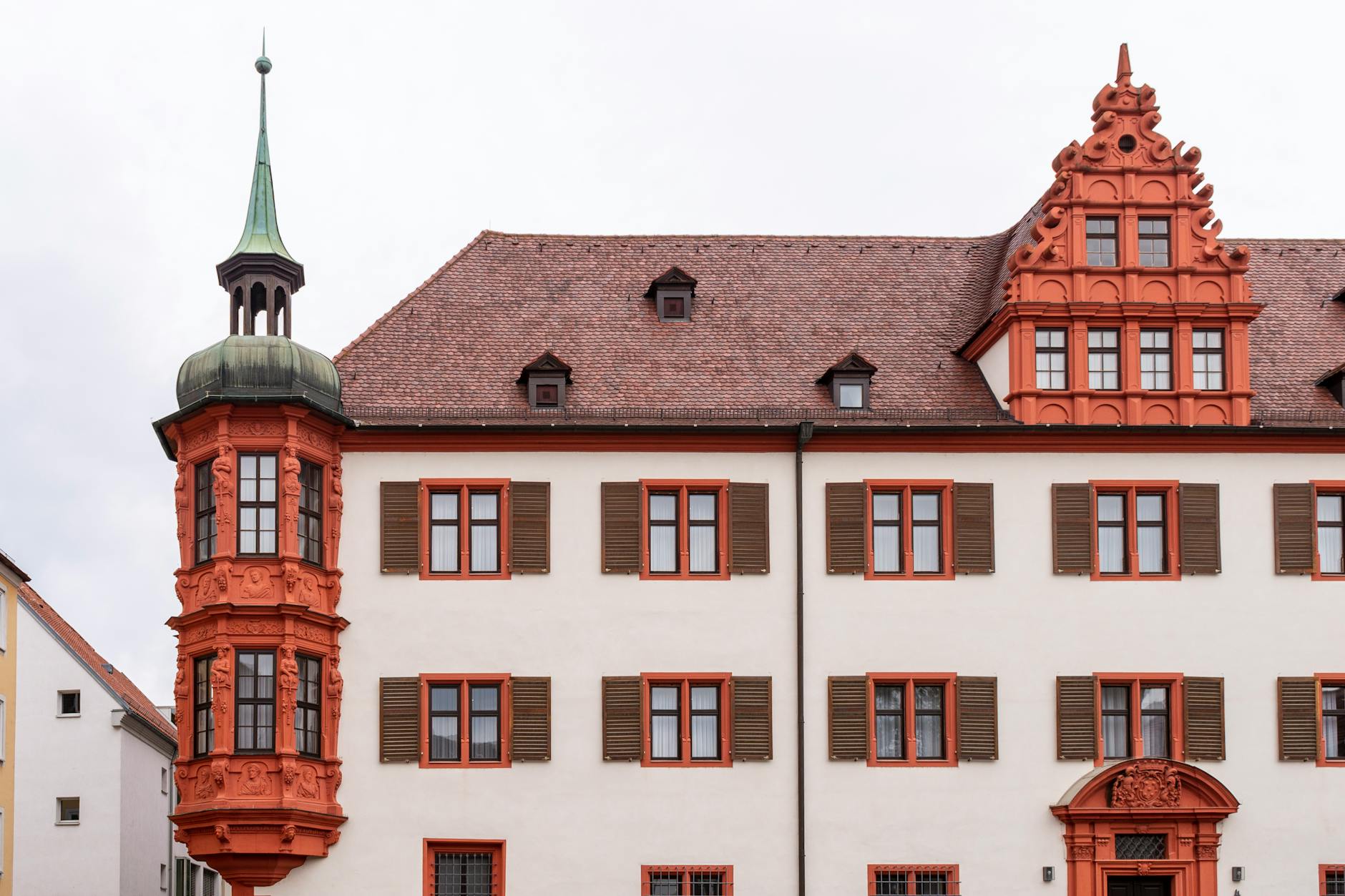
Deciding where to stay in Munich is the single most impactful choice you’ll make after booking your flight. The right neighborhood can put the best of Bavaria’s capital at your doorstep, shave hours off transit time, and transform a good trip into a great one. The wrong choice can leave you in a soulless business district, far from the beer gardens, and paying a premium for the privilege. This complete accommodation guide walks you through every major neighborhood, every hotel category, seasonal pricing quirks, and the insider booking tactics locals use to score the best rates.
Whether you’re hunting for a five-star palace on Maximilianstraße, a sleek boutique room in Glockenbachviertel, a family-friendly apartment in Nymphenburg, a budget hostel bed near the train station, or a quiet retreat in leafy Schwabing, we’ve organized this guide to help you make a confident decision in under ten minutes. Every recommendation reflects a specific traveler profile — first-timers, couples, families, solo travelers, business visitors, and Oktoberfest-goers — so you can zero in on the neighborhood that actually fits your trip.
Munich Neighborhoods at a Glance
Where you sleep in Munich shapes your whole trip — how far you walk to the sights, how much you pay, and what your evenings feel like. Before the deep dives below, here is the fast version: the seven districts most visitors actually choose, sorted by vibe, rough nightly price band, and the kind of traveler each one suits best. Use it to shortlist two or three areas, then read their full sections further down.
| Neighborhood | Vibe | Price band (double/night) | Best for |
|---|---|---|---|
| Altstadt-Lehel | Historic, central, polished | €€€€ (€200–€350+) | First-timers, short stays, walk-everywhere trips |
| Maxvorstadt | Young, museum-dense, studenty | €€€ (€140–€220) | Culture lovers wanting central value |
| Isarvorstadt / Glockenbachviertel | Hip, queer-friendly, food-forward | €€€ (€140–€230) | Foodies, couples, nightlife |
| Ludwigsvorstadt (Hbf area) | Gritty-central, transit hub | €€ (€90–€160; €€€€ at Oktoberfest) | Train day-trippers, Oktoberfest, backpackers |
| Schwabing | Leafy, residential, refined | €€€ (€130–€210) | Couples, longer stays, repeat visitors |
| Haidhausen & Au | Bohemian, local, low-key | €€ (€100–€170) | Second-timers chasing the real Munich |
| Nymphenburg / Bogenhausen | Quiet, green, upscale-calm | €€–€€€€ (€100–€300) | Families, park lovers, business stays |
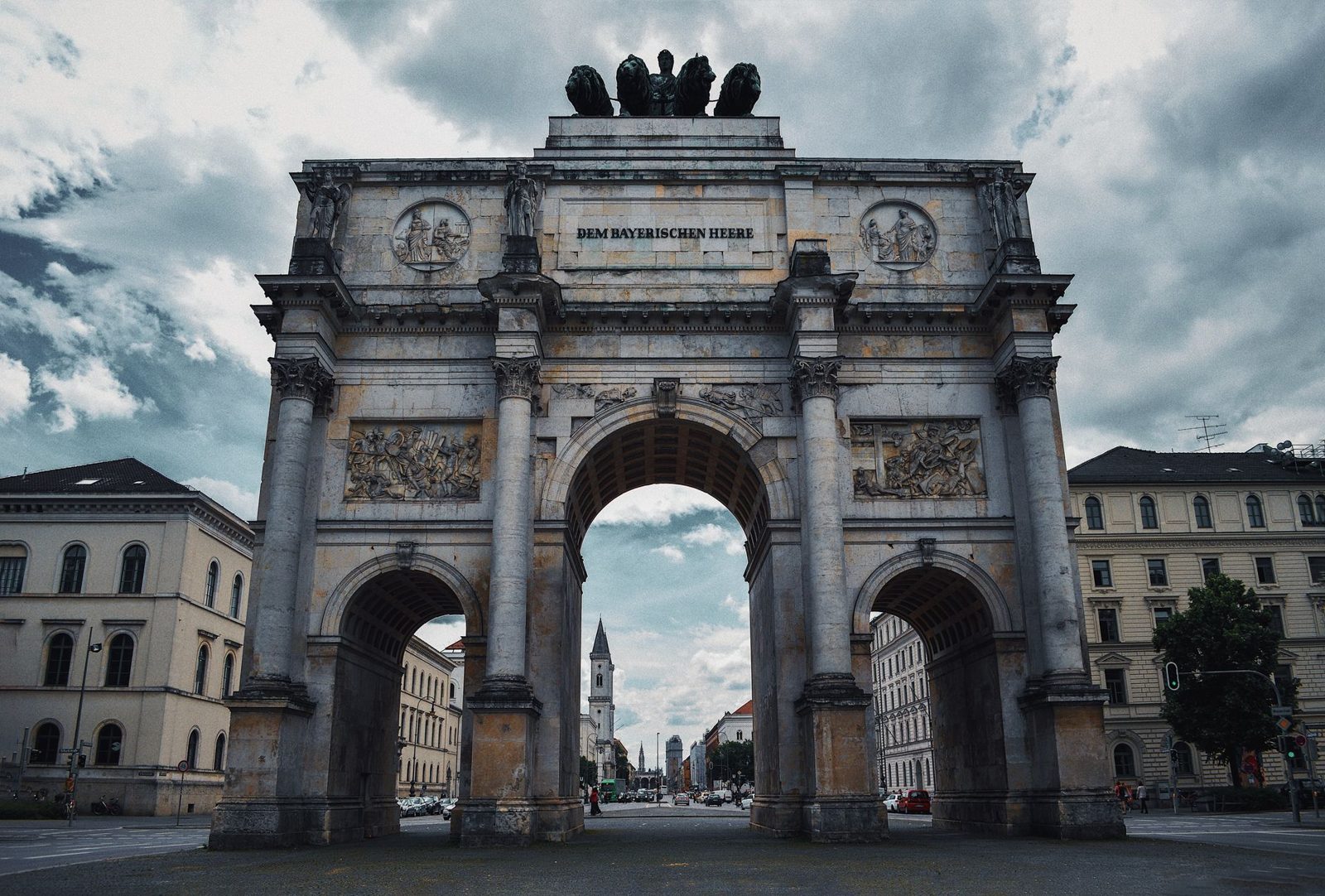
Quick Answer: The Best Neighborhoods to Stay in Munich
If you only have a minute, here’s the short version. First-time visitors should book in Altstadt-Lehel for unbeatable walkability. Travelers who want authentic local flavor should pick Maxvorstadt or Haidhausen. Couples and foodies will thrive in Glockenbachviertel. Families should look to Nymphenburg or Bogenhausen. Budget travelers save the most by staying near Hauptbahnhof (the main train station) in Ludwigsvorstadt. Oktoberfest attendees want Theresienwiese-adjacent Ludwigsvorstadt. And business travelers should consider Schwanthalerhöhe or the area around Munich Airport (MUC).
Each of these neighborhoods is covered in detail below with price ranges, transport notes, recommended hotels, and honest pros and cons. For even deeper dives into specific traveler types, see our specialized guides on the best neighborhoods for tourists, budget hotels and hostels, luxury hotels, family hotels, and where to stay during Oktoberfest.
How Much Does a Hotel in Munich Cost?
Munich is one of Germany’s pricier cities, though it’s still considerably cheaper than London, Paris, or Zurich. Understanding the price landscape before you shop helps you set realistic expectations and spot genuine deals.
- Hostel dorm bed: €20-€40 per night
- Budget private room or basic 2-star hotel: €70-€110 per night
- Mid-range 3-4 star hotel: €130-€220 per night
- Upper mid-range / boutique: €220-€350 per night
- Luxury 5-star hotel: €350-€800+ per night
- Vacation rental apartment (2 people): €110-€250 per night
These are the ranges for a standard weekday outside peak periods. Prices rise substantially during major trade fairs (including BAU, ISPO, and IAA Mobility), Christmas markets (late November through December 24), and Oktoberfest (mid-September to early October), when mid-range hotels in the Altstadt can easily triple in price. The single cheapest month to visit Munich is generally early February, and the most expensive window is the first week of Oktoberfest.
Booking three to six months ahead for high season and two to three weeks ahead for low season usually produces the best rates. For a full breakdown of booking strategies, seasonal calendars, and how to use price-tracking tools, see our dedicated Munich hotel booking tips guide.
Travelling on a tighter budget? Our cheap accommodation guide for Munich breaks down hostels, guesthouses and aparthotels that still land under €80 a night, including which neighbourhoods hold their value in peak season.
Altstadt-Lehel: Best for First-Time Visitors
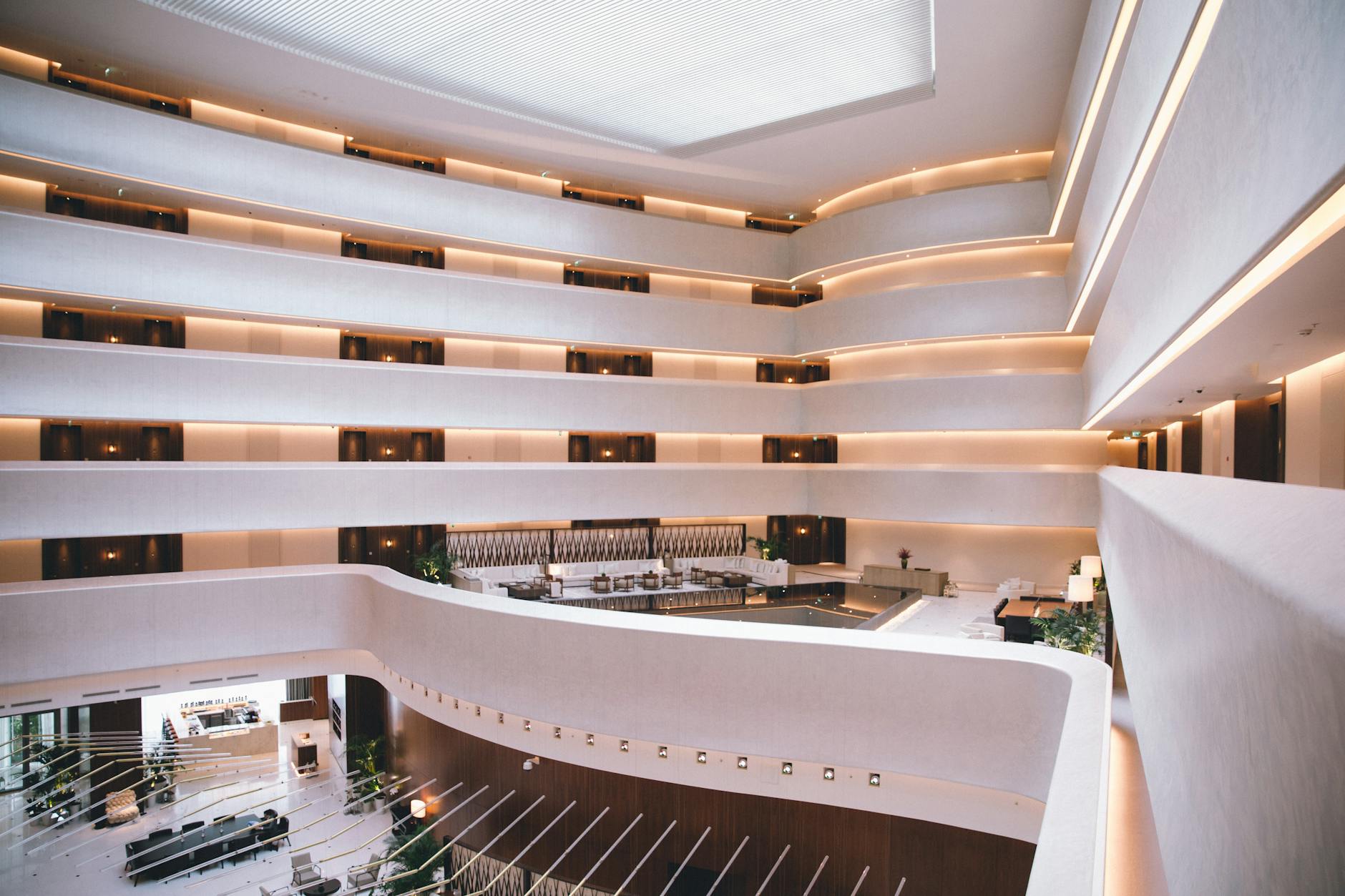
Altstadt-Lehel is Munich’s beating heart and, for most first-time visitors, the single best place to base yourself. The neighborhood wraps around Marienplatz and stretches east to the Isar River, packing nearly every iconic sight — the Residenz, Frauenkirche, Hofbräuhaus, Viktualienmarkt, Odeonsplatz, and Maximilianstraße — into a roughly one-kilometer-square footprint. From almost any hotel here, you can walk to a world-class museum, a 500-year-old church, a traditional beer hall, and a Michelin-starred restaurant within ten minutes.
Lehel, the quieter eastern half of this combined district, is particularly appealing. It’s residential in character, has beautiful Art Nouveau facades, and sits directly across from the English Garden. You sacrifice nothing in walkability but gain a calmer evening atmosphere than the busy streets around Marienplatz.
Best for: First-time visitors, short trips (1-3 days), travelers with mobility concerns who want everything in walking distance, anyone prioritizing photographable surroundings.
Pros: Walkability is unbeatable, stunning historic architecture, excellent transit connections at Marienplatz (hub for U3, U6, S-Bahn lines), and the city’s highest concentration of notable restaurants and bars.
Cons: The priciest neighborhood, crowded during the day, some street noise near Marienplatz bars, and a slightly “postcard” feel rather than everyday-local character.
Notable hotels: Bayerischer Hof and Mandarin Oriental Munich at the luxury tier; Louis Hotel and Cortiina as boutique picks; Platzl Hotel and Hotel Torbräu for traditional Bavarian mid-range; Motel One München-Sendlinger Tor for stylish budget stays. For our complete roundup, see our best hotels near Marienplatz guide.
Maxvorstadt: Best for Culture Lovers on a Budget
Just north of the Altstadt, Maxvorstadt is Munich’s university and museum quarter. It’s home to the Kunstareal (Art District), where the three Pinakothek museums, the Museum Brandhorst, and the Lenbachhaus all cluster within a few minutes’ walk. The Ludwig Maximilian University and Technical University of Munich give the neighborhood a young, energetic feel, and the streets around the U-Bahn stations Universität, Königsplatz, and Theresienstraße are lined with cafés, bookshops, independent galleries, and affordable international restaurants.
You’re still remarkably central here — it’s a ten-minute walk from the Pinakothek der Moderne to Odeonsplatz and another five to Marienplatz — but you’ll pay noticeably less than in the Altstadt, and you’ll experience a much more authentic day-to-day Munich. Many locals consider Maxvorstadt the sweet spot of central neighborhoods.
Best for: Museum lovers, repeat visitors who’ve already done the Altstadt, younger travelers, budget-conscious travelers who still want central walkability.
Pros: Lower prices than Altstadt (often 20-30% less for comparable quality), genuine student-and-locals atmosphere, five world-class museums within a few blocks, easy U-Bahn access.
Cons: Less visually dramatic than the Altstadt, fewer traditional Bavarian restaurants (more international fare), quieter at night in the northern reaches.
Notable hotels: Hotel Cocoon Stachus, The Flushing Meadows Hotel, 25hours Hotel The Royal Bavarian, and Ruby Lilly Hotel all offer excellent mid-range value in or near this neighborhood.
Ludwigsvorstadt-Isarvorstadt: Best for Oktoberfest and Nightlife
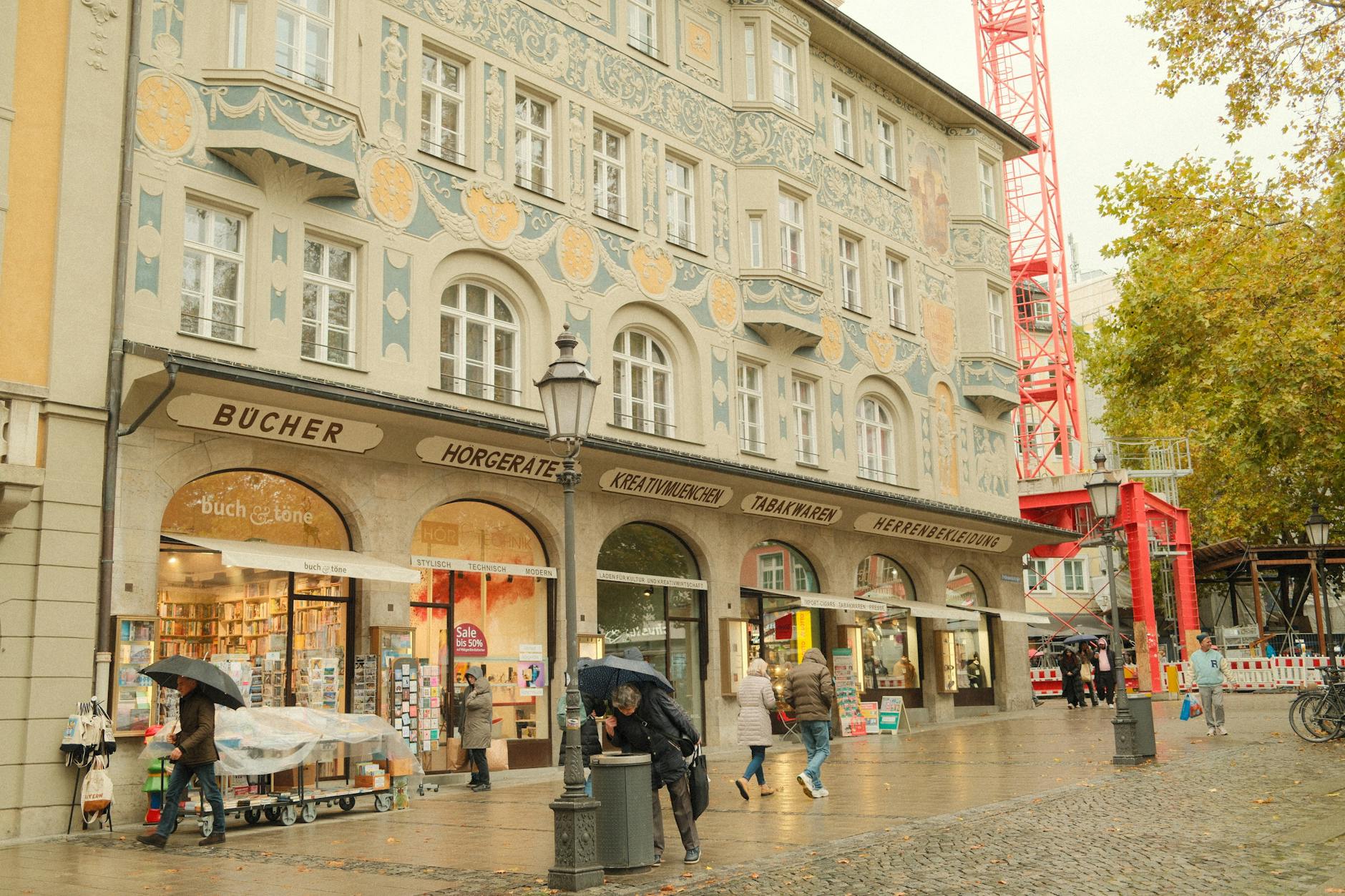
Ludwigsvorstadt-Isarvorstadt is a long, ribbon-shaped district that runs southwest-to-south from the Hauptbahnhof (main train station) down to the Isar River. Its western half, Ludwigsvorstadt, contains the Hauptbahnhof itself and, crucially, the Theresienwiese fairgrounds — site of Oktoberfest. The eastern half, Isarvorstadt, includes the Glockenbachviertel (Glockenbach quarter) and Gärtnerplatzviertel, two of Munich’s most vibrant nightlife and dining neighborhoods.
The Glockenbachviertel in particular has transformed over the past fifteen years into Munich’s unofficial dining destination. Its narrow streets are lined with restaurants from every cuisine — Bavarian tavern classics, Neapolitan pizza, modern Japanese, natural-wine bars, sourdough bakeries — and the area around Gärtnerplatz has one of the best people-watching café scenes in Germany. It’s also the center of Munich’s LGBTQ+ community, with legendary bars and a friendly, welcoming atmosphere day and night.
Best for: Oktoberfest visitors (staying within walking distance of the Theresienwiese is life-changing), foodies, nightlife fans, solo travelers, LGBTQ+ visitors.
Pros: Unbeatable during Oktoberfest, some of the city’s best restaurants and cafés, lively but not overwhelming nightlife, strong transit connections at Hauptbahnhof and Sendlinger Tor.
Cons: The Hauptbahnhof area itself can feel gritty at night, Oktoberfest pricing surges are brutal in September, the district is long and the character varies dramatically block to block.
Notable hotels: The Charles Hotel (Rocco Forte), Hotel Anna, Wombat’s City Hostel for backpackers, Hotel Carlton Astoria, and Schwan Locke for serviced apartments. For Oktoberfest-specific recommendations, our Oktoberfest accommodation guide walks through tent proximity, pricing windows, and booking timelines.
Schwabing: Best for a Local, Residential Feel
Schwabing sits directly north of Maxvorstadt and stretches along the western edge of the English Garden. Once famous as Munich’s bohemian artists’ quarter (Thomas Mann, Wassily Kandinsky, and Rainer Maria Rilke all lived here), it’s now one of the most desirable residential neighborhoods in the city. The tree-lined streets around Leopoldstraße and Münchner Freiheit feel more like Parisian boulevards than tourist-zone streets, and the adjacency to the English Garden means you’re minutes from one of the world’s great urban parks.
Staying in Schwabing is a different experience from staying in the Altstadt. You’ll wake up to the sound of neighborhood bakeries opening rather than tour group announcements. Evenings are for lingering in a proper local bar rather than fighting for a table at the Hofbräuhaus. The U3 and U6 U-Bahn lines whisk you to Marienplatz in eight minutes, so you lose nothing in terms of access to the main sights — you just get a more refined home base.
Best for: Return visitors, couples, travelers staying 4+ days, anyone who prefers neighborhoods over tourist districts.
Pros: Beautiful tree-lined streets, quiet evenings, excellent cafés and independent shops, direct access to the English Garden, solid transit.
Cons: Few major sights in the neighborhood itself, slightly further from the Altstadt (10-15 minutes by U-Bahn), pricier hotels than Maxvorstadt.
Notable hotels: Le Méridien, Hotel Laimer Hof, Leonardo Royal Hotel München, and a wide selection of serviced apartments and aparthotels for longer stays. See our Munich apartment rentals guide for serviced-apartment comparisons.
Haidhausen and Au: Best for Authentic Munich
Cross the Isar River from the Altstadt and you arrive in Haidhausen — the “French Quarter” of Munich. Its cobbled lanes, 19th-century workers’ cottages, and quiet squares like Wiener Platz give it a warmth and scale you won’t find elsewhere in the city. It’s one of Munich’s most charming residential neighborhoods, and over the past decade it has quietly become a haven for independent cafés, wine bars, and creative studios.
Au, just to the south, is Haidhausen’s rowdier, younger sibling. It’s home to the famous Paulaner am Nockherberg beer hall, several local distilleries, and the Auer Dult, a traditional flea market held three times a year. Both neighborhoods are connected to the Altstadt in under five minutes via tram or U-Bahn, and many visitors find this combination of short commutes and authentic character hard to beat.
Best for: Younger travelers, nightlife seekers, food-and-drink-focused trips, second-time visitors, anyone wanting to see how locals actually live.
Pros: Quiet, residential feel, excellent bars and restaurants, easy transit to the center, close to the Ostbahnhof for onward train travel to Salzburg or Vienna.
Cons: Not many major sights in the neighborhood itself, fewer hotel options than central districts (more small B&Bs and apartments), slightly further walk from the Altstadt proper.
Notable hotels: Hotel Opéra, Hotel Admiral, Westin Grand München (near the Ostbahnhof), and an abundance of small guesthouses and serviced apartments.
Nymphenburg: Best for Families and Park Lovers
Nymphenburg, three kilometers northwest of the Altstadt, is dominated by the 700-yard-wide palace of the same name and its enormous baroque park. The neighborhood around the palace is leafy, residential, and notably quieter than central Munich — ideal conditions for families traveling with young children who need predictable bedtimes and safe, green space for running around.
The Hirschgarten, the world’s largest traditional beer garden, is at one corner of the park and doubles as a superb family outing. The Olympiapark, with its swimming pools, ice skating, and playgrounds, is just north. And the U1 U-Bahn line connects the area to Marienplatz in about 15 minutes. You’re trading some convenience for a dramatically more relaxing home base.
Best for: Families with children, travelers who value green space, anyone staying a week or more.
Pros: Quiet and safe, dramatic natural surroundings, excellent value, family-friendly atmosphere, proximity to palace and Hirschgarten.
Cons: Further from the Altstadt, fewer restaurants within walking distance, limited nightlife.
Notable hotels: Hotel Laimer Hof, Kriemhild, and various family-oriented aparthotels. For our full family-focused roundup, see the Munich family hotels guide.
Bogenhausen: Best for Upscale Quiet
East of the English Garden and the Isar, Bogenhausen is one of Munich’s wealthiest and most graceful residential neighborhoods. Its wide boulevards, Art Nouveau villas, and river-adjacent position make it a favorite with business travelers, diplomats, and discerning tourists who want a hotel near the center but in a calm setting. Prinzregentenstraße, one of the city’s grandest avenues, runs through the district.
Bogenhausen is home to the Villa Stuck museum, the Bavarian National Museum, and some of the city’s finest dining. It’s about ten minutes to Marienplatz by transit or 20 by foot across the Maximilian Bridge. For travelers who find the Altstadt too touristy but want a polished, upscale feel, this is the answer.
Best for: Upscale business travelers, couples on a second visit, travelers who prioritize peace and quiet over pure convenience.
Notable hotels: Hilton Munich Park, Munich Marriott Hotel, and Rocco Forte Hotel-adjacent style properties.
Hotel Categories: Choosing the Right Style for Your Trip
Luxury Hotels (€350+ per night)
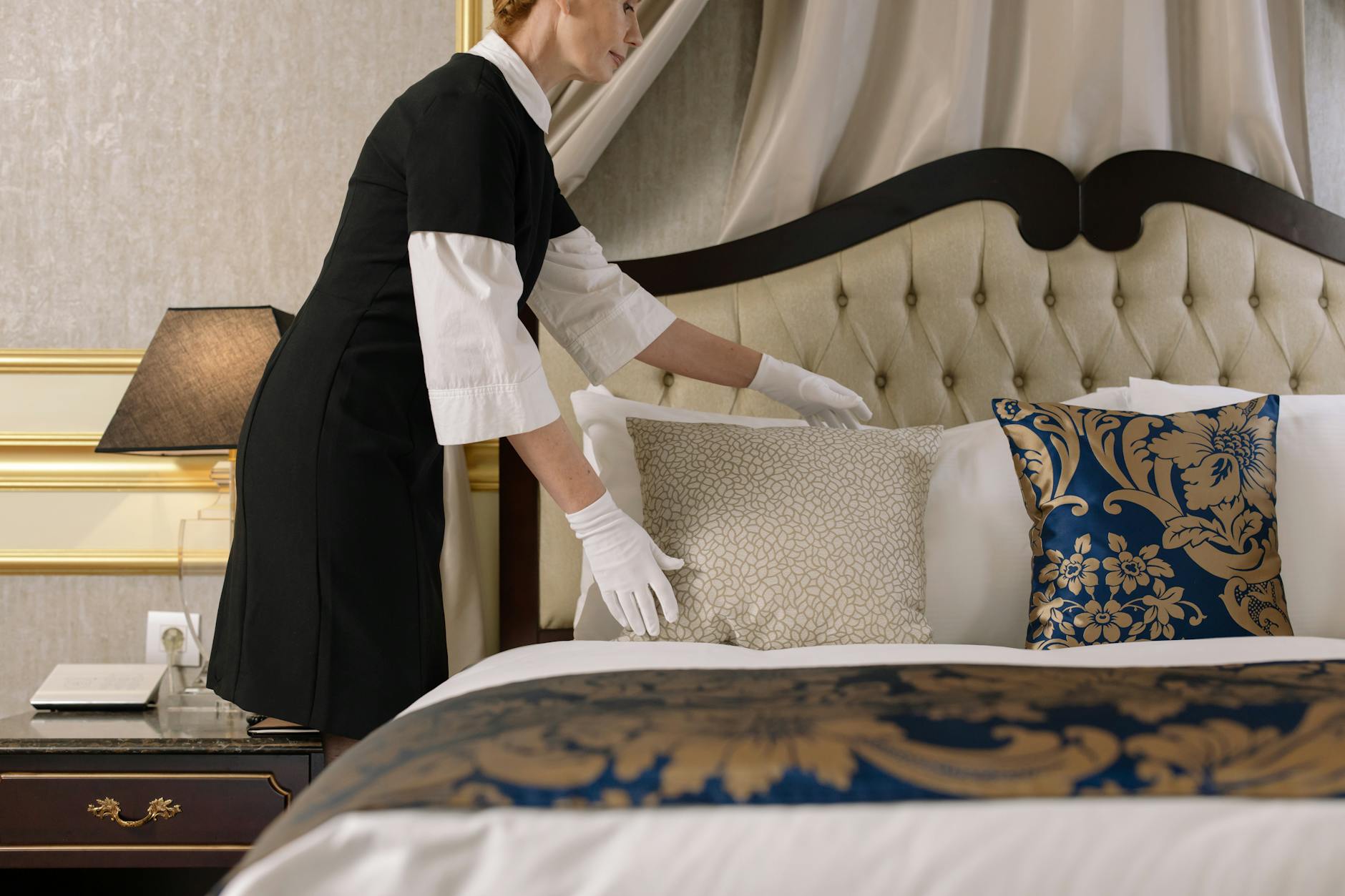
Munich’s luxury scene is anchored by three legendary grande dames — the Hotel Bayerischer Hof, the Mandarin Oriental Munich, and the Rocco Forte The Charles Hotel — plus the more recent Rosewood Munich and Sofitel Munich Bayerpost. Expect palatial lobbies, Michelin-starred dining, rooftop spas with Alps views, and the full suite of five-star services.
Luxury in Munich is not about ostentation. Even the most expensive rooms tend toward understated elegance, with fine Bavarian craftsmanship, restored historic architecture, and quiet, discreet service. Our full luxury hotels guide ranks the top picks with amenity comparisons.
Boutique Hotels (€200-€400 per night)
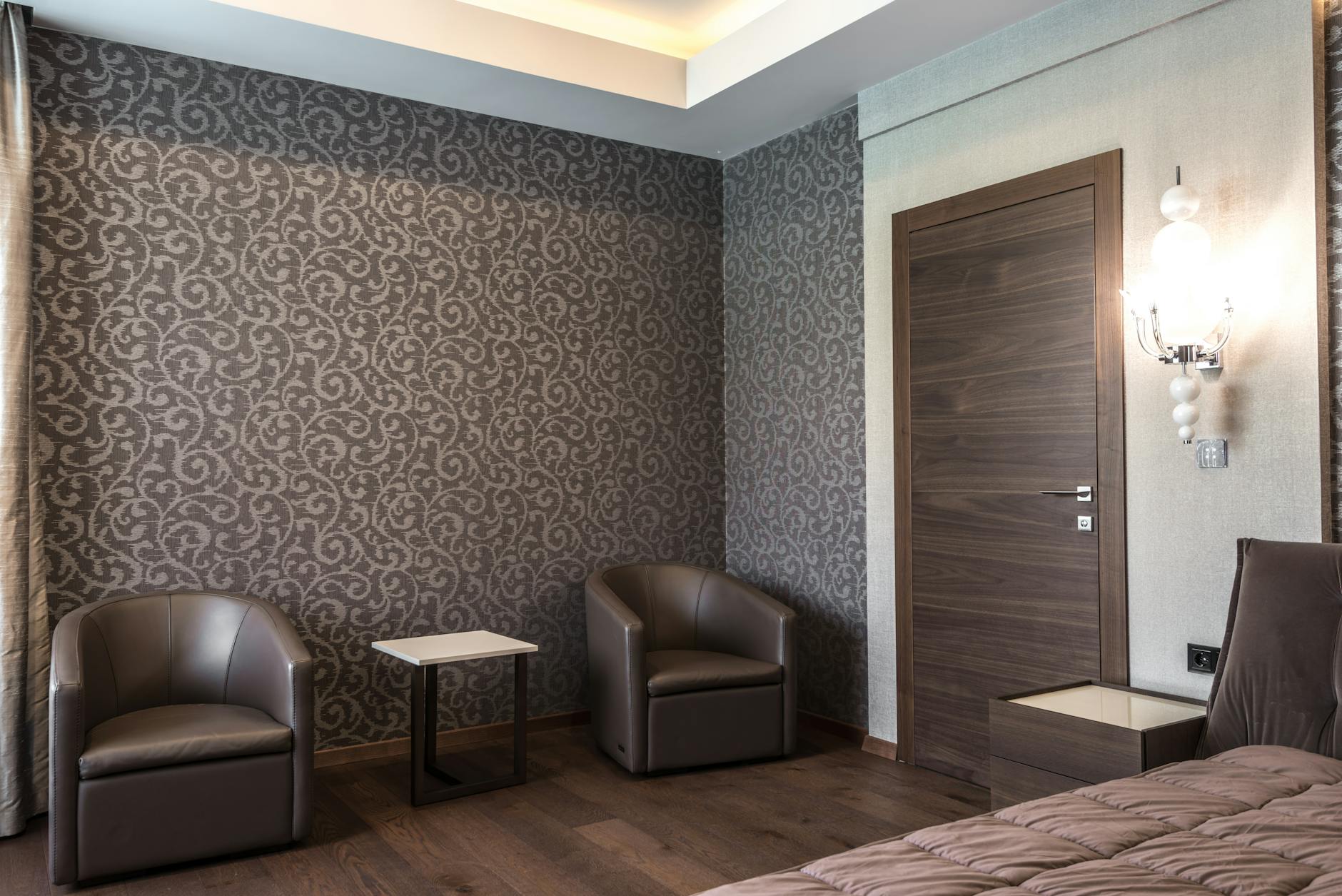
Munich’s boutique scene has exploded in the past decade. The Flushing Meadows Hotel & Bar in Glockenbachviertel offers 16 individually designed rooms above a rooftop cocktail bar. Louis Hotel sits on the edge of the Viktualienmarkt with oak-paneled rooms and a discreet in-the-know vibe. 25hours Hotel The Royal Bavarian by Hauptbahnhof embraces Alpine kitsch in the best way. Hotel Cortiina near Marienplatz is a masterclass in restrained modern design.
Boutique is where Munich’s hospitality scene is most interesting right now — these are the hotels that feel like staying with a well-traveled local friend who has exceptional taste. For a full breakdown of the city’s best, see our boutique hotels guide.
Mid-Range Hotels (€130-€220 per night)
Munich’s mid-range sweet spot is dominated by German chains that deliver consistent quality. Motel One has four central locations (Sendlinger Tor, Hauptbahnhof, Marienplatz, and Deutsches Museum) with compact but stylish rooms and rooftop bars at most. Ruby Hotels, NH Collection, and Leonardo Royal all offer excellent value. And don’t overlook the Platzl Hotel, a family-run traditional property with one of the best breakfast buffets in the city.
Budget Hotels and Hostels (€20-€110 per night)
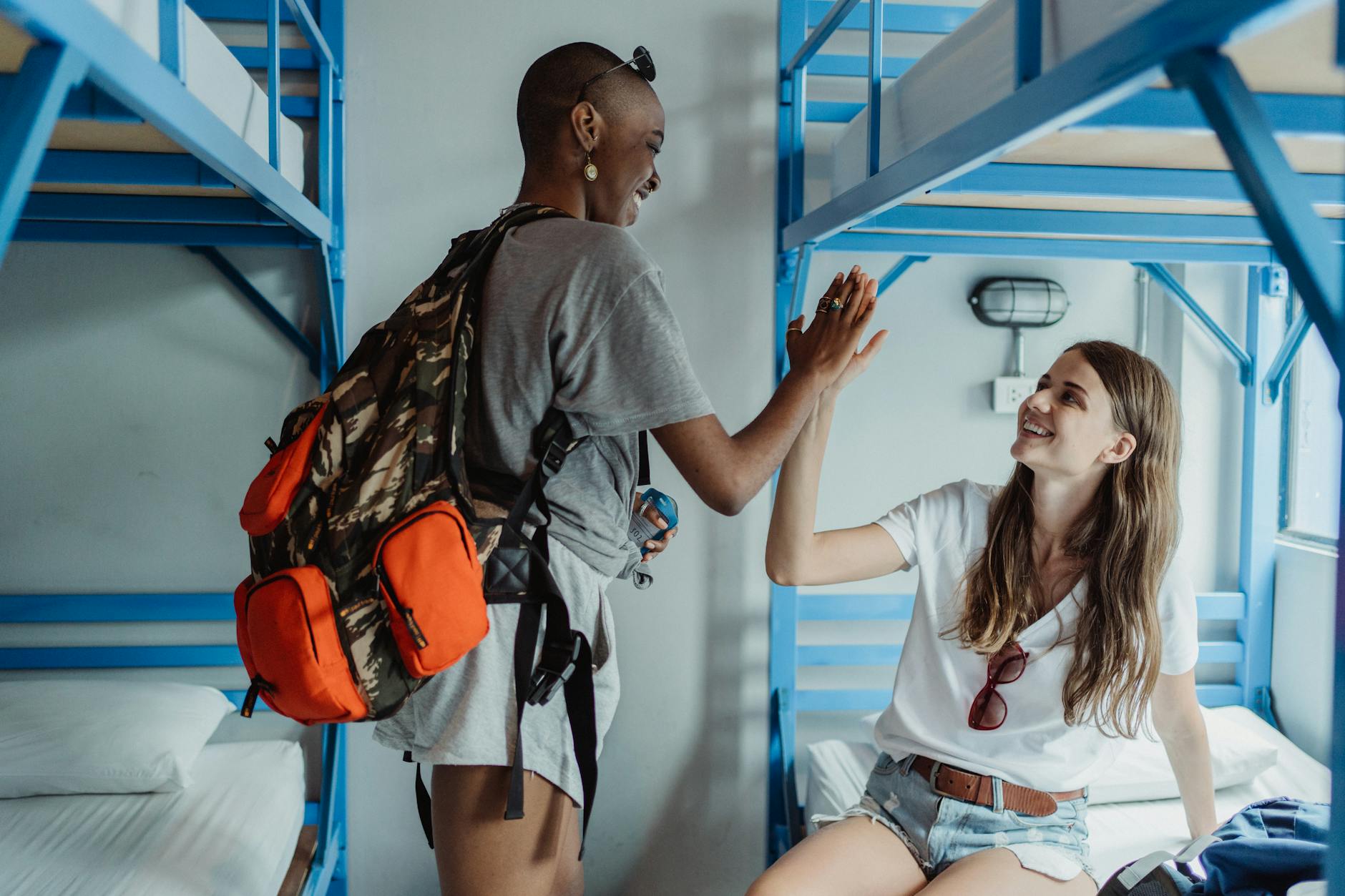
Munich has one of Germany’s best hostel scenes. Wombat’s City Hostel Munich near Hauptbahnhof is consistently rated among Europe’s best. Euro Youth Hostel, The Tent (a seasonal, massively cheap campground), and a&o Hostels all offer dorm beds under €35. For private budget rooms, B&B Hotel, Premier Inn, and smaller family-run pensionen scattered across the city deliver clean, simple stays from €80 to €110. See our budget hotels and hostels guide for our full ranked list.
Vacation Rentals and Serviced Apartments
For stays of four nights or longer, families, or groups of three or more, a vacation rental or serviced apartment almost always beats hotel value. Munich regulates short-term rentals strictly (only licensed properties can legally operate), which means the Airbnb and Vrbo listings you’ll find are typically professionally managed and legitimate. Schwan Locke, Adina Apartment Hotel, Mama Shelter Munich, and Urban Apartments Schwanthalerhöhe all offer hotel-grade service with kitchen facilities. Our full guide to Munich apartment rentals compares all the major operators.
Travelling with children changes the calculus — connecting rooms, cots and a quiet street matter more than a central address. Our guide to family hotels in Munich covers which properties actually deliver on those things.
Airport Hotels (Munich MUC)
Munich Airport (MUC) is 28 kilometers northeast of the city center — too far for a quick transit commute in most cases. If you have an overnight connection or an extremely early flight, an airport hotel is sensible. The best-connected options are Hilton Munich Airport (directly between terminals), Hotel Kempinski Airport München, and NH München Airport. All are connected to the airport by covered walkways, and all have 24-hour dining. For late arrivals who still want to reach central Munich, the S1 and S8 S-Bahn trains run until about 1 a.m. and reach Hauptbahnhof in 45 minutes. For a full airport-area breakdown, see our hotels near Munich Airport guide.
Neighborhood Comparison at a Glance
To make the decision easier, here’s a side-by-side comparison of Munich’s top accommodation neighborhoods based on the factors that matter most to travelers:
- Altstadt-Lehel: Price €€€€. Vibe: iconic, historic, touristy. Best for: first-timers, short trips.
- Maxvorstadt: Price €€€. Vibe: young, intellectual, cultural. Best for: museum lovers, budget central stays.
- Glockenbachviertel (Isarvorstadt): Price €€€. Vibe: hip, diverse, nightlife-driven. Best for: foodies, couples, LGBTQ+ travelers.
- Ludwigsvorstadt: Price €€ (€€€€ during Oktoberfest). Vibe: gritty-central, transit-focused. Best for: Oktoberfest, train travelers, backpackers.
- Schwabing: Price €€€. Vibe: leafy, residential, refined. Best for: couples, longer stays, repeat visitors.
- Haidhausen: Price €€. Vibe: bohemian, local, authentic. Best for: second-time visitors, nightlife, foodies.
- Nymphenburg: Price €€. Vibe: quiet, leafy, family-friendly. Best for: families, park lovers, long stays.
- Bogenhausen: Price €€€€. Vibe: upscale, calm, grand. Best for: business, upscale couples, quiet seekers.
Transit times between neighborhoods and the Altstadt range from 0 minutes (Altstadt-Lehel is the Altstadt) to about 15-20 minutes for outlying areas like Nymphenburg. No neighborhood in this guide will add more than 20 minutes to your typical daily commute, and most are under 10. Munich’s compactness is one of its best-kept secrets. For the full breakdown on which neighborhood best fits specific traveler types, our Best Neighborhoods for Tourists guide goes deeper still.
When to Book Your Munich Hotel
Timing your booking can save 20-40% on the same room. As a general rule, book six months ahead for Oktoberfest, three to four months ahead for Christmas markets and summer weekends, and two to three weeks ahead for standard low-season stays (January, February, early March, and early November).
Munich hosts several major trade fairs that blow hotel prices far above the normal range. BAU (January, even years), ISPO (late November), Productronica (November, odd years), and IAA Mobility (September, odd years) all fill the city with business travelers and can double standard prices. Always cross-check your dates against the Messe München fair calendar before booking; if your trip coincides with a fair, consider nearby towns like Dachau, Freising, or Augsburg and day-tripping in.
Sunday nights are consistently the cheapest nights of the week thanks to business-traveler demand patterns. Midweek (Monday-Thursday) rates in January and February are the lowest of the year, often below €100 for a decent 4-star. For detailed price-tracking strategies and loyalty program tips, see our Munich hotel booking tips guide.
Seasonal Strategy: When to Visit and Where to Stay
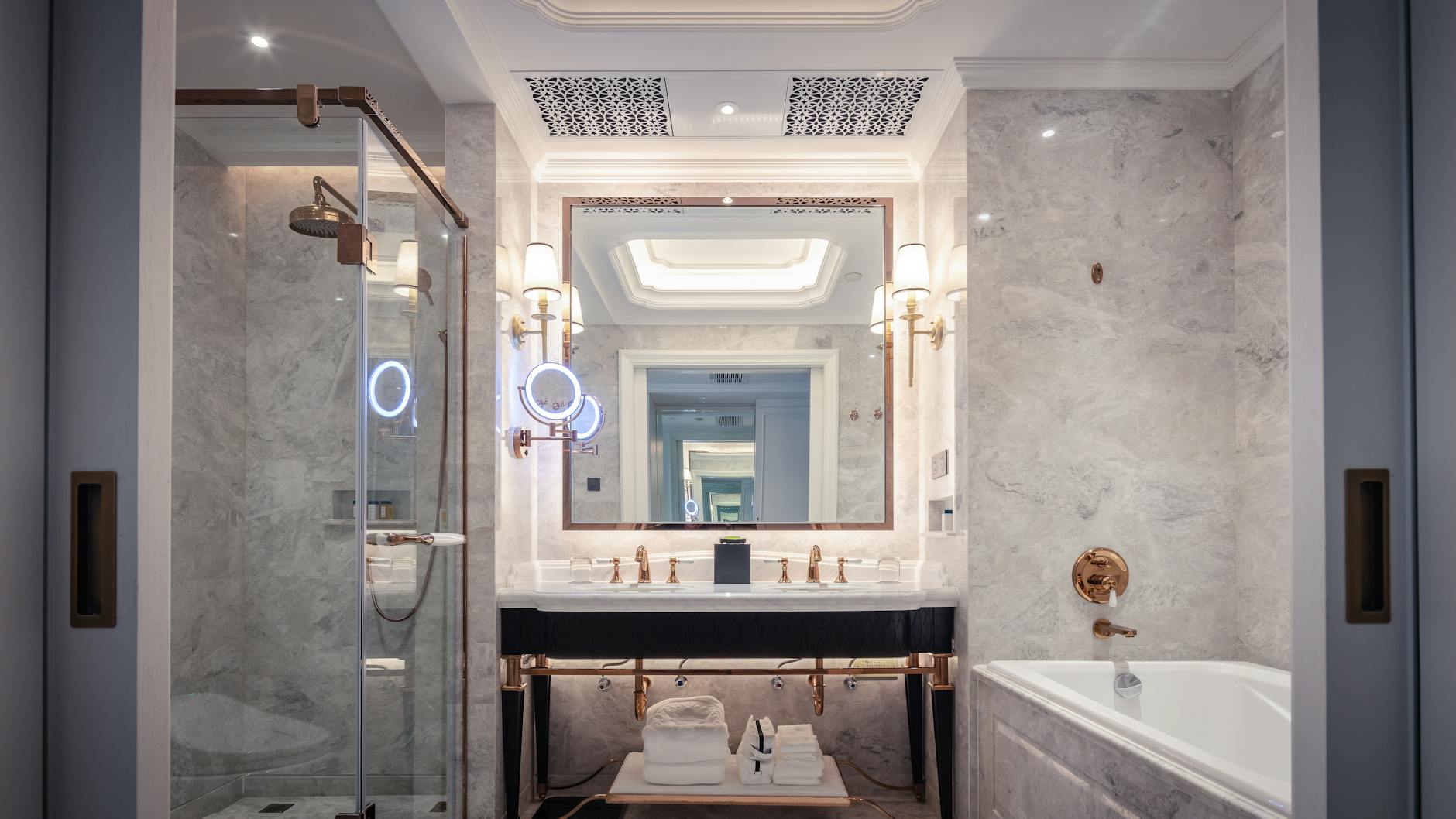
Your travel dates should inform your neighborhood choice as much as your travel style does. Munich’s accommodation market shifts significantly across the year, and the smart traveler picks the right base for the season.
Spring (March through May): One of the sweetest times to visit. Temperatures are mild, Nymphenburg’s and the English Garden’s gardens are in full bloom, and prices remain below summer peaks. Any of the core central neighborhoods works well; we’d especially recommend Maxvorstadt or Lehel for spring walks through the museum quarter or along the Isar.
Summer (June through August): Warm days, long evenings, and abundant beer-garden seating. Prices climb, but so does the quality of the experience. If you’re visiting in late June or July, stay somewhere with air conditioning (not always standard in older boutique properties) or close to the Isar for cool evening breezes. Schwabing, Glockenbachviertel, and Haidhausen all work beautifully.
Fall (September through October): This is Oktoberfest season and Munich’s highest-demand period. The mid-September to early-October window sees hotel prices 2-3x normal. If Oktoberfest is your priority, Ludwigsvorstadt or Isarvorstadt near the Theresienwiese is the only truly convenient choice. If you’re coming post-Oktoberfest (from mid-October on), crowds evaporate and prices crash — one of the best value windows of the year.
Winter (November through February): Christmas markets fill every major square from late November through Christmas Eve, and hotels in the Altstadt sell out quickly. From mid-January through early March, Munich becomes its cheapest: 4-star hotels frequently drop to €80-€110, and the museum-heavy itinerary lends itself perfectly to short winter trips. Stay central to minimize cold commutes.
Sustainability and Green Hotels in Munich
Munich takes sustainability seriously, and the hotel industry here has quietly become one of Europe’s greenest. Many properties carry certifications from Green Key, EU Ecolabel, or ISO 14001, and several are now operating fully carbon-neutral. The Hotel Schwanen, Cocoon Hauptbahnhof, and Hotel Laimer Hof are among the properties with strong eco credentials. If sustainability is a priority, filter bookings by “Eco-friendly” on platforms like Booking.com and look for the specific certification labels; generic claims are often less rigorous.
Beyond certifications, staying in a central location automatically reduces your carbon footprint — you’ll walk most days and use electric-powered transit for the rest. Many hotels also include free MVV transit passes with your booking; always ask at check-in.
What to Look for When Booking a Munich Hotel
A few Munich-specific considerations worth checking before you click “book.” Air conditioning is not standard — many mid-range and historic hotels don’t have it, which matters in July and August when temperatures can hit 35°C (95°F). Breakfast is sometimes included and sometimes €25-€35 extra, so read the fare terms carefully. Parking in central Munich is either impossible or expensive (€25-€45 per night at most hotels); if you’re driving, prioritize hotels outside the center or use a park-and-ride S-Bahn option.
City tax (Tourismusbeitrag) has been under discussion for Munich but is not currently charged as of 2026. Check-in times are typically 3 p.m. with check-out at 11 a.m.; most hotels will store bags either before or after. Cancellation windows vary dramatically — during peak periods, many bookings are fully non-refundable. Always pay the small premium for a flexible rate if your dates might shift.
Booking Platforms and Price Strategies
Munich is well-covered by all major booking platforms. Booking.com has the largest Munich inventory and the most flexible cancellation options. Expedia and Hotels.com have comparable listings with occasional price advantages. Direct hotel bookings are often competitive if you sign up for loyalty programs or newsletter discounts, especially at chains like Motel One, Ruby, and NH Collection. For design-forward independents, direct is almost always best — many boutique hotels offer perks (room upgrades, late checkout, free breakfast) to direct bookers that OTAs don’t match.
For apartments, Airbnb and Vrbo dominate, but local operators like Schwan Locke, Adina, and Mama Shelter book direct through their own websites at better rates. Always read the cancellation terms carefully — non-refundable apartment bookings can be 20-30% cheaper but leave you with no flexibility.
A few price-saving strategies that consistently work: book on a Tuesday or Wednesday for departures two or more weeks out (this is when dynamic pricing algorithms tend to adjust downward); clear cookies or use a private browser window to avoid personalized markup; check both the €EUR and $USD pricing as currency rounding can swing results; and always compare at least three platforms before pulling the trigger. Our hotel booking tips guide dives into every single one of these tactics in detail.
Frequently Asked Questions
Where is the best area to stay in Munich for first-time visitors?
Altstadt-Lehel is the clear winner for first-timers. You’ll be within walking distance of almost every major sight, the transit hub at Marienplatz makes day trips effortless, and the architectural beauty of the surroundings is itself part of the experience. If the Altstadt prices seem steep, Maxvorstadt is the best-value alternative with a ten-minute walk to the same core sights.
Is it worth staying outside the city center?
For stays of four nights or longer, often yes. Neighborhoods like Schwabing, Nymphenburg, and Haidhausen offer a more authentic local feel, quieter evenings, and better value, while remaining 10-20 minutes from the center by transit. For shorter trips, central is usually more efficient.
How much does a decent hotel in Munich cost per night?
A comfortable 3-4 star hotel in a good central location will typically run €130-€220 per night outside peak periods. During Oktoberfest, Christmas markets, and major trade fairs, expect 2-3x that rate. Off-season (January, February) can drop below €100 for the same room.
Is Munich safe for solo female travelers?
Yes. Munich is consistently ranked among the safest major cities in Europe. All the neighborhoods recommended above are safe day and night, with well-lit streets and reliable transit. Glockenbachviertel, Maxvorstadt, and Schwabing are particularly welcoming for solo women.
Should I stay near Hauptbahnhof (the main train station)?
Hauptbahnhof offers unmatched transit convenience, especially if you’re making day trips to Salzburg or Neuschwanstein. The area immediately around the station can feel grittier than other central neighborhoods, particularly at night, but it’s not unsafe. If you value early morning train access or proximity to Theresienwiese for Oktoberfest, it’s a practical choice.
Can I use public transport easily from my hotel?
Munich’s MVV transit system is one of Europe’s best. Any hotel in any of the neighborhoods discussed above will be within a 3-5 minute walk of a U-Bahn, S-Bahn, or tram stop. A day ticket is €8.80 and covers unlimited rides; a group day ticket for up to five people is €16.80.
What is the cheapest area to stay in Munich?
For the lowest central rates, look at the streets around the Hauptbahnhof in Ludwigsvorstadt, where budget hotels and hostels cluster and a bed can dip under €90 outside peak season. Slightly further out, Haidhausen, Au, and the edges of Sendling offer better-value rooms with a calmer, more local feel and a 10-minute tram or U-Bahn ride into the center. Genuine bargains live in the hostels and cheap eats nearby — our budget hotels and hostels guide and cheap eats in Munich both map out where your euros stretch furthest, and the wider Munich on a budget guide covers free sights and transit savings.
Where should I stay for Oktoberfest?
The Theresienwiese — the Oktoberfest meadow — sits in Ludwigsvorstadt, so anything near the Hauptbahnhof or Theresienwiese U-Bahn puts you within a 10-minute walk of the tents. That convenience comes at a price: rooms in this zone can triple during the festival and sell out months ahead, so book by spring at the latest. If central rates are brutal, stay one or two U-Bahn stops out in Schwanthalerhöhe, Sendling, or along the U4/U5 and ride in; trains run late and frequently. Read the full Oktoberfest guide before you book, and check what to wear to Oktoberfest so you arrive looking like you belong.
Which neighborhood is best for families versus nightlife?
They pull in opposite directions, so pick by trip type. Families do best in Nymphenburg or Bogenhausen — quiet, green, and walkable to parks and the palace grounds — or in residential Schwabing near the English Garden; our Munich with kids guide has the family logistics. Night owls should base themselves in Isarvorstadt around the Glockenbachviertel, where the city’s best bars and clubs are a stumble from bed, with the broader scene mapped in our Munich nightlife guide. If you want both within reach, Maxvorstadt is the sensible compromise: central, calm by day, and a short hop from the action.
Start Planning Your Stay
The perfect Munich hotel is the one that matches the trip you actually want to take. A weekend of sightseeing demands a different base than a week of slow neighborhood exploration, a family trip has different requirements than a couples’ retreat, and Oktoberfest changes all the rules. Use this guide as your starting point, dig into the linked deep-dive resources for the neighborhood or category that fits you, and book early — especially in high season.
Wherever you land, you’re in for a treat. Munich’s hospitality culture is one of its quietest strengths: the genuine warmth of a long-running family-run pension, the Bavarian hospitality of a classic beer-hall hotel, the polish of a world-class luxury property. Book smart, arrive rested, and let the rest of your Munich adventure unfold from there.
Final Booking Checklist
Before you confirm your Munich hotel booking, run through this quick checklist to make sure you’re not about to make a costly mistake:
- Cross-check your travel dates against the Messe München trade fair calendar to avoid surge pricing.
- If visiting between mid-September and early October, confirm whether your dates overlap with Oktoberfest and book accordingly.
- Check whether breakfast is included — it’s a €20-€35 per person per day decision that adds up over a week-long stay.
- If you plan to drive, confirm parking availability and cost; the center has few options.
- If traveling in July or August, confirm air conditioning availability, especially at historic properties.
- Read cancellation terms carefully — many peak-season rates are non-refundable.
- For stays of four nights or longer with two or more guests, run the apartment math. It often wins.
- Consider loyalty programs and direct-booking perks before defaulting to a third-party platform.
- If you’re arriving late, confirm the hotel’s check-in window and key pickup procedures.
- Screenshot your confirmation and the specific cancellation deadline, in case of any dispute.
With the right neighborhood, the right category, and the right booking strategy, Munich is remarkably easy to stay in well. We hope this guide helps you book with confidence — and we’ll see you at Marienplatz. Servus, and safe travels.
One last suggestion: once your hotel is locked in, start thinking about the rest of your trip logistics. Pair this accommodation planning with our complete guide to things to do in Munich to anchor your daily itinerary, and revisit the relevant child guides linked throughout this page for any topic you want to go deeper on. Munich rewards preparation, and a thoughtfully booked hotel is the single best foundation you can lay for a memorable Bavarian holiday — the sort of trip where every morning feels effortless, every evening lingers longer than you expected, and every choice you made in advance quietly pays off. Book the room that fits the traveler you actually are, not the traveler you imagine being, and your Munich week will deliver exactly the kind of steady, memorable rhythm that keeps people coming back to this city year after year after year. Whether this is your first Bavarian holiday or your tenth, finding the right base is where every great Munich trip begins — and where some of its best memories end each evening too.
Further Official Resources
For real-time updates, pricing, and booking details beyond this guide, we recommend cross-referencing with Booking.com Munich hotels, the official Munich tourism site, Munich’s districts on Wikipedia. These authoritative sources maintain current information and are the original primary sources for much of the data used throughout this guide.
We update this where to stay in Munich guide regularly to reflect seasonal changes, new venues, and reader feedback — bookmark it and check back before your trip. For related planning, explore the rest of our Munich travel guides linked throughout this article.