Munich Wine Bars and Craft Beer Spots: Beyond Beer Gardens
Best Munich wine bars and craft beer spots — natural wine, craft taprooms, aperitivo and cocktail bars beyond the traditional beer halls.
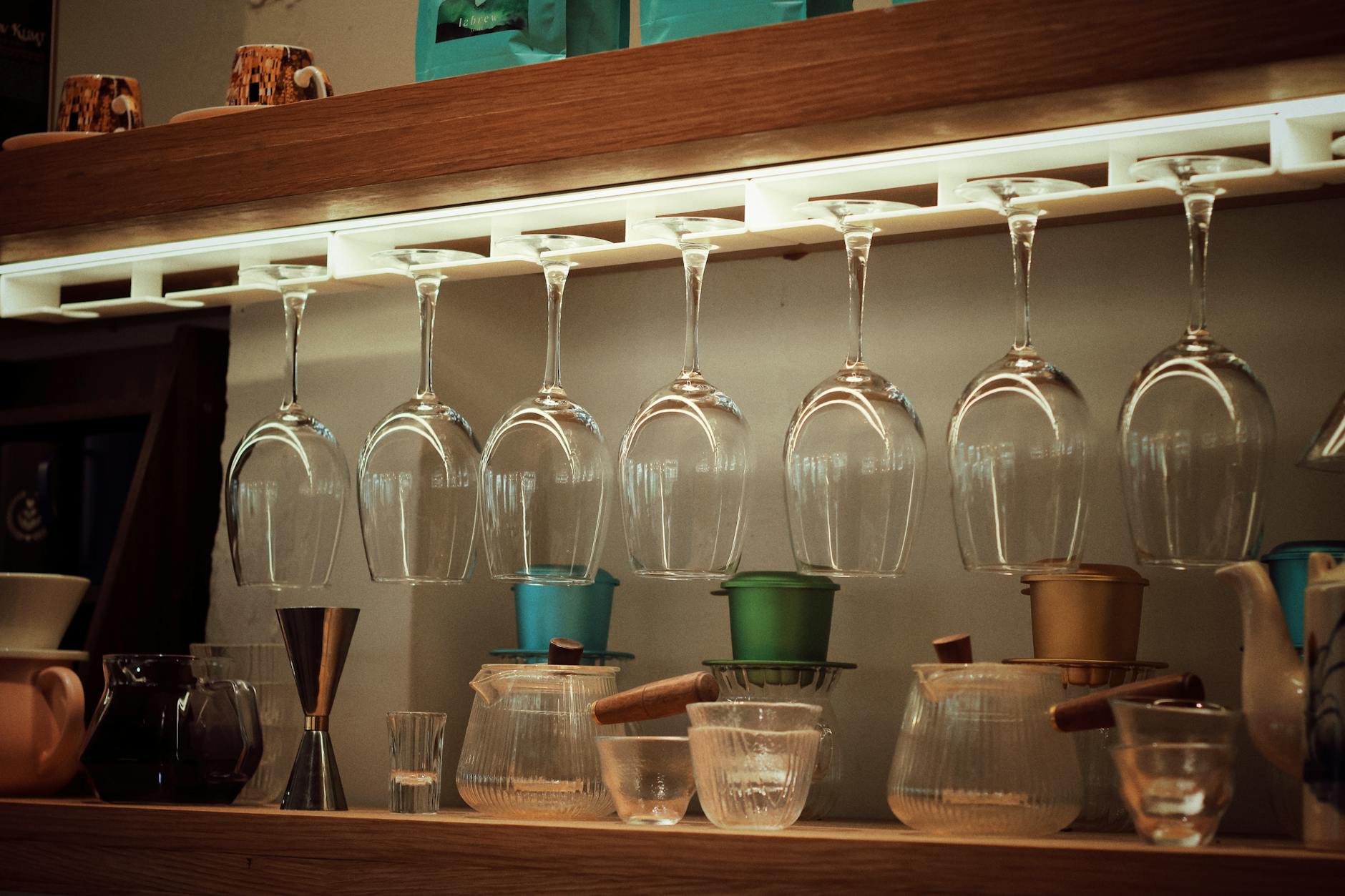
Munich’s beer halls dominate every visitor’s mental image of the city’s drinking scene, but the Munich wine bar and craft beer landscape has quietly grown into one of Germany’s most interesting. Hidden behind the lederhosen and oompah-band postcard view, the city now hosts serious natural wine bars, craft beer taprooms experimenting with sours and IPAs, vermouth and amaro specialists, and aperitivo lounges that would feel at home in Milan. This guide covers the best alternatives to traditional beer halls — where to find them, what to order, what to expect, and how to plan an evening that goes beyond Maß and Bratwurst.
Munich Wine Bars: A Scene Quietly Coming of Age
Bavaria’s wine country (Franconia, two hours northwest) and the Alpine border regions of Italy and Austria are all within easy supply distance of Munich, and the city’s hospitality scene has finally caught up with the geography. Three styles of wine bar coexist:
- Traditional Weinstuben — Old-school wine taverns with limited menus and a focus on Franconian wines.
- Italian-style enotecas — Aperitivo culture imported from Milan and Verona; broad Italian wine lists.
- Modern natural-wine bars — Small, design-forward bars focused on natural, biodynamic, and orange wines from across Europe.
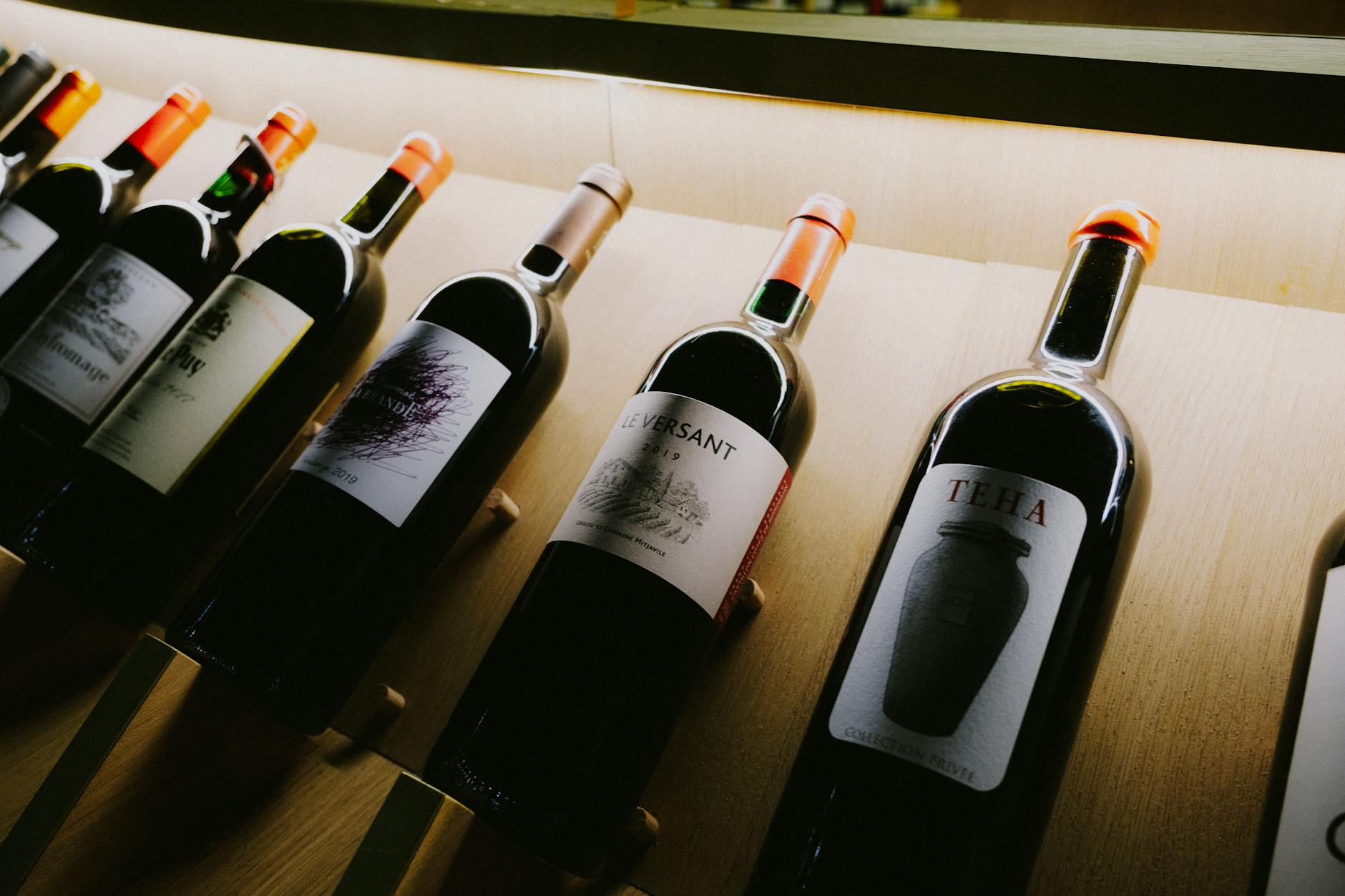
Best Traditional Weinstuben
- Pfälzer Weinprobierstube — In the courtyard of the Residenz. Atmospheric vaulted cellar, broad German wine list, traditional small plates. Glasses €5 to €9; bottles €25 to €80.
- Weinstube Schubert — In Maxvorstadt. Hidden, with a focus on Bavarian and Austrian wines. Glasses €5 to €10.
- Buchwald — Schwabing classic, family-run for decades. Solid German wine list and good Bavarian food.
- Schumann’s Bar Wine Section — Less a wine bar than a wine corner of an iconic cocktail bar. Highly curated short list.
Best Italian-Style Enotecas and Aperitivo Bars
- Bar Centrale — Munich’s most famous Italian bar, on Ledererstraße. Aperitivo from 17:00, full meals from 19:00. Glasses €5 to €12.
- Bar Tabacchi — Stylish Italian aperitivo in Haidhausen. Northern Italian wine focus.
- Negroni Bar — Tiny vermouth and Negroni specialist on Sebastiansplatz. Cocktails €11 to €15.
- Trattoria & Enoteca Acetaia — Bogenhausen restaurant with one of the best Italian wine lists in Munich.
- L’Osteria Theresienstraße — Chain restaurant, but the wine-by-the-glass program is solid for casual aperitivo.
Best Modern and Natural Wine Bars
- Glas — On Müllerstraße in the Glockenbachviertel. The most committed natural wine bar in Munich.
- Bar Sansibar — Bogenhausen’s serious oenophile bar. Strong German Riesling list.
- The Hirschau Weinstube — Inside the Hirschau beer garden in the English Garden, with one of Munich’s better wine programs in a surprising location.
- Munich Vibez Wine Bar — Schwabing newcomer with strong organic and biodynamic focus.
- Weinstube zum Pschorr — At the Viktualienmarkt. Tourist-adjacent but with a real wine list worth a glass.
Munich Craft Beer: The New Generation
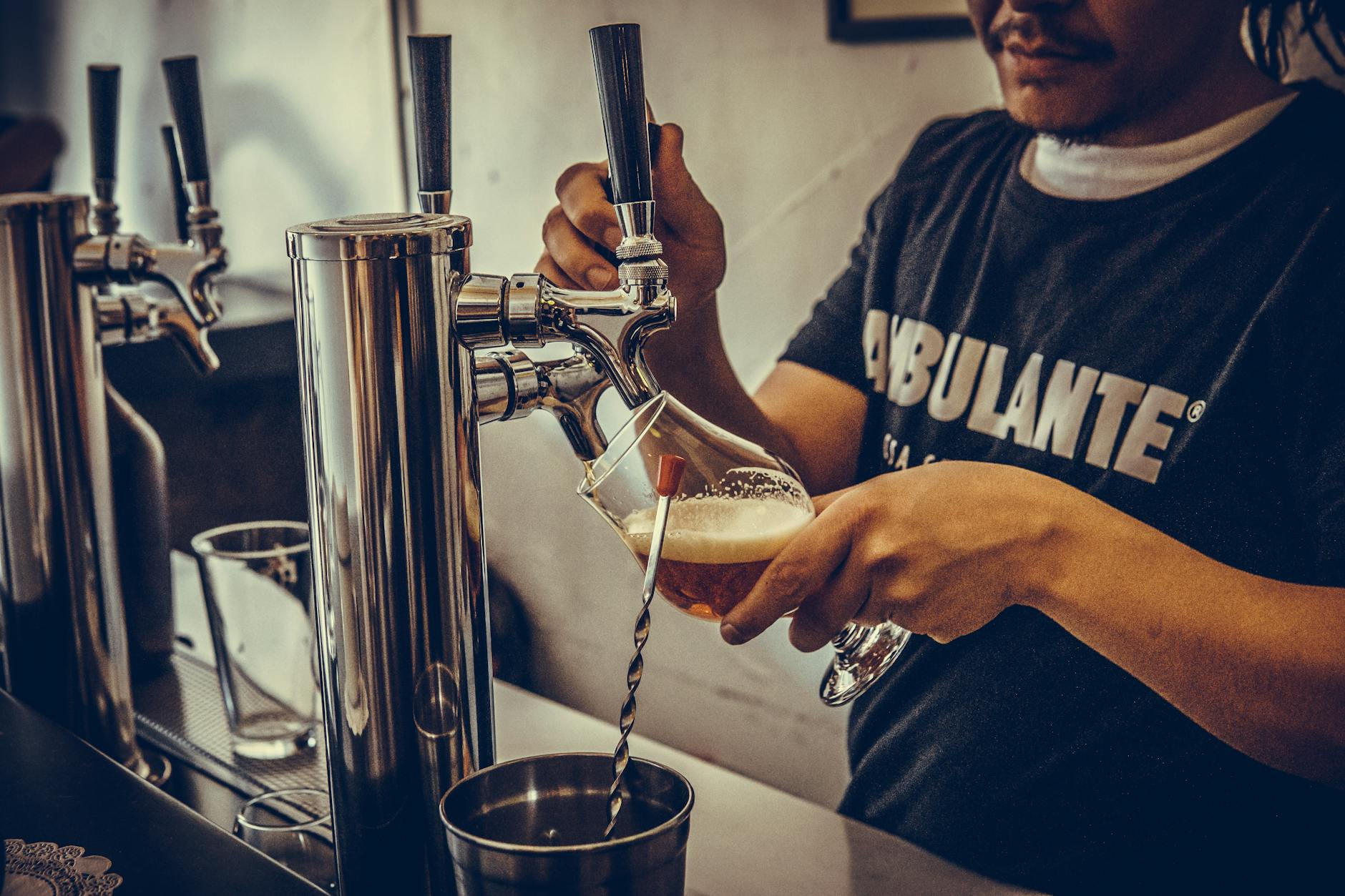
For 500 years Bavaria’s beer purity law (Reinheitsgebot) restricted brewers to water, barley, hops, and yeast. The law still shapes Bavarian brewing, but a generation of craft brewers has begun pushing the edges — brewing within Reinheitsgebot constraints but exploring styles unfamiliar in traditional Munich (sour, hazy IPA, barrel-aged stout). The result is a small but growing craft beer scene, mostly concentrated in the Glockenbachviertel and west of central Munich.
Best Craft Beer Taprooms
- Tap House Munich — On Rosenheimer Straße in Haidhausen. 40 taps rotating, including international guests. The most ambitious craft beer bar in the city.
- Frisches Bier — In the Glockenbachviertel. Smaller, more focused, often serves the best Bavarian-craft pours in town.
- Tilmans Biere — A craft brewery in Sendling with its own taproom. Their Wildbier (wild yeast lager) is unique.
- Giesinger Bräu Schäfflerei — Munich’s main craft brewery, with two taproom locations. Strong IPAs and bock variations.
- Crew Republic Brewery Tap — Unterhaching (south of city), worth the trip for serious craft fans.
- Camba Bavaria Beer & Food — A craft beer hall in the Werksviertel.
- Steam Brewery Taproom — In the Westend. Modern craft, sour beers, hazy IPAs.
Munich’s Independent Breweries
The ‘big six’ Munich breweries (Augustiner, Paulaner, Hacker-Pschorr, Löwenbräu, Spaten, Hofbräu) dominate the city’s beer halls and Oktoberfest tents. Beyond them, a growing roster of independents produces beers worth seeking out:
- Tilmans — Wild lager and craft experiments in Sendling.
- Giesinger Bräu — The largest independent, with strong helles and creative seasonals.
- Crew Republic — Unterhaching’s craft anchor; widely available in bottle shops.
- Camba Bavaria — Chiemgau brewery with strong sour and barrel-aged programs.
- Hopfenhäcker — Recent craft startup with hazy IPAs and dry-hopped lagers.
- BrauKunstHaus — Tiny operation with experimental fruit beers and wild fermentations.
Munich’s Cocktail and Spirit Bars Beyond the Big Names
If you want a Negroni or a Manhattan rather than wine or beer, Munich has a strong cocktail bar scene anchored by a few iconic addresses.
- Schumann’s American Bar — At Odeonsplatz. A Munich institution since 1982. Charles Schumann’s house cocktails are legendary.
- Pacific Times — Cocktail bar near Karlsplatz with a strong rum and whisky programme.
- High Spirits — Hidden in Haidhausen, focused on Japanese whisky and craft cocktails.
- Trader Vic’s — Tiki at the Bayerischer Hof hotel. Touristy but the cocktails are well-made.
- Goldene Bar — Inside the Haus der Kunst museum; gorgeous gilded interior, well-curated short list.
- Negroni Bar — Tiny, vermouth-focused, opens after 18:00.
- Charles Bar — At the Charles Hotel; quiet, classic, expensive.
- Dukes Bar — Lehel’s serious cocktail and whisky bar; perfectly mixed Martinis.
What to Eat: Snacks and Small Plates

Most Munich wine bars and serious cocktail bars now serve small plates. Don’t expect beer-hall portions — these are aperitivo-style sharing boards rather than meals.
- Brotzeit boards — Cold cuts, cheeses, pickled vegetables, mustard, pretzels (€10 to €16).
- Charcuterie selections — Italian salumi and Spanish jamón at €12 to €22.
- Cheese plates — A mix of Bavarian and Italian cheeses (€10 to €18).
- Vitello tonnato — Italian classic, common in enotecas (€11 to €15).
- Tartines — Open-faced bread with various toppings (€7 to €13).
- Oysters — At Oberpollinger’s oyster bar (€3 to €5 each) and Schumann’s.
- Burrata or mozzarella plates — €9 to €14.
- Caponata or grilled vegetables — Vegetarian aperitivo staples.
- Patatas bravas — Spanish-style fried potatoes at €6 to €9.
- Tasting menus — Bar Centrale and Glas offer 4 to 5 course aperitivo tasting menus.
Evening Itineraries
Wine-First Evening
- 18:00 — Aperitivo at Bar Centrale, glass of Lambrusco and small plate.
- 19:30 — Move to Glas in the Glockenbachviertel for serious natural wine.
- 21:00 — Walk to Negroni Bar for vermouth and one Negroni.
- 22:30 — Cap the evening at Schumann’s American Bar.
Craft Beer Crawl
- 18:00 — Tap House Munich on Rosenheimer Straße. Try the sour or hazy IPA.
- 19:30 — Tram to Giesinger Bräu Schäfflerei taproom.
- 21:00 — Walk to Frisches Bier in the Glockenbachviertel.
- 22:30 — Final stop at Steam Brewery Taproom in the Westend.
Mixed: Wine, Beer, and Cocktails
- 17:30 — Wine at Pfälzer Weinprobierstube in the Residenz courtyard.
- 19:00 — Dinner at Augustiner or a small Italian restaurant.
- 21:00 — Craft beer at Frisches Bier in the Glockenbachviertel.
- 22:30 — Cocktails at Schumann’s American Bar at Odeonsplatz.
- 00:30 — Late-night drink at Dukes Bar in Lehel.
Practical Tips for Munich’s Alternative Drinking Scene
- Reservations matter. Bar Centrale, Schumann’s, and the better natural wine bars fill up Friday and Saturday. Book ahead.
- Hours are different from beer halls. Many wine bars and cocktail bars open at 17:00 or 18:00 and close at 02:00 or 03:00 — later than the traditional beer halls.
- Dress code is smarter than the beer halls. Smart casual works almost everywhere; lederhosen feel out of place.
- Card payment is universal. Cash is rarely needed in this scene.
- Tipping is 5 to 10 percent on the full bill, not the rounded-up beer-hall convention.
- Music is conversational. Expect lower volume than American craft beer bars; conversation is part of the experience.
- Aperitivo culture means small snacks come free with a drink in some Italian-style bars; check the chalkboard.
- Wines by the glass range €5 to €15 depending on the wine and the bar.
Several of these make natural stops on a longer evening — see our guide to romantic things to do in Munich.
Munich Wine Regions: A Quick Primer
Munich sits within easy supply distance of several important German and Austrian wine regions. Understanding which wines appear in Munich’s wine bars helps you order well.
| Region | Style | What to Try | Typical Price by Glass |
|---|---|---|---|
| Franken (Bavaria) | Dry Silvaner, Riesling, Müller-Thurgau | Bocksbeutel Silvaner | €5 to €9 |
| Württemberg | Trollinger, Lemberger reds, dry Riesling | Lemberger Spätburgunder | €5 to €10 |
| Rheingau | Premium dry Riesling | Erstes Gewächs Riesling | €8 to €15 |
| Mosel | Off-dry to sweet Riesling | Kabinett or Spätlese | €6 to €12 |
| Pfalz | Riesling, Burgunder reds | Spätburgunder, Weissburgunder | €6 to €12 |
| South Tyrol (Italy) | Vernatsch, Lagrein, Gewürztraminer | Lagrein Riserva | €7 to €13 |
| Friuli (Italy) | Crisp whites, orange wines | Friulano, Ribolla Gialla | €7 to €14 |
| Austria (Wachau) | Grüner Veltliner, Riesling Smaragd | Federspiel Grüner Veltliner | €7 to €13 |
| Burgundy (France) | Pinot Noir, Chardonnay | Côte de Beaune whites | €10 to €25 |
Tasting Tips: How to Order Like a Local
- Start dry. Bavarian and Franconian whites are bone dry; ordering ‘sweet’ Riesling marks you as an outsider.
- Ask for the chalkboard wines (Weine der Woche). Daily selections by the glass are typically the best value.
- Pair red wine with cheese, white with charcuterie. Reversing this is more local-Bavarian than internationally typical.
- Don’t refuse the sommelier’s first suggestion. Munich sommeliers know their lists; the first suggestion is rarely the upsell.
- Order natural wines by the glass before the bottle. Natural wine styles vary wildly; the glass lets you test before committing.
- Skip Champagne for German Sekt or Austrian Sekt in serious wine bars — better quality at the price point.
- Tip 5 to 10 percent if service was attentive; rounding up is fine for short visits.
- Late-night Munich wine bars often close by 02:00; cocktail bars stay open until 03:00 to 04:00.
Craft Beer Styles to Try Beyond Helles
Hazy IPA
Northeast US-style cloudy, juicy, low-bitterness IPA. Tilmans, Crew Republic, and Hopfenhäcker brew strong examples. The style was introduced to Munich around 2018 and now appears on every craft tap list.
Sour and Wild Beers
Berliner Weisse and Gose are traditional German sour styles; the modern craft scene adds American-style kettle sours and barrel-aged wilds. Tap House Munich and Frisches Bier have the deepest sour lists. Try a Goseator or a fruited Berliner Weisse for low-ABV refreshment.
Imperial Stouts and Barrel-Aged Beers
Hard to find in traditional beer halls but ubiquitous in craft taprooms. Camba Bavaria’s barrel-aged imperial stouts are among Germany’s best. Strong winter season offerings.
Bavarian Reinterpretations
Several breweries (Giesinger Bräu, Tilmans, Steam Brewery) brew within Reinheitsgebot constraints but push the edges — single-hop pilsners, dry-hopped lagers, wild-fermented helles. These are the most interesting beers in the Munich craft scene because they bridge tradition and innovation.
By Neighborhood: Where the Alternative Scene Lives
Glockenbachviertel
Munich’s nightlife heart. The densest concentration of wine bars, craft beer spots, and cocktail bars in the city. Key streets: Müllerstraße, Reichenbachstraße, Holzstraße, and Hans-Sachs-Straße. Walk down any of them after 19:00 and you’ll find something worth stopping at. The neighborhood is also Munich’s gay village with explicit LGBTQ+ venues including NY.Club, Prosecco, and the legendary Deutsche Eiche hotel-bar.
Maxvorstadt
Student-leaning, with a focus on natural wine and design-forward bars. Türkenstraße, Schellingstraße, and Theresienstraße house most of the action. Bar Centrale (Italian aperitivo) anchors the western edge of the neighborhood. Crowds skew younger and earlier — most bars start filling at 18:00 and quiet by 01:00.
Haidhausen
Cocktail-and-natural-wine territory with a quieter, older feel than Glockenbachviertel. Bar Tabacchi and High Spirits draw a 30+ crowd; Tap House Munich on Rosenheimer Straße is the area’s best craft beer destination. The Hofbräukeller offers a traditional anchor for an evening that starts beer-hall and ends cocktail bar.
Schwabing
Older, more genteel wine bar scene. The streets around Münchner Freiheit and Wedekindplatz have several long-standing Italian and German wine bars (Buchwald, Pfälzer Weinstuben, Bar Maximilian). Cocktail options are scarcer; head south to Maxvorstadt or Glockenbachviertel for serious mixology.
Lehel and Altstadt
Smaller cluster of higher-end bars: Schumann’s at Odeonsplatz, Charles Bar, Dukes Bar in Lehel, and Goldene Bar inside the Haus der Kunst. These bars draw an upscale crowd and prices reflect it; drink for the curated lists and the elegance rather than the volume.
Munich Wine Bar Glossary
- Weinstube — traditional German wine tavern with a small food menu.
- Vinothek — wine shop with bar service; sometimes more focused on bottles than glasses.
- Enoteca — Italian wine bar with aperitivo focus.
- Weinbar — modern wine bar, often natural wine.
- Bar di vini — Italian-style wine bar; functionally identical to enoteca.
- Glas — German for ‘glass’; common short menu term for wines by the glass.
- Flasche — bottle.
- Halbe — half-bottle.
- Probierset — wine flight, usually 3 to 5 small glasses.
- Sekt — German sparkling wine.
- Bocksbeutel — flat round bottle traditional to Franken wines.
- Trocken / halbtrocken / lieblich / süß — dry / semi-dry / medium / sweet.
Beyond Bars: Wine and Beer Experiences in Munich
Brewery Tours
Several Munich breweries offer guided tours that end with tastings. Augustiner doesn’t offer public tours (a Munich quirk), but Paulaner, Hofbräu, and Giesinger Bräu all run regular programs (€20 to €40 per person). The BMW Welt-adjacent Spaten brewery hosts an evening tour with a tasting flight as standard.
Wine Shop Tastings
Several Munich wine shops host weekly tastings, often €15 to €30 for 5 to 8 wines plus small plates. Schalander on Adalbertstraße, Wein & Co at Tal 30, and Vinothek by Geisel run regular programs. Reservations recommended.
Cocktail Classes
Schumann’s offers occasional masterclasses; Pacific Times runs a quarterly cocktail school. Beyond Munich, the Hotel Bayerischer Hof’s Falk Club offers private cocktail lessons by appointment.
Seasonal Notes
Summer
Many wine bars and cocktail bars open outdoor terraces from May to September. Bar Centrale’s terrace on Ledererstraße is one of the city’s best aperitivo spots; Goldene Bar’s outdoor garden at the Haus der Kunst is open through summer. Craft beer taprooms with beer gardens (Giesinger Bräu, Tap House Munich) come into their own. Reservations strongly recommended Friday and Saturday.
Winter
Indoor-focused. Glühwein appears at every wine bar from mid-November; Glühbier (mulled craft beer) at the craft taprooms. The cozy underground wine cellars (Pfälzer Weinstuben, Buchwald) come into peak season in cold weather. Christmas Markets compete with bar visits in early December; many Münchners alternate.
Oktoberfest Period
Most wine bars and craft beer spots remain quieter than usual during the festival weeks (most beer-focused Bavarians are at the Wiesn). For visitors who want to escape Oktoberfest crowds, these venues are a refuge. Cocktail bars in central Munich can be busier than usual with festival-goers wanting after-tent drinks.
Frequently Asked Questions
Is Munich a good wine destination?
Better than its beer reputation suggests. The city is close to the Franconian, Württemberg, and Tyrolean wine regions, and the import scene is strong on Italian and Austrian wines. For a wine-only trip Munich is not a destination, but for one evening alongside Bavarian beer culture it offers excellent variety.
What about non-alcoholic options?
Munich’s craft beer scene has embraced non-alcoholic options (Augustiner Helles Alkoholfrei is widely available), and most wine bars stock at least one or two alcohol-free sparkling wines. Vermouth-based mocktails and house-made sodas are common at cocktail bars.
Are bars LGBTQ-friendly?
Across the entire scene, yes. The Glockenbachviertel specifically is Munich’s gay village, with explicit LGBTQ-positive venues alongside the broader bar scene. Bars elsewhere in the city are uniformly welcoming.
Are these bars suitable for tourists who don’t speak German?
Yes. English is widely spoken in Munich’s bar scene, especially in the Glockenbachviertel and Maxvorstadt. Menus are typically bilingual; staff in serious wine bars are happy to recommend in English.
Are these bars more expensive than beer halls?
Modestly. A glass of wine runs €5 to €15 versus €5 to €6 for a half-litre of beer in a beer hall. Cocktails are €11 to €18 versus a Maß at €5.50 to €6.50. Small plates are similar in price to beer-hall food. An evening at a wine bar typically runs €35 to €60 per person, similar to a beer hall plus snacks.
Where do locals drink?
Locals split between beer halls (for traditional Bavarian evenings) and the wine bar / craft beer / cocktail scene (for everyday drinking). The Glockenbachviertel, Haidhausen, and Maxvorstadt are the local strongholds; the Marienplatz beer-hall scene is dominated by tourists most evenings.
What’s the difference between a Weinstube and an enoteca?
A Weinstube is a traditional German wine tavern — cozy, often with a Bavarian or Franconian food menu, focused on German wines. An enoteca is the Italian equivalent — more aperitivo-focused, with Italian wine and lighter Italian small plates. Munich has both in roughly equal numbers.
Are reservations needed?
Recommended for Friday and Saturday at the popular wine bars (Bar Centrale, Glas, Schumann’s, Bar Tabacchi). Walk-ins usually work at craft beer taprooms even on weekend evenings.
What time do Munich bars close?
Most wine bars close at 01:00 or 02:00; cocktail bars at 02:00 to 04:00; beer taprooms at 23:00 to 01:00 weekdays and later weekends. Munich has no legal closing time, but the practical answer is around 02:00 to 03:00 weekend nights.
Is there a craft beer scene that compares to Berlin?
Munich’s craft scene is smaller and more recent than Berlin’s, but the quality is excellent. Berlin has more variety; Munich has tighter Bavarian-craft integration with the broader beer culture. Both cities are worth craft beer time on a longer trip.
Are dogs welcome at Munich wine bars?
Often yes, particularly at smaller neighborhood wine bars in the Glockenbachviertel and Haidhausen. The cocktail bars are more variable; the larger hotel bars typically do not allow dogs. Check before bringing a four-legged companion to a Friday-night booking.
Plan Your Munich Trip
- Munich Nightlife Guide — the master overview
- Best Bars in Munich — the broader bar scene
- Munich Beer Halls for an Evening Out — the traditional version
- Glockenbachviertel Guide — Munich’s nightlife heart
- Best Beer Gardens in Munich — daytime drinking